Is an Ice Fishing License Different From a Summer License in Wyoming?
One of the most common questions I get from folks, especially as the seasons shift from golden autumn leaves to the crisp, white blanket of winter, is about fishing licenses. It's completely understandable to wonder if you need a whole new license when you swap your spinning rod for an ice auger and head out onto a frozen lake. The idea that different seasons or techniques might require different permits can be confusing and frankly, a bit of a headache to navigate. This guide is here to clear up that very common misconception and help you understand Wyoming's approach to fishing licenses, whether you're casting flies in July or jigging through the ice in January.
Understanding Wyoming's Unified Fishing License System
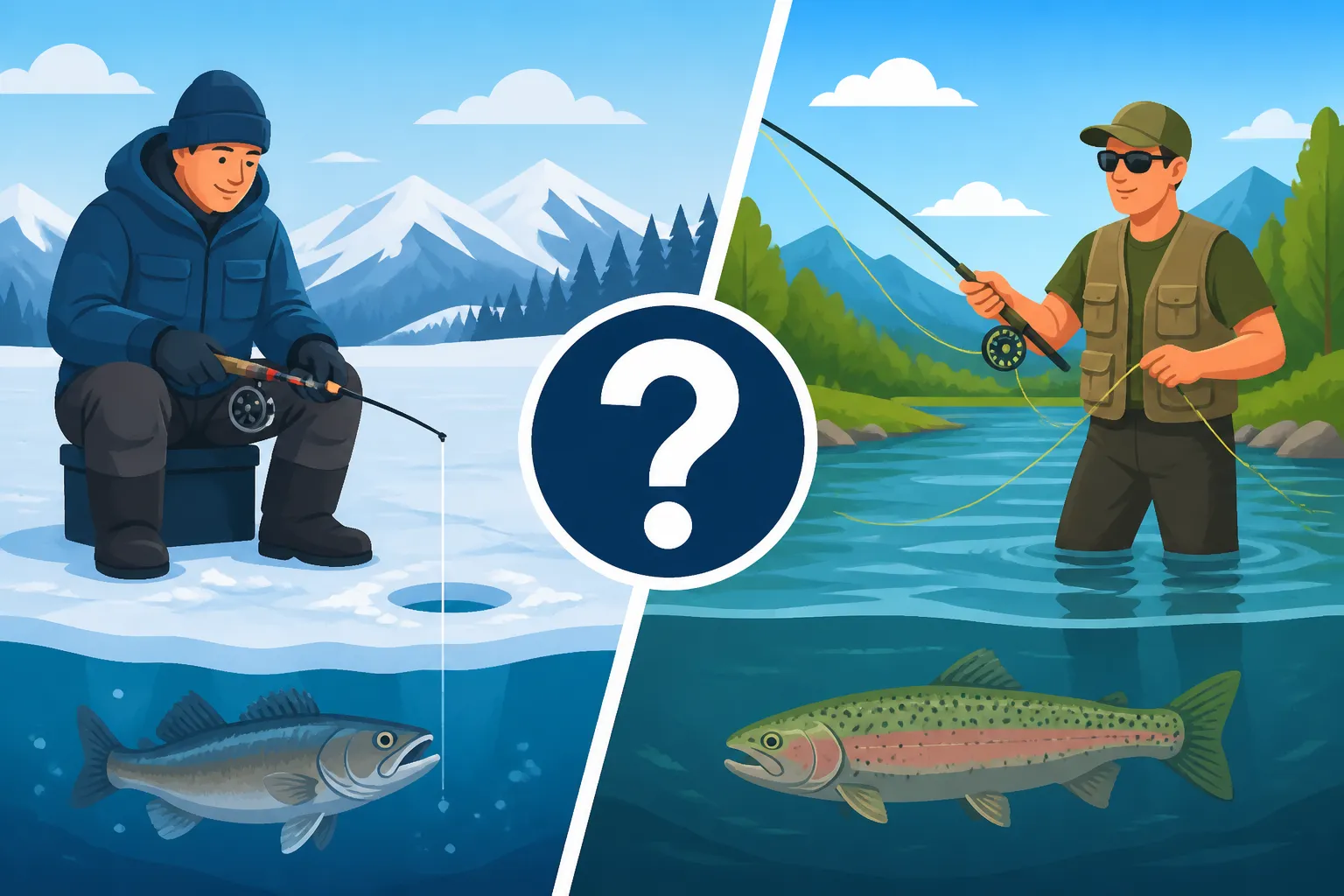
Let's cut right to the chase: In Wyoming, there isn't a separate "ice fishing license" or "summer fishing license." When you purchase a Wyoming fishing license, it's generally valid for the entire calendar year (January 1st through December 31st) and covers all legal fishing methods, including both open water and ice fishing, as long as you're fishing within the regulations for that specific water body. The Wyoming Game and Fish Department (WGFD) works hard to keep things relatively straightforward, so you don't have to carry a stack of different permits.
The "One License, All Seasons" Approach
The beauty of Wyoming's system is its simplicity. Imagine the chaos if you needed one license for trout, another for walleye, and then separate ones for spring, summer, fall, and winter! Thankfully, the WGFD opted for an inclusive approach. Your annual fishing license is your golden ticket to the state's incredible fisheries, from the high mountain lakes that are ice-bound for much of the year to the mighty North Platte River, which often stays open and flowing even in the depths of winter. This means that whether you're planning to chase cutthroat in the spring, try for lake trout through the ice, or cast for walleye in the reservoirs during summer, that single license has you covered. It's designed to be comprehensive, ensuring that once you've secured your permit and the necessary The Wyoming Conservation Stamp and What It Covers, you can focus on the fishing itself, rather than fretting over which piece of paper you might be missing.
What Your Wyoming Fishing License Covers
A standard Wyoming fishing license is remarkably versatile. It grants you the privilege to pursue nearly all game fish species found across the state's diverse aquatic habitats. This includes popular species like rainbow trout, brown trout, cutthroat trout, and lake trout, as well as warm water species such as walleye, bass, and perch. The license also covers various fishing techniques, from fly fishing and spin casting to bait fishing, as long as these methods adhere to specific regulations for the water body you're on. For instance, while bait fishing is generally allowed, certain blue-ribbon trout streams might have "flies and lures only" restrictions. Your license is your authorization to engage in these activities, but it's always crucial to pair it with a thorough understanding of the specific rules for the location you choose. For a detailed rundown of the overarching rules, check out our guide on Wyoming Fishing Regulations Every Angler Should Know. Remember, the license is the blanket permission; the specific rules are the fine print you always need to read.
Common Misconceptions About Ice Fishing Regulations
Despite the unified license system, it's totally natural for anglers to feel a bit confused when it comes to ice fishing. The gear is different, the conditions are drastically different, and the whole vibe of being out on a frozen lake can make it feel like a completely separate sport. These differences often lead to assumptions that there must be a different licensing requirement, but thankfully, that's not the case.
Why People Think They Need a Separate License
The primary reason for this misconception often stems from the specialized nature of ice fishing. Think about it: you're not just throwing a line in; you're drilling holes, setting up ice shelters, using specialized tip-ups and jigs, and sometimes even bringing along a portable heater. It feels like a whole different ballgame compared to standing on a riverbank with a fly rod. Many other states have complex licensing structures, or even specific endorsements for certain activities, which can further fuel the idea that Wyoming might too. Plus, the sheer variety of equipment, from high-tech fish finders to a simple hand auger bought from Amazon, might make one think they're entering a regulated niche.
However, the WGFD simply views ice fishing as another method of angling. As long as you have your valid annual, daily, or five-day license, you're good to go. The key is to remember that while the license isn't different, the rules governing how you fish on the ice can certainly be distinct from open water fishing. This is where anglers need to pay close attention to the details in the annual regulations booklet or the online WGFD fishing guide for specific areas.
Specific Rules for Ice Fishing vs. Open Water
While your license itself doesn't change, there are indeed specific regulations that apply uniquely to ice fishing in Wyoming. These rules are designed to manage fish populations, ensure angler safety, and address the unique challenges and opportunities that ice fishing presents. The most notable differences usually revolve around the number of lines you can use and the rules for ice fishing shelters.
For instance, on most waters, during the open water season, you are typically limited to one rod or line, unless you've purchased a special Two-Pole and Multiple-Rod Rules in Wyoming stamp. However, for ice fishing, the rules often allow for multiple lines per angler without an additional stamp, usually up to two or even three, depending on the water body. This is a significant difference and one that ice anglers definitely appreciate as it increases their chances of success when waiting for fish to bite in cold water.
Another important distinction pertains to ice fishing shelters. While you might just need a rain jacket for summer fishing, on the ice, a portable shelter or permanent shack is often essential for comfort and safety. The WGFD has regulations regarding the identification of these shelters, especially if they are left unattended overnight. You'll need to clearly mark your shelter with your name and address or your WGFD customer identification number. It's a small detail, but one that ensures accountability and helps the WGFD manage public lands and waters effectively.
Here's a quick comparison of some common regulations:
| Regulation Aspect | Open Water Fishing (Standard) | Ice Fishing (General Rule) |
|---|---|---|
| License Type | Standard Annual, Daily, or 5-Day | Same Standard Annual, Daily, or 5-Day |
| Number of Lines | One rod/line (Two-pole stamp needed for additional) | Up to two or three lines (check specific water regs) |
| Shelter Rules | Not applicable | Identification required (name/address/CID if left) |
| Catch-and-Release | Water-specific (e.g., barbless hooks, no kill zones) | Water-specific (e.g., barbless hooks, no kill zones) |
| Bait Regulations | Water-specific (e.g., artificial lures only, minnow rules) | Water-specific (e.g., artificial lures only, minnow rules) |
| Fishing Hours | Generally 24/7 unless specified for particular waters | Generally 24/7 unless specified for particular waters |
This table provides a general overview, but always double-check the most current regulations for the specific water body you plan to fish, as rules can vary widely. You can find these details by referring to Where to Find Current Wyoming Fishing Regulations.
Types of Wyoming Fishing Licenses Available
Since the license itself isn't different for ice or summer fishing, let's explore the various types of fishing licenses you can purchase in Wyoming, all of which cover both seasons. Understanding these options will help you choose the best fit for your angling adventures, whether you're a long-time resident or just visiting.
Annual Licenses: Your Best Bet for Year-Round Fun
For serious anglers or those planning multiple trips throughout the year, an annual license is almost always the most cost-effective and convenient option. These licenses are valid for the entire calendar year, from January 1st to December 31st, regardless of when you purchase them. This means if you buy an annual license in August, it's still good until December 31st of that same year, not 12 months from your purchase date. This calendar-year validity is a critical detail that sometimes catches people off guard.
An annual license ensures you're covered for every possible fishing opportunity Wyoming throws your way – from early spring thaw to peak summer, from vibrant fall spawning runs to the quiet solitude of ice fishing. If you're a Wyoming resident, the Wyoming Resident Fishing License Cost is significantly lower than for nonresidents, making year-round access quite affordable. Don't forget, however, that the annual Conservation Stamp is a mandatory addition for most anglers, resident or nonresident, effectively acting as an environmental stewardship fee. This stamp helps fund crucial wildlife and habitat conservation efforts across the state.
Daily and Five-Consecutive-Day Options
If you're only planning a short visit or a quick fishing excursion, Wyoming offers more flexible options. The daily fishing license is perfect for a spontaneous day trip, while the five-consecutive-day license provides a great value for those planning a slightly longer adventure. Both of these options are valid for both open water and ice fishing, just like the annual license.
These shorter-term licenses are particularly popular with nonresidents who might be visiting for a vacation and want to experience some of Wyoming's world-class fishing without committing to a full annual permit. For instance, if you're driving through on a road trip and decide to spend a day fishing Wyoming's Jackson Lake Fishing Guide, a daily license is your ticket. These are generally available for purchase right up until the day you plan to fish, making them very convenient. You can compare these options in more detail through our guide on Wyoming's Annual, Daily and Five-Day License Options.
Just like with the annual license, even these shorter-term options often require the purchase of a Conservation Stamp, depending on your age and residency. It's an important detail not to overlook, as fishing without the proper stamps is just as much a violation as fishing without the primary license itself.
The Mandatory Conservation Stamp
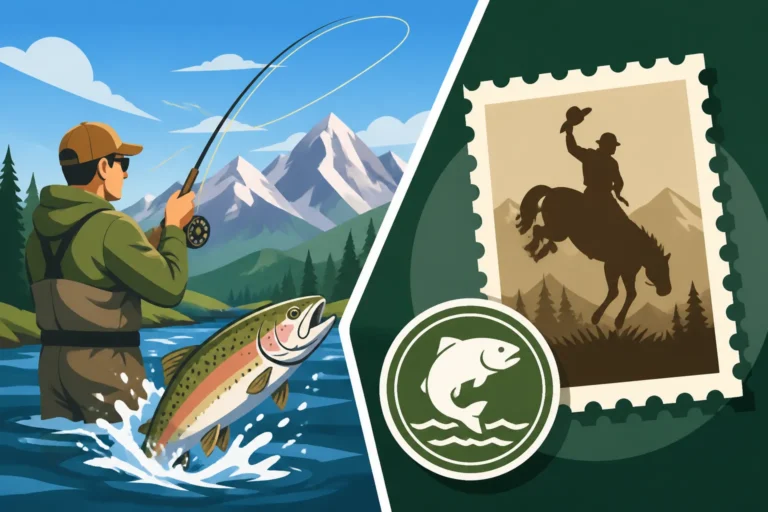
I've mentioned it a few times now, but it bears repeating because it's so important: the Wyoming Conservation Stamp is a separate, mandatory requirement for nearly all anglers aged 14 and older, whether resident or nonresident, with some very specific exceptions. This stamp is not optional and must be purchased in conjunction with your fishing license. It's a small fee that goes directly to support critical conservation programs, habitat improvement projects, and wildlife management throughout the state, benefiting not just fish but all of Wyoming's incredible wildlife.
Think of it as your contribution to keeping Wyoming wild and beautiful. While your license grants you permission to fish, the Conservation Stamp ensures that the resources you're enjoying will be there for future generations. There are very limited circumstances where a Conservation Stamp is not required, such as for those fishing during Wyoming's free fishing day or for certain youth under specific conditions. Always double-check if you fall into one of these exempt categories, but for the vast majority of adult anglers, it's a must-have. You can learn more about its requirements and purpose in The Wyoming Conservation Stamp and What It Covers.
Essential Considerations for Any Wyoming Fishing Trip
Beyond the license itself, there are a few other critical pieces of information every angler needs to know before hitting the water, whether it's frozen or flowing. These considerations ensure you're fishing legally, responsibly, and with the best chance of success.
Age and Residency Requirements
Not everyone needs a license, and what counts as a resident can sometimes be a bit tricky. In Wyoming, children under the age of 14 generally do not need a fishing license. This is fantastic news for families, making it easy to introduce kids to the joys of fishing without an extra financial burden. However, even if they don't need a license, they still need to adhere to all other fishing regulations, such as bag limits, length limits, and bait restrictions. It's wise to review Do Kids Need a Fishing License in Wyoming? for all the specifics.
For adults, the distinction between resident and nonresident is vital, as license costs vary significantly. Generally, to qualify as a Wyoming resident for licensing purposes, you must have resided in the state for at least one full year immediately prior to applying for the license. There are specific criteria regarding domicile, voter registration, and vehicle registration that the WGFD uses to determine residency, so it's not just about having a P.O. box. If you're unsure, it's always best to clarify directly with the WGFD or consult our detailed article on What Counts as a Wyoming Resident for Licensing to avoid any issues or accidental misrepresentation.
Where and How to Purchase Your License
Gone are the days when you had to track down a physical license vendor in some dusty general store (though those are still charming options!). Today, convenience is key. The easiest and often most recommended way to purchase your Wyoming fishing license and Conservation Stamp is online through the Wyoming Game and Fish Department website. This allows you to print your license at home or save an electronic copy on your phone.
However, if you prefer a tangible copy or need to pick one up on the fly, numerous authorized vendors across the state sell licenses. These include many sporting goods stores, some convenience stores, and even a few supermarkets in larger towns like Casper, Jackson, or Cheyenne. When purchasing in person, remember to bring a valid form of identification, and if you're claiming residency, be prepared to provide proof. After purchasing, remember that you are required to have your license and Conservation Stamp on your person while fishing. A common question is whether a phone screenshot is enough, and the answer is usually yes, as long as it's a clear, legible digital copy. Learn more about your options in Where and How to Buy a Wyoming Fishing License and also about Carrying Your Wyoming Fishing License in the Field. Some anglers like to keep a backup printout tucked into their tackle box or a waterproof pouch, just in case their phone battery dies – a smart move, especially in the backcountry.
Always Check Current Regulations
This is probably the most important piece of advice I can give any angler, whether they're new to Wyoming or have been fishing here for decades. While your license doesn't change by season, specific regulations often do, and they can vary dramatically from one water body to another, even within the same river system. These variations are put in place by the WGFD to manage fish populations, protect sensitive species, and respond to environmental changes.
For example, a section of the North Platte River might have a strict catch-and-release, flies-and-lures-only rule, while a nearby lake allows bait and a generous bag limit. Some waters have slot limits, meaning you can only keep fish within a certain size range, or specific rules about barbed hooks. These rules can even change mid-season due to emergency closures or special conditions. Always, always consult the most current official Wyoming Fishing Regulations booklet or the WGFD website before heading out. It’s freely available online, and you can even download a PDF to your phone. Checking regulations takes only a few minutes but can save you from potential fines and, more importantly, helps ensure the health of Wyoming's incredible fisheries. Getting an Ice Fishing Gear Checklist for Wyoming Lakes is a great start, but knowing the rules for the specific lake is even better.
Disclaimer
Please remember that while this guide aims to provide accurate and up-to-date information, fishing regulations can change. It is always the angler's responsibility to consult the current official Wyoming Game and Fish Department regulations prior to fishing. This article is for informational purposes only and does not constitute legal advice.