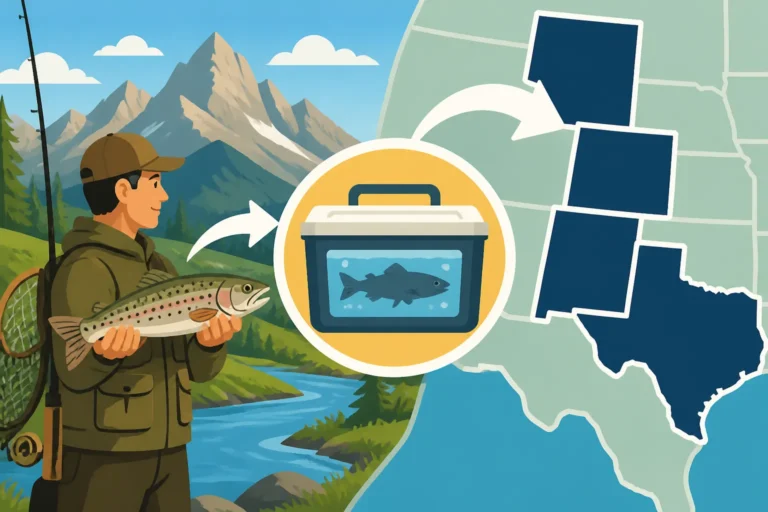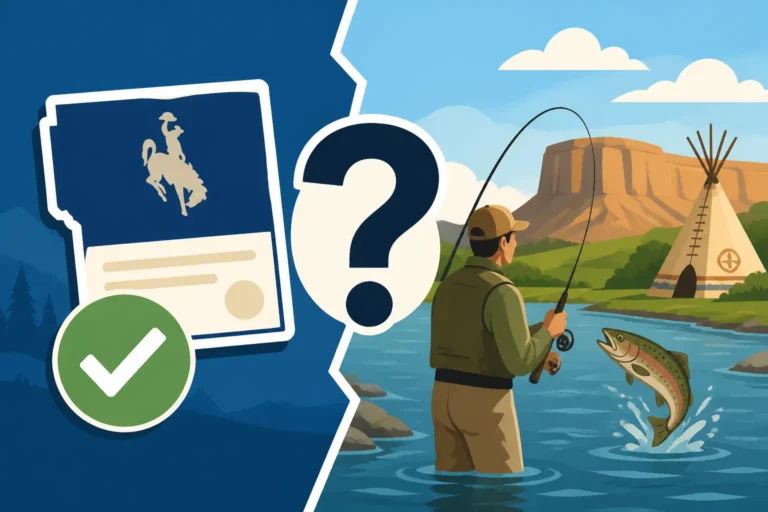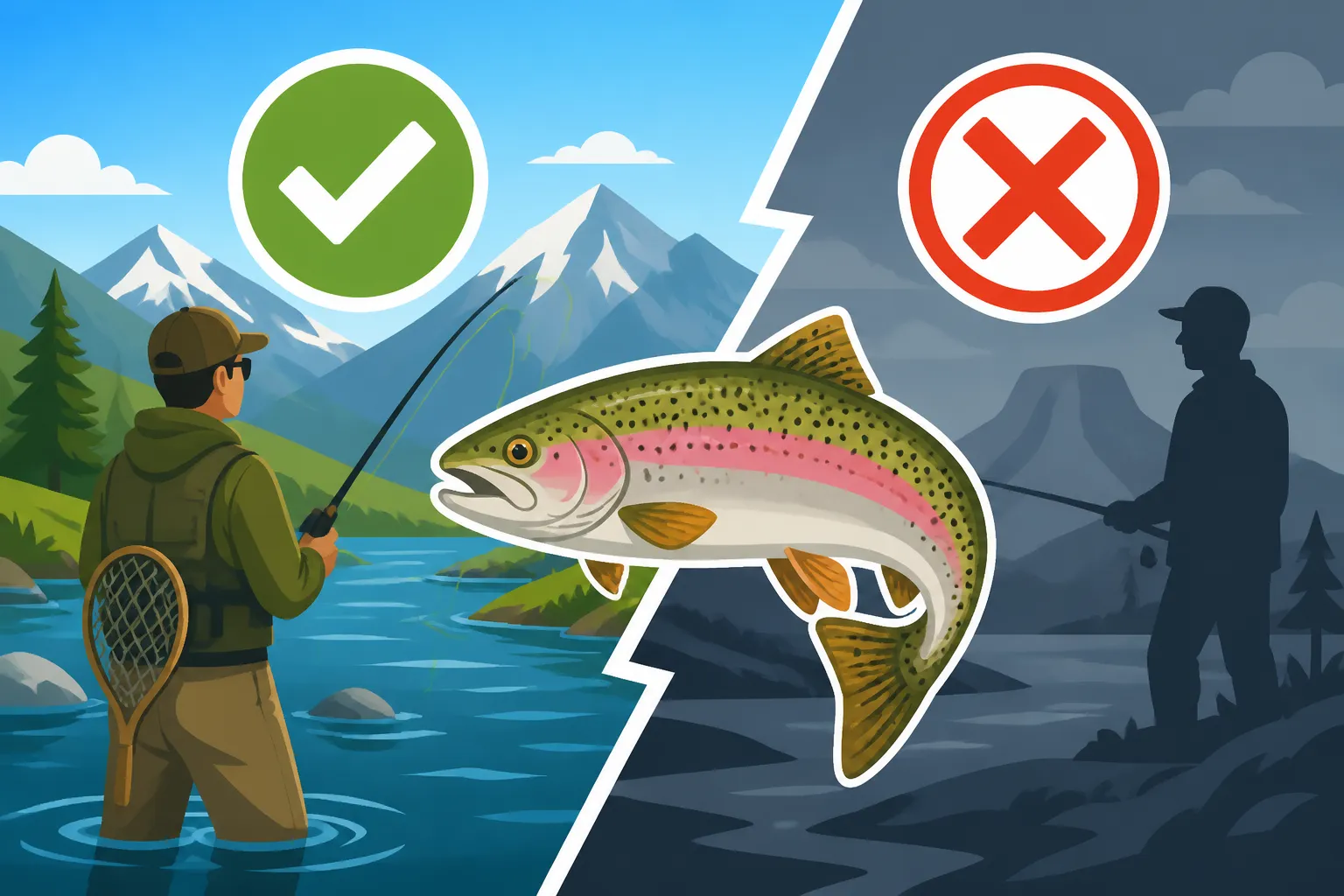
Does Wyoming Have a Closed Season for Trout?
One of the most common worries for anglers planning a trip to the Cowboy State is trying to figure out if there's a specific time of year when you can't even think about casting a line for trout. It's truly frustrating to meticulously plan a fishing adventure, only to discover you might be breaking the rules because you misunderstood a season closure. This guide is here to clear up that confusion, diving deep into Wyoming's unique approach to trout fishing seasons and clarifying exactly what "closed season" means here.
Understanding Wyoming's General Trout Fishing Seasons
Unlike some states where entire species might be off-limits for months at a time, Wyoming takes a more nuanced approach to its trout fishing seasons. The idea of a single, statewide "closed season" for all trout species across all waters simply doesn't apply here. This can be a bit of a head-scratcher if you're used to more rigid, blanket regulations. Instead, Wyoming Game and Fish Department (WGFD) focuses on specific water bodies, species, and even sections of rivers to implement closures or special restrictions.
Statewide General Regulations
For the most part, many of Wyoming's vast public waters are open to trout fishing year-round. This means you can often find a place to fish for rainbow, brown, cutthroat, or brook trout any month of the year, from the hottest summer days to the depths of winter ice fishing season. It's a huge perk for dedicated anglers who love to chase trout regardless of the weather. However, this general openness comes with a significant caveat: always check the specific regulations for the water you plan to fish. Just because the state doesn't have a blanket closure doesn't mean your chosen stream or lake isn't under a special restriction. The WGFD's goal is to protect spawning fish and sensitive populations, and they do this by applying very localized rules rather than broad, sweeping ones. You’ll find the critical details for these special restrictions laid out clearly in the annual Wyoming Fishing Regulations Every Angler Should Know booklet.
The Calendar Year Approach
Wyoming's fishing licenses operate on a calendar year basis, from January 1st to December 31st. This aligns perfectly with the year-round fishing opportunities found in many areas. While there's no "trout season opens" day statewide, many anglers eagerly anticipate the spring thaw (often when Wyoming Spring Fishing: What to Expect becomes a real consideration) or the fall brown trout spawns, simply because those are peak times for certain species or techniques. The WGFD uses the calendar year to update and publish its regulations, so the rulebook you pick up in January will cover you until the end of December. This is an important distinction because it means any water-specific closures or modified seasons you encounter will typically run within this annual cycle, making it crucial to have the most current regulation book on hand. You can often find the physical booklet at local sporting goods stores or even on Amazon, and a digital version is always available directly from the WGFD website.
Navigating Water-Specific Closures and Exceptions
While a statewide "closed season" for trout might not exist, Wyoming's fishing scene is absolutely dotted with water-specific closures and unique regulations. These are the details that can trip up even experienced anglers if they're not careful. These localized rules are incredibly important for conservation, primarily designed to protect trout during their vulnerable spawning periods or to help recover depleted populations. Ignoring these rules, even unintentionally, can lead to fines and legal trouble, so paying close attention to these nuances is non-negotiable.
Famous Rivers with Special Rules
Some of Wyoming's most renowned trout fisheries are prime examples of where you'll find these specific rules. Take the North Platte River, particularly stretches like the Miracle Mile or Gray Reef. While generally open year-round, you might find specific sections with restrictions during certain times, often relating to spawning brown trout in the fall or rainbow trout in the spring. For instance, some areas might have "catch-and-release only" periods, or even require specific gear like Barbless Hook Requirements on the North Platte River during certain months to minimize harm to fish.
Another famous example is the Snake River. Near Jackson Lake Dam, for instance, you'll want to be aware of the New Snake River Trout Limits Near Jackson Lake Dam, which can sometimes include special size limits or tackle restrictions. These aren't full closures, but they significantly alter how you can fish. The WGFD might also implement temporary "hatchery closures" on small stream sections near fish stocking operations to allow newly introduced fish to acclimate without immediate angling pressure. These water-specific regulations are detailed in the "Exceptions to General Fishing Regulations" section of the WGFD rulebook, which is typically organized by drainage or region. It’s absolutely vital to check the specific section for your planned fishing spot.
High Mountain Lakes and Ice-Out Considerations
High-alpine lakes, particularly those found in the Wind River Range or the Bighorn Mountains, present another unique set of seasonal considerations. While technically open year-round, these remote waters are often inaccessible for much of the year due to snowpack. The "fishing season" for these lakes naturally begins with the ice-out, which can vary wildly depending on elevation and snow year, sometimes not happening until late June or even July. Conversely, they can freeze over again as early as October. Therefore, while not a "closed season" in the regulatory sense, nature effectively dictates the fishable window.
Anglers seeking to fish these pristine waters need to be aware of when the Ice Fishing Season Ends in Wyoming for lower elevation lakes, and understand that high-country ice-out follows a much later schedule. Additionally, some high-altitude lakes might have specific bag limits for brook trout or golden trout to manage populations that are often self-sustaining but slow-growing due to the harsh environment. Always double-check the regulations for these specific remote areas, as they can sometimes be overlooked in the excitement of a backcountry trip.
Emergency Closures and What They Mean
Beyond the annual regulations, Wyoming Game and Fish also has the authority to implement in-season emergency closures. This is a crucial mechanism for protecting fisheries from immediate threats. These closures can happen for a variety of reasons, such as extremely low water levels combined with high water temperatures during a drought, which stress trout populations significantly. They might also occur due to disease outbreaks, chemical spills, or even wildfire impacts.
The WGFD will publicly announce these emergency closures, often through press releases, their website, and local media. It's really important to know How Wyoming Sets In-Season Emergency Closures and Where to Find Current Wyoming Fishing Regulations. Before heading out, especially during hot summer months or periods of drought, make a quick check of the WGFD website or call a local game and fish office. Showing up to a river only to find it's been temporarily closed due to an emergency is incredibly disheartening, but it's for the fish's own good. These aren't "trout seasons" in the traditional sense, but they can definitely put a halt to your fishing plans.
Why These Regulations Exist and How to Stay Informed
Understanding the why behind Wyoming's fishing regulations can make them less frustrating and more logical. The WGFD's primary mission is to conserve wildlife, which includes managing fish populations sustainably for future generations of anglers. Their approach to seasons and closures is deeply rooted in biological science and the unique ecological conditions of Wyoming's diverse waterways.
Conservation Efforts and Spawning Seasons
The localized closures and special regulations are predominantly driven by conservation needs, particularly the protection of spawning trout. When trout are spawning, they are often concentrated, highly vulnerable, and under immense biological stress. Disturbing them during this critical period can have long-term negative impacts on the population. For instance, brown trout typically spawn in the fall, while rainbow trout are spring spawners. Protecting specific stream sections during these times helps ensure successful reproduction and healthy recruitment of new fish into the fishery. The WGFD carefully studies these cycles and applies rules where they are most effective.
Beyond spawning, other conservation goals include:
- Preventing Overharvest: Special bag and possession limits, like the Wyoming's Combined Possession Limit Explained, prevent too many fish from being removed from a specific water, especially for popular species or trophy fisheries.
- Protecting Native Species: For instance, efforts to conserve the Yellowstone cutthroat trout, Wyoming's State Fish, often involve specific regulations in their native ranges to prevent hybridization with rainbows or competition from non-native species.
- Habitat Protection: Sometimes, restrictions are put in place to protect sensitive stream banks or critical aquatic vegetation, especially during periods of high angler use.
These rules aren't designed to make fishing harder; they're designed to ensure there is fishing in Wyoming for years to come.
Tools and Resources for Current Regulations
Staying informed is your best defense against inadvertently violating a regulation. The good news is that Wyoming Game and Fish provides excellent resources.
- Official Regulations Booklet: This is your bible. Available annually, usually by January 1st, it contains all the general rules, licensing information, and crucially, the specific exceptions by drainage. You can pick up a physical copy at any WGFD office, most sporting goods stores, or even purchase one online through retailers like Amazon. Having a copy in your gear bag or a digital version on your phone is non-negotiable.
- WGFD Website: The official website of the Wyoming Game and Fish Department is an invaluable, up-to-the-minute resource. You can download the current regulations, check for emergency closures, find news releases, and often view interactive maps showing water-specific rules. It’s also where you'd go if you ever need to How to Get a Duplicate Wyoming Fishing License.
- Local Offices and Fishing Shops: Don't underestimate the power of local knowledge! Stopping by a WGFD regional office or a local fly shop in towns like Casper, Jackson, or Pinedale can provide real-time updates and clarifications on local conditions and regulations. The staff and guides there are often incredibly knowledgeable and happy to help you understand the nuances, such as what to expect during Wyoming's Fishing Seasons Month by Month or the Best Time of Year to Fish the North Platte River.
Remember, ignorance of the law is not an excuse. Taking the time to understand and adhere to these regulations is part of being a responsible angler and helps preserve the fantastic fishing opportunities Wyoming offers.
Planning Your Trout Fishing Trip Around Wyoming's Regulations
Planning a successful trout fishing trip in Wyoming involves more than just picking a spot and hoping for the best. Given the state's nuanced regulations, a little foresight and research can save you a lot of headaches and maximize your time on the water. It's about blending your angling desires with the realities of conservation-focused management.
Pre-Trip Planning Checklist
Before you even pack your bags, a thorough check of the regulations for your specific destination is paramount. This isn't just a suggestion; it's a necessity.
- Identify Your Target Waters: Know exactly which rivers, streams, or lakes you intend to fish. Even if you're just exploring, have a few key locations in mind.
- Consult the Current Regulations Booklet: Go directly to the "Exceptions to General Fishing Regulations" section in the official WGFD booklet. Locate your specific waters by drainage. Look for any listed closures, special bag limits, size restrictions, or gear requirements (e.g., fly fishing only, artificial lures only, barbless hooks). Remember, the online version is always the most current if physical copies are out of date, which occasionally happens with in-season changes.
- Check for Emergency Closures: Head to the WGFD website (wgfd.wyo.gov) a few days before your trip, and ideally the morning you head out, to check for any sudden, unforeseen closures. These are usually highlighted prominently on their homepage or under a dedicated "Closures & Advisories" section.
- Consider Your Target Species: While the regulations mostly focus on general trout, some specific rules might apply differently to, say, a Yellowstone cutthroat versus a brown trout in a particular stretch. Knowing which trout you're hoping to catch can help you fine-tune your regulation check.
- Review Licensing Requirements: Ensure you have the appropriate Wyoming Fishing License Guide for Nonresidents or resident license, and don't forget the Wyoming Conservation Stamp and What It Covers if required for your specific license type. You can usually purchase these online through the WGFD website, or at many local vendors.
Gear Considerations for Various Seasons
Your gear choices can also be influenced by seasonal changes and regulations, beyond just whether it's warm enough for dry flies or cold enough for ice fishing.
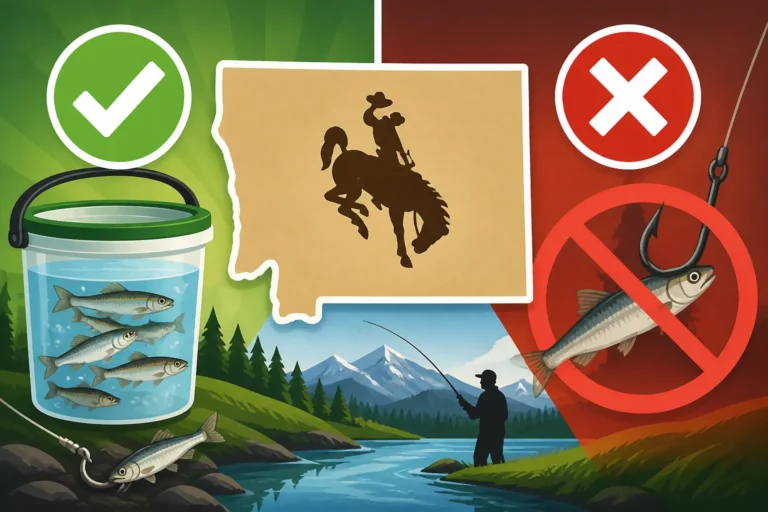
- Tackle Restrictions: If a specific water body has an "artificial flies and lures only" or "single, barbless hook" rule, you'll need to pack accordingly. Make sure your fly box is stocked with appropriate patterns if fly fishing is mandated, or that your spin reel has lures that comply. No point in bringing a bucket of worms if bait fishing is prohibited! Amazon is a great place to stock up on specific fly patterns or barbless hooks if your local shop is out.
- Temperature and Conditions: While not a direct regulatory concern, the concept of "season" still dictates what you can fish for and how. Early spring might mean high, turbid water during the peak of Wyoming During Spring Runoff, requiring heavier nymphs or streamers, whereas summer often brings prime dry fly conditions. Fall is all about streamers and egg patterns for migrating browns, and winter is, of course, prime for Ice Fishing in Wyoming: A Complete Guide. These natural seasonal shifts dictate your gear even if the water is technically "open."
- Wading and Access: High water in spring might make wading impossible or unsafe, restricting you to bank fishing or requiring a float trip. Conversely, lower flows in late summer or fall open up more wading opportunities. Always consider the conditions when deciding what gear to bring and how you plan to access the water. A good pair of studded wading boots and a sturdy wading staff can make a huge difference in safety and accessibility.
By taking these steps, you're not just following rules; you're actively engaging with the natural rhythms of Wyoming's incredible fisheries. It helps you understand why these regulations are in place and how to best enjoy your time on the water, whether you're targeting brook trout in a high mountain stream or chasing a trophy brown on a famed river.
| Regulation Type | Description | Common Impact on Angling | How to Confirm |
|---|---|---|---|
| Statewide General | Most public waters open year-round for trout. | Consistent opportunity, but always check for exceptions. | WGFD Regulations Booklet – "General Fishing Regulations" section. |
| Water-Specific Closures | Specific sections of rivers or entire lakes closed for certain periods. | No fishing allowed during the closure. | WGFD Regulations Booklet – "Exceptions" by drainage; WGFD website. |
| Gear Restrictions | Rules on types of bait, lures, or hooks (e.g., artificial flies, barbless). | Limits your tackle choice; live bait often prohibited in certain areas. | WGFD Regulations Booklet – "Exceptions" by drainage. |
| Size & Bag Limits | Minimum/maximum sizes or number of fish you can keep. | Determines what you can harvest and take home. | WGFD Regulations Booklet – "Bag and Possession Limits" and "Exceptions" sections. |
| Emergency Closures | Temporary closures due to environmental stress, disease, or other events. | Sudden, unexpected inability to fish a location. | WGFD website (alerts/news), local WGFD offices, local media. |
Disclaimer
Please remember that fishing regulations can change. While I've done my best to provide accurate and up-to-date information, it is always your responsibility to consult the most current Wyoming Game and Fish Department regulations before you go fishing.