Is a Wyoming State License Valid on the Wind River Reservation?
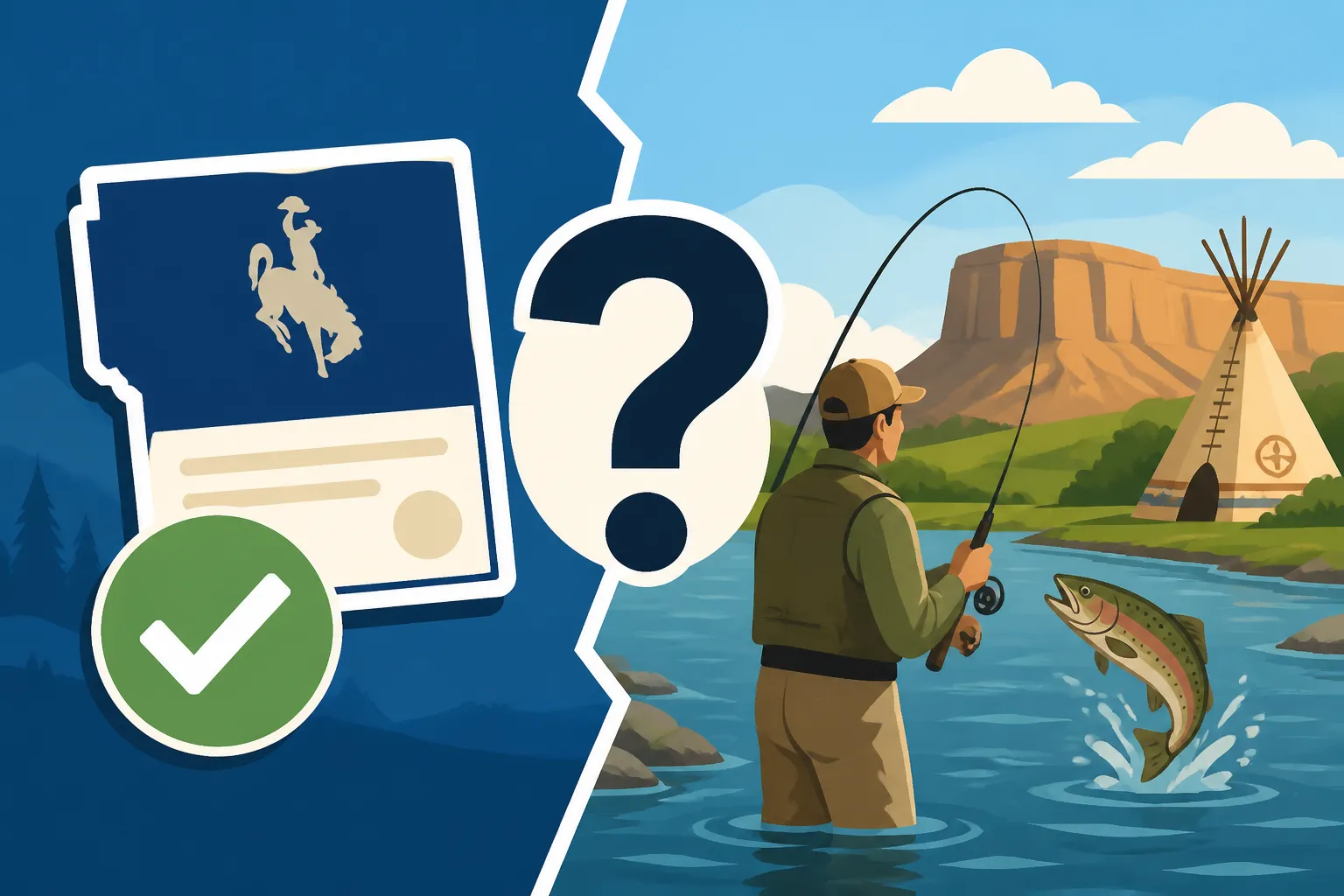
One of the most common mistakes anglers make when they visit Wyoming, especially those new to exploring its vast and varied waters, is assuming that a single state fishing license covers every single pond, stream, and river they encounter. This assumption can lead to a really frustrating and potentially costly situation, particularly when it comes to fishing on the Wind River Reservation. It’s a common pitfall, and this guide is here to clarify exactly why your trusty Wyoming state fishing license simply won’t cut it when you step onto tribal lands.
Understanding Tribal Sovereignty and Fishing Rights
It's easy to look at a map of Wyoming and see the Wind River Reservation as just another section of the state, but that's not quite accurate from a legal and cultural perspective. The Wind River Reservation is the sovereign territory of the Eastern Shoshone and Northern Arapaho Tribes. This means they have the inherent right to govern their own lands, including managing natural resources like fish and wildlife within their reservation boundaries.
Why State Licenses Don't Apply
Think of the Wind River Reservation as its own distinct entity within the larger geographical area of Wyoming, almost like a separate country when it comes to certain laws and regulations. The Wyoming Game and Fish Department, while a fantastic resource for everything related to statewide fishing, simply does not have jurisdiction over tribal lands. Their regulations, and the licenses they issue, apply only to waters outside the established boundaries of the Wind River Reservation.
This concept of tribal sovereignty is rooted in long-standing federal law and treaties, recognizing the inherent rights of Native American tribes to self-governance. So, when you purchase a Wyoming fishing license, whether it's an annual, daily, or a Wyoming's Annual, Daily and Five-Day License Options, you are getting permission to fish in state-managed waters, not tribal ones. It’s a critical distinction that many anglers, especially nonresidents, often overlook.
The frustration often stems from a lack of awareness, not malice. People arrive, excited to fish, and find out their license isn't valid, which can derail a planned trip. But understanding this fundamental legal framework is the first step in being a respectful and responsible angler in Wyoming.
The Importance of Tribal Permits
Because the Eastern Shoshone and Northern Arapaho Tribes manage their own natural resources, they also issue their own permits for activities like fishing. These permits are not just a bureaucratic hoop to jump through; they are a direct recognition of tribal sovereignty and a contribution to the conservation efforts managed by the tribes themselves.
When you purchase a Wind River Tribal Fishing Permit, you're doing a few things:
- Complying with the Law: You are legally authorized to fish within the reservation boundaries. This prevents potential fines, confiscation of gear, or other legal consequences that can arise from fishing without a proper permit.
- Supporting Tribal Conservation: The fees collected from these permits directly fund the tribes' fish and wildlife management programs. This includes stocking efforts, habitat restoration, enforcement, and other initiatives that ensure healthy fisheries for current and future generations. Just as The Wyoming Conservation Stamp and What It Covers supports state conservation, tribal permits support tribal conservation.
- Respecting Cultural Heritage: By adhering to tribal regulations and purchasing a permit, you are showing respect for the tribes' self-determination and their deep cultural connection to the land and its resources. Many of these waters have been fished by tribal members for thousands of years, long before Wyoming was a state.
It's a really simple concept once you grasp it: different jurisdiction, different permit. It’s no different than needing a separate fishing permit if you decide to fish in neighboring states; a Wyoming license won't get you far in Colorado or Montana, for instance. The Wind River Reservation is another unique territory that requires its own specific authorization.
How to Legally Fish on the Wind River Reservation
So, you've decided you want to explore the incredible fishing opportunities on the Wind River Reservation, and you understand the need for a separate permit. Great! Now, let's talk about the practical steps to ensure your trip is legal, enjoyable, and respectful.
Obtaining a Wind River Reservation Fishing Permit
Getting your Wind River Reservation fishing permit isn't overly complicated, but it does require a bit of planning, just like buying your state Wyoming Fishing License Guide for Nonresidents or checking Where and How to Buy a Wyoming Fishing License. The key is to do your research beforehand and not wait until the last minute.
Here's how you can typically obtain a permit:
- Tribal Fish & Game Office: The primary place to get a permit is directly from the Shoshone and Arapaho Tribes' Fish and Game Department office. This office is usually located in Fort Washakie, Wyoming, the administrative center of the reservation. Visiting in person allows you to ask questions and get the most up-to-date information.
- Authorized Vendors: The tribes often partner with local businesses around the reservation, such as gas stations, tackle shops, and general stores in towns like Fort Washakie, Ethete, or Lander, to sell permits. These are convenient options if you're already in the area. A quick call to the tribal fish and game office or a look at their official website can usually provide a list of current vendors.
- Online: In recent years, many tribes have moved towards offering permits online for convenience. Check the official Shoshone and Arapaho Tribes' Fish and Game website to see if an online purchasing option is available. This is often the easiest way to secure your permit before you even leave home. When you're gathering your gear for a trip, it's not uncommon to look for essentials on platforms like Amazon, but remember that the actual tribal permits must be purchased directly through tribal channels or authorized vendors, not third-party retail sites.
The type of permit you need might vary. There are usually options for annual permits, multi-day permits (like a Wyoming 5-Day Nonresident Fishing License Cost equivalent, but for the reservation), and sometimes even youth permits. Be sure to clarify the exact duration and cost for your needs. Always carry your permit with you while fishing, just as you would your state license. It's often recommended to carry a physical copy, even if you bought it online, in case of a dead phone battery or lack of signal.
Specific Regulations to Be Aware Of
Just as Wyoming Fishing Regulations Every Angler Should Know dictate how and where you can fish in state waters, the Wind River Reservation has its own unique set of rules. These regulations are designed to protect their unique fisheries and ecosystems. It's not enough to just buy the permit; you need to understand and follow the rules.
Here are some common areas where tribal regulations might differ from state regulations:
- Bag and Possession Limits: The number and size of fish you can keep (your Understanding Wyoming's Daily Bag Limits by Species and possession limits) might be different on the reservation. Some waters might have more restrictive limits, while others might encourage harvest of certain species. For example, some tribal waters might have specific slot limits or require catch-and-release for certain native species.
- Bait Restrictions: Many prime trout waters across Wyoming have bait restrictions, and this is often true on the reservation as well. Certain lures, flies, or natural baits might be prohibited to protect sensitive fish populations. Always check the current regulations booklet or ask at the tribal office.
- Gear Restrictions: You might find rules regarding the number of rods you can use (differing from Two-Pole and Multiple-Rod Rules in Wyoming), hook types (e.g., barbless hooks only in certain areas, similar to Barbless Hook Requirements on the North Platte River), or even methods of fishing.
- Access Points and Areas: Some areas on the reservation might be closed to public fishing for cultural reasons, wildlife protection, or habitat restoration. Always respect posted signs and inquire about legal access points. Fishing on the Wind River can be a different experience than fishing state-managed waters like the North Platte River.
- Boat and Watercraft Rules: If you plan to use a boat, canoe, or float tube, there may be specific regulations regarding their use, launch sites, or even the need for aquatic invasive species inspections, much like those required across Wyoming.
- Seasons and Closures: While Wyoming has Wyoming Fishing Seasons and Water-Specific Closures, the reservation might have its own seasonal closures or specific times of the year when certain waters are off-limits.
Before you go, it's crucial to obtain a copy of the most recent Wind River Tribal Fishing Regulations. This is typically available at the tribal Fish and Game office or can sometimes be downloaded from their website. Don't rely on old information or hearsay; regulations can change annually. When preparing for a trip, it’s a good idea to ensure you have all your necessary gear, and many anglers might purchase fishing line, hooks, or even a new tackle box from Amazon, but remember the regulations specific to the Wind River Reservation are paramount.
Here's a quick comparison table to highlight the differences:
| Feature | Wyoming State Fishing License | Wind River Tribal Fishing Permit |
|---|---|---|
| Issuing Authority | Wyoming Game and Fish Department | Eastern Shoshone and Northern Arapaho Tribes Fish and Game Department |
| Jurisdiction | All state-managed waters outside tribal and national park lands | All waters within the Wind River Reservation boundaries |
| Where to Buy | WGFD website, authorized vendors, sporting goods stores | Tribal Fish & Game office, authorized local vendors, tribal website |
| Cost | Varies by resident/nonresident, annual/daily | Separate fee structure, varies by duration |
| Regulations | Wyoming Fishing Regulations Booklet | Wind River Tribal Fishing Regulations Booklet |
| Conservation Support | Wyoming Game and Fish conservation efforts | Shoshone and Arapaho Tribes' fish and wildlife programs |
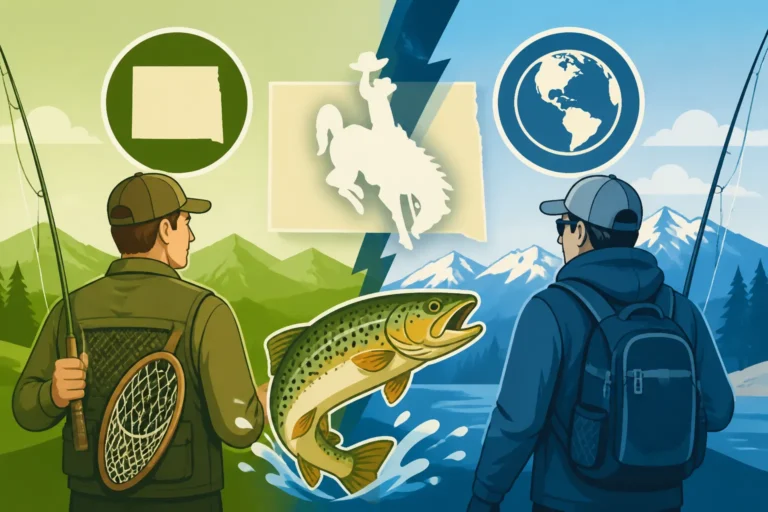
| Validity | Not valid on Wind River Reservation | Not valid on state-managed waters outside the reservation |
Remember, purchasing both a Wyoming state license and a Wind River Tribal Fishing Permit might be necessary if your fishing trip involves waters both on and off the reservation. This isn't uncommon, especially if you're staying in a town near the reservation boundary.
Common Misconceptions and Consequences
It’s truly disheartening to see someone’s fishing trip ruined because they weren't aware of the specific rules regarding tribal lands. The confusion is understandable, especially for those who travel from states with different legal structures. However, ignorance of the law is rarely an excuse.
The Risks of Fishing Without a Valid Permit
Fishing on the Wind River Reservation without a valid tribal permit is not just a minor infraction; it carries significant consequences. This isn't like forgetting your Carrying Your Wyoming Fishing License in the Field and just having to show it later. Tribal game wardens and law enforcement officers have the authority to enforce their regulations, and they take resource protection very seriously.
Here’s what could happen:
- Fines: You could face substantial monetary fines. These aren't just slaps on the wrist; they can be hundreds of dollars, potentially making your fishing trip far more expensive than planned.
- Confiscation of Gear: Your fishing rods, reels, tackle, and even your vehicle could be confiscated. Imagine losing all your prized fishing equipment because you didn't buy a $30 permit. This is a very real possibility.
- Arrest and Criminal Charges: In more severe cases, especially for repeat offenses or if other laws are broken, you could be arrested and face criminal charges in tribal court. This could lead to jail time and a criminal record.
- Expulsion from Tribal Lands: You could be ordered to leave the reservation and prohibited from returning. This would obviously cut your trip short and prevent you from experiencing the unique beauty and fishing that the reservation offers.
- Reputational Damage: While not a legal consequence, news travels fast in rural communities. Being caught violating tribal fishing laws can damage your reputation among local anglers and tribal members, something no respectful outdoors person wants.
These consequences are in place to deter poaching and ensure that the tribes maintain control over their resources. The message is clear: if you want to fish on the Wind River Reservation, you must have the correct tribal permit and follow their rules. There’s simply no cutting corners here.
Respecting Tribal Lands and Culture
Beyond the legal ramifications, there's a broader ethical consideration: respecting the sovereignty, lands, and culture of the Eastern Shoshone and Northern Arapaho Tribes. When you visit the Wind River Reservation, you are a guest on their ancestral lands. This means conducting yourself with respect and understanding.
- Follow All Rules: This goes beyond just fishing regulations. Be aware of speed limits, private property signs, and any specific cultural protocols you might encounter.
- Leave No Trace: Practice strict Leave No Trace principles. Pack out everything you pack in, and leave the environment cleaner than you found it. This shows respect for the natural beauty and the land stewards.
- Be Mindful of Sacred Sites: The reservation holds many culturally significant sites. Be respectful of these areas and avoid disturbing them. If an area is marked as restricted, honor that restriction.
- Engage Respectfully: If you have the opportunity to interact with tribal members, do so with an open mind and respectful demeanor. A simple "thank you" for the opportunity to fish on their lands goes a long way.
Fishing on the Wind River Reservation offers some truly spectacular opportunities, from pristine mountain streams to expansive reservoirs. Targeting species like Cutthroat Trout Fishing in Wyoming in their native waters or searching for Lake Trout (Mackinaw) Fishing in Wyoming can be an unforgettable experience. However, the enjoyment is significantly enhanced when you approach it with proper preparation, a valid permit, and a deep respect for the land and its people. For any angler planning a trip, considering all the necessary items from a comprehensive checklist, from your permit to your waders, can make a huge difference. While you might stock up on essentials like sunblock or a new fishing hat from Amazon, securing that tribal permit directly from tribal authorities is a non-negotiable step for a legal and ethical fishing adventure.
Disclaimer
Please remember that fishing regulations, permit requirements, and pricing can change. While this guide provides comprehensive information, it is always your responsibility to verify the most current regulations directly with the Wyoming Game and Fish Department and the Eastern Shoshone and Northern Arapaho Tribes Fish and Game Department before engaging in any fishing activities.