Are Live Minnows Legal Bait in Wyoming?
One of the most common questions I hear from anglers, especially those visiting from out of state or new to fishing Wyoming, revolves around bait. There’s a certain nostalgia, and undeniable effectiveness, to fishing with live minnows, but the rules here in the Cowboy State can be incredibly confusing and strict. This guide is here to untangle all that, explaining exactly when and where live minnows are legal bait, and more importantly, why the regulations are set up the way they are.
The Straight Answer: Are Live Minnows Legal in Wyoming?
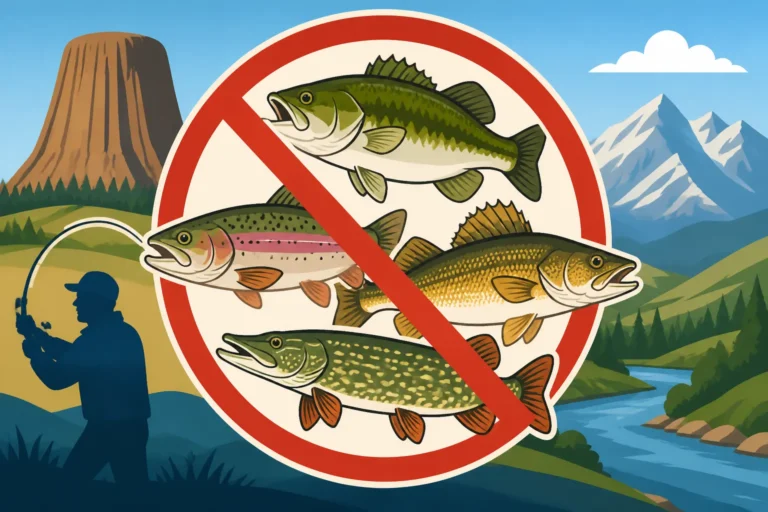
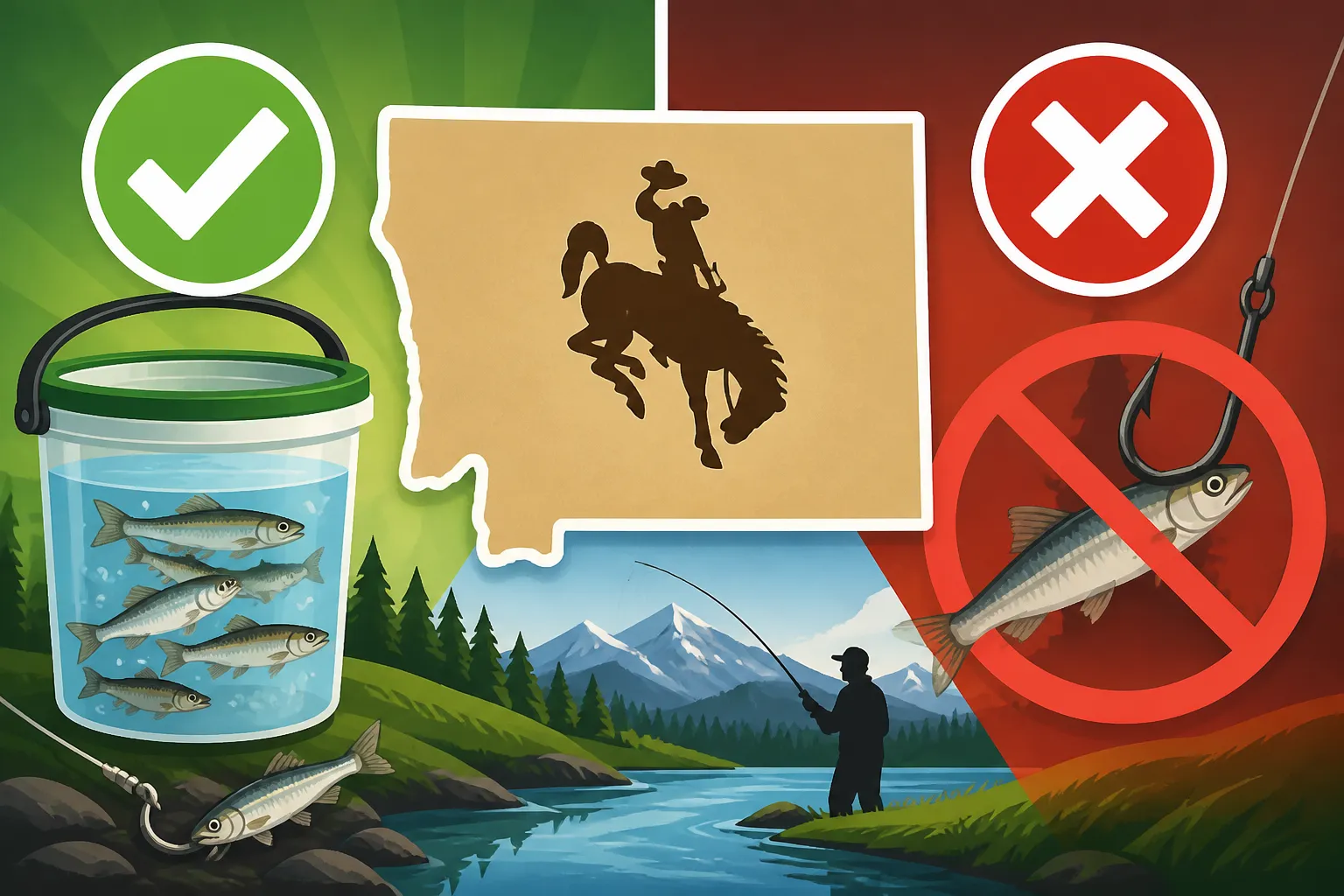
Let's cut right to the chase because this is where a lot of folks get tripped up and can unknowingly find themselves on the wrong side of the law. Generally speaking, live minnows are illegal bait in most waters across Wyoming. Yes, you read that right. While in many other states, a trip to the local bait shop for a bucket of lively shiners is standard procedure, it's often a big no-no here. This isn't just a suggestion; it's a critical regulation designed to protect Wyoming's precious aquatic ecosystems.
Statewide Restrictions on Live Minnows
The primary reason for this blanket restriction on live minnows boils down to a massive concern: preventing the introduction and spread of aquatic invasive species (AIS) and diseases. Imagine unknowingly carrying a tiny, almost invisible New Zealand mudsnail in your bait bucket water, or a disease like whirling disease that can devastate trout populations. It's a risk the Wyoming Game and Fish Department (WGFD) simply cannot afford, given the pristine nature of many of our waters and the economic importance of our fisheries.
These regulations are in place to safeguard the health of our native fish, particularly our beloved trout. When anglers introduce foreign species, even seemingly harmless baitfish, they can outcompete native fish for food, introduce parasites, or disrupt the delicate balance of the ecosystem. It's a very serious issue, and the WGFD takes it incredibly seriously, as do most local anglers. This isn't about making fishing harder; it's about protecting what we have for generations to come. You can learn a lot more about these overarching rules in our detailed guide on Wyoming Fishing Regulations Every Angler Should Know.
Specific Waters Where Live Minnows Are Always Prohibited
While the general rule is strict, there are some iconic waters where the prohibition on live minnows is absolute and widely known. For instance, if you're planning a trip to fish within Yellowstone National Park or Grand Teton National Park, don't even think about bringing live minnows. These parks have some of the most stringent regulations in the country to preserve their unique and fragile aquatic environments.
Beyond the national parks, many of Wyoming's blue-ribbon trout streams, famous for their incredible fishing, are also strictly artificial-lure-only or fly-fishing-only waters, which, of course, excludes live minnows. This includes vast stretches of the North Platte River, the Green River, and the Snake River, where the focus is on native and wild trout populations. Even certain lakes and reservoirs that hold significant populations of native cutthroat trout or are managed for trophy trout often have bait restrictions. It’s always best to check the specific regulations for the water you plan to fish, especially since regulations can vary even within the same river system.
The Legal Definition of "Minnow" in Wyoming
Understanding what exactly constitutes a "minnow" under Wyoming law is crucial. The term "minnow" isn't just about size; it refers to a whole family of fish, many of which are commonly used as bait elsewhere. This can include species like shiners, dace, chubs, and suckers. The WGFD regulations define "live bait fish" as any fish used as bait, including those generally recognized as minnows. This means you can't just pick up any small fish from a pond and use it as bait, even if it's not a traditionally recognized "minnow" species.
The intent of the law is to prevent the spread of any non-native fish species or diseases that might hitch a ride with them. So, while you might think a tiny sunfish you caught in a local pond isn't a "minnow," using it as live bait in another water body would still be illegal and could carry stiff penalties. It's a broad definition designed to err on the side of caution and protect our waters.
Navigating the Nuances: When and Where Live Bait Might Be Permissible (with caveats)
Okay, so we've established that live minnows are mostly a no-go. But here’s where it gets a little less straightforward, though still very strict. There are some specific instances and waters where certain live baitfish might be legal, but these come with significant conditions. This isn't a loophole; it's a targeted allowance for specific fisheries where the risks are deemed manageable or where certain species are targeted.
Designated Waters Allowing Live Minnows
In a limited number of waters, primarily larger reservoirs and some warm-water fisheries, the use of live baitfish is permitted. These are typically waters where warm-water species like walleye, crappie, and perch are prevalent, and the risk to native trout populations is lower, or where the ecosystem is already altered by the presence of many introduced species. For example, large reservoirs like Boysen Reservoir, Glendo Reservoir, or Keyhole Reservoir might have areas or seasons where live baitfish are allowed. However, even within these waters, specific restrictions might apply, such as species-specific baitfish allowances or limitations on where they can be used.
The key takeaway here is that you absolutely cannot assume. Just because one reservoir allows it doesn't mean the one next door does. It's imperative to consult the current Wyoming Fishing Regulations Booklet or the online WGFD regulations specific to the body of water you intend to fish. These details are updated regularly, and what was legal last year might not be this year. Ignoring this critical step is where many anglers unknowingly make mistakes.
The Crucial "Source" Rule: Certified Bait Dealers Only
Even in those rare waters where live baitfish are permitted, there's another massive hurdle: where that bait comes from. You cannot catch your own minnows and use them. Period. Any live baitfish used in Wyoming must be purchased from a licensed, certified bait dealer within the state. These dealers are regulated by the WGFD and are required to certify that their baitfish are free of disease and aquatic invasive species.
When you purchase live bait from a certified dealer, you must retain your receipt. This receipt serves as proof of origin and certification. If a game warden checks your bait bucket, they will ask for this receipt. No receipt means no proof of legal origin, which is essentially the same as using illegal bait, even if the bait itself was purchased legally. It's a strict chain of custody designed to prevent any potential contamination. Many anglers choose to avoid live bait altogether to simplify their compliance, even if it means missing out on a specific technique.
Transporting Live Bait in Wyoming
The transportation of live bait is also heavily regulated. If you've managed to legally acquire certified live bait for a designated water, you still need to be mindful of how you move it. Wyoming regulations typically state that live baitfish cannot be transported in water from their original source, or in water from any body of water where they were caught. This means the water in your bait bucket must be either tap water or water from a private, approved source, and it must be free of aquatic life.
The intent is clear: prevent the accidental transport of AIS. It's often recommended to transport live bait in a minimal amount of water, or even damp materials, just enough to keep them alive, and then replenish with clean, tap water at your fishing destination. This process can be quite inconvenient, leading many anglers to opt for dead bait or artificials, which largely bypass these complex transportation rules.
Alternatives to Live Minnows: Effective Bait Options for Wyoming Anglers
Given the strict regulations around live minnows, many anglers successfully pursue fish in Wyoming using alternative baits and techniques. Frankly, some of the most effective methods for our target species, like trout and walleye, don't even involve live minnows at all. Embracing these alternatives can simplify your fishing trip and ensure you're always in compliance with the rules.
Dead Baitfish and Cut Bait
Where live baitfish are prohibited, dead baitfish or cut bait can often be a legal and highly effective alternative, especially for species like lake trout and walleye in larger reservoirs. The key here is, again, the source. Dead baitfish must either be purchased from a certified bait dealer (and you keep the receipt!) or be legally harvested fish from the same water body you are fishing. For example, if you catch a small perch in Boysen Reservoir, you might be able to cut it up and use it as bait in that same reservoir, provided no other water-specific restrictions apply.
Many anglers will actually buy commercially prepared, frozen baitfish – often in convenient packages you can even find on platforms like Amazon – that are certified disease-free. These are a fantastic option because they eliminate the "live" aspect and simplify transportation. Just thaw and use! Just be sure to check that the species is legal as bait and always dispose of any unused portions responsibly, never by dumping them into the water.
Artificial Lures and Flies
For many of Wyoming's world-class fisheries, particularly our trout streams and high-mountain lakes, artificial lures and flies are not just alternatives; they are the preferred and often only legal method. Fly fishing, in particular, is an art form deeply ingrained in Wyoming's angling culture, and for good reason. From delicate dry flies mimicking a caddis hatch to heavy streamers meant to entice a trophy brown trout, artificial flies are incredibly effective. Our guide on Fly Fishing Techniques for Wyoming Trout Streams delves deep into this.
Spin fishing with artificial lures is also highly productive. Think about spoons, spinners (like a classic Mepps or Panther Martin, readily available on Amazon), soft plastic grubs, and various jigs. These baits imitate injured prey fish or insects and can trigger aggressive strikes from a variety of species. Many artificials require more active fishing, which some anglers find more engaging than simply waiting for a bite. Always check for specific hook restrictions, like the Barbless Hook Requirements on the North Platte River, which may apply to artificials as well.
Other Natural Baits
While live minnows are mostly out, other natural baits can still be a game-changer in certain situations. Worms (like nightcrawlers and red wigglers), grubs, and crickets are classic baits that can be incredibly effective for stocked trout, panfish, and even some warm-water species. These are generally legal for use statewide, but you must adhere to proper disposal, never introducing unused bait or bait containers into waterways.
Leeches are another natural bait that can be highly effective, especially for walleye and smallmouth bass. However, the use of live leeches can also be subject to regulations regarding their origin, similar to baitfish. Always assume caution and verify legality before using any live bait other than worms and crickets you've purchased from a reputable source, and dispose of them responsibly.
| Bait Type | General Legality in Wyoming | Important Considerations |
|---|---|---|
| Live Minnows | Mostly Illegal | Only legal in specific, designated waters. MUST be purchased from certified WGFD dealer with receipt. No self-caught baitfish. |
| Dead Minnows/Cut Bait | Often Legal | Must be purchased from certified dealer (with receipt) or legally harvested from the same water. No live fish. |
| Worms (Earthworms, Nightcrawlers) | Generally Legal | Universal bait. No specific origin requirements, but never dispose of unused worms into water. |
| Crickets/Grasshoppers | Generally Legal | Excellent for trout and panfish. Easily sourced. |
| PowerBait/Scented Baits | Generally Legal | Highly effective for stocked trout. Artificial. |
| Artificial Lures/Flies | Generally Legal (often required) | Mandated on many blue-ribbon trout streams and native fisheries. Check for single/barbless hook rules. |
| Live Leeches | Check Regulations | Can be regulated similar to live baitfish based on origin. Verify legality for specific waters. |
Why Wyoming Has Strict Bait Regulations
Understanding the "why" behind these regulations is key to appreciating their importance and fostering responsible angling practices. It’s not about making things difficult for anglers; it's about long-term stewardship of a truly precious natural resource. Wyoming's fisheries are renowned, and maintaining their health requires vigilance.
Preventing Aquatic Invasive Species (AIS) Introduction
This is arguably the biggest driver of the strict bait regulations. Aquatic invasive species are non-native organisms that can cause severe ecological and economic damage. Think about organisms like New Zealand mudsnails, quagga and zebra mussels, or invasive plant species. These can travel easily in bait water, on fishing gear, or on boats. Once established, they are incredibly difficult, if not impossible, to eradicate. They can outcompete native species for food, clog water pipes, foul beaches, and completely alter aquatic ecosystems. The WGFD invests significant resources in programs like the "Clean, Drain, Dry" initiative for boats to combat AIS, and bait regulations are a critical part of that defense. The risk of even a single invasive organism finding its way into a new water body through a bait bucket is too high. Our article What Invasive Fish Species Wyoming Anglers Should Report covers this in more detail.
Disease Prevention and Fish Health
Beyond invasive species, there's the very real threat of disease. Fish diseases, such as Whirling Disease or Viral Hemorrhagic Septicemia (VHS), can be devastating to fish populations. Baitfish from uncertified sources can carry these diseases without showing obvious symptoms, then transmit them to wild fish populations in new waters. Whirling disease, for instance, affects salmonids (trout and salmon) and can cause skeletal deformities and neurological damage, leading to high mortality rates, especially in young fish.
The WGFD maintains hatcheries and closely monitors fish health to ensure healthy stocking programs. Allowing uncertified live bait would undermine these efforts and put wild populations at severe risk. The certification process for bait dealers ensures that the baitfish are healthy and disease-free, adding another layer of protection to Wyoming's valuable fisheries.
Protecting Native Fish Populations
Wyoming is home to several native fish species, including various subspecies of cutthroat trout – the state fish. These native populations are uniquely adapted to their specific environments and are incredibly important for the ecological health and biodiversity of our state. Introducing non-native baitfish can lead to several problems. They can outcompete native fish for food and habitat, prey on their eggs or young, or even hybridize with them, diluting the genetic integrity of native strains.
The regulations help protect these sensitive populations, particularly in waters designated as native trout recovery areas or those with genetically pure cutthroat strains. The "no live minnows" rule, especially in pristine mountain streams and lakes, is a direct measure to ensure that Wyoming's native aquatic heritage remains intact. It’s a delicate balance, and every angler plays a role in maintaining it.
How to Stay Compliant: Your Angler Checklist
Staying on the right side of Wyoming's fishing regulations, especially concerning bait, might seem daunting at first, but with a bit of diligence, it's quite straightforward. The key is to be proactive and informed before you ever cast a line.
Always Check Current Regulations
This cannot be stressed enough: always check the most current Wyoming fishing regulations before each trip. Regulations can change annually, and sometimes even in-season due to emergency closures or new management strategies. The official Wyoming Game and Fish Department website is the best place to find the most up-to-date information, including water-specific rules. You can also pick up a physical copy of the Wyoming Fishing Regulations Every Angler Should Know booklet wherever licenses are sold.
Pay close attention to the specific water body you plan to fish. Many waters have unique rules that supersede general statewide regulations. Some might be "artificial flies and lures only," others "single-hook only," and some might have specific bait restrictions. Don't rely on information from a friend who fished that spot five years ago, or from a forum post. Go directly to the source for the current year. Our guide on Where to Find Current Wyoming Fishing Regulations can help you navigate this.
Proper Bait Handling and Disposal
Responsible bait handling is crucial, whether you're using legal live bait or artificials. If you are using legal live bait (purchased from a certified dealer for a permitted water), never, ever dump unused bait or bait water into any stream, lake, or pond. This is a primary pathway for introducing AIS and diseases. Instead, dispose of unused live bait by killing it and throwing it in the trash, or taking it home to use for gardening or composting.
The same goes for dead bait or cut bait. Never discard it into the water. Even seemingly harmless items like leftover hotdogs or corn can introduce foreign substances or attract undesirable species, disrupting the ecosystem. Always pack out what you pack in, and dispose of all trash, including bait remains, properly in designated receptacles. This simple act goes a long way in preserving Wyoming's natural beauty.
When in Doubt, Ask
If you're ever unsure about a specific regulation, particularly concerning bait, don't hesitate to ask. The Wyoming Game and Fish Department staff are there to help anglers understand and follow the rules. You can call a local WGFD office, visit their website, or even ask a game warden if you encounter one in the field (respectfully, of course). It's far better to ask a question and clarify a rule than to inadvertently violate a regulation and face potential Fines and Penalties for Common Fishing Violations. Their goal is compliance, not punishment, and they appreciate anglers who make an effort to be informed.
Disclaimer
Please note: Fishing regulations are subject to change. This guide provides general information and recommendations based on current Wyoming Game and Fish Department regulations. Always consult the most recent official Wyoming Fishing Regulations booklet or the WGFD website (wgfd.wyo.gov) before you go fishing to ensure you are compliant with all local and statewide rules.