Fishing Wyoming’s Wilderness and Backcountry Lakes
There's a special kind of frustration that comes with dreaming of those pristine, crystal-clear high-alpine lakes, only to feel utterly overwhelmed by the thought of getting there, knowing what to bring, and even how to fish once you arrive. You picture the solitude and the beautiful wild trout, but the logistics seem daunting. This guide is designed to demystify fishing Wyoming's incredible wilderness and backcountry lakes, helping you plan, prepare, and successfully navigate these truly unique angling adventures.
The Allure and Unique Challenges of Wyoming's Wilderness Lakes
Wyoming's high country holds a magnetic pull for many anglers, myself included. It's a place where the air is thinner, the views are boundless, and the fish, though often smaller than their lower-elevation cousins, possess a wild beauty and fighting spirit that is truly unforgettable. But let's be honest, getting to these hidden gems is no walk in the park.
Why Venture into the Backcountry?
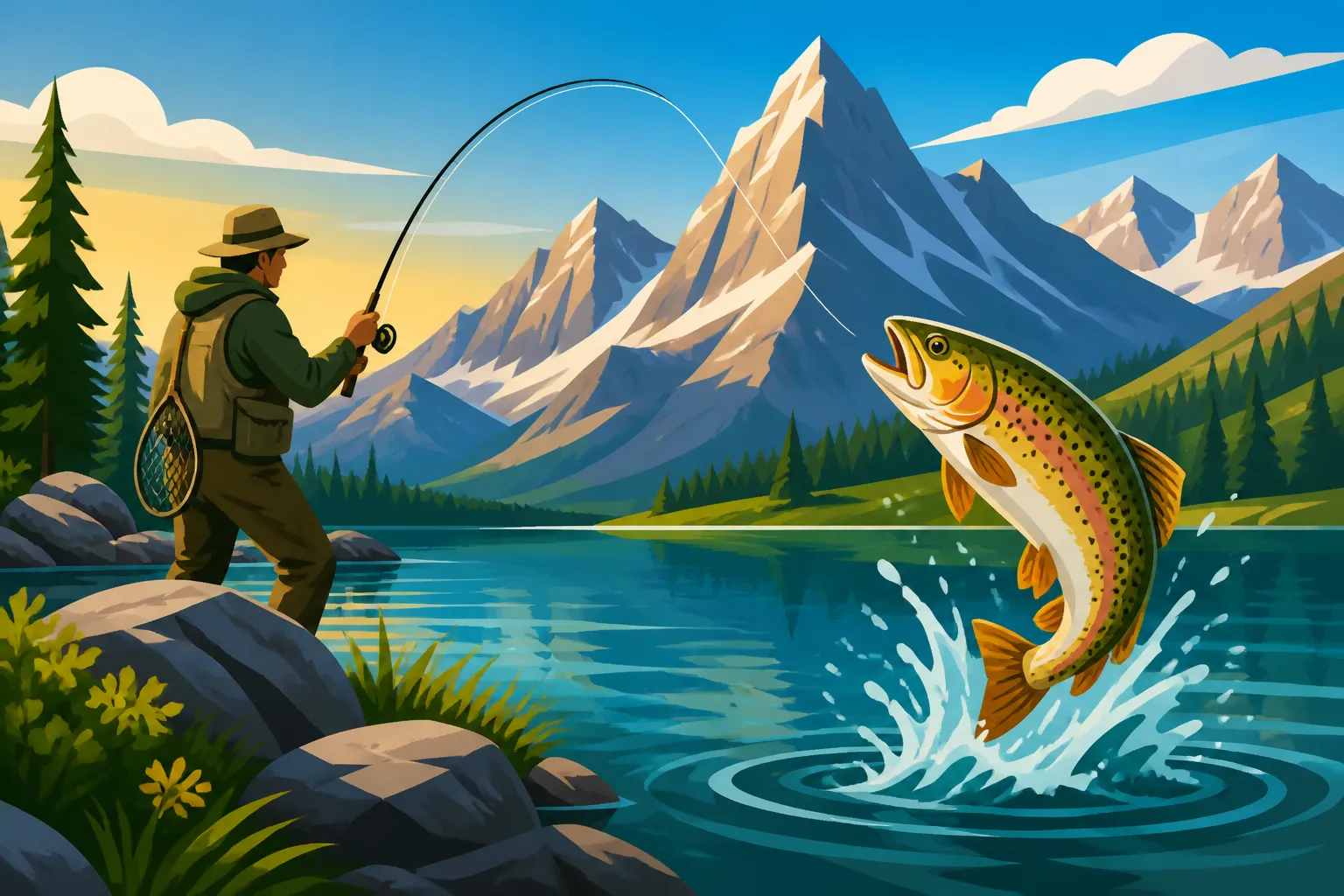
The primary draw of Wyoming's wilderness and backcountry lakes is the unparalleled sense of escape and the opportunity to connect with nature on a profoundly different level. Imagine casting a line on a lake nestled at 10,000 feet, surrounded by towering granite peaks, where the only sounds are the whisper of the wind and the splash of a rising trout. These aren't your easily accessible roadside ponds. They require effort, sometimes significant physical exertion, but the reward is a fishing experience steeped in solitude and untamed beauty. You're far from the crowds that often frequent more popular spots, and the fish you encounter, often native cutthroat, golden, or brook trout, are generally wild, vibrant, and eager to strike. It's a chance to truly disconnect and find peace.
Common Hurdles: Altitude, Weather, and Access
While the rewards are immense, the challenges of fishing Wyoming's high-alpine lakes are equally significant. Altitude sickness is a real concern. Many of these lakes sit above 9,000 or even 10,000 feet, and if you're coming from sea level, your body needs time to acclimatize. Headaches, nausea, and shortness of breath can quickly turn an epic trip into a miserable one. Always plan for a gradual ascent and stay hydrated.
Weather in the mountains is famously unpredictable. A sunny morning can quickly give way to a violent afternoon thunderstorm, complete with lightning, hail, and plummeting temperatures. Even in summer, snow is not out of the question, especially at higher elevations. Being caught unprepared for a sudden change can be dangerous.
Finally, access is a major hurdle. Most wilderness lakes require extensive hiking, often ranging from 5 to 20 miles or more round trip, sometimes over rugged, unmaintained trails or even cross-country. This isn't a "drive-up and fish" scenario. You'll need good physical conditioning, navigational skills, and a willingness to carry everything you need on your back. The effort involved is part of what preserves their pristine nature, keeping all but the most dedicated adventurers away.
The Ecosystems You'll Encounter
Wyoming's backcountry lakes are generally oligotrophic, meaning they are low in nutrients, which in turn leads to exceptionally clear water. This clarity is beautiful but also means fish can be more easily spooked. The primary food sources for trout in these environments are often insects (both terrestrial and aquatic), tiny crustaceans, and sometimes smaller fish if present. Understanding these food sources is crucial for selecting the right flies or lures.
Many of these lakes are relatively shallow near the shorelines, quickly dropping off into deeper, colder water. Submerged structure, like rocky ledges, fallen trees, or underwater springs, can hold fish. The lack of abundant vegetation means fish often rely on depth and structure for cover. In some areas, particularly in the Wind River Range or the Absaroka Mountains, you might find lakes connected by small streams, creating a network of diverse fishing opportunities within a single drainage. These complex ecosystems are what make Fishing Wyoming's High-Alpine Lakes Worth the Hike.
Meticulous Planning: Your Key to a Successful Trip
A successful trip into Wyoming's backcountry for fishing isn't about luck; it's about preparation. Unlike a casual day trip to a local reservoir, heading into the wilderness demands a level of foresight and attention to detail that can literally be the difference between a memorable adventure and a perilous ordeal.
Researching Your Destination
Before you even think about packing your bag, you need to thoroughly research your chosen lake or area. Start with general wilderness maps – the Shoshone National Forest, Bridger-Teton National Forest, and Grand Teton National Park all manage vast tracts of high-country land with numerous lakes. Look for topo maps that show elevation changes, trail systems (or lack thereof), and potential camping spots. Online resources like the Wyoming Game and Fish Department's (WGFD) website are invaluable. They often provide stocking reports, species information, and sometimes even specific regulations for particular lakes.
Consider the time of year carefully. High-alpine lakes can remain ice-bound well into June, and by late September or October, new snow can make access impossible. Aim for late July through early September for the most reliable conditions. Talk to local tackle shops or guide services; they often have up-to-date intel on trail conditions, recent fish activity, and potential weather patterns. The more you know about the specific lake you plan to visit – its depth, primary fish species, access points, and typical conditions – the better prepared you'll be.
Permits, Licenses, and Regulations
This is where many people can get tripped up, and it's absolutely non-negotiable. First and foremost, you need a valid Wyoming fishing license. If you're a nonresident, you'll need to understand the options, whether it's an annual, daily, or five-consecutive-day license. You can find detailed information in the Wyoming Fishing License Guide for Nonresidents. Beyond the basic fishing license, many wilderness areas, especially those designated as federal wilderness, require a wilderness permit for overnight stays. These permits are typically free but serve to track usage and help manage impact. Check with the managing agency – Forest Service or National Park Service – for the specific area you'll be visiting.
Crucially, you must be intimately familiar with the specific fishing regulations for the waters you plan to fish. High-alpine lakes often have unique rules. Some might be designated "catch-and-release only" for certain species, others might have reduced bag limits, or require specific gear like artificial flies and lures only. You absolutely need to Where to Find Current Wyoming Fishing Regulations and read the Wyoming Fishing Regulations Booklet cover-to-cover, paying close attention to the specific section for the drainage or lake system you're targeting. Ignoring these rules, even unintentionally, can lead to hefty fines and ruin your trip.
Crafting a Realistic Itinerary
Don't underestimate the mountains. When planning your itinerary, always err on the side of caution. Factor in extra time for elevation gain, unexpected trail conditions (like downed trees or snowfields), and rest breaks. A 5-mile hike at sea level is very different from a 5-mile hike gaining 2,000 feet in elevation at 10,000 feet. If you plan to hike in and set up a basecamp, consider doing it over two days if the distance is significant, allowing for acclimatization.
Map out your route meticulously. Bring a physical map (USGS topographic maps are best) and a compass, and know how to use them. While GPS devices and smartphone apps are fantastic tools, batteries die, and signals can be unreliable. Don't rely solely on electronics. Plan your water sources – know where reliable streams or springs are located, and always carry a water filter or purification tablets. Consider emergency bail-out points and potential rendezvous locations. Share your detailed itinerary with someone reliable who isn't coming with you, including your planned route, expected return time, and who to contact if you don't check in. This simple step can be a lifesaver.
Equipping for Success: Essential Backcountry Fishing Gear
When you're packing for a backcountry fishing trip, every ounce counts. You can't just throw in your entire tackle box and a dozen different rods. The goal is efficiency, versatility, and reliability. This isn't just about catching fish; it's about being self-sufficient and comfortable in a remote environment.
Lightweight Rods, Reels, and Line
For wilderness fishing, portability is paramount. Most anglers opt for a multi-piece rod – a 4-piece or even 6-piece rod that breaks down into a compact, easily packable size. A 7' to 8'6" rod in a 3-5 weight for fly fishing or a light-to-medium action spinning rod will cover most scenarios for the trout you'll encounter. Look for models made from graphite for maximum lightness and sensitivity. Brands like Orvis, Redington, or Tenkara USA (for ultralight fixed-line fishing) are popular among backcountry enthusiasts.
Your reel should match your rod for balance and be reliable, with a smooth drag system. For fly fishing, a simple click-and-pawl or disc drag reel is perfect. For spin fishing, a lightweight reel spooled with 4-8 lb monofilament or fluorocarbon is ideal. Don't forget an extra spool of line, just in case you get a nasty tangle or a surprise snag that forces you to re-spool. I always double-check my knots and the condition of my line before heading out.
Tackle Box Essentials for High-Altitude Trout
Forget the massive tackle box. You're looking for a small, compact fly box or a tiny utility box that fits in your vest or backpack.
- Flies: For fly anglers, a diverse selection is key. Think about imitating generalist patterns:
- Dry Flies: Caddis, Parachute Adams, Royal Wulff, Stimulators (especially in larger sizes for terrestrial imitation). A few ant and beetle patterns are also great.
- Nymphs: Pheasant Tail, Hare's Ear, Prince Nymph, Copper John in various sizes (14-20).
- Streamers: Woolly Buggers (black, olive, brown) in smaller sizes can be deadly for aggressive brook or cutthroat trout.
- Terrestrials: Hoppers, ants, and beetles are often effective, especially in late summer.
- Spinning Lures: Small inline spinners (Mepps, Panther Martin, Rooster Tail) in sizes #0 to #2 are incredibly effective. Small spoons (Kastmaster, Daredevle) are also excellent for covering water. Ultralight jig heads (1/32 to 1/8 oz) paired with tiny soft plastics can also produce.
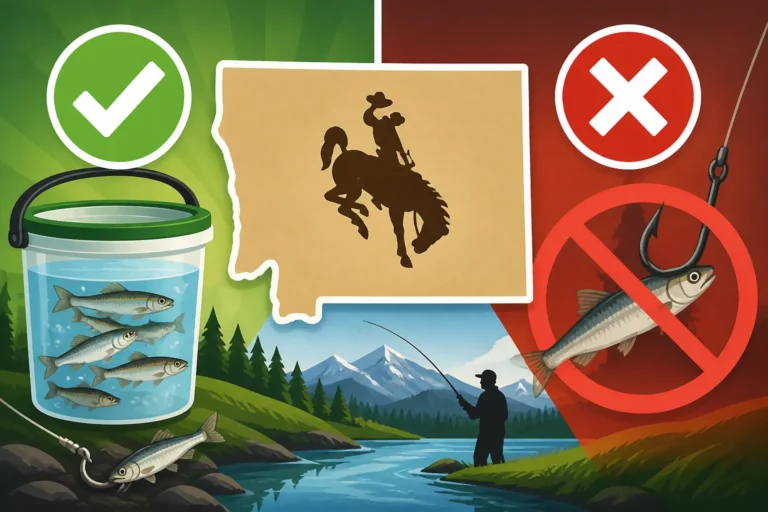
- Bait: If regulations allow, a small container of PowerBait, worms, or even corn can be very effective, especially for freshly stocked fish or slower days. Always check the regulations first, as bait can be restricted in some areas.
- Terminal Tackle: A few split shot, small swivels, and a selection of small hooks (sizes 8-16) are crucial. Don't forget extra leader and tippet material (2x-6x for fly fishing, or 4-6 lb test for spin fishing).
A small pair of nippers or nail clippers, forceps or hemostats for hook removal, and a small scale/measuring tape (if you're recording catches) complete the fishing-specific gear.
Beyond Fishing: Survival and Comfort Gear
This is where the "backcountry" part really comes into play. You need to be prepared for anything.
- Navigation: As mentioned, a physical map, compass, and GPS device (like a Garmin inReach, which also offers satellite communication) are non-negotiable.
- Shelter: A lightweight backpacking tent or bivy sack is essential for overnight trips. Make sure it's rated for 3-season or even 4-season use if you're pushing the shoulder seasons.
- Sleeping System: A warm sleeping bag (rated to at least 20-30°F, even in summer) and an insulated sleeping pad are crucial for comfortable nights at altitude.
- Cooking: A lightweight backpacking stove (Jetboil, MSR PocketRocket) with fuel, a small pot, and dehydrated meals will keep you fed.
- Water: A high-quality water filter (Sawyer Squeeze, Katadyn BeFree) or purification tablets are absolute must-haves. Never drink untreated water.
- First Aid: A comprehensive first-aid kit is critical. Include blister treatment, pain relievers, allergy medication, and any personal prescriptions. Consider a Wilderness First Aid course.
- Clothing: Layering is key. Think moisture-wicking base layers, insulating mid-layers (fleece or puffy jacket), and a waterproof/windproof outer shell. Bring a warm hat, gloves, and sunglasses.
- Footwear: Sturdy, broken-in hiking boots with good ankle support are essential. You'll be crossing uneven terrain.
- Miscellaneous: Headlamp with extra batteries, fire starter, knife, multi-tool, sunscreen, insect repellent, bear spray (and know how to use it), and a small trowel for Leave No Trace hygiene. Many of these items, from durable backpacks to lightweight cooking gear, can be found readily on
Amazon.
This comprehensive list, while seemingly long, needs to be packed intelligently into a comfortable, appropriately sized backpacking pack. Every item should serve a purpose, and weight should be carefully considered. It's truly about finding that balance between being prepared and not being overburdened.
Responsible Angling: Preserving Wyoming's Pristine Waters
The very reason Wyoming's wilderness lakes offer such incredible fishing is their relative inaccessibility and the commitment of anglers and agencies to protect them. As backcountry visitors, we have a profound responsibility to maintain these pristine conditions and ensure their health for future generations.
Understanding Catch-and-Release Practices
Many high-alpine lakes, particularly those with naturally reproducing populations of native cutthroat or golden trout, are managed with strict catch-and-release policies or very conservative harvest limits. Even if harvest is allowed, practicing catch-and-release whenever possible is highly encouraged to sustain these delicate fisheries. Knowing Catch-and-Release Rules on Wyoming Waters is essential.
When practicing catch-and-release:
- Minimize Fight Time: Bring the fish in quickly to reduce stress.
- Wet Your Hands: Always wet your hands before handling a fish to protect its protective slime coat.
- Keep it Wet: Keep the fish in the water as much as possible. If you must take a photo, do it quickly, with the fish just above the surface.
- Remove Hook Gently: Use forceps or hemostats to remove the hook. If the fish is deeply hooked, snip the line as close to the hook as possible. Barbless hooks are highly recommended as they cause less damage and are easier to remove. Some specific waters, like parts of the North Platte River, actually Are Barbless Hooks Required on the North Platte River?
- Revive the Fish: Hold the fish gently facing upstream in the current (if applicable) or gently move it back and forth in still water until it regains its strength and swims away on its own. Never just toss a fish back if it's struggling.
Leave No Trace Principles in Wilderness Areas
Adhering to Leave No Trace principles is fundamental to enjoying and protecting wilderness areas. These seven principles guide minimal impact recreation:
- Plan Ahead and Prepare: As discussed, this includes knowing regulations, checking weather, and packing appropriately.
- Travel and Camp on Durable Surfaces: Stick to established trails. If traveling cross-country, spread out to avoid creating new trails. Camp at least 200 feet from lakeshores and streams.
- Dispose of Waste Properly: Pack it in, pack it out – everything. This includes food scraps, fishing line, and human waste. Bury human waste in a cat hole 6-8 inches deep and 200 feet from water.
- Leave What You Find: Don't take rocks, plants, or other natural objects.
- Minimize Campfire Impacts: Use established fire rings where allowed, keep fires small, and ensure they are dead out before leaving. In many high-alpine areas, campfires are prohibited or strongly discouraged due to lack of fuel and high fire danger. A small stove is almost always a better option.
- Respect Wildlife: Observe from a distance, never feed animals, and store food securely to prevent attracting wildlife.
- Be Considerate of Other Visitors: Yield to other users on the trail, keep noise down, and respect solitude.
Preventing Invasive Species Introductions
Wyoming Game and Fish takes the threat of Aquatic Invasive Species (AIS) very seriously, and so should you. These non-native plants, animals, and pathogens can devastate native fish populations and alter entire ecosystems. Before and after every trip, especially when moving between different drainages or waters, take the time to clean, drain, and dry your gear.
- Clean: Inspect all gear (waders, boots, rods, lines, nets, float tubes) and remove any visible mud, plants, or other debris.
- Drain: Drain all water from boats, waders, and other equipment.
- Dry: Allow all gear to completely dry for at least 5 days. If you can't dry it, freeze it or decontaminate it with hot water (140°F for at least 10 seconds).
The Wyoming Game and Fish Department operates mandatory watercraft inspection stations for boats and other vessels, but even waders and boots can carry microscopic invaders. Your diligence in Preventing Invasive Species Introductions is critical to keeping Wyoming's waters healthy and wild.
Mastering the Art of High-Altitude Fishing
Fishing high-alpine lakes isn't just about reaching them; it's about understanding how to fish them effectively. The conditions, the fish behavior, and the environment itself require a slightly different approach than lower-elevation fishing.
Reading Mountain Lake Water
Unlike rivers with their obvious riffles, runs, and pools, stillwater lakes can seem featureless. However, trout in mountain lakes still seek out specific holding lies. The clearest water means fish can be spooky, so a stealthy approach is crucial.
- Shoreline Structure: Look for submerged rocks, logs, or undercut banks near the shore. These provide cover and often hold insects.
- Inlets and Outlets: Where a small stream flows into or out of the lake, food is often concentrated, and trout will congregate. These are prime locations.
- Drop-offs: Fish often cruise the edges of shelves or drop-offs, moving into shallower water to feed and retreating to deeper, safer water. A depth finder, if you're using a float tube, can be invaluable for identifying these transitions.
- Wind Lanes: Pay attention to wind-driven currents. Wind can concentrate terrestrial insects (like grasshoppers and ants) into foam lines or specific areas, creating a feeding lane for trout.
- Overhanging Vegetation: Trees or bushes along the bank can drop terrestrial insects into the water, attracting fish.
- Color Changes: If the lake has areas of slightly different color or clarity, it might indicate varying depths or bottom compositions, which can influence where fish hold.
Understanding How to Read Water When Trout Fishing is a skill that transfers beautifully from rivers to the often subtle nuances of stillwater.
Effective Techniques for Wild Trout
The wild trout in these remote lakes are typically less pressured but can still be selective, especially in clear water.
- Fly Fishing:
- Dry Flies: Often the most exciting method. Cast accurate presentations near structure, inlets, or where fish are rising. Don't be afraid to try larger attractor patterns like a Stimulator or Hopper, as terrestrials are a significant food source.
- Nymphing: If fish aren't rising, a small nymph suspended under an indicator or slowly stripped along the bottom can be very effective. Try patterns like a Pheasant Tail or Hare's Ear.
- Streamers: A small Woolly Bugger or similar pattern stripped slowly can imitate baitfish or larger insects and often provokes an aggressive strike from larger trout, especially brook trout.
- Spin Fishing:
- Inline Spinners: Cast and retrieve small inline spinners (Mepps, Panther Martin) at a moderate pace. Experiment with different colors and sizes.
- Spoons: Small casting spoons like a Kastmaster or Daredevle can cover a lot of water and are great for prospecting.
- Jigs: Ultralight jigs tipped with a small plastic grub or even a piece of bait (if allowed) can be fished slowly along the bottom or jigged vertically from a float tube.
- Bait Fishing (Check Regulations!): If allowed, a small worm, PowerBait, or corn fished under a bobber or on the bottom can be very effective, especially for brook trout which are often less selective.
Remember, stealth is key. Make long casts, avoid heavy splashes, and approach the water slowly. Small, accurate presentations are often more effective than bombing out a cast.
Adapting to Changing Conditions
Mountain weather and fish behavior can change rapidly. What worked an hour ago might not work now.
- Sun and Clouds: On bright, sunny days, fish might move to deeper water or shaded areas. On cloudy days, they may be more active and willing to cruise shallower water.
- Wind: Wind can be your friend or foe. It can create chop on the water, making fish less spooky and concentrating food. However, too much wind makes casting difficult and can push you around in a float tube. On very windy days, focus on the calmer, leeward shores.
- Hatches: Keep an eye out for insect hatches. If you see bugs on the water and fish rising, try to "match the hatch" with a similar dry fly. Even if you don't have an exact match, a generalist pattern that's similar in size and color can often work.
- Water Temperature: High-alpine lakes are cold, but even slight temperature fluctuations can affect fish. During warmer periods, fish might be more active. During cold snaps, they might be sluggish and hold deeper.
Be prepared to change your approach, from fly patterns to retrieve speeds. Flexibility and observation are your greatest assets in these wild environments.
Discovering Your Next Unforgettable High Lake
Wyoming is dotted with thousands of high-alpine lakes, many of which hold fish. The sheer volume can be overwhelming, but with the right resources and a spirit of adventure, you can uncover truly spectacular fishing experiences.
Utilizing Maps and Online Resources
Your journey of discovery begins with detailed maps. USGS topographic maps are the gold standard, providing contours, elevations, and water features. Combine these with Forest Service maps or National Park Service maps, which often highlight trails and designated wilderness boundaries.
Online, the Wyoming Game and Fish Department website is an unparalleled resource. Their interactive fishing map allows you to filter by species, access type, and even provides general information about many lakes, including stocking histories and special regulations. Websites like AllTrails or Gaia GPS are excellent for researching trail conditions, distance, and elevation gain, often with user-submitted photos and reviews that can offer invaluable insights into what to expect on the hike in. Remember to use these resources to identify potential campsites and water sources, too. Learning How to Find a New Fishing Spot Using Wyoming Game and Fish Maps is a game-changer.
Popular Wilderness Areas to Explore
While Wyoming boasts countless high lakes, some areas are particularly renowned for their stunning scenery and excellent fishing opportunities.
- Wind River Range: This is arguably the crown jewel of Wyoming's backcountry fishing. With hundreds of lakes, it offers everything from easy overnighters to multi-day expeditions deep into the Bridger Wilderness and Fitzpatrick Wilderness. You'll find abundant brook trout, cutthroat, and even golden trout in some of the higher lakes. Popular access points include the Big Sandy Opening, Elkhart Park, and Green River Lakes. The sheer number of lakes, many connected by small streams, allows for diverse multi-species trips.
- Absaroka Mountains: Located mostly within the Shoshone National Forest, these mountains feature rugged, volcanic terrain and a vast network of lakes, especially near the communities of Cody and Dubois. Many of these lakes hold Yellowstone cutthroat trout and brook trout. Access can be more challenging here, with longer approaches, but the solitude is often even greater.
- Bighorn Mountains: In northern Wyoming, the Bighorns offer a slightly gentler, but no less rewarding, backcountry experience. Lakes like those in the Cloud Peak Wilderness area are known for cutthroat, brook, and rainbow trout. Trailheads are generally more accessible from towns like Sheridan or Buffalo.
- Grand Teton National Park: While much of the fishing here focuses on larger, more accessible lakes like Jackson Lake or Jenny Lake, there are numerous backcountry lakes within the park's designated wilderness areas that offer excellent fishing for cutthroat and brook trout. These often require permits and careful planning due to park regulations.
- Yellowstone National Park: While fishing rules are specific and require a special Yellowstone fishing permit, the park contains an enormous number of backcountry lakes and streams. Some of these are managed for native Yellowstone cutthroat, and fishing them can be an incredible experience, albeit with more stringent regulations. Be sure to check Fishing Rules Inside Yellowstone National Park before planning any trip.
These areas provide a lifetime of exploration for the dedicated angler.
Off-the-Beaten-Path Gems
While the popular areas are fantastic, sometimes the greatest reward comes from finding a lake that sees minimal pressure. This is where your map skills and willingness to venture further truly pay off. Look for lakes that:
- Require a longer hike: Beyond 10 miles in, or significant elevation gain, often means fewer people.
- Are tucked away from main trails: Lakes that require bushwhacking or cross-country travel are excellent candidates.
- Are not named on all maps: Sometimes smaller, unnamed tarns or ponds can hold surprisingly good fishing.
- Have complex access: A combination of a long hike, a steep climb, or a tricky river crossing will deter many.
Remember, venturing truly off-the-beaten-path comes with increased risks. Navigation becomes more critical, self-sufficiency is paramount, and search and rescue efforts may take longer. Always be prepared, and consider bringing a satellite communication device for emergencies. The reward, however, of casting a line on a nameless lake, knowing you're likely the only angler there that week, is an experience that truly captures the spirit of Wyoming wilderness fishing.
Disclaimer
The information provided in this guide is for general informational purposes only and does not constitute legal advice or guarantee current accuracy. Wyoming fishing regulations, wilderness permit requirements, and local conditions can change frequently. Always consult the official Wyoming Game and Fish Department regulations, the specific managing agency (e.g., US Forest Service, National Park Service) for the area you plan to visit, and up-to-date weather forecasts before planning or embarking on any fishing trip. Your safety and adherence to all laws and regulations are your responsibility.