High-Elevation Lakes in the Wind River Mountains
There’s nothing quite like the dream of casting a line into a crystal-clear, high-elevation lake in Wyoming, but the reality often hits when you realize just how much planning, gear, and sheer physical effort it takes to get there. It’s not your average roadside fishing spot. This guide is dedicated to breaking down everything you need to know about fishing the stunning, yet demanding, high-elevation lakes of the Wind River Mountains, helping you turn that dream into a successful, unforgettable adventure.
The Allure of Wyoming's High-Elevation Lakes
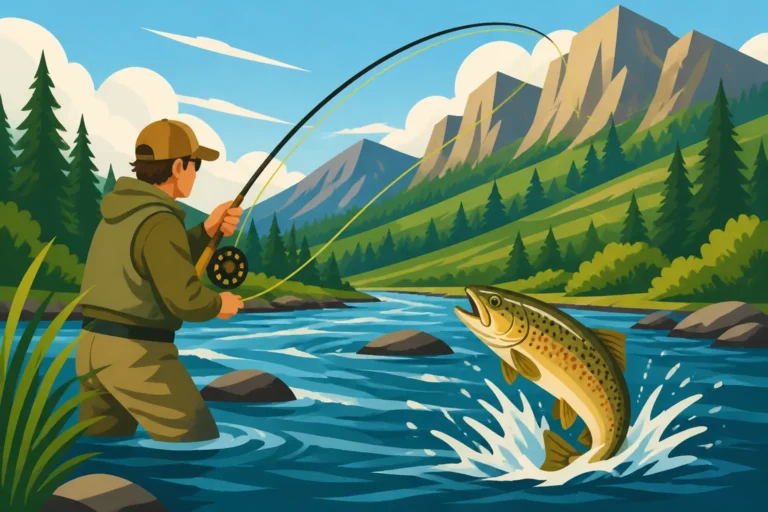
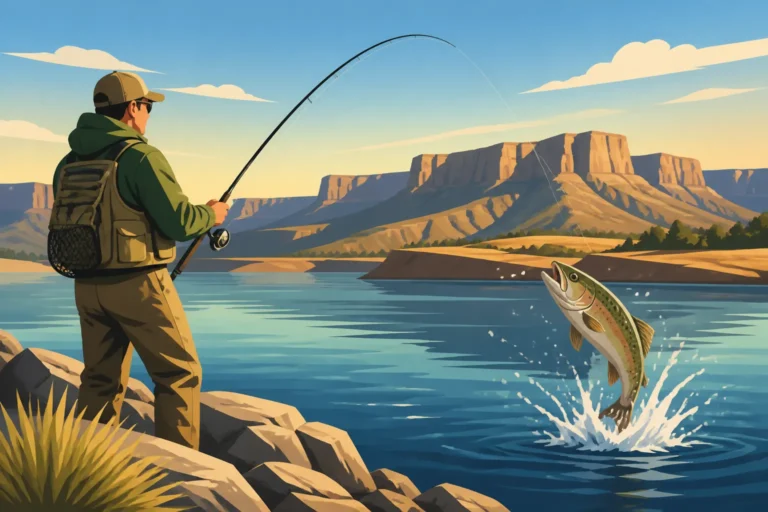
The Wind River Mountains are a wild, breathtaking expanse of towering peaks, ancient glaciers, and thousands of lakes, many of which sit above 9,000 or even 10,000 feet. For many anglers, these remote waters represent the pinnacle of Wyoming fishing. They offer an escape from crowds, a chance to truly connect with nature, and the unique opportunity to catch fish that have never seen a lure or a fly. It's a challenging endeavor, to be sure, but the rewards are profound.
A Unique Backcountry Experience
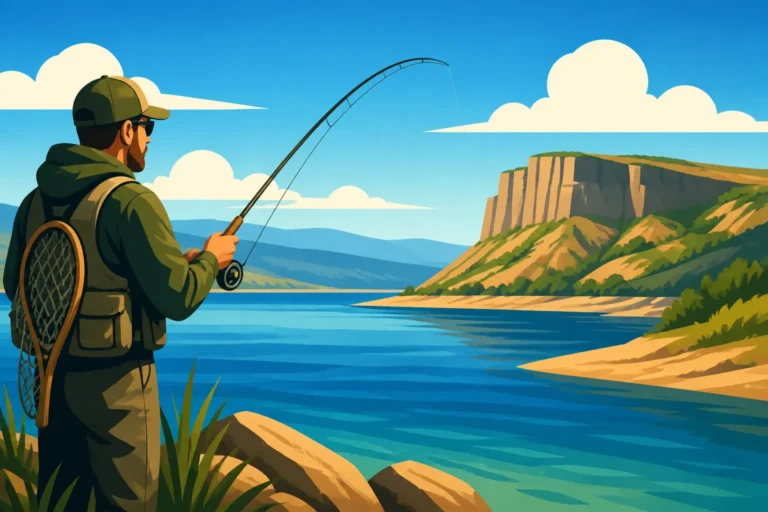
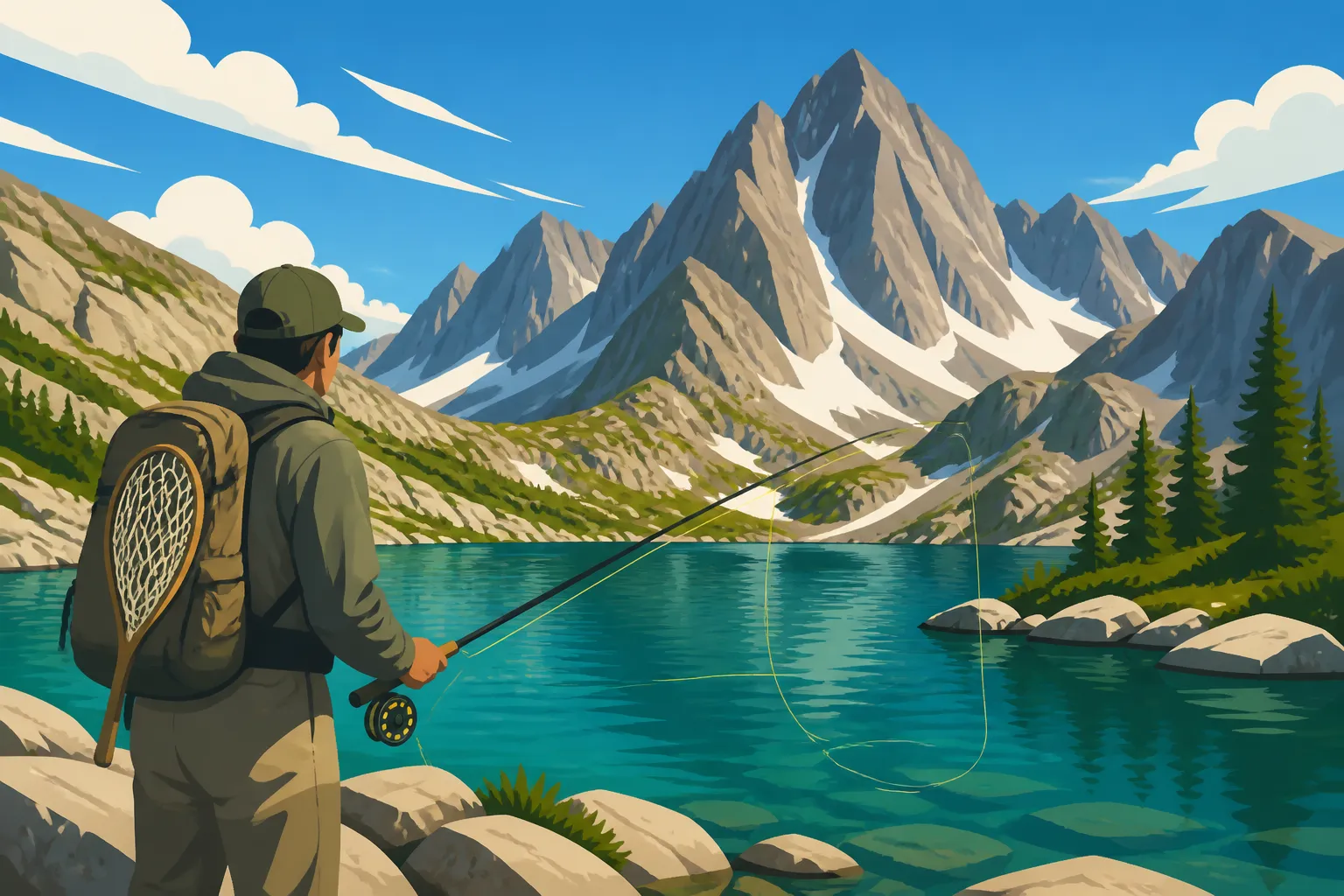
Stepping into the Wind River Range is like stepping into another world. The air is crisp, the silence is profound, and the views are absolutely spectacular. Unlike your typical drive-up fishing destinations, reaching these lakes requires effort – often a significant hike, sometimes even an overnight backpacking trip, or an adventurous horse pack-in. This inherent difficulty weeds out the casual angler, leaving those who truly seek solitude and wilderness fishing. You'll likely share the shores only with marmots, pikas, and perhaps a soaring golden eagle. This isolation isn't for everyone, but for those who embrace it, it's an unparalleled experience.
The journey itself becomes as much a part of the adventure as the fishing. Every switchback climbed, every stream forded, and every breathtaking vista enjoyed contributes to the sense of accomplishment. It's an opportunity to test your endurance, your navigation skills, and your self-reliance in a truly wild setting. And when you finally arrive at a pristine alpine lake, reflecting the granite peaks and sky, the feeling is indescribable. You truly earn every fish you catch up here.
Trophy Fish in Pristine Waters
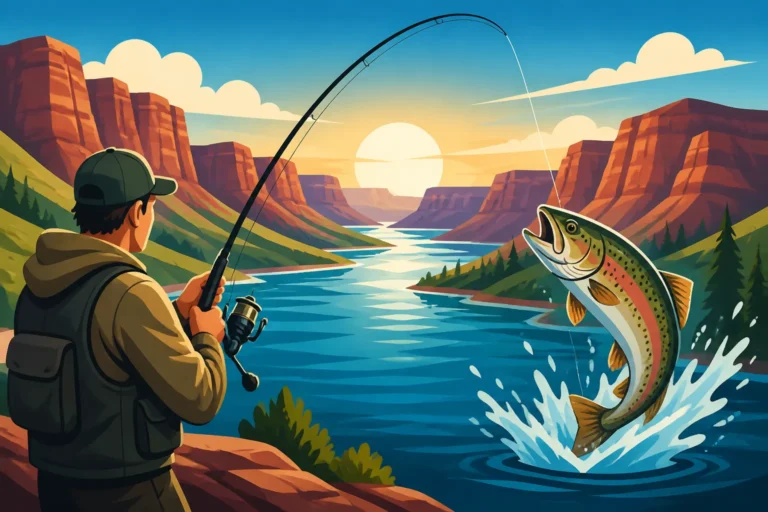
While not every high-elevation lake holds "trophy" fish in the traditional sense of massive size, many are home to vibrant, healthy populations of wild trout that are exceptionally beautiful and feisty fighters. The most sought-after species are often Golden Trout, which are legendary for their stunning colors, and various species of Cutthroat Trout, including the Yellowstone Cutthroat and the Bonneville Cutthroat, depending on the drainage. You'll also encounter plenty of Brook Trout, which, despite their smaller size, are incredibly willing to bite and offer steady action, especially in streams and smaller lakes.
The purity of these waters and the abundant insect life contribute to the health and vitality of the fish. Because these lakes are often inaccessible, fishing pressure tends to be lower than in more popular front-country destinations. This can lead to less "educated" fish, making for more aggressive takes and a more exciting fishing experience. While size records might be held in larger reservoirs, the beauty and wildness of a high-country trout caught in its natural, rugged habitat is a trophy in itself. These fish often display brilliant colors, strong fins, and a fighting spirit honed by living in such a demanding environment.
Accessibility Varies Wildly
It's crucial to understand that "high-elevation lakes" don't all mean the same thing in terms of getting there. Some require serious backpacking expeditions deep into the wilderness, spanning multiple days and dozens of miles. Others might be reachable via a moderately challenging day hike from a developed trailhead. There are even a few, particularly those stocked by helicopter, that can be accessed with a slightly less arduous hike, though still requiring commitment.
The key is to research your target lake thoroughly. Check trail conditions, elevation gain, and distance before you even pack your bags. A lake that looks close on a map might involve a relentless climb over a mountain pass, while another further away could have a more gradual, scenic trail. Don't underestimate the physical demands; thinner air at altitude makes every step harder. Being realistic about your fitness level and experience will prevent a miserable or even dangerous outing.
Essential Planning for Your Wind River Lakes Expedition
Successfully fishing these high-country lakes isn't just about having the right rod; it's about meticulous preparation. The mountains are unforgiving, and being unprepared for sudden weather changes, navigation challenges, or even simple gear failures can turn a dream trip into a nightmare. Think of it as preparing for a mini-expedition, even if you're only going for a day.
Gear Up for the High Country
Packing smart is paramount. Every ounce matters when you're carrying it on your back. For fishing, a lightweight pack rod (often a 3 or 4-weight fly rod for trout or a light spinning rod) is ideal. Consider a multi-piece rod that breaks down easily for transport. As for flies and lures, think compact. Small spinners, spoons, and jigs work well for spin fishing. For fly anglers, a selection of terrestrial patterns (ants, beetles, grasshoppers), small nymphs (Prince Nymphs, Hare's Ears), and dry flies (Parachute Adams, Elk Hair Caddis) will cover most situations. Remember to pack extra line, leaders, and tippet – snags are common in rocky terrain.
Beyond fishing gear, your personal equipment is even more critical. Layered clothing suitable for all conditions is a must, as temperatures can swing dramatically, even in summer. Waterproof outer shells are non-negotiable. Sturdy, broken-in hiking boots are essential, along with extra socks to prevent blisters. Navigation tools like a GPS device, a detailed map (USGS topographic maps are excellent), and a compass are vital, and know how to use them! Don't forget a first-aid kit, water filter or purification tablets, a headlamp, sun protection (hat, sunglasses, sunscreen), and bear spray, as you're in active grizzly and black bear country. You'll also want to review "What Gear to Pack for a Backcountry Fishing Trip" to make sure you haven't forgotten anything critical.
Understanding Regulations and Permits
Wyoming Game and Fish Department regulations apply to all state lands, and they can be quite specific, especially in these sensitive high-alpine environments. Before you go, grab a copy of the current "Wyoming Fishing Regulations Every Angler Should Know." Pay close attention to general statewide rules, but also scour the special regulations for specific drainages or individual lakes. Some lakes might have bait restrictions, barbless hook requirements, or unique "How Bag and Possession Limits Work in Wyoming." It's your responsibility to know these rules.
In addition to your Wyoming fishing license (which is absolutely required), you may need special permits depending on where you plan to go. Much of the Wind River Range lies within national forests (Bridger-Teton National Forest, Shoshone National Forest), which often have wilderness area regulations. These might include free, self-issued permits at trailheads for tracking visitor numbers, or in some cases, a fee-based permit for overnight stays. If you plan to fish on the Wind River Reservation, you'll need a separate tribal permit, as Wyoming state licenses are not valid there. Always check with the specific land management agency (Forest Service, National Park Service, Tribal Office) for the latest requirements before you embark.
Prioritizing Safety and Navigation
The mountains are beautiful, but they demand respect. Weather can change in an instant, bringing thunderstorms, hail, or even snow, even in the middle of summer. Always check the forecast, but be prepared for anything. If a storm rolls in, seek shelter immediately and avoid being on exposed ridges or near tall trees. Carry a satellite communication device like a Garmin inReach or a Zoleo for emergencies, as cell service is non-existent in most of these remote areas.
Navigation is another critical safety component. Trails can be faint, overgrown, or disappear altogether, especially above treeline. Don't rely solely on a phone app; a physical map and compass are essential backups. Know how to use them to orient yourself and follow a bearing. If you're new to backcountry travel, consider going with an experienced friend or hiring a licensed guide. A reputable guide service, which you can often find through platforms like FishingBooker, can not only lead you safely but also share invaluable local knowledge about the best spots and techniques. Tell someone your itinerary and expected return time, and stick to it.
Navigating the Diverse Wind River Range Fisheries
The Wind River Mountains are a massive range, stretching over 100 miles. It's not a monolithic fishing destination; different regions offer distinct experiences, varying levels of accessibility, and often different dominant fish species. Understanding these regional differences will help you choose the adventure that's right for you.
The Northern Wind Rivers: Remote and Rewarding
The northern reaches of the Wind River Range, particularly those accessible from trailheads near Dubois or even further north, tend to be the most remote and wildest. Here, you'll often find yourself truly alone, surrounded by glaciers and rugged, untamed landscapes. This area is famous for its concentration of Golden Trout, often in stunning, high-altitude cirques. Lakes like those around Island Lake and beyond require significant multi-day treks.
The trails in this region can be less maintained, and river crossings might be more challenging, especially during spring runoff. The rewards, however, are immense: truly wild fish, untouched scenery, and an unparalleled sense of wilderness. If you're looking for an epic backpacking trip combined with incredible fishing for Golden Trout, this is where you'll find it. Just be prepared for the physical demands and the necessity of being completely self-sufficient. Some of these lakes are part of the "Helicopter-Stocked Backcountry Lakes Near Dubois" program, making them viable targets for species like Golden Trout, though still requiring a significant hike in after being dropped off.
Central Wind Rivers: Popular Trailheads and Stunning Views
The central part of the Wind River Range, often accessed from trailheads around Pinedale (like the popular Elkhart Park, New Fork Lakes, or Big Sandy Opening), tends to have more established trails and is where many iconic destinations like Titcomb Basin, the Cirque of the Towers, and Gannett Peak (Wyoming's highest) are located. While more popular, these areas are still firmly in the wilderness and offer spectacular fishing for Cutthroat and Brook Trout.
Lakes like those in the Titcomb Basin are legendary for their beauty and fish populations, though they require a strenuous multi-day hike. The "Best Fishing Spots Near Pinedale" often include a mix of these central range lakes. Due to higher traffic, you might encounter more people, but the vastness of the wilderness still allows for solitude if you're willing to hike a bit further off the main routes. This region is a great balance of accessibility (relatively speaking) and pristine wilderness fishing, making it a favorite for many experienced backcountry anglers.
Southern Wind Rivers: Often Overlooked Gems
The southern end of the Wind River Range, accessible from trailheads such as those near Lander or Farson, often receives less attention than its northern and central counterparts, making it a fantastic option for those seeking solitude without quite the same level of commitment as the deepest northern sections. This area still boasts incredible alpine lakes, often nestled in granite basins, holding healthy populations of various trout species.
You might find excellent fishing for Cutthroat and Brook Trout in this region, and the trails can sometimes be a little less strenuous, offering more options for strong day hikes or shorter overnight trips. Lakes in areas like the Popo Agie Wilderness or the Sinks Canyon State Park environs provide unique opportunities. While perhaps not as globally famous as Titcomb Basin, these southern lakes offer classic Wind River fishing in stunning, less-trafficked settings. Don't overlook these often-forgotten corners; they can hold some truly rewarding experiences for the prepared angler.
Targeting Species and Mastering Techniques in Alpine Environments
Once you’ve made the arduous journey to a high-elevation lake, the real fun begins: catching fish! But alpine environments present unique challenges and opportunities. Understanding the primary species you’ll encounter and adapting your techniques accordingly will greatly increase your success.
Wyoming's Iconic High-Lake Trout Species
The stars of the show in most Wind River high-elevation lakes are undoubtedly the trout. You’ll primarily encounter three species, each with its own characteristics and preferred habitats:
-
Golden Trout: These are arguably the most beautiful trout in Wyoming, sporting brilliant golden sides, red lateral stripes, and distinctive parr marks. They are often found in the most pristine, highest-elevation lakes, particularly in the northern Wind Rivers. They tend to be smaller, generally ranging from 8 to 14 inches, but they are eager to rise to a dry fly and are known for their strong fight. Targeting them requires stealth and delicate presentations, as these high-alpine waters are often crystal clear. For a deeper dive, check out our guide on "Golden Trout Fishing in Wyoming."
-
Cutthroat Trout: Wyoming is home to several subspecies of Cutthroat, and you'll find them in abundance throughout the Wind River Range. The Yellowstone Cutthroat is the state fish and is native to many drainages. They are aggressive feeders, often willing to chase lures or smash dry flies. Cutthroat in high lakes can range from 10 to 18 inches, with some occasionally growing larger in systems with more abundant food sources. They can be found in a wider range of lake types and elevations than Goldens. Learn more about "Cutthroat Trout Fishing in Wyoming."
-
Brook Trout: While often smaller (6-12 inches), Brook Trout are incredibly prolific in many high-elevation lakes and streams. Their vibrant colors – often a dark green back with red and yellow spots, and white leading edges on their fins – make them a joy to catch. Brookies are not picky eaters and will readily take a variety of flies and lures, making them an excellent target for beginners or for ensuring consistent action. They are particularly abundant in smaller, shallower lakes and connecting streams. Our "Brook Trout Fishing in Wyoming" guide has more tips.
It's also worth noting that some lakes might hold Rainbow Trout or even Lake Trout, though the latter are less common in the highest, most remote basins. Sometimes, you'll find hybrid "cutbows" where Cutthroat and Rainbows have interbred. Always check local regulations to confirm species and any special rules that apply.
Effective Fishing Strategies for Mountain Lakes
Fishing a high-elevation lake is different from fishing a low-elevation river or reservoir. Here are some strategies that often prove successful:
- Covering Water: Many high lakes have distinct drop-offs, rocky points, and submerged structures. Don't just cast blindly. Systematically work your way around the lake, casting to different features. Pay attention to inflows and outflows of streams, as these are often prime feeding lies for trout.
- Terrestrials are Key: Due to the surrounding landscape, insects like ants, beetles, and grasshoppers are common food sources, especially during summer. Dry flies mimicking these terrestrials can be incredibly effective. Cast them close to shore, near rocks, or along grass lines where insects might fall into the water.
- Nymphing and Streamers: If fish aren't rising, go subsurface. Small nymphs (like a Copper John, Pheasant Tail, or Prince Nymph) fished under an indicator or stripped slowly can entice bites. Small streamers or woolly buggers can imitate baitfish or larger insects, often drawing aggressive strikes from larger trout. For spin anglers, small spoons (like a Kastmaster or Daredevil) or inline spinners (such as a Mepps or Panther Martin) are great choices.
- Stealth and Presentation: High-alpine waters are often incredibly clear, meaning the fish can see you long before you see them. Approach the water slowly and quietly. Use longer, lighter leaders and tippet (5X or 6X for fly fishing) to ensure a natural presentation. Avoid bright clothing if possible.
- Time of Day: While trout in high lakes can feed throughout the day, early mornings and late evenings often provide the best action, especially for dry fly fishing. However, don't discount midday; if a hatch comes off or if it's overcast, the bite can be excellent.
For specific techniques, consider exploring articles like "How to Fish Wyoming's High-Alpine Lakes" for more detailed guidance. The core idea is to observe, adapt, and be patient. The fish are there; it's just a matter of figuring out what they want.
Catch-and-Release for Future Generations
Given the remoteness and the precious nature of these fisheries, practicing careful catch-and-release is highly encouraged, especially for Golden and larger Cutthroat Trout. These fish grow slowly in the cold, nutrient-poor high-altitude waters, and every fish released safely contributes to the sustainability of the population.
When you do decide to keep a fish for a meal (and there's nothing wrong with a fresh trout cooked over a campfire!), be mindful of "How Bag and Possession Limits Work in Wyoming" and only keep what you'll truly eat. For fish you intend to release, minimize handling, keep them in the water as much as possible, use barbless hooks (or pinch down barbs on your lures/flies), and revive them gently before letting them go. Avoid touching their gills or squeezing them tightly. Following "Catch and Release Best Practices for Trout" ensures these beautiful fish will continue to thrive for years to come.
Overcoming High-Altitude Challenges and Preserving the Wilderness
Fishing in the Wind River Range is as much about confronting the environment as it is about casting a line. The challenges are real, but with proper preparation and a mindful approach, they can be overcome, allowing you to fully appreciate the pristine wilderness.
Coping with Altitude and Unpredictable Weather
The most common physical challenge is the altitude itself. Many of these lakes sit at 9,000 feet or higher, where the air is noticeably thinner. Symptoms of altitude sickness can include headaches, nausea, dizziness, and shortness of breath. To mitigate this, hydrate continuously, ascend gradually if possible (spending a night at a lower elevation before pushing higher), and avoid excessive exertion on your first day at altitude. If symptoms worsen, descend immediately. Know your limits and listen to your body; pushing too hard can be dangerous.
Weather in the mountains is notoriously unpredictable. A sunny morning can turn into an afternoon thunderstorm with hail and lightning in minutes. Always pack layers, including a waterproof and windproof jacket and pants, even if the forecast looks clear. Sun protection is also crucial, as the sun's rays are much stronger at high elevations. Sunglasses, a wide-brimmed hat, and high-SPF sunscreen are non-negotiable. Be prepared to hunker down or turn back if conditions become unsafe. Sudden temperature drops can also occur, so be ready for cold, wet conditions.
Practicing Leave No Trace Principles
The pristine nature of the Wind River Range is a huge part of its appeal, and it's our collective responsibility to keep it that way. Practicing Leave No Trace principles is absolutely essential. This means packing out everything you pack in, including all trash (even tiny bits of fishing line or food scraps). Human waste should be buried in a cathole at least 6-8 inches deep and 200 feet from water sources, trails, and campsites.
Avoid building new fire rings or cutting live wood. If you have a fire, keep it small and ensure it's completely out and cold to the touch before leaving. Camp on durable surfaces, and try to minimize your impact on vegetation. Don't contaminate water sources with soap or food waste. By adhering to these principles, we ensure that these incredible places remain wild and beautiful for all who follow. It’s not just a suggestion; it’s a commitment to protecting these fragile ecosystems.
Dealing with Wildlife Encounters
The Wind River Range is home to abundant wildlife, including black bears and grizzly bears, moose, elk, deer, and various smaller mammals. While seeing wildlife is often a highlight of a backcountry trip, it's important to know how to interact safely and responsibly.
- Bear Safety: Carry bear spray and know how to use it. Store all food, trash, and scented items in bear-resistant containers (like a bear canister) or hung from a bear bag system 10-12 feet off the ground and 4 feet from the tree trunk. Never store food in your tent. Make noise while hiking to avoid surprising a bear. If you encounter a bear, remain calm, speak in a low voice, and slowly back away. Do not run. For grizzlies, play dead if attacked; for black bears, fight back.
- Other Wildlife: Give moose and elk plenty of space, especially cows with calves, as they can be aggressive. Never feed any wildlife, as this habituates them to humans and can lead to dangerous encounters or harm their natural foraging behaviors. Keep a clean camp to avoid attracting curious animals. Remember, you are a visitor in their home.
Respecting wildlife means observing them from a safe distance and not interfering with their natural behaviors. Your goal is to pass through their habitat without leaving a trace or causing disturbance.
Finding Your Next Adventure: Resources and Booking
Planning a trip to the Wind River Range's high-elevation lakes requires significant research. Knowing where to find reliable information and how to leverage resources can make all the difference between a frustrating attempt and a truly memorable adventure.
Mapping Your Route and Checking Conditions
Before you even think about packing your backpack, you need to understand your route. Detailed topographic maps are your best friend. The U.S. Geological Survey (USGS) provides excellent topo maps that show elevation contours, water features, and trails. Websites like AllTrails or Gaia GPS can also provide helpful trail information, user reviews, and GPS tracks, but always cross-reference with official sources. The Bridger-Teton and Shoshone National Forest websites are crucial for current conditions, trail closures, fire restrictions, and permit information.
Water conditions can vary drastically throughout the season. Early season (June-early July) often means high water from snowmelt, making stream crossings challenging or even dangerous. Late summer and fall offer lower, clearer water, but also colder temperatures. Check "Wyoming Fishing Seasons Month by Month" and also look for current snowpack reports and streamflow data from the U.S. Geological Survey (USGS) or the National Weather Service. Local fly shops in Pinedale, Dubois, or Lander are also invaluable resources for up-to-the-minute reports on hatches, water levels, and fish activity.
Considering a Guided Experience
If the thought of navigating the remote wilderness, identifying the right gear, or understanding complex regulations feels overwhelming, a guided trip might be an excellent option. Local outfitters and guides specialize in backcountry fishing and can provide everything from pack services (using horses or mules to carry gear) to fully guided backpacking trips. This not only significantly reduces your logistical burden but also dramatically increases your safety and chances of success.
A knowledgeable guide knows the best trails, the most productive lakes, and the specific techniques that work best in particular conditions. They can also ensure you comply with all local regulations and help you with safe wildlife encounters. Many guides operating in the Wind Rivers are licensed outfitters who can arrange all necessary permits and provide high-quality gear. You can often find reputable guides through local fly shops or by searching platforms like FishingBooker, which lists experienced outfitters familiar with Wyoming's high-country fishing. These services can be an investment, but for many, the peace of mind and enhanced experience are well worth the cost, especially for a multi-day "Fishing Wyoming's Wilderness and Backcountry Lakes" adventure.
Final Preparations for Departure
Once your route is planned, gear is assembled, and any necessary permits are secured, there are a few final steps before heading out. Double-check your pack weight and ensure you haven't forgotten essentials like extra water, food, and emergency supplies. Lay out all your gear a day or two before you leave to ensure everything is accounted for. Charge all electronic devices (phone, GPS, satellite messenger) and pack spare batteries or a power bank.
Inform a trusted friend or family member of your exact itinerary, including your start and end points, planned routes, and expected return date and time. Provide them with the contact information for emergency services in the area. This "trip plan" is critical for your safety. Make sure they know what to do if you don't check in by your agreed-upon time. Finally, take a deep breath, embrace the anticipation, and get ready for an unforgettable adventure into one of Wyoming's most spectacular and rewarding fishing destinations. The Wind River Mountains are waiting!
Disclaimer
Please note that fishing regulations and conditions in Wyoming can change frequently. Always consult the official Wyoming Game and Fish Department regulations booklet and relevant land management agency websites (e.g., National Forest Service) before planning and embarking on any fishing trip. This guide is for informational purposes only and should not replace official sources.