Wyoming’s Flaming Gorge Reservoir Fishing Guide
There's a special kind of frustration that comes with hearing whispers of incredible fishing spots, only to find them so vast and complex that you don't even know where to begin. You've heard the legends of trophy fish in Wyoming, but how do you navigate sprawling reservoirs that span state lines? This guide is your in-depth roadmap to unlocking the unparalleled fishing experience at Flaming Gorge Reservoir, detailing everything from the unique ecosystem to the specific techniques that will put you on the fish of a lifetime.
A Deep Dive into Flaming Gorge Reservoir: A Wyoming Gem
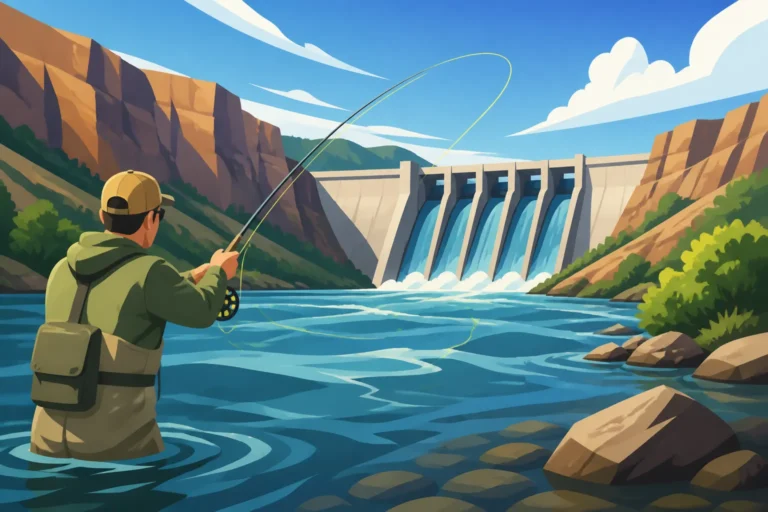
Flaming Gorge isn't just a body of water; it's a monumental achievement of engineering and nature intertwined, offering an angling experience unlike almost any other in the West. This massive reservoir, formed by the damming of the Green River, stretches over 91 miles, carving its way through breathtaking red rock canyons that command respect and inspire awe. Anglers often feel a sense of both wonder and intimidation when first encountering its sheer size and diverse habitats. But once you understand its rhythms, Flaming Gorge reveals itself as a treasure trove for multiple sought-after species.
The Unique Ecosystem of Flaming Gorge
What makes Flaming Gorge so special for fishing? It really comes down to its incredible depth, averaging around 130 feet in many areas but plunging to over 430 feet at its deepest points near the dam. This depth, combined with its cold, clear waters, creates an ideal environment for cold-water species like lake trout and kokanee salmon. The reservoir's unique canyon structure provides an abundance of submerged cliffs, ledges, and channels, forming intricate underwater highways and hiding spots that fish absolutely love. This complex topography requires anglers to be adaptable, often switching between targeting suspended fish in open water and probing deep structure. The distinct red rock geology isn't just beautiful; it also contributes to the water's unique mineral content, influencing the aquatic insect life and overall food chain that sustains the robust fish populations.
Furthermore, Flaming Gorge’s designation as a National Recreation Area means it’s managed with an eye toward conservation and public access, ensuring its beauty and productivity are preserved for generations. The sheer scale of the reservoir, straddling the Wyoming and Utah border, also means that conditions can vary significantly from one arm to another, requiring a keen understanding of localized patterns. What works in the wide-open main channel might not be effective in the narrower, shallower bays, adding another layer of challenge and reward to your fishing adventure.
Primary Fish Species You'll Encounter
While Flaming Gorge is renowned for its diverse fishery, there are definitely a few star players that draw anglers from all over the world. The undisputed heavyweight champion of Flaming Gorge is the Lake Trout, often called Mackinaw. These formidable predators thrive in the cold, deep waters, growing to truly monstrous sizes, with fish over 30 and even 40 pounds being caught regularly. Targeting these giants is a passion for many, requiring specialized gear and a deep understanding of their habits.
Beyond the lakers, Kokanee Salmon provide a fast-paced, high-action fishery, particularly during their prime seasons. These landlocked sockeye salmon are incredibly fun to catch, known for their powerful runs and vibrant colors, especially as they approach their spawning phase. You'll also find a robust population of Smallmouth Bass, particularly in the shallower, rocky bays and warmer arms of the reservoir. They offer a fantastic option for anglers looking for a different kind of fight, especially during the warmer months when they're actively chasing baitfish. And let's not forget the ever-present Rainbow Trout, which are regularly stocked and provide consistent action from shore or boat. For something a little different, the mysterious Burbot, also known as Ling, offers a unique night-fishing opportunity, especially during the colder months. Other species like Yellow Perch, Brown Trout, and even occasional Tiger Muskie (though less common) round out the diverse angling opportunities. Each species has its own set of behaviors and preferred habitats, making Flaming Gorge a truly dynamic fishery.
Seasonal Changes and Their Impact on Fishing
Understanding the seasonal flow of Flaming Gorge is absolutely crucial for success. The reservoir transforms dramatically throughout the year, dictating where fish are, what they're eating, and what techniques will be most effective.
Spring (April-May) kicks off with the exciting ice-out period, often starting in the southern Utah sections and gradually moving north into Wyoming. As the water warms up, fish become more active. Lake trout move shallower to feed, and rainbow trout are often eager biters near tributary inflows. Smallmouth bass begin to stage for their spawn, becoming very aggressive in rocky areas. This is a fantastic time for anglers, as many species are accessible closer to the surface before the summer heat drives them deep.
Summer (June-August) sees the reservoir in full swing. Surface temperatures rise, pushing lake trout and kokanee into the cooler, deeper parts of the lake. This is prime time for deep-water trolling and jigging for these species. Smallmouth bass, however, are very active in the warmer, shallower bays and along rocky shorelines, providing excellent topwater and shallow-cranking action. Camping and recreational boating are at their peak, so expect more company on the water.
Fall (September-November) is often considered by many to be the sweet spot for trophy fishing. As water temperatures cool, many species become incredibly active. Brown trout make their spawning runs, offering opportunities in river sections and near shallow rocky areas. Kokanee salmon also begin their vibrant spawning transformation, concentrating in certain areas. Crucially, the giant lake trout move shallower to feed aggressively before winter sets in, making them more accessible to a wider range of techniques. This is often the time when anglers looking for a true lunker focus their efforts. If you're hoping for a memorable trip, fall fishing for browns on the Miracle Mile or the larger lake trout at Flaming Gorge is a truly special experience.
Finally, Winter (December-March) brings the hardwater season. When the ice thickens sufficiently, Flaming Gorge becomes a premier destination for ice fishing, particularly for lake trout, rainbow trout, and burbot. Jigging through the ice for these deep-dwelling species can be incredibly productive and offers a serene, unique challenge. Just remember that safety is paramount, and checking ice conditions regularly is a must. Each season presents its own unique challenges and rewards, making Flaming Gorge a year-round destination for dedicated anglers.
Navigating Flaming Gorge: Access Points and Key Fishing Areas
Given its immense size, knowing where to launch your boat or find a good shore fishing spot on Flaming Gorge is half the battle. This reservoir offers a variety of access points, each with its own advantages, whether you're chasing trophy lake trout or simply looking for a peaceful day casting for rainbows. Planning your entry and exit points in advance can save you a lot of time and potential frustration on a reservoir this sprawling.
Major Marinas and Boat Ramps
For most anglers, especially those with boats, the marinas and ramps are the lifelines to Flaming Gorge's vast waters. On the Wyoming side, Lucerne Valley Marina is the largest and most developed access point. It offers multiple boat ramps, ample parking, fuel, a store for bait and tackle, and even boat rentals. This is often the go-to for launching larger vessels and provides excellent access to the central and northern parts of the reservoir, including many prime lake trout areas. Heading south from Lucerne, you'll find Buckboard Crossing Recreation Area, another popular spot with several boat ramps and campgrounds. Buckboard is particularly favored for its proximity to excellent fishing grounds for both lake trout and kokanee, and it tends to be a bit less congested than Lucerne, especially during peak season.
While technically on the Utah side, the Cedar Springs Marina near the dam is also a crucial access point, especially if you plan to explore the southern reaches of the reservoir. Many guides, which you can find through services like FishingBooker, often operate out of these larger marinas due to their amenities and central location. Don't forget the Green River access points further up the river section before it widens into the main reservoir, which can be useful for smaller boats or those wanting to target river-specific species or the transition zones where the river meets the lake. Always check with the Wyoming Game and Fish Department or the U.S. Forest Service for the latest ramp conditions, as water levels can fluctuate, sometimes impacting usability. These hubs are not just places to launch; they're also great sources for up-to-date local fishing reports.
Top Fishing Hotspots for Each Species
Flaming Gorge is so big that you can't just "fish the lake" – you need to have a strategy for specific areas if you want to target certain species.
For Lake Trout (Mackinaw), the deeper sections are your best bet. The main channel from Lucerne south towards Linwood Bay is consistently productive. Look for submerged islands, deep points, and drastic depth changes, especially around areas like Anvil Draw and the deep water east of Buckboard Crossing. These areas concentrate baitfish, which in turn attract the lakers. Using your electronics to identify underwater structure and schools of bait is absolutely key here.
Kokanee Salmon often school in open water, making them a prime target for trolling. Good kokanee fishing can be found in the deeper basins of the reservoir, particularly around Sheep Creek Bay and the vast expanse of open water north of the dam. These fish are constantly on the move, chasing zooplankton, so covering water is essential. Pay attention to water temperature breaks and depth contours, as kokanee will often suspend at specific depths.
Smallmouth Bass are creatures of structure and warmth. They thrive along the rocky shorelines and in the shallower bays that warm up first in the spring and stay warm through summer. Areas around Lucerne Bay, Buckboard Bay, and any stretch with abundant rock piles, submerged timber, or drop-offs are excellent places to cast for smallmouth. During the spawn, they'll be very visible guarding nests in shallow, protected coves.
Finally, Rainbow Trout are more widely distributed and can often be caught near inflows, along shorelines, and in the upper river sections. Trolling shallower depths in areas like the Green River arm or casting near campgrounds at Lucerne or Buckboard can yield good results. They are often found wherever there's current or structure providing food and cover. Knowing these specific areas significantly increases your chances of connecting with your target species.
Shoreline and Wading Opportunities
While Flaming Gorge is primarily a boat-fishing destination due to its size and canyon geography, there are still rewarding opportunities for anglers who prefer to keep their feet on solid ground. Many of the developed recreation areas offer accessible shoreline fishing, which is fantastic for families or those without a boat.
At Lucerne Valley and Buckboard Crossing, you'll find designated fishing piers and ample shoreline access, particularly near the campgrounds and day-use areas. These spots are regularly stocked with rainbow trout and can also yield smallmouth bass, especially during the warmer months when bass move closer to the banks to feed. Casting PowerBait, worms, or small spinners from these locations can often provide steady action. However, be mindful that the sheer drop-offs in many parts of the reservoir mean that true wading opportunities are limited and often dangerous. The banks can be very steep and slick, so caution is always advised.
For more adventurous shore anglers, exploring the numerous pull-offs and trailheads along the scenic drive that parallels parts of the reservoir can lead to hidden gems. While not always easy to access, these spots can offer solitude and excellent opportunities for casting lures or bait into less pressured waters. Always wear appropriate footwear, be aware of uneven terrain, and pack out everything you pack in. While it might not deliver the same trophy potential as deep-water boat fishing for lake trout, shoreline fishing at Flaming Gorge offers a relaxing and often productive alternative, particularly for those targeting rainbows and smallmouth.
Mastering Techniques for Flaming Gorge's Diverse Fisheries
Fishing Flaming Gorge successfully isn't just about showing up; it's about understanding and applying the right techniques for the right species and conditions. This reservoir demands a versatile approach, from deep-water trolling to precise casting, and adapting your method is key to filling your cooler or landing that photo-worthy fish.
Targeting Trophy Lake Trout
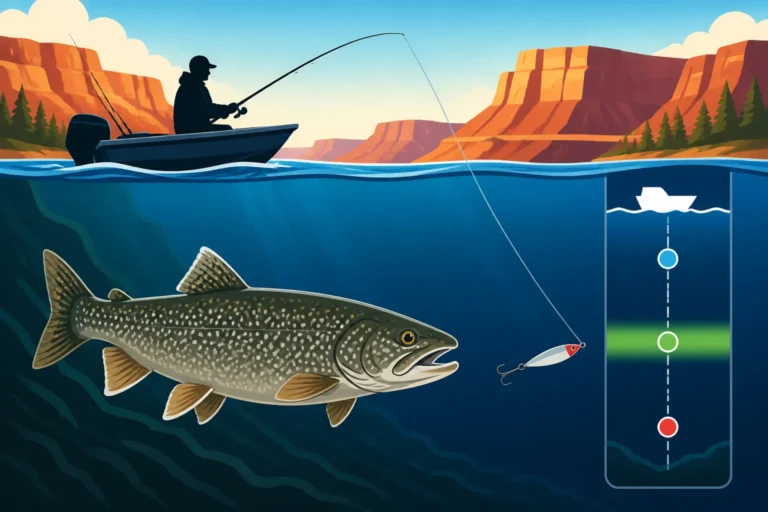
Trophy Lake Trout are the undisputed kings of Flaming Gorge, and catching one requires patience, skill, and often specialized equipment. The most effective method is trolling in deep water, typically at depths ranging from 60 to 150 feet, sometimes even deeper. Anglers often employ downriggers to precisely control the depth of their lures, keeping them right in the fish's feeding zone. Lead core line can also be effective for reaching these depths without downriggers, though it offers less depth control. Large spoons, such as those from the Luhr-Jensen or Northern King lines, in silver, white, chartreuse, or even glow-in-the-dark patterns, are popular choices. Big tube jigs (often called "Gitzits") in white or chartreuse, sometimes tipped with a piece of sucker meat for added scent and appeal, are also incredibly effective. Trolling speeds are generally slow, between 1.5 to 2.5 miles per hour, but subtle variations can trigger strikes.
Another highly productive method, particularly when you've located a school of fish or identified a prime piece of structure on your fish finder, is jigging. Heavy jigs, weighing anywhere from 1 to 4 ounces, are dropped directly to the fish's depth and worked with an aggressive lift-and-drop motion. Many anglers use live sonar systems to watch their jig's interaction with the fish in real-time, allowing for precise adjustments. The best times for trophy lake trout are often early morning, late evening, or during the fall when they move shallower to feed aggressively. Patience is a virtue when targeting these monsters; you might go hours without a bite, but when that rod doubles over, it's usually worth the wait. For more detailed insights into effective deep-water presentation, you might want to read our guide on Trolling Techniques for Wyoming Reservoirs.
The Excitement of Kokanee Salmon Fishing
If you're looking for consistent action and delicious fillets, Kokanee Salmon at Flaming Gorge are an excellent target. These landlocked sockeye are almost exclusively caught by trolling, as they are pelagic, meaning they roam open water, often suspending in schools. The key to kokanee fishing is mimicking their primary food source: zooplankton. This means using smaller lures and specific presentations.
Anglers typically troll with a dodger or flasher in front of a small lure. Popular choices include wedding rings, small hoochies, or tiny spoons in bright colors like pink, orange, or chartreuse. Tipping your lure with a kernel of shoepeg corn, often soaked in a scent attractant, is a time-tested kokanee trick that often makes a big difference. Depth control is crucial, and most kokanee are found between 20 and 60 feet, though this can vary daily. Downriggers are incredibly effective for keeping your gear in the strike zone, especially when trying to pinpoint the specific depth the schools are holding. Slow trolling speeds, usually between 1.0 to 1.8 miles per hour, are generally preferred. As their spawning season approaches in late summer and fall, kokanee become more vibrant in color and their bite can intensify, making it an exhilarating time to target them. Our article on Best Season for Kokanee Salmon at Flaming Gorge has even more information on timing your trip perfectly.
Chasing Smallmouth Bass and Rainbows
While lake trout and kokanee demand specific deep-water tactics, Smallmouth Bass and Rainbow Trout offer more versatile and often accessible fishing opportunities at Flaming Gorge.
For Smallmouth Bass, focus on rocky shorelines, points, and submerged timber, especially in bays that warm up earlier. These aggressive fish will readily strike a variety of lures. Soft plastics, such as tube jigs (mimicking crawfish), grubs, and creature baits, are incredibly effective when fished on a jig head or a drop shot rig. Cast them close to structure and work them slowly. During the summer, topwater lures like poppers and walk-the-dog baits can provide explosive strikes at dawn and dusk. Crankbaits and spinnerbaits are also excellent choices for covering water and triggering reactionary bites. Smallmouth are known for their feisty fights, making them a fantastic sportfish, particularly for those who enjoy active casting.
Rainbow Trout are often found in shallower water than their lake-dwelling counterparts, especially near inflows or in areas with current. From shore, casting spoons (like Kastmasters or Daredevils), spinners (like Mepps or Rooster Tails), or still fishing with bait (PowerBait, worms, or salmon eggs) under a bobber or on the bottom are highly effective. For boat anglers, trolling small spoons or Rapalas at shallower depths (10-30 feet) near shorelines or across bays can yield consistent results. Rainbows are also a staple for ice fishing, where jigging small spoons or using bait under a tip-up can be very productive. They are generally less picky than other species, making them a great target for beginners and seasoned anglers alike who are looking for steady action.
Essential Gear and Tackle for a Successful Flaming Gorge Trip
A successful fishing trip to Flaming Gorge isn't just about knowing where to go or what to do; it's also about having the right tools for the job. This reservoir can throw a lot at you, from vast open waters to deep canyons, and having the appropriate rods, reels, lines, and safety equipment will make all the difference between a frustrating day and a memorable one. Don't skimp on preparation when venturing into such a grand fishery.
Rods, Reels, and Line for Each Target Species
Matching your gear to your target species is paramount at Flaming Gorge. For those chasing the elusive Trophy Lake Trout, you'll need heavy-duty setups. A sturdy trolling rod, typically 7 to 9 feet long with a medium-heavy to heavy action, is essential for handling large lures and fighting powerful fish. Pair this with a robust baitcasting or level-wind reel capable of holding hundreds of yards of line, often 30-50 lb braided line, which offers incredible sensitivity and minimal stretch. A 20-30 lb fluorocarbon leader is then tied to the braid for abrasion resistance and stealth.
For Kokanee Salmon, a lighter touch is required. A medium-light to medium action trolling rod, around 7 to 8 feet, with a sensitive tip to detect subtle bites, is ideal. A small, smooth spinning reel or a light baitcasting reel spooled with 10-15 lb monofilament or fluorocarbon line will provide the right balance. The stretch of mono can be advantageous for not pulling the small hooks from a kokanee's soft mouth.
When targeting Smallmouth Bass and Rainbow Trout, versatility is key. A medium-action spinning rod, around 6.5 to 7 feet, paired with a 2500-3000 size spinning reel, is a fantastic all-around choice. Spool this with 8-12 lb monofilament or fluorocarbon, or a 10-15 lb braided line with a fluorocarbon leader for increased sensitivity and casting distance. This setup is light enough for enjoyable fights with smaller fish but robust enough to handle unexpected larger ones, making it perfect for shore casting, jigging, or light trolling applications.
Must-Have Lures and Baits
The diversity of fish at Flaming Gorge means a diverse tackle box is in order. For Lake Trout, don't leave home without large trolling spoons (e.g., Luhr-Jensen, Northern King, Lyman) in silver, white, chartreuse, or glow patterns. Big tube jigs (Gitzits) in white, black, or chartreuse, often tipped with sucker meat or herring, are also critical. For jigging, heavy spoons like a P-Line Laser Minnow or even specialized vertical jigs are excellent.
For Kokanee Salmon, you'll need smaller, brighter offerings. Dodgers and flashers (like the Sep's Pro-Flash or Sling Blade) paired with tiny hoochies (squirt jigs), Wedding Rings, or small trolling spoons (like the Sling Blade or Kokanee Killer) are standard. Corn, particularly shoepeg corn soaked in garlic or an anise-based scent, is almost a mandatory tipping agent.
Smallmouth Bass will hit a wide range of lures. Soft plastics such as 3-4 inch tube jigs, grubs, and creature baits in natural colors (green pumpkin, watermelon) fished on a jig head or drop shot are deadly. Small to medium crankbaits that dive to various depths, spinnerbaits, and topwater lures (poppers, walking baits) are also essential, especially during active feeding periods.
Finally, for Rainbow Trout, a selection of inline spinners (Mepps, Panther Martin), small casting spoons (Kastmaster, Daredevil), and minnow-imitating crankbaits will serve you well. For bait fishing, PowerBait (in various colors like green or rainbow), nightcrawlers, and salmon eggs are perennial favorites, whether fished on the bottom or under a bobber. Having a variety of colors and sizes for each lure type will allow you to adapt to changing conditions and fish preferences.
Electronics and Safety Equipment
When you're out on a body of water as vast and complex as Flaming Gorge, good electronics aren't just a luxury—they're practically a necessity. A reliable fish finder is crucial for identifying deep structure, locating schools of baitfish, and marking your target species, especially when targeting suspended kokanee or deep-dwelling lake trout. GPS capabilities, either integrated into your fish finder or as a standalone unit, are vital for navigation, marking productive waypoints, and ensuring you can return to your hot spots. Many anglers also utilize detailed bathymetric maps to understand the underwater topography before they even launch. Technologies like side-imaging and live sonar further enhance your ability to find and interpret what's beneath the surface.
Beyond finding fish, safety equipment is non-negotiable. The weather on Flaming Gorge can change rapidly, with strong winds whipping up large waves in a matter of minutes. Always carry life jackets for everyone on board, and make sure they are easily accessible and worn, especially in rough conditions. A VHF marine radio is highly recommended for communication, as cell service can be spotty in the canyons. Other essentials include a first-aid kit, a fire extinguisher, distress signals (flares, air horn), a paddle or auxiliary propulsion, and a fully charged spare battery for your boat. Always check the local weather forecast before heading out and be prepared to cut your trip short if conditions deteriorate. Familiarize yourself with navigation rules and local hazards. An ounce of prevention is worth a pound of cure, particularly on a reservoir as grand and unpredictable as Flaming Gorge.
Regulations and Responsible Angling at Flaming Gorge
Fishing Flaming Gorge isn't quite as straightforward as fishing a lake entirely within one state boundary. Because this massive reservoir straddles the Wyoming and Utah border, anglers need to be acutely aware of a unique set of regulations that blend rules from both states. This dual jurisdiction can be confusing, but understanding the system is critical to staying legal and contributing to the conservation of this incredible fishery. Ignoring these rules can lead to significant fines and penalties.
Understanding Wyoming vs. Utah Regulations
The most important thing to grasp about Flaming Gorge is the Reciprocal Fishing License Agreement between Wyoming and Utah. This agreement means that with a valid fishing license from either Wyoming or Utah, you can legally fish the entire reservoir, regardless of which state's waters you are in. This is a huge convenience, saving anglers from needing two separate licenses. However, while your license is reciprocal, the fishing regulations themselves are not always perfectly aligned. For example, specific daily bag limits, possession limits, and size restrictions can differ slightly depending on which state's waters you are fishing, especially in areas closer to the state line. It is always wise to consult both the Wyoming Game and Fish Department (WGFD) regulations and the Utah Division of Wildlife Resources (UDWR) regulations before your trip. For a comprehensive overview of the rules, you should definitely consult our guide to Wyoming Fishing Regulations Every Angler Should Know. This will help clarify the general framework that applies to all waters within the state.
Specific Rules for Flaming Gorge
Flaming Gorge has its own set of unique rules, often designed to manage its specific fisheries, particularly the popular lake trout and kokanee populations. For Lake Trout, there are often slot limits or specific harvest objectives. For example, smaller lake trout (typically under 20-22 inches) may have a higher daily limit, and anglers may be encouraged or even required to harvest these smaller fish to help reduce competition and promote growth of larger individuals. Conversely, there might be a very restrictive limit, or even catch-and-release-only rule, for larger, trophy-sized lake trout to protect the breeding stock. Always verify the current regulations for both states, as these can change year to year based on biological surveys and management goals.
Kokanee Salmon also have specific daily and possession limits, which are often quite generous during their peak seasons due to their shorter lifespans and reproductive cycles. Burbot (Ling) are an interesting case; they are often considered an invasive or overabundant species in Flaming Gorge, and as such, they sometimes have no possession limit at all, with anglers encouraged to harvest as many as they can. The "clean, drain, dry" protocol for boats to prevent the spread of aquatic invasive species is not just a suggestion but a legal requirement at Flaming Gorge. Always ensure your boat is free of all vegetation and water before launching and after retrieving. Failure to adhere to these specific rules, including those for invasive species, can result in significant penalties, as detailed in our guide on Fines and Penalties for Common Fishing Violations.
Catch and Release Best Practices
While Flaming Gorge offers fantastic opportunities for harvesting fish, especially species like kokanee and smaller lake trout, practicing responsible catch and release is vital for sustaining the trophy fisheries and overall health of the ecosystem. This is particularly true for the giant lake trout and any protected species.
When practicing catch and release, minimize the time the fish spends out of the water. Handle fish gently with wet hands to protect their slime coat, which is their primary defense against disease. Use de-hooking tools to quickly and safely remove hooks, especially if the fish has swallowed the hook deeply. If possible, use single, barbless hooks, as they cause less damage and are easier to remove. When releasing a large fish, hold it gently in the water, facing into a mild current if available, until it regains its strength and swims away on its own. Avoid dragging large fish over rocks or gravel. The goal is to maximize their chances of survival so they can continue to grow and reproduce. Learning and applying these techniques ensures that future generations can enjoy the same incredible fishing opportunities. For more in-depth information on proper handling, be sure to check out Catch-and-Release Rules on Wyoming Waters.
Guided Trips and Local Expertise for Flaming Gorge
For a body of water as immense and complex as Flaming Gorge, having a local expert by your side can transform your fishing experience from a hopeful endeavor into a highly productive and educational adventure. Even seasoned anglers can benefit from the deep knowledge a professional guide brings to the table, especially when navigating such a unique, interstate fishery. It's often the quickest way to shortcut the learning curve and get straight to the action.
Why Consider a Guided Trip
Think about it: Flaming Gorge is over 90 miles long, with intricate canyon systems, deep channels, and constantly shifting fish patterns. Unless you spend countless hours on the water yourself, it's virtually impossible to keep up with the daily nuances that make a fishing trip successful. This is where a guided trip truly shines. A good guide isn't just a boat driver; they are a seasoned expert who understands the reservoir's moods, knows exactly where the fish are holding based on current conditions, and which techniques are producing bites.
They have invested in top-tier electronics, specialized gear for each species, and have a deep understanding of the unique regulations that apply to Flaming Gorge. For instance, if you're targeting trophy lake trout, a guide will have the right downriggers, specialized lures, and knowledge of the deep-water structure that most recreational anglers might miss. If you're new to the reservoir, or even to a specific technique like deep-water trolling or ice fishing, a guide can provide invaluable instruction and accelerate your learning curve. They also handle all the logistics, from bait and tackle to navigating tricky waters, allowing you to focus purely on the fishing. For those who want to maximize their chances of success and minimize guesswork, especially on a bucket-list trip, a guide is an excellent investment. You can easily find reputable guides in the area by browsing services like FishingBooker, which lists many experienced outfitters who specialize in Flaming Gorge. Our comprehensive guide on Hiring a Fishing Guide in Wyoming offers even more reasons why this option can be incredibly beneficial.
What to Expect from a Flaming Gorge Guide
When you book a guided trip on Flaming Gorge, you can generally expect a tailored experience designed to target specific species or to give you a general overview of the reservoir. Most guides offer full-day or half-day trips, with full-day trips providing the most comprehensive experience and allowing more time to cover different areas and techniques.
The cost will typically vary based on the duration of the trip and the number of anglers, as covered in detail in What a Guided Wyoming Fishing Trip Costs. What's usually included? Most guides provide all the necessary fishing gear, including rods, reels, and specialized lures for lake trout, kokanee, or bass. They'll often supply bait (like sucker meat for lakers or corn for kokanee), and some might even include lunch and drinks on full-day trips. Critically, guides bring their extensive knowledge of the reservoir, including current fish patterns, preferred depths, and optimal lure presentations. They will teach you the techniques, help you set hooks, and often handle the netting and even filleting of your catch (within legal limits, of course). It's also important to remember that while the guide provides the expertise and gear, you, the angler, are still responsible for purchasing your own Wyoming or Utah fishing license and conservation stamp before the trip. A good guide will prioritize your safety and comfort, adapting the day's plan to weather conditions and your fishing preferences. If you're looking for someone who can help you navigate the nuances and quickly put you on fish, check out our insights on How to Choose a Wyoming Fishing Guide.
Local Fishing Report Resources
Even if you're not hiring a guide, staying informed about current fishing conditions at Flaming Gorge is paramount. The reservoir's vastness and dynamic nature mean that conditions can change quickly, and what was hot last week might be cold this week.
The best place to start is often with local tackle shops and marinas. Businesses around Green River, Wyoming, or Manila, Utah, such as Lucerne Valley Marina, are usually buzzing with the latest reports from anglers and guides. They often have whiteboards with recent catches or are happy to chat about what's biting and where. Online resources are also incredibly valuable. The Wyoming Game and Fish Department (WGFD) website often provides periodic fishing reports for major waters, and you can also find specific information for Flaming Gorge on the Utah Division of Wildlife Resources (UDWR) site. Beyond official sources, active online fishing forums and social media groups dedicated to Flaming Gorge or Wyoming/Utah fishing are fantastic places to get real-time updates and connect with other passionate anglers. Many guides, particularly those listed on platforms like FishingBooker, also frequently share public reports and insights. Always cross-reference information and consider the source, but staying engaged with these resources will give you a significant advantage in planning a productive trip to Flaming Gorge.
Planning Your Trip Beyond the Water
A fishing trip to Flaming Gorge is more than just time spent on the water; it's an immersive experience in the vast and beautiful landscape of Wyoming and Utah. To truly make the most of your adventure, it’s worth considering the logistics of accommodation, exploring nearby attractions, and timing your visit for the optimal overall experience. This ensures that your time off the water is as enjoyable and stress-free as your time on it.
Accommodation and Camping Options
When planning your Flaming Gorge fishing expedition, you'll find a range of options for places to stay, from comfortable motels to rustic campsites. On the Wyoming side, the cities of Green River and Rock Springs are the closest major hubs, offering a variety of hotels, motels, and restaurants. These towns are about an hour's drive from the main reservoir access points like Lucerne Valley, so factor in travel time each day. They provide a full range of services, including grocery stores and sporting goods shops, which are helpful for last-minute supplies.
For a more immersive experience closer to the water, camping within the Flaming Gorge National Recreation Area is incredibly popular. There are numerous developed campgrounds, such as those at Lucerne Valley, Buckboard Crossing, and sites further south like Mustang Ridge. These often provide amenities like restrooms, water, and picnic tables, and many offer direct access to boat ramps and fishing spots. Reservations, especially during peak season (summer), are highly recommended and can be made through Recreation.gov. For those who prefer a more rugged experience, dispersed camping is also permitted in many areas on Bureau of Land Management (BLM) and National Forest lands surrounding the reservoir, though these sites typically lack amenities and require more self-sufficiency. This option is perfect for anglers looking for solitude and the ability to camp right near their preferred fishing zones.
Nearby Attractions and Activities
Flaming Gorge isn't just a fishing destination; it's a gateway to outdoor adventure. Even if your primary goal is to catch fish, taking some time to explore the surrounding area can greatly enrich your trip, especially if you're traveling with family or non-anglers.
The Flaming Gorge National Recreation Area itself offers spectacular scenic drives along the Flaming Gorge-Uintas Scenic Byway, which provides breathtaking overlooks of the reservoir and its iconic red rock canyons. There are numerous hiking trails ranging from easy strolls to challenging backcountry routes, offering opportunities for wildlife viewing, birdwatching, and photography. Keep an eye out for bighorn sheep, deer, and a variety of bird species. The Visitor Centers at Flaming Gorge Dam (Utah side) and Lucerne Valley (Wyoming side) provide excellent interpretive exhibits about the geology, ecology, and history of the area. Additionally, the Green River flowing out of the dam is a world-renowned fly-fishing destination, and while separate from the reservoir, it offers another unique angling experience if you extend your trip. Depending on your interests, you can also find opportunities for kayaking, paddleboarding, or simply enjoying the peaceful beauty of the high desert landscape.
Best Time to Visit for Overall Experience
Choosing the "best" time to visit Flaming Gorge really depends on what you're hoping to get out of your trip, balancing fishing success with weather, crowds, and other activities.
For prime fishing conditions and milder weather, spring (late April to early June) and fall (mid-September to October) are often considered ideal. In spring, you'll experience ice-out action, actively feeding fish, and fewer crowds than summer. Fall offers the opportunity for trophy lake trout and kokanee salmon runs, combined with crisp air, stunning autumn colors, and significantly reduced recreational boat traffic. Many anglers, especially those targeting larger fish, swear by the fall.
Summer (July-August) is fantastic for families and those who enjoy warmer weather and a wider range of water activities. While the fishing can be excellent, especially for smallmouth bass and deep-trolling for lake trout, the reservoir will be at its busiest with recreational boaters, campers, and tourists. If you plan a summer trip, consider fishing during weekdays or very early mornings to avoid peak crowds.
Winter (December-March) is reserved for the dedicated ice angler. If you're equipped and experienced with ice fishing, this can be an incredibly productive and serene time to target lake trout, rainbows, and burbot. However, be prepared for extreme cold and unpredictable ice conditions. Ultimately, Flaming Gorge offers something special in every season, but matching your visit to your fishing goals and preferred atmosphere will ensure the most rewarding trip.
| Target Species | Primary Techniques | Best Season | Average Size (lbs) | State Record (Wyoming) |
|---|---|---|---|---|
| Lake Trout | Deep Trolling, Jigging | Fall, Winter | 5-15 | 51 lbs, 8 oz |
| Kokanee Salmon | Trolling with Dodgers/Flashers | Late Summer, Fall | 1-3 | 6 lbs, 10 oz |
| Smallmouth Bass | Casting Soft Plastics, Crankbaits | Summer, Early Fall | 1-3 | 6 lbs, 7 oz |
| Rainbow Trout | Trolling, Spin Casting, Bait Fishing | Spring, Summer, Fall | 1-2 | 12 lbs, 2 oz |
| Burbot (Ling) | Jigging, Bait Fishing | Winter, Night | 2-5 | 19 lbs, 4 oz |
Disclaimer
The information provided in this guide is for informational purposes only and is subject to change. Fishing regulations, season dates, and access policies can vary and are often updated annually by the Wyoming Game and Fish Department and the Utah Division of Wildlife Resources. It is the angler's responsibility to consult the most current official regulations booklet for both states before fishing Flaming Gorge Reservoir. Always prioritize safety, be aware of weather conditions, and adhere to all local, state, and federal laws.