Fishing the North Fork of the Shoshone River
There’s nothing quite like the allure of a wild, winding river, especially when it carves its way through some of Wyoming’s most breathtaking landscapes. If you've ever dreamt of casting a line into pristine waters surrounded by towering peaks, but felt overwhelmed by where to start or how to tackle such a unique fishery, you’re not alone. This guide aims to demystify fishing the North Fork of the Shoshone River, providing you with practical insights and detailed advice to make your next angling adventure truly unforgettable.
Unveiling the Charms of the North Fork Shoshone River Fishery
The North Fork of the Shoshone River is not just another fishing spot; it’s an experience. Flowing through the vast expanses of the Shoshone National Forest, just east of Yellowstone National Park, this river offers a truly wild and scenic angling opportunity. It’s known for its stunning beauty, remote feel, and the challenge it presents to even experienced anglers, making it a bucket-list destination for many.
A Wild and Scenic Trout Haven
Imagine a river born from snowmelt, tumbling down from high country and carving a path through rugged canyons, dense forests, and open meadows before eventually feeding into Buffalo Bill Reservoir near Cody. That's the North Fork of the Shoshone. What makes it special isn't just its picturesque setting but its incredible wild trout population. This isn't a heavily stocked urban stream; these are hardy, native, and wild fish that have adapted to their environment. The North Fork's character changes significantly along its length, from a small, intimate mountain stream in its upper reaches to a broader, more powerful river as it gains volume. This diversity means you need to be adaptable, but it also promises a variety of fishing experiences in one magnificent location. The pristine nature of these waters also means you'll likely encounter other wildlife, from elk and deer to bears, adding an extra layer of wild adventure to your trip.
The Prized Trout Species of the North Fork
When you talk about fishing the North Fork Shoshone, you're primarily talking about trout. The river is a stronghold for several species, each offering a distinct challenge and reward.
- Yellowstone Cutthroat Trout: As Wyoming's state fish, the Yellowstone Cutthroat holds a special place, and the North Fork provides vital habitat. These beautiful trout are native to the area and are known for their distinctive red or orange slash marks under their jaw. Catching a native cutthroat in its natural environment is a truly rewarding experience. They can be a bit spooky in the clear water, requiring a delicate approach, but their aggressive takes when they decide to commit are exhilarating. Understanding what Yellowstone Cutthroat Trout eat and their behavior will definitely improve your chances.
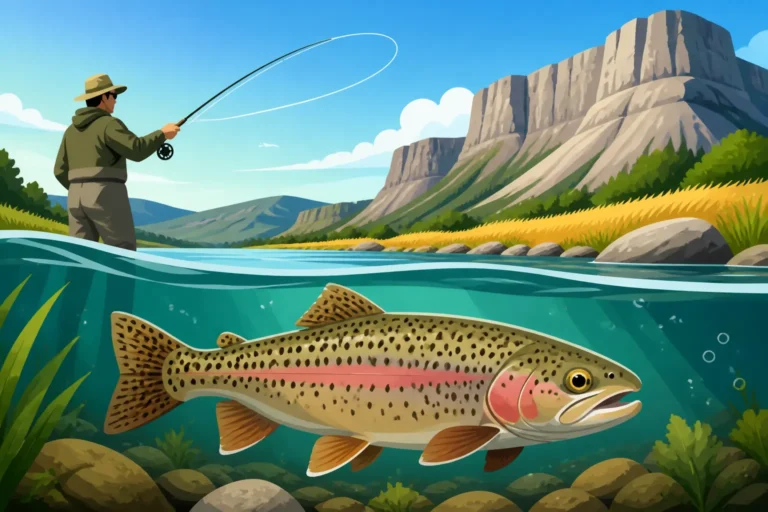
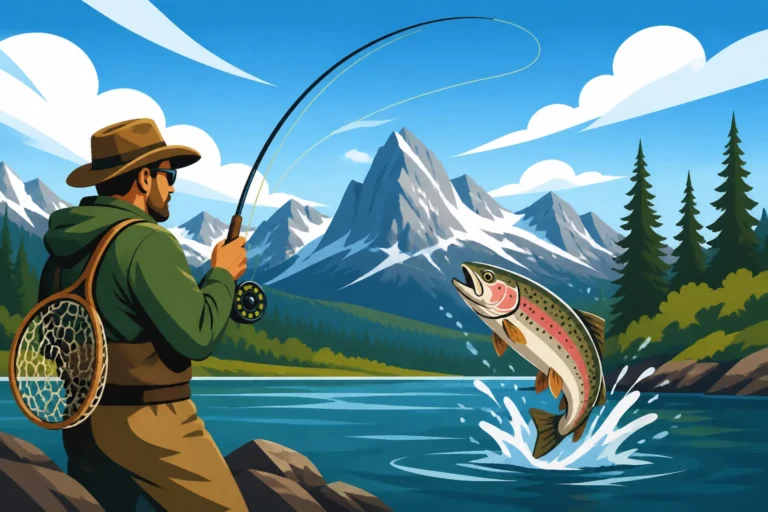
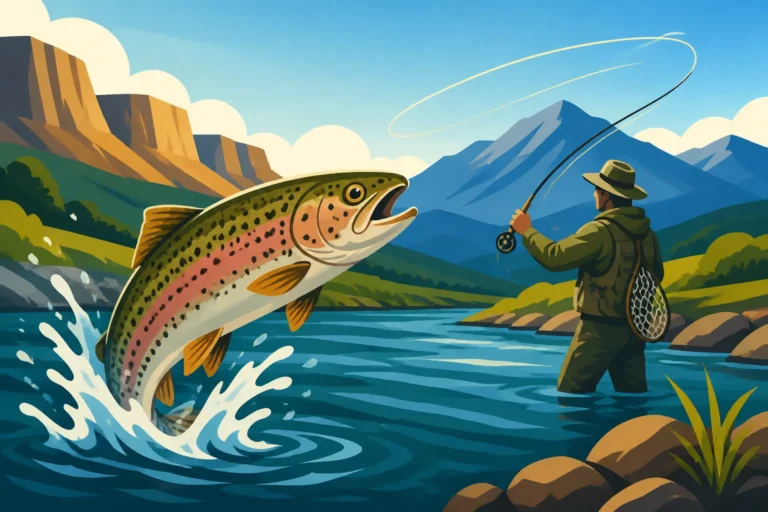
- Rainbow Trout: You'll also find healthy populations of rainbow trout, often interbreeding with the native cutthroats to create "cutbows." These fish are celebrated for their strong fights and acrobatic jumps once hooked. They tend to be a bit less selective than pure cutthroat, making them a fun target.
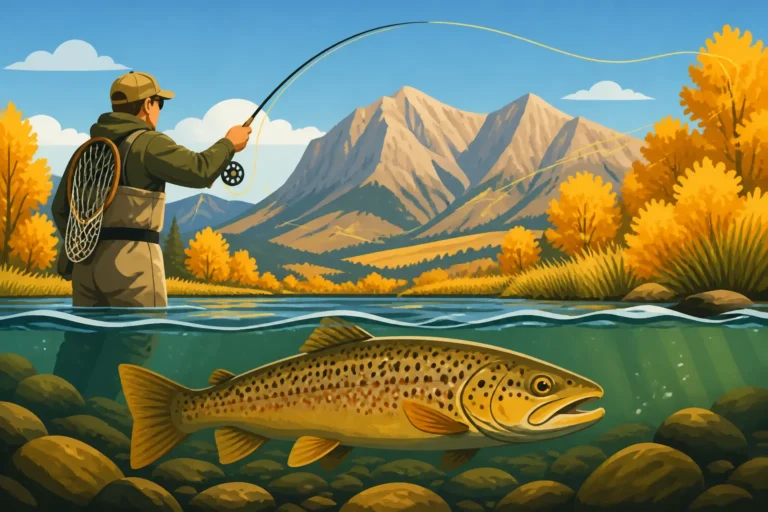
- Brown Trout: While perhaps less dominant than cutthroat and rainbow in some sections, brown trout are definitely present, especially in the lower, larger sections of the river. Browns are known for their elusive nature and can grow to impressive sizes, offering the chance at a true trophy fish, particularly during the fall spawning runs. Targeting these can require specific strategies, as detailed in our guide on streamer fishing for Wyoming Brown Trout.
The health of these fish populations is a testament to the North Fork's relatively untouched status, but it also means anglers have a responsibility to practice careful catch-and-release, especially for the native cutthroat, to ensure future generations can enjoy this incredible fishery.
Understanding the River's Unique Character
The North Fork's character is shaped by its mountainous terrain and its position as a major tributary. It's largely a freestone river, meaning its flows are directly influenced by snowmelt and rainfall. This makes understanding Wyoming Fishing Seasons and Water-Specific Closures crucial. During late spring and early summer, the river can experience significant runoff, turning it into a powerful, turbid torrent that's often unfishable. However, as the runoff subsides, usually by late June or early July, the water clears and drops, revealing prime fishing conditions. The river features a mix of deep pools, fast riffles, long runs, and undercut banks – all classic trout holding water. Navigation can be challenging due to the rocky bottom and swift currents in places, often requiring careful wading or even a boat in the lower sections. The presence of large boulders and log jams creates excellent fish habitat, but also snags for your line, so bring extra tackle!
Essential Techniques for Angling Success on the North Fork
Fishing the North Fork Shoshone requires a blend of skill, patience, and adaptability. What works in one section might not work in another, and conditions can change quickly. But with the right approach, the rewards are immense.
Fly Fishing Strategies for Diverse Waters
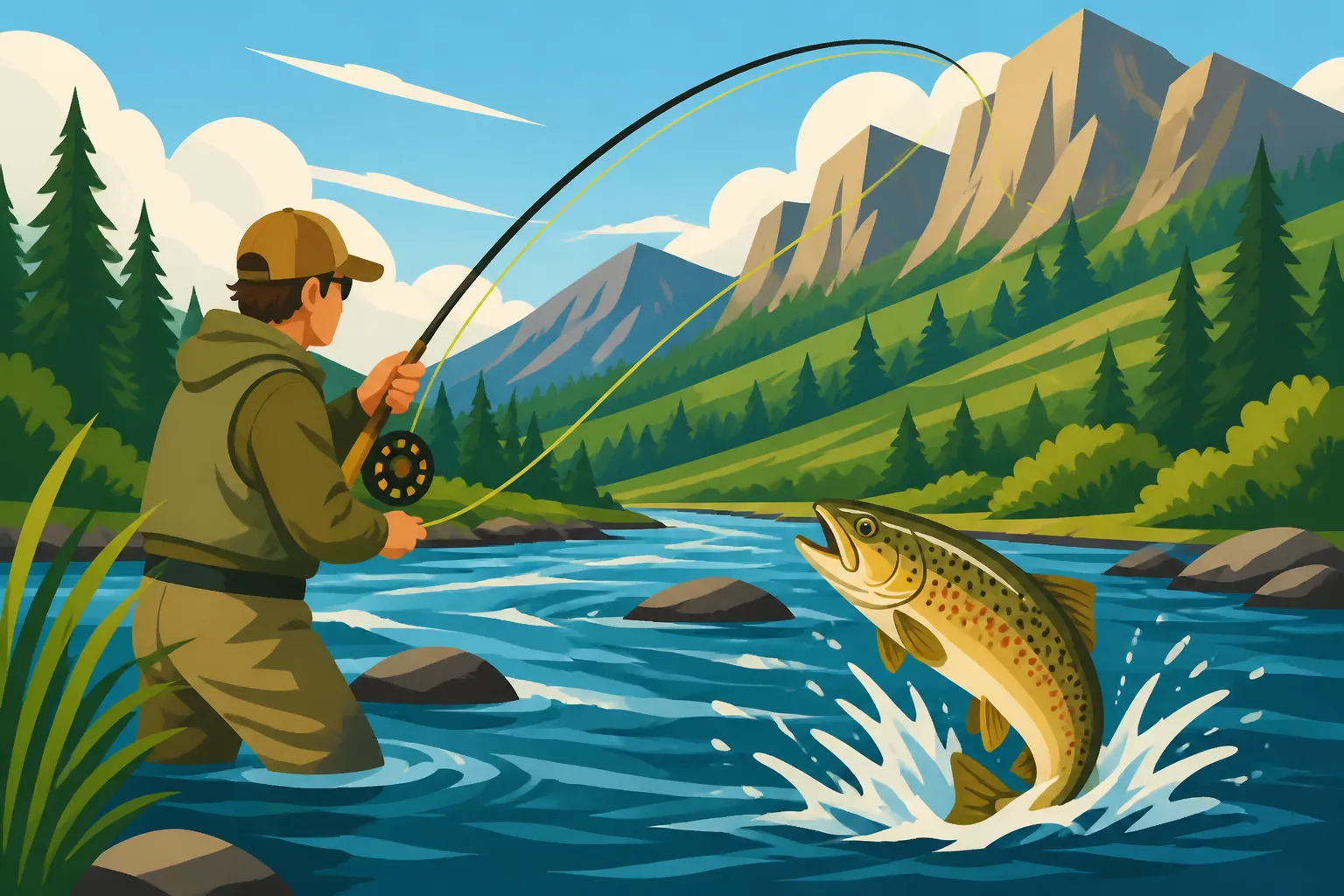
For many, the North Fork is a fly fishing paradise. The variety of water types lends itself to different fly fishing techniques.
- Nymphing: During much of the season, especially when fish are not actively rising, nymphing is your most consistent producer. Stonefly nymphs (Pat's Rubber Legs, 20 Incher Stone) and Mayfly nymphs (Pheasant Tail, Hare's Ear) are go-to patterns. Fishing them under an indicator in the deeper runs and pools, or Czech nymphing in faster, shallower water, can be incredibly effective. The North Fork has abundant aquatic insect life, so matching the hatch with your nymphs is often key.
- Dry Fly Fishing: When the hatches are on, dry fly fishing here can be spectacular. Look for caddis hatches in late spring and summer, various mayfly hatches (like Green Drakes and Pale Morning Duns) throughout the summer, and a good hopper-dropper bite in late summer and early fall. Terrestrials like hoppers, ants, and beetles are also very effective, especially along grassy banks. The challenge lies in presenting your fly naturally in the often-complex currents. Sometimes, a well-placed parachute Adams or an Elk Hair Caddis is all it takes to bring a hungry cutthroat to the surface.
- Streamer Fishing: If you're hunting for larger brown trout or aggressive rainbows, streamer fishing can be incredibly productive, particularly in higher, slightly off-color water or during overcast days. Patterns like Woolly Buggers, Sculpzillas, or articulated streamers in olive, black, or brown can entice bigger fish hiding in the deeper pools and under banks. This aggressive style of fishing can be tiring but often yields the most exciting strikes. Consider casting to undercut banks and large rocks, letting your streamer swing through potential holding lies.
Remember that clear mountain waters often demand longer, lighter leaders and tippets to avoid spooking fish. A local guide, perhaps found through a platform like FishingBooker, can be invaluable for understanding the current hatches and conditions, providing tailored advice for your trip.
Effective Spin Fishing Approaches
While fly fishing is popular, spin fishing can also be highly effective on the North Fork, especially for those new to trout fishing or who prefer this method. The key is to use lures and baits that mimic natural prey and to fish them subtly.
- Spinners and Spoons: Small inline spinners (like Mepps or Rooster Tails) in sizes #0 to #2 are excellent choices. Colors like silver, gold, or brass with a touch of red or orange often work well. Small spoons, such as Kastmasters or Little Cleos, can also be deadly, especially in deeper pools where you need to get down to the fish. Focus on casting upstream or across-stream and retrieving just fast enough to get the blade spinning, letting the current do some of the work.
- Soft Plastics and Jigs: Small, weighted soft plastic baits, often referred to as crappie or trout jigs, can be incredibly effective when fished near the bottom. Colors like white, chartreuse, or natural browns can imitate small minnows or aquatic insects. Pair them with a lightweight spinning rod and reel combo, and work them slowly through pools and runs. PowerBait, though often associated with stocked ponds, can also catch wild trout, especially when fished on a small hook with a split shot, letting it drift naturally.
- Drifting Natural Baits: For a more traditional approach, drifting natural baits like worms, grasshoppers (in late summer), or salmon eggs can be very productive. Use minimal weight to allow the bait to tumble along the bottom naturally with the current. This technique is particularly effective in slower pools and runs where fish have more time to inspect the offering. However, be aware of specific regulations regarding bait use, as some sections or tributaries might have restrictions. Our guide on Wyoming Fishing Regulations Every Angler Should Know will provide deeper insight into what's allowed.
Regardless of your chosen method, approaching the water stealthily is paramount. Wild trout in clear water are easily spooked by heavy footsteps, bright clothing, or sudden movements.
Choosing the Right Gear and Bait
Your gear choice can significantly impact your success and comfort on the North Fork.
- Rods and Reels: For fly fishing, a 9-foot, 5- or 6-weight fly rod is a versatile choice for this river, capable of handling various fly sizes and fish weights. Pair it with a reliable reel loaded with weight-forward floating line. For spin fishing, a 6 to 7-foot light to medium-light action spinning rod with a matching reel spooled with 4-8 pound test monofilament or fluorocarbon line is ideal. This setup provides the sensitivity needed for subtle bites and the backbone to fight strong trout.
- Waders and Footwear: Waders are almost essential for accessing many parts of the river and effectively fishing different holding lies. Chest waders are recommended, as water depths can vary. Felt-soled wading boots or rubber soles with studs provide the best grip on the often-slippery, rocky bottom. Always wear a wading belt for safety.
- Tackle and Accessories: Beyond your rod and reel, pack a selection of leader material and tippet (ranging from 3x to 5x for fly fishing, or spare line for spin fishing), a variety of flies or lures, split shot, indicators, and possibly a small net for safe fish handling. A pair of polarized sunglasses is indispensable for spotting fish and reading water, while a fishing vest or pack will keep your essentials organized. Sunscreen, bug spray, and bear spray (as you're in prime bear country) are also crucial. When considering a guided trip, many outfitters found on FishingBooker will provide all necessary gear, which can be a huge convenience.
Navigating Access, Seasons, and Regulations
Successfully fishing the North Fork Shoshone isn't just about technique; it's also about understanding where and when to go, and what rules to follow. Its location within the Shoshone National Forest means many considerations are different from urban or private waters.
Key Access Points and Public Lands
The North Fork of the Shoshone River largely flows through the Shoshone National Forest, meaning abundant public access. The main highway, US-14/16/20 (often called the Yellowstone Highway), parallels the river for a significant portion, making many sections relatively accessible by car.
- Roadside Access: Numerous pull-offs and designated fishing access points can be found along the highway, particularly between Cody and the East Entrance of Yellowstone National Park. These spots often provide parking and a short walk to the river. Popular areas include those near Wapiti, where the river widens, and farther upstream closer to the park entrance.
- Trail Access: For those seeking more solitude and a truly wild experience, various trails lead off the highway into the backcountry, granting access to more remote sections of the river. These areas often require a significant hike, sometimes miles, but the reward is often unpressured fish and pristine wilderness. Always check with the Shoshone National Forest for current trail conditions and any specific backcountry regulations, including food storage requirements in bear country.
- Cody, Wyoming: The town of Cody serves as the primary gateway to the North Fork. It's where you'll find tackle shops, lodging, restaurants, and local expertise. Many reputable fishing guides operate out of Cody and focus on the North Fork, offering a valuable resource for those unfamiliar with the area. You can find experienced guides through services like FishingBooker to help navigate this complex fishery.
Always be respectful of private land that might border public sections. Look for "Public Fishing Access" signs and consult maps from the Wyoming Game and Fish Department (WGFD) or the Forest Service to ensure you're on public ground.
Optimal Seasons and Weather Considerations
The North Fork Shoshone is a seasonal river, with different times of the year offering unique opportunities and challenges.
- Late Spring/Early Summer (May-June): This is typically runoff season. The river will be high, cold, and often muddy, making fishing very difficult or impossible. While there might be brief windows of fishable water between runoff events, generally it's best to avoid this period for the main stem. However, some tributaries might clear earlier.
- Summer (July-August): This is prime time for the North Fork. As runoff subsides, water levels drop, and clarity improves significantly. Hatches become prolific, and fish are actively feeding. Water temperatures are ideal, and access to all sections, including the backcountry, is generally good. This is also a very popular time, so expect company, especially on easily accessible sections. It's a great time for both dry fly fishing and nymphing.
- Fall (September-October): Many consider fall to be the absolute best time to fish the North Fork. The crowds thin out, the scenery is spectacular with changing leaves, and the brown trout become incredibly active as they prepare for spawning. Rainbows and cutthroats are also feeding aggressively before winter. Streamer fishing can be exceptional during this period. However, weather can be unpredictable, with early snowfalls and freezing temperatures possible, especially later in October. Always check the forecast before heading out. Our guide to Wyoming Fall Fishing for Migrating Browns has more details on this exciting season.
- Winter (November-April): The North Fork typically freezes over in sections or becomes too cold and low for productive open-water fishing. Ice fishing isn't common on the main stem due to currents, but some nearby lakes or reservoirs might offer opportunities.
Always check current weather conditions and river flows before your trip. The WGFD website often provides up-to-date information, and local tackle shops in Cody are invaluable resources for real-time conditions.
Important Regulations and Conservation Practices
Fishing on the North Fork Shoshone, like all Wyoming waters, comes with specific regulations designed to protect the fishery. Ignoring these can lead to fines and negatively impact fish populations.
- Wyoming Fishing License: Everyone over a certain age needs a Wyoming fishing license. Non-residents have various options, including annual, daily, or five-day licenses. Ensure you understand the Wyoming Fishing License Guide for Nonresidents and secure yours before casting a line. You can often purchase these online or at license vendors in Cody. Don't forget the Wyoming Conservation Stamp, which is required for most annual licenses.
- Bag and Possession Limits: The North Fork often has specific regulations concerning bag and possession limits for trout, which can vary by species and even by specific river sections. For instance, some areas might have reduced limits for cutthroat trout to aid conservation. Always consult the most current Wyoming Fishing Regulations Every Angler Should Know booklet. Pay close attention to rules like "The One-Over-16-Inch Rule on Wyoming Trout Streams," which can apply to certain trout species.
- Bait Restrictions: While general regulations might allow bait in some Wyoming waters, certain sections of the North Fork, especially those designated as 'Trout-Only' or 'Special Regulation' areas, may restrict bait use to artificial flies and lures only, or even require barbless hooks. Always check the regulations for the exact stretch of river you plan to fish. Misinterpreting these rules can lead to significant penalties.
- Catch and Release: Given the wild and often native nature of the trout in the North Fork, practicing responsible catch-and-release is highly encouraged, even if not explicitly mandated for all species in all areas. This means minimizing handling, keeping fish in the water as much as possible, using barbless hooks, and reviving fish properly before release. These practices help ensure the long-term health and sustainability of this incredible fishery.
Familiarize yourself with the WGFD's regulations booklet, available online and at local license vendors. Ignorance of the law is never an excuse. Enjoy the North Fork, but do so responsibly and respectfully, preserving its wild beauty for future generations of anglers.
Disclaimer
Please note that fishing regulations, conditions, and fish populations can change. Always consult the latest official Wyoming Game and Fish Department regulations before heading out on your fishing trip. This guide is for informational purposes only and should not replace official sources.