What Fish Are in Yellowstone Lake
Yellowstone Lake, nestled within the iconic Yellowstone National Park, holds a unique place in the hearts of anglers and conservationists alike. Many visitors arriving at this breathtaking body of water, especially those unfamiliar with its complex ecosystem, often wonder what lies beneath its pristine surface. It's not just a beautiful place to cast a line; it's a dynamic environment with a compelling story of native species fighting for survival against an unwelcome intruder. This guide aims to pull back the curtain on the aquatic life thriving—and struggling—within Yellowstone Lake, offering a detailed look at the fish you're likely to encounter, and perhaps more importantly, those you won't.
The Dominant Native Species: Yellowstone Cutthroat Trout
When you talk about fish in Yellowstone Lake, the conversation invariably starts and often centers around the Yellowstone Cutthroat Trout. This magnificent fish is not just a native species; it's the very heartbeat of the lake's ecological system, playing a crucial role that extends far beyond the water itself.
Identifying the Iconic Yellowstone Cutthroat
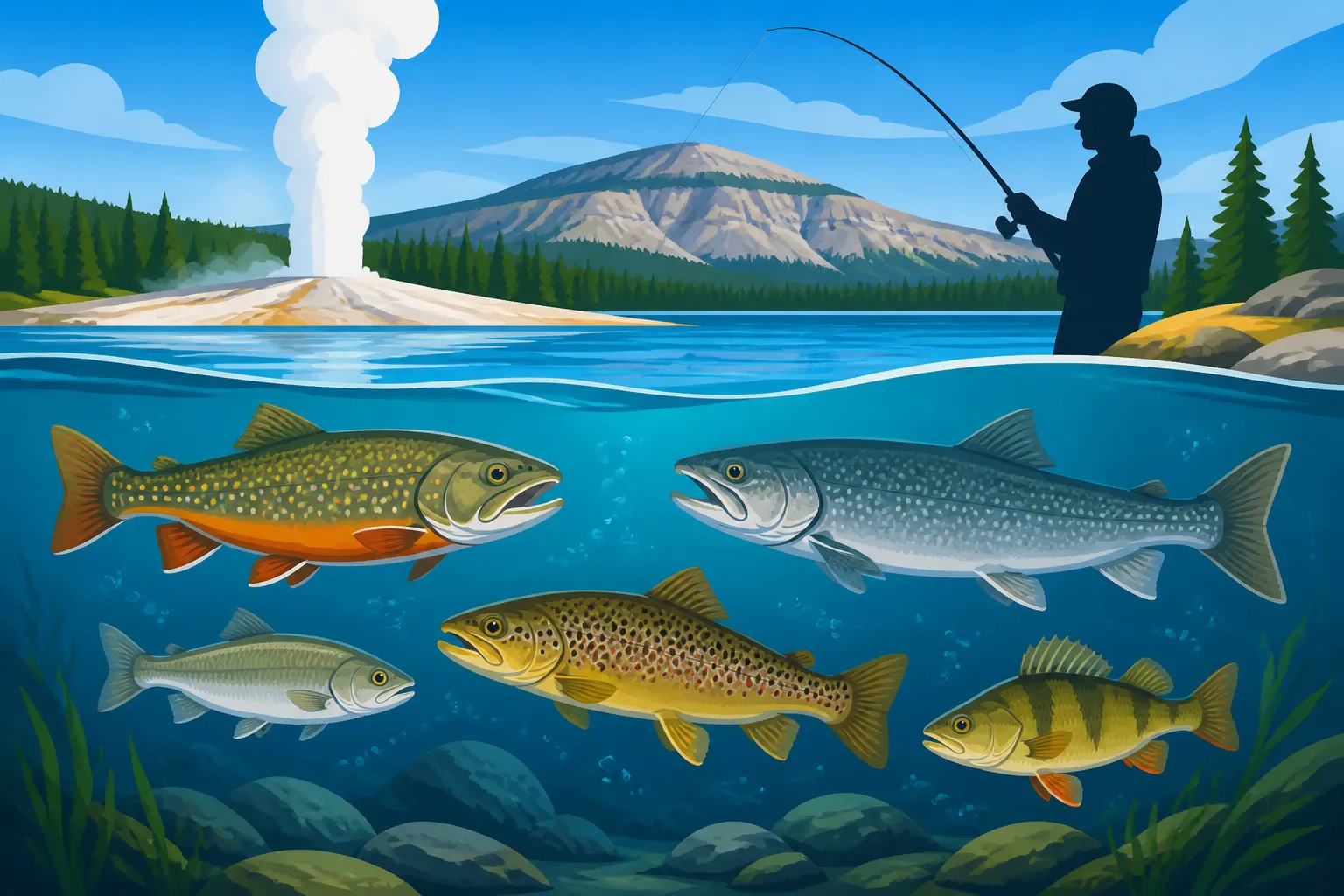
The Yellowstone Cutthroat Trout (Oncorhynchus clarkii bouvieri) is a truly distinctive fish, and once you know what to look for, it's pretty easy to spot. Their most defining characteristic, and the origin of their name, is the vibrant red or orange streak (the "cutthroat" mark) found in the folds beneath their lower jaw. This marking can vary in intensity, sometimes being a faint blush and other times a vivid, fiery slash against their white or cream-colored throat.
Beyond this iconic mark, Yellowstone Cutthroats typically display an olive-green to yellowish-brown coloration on their backs, fading into silvery sides and a white belly. Their bodies are adorned with an abundance of small, dark spots, which are usually more concentrated towards the tail. These spots often extend onto their dorsal and caudal (tail) fins. In Yellowstone Lake, these trout can grow to respectable sizes, though trophy-class fish are less common now due to the challenges they face. They are streamlined and powerful, perfectly adapted to the cold, clear waters they call home. If you're ever wondering how to tell a cutthroat from other trout species, a quick reference like "Cutthroat vs Rainbow Trout: Telling Them Apart" can be incredibly helpful.
The Cutthroat's Critical Role in the Ecosystem
The Yellowstone Cutthroat Trout isn't just another fish; it's a linchpin in the Greater Yellowstone Ecosystem. Historically, these trout were incredibly abundant in Yellowstone Lake and its tributary streams, forming a massive biomass that supported a vast array of wildlife. Think about it: during their spawning runs up the lake's tributaries in spring and early summer, they are a primary food source for over 40 species of birds and mammals.
Grizzly bears, those magnificent symbols of the wild, rely heavily on the easily accessible protein and fat of spawning cutthroat to build up reserves after hibernation and to prepare for the long winter. Osprey and bald eagles swoop down to snatch them from the shallows, while otters and pelicans also feast on their numbers. The health and abundance of the Yellowstone Cutthroat Trout directly impact the health of the entire ecosystem. It's a classic example of how a single species can underpin an entire food web, and understanding "What Yellowstone Cutthroat Trout Eat" is key to appreciating their role in this delicate balance. Their decline, as we'll discuss, has ripple effects throughout the park.
Where to Find Cutthroat in Yellowstone Lake
If you're looking to connect with a Yellowstone Cutthroat, understanding their habits is key. During the warmer months, especially in late spring and early summer, a prime location to find them is near the mouths of the lake's many tributary streams. This is when they stage for their annual spawning migration, and they can be quite concentrated in these areas. Places like the expansive shallow bays, such as those found around the West Thumb Geyser Basin, offer excellent opportunities, particularly if you're fishing from the shore or a small boat.
Throughout the summer, they tend to disperse into the main body of the lake, often favoring areas where cooler water flows in or where underwater structures provide cover and feeding opportunities. As fall approaches, they might become more active again as water temperatures cool. Keep in mind that while they are native, their populations have faced significant challenges, making them a precious and sometimes elusive catch. Many anglers seek out specific areas known for good populations, and understanding "Where to Fish on Yellowstone Lake's West Thumb in Wyoming" can give you a significant advantage.
The Introduced Invader: Lake Trout (Mackinaw)
While the Yellowstone Cutthroat is the revered native, another species has unfortunately made its home in Yellowstone Lake, causing significant problems for the indigenous ecosystem: the Lake Trout, also known as Mackinaw. This fish is the antagonist in Yellowstone Lake's story, and its presence has reshaped the aquatic landscape in profound ways.
The Arrival and Impact of Lake Trout
The introduction of Lake Trout (Salvelinus namaycush) into Yellowstone Lake is a tale of ecological disaster, believed to have occurred illegally in the mid-1980s. These non-native predators were discovered in 1994, and their impact has been nothing short of devastating for the native cutthroat population. Lake Trout are voracious piscivores, meaning they primarily eat other fish, and the Yellowstone Cutthroat Trout, which evolved without such a large, deep-water predator, became an easy target.
Lake Trout have a significant advantage over cutthroat: they inhabit deeper, colder waters, where they can escape predation from bears and birds. They also live longer and grow much larger than cutthroat, allowing them to consume vast numbers of the native trout. Their presence led to a dramatic decline in the cutthroat population, which in turn severely impacted the park's wildlife that relies on the cutthroat as a food source. This shift has created an ecological imbalance, making it clear "Why Lake Trout Are Considered a Problem in Yellowstone Lake".
Understanding Lake Trout Characteristics
Lake Trout are distinct from cutthroat in both appearance and behavior. They are typically much larger, often reaching impressive sizes in Yellowstone Lake, with some specimens exceeding 20 pounds. Their coloration is usually a dark olive to gray on the back, with lighter sides and a white belly, and their bodies are covered in irregular, light-colored spots that are typically larger than those on a cutthroat. They lack the characteristic red slash under the jaw.
Behaviorally, Lake Trout prefer the colder, deeper parts of Yellowstone Lake, often congregating around underwater structures, ledges, and drop-offs. They are powerful swimmers and formidable predators. While cutthroat generally stick to the shallower, warmer, and more oxygenated waters near shore or in tributary deltas, Lake Trout dominate the profundal zones of the lake. This habitat segregation initially protected the cutthroat, but the sheer predatory pressure of the burgeoning Lake Trout population eventually overwhelmed them.
Conservation Efforts Against Lake Trout
The National Park Service, in conjunction with the U.S. Fish and Wildlife Service, has undertaken one of the most aggressive and extensive invasive species removal programs in North America to combat the Lake Trout problem. The goal is clear: protect and restore the native Yellowstone Cutthroat Trout population. These efforts primarily involve extensive commercial gillnetting operations, removing hundreds of thousands of Lake Trout from the lake annually.
For anglers, the regulations are equally clear and critically important: any Lake Trout caught in Yellowstone Lake must be killed and cannot be returned to the water. This "catch and kill" mandate is a vital part of the overall strategy, encouraging anglers to contribute to the removal efforts. These are not just recommendations; they are strict rules enforced to try and tip the balance back in favor of the native species. If you're planning a trip, understanding "Wyoming's Lake Trout Removal Efforts in Yellowstone Lake" and your role in them is paramount. Many fishing charters, which you can often find through services like FishingBooker, even specialize in Lake Trout removal trips, offering a unique opportunity to help the ecosystem while enjoying a productive day of fishing.
Other Fish Species Less Common or Historical
While Yellowstone Cutthroat and Lake Trout are the two primary game fish in Yellowstone Lake, they aren't the only fish species present. The lake's ecosystem also supports a few smaller, less prominent native fish, and it's also important to clarify which common trout species are not typically found within its waters.
Exploring Other Native Minnow Species
Beyond the dominant trout species, Yellowstone Lake is home to a handful of smaller, often overlooked native fish that play their own roles in the food web. These include:
- Redside Shiner (Richardsonius balteatus): These small, silvery fish with a distinctive red stripe along their sides are native to the Yellowstone region. They primarily feed on insects and zooplankton and, in turn, can serve as a food source for larger predatory fish and birds.
- Longnose Sucker (Chasmistes muriei): While less common now, historically, the Yellowstone Lake system harbored unique populations of suckers. Longnose suckers are bottom-feeders, consuming algae, detritus, and small invertebrates. Their presence helps keep the lakebed clean and contributes to nutrient cycling.
- Longnose Dace (Rhinichthys cataractae): Another small, native minnow, the longnose dace prefers rocky stream bottoms and riffle areas. They are known for their elongated snout and barbels around their mouth, which they use to forage for aquatic insects.
These smaller species, while not targeted by anglers, are integral components of the lake's biodiversity. They demonstrate the complex web of life that makes up the Yellowstone ecosystem, even as the larger game fish populations fluctuate.
The Absence of Other Trout Species
One common misconception among visitors is that Yellowstone Lake might hold a diverse array of trout species found elsewhere in Wyoming or the intermountain West. However, due to its unique geological history, isolated nature, and strict management policies, Yellowstone Lake itself does not typically contain rainbow trout, brown trout, or brook trout.
Rainbow and brown trout are prevalent in many other fantastic Wyoming fisheries, such as the North Platte River or the Snake River, but they are considered non-native and often invasive in Yellowstone's core waters. Park management works diligently to prevent the introduction and spread of these species to protect the genetic purity and ecological integrity of the native Yellowstone Cutthroat Trout. So, while you might cast for a hefty brown trout on the Miracle Mile or a colorful rainbow in a nearby river, you won't find them inhabiting the waters of Yellowstone Lake. This focus on native species is a cornerstone of the park's conservation philosophy. If you're keen to learn about the broader trout diversity in the state, checking out "How Many Trout Species Live in Wyoming" can give you a better overview.
Fishing Regulations and What to Expect
Fishing in Yellowstone Lake isn't like fishing just anywhere else. It comes with its own set of rules and a unique experience that combines breathtaking scenery with critical conservation efforts. Knowing these regulations before you go is absolutely essential.
Navigating Yellowstone Lake's Unique Rules
First and foremost, you need a special Yellowstone National Park fishing permit, not a standard Wyoming fishing license. This permit can be purchased at visitor centers, general stores, and various concessionaire locations throughout the park. Make sure you understand "What License You Need to Fish Inside Yellowstone" well in advance of your trip. The permit specifies the legal fishing seasons, which waters are open, and what methods are allowed.
For Yellowstone Lake specifically, the most crucial regulation you'll encounter is the mandatory kill of all Lake Trout. This isn't optional; it's a strict rule to aid in the cutthroat recovery. Anglers are encouraged to actively target Lake Trout and to dispatch them immediately upon capture. For Yellowstone Cutthroat Trout, regulations often lean towards catch-and-release, or very restrictive harvest limits, to help their populations rebound. Additionally, expect requirements for barbless hooks to minimize harm to any released fish. Many specific areas within the park also have their own nuanced rules, so it's always wise to consult the official park fishing regulations guide before heading out. For a broader understanding of statewide rules, you might find "Wyoming Fishing Regulations Every Angler Should Know" useful, but remember park rules always supersede state rules within Yellowstone.
Planning Your Yellowstone Lake Fishing Trip
A trip to fish Yellowstone Lake can be an unforgettable adventure, whether you're heading out on your own or with a guide. Given the lake's size and the unique regulations, many anglers find immense value in hiring a professional guide. Guides often have the specialized equipment, knowledge of current conditions, and insight into Lake Trout hotspots that can make your trip much more successful. They can also help ensure you're compliant with all park regulations. Platforms like FishingBooker are excellent resources for finding and booking reputable guides and charters in the Yellowstone area, allowing you to compare options and read reviews from other anglers.
If you plan to rent a boat, be aware of the park's specific boating regulations, including mandatory invasive species inspections. You'll need to clean, drain, and dry your vessel to prevent the spread of aquatic invasive species, a major concern for the park's pristine waters. Whether you're targeting cutthroat or actively participating in Lake Trout removal, preparing thoroughly will enhance your experience and contribute to the long-term health of this incredible fishery. Remember, while the goal is conservation, bringing home some Lake Trout can be a tasty bonus – they are indeed good eating! Consider a quick read on "Is Lake Trout Good to Eat?" for ideas on how to prepare your catch.
| Fish Species | Native/Introduced | Primary Diet | Typical Habitat | Angler Regulations (Yellowstone Lake) | Conservation Status |
|---|---|---|---|---|---|
| Yellowstone Cutthroat | Native | Insects, smaller fish | Shallower areas, tributary mouths | Mostly Catch & Release, very limited harvest | Species of Concern |
| Lake Trout (Mackinaw) | Introduced | Other fish (cutthroat) | Deeper, colder water (profundal zone) | Mandatory Kill, no possession limit | Invasive Species |
| Redside Shiner | Native | Insects, zooplankton | Shallow, vegetated areas | Not typically targeted by anglers | Stable |
| Longnose Sucker | Native | Algae, detritus, invertebrates | Lake bottom, slow-moving water | Not typically targeted by anglers | Stable/Local Concern |
| Longnose Dace | Native | Aquatic insects | Rocky stream bottoms, riffles | Not typically targeted by anglers | Stable |
Disclaimer
Please note that fishing regulations in Wyoming and Yellowstone National Park can change frequently. Always consult the official Wyoming Game and Fish Department regulations and the Yellowstone National Park fishing regulations guide before your trip to ensure you have the most up-to-date information. This article is intended for informational purposes only and does not supersede official regulations.