Where to Fish Near Jackson Without a Guide
Heading to Jackson Hole with dreams of casting a line into pristine waters, only to feel overwhelmed by the sheer number of guided trips and the assumption you have to hire someone to experience the best fishing? It's a common frustration! Many anglers want the freedom and satisfaction of discovering their own honey holes and tackling the challenges of Wyoming's famed fisheries independently. This guide is for you—the self-reliant angler looking for fantastic, accessible spots near Jackson, Wyoming, where you can fish without a guide and truly immerse yourself in the wild beauty of the Tetons.
Understanding the Jackson Hole Fishing Landscape Without a Guide
Jackson Hole is undeniably a mecca for fly fishing and angling, known for its incredible trout populations and stunning scenery. However, the prevalence of guide services can sometimes make it seem like solo exploration is difficult or even impossible. But I'm here to tell you, that's simply not true! With a little planning and knowledge, you can absolutely have a phenomenal fishing experience here on your own terms.
Why Fishing Near Jackson Can Feel Intimidating Solo
When you first arrive, it's easy to be intimidated. You see drift boats everywhere, guides expertly navigating rivers, and perhaps even hear tales of secret spots only accessible with local expertise. The fear of missing out, or worse, accidentally breaking a complex regulation, can be paralyze. Plus, the sheer vastness of the landscape and the number of waterways can make it tough to even know where to begin your search. You might even consult resources like FishingBooker to see where guides typically operate, just to get a sense of popular areas, even if you don't intend to book a trip. This initial information gathering is actually a smart move, helping you identify general regions of interest.
The Allure of DIY Fishing in the Tetons
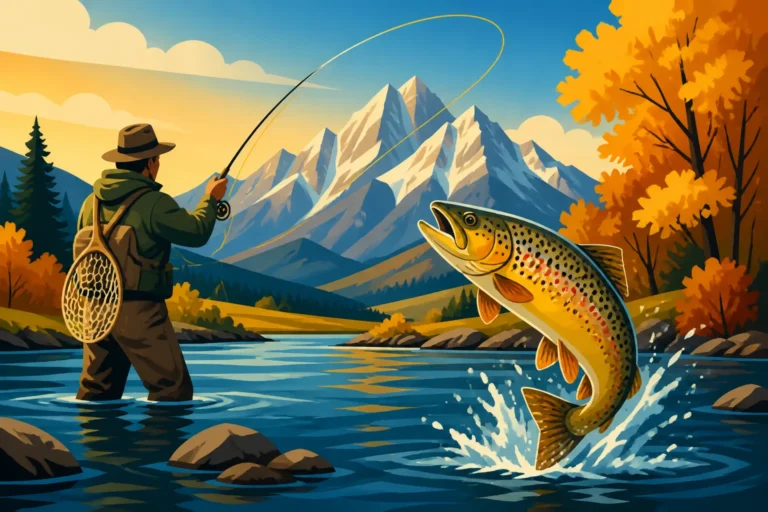
But there's a unique magic to finding your own rhythm on the water, choosing your own pace, and the quiet satisfaction of hooking a beautiful cutthroat that you scouted. It's about connecting with nature on a deeper level, without a schedule or an agenda dictated by someone else. The reward of a fish caught on your own terms, against the backdrop of the Grand Teton, is truly unparalleled. It’s an adventure that builds confidence and creates lasting memories. For many, it's the pure essence of why we fish in the first place—the challenge, the solitude, and the connection.
Essential Research Before You Go
Before you even think about packing your rod, a little homework goes a long way. Understanding the local fish species, their habits, and the types of water you'll be fishing is crucial. Familiarize yourself with the Wyoming Fishing Regulations Every Angler Should Know, paying close attention to specifics for the Snake River and waters within Grand Teton National Park. This includes bag limits, bait restrictions, and any special closures. Knowing the difference between Wyoming Resident vs Nonresident License Rules is also vital to ensure you purchase the correct permit. Websites for the Wyoming Game and Fish Department are invaluable, offering detailed regulation booklets and often, up-to-date fishing reports. Don't rely on old information; regulations can change annually.
Top Accessible Spots Near Jackson for Self-Guided Anglers
The good news is that there are plenty of fantastic fishing opportunities near Jackson that don't require a drift boat or a professional guide. These spots offer public access and incredible scenery, perfect for the independent angler.
Fishing the Snake River's Public Access Points
The Snake River, flowing right through Jackson Hole, is world-renowned for its Snake River Fine-Spotted Cutthroat Trout. While many guided trips utilize drift boats, there are several excellent public access points where you can wade or fish from the bank.
One of the most popular and accessible stretches is below the Jackson Lake Dam, near the Moran entrance to Grand Teton National Park. The water here is cold and clear, offering excellent nymphing and dry fly opportunities, especially during hatches. Further downstream, areas like Pacific Creek and Spread Creek also offer walkable access. Just be mindful of private property signs and always respect landowner rights. Another great option is the access points around Wilson Bridge, where you can find parking and walk the banks. These spots are often mentioned as prime areas, even on platforms like FishingBooker, indicating their general productivity. For more specific details on where to drop a line, check out posts like Snake River's Best Shoreline Fishing Spots in Wyoming.
Remember, the Snake River can be swift, so proper wading safety is paramount. Always use a wading staff and be aware of changing water levels. Early mornings or late evenings often provide the best solitude and fishing action.
Exploring Lakes Within Grand Teton National Park
Grand Teton National Park offers some of the most stunning lake fishing experiences imaginable, and many of these are perfect for self-guided excursions. You'll need to know Do You Need a Wyoming License to Fish in Grand Teton National Park? (the answer is yes, a Wyoming license is required, but a park-specific permit might also be needed for certain activities like boating). The views alone are worth the trip, and the fishing can be superb.
- Jackson Lake: This massive lake offers opportunities for Cutthroat, Brown, and especially Lake Trout. While a boat can certainly help explore its vastness, significant stretches of shoreline are accessible for bank fishing, particularly around Colter Bay, Leeks Marina, and Signal Mountain Lodge areas. Target structure and drop-offs for Lake Trout, or cast near inlets for cruising Cutthroat. Understanding What Fish Live in Jackson Lake will help you tailor your approach. Early mornings can be fantastic for surface activity.
- Jenny Lake: Smaller and very picturesque, Jenny Lake is a popular spot for both fishing and scenic hikes. It holds Cutthroat and Lake Trout. Shore fishing is possible from various points along its perimeter, often requiring a short hike. Its clear waters demand a stealthy approach.
- Leigh Lake and String Lake: These interconnected lakes are accessible via relatively easy hikes and offer quieter fishing experiences. String Lake, being shallower, is excellent for families and beginners, while Leigh Lake offers a more wilderness feel with good Cutthroat fishing. Just remember, these are non-motorized waters, and a park boating permit is required even for kayaks or paddleboards. For a broader overview of the park's offerings, check out Fishing Spots Inside Grand Teton National Park, Wyoming.
Hidden Gems and Smaller Streams
Beyond the main arteries, Jackson Hole has numerous smaller creeks and high-alpine lakes that offer fantastic, often less-pressured, fishing for the adventurous angler. These often require a bit more effort in terms of hiking but reward you with solitude and eager trout.
Many of the smaller tributaries flowing into the Snake River or its larger feeder creeks hold resident cutthroat and brook trout. Exploring the Bridger-Teton National Forest areas, away from the main roads, can uncover these treasures. Always consult Forest Service maps to ensure you're on public land and aware of any specific regulations for smaller waters. Be prepared for encounters with wildlife, including bears, so carry bear spray. These smaller waters are often where you can really hone your technique for How to Read Water When Trout Fishing, as the currents and structures are often more defined.
Gear, Tactics, and Regulations for Solo Anglers
Going solo means you're responsible for everything, from your gear choices to understanding the rules. But that's part of the fun, right? Being well-prepared ensures a safe and successful trip.
Recommended Gear for Jackson Hole Waters
For trout fishing in Jackson Hole, a 5 or 6-weight fly rod is a versatile choice for most rivers and lakes. If you're solely targeting larger lake trout, a heavier 7 or 8-weight might be more appropriate. A good quality reel with a smooth drag and matching floating line is essential. Don't forget a selection of leaders and tippet in varying sizes (3x to 5x are common).
For flies, think local. Patterns like Parachute Adams, Elk Hair Caddis, stimulators, grasshoppers, and various stonefly imitations are great dry fly options. For subsurface, Pheasant Tail Nymphs, Hare's Ears, Prince Nymphs, and various worm patterns are effective. Streamers like Woolly Buggers (black, olive, brown) are excellent for enticing larger trout, especially brown trout. If you're a spin fisherman, small spinners (Mepps, Panther Martin) and spoons (Kastmaster, Daredevle) are often effective. For more specific recommendations, look into Best Lures for Wyoming Rainbow Trout as a general starting point, keeping in mind that local conditions and species might dictate slight variations.
Beyond the rod and reel, pack waders (chest waders are often necessary for river wading), wading boots with good grip, polarized sunglasses (crucial for seeing fish and structure), a hat, sunscreen, insect repellent, and rain gear. A small backpack to carry water, snacks, and any extra layers is also essential, especially if you plan on hiking to your chosen spot. A small first-aid kit and bear spray are non-negotiable for wilderness safety.
Basic Tactics for Trout in Rivers and Lakes
When fishing rivers like the Snake, focus on reading the water. Look for seams where faster currents meet slower water, undercut banks, deep pools, and riffles—these are all prime holding spots for trout. Nymphing under an indicator is often the most productive method, especially when fish aren't rising. Learn to identify natural insects present and "match the hatch" with your fly selection. When fish are actively rising, dry flies can provide thrilling surface action. Casting upstream and allowing a natural, drag-free drift is key.
For lake fishing, particularly in the larger waters of Grand Teton, tactics will vary. For cruising cutthroat, casting dry flies or nymphs near shorelines, especially where streams enter the lake, can be effective. For Lake Trout, you'll often need to get deeper. This can involve casting spoons or heavy jigs from shore and slowly retrieving them, or if you have a kayak or float tube, trolling deeper water with lures or large streamers. Remember to try different depths and retrieves until you find what the fish are keying into. Sometimes simply observing what other anglers, or even guides you spot from afar on FishingBooker listings, are doing can provide valuable clues to current patterns.
Key Regulations to Know for DIY Fishing
Wyoming's fishing regulations can be quite specific, varying by water body and even sections of the same river. It's not enough to just buy a license; you must carry the current regulation booklet or have it readily accessible on your phone.
- License Requirements: Always have your current Wyoming fishing license and Conservation Stamp (unless exempt) on your person while fishing. You can purchase these online through the Wyoming Game and Fish Department website or at authorized vendors like sporting goods stores and some Walmarts.
- Bait Restrictions: Many of the blue-ribbon trout waters, especially sections of the Snake River, are "artificial flies and lures only" or even "fly fishing only," and often require barbless hooks. Using live bait in these areas is illegal and can result in significant fines. Always double-check the specific regulations for your chosen water.
- Catch and Release: While not always mandatory, practicing Catch-and-Release Best Practices for Trout is highly encouraged, especially for native cutthroat trout, to help sustain healthy populations. Learn how to properly handle fish minimally to ensure their survival if you intend to release them.
- Possession Limits: Understand the daily and possession limits for each species. These can vary significantly by water. For example, the Snake River has very specific rules about the number of trout you can keep and their size.
Planning Your Guide-Free Fishing Adventure
Embarking on a solo fishing trip near Jackson requires a bit more foresight and planning than just showing up. But with a solid plan, you can maximize your time and ensure a safe, memorable experience.
Best Seasons for Self-Guided Fishing
Wyoming fishing is highly seasonal. While some waters, particularly tailwaters, can be productive year-round, the prime season for most self-guided opportunities near Jackson generally runs from late spring through fall.
- Spring (May-June): As runoff subsides and waters clear, spring can offer excellent fishing, especially with nymphs and streamers. This is when many of the larger rivers become more accessible for wading. However, higher elevations might still be snow-bound. You can learn more about what to expect by checking Wyoming Fishing Seasons Month by Month.
- Summer (July-August): This is peak season for a reason. Warmer weather opens up access to high-alpine lakes, and rivers experience strong insect hatches, making for exciting dry fly fishing. Be prepared for crowds, especially on popular waters and during weekends.
- Fall (September-October): Many consider fall to be the absolute best time for trophy trout. Brown trout become more active and aggressive as they prepare to spawn, and crowds thin out significantly. The changing aspen leaves provide a stunning backdrop. High-alpine lakes may begin to freeze, so always check conditions.
Safety First: What to Consider When Alone
Fishing alone in the wilderness of Wyoming requires extra precautions. Always let someone know your itinerary, including where you’re going, your planned route, and when you expect to return. Cell service is unreliable or nonexistent in many remote areas.
- Wildlife Awareness: This is bear country (both grizzly and black bears), as well as moose and mountain lion habitat. Carry bear spray and know how to use it. Make noise while hiking, especially in dense brush, to avoid surprising animals.
- Weather Changes: Mountain weather can change rapidly and unpredictably. Pack layers, including waterproof outerwear, even on sunny days. Hypothermia can be a risk, even in summer.
- Wading Safety: Rivers can be powerful. Always wear a wading belt, use a wading staff, and know your limits. Avoid wading in fast, deep water alone.
- Navigation: Carry a map and compass or a reliable GPS device, and know how to use them. Don't rely solely on your phone.
- First Aid: A comprehensive first-aid kit is a must for any solo outdoor adventure.
Respecting the Resource and Other Anglers
Being a responsible angler is crucial, especially when fishing independently. This means practicing ethical fishing, leaving no trace, and showing courtesy to others enjoying the outdoors.
- Leave No Trace: Pack out everything you pack in, including all trash, leftover fishing line, and food scraps. Leave the area cleaner than you found it.
- Ethical Angling: Handle fish with care if you plan to release them. Avoid prolonged fights, keep them in the water as much as possible, and revive them gently before letting them go.
- Courtesy: If you encounter other anglers, give them ample space. Don't crowd someone's fishing spot, especially on smaller streams. A simple nod or "hello" is often enough, and then move on to find your own piece of water. Remember, everyone is out there to enjoy the peace and solitude, and respecting that space enhances everyone's experience.
By taking the time to plan, research, and respect the environment, you'll find that fishing near Jackson without a guide isn't just possible—it's an incredibly rewarding way to experience the wild heart of Wyoming.
Disclaimer
Please be aware that fishing regulations, conditions, and access points can change. Always consult the most current official Wyoming Game and Fish Department regulations before heading out. Safety in the wilderness is your responsibility.