Best Leader Length for Clear Water Fishing
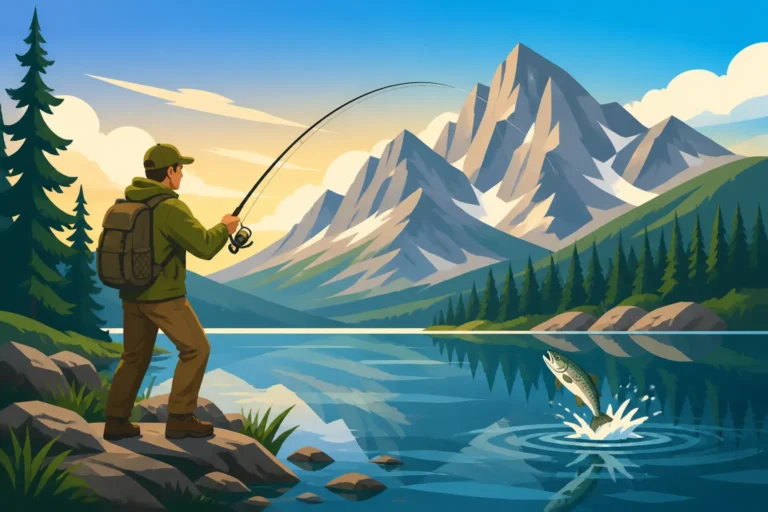
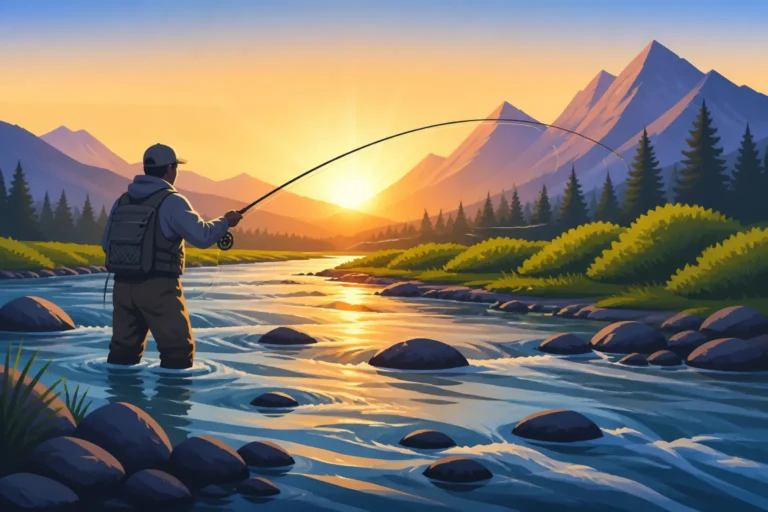
You've probably been there: standing on the bank of a crystal-clear Wyoming stream or peering into the depths of an alpine lake, seeing those trout dart away before your fly or lure even gets close. It's incredibly frustrating, and it makes you question everything from your cast to your fly choice. Often, the culprit isn't your technique as much as it is the visibility of your fishing line, and that's where understanding the best leader length for clear water fishing becomes an absolute game-changer. This guide will walk you through why those fish are so spooky and how adjusting your leader can dramatically improve your success, especially in Wyoming's pristine, often unforgiving, waters.
Understanding the Challenge of Clear Water in Wyoming
Wyoming is renowned for its breathtaking landscapes and, more importantly for us anglers, its incredibly clear waters. From the high-mountain tarns that reflect the sky like glass to the gin-clear tailwaters flowing from massive reservoirs, visibility can be exceptional. While beautiful to behold, this clarity presents a unique and often maddening challenge for anglers: spooky fish.
Why Clear Water Makes Fishing Harder
Imagine trying to sneak up on an animal when you're wearing a bright orange vest. That's essentially what our fishing lines and leaders can look like to a wary trout in clear water. Fish, especially wild trout that haven't seen a lot of fishing pressure, have an incredible ability to detect foreign objects in their environment.
In exceptionally clear conditions, sunlight penetrates deeper into the water column, illuminating everything more effectively. This means your fly line, your leader, and even your tippet can become alarmingly visible. A thick, opaque fly line landing on the water's surface can cast a shadow, create an unnatural disturbance, or simply stand out like a neon sign. What's more, the fish below can sometimes see your shadow, your movements on the bank, or even the glint of your rod, triggering their natural instinct to flee. It’s a constant battle of wits and stealth, and the clearer the water, the more the odds are stacked against you if you're not properly prepared.
Specific Examples of Clear Wyoming Waters
Wyoming is blessed with many bodies of water that exemplify this crystal-clear challenge. Take, for instance, the many High-Elevation Lakes in the Wind River Mountains. These remote, pristine lakes are fed by snowmelt and underground springs, resulting in water that often boasts visibility of 20 feet or more. A fly line slapped down too aggressively or a short leader can send golden trout scattering in every direction before your offering has a chance.
Then there are the renowned tailwater fisheries, like sections of the North Platte River, particularly the Gray Reef area below Alcova Dam. The water here is consistently cold and often incredibly clear, especially during lower flows. Trout in these waters are highly educated; they've seen countless flies and leaders drift by. Their survival depends on discerning natural food from artificial imitations attached to a suspicious line. Similarly, parts of the Snake River in Jackson Hole can be exceptionally clear, especially during non-runoff periods, making leader choice critical for success. Even some of the best fishing spots in Wyoming can become extremely challenging when the water is ultra-clear and the fish are on high alert.
The Science Behind Leader Length and Stealth
So, what exactly is happening under the water that makes a longer leader such a crucial component of your stealth strategy? It's more than just "making your line harder to see." There's a bit of physics and fish behavior at play that explains why this often-overlooked detail can be your secret weapon.
How Light Refracts in Water and Why Longer Leaders Disappear Better
When light passes from one medium to another—say, from air to water—it bends, or "refracts." This bending causes objects in the water to appear distorted or in a different position than they actually are. More importantly for anglers, it means that light reflecting off your fishing line and leader will behave differently than light reflecting off the natural environment.
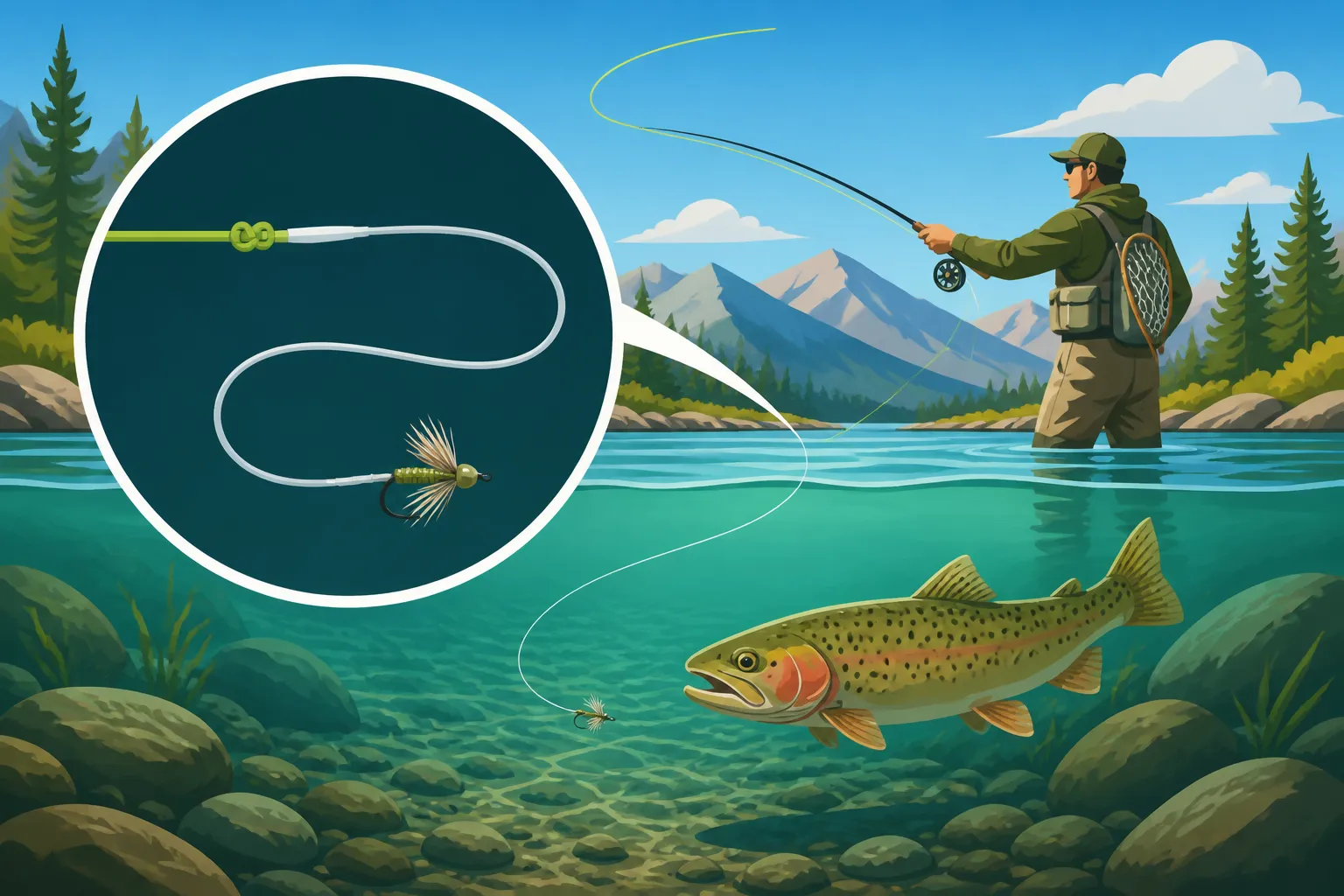
A shorter leader means your fly line, which is typically much thicker and more opaque, is closer to your fly or lure. This thicker line creates a larger "footprint" in the water, both visually and in terms of physical disturbance. A longer, thinner leader, especially one made of a material like fluorocarbon, has a refractive index closer to that of water. This means it bends light in a way that makes it much less visible. By increasing the distance between your highly visible fly line and your fly, you create a buffer zone. This "invisible" zone gives your offering a more natural presentation, making it seem unattached and drifting freely, which is exactly what a wary fish wants to see. The further your fly is from that suspicious, thick floating line, the more confident a fish will be to inspect it, and hopefully, take it.
The "Fly Line Splash" or "Lure Splash" Factor
Beyond just the visible line itself, consider the impact of your cast. Every time your fly line, or even a heavier lure, hits the water, it creates a disturbance – a splash, a ripple, a subtle vibration. In clear, calm water, this "splash" can act like a dinner bell to a curious fish, but it also signals a potential threat, especially if it's too close to their feeding lane.
A longer leader effectively places your fly or lure much further away from this initial impact zone. While your fly line might land with a soft splat, your fly, at the end of a long, delicate leader, will settle gently into the water a good distance away. This separation is key. The fish may notice the line landing, but by the time it registers, your perfectly presented fly has already drifted into their strike zone, looking completely natural and undisturbed. It's like a magician's trick: distracting the audience with one hand while the real action happens subtly with the other. This principle applies whether you're delicately placing a dry fly on a glassy surface or pitching a small jig into a still pocket.
Impact of Leader Material
While leader length is paramount, the material your leader is made from plays a significant supporting role in achieving stealth in clear water. The two main types, monofilament and fluorocarbon, each have distinct properties.
Monofilament leaders are generally less dense than fluorocarbon and tend to float or suspend just below the surface. They are also slightly more visible due to their refractive index being further from that of water. However, mono leaders are more supple, which can be an advantage for delicate dry fly presentations where natural drift is critical.
Fluorocarbon, on the other hand, is denser and sinks faster, making it excellent for nymphing or streamer fishing where you want your fly to get down quickly. Crucially, fluorocarbon has a refractive index very close to that of water, making it nearly invisible underwater. This characteristic alone makes it an invaluable tool when targeting notoriously spooky fish in gin-clear conditions. However, fluorocarbon can be a bit stiffer, which might slightly impede the natural drift of a dry fly if the tippet section isn't long and fine enough. For most clear water situations, especially when targeting cutthroat, rainbow, or brown trout in Wyoming's pristine rivers and lakes, fluorocarbon offers a significant advantage in terms of invisibility.
Optimal Leader Lengths for Different Clear Water Scenarios
Deciding on the "best" leader length isn't a one-size-fits-all answer. It's a dynamic choice based on a combination of factors: the clarity of the water, the type of fishing you're doing, the size of your fly or lure, and even the weather conditions. However, we can certainly establish some general guidelines and explore how to adapt your setup for various situations.
General Rule of Thumb for Average Conditions
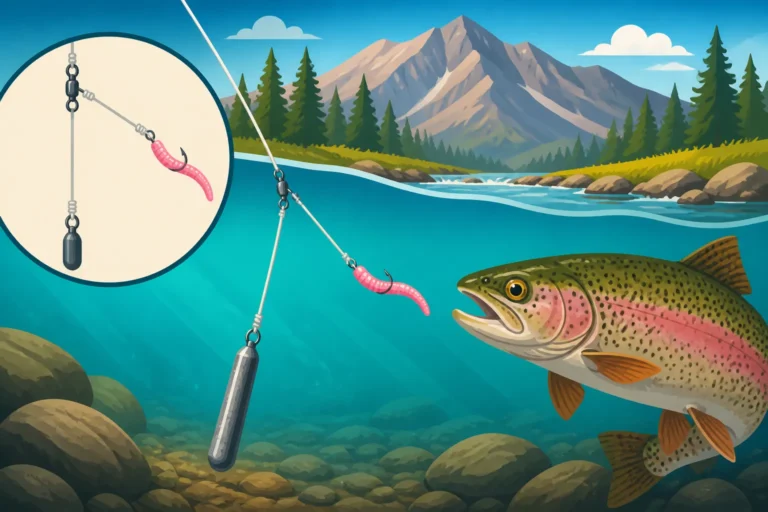
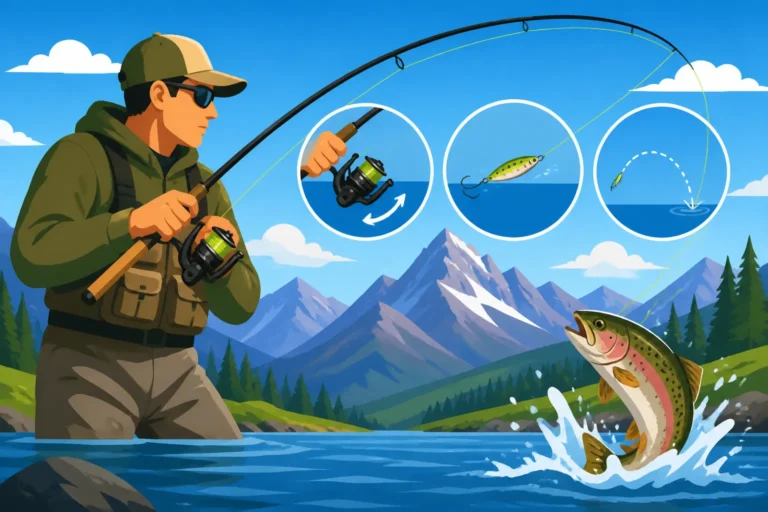
For most clear water fishing in Wyoming, a general rule of thumb for fly anglers is to aim for a leader that's at least the length of your rod, and often even longer. So, if you're fishing with a 9-foot rod, a 9-12 foot leader is a good starting point. This provides enough separation between your fly line and your fly to create that crucial invisible buffer. For spin fishermen, a fluorocarbon leader of 3-6 feet attached to your main line (which could be braid or monofilament) is often a good baseline. The key is to create enough space between your main line, which is typically more visible, and your lure or bait.
However, "average" clear water can still be pretty challenging in Wyoming. On a bright, sunny day with no wind, even your standard 9-foot leader might be too short if the fish are particularly wary. Always be prepared to go longer. I've often seen anglers on the North Platte swear by 12-15 foot leaders, sometimes even longer, especially when fishing for highly pressured brown trout. You can learn more about Reading the Wyoming Fishing Regulations Booklet to ensure your setup complies with any local rules, which sometimes include specific leader material restrictions.
Longer Leaders for Ultra-Clear, Calm Water
When you're faced with absolutely crystal-clear, still, or very slow-moving water, like a glassy section of a high-country lake or a tranquil pool on a spring creek, it's time to pull out the extra-long leaders. In these conditions, fish have ample time to inspect your offering and any associated hardware.
For fly fishing, think 12-foot to 15-foot leaders, sometimes even pushing 18 feet for the most challenging dry fly situations. This is especially true when sight-fishing to individual trout. The goal is to present your fly with absolutely no indication of your presence. A long leader allows your fly to drift naturally for a greater distance before any drag from your fly line becomes an issue. This can be crucial when trying to tempt a selective cutthroat or golden trout in a high-alpine lake. Adding a very long, fine tippet section (e.g., 3-4 feet of 6X or 7X) to an already long leader further enhances stealth. For spin fishing, consider pushing your fluorocarbon leader to 6-8 feet, especially if you're using very light line and small lures or bait, allowing your offering to swim more freely.
Shorter Leaders When Current is Strong or Casting Heavy Rigs
While longer leaders are often best for stealth, there are specific scenarios where they become counterproductive. Strong currents, heavy fly patterns, or wind can make managing a super-long leader a nightmare, leading to tangles, poor casting, and ineffective drifts.
- Strong Currents and Pocket Water: In fast-moving pocket water, like many sections of the Green River or the upper reaches of the Snake, shorter leaders (7.5-9 feet) can actually give you better control. When you're trying to fish small, turbulent pockets, you need to get your fly down quickly and maintain a drag-free drift in a small window. A very long leader can make it difficult to mend your line effectively and can cause your fly to get swept out of the strike zone too fast. For Nymphing Techniques for Wyoming Tailwaters in faster water, a shorter, more stout leader can help turn over heavy nymph rigs.
- Heavy Streamers or Multiple Nymphs: Casting heavy streamers or multi-nymph rigs demands a leader with enough backbone to turn over the weight. A delicate, extra-long leader will collapse, creating frustrating tangles. In these situations, a shorter, more powerful leader (7.5-9 feet with a thicker butt section) is preferred. While you sacrifice some stealth, the ability to effectively cast and present your flies outweighs the need for extreme leader length, as the motion of a streamer or the depth of a nymph often provides enough distraction from the leader.
- Windy Conditions: Wind is the enemy of long leaders. Trying to cast a 15-foot leader in a stiff Wyoming breeze is an exercise in futility. The leader will collapse, tangle, and make accurate presentations impossible. On windy days, shorten your leader to a manageable 7.5-9 feet, and consider using slightly heavier tippet to help cut through the wind.
- Lure Fishing with Heavier Lures: For spin fishermen using heavier spoons, spinners, or crankbaits, an excessively long leader can hinder casting distance and accuracy, especially if the lure's weight isn't distributed well with the leader. A 2-4 foot fluorocarbon leader is often sufficient here, as the lure's action and vibration are the primary attractants, and the heavier main line is less likely to spook fish from a distance.
Table: Leader Length Recommendations for Clear Water Fishing in Wyoming
| Scenario | Water Type / Condition | Recommended Leader Length (Fly Fishing) | Recommended Leader Length (Spin Fishing) | Notes |
|---|---|---|---|---|
| Ultra-Clear & Calm | High-alpine lakes, still pools, slow tailwaters, sight-fishing | 12-18 feet | 6-8 feet (fluorocarbon) | Maximize stealth; use lightest tippet possible. |
| Moderate Clear (Average) | Most freestone rivers, typical tailwaters, larger lakes | 9-12 feet | 4-6 feet (fluorocarbon) | Good all-around length for most situations. |
| Fast Current / Pocket Water | Bubbly rapids, small pockets, heavy nymphing | 7.5-9 feet | 3-5 feet (fluorocarbon) | Prioritize control and turnover; use heavier tippet if needed. |
| Heavy Streamers / Lures | Streamer fishing, large spoons/spinners, trolling | 7.5-9 feet (with powerful taper) | 2-4 feet (fluorocarbon) | Focus on casting performance and lure action over extreme stealth. |
| Windy Conditions | Any water, high wind speed | 7.5-9 feet | 2-4 feet (fluorocarbon) | Shorten to maintain casting control and avoid tangles. |
Practical Tips for Rigging and Fishing Long Leaders
Once you understand why longer leaders are beneficial in clear water, the next step is to learn how to effectively use them. Long leaders can present some challenges, especially for those accustomed to shorter setups, but with a little practice, they become an invaluable part of your clear water arsenal.
Casting Techniques for Longer Leaders
Casting a long leader effectively is probably the biggest hurdle for most anglers. It feels different, and it requires a slightly modified approach to your casting stroke.
- Slow Down Your Stroke: With a longer, lighter leader, a fast, jerky casting stroke will invariably lead to tangles, especially if you're trying Dry Fly Fishing on the North Platte River. The key is to slow down your casting stroke significantly. Think of it as painting a wider arc in the air with your rod. This gives the long leader and fly more time to unroll completely behind and in front of your fly line.
- Wider Loop: A wider, more open casting loop helps prevent the leader from collapsing on itself. Avoid tight, narrow loops that can cause the leader and tippet to "hinge" or tangle. Focus on powering the cast primarily with your forearm and wrist, allowing the rod to do the work.
- Pause at the End of Each Stroke: This is crucial. At the end of your backcast, pause just long enough for the line and leader to fully unroll behind you. You should feel a slight "tug" as the line straightens. Do the same on your forward cast, pausing at the end to allow the leader to lay out gently on the water. This deliberate pause is what gives you a smooth presentation.
- Minimize False Casts: The more times you cast, the greater the chance for tangles. Try to make fewer, more efficient false casts, aiming to deliver your fly on the second or third cast.
Managing Drift and Drag
A long leader is fantastic for stealth, but it can also make managing your drift a bit trickier, especially in rivers with complex currents. Drag, where the current pulls on your line and leader, causing your fly to move unnaturally, is the bane of fly fishermen everywhere.
- Upstream Mends: As your fly drifts downstream, your fly line will inevitably start to pull on your leader. To counteract this, make gentle upstream mends by lifting your rod tip and flipping a loop of fly line upstream. This pushes slack into the system, allowing your fly to continue drifting naturally. With a longer leader, you'll often need to make more frequent and subtle mends.
- Reach Casts: A reach cast involves extending your rod arm either upstream or downstream at the end of your forward cast, laying out the line at an angle to the current. This buys you precious seconds of drag-free drift. For example, if the current closest to you is faster, a downstream reach can help keep your fly from being pulled too quickly.
- High Sticking: In faster, turbulent water, sometimes called pocket water, holding your rod tip high and keeping as much line off the water as possible (high sticking) can help minimize drag. Your long leader still provides the stealth, but you're only allowing the minimal amount of line to touch the water, primarily the leader and tippet. This technique is often used when fishing short distances or when working specific seams. You can read more about Reading Riffles and Runs on Wyoming Trout Streams to identify where these techniques are most effective.
Leader Maintenance and Inspection
Your leader is the critical link between you and the fish, especially when using lighter tippets in clear water. Regular maintenance and inspection are non-negotiable.
- Check for Nicks and Abrasions: After catching a fish, or if you've snagged on rocks or brush, always run your fingers along the entire length of your leader and tippet. Feel for any nicks, scrapes, or rough spots. These weak points are prime candidates for break-offs. A small nick can reduce the breaking strength of your line by a significant margin.
- Knot Inspection: Your knots are only as strong as they are tied. Periodically check all your knots – where the leader connects to the fly line, the leader to the tippet, and the tippet to the fly. Ensure they are tight, even, and haven't slipped. If a knot looks suspect, retie it.
- Replace Worn Sections: Over time, leaders can become abraded, twisted, or stretched, especially the finer tippet sections. Don't be stingy; replace your tippet frequently, and if the entire leader is showing signs of wear or becoming too short from retying flies, replace the whole thing. It’s a small investment that prevents big heartbreak.
- Store Properly: Don't just stuff your leaders into a tackle box. Store pre-tied leaders on spools or in leader wallets to prevent kinks and damage. Exposure to sunlight and heat can also degrade line over time, so keep them in a cool, dark place.
When to Make Exceptions to the Long Leader Rule
While the long leader principle is generally sound for clear water, there are always exceptions where breaking the "rules" might actually lead to more success.
- Fishing in Low Light or Murky Water: If you find yourself fishing at dawn, dusk, or under heavily overcast skies, the need for an ultra-long leader diminishes. Fish are less visually oriented in low light, relying more on vibration and scent. Similarly, if the water has a slight tint or murkiness from runoff (which can happen during Wyoming's Runoff Season), a shorter leader won't be as detrimental.
- Aggressive Fish: Sometimes, you encounter fish that are simply ravenous and not at all leader-shy. This might happen with freshly stocked trout or on certain bodies of water with less fishing pressure. In these scenarios, a shorter, easier-to-cast leader is perfectly acceptable.
- Heavy Wind: As mentioned earlier, battling a long leader in strong winds is an exercise in futility. Prioritize castability and control over extreme stealth. A shorter leader, combined with careful presentation, will be more effective.
- Learning or Guiding Beginners: For those just starting out or teaching someone new, managing an excessively long leader can be incredibly frustrating. A 7.5-foot leader is often a good compromise, allowing beginners to focus on the basics of casting and presentation without being overwhelmed by line management. The goal is to build confidence first. For Best Beginner Technique for Catching Your First Trout, a slightly shorter leader makes the learning curve much smoother.
- Specific Lure or Bait Presentations: When spin fishing with larger, heavier lures that create a lot of action, the visual impact of your leader is often secondary to the lure's movement. A 2-3 foot fluorocarbon leader is usually plenty. For bait fishing where the scent is the primary attractant, the leader length can also be shorter without much negative impact.
Ultimately, the best leader length is a balance between stealth and practicality. Always start with a longer leader in clear water, but don't be afraid to adjust based on the conditions and the fish's behavior. Observing how fish react and experimenting with different lengths will be your best teachers on the water.
Disclaimer
This article is for general informational purposes only and does not constitute professional advice. Laws, prices and regulations vary by location and change over time. Consult a qualified professional for guidance on your specific situation.