Fishing Wyoming Streams at First Light
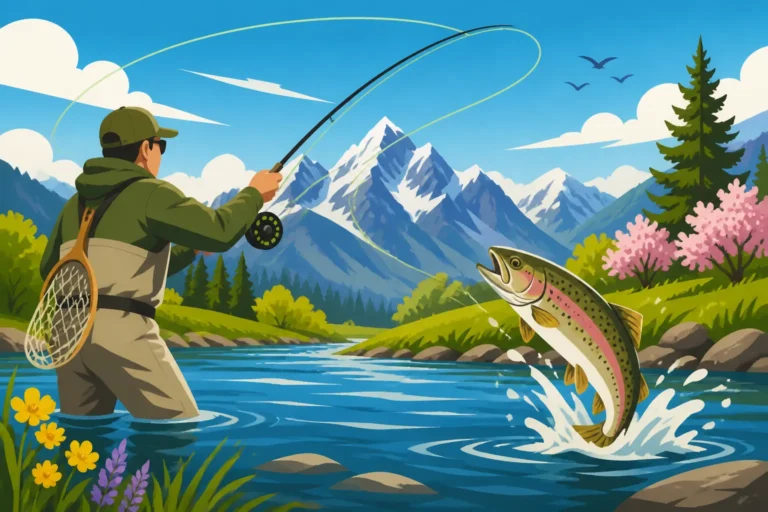
There's nothing quite like the allure of a Wyoming stream, the air crisp and quiet, just before the sun peeks over those towering mountains. But let's be real, dragging yourself out of a warm sleeping bag or comfortable lodge bed when it's still dark can feel like a monumental task. The good news? That extra effort, that commitment to being on the water as the first hints of dawn appear, often pays off in spades. This guide is all about equipping you with the knowledge and tactics to make those pre-dawn expeditions not just tolerable, but incredibly productive and deeply rewarding.
Why First Light is a Game Changer for Stream Fishing
The world of stream fishing, especially here in Wyoming, operates on a rhythm dictated largely by the sun and the natural instincts of its inhabitants. And for many anglers, the period just before and after sunrise, affectionately known as "first light," is nothing short of magical. It’s a window of opportunity that seasoned anglers often guard with reverence, knowing it can offer some of the most exciting and productive fishing of the day.
The Biological Advantage: Trout Behavior
Think about it from a trout's perspective. Throughout the night, many of them have been relatively safe, perhaps holding in deeper, slower water, conserving energy. As the first glimmer of light appears, a primal switch flips. This is often when their metabolism starts to kick into gear, and they begin actively foraging for food. Insects that have spent the night dormant might begin to stir, aquatic nymphs become more active, and smaller baitfish might start to move around.
What's more, trout are inherently wary creatures. During the bright hours of midday, they're constantly on alert for predators—ospreys, eagles, even us anglers casting long shadows. But in the dim light of dawn, that sense of vulnerability is reduced. They feel bolder, more willing to move into shallower feeding lanes or expose themselves a bit more to grab a meal. This often translates into more aggressive takes and a higher likelihood of enticing those larger, more cautious fish that hide away during peak daylight. It’s a brief window where their guard is down, and their hunger is up, offering a fantastic chance to connect with some truly impressive trout.
Environmental Factors: Temperature and Light
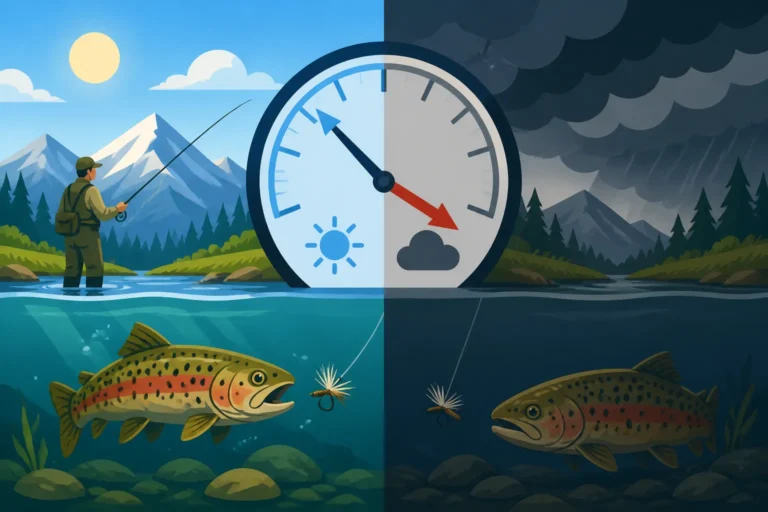
The early morning hours bring a unique combination of environmental factors that greatly benefit stream fishing. First and foremost is temperature. Both air and water temperatures are typically at their lowest just before and around sunrise, especially after a cool Wyoming night. For cold-water species like trout, this is often their preferred temperature range, making them more comfortable and active. As the sun climbs higher and begins to warm the water, trout can become more lethargic, retreating to deeper, cooler pools, making them harder to target.
Secondly, the low light conditions are crucial. Trout have excellent vision, but they are also masters of camouflage. In the subdued light, they have the advantage of stealth, allowing them to ambush prey more effectively. For anglers, this means your presentation needs to be less precise to avoid spooking them, and your silhouette on the bank is less likely to cast a long, fish-alarming shadow. As the day progresses and the sun's intensity increases, the water becomes clearer and more revealing, forcing trout to be more cautious and making your approach much more critical. It’s during these fleeting moments of dawn that the stream truly comes alive with opportunity, making it well worth setting that alarm clock a little earlier.
The Solitude Factor: Beating the Crowds
Let's be honest, one of the biggest frustrations in fishing today, especially on Wyoming's renowned "blue-ribbon" streams like sections of the North Platte or the Snake River, is the sheer number of people. You pull up to your favorite spot, only to find another vehicle already there, or worse, you start walking and see an angler already in your prime run. It’s a common complaint, and it can really dampen the experience. This is where first light offers an unparalleled advantage: solitude.
By arriving well before the sun crests the horizon, you often beat the vast majority of other anglers to the punch. You get first dibs on those untouched runs, those pristine pools that haven't seen a fly or lure yet that morning. This isn't just about personal preference; it has a tangible impact on fishing success. Trout that haven't been pressured yet are less wary and more likely to strike. You can take your time, work the water thoroughly, and truly immerse yourself in the natural beauty of Wyoming without the constant distraction of other people. If you crave that peaceful connection with the outdoors and the feeling of having a world-class fishery all to yourself, those pre-dawn hours are your golden ticket. It's a chance to experience the stream in its most raw and undisturbed state, often leading to more memorable catches and a much more satisfying day on the water.
Essential Gear for Your Pre-Dawn Stream Expedition
Heading out before the sun graces the landscape requires a bit more thought than a casual midday trip. You're dealing with darkness, potentially colder temperatures, and the need for efficiency. Having the right gear isn't just about comfort; it's about safety and maximizing your chances of success. Forget something crucial, and your magical first-light experience can quickly turn into a frustrating, or even dangerous, ordeal.
Lighting and Navigation Tools
The most obvious challenge of pre-dawn fishing is, well, the darkness! You won't be able to safely navigate stream banks, tie knots, or even find your way back to your vehicle without adequate lighting. A reliable headlamp is absolutely non-negotiable. Look for one with adjustable brightness settings, a red light option (which preserves night vision and spooks fish less), and a long battery life. Brands like Petzl or Black Diamond offer excellent options that are rugged and waterproof. Don't forget spare batteries or a portable charger if your headlamp is rechargeable.
Beyond lighting, navigation is key. Many prime fishing spots are accessed via unmarked trails or across open terrain. While you might know the general area, finding your exact entry point in the dark can be tricky. A GPS device, whether a dedicated handheld unit or a reliable GPS app on your smartphone, can be a lifesaver. Mark your parking spot and intended access points beforehand. Even better, scout the location during daylight hours if possible, noting any potential hazards or landmarks. This preparation will prevent you from fumbling around in the dark, wasting precious fishing time, or worse, getting lost. It also allows you to focus solely on the fishing once you reach your destination, rather than worrying about your surroundings.
Appropriate Clothing for Cold Mornings
Wyoming mornings, even in summer, can be surprisingly chilly, especially along rivers and streams where cold air settles. When the sun hasn't risen yet, you're looking at temperatures that can be significantly colder than what the midday forecast promises. Layering is your best friend here. Start with a moisture-wicking base layer (merino wool or synthetic, never cotton) to pull sweat away from your skin. Over that, a mid-layer like a fleece jacket or a light puffy will provide insulation. Your outer layer should be a waterproof and windproof shell, ready to protect you from any unexpected drizzle or the sharp morning breeze.
Don't forget your extremities! A warm hat, like a beanie, is crucial, as a significant amount of body heat is lost through your head. Lightweight, thermal gloves that allow for dexterity are also incredibly helpful for rigging up or handling fish. And for your feet, ensure you have quality wading socks in your waders. Even if the air warms up, the water will remain cold, and warm feet make a huge difference in comfort and endurance. Remember, you can always shed layers as the sun rises and temperatures climb, but you can't add what you didn't bring. Staying warm and dry directly impacts your focus and enjoyment, making those early morning hours much more bearable. For essential layering pieces, you can often find great deals on platforms like Amazon.
Tackle Box Essentials: Baits and Lures
Your tackle box for first light needs to be streamlined and effective. You won't have the luxury of bright sunlight to pick out tiny details, so focus on lures and flies that offer contrast, vibration, or a larger profile. For fly anglers, don't shy away from darker colored nymphs or streamers. Think black, olive, or dark brown patterns like Woolly Buggers, Sculpzillas, or stonefly nymphs. These create a more pronounced silhouette against the low light of the sky. Heavier, tungsten-beaded nymphs are also great for getting down quickly to where fish might be holding in deeper water during the colder, darker hours, as discussed in our guide on Nymphing Techniques for Wyoming Tailwaters.
Spin anglers should consider dark-colored spinners or small jigs with dark bodies and contrasting heads. Rooster Tails in black, brown, or olive, or small jigs tipped with a dark soft plastic grub, can be incredibly effective. The vibration of a spinner or the erratic action of a jig can trigger strikes when visibility is limited. Don't forget a few minnow-imitating crankbaits or jerkbaits, especially in dark patterns or those with rattles. As the light starts to break, you can gradually transition to brighter, more natural patterns. Having a small, organized selection of proven early-morning performers means less fumbling and more time fishing. If you're looking to stock up on these specific lures, online retailers like Amazon carry a wide variety to choose from.
Mastering the Approach: Stealth and Strategy
Fishing Wyoming streams at first light isn't just about being there; it's about being there intelligently. The low light offers advantages, but it also demands a more deliberate and stealthy approach. Trout are still wild animals, and any unnecessary commotion can quickly put them off their feed, especially in the cold, clear waters common across Wyoming. Your success hinges on how well you can integrate into the environment without alarming your quarry.
Navigating in the Dark Safely
Moving around a stream in the dark requires extreme caution. Uneven banks, slippery rocks, submerged logs, and unseen drop-offs are all magnified hazards when you can't fully see them. Always move slowly and deliberately. If possible, stick to established paths or areas you've scouted in daylight. Your headlamp is essential, but use it judiciously. Flash it directly onto the water only when absolutely necessary, as a sudden beam of light can spook fish. Use its lowest setting, or the red light feature, to maintain night vision and minimize disturbance.
Focus on your footing. Wear sturdy, slip-resistant wading boots. Use a wading staff for added balance and to probe unknown depths or slippery bottoms. Plan your route from your vehicle to your chosen fishing spot before you even leave home. Consider potential obstacles like fences, dense brush, or steep descents. Knowing exactly where you're going and moving with confidence, rather than stumbling around, not only keeps you safe but also prevents the kind of loud splashes or crunching footsteps that can send trout scattering. Remember, the quiet angler is often the successful angler, especially in the pre-dawn hush.
Reading the Water in Low Light
Identifying productive water is a skill that takes time to develop, and it becomes even more challenging in low light conditions. You won't have the luxury of bright sunlight to reveal every current seam or subtle depth change. However, trout still gravitate to the same types of holding lies regardless of the time of day. You just need to look for them with a different perspective.
Focus on the outlines of structure. Look for dark patches that indicate deeper pools or submerged rocks. Pay attention to the subtle differences in the water's surface – a smoother area might indicate a slower current or a deeper pocket, while ripples and riffles still signal oxygenated feeding lanes. Listen for the sound of the water; a louder rush suggests a shallower, faster section, while a quieter flow might be a deeper, more promising run. Use your intuition and prior knowledge of the stream. If you know a particular bend usually holds fish, approach it with confidence. As you start to fish, feel for the bottom with your flies or lures. A sudden hang-up on a rock or a consistent drift through a deeper channel can reveal hidden structure. This is where understanding How to Read Water When Trout Fishing really comes into play, adapting those skills to the challenges of dawn.
Presentation Techniques for Wary Trout
Even in the low light of dawn, trout can be incredibly wary. They might feel bolder, but they're not necessarily foolish. Your presentation needs to be subtle and accurate. Avoid casting long, heavy lines that slap the water with excessive force. Instead, focus on softer landings and a more controlled presentation. For fly anglers, an upstream approach is often best, allowing your fly to drift naturally into a holding lie before the trout sees your line or your silhouette. Keep false casts to a minimum to avoid spooking fish with line disturbance.
Consider your leader length. In the still-dark, clearer water, a longer leader, perhaps 9-12 feet for fly fishing, can help keep your fly line further from the fish's immediate vision. This is especially true as the light just starts to break, making your line more visible against the brightening sky. As the sun rises, the fish's visibility improves, making a longer, thinner leader even more beneficial to avoid detection. Our guide on Best Leader Length for Clear Water Fishing offers more insights on this. For spin anglers, aim for accurate casts that land gently a few feet upstream of your target, allowing your lure to drift naturally into the strike zone. Avoid loud splashes when your lure hits the water. Remember, the goal is to present your offering as naturally and unobtrusively as possible, convincing the trout it's a legitimate meal, not a threat.
Top Techniques and Lures for Early Morning Success
As the world wakes up around you, the trout are often doing the same – and they're usually hungry. This is the prime time to employ techniques and choose lures that capitalize on their heightened activity and the unique low-light conditions. The key is often to get your offering in front of them quickly and make it enticing enough to warrant a strike.
Nymphing and Streamer Tactics
For fly anglers, nymphing and streamer fishing are often the most productive techniques during first light. In the dimness, trout often hug the bottom, feeding on nymphs that are dislodged or beginning their journey to the surface. A well-presented nymph rig, perhaps with a heavier indicator or a larger split shot, will get your flies down into the strike zone quickly. Focus on patterns that create a strong silhouette, such as dark stonefly nymphs (Pat's Rubber Legs or 20 Inchers), or large, dark pheasant tails. For more detailed insights, check out Nymphing Techniques for Wyoming Tailwaters.
Streamer fishing, particularly for larger trout, can be incredibly effective in low light. These patterns imitate baitfish, sculpins, or leeches, which are all active predators themselves in the early morning. Cast streamers like a black or olive Woolly Bugger, a Sex Dungeon, or a Double Bunny across current and retrieve them with erratic strips and pauses. The movement and profile of a streamer can provoke aggressive territorial strikes from big brown trout that are feeling bold in the dim light. This is an especially potent tactic when targeting the trophy fish often discussed in articles like Streamer Fishing for Wyoming Brown Trout. The reduced visibility means trout are less likely to discern artificial from natural, making them more willing to chase.
Dry Fly Opportunities as Light Breaks
While nymphs and streamers often dominate the pre-dawn, don't write off dry fly opportunities entirely, especially as the light truly starts to break. This transition period, from darkness to full daylight, can see hatches of smaller midges or even early caddis or mayflies. Trout will often key into these emerging insects, transitioning from subsurface feeding to looking up. Keep an eye out for subtle rises – gentle dimples on the surface rather than splashy takes. These often indicate trout feeding on emergers just below or in the surface film.
Have a few emerger patterns ready, like a CDC Comparadun or a F-Fly, in smaller sizes. If you start seeing more confident rises, a small Parachute Adams or a Griffith's Gnat can be deadly. The key is observation: watch the water carefully. Sometimes, it's not a full-blown hatch, but just a few individual insects struggling on the surface that will get a trout's attention. Being prepared to switch to a dry fly can turn a good morning into an exceptional one, particularly on famous dry fly waters like the North Platte River, as detailed in our guide to Dry Fly Fishing on the North Platte River.
Spin Fishing with Spinners and Small Jigs
For spin anglers, the early morning bite on Wyoming streams can be incredibly productive with the right lures. The reduced light means fish are less visually critical, making motion and vibration key attractors. Spinners are a classic for a reason, and they truly shine at first light. Brands like Mepps or Panther Martin, in darker colors (black, copper, bronze) or those with some UV flash, can be deadly. The flash and vibration mimic fleeing baitfish or actively feeding aquatic insects, drawing attention in the dim water. Cast them slightly upstream and across, letting them swing and wobble through likely holding water.
Small jigs, particularly those tipped with soft plastic grubs or even a piece of worm, are also fantastic choices. Dark-colored jigs (black, brown, olive) in 1/16 to 1/8 ounce sizes can be worked slowly along the bottom or jigged through pools. The subtle thumping action and visual profile are very effective. Try jigs with a bit of sparkle or reflective material to catch the minimal light. For an added edge, sometimes a small piece of PowerBait or a salmon egg on the hook can make the difference, particularly for recently stocked rainbow trout. If you're looking for versatile options for various trout species, exploring Best Lures for Wyoming Rainbow Trout can give you great ideas. You can stock up on these effective spinners and jigs through online marketplaces like Amazon.
Common Challenges and How to Overcome Them
While first light fishing offers incredible rewards, it also presents its own set of unique challenges. These aren't insurmountable, but they do require a bit of foresight and adaptation to ensure a successful and comfortable outing. Being prepared for these hurdles means you can quickly adjust and get back to enjoying the quiet beauty of the Wyoming stream.
Dealing with Cold and Fog
One of the most frequent challenges of those early hours is the cold. Even in the middle of summer, pre-dawn temperatures can drop significantly, especially in the high country or along water bodies. Beyond discomfort, extreme cold can make your hands clumsy, affecting knot-tying and casting, and can even pose a safety risk. The solution, as mentioned, is rigorous layering. Don't underestimate the need for good gloves and a warm hat. Hand warmers, easily slipped into gloves or pockets, can be a game-changer. A warm thermos of coffee or tea not only provides comfort but also helps raise your core body temperature. Our detailed guide on What to Wear Ice Fishing in Wyoming has some excellent layering principles that apply well to cold stream mornings, even if there's no ice!
Fog is another common early morning phenomenon, especially over rivers and valleys. While it adds a mystical atmosphere, it drastically reduces visibility. This can make navigating the banks more difficult and spotting subtle rises nearly impossible. If fog is thick, slow down your movements, rely more on sound and feel for navigation, and shorten your casts to maintain accuracy. Focus on close-in water, target seams and structure you know exist, and consider using lures or flies that create more vibration or a larger silhouette to compensate for the reduced visibility. Safety is paramount, so if the fog is too dense to safely navigate, it might be best to wait for it to lift before venturing too far.
Spooking Fish in Shallow or Clear Water
Trout are incredibly sensitive to movement and shadows, and while the low light can offer some concealment, it doesn't make them blind. Shallow or exceptionally clear water, common in many Wyoming streams, means that trout can still see you, especially if you're careless. The biggest mistake you can make is rushing into the water or stomping along the bank. Loud vibrations travel easily through the ground and water, instantly alerting fish to your presence.
To overcome this, practice extreme stealth. Approach your chosen fishing spot slowly, keeping a low profile. If you're wading, shuffle your feet rather than lifting them high, minimizing disturbance. Avoid casting long shadows across the water as the sun begins to rise. Even a subtle change in light can alert a trout. Use longer leaders and make accurate, gentle presentations. If you find yourself in a particularly clear, shallow section, consider kneeling or crouching to reduce your silhouette. Learning How to Approach Spooky Trout in Clear Water is a skill that will dramatically increase your success rate in these challenging conditions, ensuring you get to present your offering to unalarmed fish.
Adjusting as the Sun Rises
One of the beauties and challenges of first light fishing is its transient nature. As the sun climbs higher, the conditions change, and what was working an hour ago might become completely ineffective. The biggest adjustment is usually the light and its impact on water clarity and fish behavior. As the water brightens, trout tend to become more wary, retreating to deeper holes or areas with more cover. They'll also become more selective about what they eat.
This means you need to be prepared to adapt your tactics. If you started with dark streamers, you might need to switch to smaller, more natural-colored nymphs or even subtle dry flies if a hatch starts. For spin anglers, move from large, noisy spinners to smaller, more subtle lures or even bait. Look for new holding water – areas with more shade, deeper pockets, or faster currents that provide cover. Pay close attention to any changes in insect activity. The key is not to stubbornly stick to a technique that's no longer producing. Regularly assess the conditions, observe the water, and don't be afraid to change your flies, lures, or even your fishing spot. Understanding How Water Temperature Affects Trout Feeding can also help you predict how fish behavior might change as the day warms up.
Best Wyoming Streams for First Light Action
Wyoming is blessed with an abundance of incredible fishing streams, each offering its own unique charm and challenges. While many rivers can be productive at first light, some stand out for their consistent action and the quality of their trout. Targeting these specific locations, armed with your early morning strategies, can lead to truly memorable experiences.
North Platte River Tailwaters
The North Platte River, particularly its famed tailwater sections like the Miracle Mile and Gray Reef, is a world-class trout fishery, and first light here is nothing short of legendary. These sections are tailwaters, meaning they flow out from under dams (Seminoe Reservoir and Alcova Reservoir, respectively), which generally keeps water temperatures consistent year-round. This consistency means trout are often active even in the colder pre-dawn hours.
The sheer volume of trout, including trophy-sized browns and rainbows, makes these sections prime targets. Early mornings on the Miracle Mile, for example, can see large brown trout actively feeding on baitfish or larger nymphs before the bulk of the fishing pressure arrives. Anglers targeting this stretch will find detailed insights in The Miracle Mile Stretch of Wyoming's North Platte River. Similarly, the Gray Reef section, downstream from Alcova, is renowned for its incredible nymphing opportunities at dawn. The lower light allows for more aggressive takes from trout that are less pressured. These river sections are easily accessible and well-managed, but getting there before anyone else is key to enjoying the best action. The colder water temperatures early in the day really get these fish moving, offering a fantastic start to your fishing adventure.
Snake River Tributaries
The Snake River system in western Wyoming, especially its various tributaries and sections below major impoundments, also offers exceptional first-light fishing. The Snake River itself, particularly the stretch downstream from Jackson Lake Dam, is a prime example. This water is home to the native Snake River Fine-Spotted Cutthroat Trout, which can be particularly aggressive feeders in low light.
Tributaries feeding into the Snake, often smaller and more intimate, can also be fantastic options. These waters are typically less pressured than the main stem during peak hours. At dawn, you might find cutthroats actively sipping emerging insects or chasing streamers in the shallower riffles and runs before they retreat to deeper pools. The combination of pristine scenery, active native trout, and reduced angler traffic makes these Snake River waters incredibly appealing for early birds. For specific strategies and access points for the main stem, our guide on Fishing Wyoming's Snake River Below Jackson Lake Dam provides excellent information. Remember, these areas also tend to be cooler in the mornings, making the fish more comfortable and active for longer periods before the sun heats things up.
Smaller Mountain Streams
While the big rivers get a lot of attention, don't overlook the myriad of smaller mountain streams scattered throughout Wyoming's vast wilderness areas, like the Wind River Range or the Bighorn Mountains. These creeks and smaller rivers often hold robust populations of brook trout, cutthroat trout, and even some smaller rainbows. Access can be more challenging, often requiring a hike, but the rewards are profound: absolute solitude and eager fish.
At first light, these smaller streams come alive. The trout in these waters are often less selective and more opportunistic, especially after a cold night. Dry fly action can be surprisingly good on these streams as soon as the first light hits the water, with trout willing to rise to attractor patterns or generic emergers. Nymphing small patterns can also be very effective in the numerous pockets and runs. The benefit here is minimal, if any, angler pressure. You often have miles of pristine water to yourself, allowing you to move freely and explore. While the fish might not be "trophy" size compared to the North Platte, the sheer joy of catching wild trout in a breathtakingly beautiful and solitary setting at dawn is an experience that's hard to beat. These streams often embody the spirit of Fishing Wyoming's Wilderness and Backcountry Lakes, offering a truly immersive experience.
Early Morning Techniques and Lure Selection Table
To help visualize the best strategies, here's a quick reference table for fishing Wyoming streams at first light, moving from pre-dawn to full morning light:
| Light Condition | Preferred Technique | Recommended Fly Patterns / Lures | Key Considerations |
|---|---|---|---|
| Pre-Dawn (Dark) | Streamer Fishing, Deep Nymphing | Large, dark Woolly Buggers (black, olive), Sculpzillas, Pat's Rubber Legs (dark), heavy jig flies, dark spinners (Mepps, Panther Martin). | Focus on vibration, silhouette, getting deep quickly. Use headlamp for safety. |
| First Glimmer (Low Light) | Nymphing (weighted), Streamer Fishing, Spinners | Stonefly nymphs (20 Inchers), Pheasant Tails (dark), San Juan Worms, Copper Johns. Still effective with larger, darker streamers. Dark or silver spinners. | Fish are emboldened, active. Longer leaders. Soft presentations. Look for subtle movement. |
| Light Breaking (Sunrise) | Nymphing (less weight), Emerger Patterns, Spinners, Small Jigs | Smaller, more natural nymphs. CDC Comparaduns, F-Flies. Gradually introduce small Parachute Adams. Lighter colored spinners, small crankbaits. | Observe for subtle rises. Trout becoming more selective. Adjust to water temperature changes. |
| Early Morning (Full Light) | Dry Fly Fishing (if hatching), Smaller Nymphs, Terrestrials, Small Lures | Specific hatch patterns, Parachute Adams, Caddis. More refined nymphs. Hoppers, beetles near banks. Smaller, natural-colored spinners/spoons, bait (if permitted). | Trout become warier. Focus on natural drifts, accurate casts. Target shaded areas or deeper pools. |
Disclaimer
The information provided in this guide is for general informational purposes only and is subject to change. Always consult the most current Wyoming Game and Fish Department regulations before fishing, as rules regarding licenses, seasons, bag limits, and specific water restrictions can vary and are updated periodically. Stay safe, respect private property, and practice responsible angling.