Where Browns Move Into the Miracle Mile in Fall
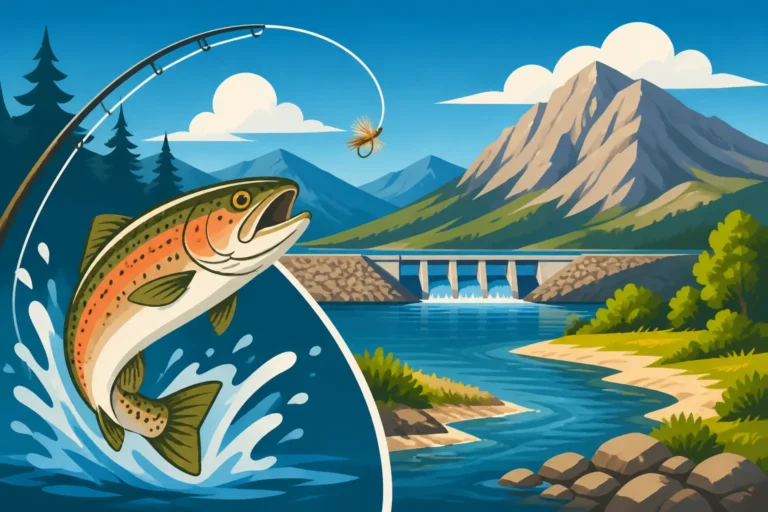
One of the most thrilling times to be on Wyoming’s famed Miracle Mile is when the big brown trout start their annual migration upstream. Many anglers struggle to pinpoint exactly where these elusive, often giant fish stage and move, leading to frustrating days of casting into seemingly empty water. This comprehensive guide will walk you through the precise movements of brown trout in the Miracle Mile during the autumn months, detailing the key areas they frequent, the techniques that work best, and critical timing strategies to maximize your chances of connecting with these incredible fish.
Understanding the Fall Brown Trout Migration
Fall in Wyoming brings a dramatic change to our rivers, and nowhere is this more evident than in the behavior of brown trout. As the days shorten and water temperatures begin to drop, these fish undergo a remarkable transformation, driven by an ancient instinct to spawn. This isn't just a leisurely swim; it's a strategic, often aggressive, movement that concentrates them in specific areas. Understanding this journey is key to intercepting them.
The Call of the Spawn
For brown trout, fall isn't just a pretty season; it's reproductive prime time. Typically from late September through November, depending on water temperatures and flows, male and female brown trout will leave their usual feeding lies in deeper pools and slack water. They begin to push upstream, seeking out specific types of habitat to create their redds (spawning nests). These redds are typically found in shallower, gravelly runs with good current flow, often at the tails of pools or in riffles where oxygenated water can flow over the eggs.
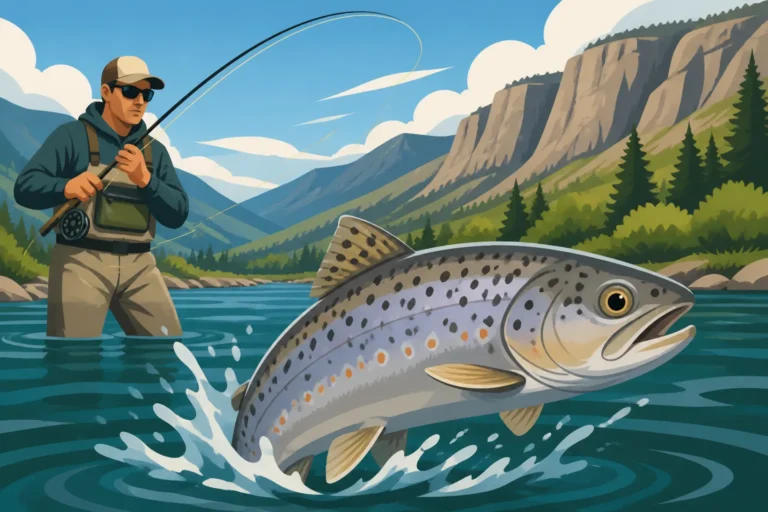
This instinctual drive makes them highly vulnerable and, at times, incredibly aggressive. The larger, more dominant males will establish territories, displaying vibrant spawning colors – deep oranges, reds, and golds – as they compete for females. It's during this time that many anglers dream of catching a true trophy Brown Trout Fishing in Wyoming, as these fish are at their heaviest and most strikingly colored.
Changing Water Conditions and Food Sources
Beyond the biological imperative, environmental cues play a massive role. Cooler water temperatures, usually dipping below 55 degrees Fahrenheit, signal that it’s time to move. These cooler temperatures also mean higher oxygen levels, which are crucial for the development of eggs once they're laid. Flows on the North Platte can fluctuate, but generally, consistent or slightly elevated flows can encourage migration.
While spawning is the primary driver, food sources also shift. Hatches of aquatic insects become less prolific, but larger food items like baitfish, sculpins, and even mice become increasingly important for these energy-hungry fish. The browns know they need to pack on calories for the rigors of spawning and the lean winter months ahead. This makes them highly opportunistic, and understanding their diet during this period is vital for fly selection. If you're planning a trip, checking water conditions on the Wyoming Game and Fish Department website or talking to a local guide is always a smart move. Many guides available through services like FishingBooker can offer real-time insights into river conditions and fish activity.
Key Entry Points and Holding Water on the Miracle Mile
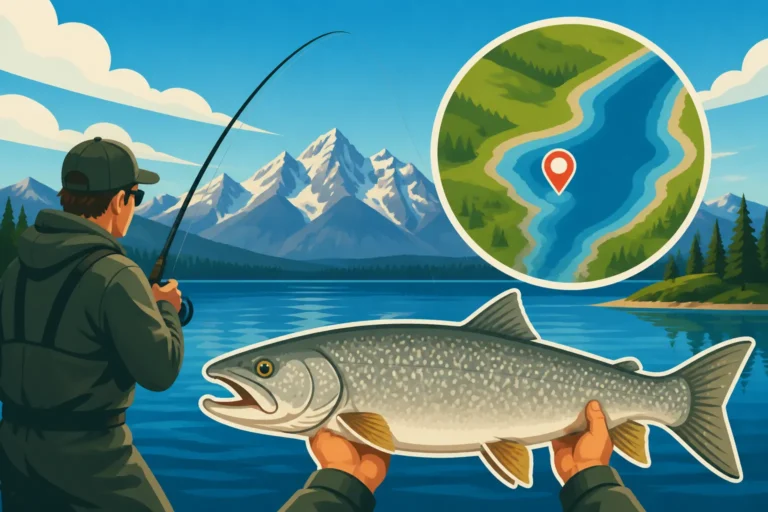
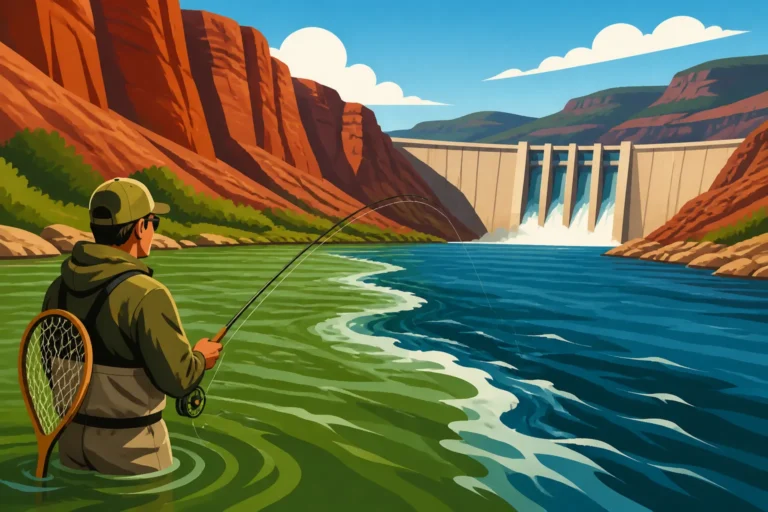
The Miracle Mile, a twenty-plus mile stretch of the North Platte River between Seminoe and Pathfinder Reservoirs, is famous for its large trout. When it comes to fall brown trout, certain areas become absolute magnets. Knowing these spots can save you a lot of aimless casting and put you right in the action. Remember, access points on the Miracle Mile can sometimes require a bit of a drive on gravel roads, so plan accordingly and check for current road conditions.
Lower River Sections: The First Arrivals
The earliest migrating brown trout often stage and hold in the lower sections of the Miracle Mile, closer to the Pathfinder Reservoir. These fish will congregate in the deeper, slower pools and the confluence areas where smaller feeder creeks or seeps join the main river. They aren't in full-blown spawning mode yet but are making their initial push upstream.
Think about areas with significant depth changes, submerged structure, or slower currents that offer a bit of a respite before they commit to the faster, shallower spawning grounds further upriver. These sections often act as staging areas, giving the fish a chance to acclimatize to the river's flow and prepare for the arduous journey ahead. They might move in and out of these areas, especially during low-light conditions or after a cool front moves through.
Deeper Pools and Structured Runs
As the fall progresses, and more fish commit to the migration, they will utilize the many deep pools and structured runs that dot The Miracle Mile Stretch of Wyoming's North Platte River. These aren't just any pools; look for those with good gravel bottoms near the tails, or pools that funnel into shallower, rocky riffles. These are prime areas where fish will stage before moving onto redds, or even create redds themselves if the substrate is suitable.
Specific spots to consider are the deep bends, eddies behind large boulders, or areas where the current creates distinct seams. These are often textbook "holding water" locations. In these spots, you might find a mix of fish: those actively spawning, those waiting their turn, and those simply feeding opportunistically. It’s also where you’ll often find some of the largest fish, as they prefer deeper water for security and ease of movement. Be mindful of areas that show obvious signs of redds (cleaned-out, brighter gravel patches) and avoid walking through them, as this can damage eggs.
Tributary Confluences
While the Miracle Mile doesn't have a huge number of major tributaries, any smaller side channels, feeder creeks, or even subtle springs that enter the main river can be significant. These confluences often provide slightly different water temperatures, increased oxygen, or a surge of new food items, making them attractive to migrating browns. The interface where the two water bodies meet can create current breaks and eddies, offering perfect resting and ambush points.
Fish will often stack up just below or within these confluence areas, especially if the tributary itself offers suitable spawning habitat. Even a small, seemingly insignificant inflow can draw fish in, so keep an eye out for any changes in water clarity, temperature, or flow along the banks. These micro-habitats can be absolute goldmines, especially if other sections of the river are pressured.
Best Techniques for Fall Brown Trout
Catching these magnificent fish during their migration requires a specific approach. They’re often focused, sometimes aggressive, but can also be incredibly finicky, especially if pressured. Adapting your techniques to their behavior is paramount. Always remember to check Wyoming Fishing Regulations Every Angler Should Know before you head out, as special rules, like Barbless Hook Requirements on the North Platte River, might apply to certain sections or times of year.
Streamer Fishing Strategies
When brown trout are thinking about spawning, or have just finished, their aggressive nature makes streamer fishing incredibly effective. They're looking for a substantial meal, something that will provide a lot of energy, and a well-presented streamer can mimic a baitfish or a sculpin perfectly.
- Size Matters: Don't be afraid to go big. Streamers from 3 to 6 inches, or even larger, can elicit vicious strikes from trophy browns. Colors like olive, black, brown, white, and natural baitfish patterns are excellent choices.
- Presentation is Key: You want to imitate a wounded or fleeing baitfish. Cast across or slightly upstream, let the streamer sink, and then retrieve with varying strips, jerks, and pauses. The erratic movement often triggers an aggressive response.
- Targeting Structure: Cast your streamers close to undercut banks, large rocks, logjams, or any other structure that could provide an ambush point for a big brown. This is especially true in the deeper pools and runs mentioned earlier.
- Swinging: Sometimes, a slow, controlled swing across the current, letting the streamer move naturally with the flow, can be incredibly deadly, especially if fish are less active.
Popular streamer patterns include the Woolly Bugger (in various sizes and colors), Sex Dungeon, Platte River Special, and Conehead Zonkers. Using a heavier fly rod (6-8 weight) is recommended for casting these larger flies and fighting powerful fish. A guided trip can be invaluable for learning Streamer Fishing for Wyoming Brown Trout techniques firsthand.
Nymphing in Cooler Water
While streamer fishing can be exhilarating, nymphing remains a consistently productive method, especially for fish that might not be as aggressively chasing baitfish, or those holding in deeper runs and slower pools. As the water cools, fish often won't move far for a meal, so presenting a nymph right in their feeding lane is crucial.
- Weight it Right: You need enough weight to get your nymphs down to the fish quickly, especially in the deeper sections of the Miracle Mile. This might mean using heavier tungsten nymphs or adding split shot above your flies.
- Indicator or Euro Nymphing: Both methods can be highly effective. Indicator nymphing allows you to fish a broader range of water and detect subtle takes. Euro nymphing (or contact nymphing) provides direct contact with your flies, allowing for immediate strike detection and precise depth control, particularly useful in faster runs or when targeting specific seams.
- Bug Selection: Focus on larger invertebrate imitations like stonefly nymphs (Pat's Rubber Legs, 20 Incher Stone), caddis larvae (tungsten caddis pupa), and larger mayfly nymphs (Pheasant Tail, Hare's Ear). Worm patterns (San Juan Worm, Squirmy Wormy) can also be incredibly effective, especially after rain or when flows increase.
- Drag-Free Drifts: Regardless of the method, achieving a drag-free drift is always paramount. Any unnatural drag will make your nymph look suspicious and often result in refusals. Learn Nymphing Techniques for Wyoming Tailwaters for more advanced tips.
Approaching Spooky Spawners
Brown trout, especially the larger ones, can be incredibly wary, particularly when they are on their redds or actively spawning. They are focused on reproduction, and any disturbance can send them scattering.
- Stealth is Your Friend: Approach the water carefully. Wade softly, avoid casting shadows over the water, and keep a low profile. Long casts from a distance are often more productive than short casts from right on top of the fish.
- Minimize Disturbance: If you see fish on redds, give them space. Avoid wading through spawning beds. Not only is it unethical as it can destroy eggs, but it will also spook every fish in the area.
- Ethical Angling: While it's legal to fish for spawning trout in Wyoming (outside of specific closures), many anglers choose to leave fish actively on redds alone to ensure successful reproduction. If you do target them, practice excellent Catch and Release Best Practices for Trout. These fish are under immense stress, so minimize fight time, keep them wet, and handle them gently. Know How to Handle a Trout to Keep It Alive After Release properly.
Timing Your Fall Trip for Peak Action
Timing can make all the difference when targeting fall brown trout on the Miracle Mile. The season generally kicks off in late September and can run through November, but conditions and fish behavior will vary significantly across these months.
Early Fall: Pre-Spawn Aggression
- When: Late September to mid-October.
- What to Expect: This is the phase of pre-spawn feeding. Water temperatures are starting to drop, usually in the high 50s to low 60s. Browns are actively moving upstream but haven't settled fully onto redds yet. They are incredibly aggressive as they pack on calories for the upcoming spawn.
- Best Techniques: This is prime time for big streamers. The fish are willing to chase and attack, making for explosive strikes. Nymphing with larger patterns in deeper pools and runs can also be very productive.
- Why it's Great: You'll find strong, healthy fish that are eager to bite. They might not be in their full spawning colors yet, but their fighting spirit is at its peak. This is often regarded as the Best Time of Year to Fish the North Platte River by many seasoned anglers.
Mid-Fall: The Spawning Peak
- When: Mid-October through early November (peak can vary year to year based on water temps).
- What to Expect: This is when the majority of brown trout are actively spawning. Fish will be concentrated on gravelly runs and riffles, defending redds and engaging in reproductive behaviors. You'll see their vibrant spawning colors on full display.
- Best Techniques: Nymphing can be very effective if you can present flies naturally to fish holding off redds or to those actively feeding in nearby pockets. Streamer fishing can still work for aggressive males defending territory or for post-spawn females feeding opportunistically. Remember to be exceptionally stealthy and ethical during this period.
- Why it's Challenging and Rewarding: Fish can be incredibly focused on spawning, making them less interested in feeding, but also highly aggressive if they perceive a threat to their redds. Patience and precise presentations are crucial. This is when you're most likely to see truly massive fish in their most beautiful attire, but ethical considerations are paramount. Many anglers choose to avoid directly targeting fish on redds.
Late Fall: Post-Spawn Recovery
- When: Mid-November into December.
- What to Expect: Water temperatures continue to drop, often into the 40s. Many fish have completed spawning and are now in a recovery phase. They are depleted but are starting to feed again to regain energy for winter.
- Best Techniques: Nymphing with smaller, subtle patterns can be highly effective as fish are less aggressive but still need to eat. Streamer fishing can also pick up again, though with less ferocity than during the pre-spawn. Slower retrieves are often best.
- Why it's Underrated: This time of year can be very productive, often with fewer crowds. The fish are still large, but less pressured than during the peak spawn. Finding deeper, slower pools where fish are recuperating can lead to some excellent fishing. Just be prepared for colder weather!
Here's a quick overview of what to expect:
| Fall Period | Typical Dates | Fish Behavior | Primary Techniques | Key Considerations |
|---|---|---|---|---|
| Early Fall | Late Sept – Mid-Oct | Pre-spawn aggression, staging | Streamers (big!), Nymphing | Active feeding, strong fights, fewer full spawners |
| Mid-Fall | Mid-Oct – Early Nov | Peak spawning, territorial defense | Nymphing (precise), some Streamers | Ethical angling, avoid redds, highly colorful fish |
| Late Fall | Mid-Nov – Dec | Post-spawn recovery, rebuilding | Nymphing (subtle), slower Streamers | Fewer crowds, colder weather, recovering fish |
No matter when you go, it's critical to understand Understanding Wyoming's Daily Bag Limits by Species and to observe all local regulations. While many of us practice catch and release for these incredible fish, knowing the rules is part of being a responsible angler. How Big Brown Trout Get in Wyoming can be truly astounding, and protecting them ensures future generations can enjoy this world-class fishery. If you're unsure about specific regulations or access points, consider booking a trip with a local guide. Services like FishingBooker connect you with experienced outfitters who can ensure a safe, productive, and compliant outing.
Disclaimer
Please note that fishing conditions and regulations in Wyoming can change. Always consult the official Wyoming Game and Fish Department website for the most current rules, emergency closures, and license requirements before planning your trip. The information provided here is for general guidance and educational purposes only.