Is the Bighorn River Good for Wyoming Fly Fishing?
For any fly angler planning a trip to Wyoming, the Bighorn River often comes up in conversation, usually whispered with a sense of reverence. But if you’re like many, you might be wondering if this river truly lives up to its hype when there are so many other famous waters drawing attention. It's a valid question, trying to discern if the Bighorn offers a unique experience or just another crowded trout stream. This comprehensive guide will peel back the layers of the Bighorn River, focusing specifically on what makes it a prime fly-fishing destination in Wyoming, detailing its unique characteristics, the abundant fish species it holds, the best techniques to employ, and how to access its storied waters.
The Bighorn River's Enduring Fly Fishing Reputation in Wyoming
When you mention "fly fishing" and "Wyoming" in the same sentence, many anglers immediately think of the North Platte, the Snake River, or the Green. But for those in the know, the Bighorn River stands as an equally formidable, if sometimes overlooked, contender for incredible trout fishing. Its reputation isn't built on flash or easy access alone, but on consistent, quality fishing for robust trout in a diverse and productive ecosystem.
Why the Bighorn is a Revered Destination
The Bighorn River, particularly its tailwater section below Boysen Dam, is a unique fishery. Unlike many freestone rivers that experience dramatic fluctuations from spring runoff, the Bighorn's flows are largely controlled, creating a more stable environment for trout and the insects they feed on. This stability translates directly into a healthy, abundant insect biomass year-round, which in turn supports a thriving population of large, hard-fighting trout. It's a consistent producer, often delivering excellent fishing even when other rivers are blown out or experiencing tough conditions.
The river's character also plays a huge role. It's often characterized by long, fertile runs, deep pools, and riffles that perfectly suit trout habitation. The water clarity is generally superb, making sight-fishing a real possibility on calmer days, which is a thrill in itself. Many anglers find the relative solitude compared to some of the state's more heavily pressured waters, coupled with the sheer numbers and size of fish, to be the defining factors that make the Bighorn a truly special place. It’s a place where you can often settle into a rhythm, knowing that persistence is likely to be rewarded.
Comparison to Other Famous Wyoming Rivers
While rivers like the North Platte River are famous for their prolific hatches and large trout, and the Snake River is renowned for its native Snake River Fine-Spotted Cutthroat Trout and stunning scenery, the Bighorn offers a distinct experience. The North Platte, with its "Miracle Mile" and "Gray Reef" sections, often sees significant float traffic. The Snake River, particularly around Jackson Hole, is a mecca for scenic float trips. The Bighorn, while not entirely undiscovered, typically provides a more tranquil atmosphere, especially during weekdays or outside of peak summer.
What sets the Bighorn apart in this comparison is its consistent "bio-mass." The sheer density of aquatic insects and the stable environment often mean the fish are less picky than in some heavily fished, highly technical waters. While finesse is always a virtue in fly fishing, the Bighorn often rewards a good drift and understanding of basic trout behavior more than complex, ultra-specific pattern matching, though knowing your flies always helps. It's a river that can be incredibly generous, sometimes even when other legendary waters are making you work for every single bite.
Key Fish Species and What Makes Them Thrive Here
The Bighorn River is primarily a rainbow and brown trout fishery, and boy, do they thrive! These aren't just any trout; they are often robust, powerfully built fish that reflect the health and productivity of the river's ecosystem. Understanding what makes these species flourish here is key to appreciating the quality of the fishing.
Primary Target Species: Brown Trout and Rainbow Trout
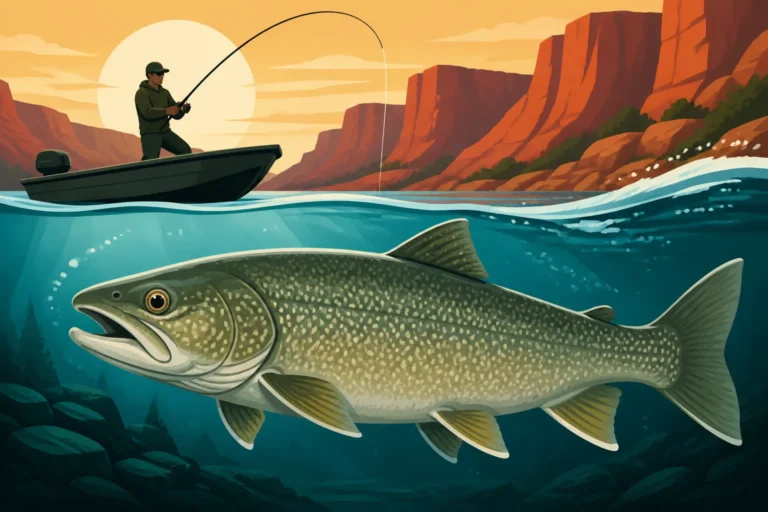
Brown Trout: Wyoming's Brown Trout are known for their predatory nature and often grow to impressive sizes in the Bighorn. They are a highly sought-after species by fly anglers due to their aggressive strikes and strong fights. The Bighorn's structure, with its ample cover from undercut banks and woody debris, provides perfect ambush points for these territorial fish. They feed heavily on nymphs, streamers, and opportunistically on larger dries during specific hatches. In the fall, their vibrant spawning colors add to the allure of catching one of these magnificent fish. If you're looking for a true Wyoming trophy, the Bighorn's browns are certainly up to the task, especially during their fall spawning runs for Wyoming Brown Trout.
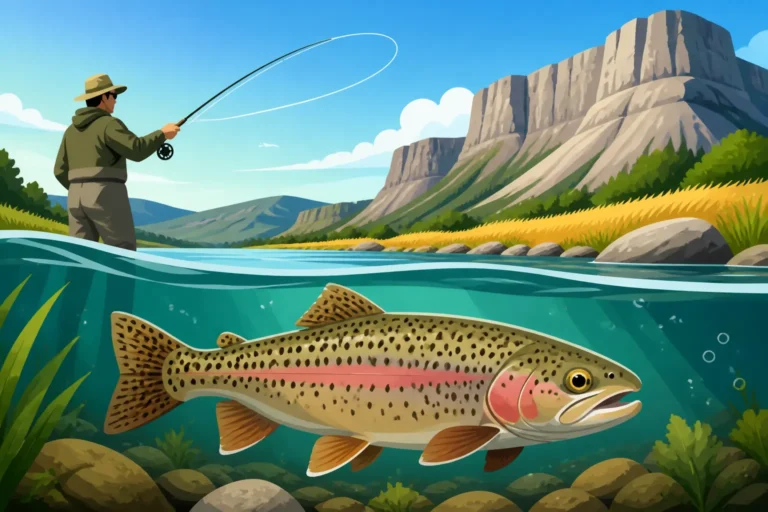
Rainbow Trout: The Bighorn is also home to a very strong population of Rainbow Trout. These acrobatic fighters are often eager to rise to a dry fly or aggressively take a nymph or streamer. They exhibit incredible growth rates in the Bighorn due to the abundant food sources. Many anglers appreciate rainbow trout for their consistent feeding habits and the energetic fight they put up once hooked. Their strong numbers mean that even on tougher days, you often have a good chance of connecting with a few of these beautiful, silver-sided fish. They are a staple of the Bighorn experience and contribute significantly to its reputation.
Factors Contributing to Their Health
The Bighorn's trout thrive primarily due to the consistent cold, nutrient-rich water released from the bottom of Boysen Dam. This tailwater effect creates an ideal, stable environment year-round, preventing extreme temperature fluctuations that can stress fish. The water temperature rarely gets too warm in summer or too cold in winter, maintaining optimal conditions for trout metabolism and growth. This stable temperature also allows aquatic insects to hatch consistently, providing a perpetual buffet for the trout.
Beyond temperature, the substrate of the Bighorn River is incredibly rich, fostering a dense population of aquatic invertebrates. You'll find huge numbers of midges, caddisflies, and mayflies, along with scuds and sowbugs, which are the primary food source for the resident trout. This incredible "bug factory" translates directly into fat, healthy fish that are always looking for their next meal. Furthermore, the river's habitat—a mix of deep pools, riffles, and runs with plenty of cover—offers ideal conditions for trout to grow large and robust, escaping predation and finding ample food. The efforts of the Wyoming Game and Fish Department in managing the fishery also play a crucial role, ensuring healthy populations through regulations and stocking practices when necessary.
Average Size and Trophy Potential
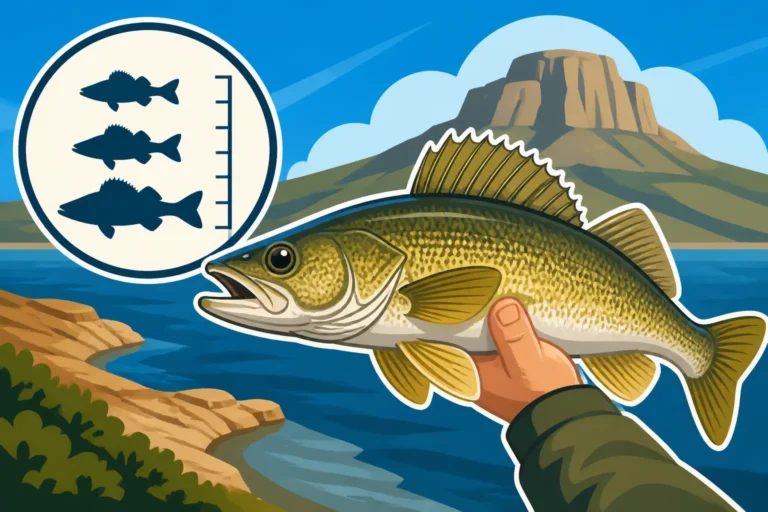
Many anglers visiting the Bighorn River can expect to consistently catch trout in the 14-18 inch range, which is a fantastic average for any river system. These aren't small, dinky fish; they are typically solid, hard-fighting trout. But the Bighorn also holds genuine trophy potential. It's not uncommon for anglers to hook into brown trout and rainbow trout pushing over 20 inches, with some exceeding 24 inches on occasion. These larger fish are often found in the deeper, more complex sections of the river, requiring a bit more skill and presentation, but the rewards are certainly there.
The trophy potential is especially pronounced during the cooler months, particularly in the fall when the brown trout are migrating and aggressive, and during the pre-spawn periods for rainbows in late winter/early spring. These are the times when the biggest fish are often most vulnerable and active. While landing a true "hawg" is never guaranteed, the Bighorn River offers a legitimate chance at a fish of a lifetime, making it a truly exciting destination for those chasing big trout.
Best Fly Fishing Techniques and Seasons for the Bighorn
To truly unlock the Bighorn River's potential, understanding the right techniques and when to deploy them is crucial. The river offers diverse opportunities throughout the year, each with its own charm and challenges.
Seasonal Breakdown for Consistent Action
-
Spring (March-May): As winter gives way, spring on the Bighorn is all about consistent nymphing. Midges are hatching almost constantly, and you'll start to see early season caddis and some mayfly activity. Water levels are stable, and the fish are actively feeding after the colder months. It’s also a fantastic time for streamer fishing, especially for aggressive brown trout. Look for opportunistic dry fly action on warmer, overcast days. This is a great time to be on the river before summer crowds.
-
Summer (June-August): Summer on the Bighorn is prime dry fly season! Tricos, PMDs, and Caddis hatches can be prolific, especially in the mornings and evenings. Terrestrials like hoppers, ants, and beetles become very effective, particularly during the heat of the day when fish are looking for larger meals along the banks. While dry fly fishing can be exceptional, deep nymphing rigs still account for many fish, especially in the brighter, midday hours. Be prepared for varying conditions and carry a diverse fly box. This is also a popular time, so planning your access is important.
-
Fall (September-November): Many consider fall to be the absolute best time to fish the Bighorn, largely due to the aggressive nature of the brown trout preparing for their spawn. Streamer fishing becomes incredibly productive for targeting these larger, predatory fish. Nymphing remains consistently effective, and you'll still encounter good dry fly hatches, particularly with Blue Winged Olives (BWO's) and larger midges. The cooler temperatures and stunning fall foliage add to the overall experience, making it a truly magical time to be on the water. This is when you can really target those trophy fish, often actively moving into shallower areas.
-
Winter (December-February): Don't overlook the Bighorn in winter! While conditions can be cold, the fishing can be surprisingly good and the crowds minimal. Nymphing is the primary technique, focusing on tiny midge patterns and scuds. Fish congregate in deeper, slower pools, conserving energy. Overcast days with light snow can often trigger exceptional midge hatches, leading to incredible dry fly opportunities, even in the dead of winter. It's a serene and rewarding time for the dedicated angler, offering a peaceful solitude rarely found during other seasons. Just remember to bundle up and pack plenty of layers!
Recommended Techniques: Nymphing, Dry Fly, and Streamers
The Bighorn River is a versatile fishery, and you’ll likely employ a mix of techniques depending on the season, time of day, and what the fish are telling you.
Nymphing: This is arguably the most consistent and productive technique on the Bighorn year-round. Given the river’s abundant aquatic insect life, trout are almost always feeding sub-surface. A standard indicator nymphing rig with two flies, such as a midge larva/pupa, a caddis larva, or a sowbug/scud pattern, is highly effective. You’ll want to pay close attention to depth and weight to ensure your flies are drifting naturally in the feeding lane. Understanding nymphing techniques for Wyoming tailwaters is crucial here. Focus on seams, riffle edges, and the heads of deeper pools where fish are actively holding and feeding. During colder months, trout tend to hug the bottom in slower, deeper water.
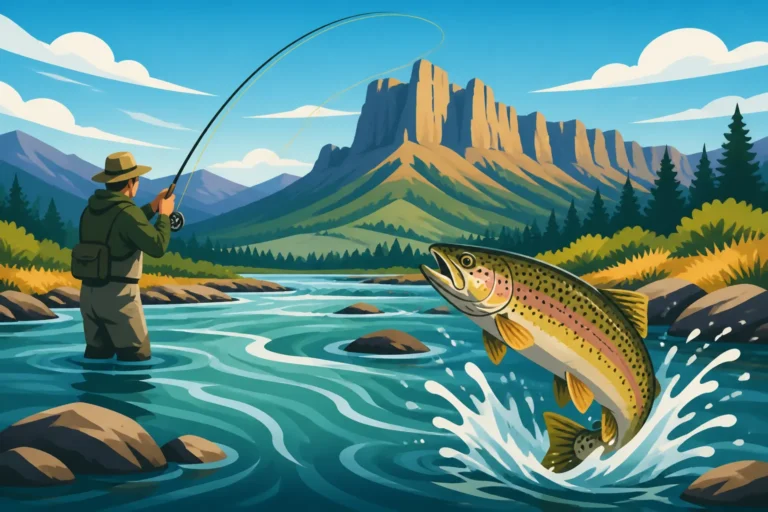
Dry Fly Fishing: When the hatches are on, there's nothing quite like dry fly fishing on the Bighorn. From massive trico hatches in the summer mornings that blanket the water with tiny insects, to prolific caddis and PMD emergences, trout regularly come to the surface. Matching the hatch on Wyoming rivers is critical, so observe what's flying around and what the fish are keying in on. Even during non-hatch periods, presenting a well-placed attractor pattern or a terrestrial can illicit an aggressive strike. The Bighorn's clear water and often slower currents demand precise casts and drag-free drifts for success.
Streamer Fishing: For those chasing the biggest brown trout, streamer fishing is a must. This technique involves imitating baitfish, leeches, or larger insects that trout prey upon. Stripping streamers through deep pools, along cut banks, or through riffles can provoke incredibly aggressive takes, often from the largest, most territorial fish in the river. This technique is particularly effective in fall when brown trout are at their most aggressive, or on overcast days and during higher flows. Experiment with different colors and sizes, but don't be afraid to throw something big – the Bighorn's trout can handle it!
Specific Fly Patterns for Different Seasons and Hatches
Having the right flies in your box is like having the right tools for a job; it just makes everything easier. While local fly shops near the Bighorn are the best source for up-to-the-minute hatch information, here’s a general rundown:
- Midges: Zebra Midges (black, red, olive, purple, sizes 18-22), Griffith's Gnat (dry, sizes 18-22), Top Secret Midge (larva, sizes 18-22). These are year-round staples, especially in winter.
- Mayflies: Pheasant Tail Nymph (sizes 16-20), Barr's Emerger (sizes 16-20), Sparkle Dun (dry, sizes 16-20), Parachute Adams (dry, sizes 16-20). For smaller BWO hatches, go down to size 22.
- Caddis: LaFontaine's Sparkle Pupa (sizes 14-18), Graphic Caddis (nymph, sizes 14-18), Elk Hair Caddis (dry, sizes 14-18).
- Scuds & Sowbugs: Ray Charles (gray, tan, sizes 16-20), Sowbug patterns (gray, tan, sizes 16-20). These are crucial bottom-feeders.
- Streamers: Woolly Buggers (black, olive, brown, sizes 4-8), Sculpzillas (sizes 4-8), Sex Dungeons (articulated, larger sizes). Don't forget white/chartreuse for aggressive takes.
- Terrestrials: Hopper patterns (Dave's Hopper, Morrish Hopper, sizes 8-12), Ant patterns (Cinnamon Ant, Black Ant, sizes 14-18), Beetle patterns (Foam Beetle, sizes 14-16). These are key for summer afternoons.
For a general overview of effective flies for various trout, you might find articles on best Wyoming fly patterns for Cutthroat Trout helpful, even if the species differ slightly, many of the core patterns cross over. Remember, local intel from places like Wyoming Fly Fishing or shops in Thermopolis or Worland will be invaluable for specific, daily recommendations.
Accessing the Bighorn River and Planning Your Trip
The Bighorn River, while offering world-class fishing, does require a bit of planning to access effectively. It's not as easily reached as some of the more populated river systems, which often contributes to its less crowded feel.
Public Access Points and Float Options
The primary access for the Bighorn River in Wyoming is found in the Thermopolis area. The first several miles below Boysen Dam are known as the "Wedding of the Waters" and offer some bank fishing opportunities. However, the most productive sections are often accessed via drift boat or raft. There are designated put-in and take-out points, but these can be limited, so understanding your float plan is crucial. Popular put-ins include the launch near the dam and other points downstream, with take-outs often near public bridges or designated ramps. Some private land runs along the river, so being aware of easements and public access points is paramount to avoid trespassing. Always carry a current map, such as those provided by the Wyoming Game and Fish Department, to ensure you are legally accessing the water.
While wade fishing is possible in certain sections, especially in lower flows, the Bighorn is truly optimized for float fishing, allowing anglers to cover more water and access prime holding lies that are inaccessible from shore. This means either bringing your own drift boat or raft, or hiring a guide who provides one. Always check current river flows before heading out, as conditions can change.
Guided vs. DIY Trips: Which is Right for You?
Guided Trips: For many, especially first-timers to the Bighorn, a guided trip is an excellent investment. A local guide brings invaluable knowledge of current conditions, hatches, and the best fishing spots. They provide the drift boat, all necessary gear (if you don't have your own), and expert instruction. This allows you to focus purely on fishing and learning the river. Guides on the Bighorn often have years of experience navigating its currents and knowing where the big fish hide. If you're looking to maximize your chances of success, cover the most water, and gain deep insight into the river, booking a guide through platforms like FishingBooker or directly with local outfitters is highly recommended. For information on what to expect, read about hiring a fishing guide in Wyoming.
DIY Trips: If you have your own boat, experience floating rivers, and are comfortable reading water, a DIY trip can be incredibly rewarding and cost-effective. However, it requires significant pre-trip research. You’ll need to understand the public access points, potential hazards on the river, and current regulations. Carrying your Wyoming fishing license in the field is a must, and knowing how Bag and Possession Limits Work in Wyoming is critical for any fish you plan to keep. While more challenging logistically, the independence and satisfaction of a successful DIY trip are unparalleled. Many experienced anglers enjoy the puzzle of figuring out a new river on their own, and the Bighorn offers plenty of opportunities for this.
Logistics: Accommodations and Local Services
The primary hub for fishing the Bighorn River in Wyoming is Thermopolis. This charming town offers a range of accommodations, from motels and hotels to vacation rentals. You'll find local restaurants, gas stations, and, crucially, a couple of excellent fly shops. These local fly shops are goldmines of information, offering up-to-the-minute hatch reports, local fly patterns, and advice on river conditions. They can also help with gear, flies, and often connect you with local guides.
For those looking for a more immersive experience, there are also a few lodges and cabins located closer to the river, offering easy access to the water. Some of these may even offer guided packages. When planning your trip, consider the time of year. Peak seasons will naturally see more demand for accommodations and guides, so booking well in advance is advisable. Remember to secure your Wyoming fishing license beforehand, either online or at a local vendor, to avoid delays. For more general guidance, check out Best Fishing Spots Near Cody, Wyoming, as Cody is another access point in the broader region.
| Season | Primary Techniques | Key Fly Patterns (Examples) | Access/Conditions | Target Species |
|---|---|---|---|---|
| Spring | Nymphing, Streamers, some Dry | Zebra Midge, Pheasant Tail Nymph, Woolly Bugger, BWO Sparkle Dun | Stable flows, occasional runoff, increasing activity | Rainbow, Brown |
| Summer | Dry Fly, Nymphing, Terrestrials | Trico Spinner, PMD Emerger, Elk Hair Caddis, Hopper patterns, Ray Charles | Good clarity, peak hatch activity, warmer temps | Rainbow, Brown |
| Fall | Streamers, Nymphing, Dry Fly | Sex Dungeon, Sculpzilla, Barr's Emerger, BWO Parachute Adams | Cooler temps, aggressive browns, vibrant scenery | Brown (Trophy), Rainbow |
| Winter | Nymphing, occasional Dry Fly | Top Secret Midge, Zebra Midge, Scuds, Griffith's Gnat | Cold, minimal crowds, deeper, slower water | Rainbow, Brown |
The Bighorn River, for those willing to make the journey, certainly lives up to its reputation as a world-class fly fishing destination in Wyoming. It's a river that promises consistent action, the chance at truly impressive trout, and a more serene experience compared to some of its more bustling counterparts. Whether you choose to hire a guide or embark on a DIY adventure, the Bighorn is sure to leave a lasting impression.
Disclaimer
Please remember that fishing regulations, conditions, and access points can change. Always consult the most current Wyoming Game and Fish Department regulations before planning any fishing trip. Safety should be your top priority, especially when wading or floating rivers.