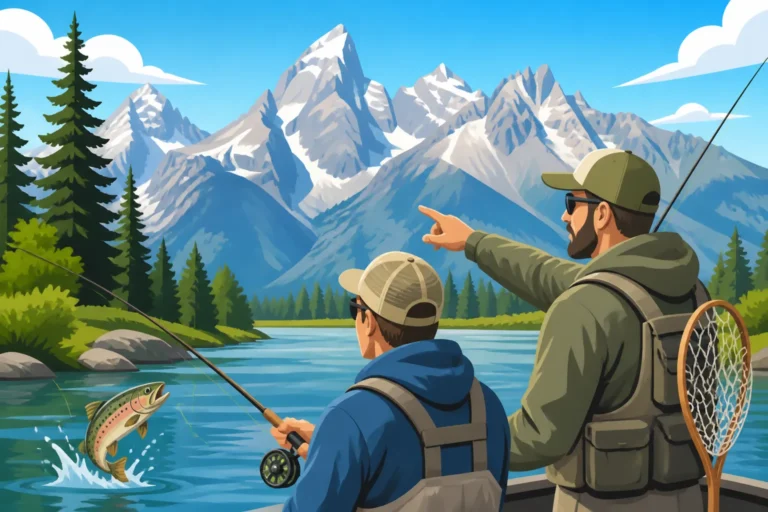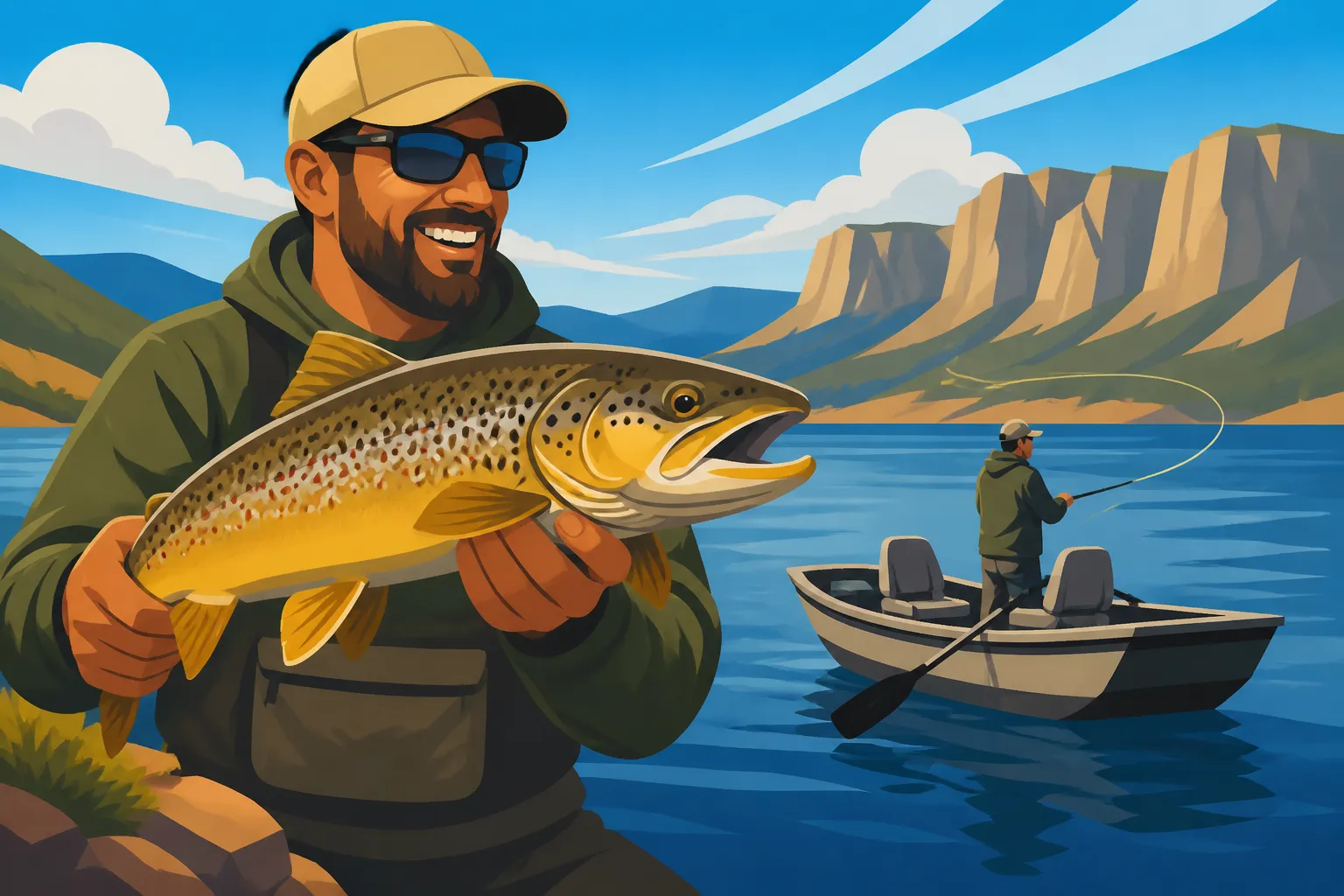
Guided Fishing on Wyoming’s Boysen Reservoir
Boysen Reservoir is an incredible expanse of water, but its sheer size and diverse fisheries can feel completely overwhelming, especially if you're visiting for the first time or looking to target a specific species. This guide is designed to cut through that confusion, helping you understand why a guided fishing trip on Boysen Reservoir is often the best way to unlock its secrets, what you can expect from such an adventure, and how to make the most of your time on the water.
Why Consider a Guided Trip on Boysen Reservoir?
Boysen Reservoir, nestled in central Wyoming, isn't just a pretty lake; it's a massive, complex ecosystem offering everything from trophy walleye to feisty rainbow trout and elusive sauger. But with over 20,000 acres of water and countless coves, points, and submerged structures, trying to go it alone can feel like searching for a needle in a haystack. This is where a seasoned local guide truly shines, transforming a potentially frustrating day into a memorable and successful fishing experience.
Navigating the Vast Waters
Imagine launching your boat onto Boysen Reservoir with no real plan beyond "find some fish." You might spend hours cruising, trying different spots, and still come up empty. Boysen's contours are intricate, with deep channels, submerged islands, rock piles, and vast flats. Knowing where the fish are at any given time depends on factors like water temperature, time of year, recent weather patterns, and forage availability. A local guide has spent countless hours on these waters, building up a mental map of productive areas, seasonal migration routes, and optimal depths. They understand how fish relate to specific structures, whether it's a rocky drop-off or a silty flat. They know which coves offer shelter from the wind and which points concentrate baitfish, leading to hungry predators. This isn't knowledge you can get from a map; it's earned through dedication and time on the water.
Unlocking Boysen's Diverse Fisheries
Boysen Reservoir boasts an impressive variety of game fish, each requiring different techniques, baits, and approaches. You might be dreaming of landing a wall-hanger walleye, but accidentally spend your day fishing trout water with the wrong presentation. Or perhaps you want to experience the thrill of a hard-fighting brown trout, but you're jigging a walleye spoon in the wrong depth. A guide specializes in these distinctions. They'll have the right gear rigged for the target species, whether it's trolling crankbaits for deep-water walleye, casting spoons for aggressive trout near a rocky shore, or vertical jigging for sauger in the river channel. They're equipped to pivot throughout the day if conditions change or if one species isn't biting, maximizing your chances for a diverse catch. This means you get to spend more time fishing productively and less time fumbling with tackle or guessing where to cast.
Learning from the Experts
Beyond just putting you on fish, a guided trip is an incredible educational opportunity. Many anglers view a guide as simply someone who takes them to fish, but it's so much more. Think of it as a hands-on masterclass. Your guide can teach you how to properly cast, how to detect subtle bites, how to fight different species, and the nuances of various techniques like Jigging for Walleye at Boysen Reservoir. They'll explain why they're fishing a particular spot or using a specific lure. You'll gain insights into fish behavior, local ecology, and effective presentation strategies that you can then apply to your future fishing endeavors, both on Boysen and elsewhere. This knowledge transfer is invaluable, turning you into a more skilled and confident angler. It’s a chance to truly immerse yourself in the art and science of fishing, going beyond just catching fish to understanding the entire process.
What to Expect from a Guided Boysen Reservoir Trip
Embarking on a guided fishing trip on Boysen Reservoir is an adventure, and knowing what to expect can help you prepare and fully enjoy the experience. While every guide and outfitter may have slightly different offerings, there are some common elements that make up a typical guided day on these magnificent waters. Most reputable guides operating on Wyoming waters will ensure you have a seamless and productive outing, focusing on your safety, comfort, and success.
Typical Day on the Water
Your day will usually begin early, often meeting your guide at a designated boat ramp or a local lodge near Boysen State Park. After a brief chat about the day's plan – what species you'll target, expected conditions, and any specific preferences you might have – you'll head out onto the reservoir. Expect to spend a full or half-day on the water, typically ranging from 4 to 8 hours. The guide will handle all the boat operation, navigating to prime fishing spots using their intimate knowledge of the reservoir and advanced electronics. You'll be provided with quality fishing gear, ready and rigged for the chosen technique, whether it's trolling for big lake trout, casting for rainbow trout, or vertical jigging for walleye. Throughout the day, the guide will be actively involved, helping you cast, re-rig lines, unhook fish, and offer advice. Lunch, snacks, and drinks are often provided on full-day trips, allowing you to focus purely on the fishing. They might even stop on a scenic shoreline for a midday break.
Gear, Bait, and Licensing Covered
One of the biggest advantages of a guided trip is that you don't need to worry about bringing expensive rods, reels, or a tackle box filled with every lure imaginable. Reputable Boysen guides typically supply all the necessary high-quality fishing equipment, including rods, reels, line, and a vast array of proven lures and live bait appropriate for the season and target species. This means you don't have to invest in specialized gear that you might only use once or twice a year.
However, while the fishing gear is provided, your fishing license is typically not included. You will need to purchase a valid Wyoming fishing license before your trip. Your guide can often advise you on the best license option for your trip duration, such as a daily or annual license. For non-residents, options like Wyoming's Annual, Daily and Five-Day License Options are available. Don't forget to ask about the Wyoming Conservation Stamp too; many licenses require one, and your guide can clarify if it's necessary for your specific permit. It's crucial to have your license in hand (or on your person, like a digital copy on your phone) before stepping on the boat, as Wyoming Game and Fish wardens conduct routine checks.
Safety First: What Guides Provide
Your safety is paramount on any guided trip, especially on a large body of water like Boysen Reservoir, where conditions can change rapidly. Licensed guides are required to carry all necessary safety equipment on board, including Coast Guard-approved personal flotation devices (PFDs) for everyone, a first-aid kit, a throw cushion, fire extinguisher, and proper lighting and signaling devices. They are experienced boat operators, trained in safe navigation and emergency procedures. Many guides also monitor local weather forecasts closely and won't hesitate to adjust plans or cancel a trip if conditions are deemed unsafe. They'll instruct you on basic boat safety, how to move around the vessel, and what to do in an unexpected situation. This professional approach to safety allows you to relax and fully enjoy the fishing experience, knowing you're in capable hands. Don't hesitate to ask your guide about their safety protocols; a good guide will be happy to outline them.
Targeting Boysen Reservoir's Key Species with a Guide
Boysen Reservoir is a true angler's paradise, offering a diverse array of fish species that appeal to all skill levels. While you might have a particular fish in mind, a guided trip gives you the flexibility to target whatever is biting best or to focus on the species Boysen is most famous for. Your guide's expertise means you'll be using the right techniques and presentations to maximize your chances, whether you're after a trophy or just a fun day of catching.
Walleye: The Boysen Star Attraction
Without a doubt, walleye are the reigning kings of Boysen Reservoir, drawing anglers from all over the region. What Size Boysen Reservoir Walleye Are Running is a common question, and Boysen often delivers impressive answers. These toothy predators are known for their delicious white meat and challenging bite, making them a highly sought-after game fish. A guided trip focused on walleye will see your guide employing a variety of proven tactics, adapting to the season and fish behavior.
In spring and early summer, walleye might be found shallower, lingering around rocky points and submerged humps after spawning. Trolling crankbaits or casting jigs tipped with a worm or minnow can be incredibly effective during this time. As summer progresses and water temperatures rise, walleye often retreat to deeper, cooler waters, concentrating around structure like the old river channel or deeper flats. This is when precision trolling with planer boards, bottom bouncers, or downriggers comes into play, often targeting specific depths where fish are holding. Your guide will interpret their electronics to locate schools of fish and baitfish, placing your lure right in the strike zone. They'll also know the nuances of Boysen Reservoir's Best Walleye Water and the specific lures that are producing on any given day. Come fall, walleye can become very aggressive as they feed heavily before winter, offering some of the best opportunities for larger fish.
Rainbow and Brown Trout Tactics
While walleye might steal the spotlight, Boysen Reservoir offers fantastic opportunities for trout, primarily rainbow and brown trout. These species provide a different kind of fight and often inhabit different parts of the reservoir, or different depths, than their walleye counterparts. A good guide will know how to switch gears to target them effectively.
Rainbow trout are abundant in Boysen, with regular stocking efforts supplementing the wild population. They are often found cruising open water, particularly near inflows or areas with cooler temperatures and good oxygen levels. Trolling small spoons, spinnerbaits, or even Rapalas can be very effective for rainbows. They also respond well to bait fishing from shore or anchored boats, using PowerBait, worms, or marshmallows. Brown trout, known for their elusive nature and potential for trophy size, prefer rocky cover and can be more challenging but incredibly rewarding. They are often found near deeper structure, especially during the colder months or early morning/late evening. Streamer fishing or casting larger crankbaits that imitate baitfish can entice a big brown. Your guide will have the knowledge to adapt presentations, whether it's working the shoreline for active rainbows or plumbing the depths for a cunning brown, often switching between tactics throughout the day to find success.
Chasing Sauger and Other Panfish
Beyond the marquee species, Boysen Reservoir is also home to sauger, a close cousin to the walleye, and various panfish like yellow perch and crappie. These species provide excellent action and make for a wonderfully diverse catch, especially for family trips or those looking for consistent bites.
Sauger often inhabit the muddier, slower-moving waters of the reservoir, particularly in the lower reaches of the Wind River arm where it flows into Boysen. They tend to prefer deeper, turbid water and are often caught using similar techniques to walleye, especially vertical jigging with minnows or soft plastics near the bottom. Many anglers appreciate sauger for their aggressive strike and excellent table fare.
Yellow perch are prolific in Boysen and are fantastic targets for beginners and kids due to their willingness to bite. They can be found in schools, often near weed beds, submerged timber, or rocky shorelines. Small jigs, worms, or minnows fished under a bobber are classic perch baits. Crappie also inhabit Boysen, though they can be a bit more localized. They often school around submerged brush piles, fallen trees, or dock structures, and can be caught on small jigs or minnows. Your guide will know the hotspots for these species, providing a fun and action-packed experience, especially on days when the walleye or trout might be more finicky.
Best Seasons and Conditions for Guided Boysen Fishing
Understanding the best times to fish Boysen Reservoir can dramatically impact your success. Wyoming's weather is famously dynamic, and the fishing at Boysen changes significantly with the seasons. A guided trip ensures you're on the water at the optimal time for your target species and that you're prepared for whatever Mother Nature throws your way.
Spring's Awakening: Walleye and Trout Opportunities
Spring is a time of renewed life and activity on Boysen Reservoir, and it's often considered one of the best times to fish, especially for walleye. As the ice melts (typically late March or April, depending on the year), fish become very active, feeding heavily after the long winter. This pre-spawn and early post-spawn period for walleye is phenomenal, with fish moving into shallower, warmer areas to reproduce. Your guide will often target rocky shorelines, points, and river inflows where walleye congregate. Trolling shallow-running crankbaits or casting jigs can yield impressive results during this window.
Rainbow and brown trout also become more active in the cooler spring waters, cruising the shallower bays and feeding on emerging insects or baitfish. Shore fishing can be productive, but a guide in a boat can access prime spots that aren't reachable from land. The weather can be unpredictable, with warm, sunny days quickly turning to cold, windy conditions, or even snow. Your guide will be prepared with a comfortable boat and knowledge of sheltered spots, but dressing in layers is absolutely crucial.
Summer Strategies for Deeper Waters
As summer heats up, Boysen Reservoir truly shines as a multi-species fishery, but the tactics shift. Walleye, after their initial shallow bite, will move to deeper, cooler waters, often congregating around submerged structures, deep humps, or the old river channel. This is when sophisticated trolling patterns with downriggers or bottom bouncers become essential, precisely placing lures at the depth where fish are holding. Your guide will rely heavily on their fish finders and GPS to locate these deep-water schools.
Trout will also seek out cooler depths, making early mornings and late evenings or overcast days the most productive times for casting in shallower areas. Mid-day trout fishing often requires targeting deep thermoclines. Perch and crappie fishing can be excellent throughout the summer, often found in weed beds or around submerged brush piles, providing consistent action for anglers of all ages. Summer is also prime time for boating and enjoying the scenic beauty of Boysen State Park, making a guided trip a fantastic family outing. Best Season to Fish Glendo Reservoir or other Wyoming reservoirs might have different peak times, but for Boysen, summer offers consistent diverse action if you know where to look, and a guide certainly does.
Fall: Trophy Hunting and Pre-Ice Action
Fall is a truly magical time to fish Boysen Reservoir, often offering the chance at some of the largest fish of the year. As water temperatures begin to drop, many species go on a feeding frenzy in preparation for winter. This is particularly true for walleye, which can be incredibly aggressive. They'll move back into shallower to mid-depth ranges, gorging on baitfish. Trolling, casting large crankbaits, or jigging can all be highly effective. This period, especially from late September through October, is often cited as the Best Time of Year to Book a Boysen Walleye Guide if you're chasing a trophy.
Brown trout also become more active and aggressive in the fall as they prepare for their spawning run, offering excellent opportunities for larger specimens. Perch and crappie continue to bite well until the water gets very cold. The cooler temperatures and vibrant fall foliage make for a beautiful day on the water, often with fewer crowds than in peak summer. However, similar to spring, fall weather can be highly variable, so layering warm clothing is essential.
Winter Ice Fishing Expeditions
Yes, Is There Ice Fishing at Boysen Reservoir? is a question often asked, and the answer is a resounding yes! Once the reservoir freezes solid, usually from December through March, Boysen transforms into a popular ice fishing destination. Guided ice fishing trips offer a unique and comfortable way to experience this winter wonderland, especially for those new to the sport.
Guides will typically provide heated shelters, all the necessary ice fishing gear (rods, reels, bait, lures), and an ice auger to drill holes. They'll use portable sonar units to locate fish under the ice, often targeting walleye, sauger, rainbow trout, and perch. Ice fishing is a fantastic social activity and a great way to enjoy the quiet beauty of a Wyoming winter. The key advantage of a guide during ice fishing is their knowledge of safe ice conditions and where to set up for the best action, eliminating the guesswork and ensuring a safe, warm, and productive day.
| Season | Primary Target Species | Common Techniques | Key Considerations |
|---|---|---|---|
| Spring | Walleye, Rainbow Trout | Trolling crankbaits, Jigging, Casting | Pre-spawn/Post-spawn bite, Variable weather, Shallow fish |
| Summer | Walleye, Trout, Perch, Crappie | Deep trolling, Vertical jigging, Bait | Fish hold deeper, Early/late day for shallower bites |
| Fall | Walleye, Brown Trout | Trolling, Casting big baits, Jigging | Trophy hunting, Aggressive feeding, Cooler temps |
| Winter | Walleye, Trout, Perch | Ice jigging, Tip-ups | Safe ice access, Heated shelters, Unique experience |
Choosing the Right Boysen Reservoir Fishing Guide
Deciding to hire a fishing guide for Boysen Reservoir is a smart move, but choosing the right guide for your specific needs and expectations is crucial. There are many excellent guides out there, and finding one that aligns with your fishing style, target species, and group dynamics will make all the difference for a truly memorable experience. This isn't just about catching fish; it's about the entire journey.
Vetting Experience and Specializations
When looking for a guide, start by researching their experience and what species or techniques they specialize in. Some guides are renowned for their walleye prowess, while others might excel at putting clients on trophy trout or providing a fantastic multi-species family outing. Don't be shy about asking questions:
- How long have you been guiding on Boysen Reservoir?
- What species do you primarily target, and what's your success rate like?
- Do you focus on specific techniques (e.g., trolling, jigging, fly fishing)?
- Can you accommodate my group (e.g., kids, beginners, experienced anglers)?
A truly experienced guide will have a deep understanding of Boysen's seasonal patterns, fish behavior, and productive spots. They should also be fully licensed and insured, which is a non-negotiable for your safety and peace of mind. Websites like FishingBooker often list guides with their specializations, reviews, and licensing information, making it easier to compare options. Reading client testimonials and checking out their social media (if they have it) can also give you a good feel for their guiding style and previous successes.
Understanding Trip Inclusions and Costs
Before booking, make sure you have a clear understanding of what's included in the trip price. Most guides will cover:
- Use of a fully equipped boat and fuel
- High-quality fishing rods, reels, and tackle
- All necessary lures and bait
- Guidance and instruction
- Fish cleaning and packaging (often)
What's often not included are your personal fishing license (as discussed earlier, remember Wyoming Fishing Regulations Every Angler Should Know), gratuities for the guide (which are customary), and sometimes food and drinks for shorter trips. Some guides might offer half-day, full-day, or even multi-day options, with varying prices based on duration and the number of anglers. For instance, Guided Walleye Trip Cost at Boysen Reservoir will fluctuate based on these factors. Always confirm the final price, including any taxes or booking fees, and what payment methods they accept. Don't be afraid to ask for a detailed breakdown if anything is unclear. Transparency upfront prevents any surprises later on.
Booking and Communication Tips
Once you've found a guide that seems like a good fit, the next step is booking. Boysen Reservoir is a popular destination, especially during peak seasons (spring walleye run, summer, fall trophy season), so it's wise to book well in advance. Many guides, especially the highly sought-after ones, can be booked up months ahead. Platforms like FishingBooker allow you to check availability and book directly.
Effective communication with your guide both before and after booking is key.
- Before the trip: Discuss your expectations, target species, group size, and any physical limitations. Ask about what you should bring (clothing, snacks, sunscreen) and where to meet. Confirm their cancellation policy in case of bad weather or unforeseen circumstances.
- During the trip: Don't hesitate to ask questions. Your guide is there to help you learn and have a good time.
- After the trip: A simple thank you goes a long way. If you had a great experience, consider leaving a review. This helps other anglers find quality guides and supports the guide's business. Good communication ensures everyone is on the same page and helps tailor the trip to be exactly what you're looking for.
Preparing for Your Boysen Reservoir Adventure
A guided fishing trip on Boysen Reservoir is meant to be a relaxing and enjoyable experience, but a little preparation on your part can go a long way in ensuring your comfort and maximizing your fun. Knowing what to bring and understanding some basic etiquette will help you get the most out of your time on the water.
Essential Personal Gear Checklist
While your guide provides the fishing equipment, there are several personal items you'll need to bring to stay comfortable and prepared throughout the day:
- Wyoming Fishing License: Absolutely essential! Purchase it online from the Wyoming Game and Fish Department website or from a licensed vendor before your trip. Make sure you have the correct type and any required stamps, like the Wyoming Conservation Stamp Cost.
- Appropriate Clothing: Wyoming weather is notorious for its sudden changes. Dress in layers, even in summer. Include a waterproof and windproof jacket, especially for boat rides across the open reservoir. A warm hat and gloves are wise for spring, fall, and certainly winter ice fishing.
- Sun Protection: Sunglasses (polarized are highly recommended for glare reduction and spotting fish), a wide-brimmed hat, and high-SPF sunscreen are crucial, as the sun's reflection off the water can be intense.
- Food and Drink: While some guides include lunch on full-day trips, it's always a good idea to bring extra snacks and water, especially if you have dietary restrictions or simply prefer your own provisions. Confirm with your guide what they provide.
- Small Backpack/Dry Bag: To keep your personal items organized and protected from spray or rain.
- Camera/Phone: To capture those memorable catches and scenic views. Just make sure it's secure or in a waterproof case!
- Medications: Any personal medications you need throughout the day.
- Cooler (Optional): If you plan to keep your catch, bringing a cooler to transport fillets home can be convenient, though your guide often has one on board for the day and will clean and bag your fish.
Remember, less is often more on a boat. Bring what's necessary but avoid overpacking, as space can be limited.
On-the-Water Etiquette and Tipping
A guided trip is a partnership between you and your guide, and a little respect and good manners go a long way.
- Listen to Your Guide: They are the expert on their boat and their water. Pay attention to their instructions regarding safety, casting techniques, and fish handling.
- Be Mindful of Noise: Excessive noise can spook fish. Try to keep conversations at a reasonable volume and avoid banging things around in the boat.
- Ask Before Moving: On a rocking boat, sudden movements can be dangerous. Always let your guide know if you need to move around or use the facilities.
- Respect the Gear: While the guide provides the equipment, treat it with care. If you break something, be upfront about it.
- Tipping: Tipping your guide is customary and very much appreciated, similar to tipping in other service industries. A general guideline is 15-20% of the total trip cost, assuming you had a good experience. If your guide went above and beyond, consider a higher tip. They work hard to ensure your success and enjoyment. You can always ask directly if gratuity is already included, though it rarely is.
Understanding Catch and Release on Guided Trips
Wyoming, and specifically Boysen Reservoir, practices careful fisheries management to maintain healthy fish populations. While many anglers enjoy keeping some fish for dinner, catch and release is also a common practice, especially for larger or protected species. Your guide will be well-versed in Catch-and-Release Rules on Wyoming Waters and will instruct you on proper fish handling techniques to ensure the fish's survival if you choose to release it. This includes:
- Minimizing Handling: Keep the fish in the water as much as possible.
- Wet Hands: Always wet your hands before touching a fish to protect its slime coat.
- Support the Fish: Support its full body weight, especially for larger fish, avoiding pressure on the belly.
- Quick Release: Remove the hook quickly and gently, using needle-nose pliers or a de-hooker.
- Revive If Necessary: Hold the fish gently in the water, facing into a current, until it swims away under its own power.
Some guides might have a policy of releasing all trophy-sized fish or certain species to support conservation. Discuss your preferences for keeping fish versus catch-and-release with your guide beforehand so everyone is on the same page. Your guide will also clean and package any legal fish you decide to keep, making your post-trip cleanup a breeze.
Beyond the Guide: Boysen Reservoir Resources
Even with a fantastic guide, being aware of the broader context of fishing Boysen Reservoir, including regulations and local amenities, enhances your overall experience. Boysen State Park offers a lot to visitors, and understanding the resources available can help you plan a more comprehensive trip.
Local Regulations and Conservation Efforts
Wyoming Game and Fish Department (WGFD) works tirelessly to manage and conserve the state's incredible fisheries. This means regulations are in place to ensure sustainable fishing for future generations. Your guide will always adhere to these rules, but it's good for you as an angler to be generally aware of them. For instance, Wyoming Fishing Regulations Every Angler Should Know includes specific bag and possession limits for different species, minimum size requirements, and bait restrictions that can vary by water. Boysen Reservoir, due to its diverse fishery, may have specific rules for walleye, sauger, and trout that differ from a smaller stream.
Conservation isn't just about regulations; it's about respectful angling practices. Practicing proper catch and release, picking up any trash, and being mindful of wildlife are all part of being a responsible angler. The WGFD also conducts stocking programs for species like rainbow trout to enhance fishing opportunities. Being informed helps you appreciate the efforts that go into maintaining Boysen as a premier fishing destination.
Accommodations and Nearby Attractions
Boysen Reservoir is located within Boysen State Park, which offers a variety of amenities that make it a great destination for more than just a day trip.
- Camping: The state park provides numerous campgrounds, ranging from developed sites with hookups to more primitive areas. This allows you to combine your guided fishing trip with a camping adventure.
- Lodging: Nearby towns like Shoshoni and Riverton offer motels, hotels, and a few cabins if you prefer indoor accommodations. Some fishing lodges might also offer packages that include both lodging and guided trips, like those found on FishingBooker.
- Boating and Water Sports: Beyond fishing, Boysen is popular for water skiing, jet skiing, sailing, and swimming during the warmer months.
- Wildlife Viewing: The area around Boysen Reservoir is rich in wildlife, including deer, antelope, various bird species, and occasionally larger mammals. Don't forget your binoculars!
- Hiking: Several trails within Boysen State Park and the surrounding areas offer opportunities for hiking and enjoying the high desert and mountain scenery.
Planning your guided trip in conjunction with exploring these other attractions can turn a simple fishing outing into a full-fledged Wyoming adventure, offering something for every member of your group. Whether you're staying at a campground within the park or a hotel in Riverton, Boysen Reservoir is an accessible and rewarding destination.
Disclaimer
This article is for general informational purposes only and does not constitute professional advice. Laws, prices and regulations vary by location and change over time. Consult a qualified professional for guidance on your specific situation.