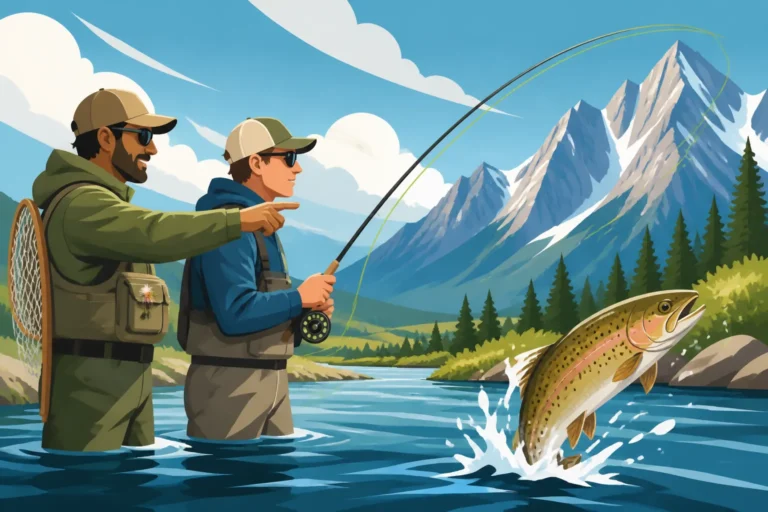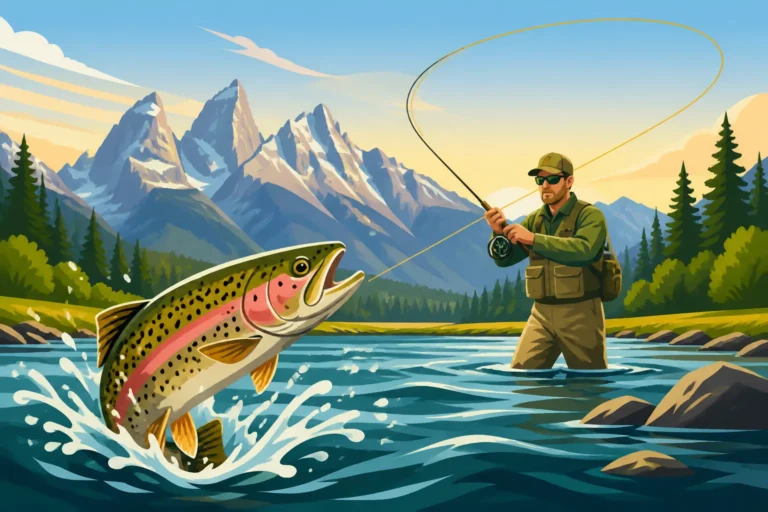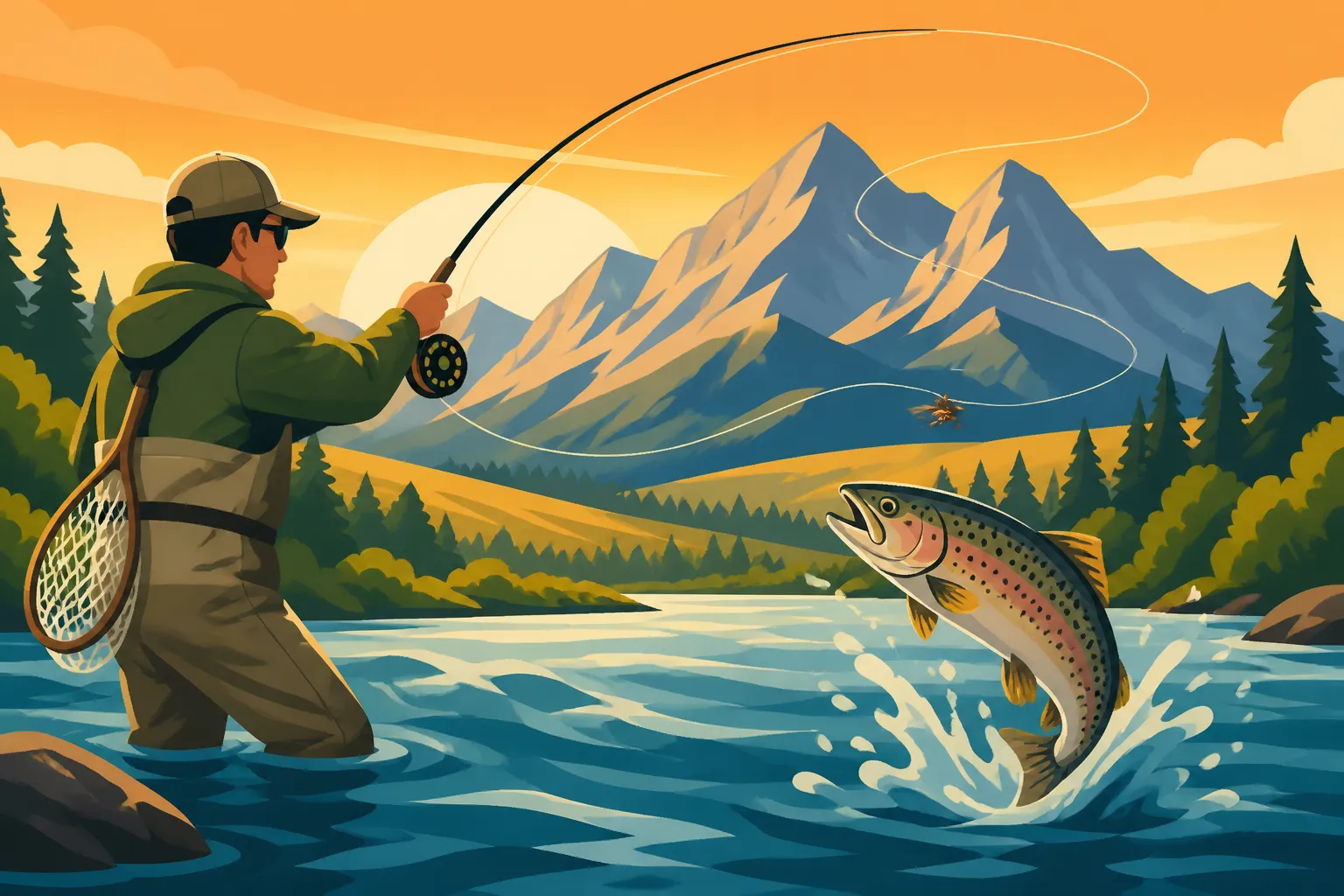
Guided Fishing on the Yellowstone River in Wyoming
Trying to navigate the incredible, yet sometimes intimidating, waters of the Yellowstone River for a fishing trip can feel like a daunting task, especially when you're dreaming of those vibrant cutthroat trout but aren't quite sure where to begin. Between understanding the unique regulations of a national park, knowing the best spots, and figuring out what gear to bring, it’s easy to get overwhelmed. This guide is here to walk you through everything you need to know about booking a guided fishing trip on the Yellowstone River, ensuring a memorable and successful adventure on this iconic waterway.
Why Consider a Guided Trip on the Yellowstone River?
Fishing the Yellowstone River is a bucket-list experience for many anglers, and for good reason. It's an absolutely stunning river, flowing through the heart of some of the most pristine wilderness in the country. However, its beauty comes with a unique set of challenges. This isn't your average local pond or easy-access trout stream. A guided trip can transform a potentially confusing and frustrating day into a truly rewarding one, letting you focus on the joy of fishing rather than the logistics.
Navigating Complex Regulations and Waters
One of the biggest hurdles when planning a trip to the Yellowstone River, particularly within Yellowstone National Park, is the intricate web of regulations. These aren't just your standard statewide fishing rules; they include specific park-mandated requirements designed to protect its unique ecosystem, especially the native Yellowstone Cutthroat Trout. It can be a lot to take in, from special catch-and-release rules to specific bait restrictions and even limitations on certain types of hooks in designated areas.
A professional guide lives and breathes these rules. They've spent countless hours studying the Wyoming Fishing Regulations Every Angler Should Know and the very specific Fishing Rules Inside Yellowstone National Park. They know exactly which stretches of the river are open, what species you can target, and how to stay compliant with the law, ensuring you don't accidentally run afoul of the park's strict conservation efforts. This peace of mind is invaluable, allowing you to relax and enjoy the fishing without constantly second-guessing if you're doing something wrong. Imagine the frustration of reeling in a beautiful fish only to realize you were using the wrong type of hook for that particular section of the river – a guide helps you avoid such pitfalls entirely.
Maximizing Your Catch and Experience
Let's be honest, we all want to catch fish. And on a river as vast and dynamic as the Yellowstone, knowing where to find those fish is half the battle. This river changes with the seasons, the weather, and even the time of day. What was a hot spot last week might be barren today. What worked in the morning might not work in the afternoon. This is where the guide's local knowledge truly shines. They spend their lives on these waters, reading the currents, understanding insect hatches, and tracking fish movements.
A skilled guide will take you to the most productive spots, often places that aren't easily accessible or obvious to the uninitiated. They know the subtle nuances of the river – the perfect riffle where trout are stacking up, the quiet eddy holding a trophy brown, or the deep pool where a cutthroat might be lurking. Beyond just finding fish, they'll equip you with the right techniques, whether it's perfecting your nymphing presentation, choosing the ideal dry fly to match a hatch, or teaching you how to mend your line for the perfect drift. They'll help you refine your skills, offer invaluable tips, and ultimately, increase your chances of a successful and fulfilling day on the water, whether you're a seasoned angler or a complete novice.
Safety and Logistics on a Wild River
The Yellowstone River, particularly within the park, flows through truly wild country. While breathtaking, this also means potential hazards. Swift currents, hidden submerged obstacles, unpredictable weather, and the ever-present possibility of wildlife encounters (bears and bison, anyone?) are all part of the experience. For someone unfamiliar with the river, these elements can be intimidating and even dangerous.
A professional guide not only knows the river intimately but is also trained in wilderness first aid and river safety. They know how to navigate treacherous sections, what to do in case of an emergency, and how to safely handle wildlife encounters. Beyond safety, they take care of all the logistical headaches. This means boat launching, transportation, packing lunches, and ensuring you have all the necessary gear. You simply show up, step into the boat or tie on your waders, and let them handle the rest. This frees you up to fully immerse yourself in the natural beauty and the thrill of the chase, knowing you're in capable hands.
What to Expect from a Yellowstone River Guided Trip
So, you're convinced a guide is the way to go – fantastic! Now, what does a typical guided trip on the Yellowstone River actually look like? While every outfitter has their own style, there are some common elements you can generally count on. Understanding these expectations will help you choose the right trip for your goals and ensure you arrive prepared and excited.
Types of Guided Trips Available
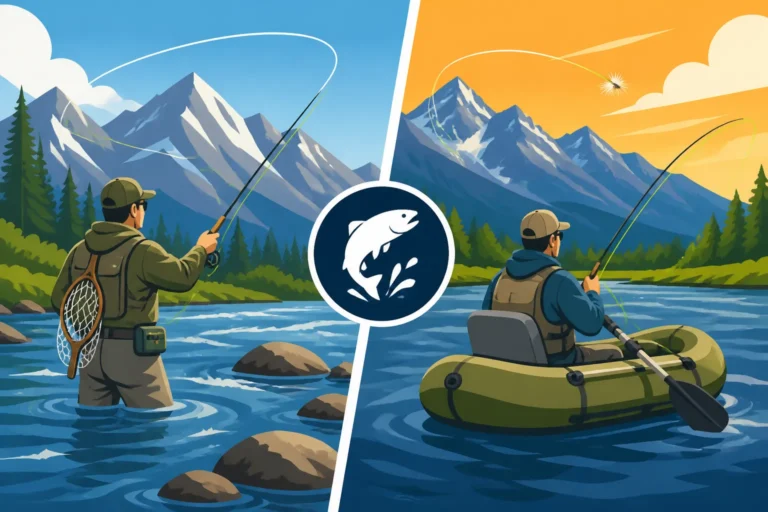
The Yellowstone River offers a diverse range of fishing experiences, and guides cater to these variations. The most common options are float trips and wade trips, and often a combination of both. Float trips, usually in drift boats or rafts, allow you to cover significant stretches of water, accessing areas that might be difficult to reach on foot. This is fantastic for seeing more of the river and hitting multiple prime spots. You'll cast from the boat, and often pull over to wade promising sections. These trips are very popular on the Yellowstone River, especially outside the park boundaries.
Wade trips, on the other hand, focus on specific, productive sections of the river that are best fished by stepping into the water. This allows for a more intimate experience with the river, letting you explore pockets, riffles, and seams up close. Some guides offer full-day excursions, which typically run 8-10 hours, providing ample time to explore different sections and techniques. Half-day trips, usually 4-5 hours, are a great option if you're short on time, want to ease into the experience, or are fishing with younger anglers. Many outfitters also specialize in fly fishing, while others cater to spin fishermen, so it's worth checking their expertise when booking.
Gear, Tackle, and Provisions
One of the great advantages of hiring a guide is that they typically provide much of the necessary equipment. You won't have to worry about packing a cumbersome arsenal of rods, reels, or fly boxes. Most guided trips include high-quality rods and reels, a wide selection of flies or lures suited to the current conditions, and all the terminal tackle you'll need. Some even provide waders and boots, which is a huge bonus if you don't own them or prefer not to travel with them. However, always confirm what is included when you book, as offerings can vary.
Beyond fishing gear, guides usually take care of essential provisions for the day. For a full-day trip, expect a delicious streamside lunch, often with snacks and drinks to keep you energized. Half-day trips might include snacks and beverages. It’s a wonderful touch that adds to the overall experience, allowing you to relax and refuel in a beautiful setting. The guide will also bring all necessary safety equipment, like first aid kits and often a satellite communicator for remote areas. Even with all this provided, remember to discuss What's Included in a Wyoming Snake River Guided Float Trip (which often applies to Yellowstone too, with slight variations) and if there are any personal items you're still expected to bring.
Typical Target Species and Techniques
The Yellowstone River is most famous for its trout fishing, particularly the native Yellowstone Cutthroat Trout, which holds a special place in the hearts of anglers. These beautiful fish, with their distinctive red "slash" marks under their jaw, are a primary target within Yellowstone National Park's boundaries. Outside the park, you'll also find healthy populations of Rainbow Trout and Brown Trout, offering a diverse angling experience. Guides are experts at identifying the current dominant hatches and selecting the appropriate flies or lures to entice these fish.
For techniques, fly fishing is incredibly popular on the Yellowstone River. Guides will often set you up with nymph rigs, dry-dropper setups, or help you perfect your dry fly presentation when the fish are rising. Streamer fishing can also be highly effective, especially for larger brown trout. If you're new to fly fishing, your guide will offer patient instruction and tips. For those who prefer spin fishing, guides will know which lures or baits (where legal) are most effective for the target species. The goal is always to tailor the experience to your skill level and preferences, ensuring you have the best possible chance to hook into some incredible Wyoming fish. Learning Fly Fishing Techniques for Wyoming Trout Streams can give you a head start!
| Trip Type | Duration | Typical Inclusions | Experience Level | Key Benefits |
|---|---|---|---|---|
| Full-Day Float Trip | 8-10 hours | Guide, boat, rods/reels, flies/lures, lunch, drinks, snacks | Beginner to Advanced | Covers most water, access remote spots, comprehensive instruction |
| Half-Day Float Trip | 4-5 hours | Guide, boat, rods/reels, flies/lures, snacks, drinks | Beginner to Intermediate | Shorter commitment, good for families, introduction to river |
| Full-Day Wade Trip | 8-10 hours | Guide, rods/reels, flies/lures, lunch, drinks, snacks | Intermediate to Advanced | Intimate river experience, focus on specific productive spots |
| Half-Day Wade Trip | 4-5 hours | Guide, rods/reels, flies/lures, snacks, drinks | Beginner to Intermediate | Great for learning specific techniques, less physically demanding |
Choosing the Right Guide and Outfitter
Selecting the right guide is crucial to the success and enjoyment of your Yellowstone River fishing trip. Just like choosing any professional service, it pays to do your homework. A good guide isn't just someone who knows how to fish; they're an educator, a safety officer, a conversationalist, and a steward of the environment.
Licensing and Permits: What to Look For
This is absolutely non-negotiable. Any guide operating on the Yellowstone River, especially within Yellowstone National Park, must be properly licensed and permitted. Within the national park boundaries, guides need special permits issued by the National Park Service in addition to their state outfitter and guide licenses. These permits ensure that guides are insured, meet safety standards, and operate within environmental guidelines. An unlicensed guide is not only operating illegally but may also compromise your safety and contribute to unregulated fishing pressure on the resource.
Don't be shy about asking a potential guide or outfitter about their licensing and permits. Reputable operations will be transparent and proud to show you their credentials. This is particularly important when considering fishing inside Yellowstone National Park, as the park has very stringent requirements. Always verify that your guide and their outfitter are legitimate. You can often check with the Wyoming Board of Outfitters and Professional Guides for state licenses, and outfitters operating in the park will prominently display their NPS authorized concessioner status. For more detailed information, look into License Requirements for Booking a Wyoming Fishing Guide.
Experience and Specialization
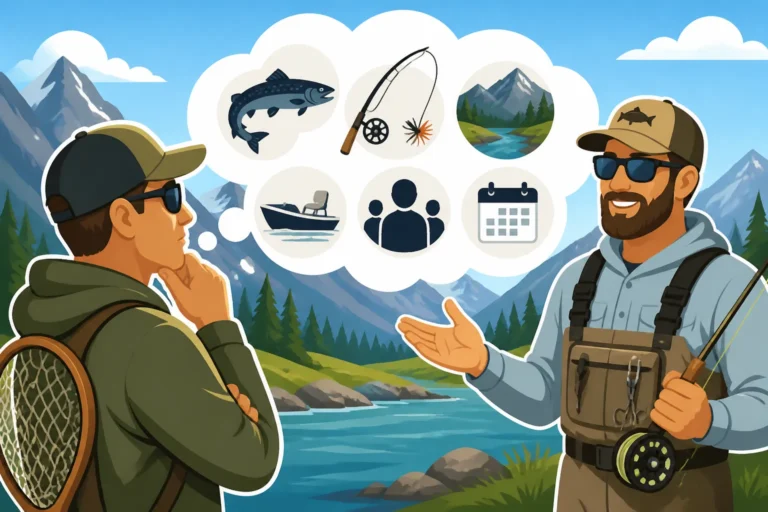
The Yellowstone River is a diverse fishery, and guides often have their own areas of expertise. When choosing, consider what kind of experience you're seeking. Are you a seasoned fly fisherman looking to target trophy Cutthroat Trout Fishing in Wyoming with dry flies? Or are you a beginner hoping to learn the basics of casting and hook setting? Some guides specialize in specific techniques like fly fishing exclusively, while others are proficient in both fly and spin fishing.
Furthermore, consider the guide's experience with the specific sections of the Yellowstone River you wish to fish. A guide who primarily works the lower river outside the park might not have the same intimate knowledge of the headwaters inside the park, where rules and fish behavior can differ significantly. If you're planning a family trip, look for guides who advertise family-friendly excursions and have experience working with children. Don't hesitate to ask about their guiding philosophy, their typical success rates, and what kind of fish you can realistically expect to encounter during your chosen season.
How to Research and Book a Guide
The digital age makes researching and booking a guide easier than ever, but it also means sifting through a lot of information. Start by reading reviews on platforms like Google, Yelp, and specialized fishing forums. Pay attention to consistent themes – are guides praised for their patience, their knowledge of the river, their teaching skills, or their overall professionalism? Look at outfitters’ websites to get a feel for their approach and the types of trips they offer.
Online booking platforms like FishingBooker can be incredibly helpful resources. They aggregate many licensed guides and outfitters in one place, allowing you to compare options, read verified reviews, and often book directly. This streamlines the process and ensures you're connecting with legitimate operations. Once you've narrowed down your choices, reach out to a few potential guides directly. Ask them questions about their experience, what their trips entail, and what they recommend for your specific goals. A good guide will be happy to chat and answer all your questions, helping you feel confident in your choice. Booking well in advance, especially for peak season, is always a good idea to secure your preferred dates and guide.
Preparing for Your Yellowstone River Adventure
Once you've booked your guided trip on the Yellowstone River, the next step is getting ready! While your guide will handle most of the heavy lifting regarding gear and planning, there are still a few personal preparations that will make your trip much more comfortable and enjoyable.
Essential Personal Gear and Clothing
Wyoming weather can be notoriously unpredictable, especially in the mountains where the Yellowstone River flows. It's not uncommon to experience all four seasons in a single day! Therefore, layering is key. Start with a moisture-wicking base layer, add an insulating mid-layer like fleece, and top it with a waterproof and windproof outer shell. Even on sunny days, a sudden rain shower or a cool breeze can drop temperatures quickly. Don't forget a hat for sun protection and warmth, sunglasses (polarized are a huge advantage for spotting fish), and sunscreen.
While guides often provide waders and boots, if you have your own comfortable set, it might be worth bringing them. If not, make sure the outfitter knows your shoe and wader size well in advance. Beyond clothing, a small backpack for personal items, a camera to capture the stunning scenery (and your catches!), and any personal medications are good additions. Consider also bringing insect repellent, especially during the warmer months, as mosquitoes and other bugs can be present. Your guide will provide a detailed list, but thinking about these essentials beforehand will ensure you're comfortable no matter what Mother Nature throws your way.
Your Wyoming Fishing License and Park Pass
This is a critical item that you are responsible for obtaining before your trip. Even if you have a guide, you, as the angler, must possess a valid Wyoming fishing license. If your trip takes you into Yellowstone National Park, you'll need a specific Yellowstone National Park fishing permit in addition to your Wyoming state license, as the park's regulations override state laws within its boundaries. Do not show up without these documents; you won't be allowed to fish.
You can purchase your Wyoming fishing license online through the Wyoming Game and Fish Department website, or at various vendors throughout the state. The Yellowstone National Park fishing permit can be purchased online or at visitor centers and ranger stations within the park. It's a good idea to purchase these a few weeks in advance to avoid any last-minute stress. Always keep your license and permit easily accessible while fishing, as park rangers and game wardens may check them. Review What License You Need to Fish Inside Yellowstone for more specifics on park requirements.
Tipping Etiquette and Expectations
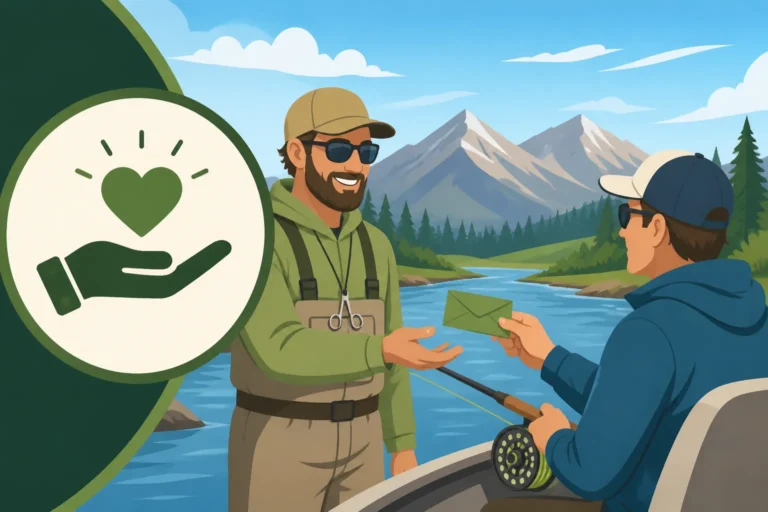
Just like with any service industry, tipping your fishing guide is customary and highly appreciated, reflecting their hard work, expertise, and dedication to making your trip a success. While there's no strict rule, a general guideline is to tip 15-20% of the trip's total cost. This amount should be adjusted based on your satisfaction with the guide's performance. Did they go above and beyond? Were they patient and helpful? Did you have a fantastic time, regardless of the number of fish caught?
Consider tipping your guide directly at the end of your trip, in cash if possible. This ensures they receive the full amount promptly. Remember, guides work incredibly long hours, often starting well before dawn to prepare and cleaning up long after you've left. Their income heavily relies on these gratuities. Even if the fish aren't biting, if your guide put in the effort, shared knowledge, and provided a great experience, a generous tip is a fantastic way to show your appreciation. For more insights, check out Tipping Etiquette for Wyoming Fishing Guides.
Specific Sections of the Yellowstone River for Fishing
The Yellowstone River is a long and diverse waterway, and its character, regulations, and fishing opportunities change significantly depending on whether you're inside or outside the national park boundaries. Understanding these distinctions is key to planning your guided adventure.
Upper Yellowstone River (Inside Yellowstone National Park)
The stretches of the Yellowstone River that flow within Yellowstone National Park are legendary. This is the heart of the native Yellowstone Cutthroat Trout fishery, and the park maintains very strict regulations to protect this species. Fishing here is often an exercise in conservation and appreciation for wild, native fish. Most fishing inside the park is strictly catch-and-release, with specific tackle restrictions (often barbless hooks, artificial lures only). The scenery is unparalleled, with bison often grazing streamside and geysers steaming in the distance.
Access points within the park are well-defined, and guides operating here have specialized permits and deep knowledge of the specific rules for each section. For instance, some areas may have different opening and closing dates than others, or specific access limitations to protect sensitive wildlife. Float trips inside the park are generally prohibited on the Yellowstone River, so guided trips here usually involve wade fishing. This offers a truly immersive experience, allowing you to walk the banks, carefully approach pools, and stalk rising trout in an undisturbed setting. It's a fantastic place for fly fishing enthusiasts looking for a challenge and a chance to connect with truly wild fish.
Lower Yellowstone River (Outside the Park)
Once the Yellowstone River leaves the boundaries of Yellowstone National Park and flows north into Montana (and briefly into Wyoming again before Montana), the character of the fishery and the regulations change. Here, you'll find a more diverse mix of trout species, including larger Brown Trout and Rainbow Trout, in addition to Cutthroat. The regulations transition from the park's specific rules to state-level fishing regulations, which are generally more liberal regarding catch-and-keep opportunities and bait choices (though artificials remain dominant for trout).
This lower stretch of the river is more accessible for float trips, with guides offering scenic and productive drift boat excursions. These floats allow anglers to cover a greater amount of water, hitting various riffles, runs, and deeper holes that hold larger fish. While still wild and beautiful, the river here often flows through a mix of private and public lands, requiring guides to know the nuances of access. The fishing pressure can sometimes be higher, but a good guide will know how to find less-pressured water. This section of the Yellowstone offers excellent opportunities for anglers looking for a chance at a bigger trout or a more varied catch, often in a more relaxed regulatory environment than inside the park.
When to Plan Your Trip: Best Seasons and Conditions
Timing is everything when it comes to fishing the Yellowstone River. Each season brings its own set of challenges and rewards, influencing fish behavior, water conditions, and the overall experience. A knowledgeable guide can help you pick the perfect window for your angling goals.
Spring Fishing: Challenges and Rewards
Spring on the Yellowstone River, typically April through early June, is a season of transition. As the snow melts and mountain streams swell, the river often enters its "runoff" phase, characterized by high, cold, and often muddy water. This can make fishing challenging, as visibility is low and fish tend to hug the banks or deeper, slower pools. However, it's not without its rewards. Early spring, before the full force of runoff, can offer excellent fishing opportunities as trout begin to feed more actively after winter.
As runoff starts to clear, usually towards late May or early June, you might encounter strong hatches of stoneflies or caddis, bringing fish to the surface. A guided trip during this time can be particularly beneficial, as guides know exactly where to find the clearer water pockets or how to adjust techniques for challenging conditions. They can navigate the higher flows safely and help you present larger, more visible flies or lures that penetrate the murky water. While not always the easiest season, the spring can offer solitude and the thrill of catching a powerful fish in robust water. You might want to consider Wyoming Spring Fishing: What to Expect to understand these conditions better.
Summer Fishing: Peak Season Considerations
Summer, from mid-June through August, is arguably the most popular time to fish the Yellowstone River. The water levels typically stabilize, clarity improves, and insect hatches are abundant and varied. This is prime dry fly season, with a plethora of caddis, mayflies, and terrestrials (like hoppers and ants) creating exciting surface action. The longer days mean more time on the water, and the warmer weather makes for a comfortable outing.
However, summer also brings peak tourism. This means more anglers on the river, especially in easily accessible areas and within Yellowstone National Park. Crowds can be a factor, and fire restrictions due to dry conditions are common. A guide's expertise here is invaluable for finding less-pressured water and knowing when and where the best hatches are occurring. They'll help you navigate the busy spots and get you into fish. This is also the time when high-elevation lakes and smaller tributaries become fully accessible, offering additional opportunities. If you're planning for summer, consider Wyoming Summer Fishing: Peak Season Tips.
Fall Fishing: Trophy Opportunities
Fall, from September through October, is a favorite season for many experienced anglers on the Yellowstone. As temperatures cool and the days shorten, the fishing can truly heat up, particularly for larger trout. Brown Trout, in particular, become more aggressive as they prepare for their spawning runs, often moving into shallower waters and actively feeding on larger prey. Streamer fishing can be incredibly effective during this time, targeting those ambitious browns.
The crowds begin to thin out after Labor Day, offering a more peaceful experience on the river. The changing autumn foliage creates a spectacular backdrop, adding to the beauty of the trip. While hatches might be less prolific than in summer, there are still strong emergers and terrestrial activity. Water conditions are typically stable and clear, making for excellent sight fishing. Fall is often considered the best season to target trophy-sized fish on the Yellowstone River, making a guided trip highly desirable for those seeking a shot at a true lunker. Just be prepared for colder mornings and potentially brisk afternoons, so layers are still essential.
Disclaimer
This article is for general informational purposes only and does not constitute professional advice. Laws, prices and regulations vary by location and change over time. Consult a qualified professional for guidance on your specific situation.