Guided Lake Trout Trip Cost at Flaming Gorge
Heading out to Flaming Gorge Reservoir, dreaming of hooking into one of those legendary Mackinaw lake trout, is an incredible experience. But if you're like many folks, you might be scratching your head, wondering what a guided trip for these magnificent fish actually costs and what you truly get for your money. It's not always a straightforward price tag, and understanding the variables can save you both stress and unexpected expenses. This guide is here to shed some light on the various elements that come into play when planning your guided lake trout adventure on Flaming Gorge, helping you budget wisely and choose the right trip for you.
Understanding the Factors Influencing Guided Trip Costs
When you start looking at guided lake trout trips on Flaming Gorge, it quickly becomes clear that there's a pretty wide spectrum of options, and therefore, a range of financial commitments. It's not just a flat fee; several key factors come together to determine the overall price point of your experience. Think of it less as a fixed menu item and more like building a custom order, where each choice you make influences the final investment.
Trip Duration and Experience Level
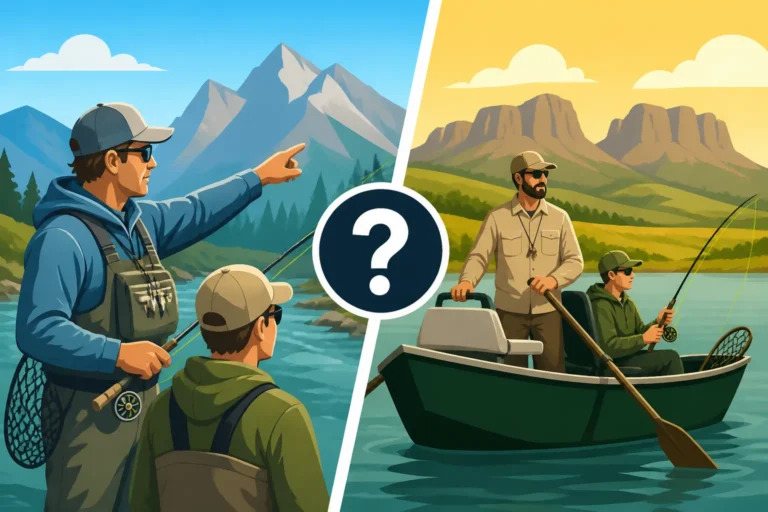
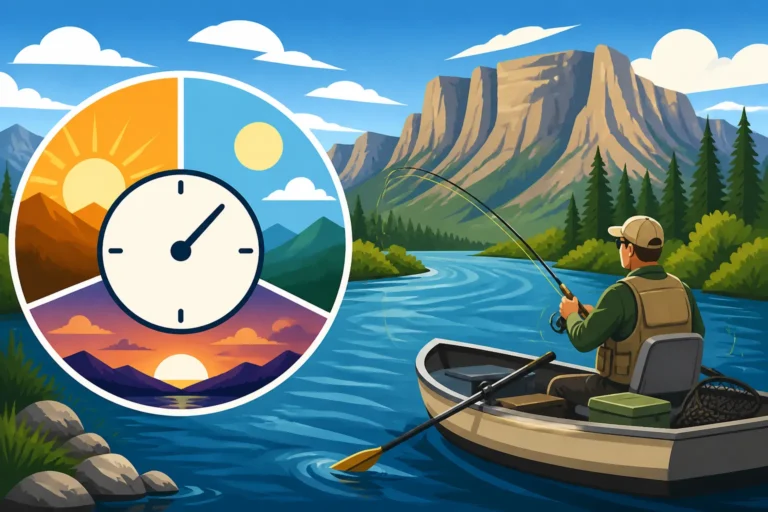
One of the most significant cost drivers for any guided fishing trip, especially for something as specialized as targeting lake trout on a vast water body like Flaming Gorge, is the length of time you'll be out on the water. You'll typically find options for both half-day and full-day excursions. A half-day trip, as the name suggests, offers a more condensed experience, usually around four to five hours. This can be a fantastic choice for those on a tighter schedule, or for beginners who want a taste of the action without committing to a full day. Naturally, a shorter trip length often translates to a lower initial outlay, making it a more accessible entry point for many anglers.
However, a full-day trip, which can run anywhere from eight to ten hours, provides a much more immersive experience. With more time, your guide has the opportunity to cover more water, try different techniques, adapt to changing conditions, and truly dial into where the big lake trout are holding. This extended time often leads to more fishing opportunities and a greater chance of landing that trophy fish you've been dreaming about. While the cost is higher, the value in terms of sustained effort, diverse tactics, and sheer time on the water chasing Lake Trout (Mackinaw) Fishing in Wyoming can be substantial. For serious anglers or those wanting to maximize their chances, a full-day trip is often the preferred choice, despite the higher price point.
Group Size and Private vs. Shared Charters
Another major component of your trip's cost involves how many people will be joining you and whether it's a private or shared experience. The industry standard for guided fishing typically involves per-boat pricing, with a certain number of anglers included and an additional charge for each extra person up to the boat's capacity. If you're going solo or with just one other person, a private charter means you have the guide and the boat entirely to yourselves. This offers maximum flexibility, personalized attention, and the ability to dictate the pace and focus of the day. This exclusivity, however, usually comes at a premium.
On the other hand, some outfitters might offer shared or "open boat" trips, where you join other individuals or small groups. These are less common for specialized trips like deep-water lake trout trolling, but they can sometimes be an option. While a shared trip might have a lower per-person cost, you'll be sharing the guide's attention and the boat space, and the itinerary might be less tailored to your specific preferences. Most commonly, you'll be booking a private trip for your party, and the price will reflect the number of anglers in your immediate group. It's always worth asking if there are options for additional anglers beyond the standard included number, as this can affect the total cost.
Inclusions and Exclusions
What's covered in the base price of your guided trip can vary significantly from one outfitter to another, and these details can dramatically impact the "real" cost. Most reputable guides operating on Flaming Gorge will include essential gear like rods, reels, and specialized tackle needed for Trolling Techniques for Wyoming Reservoirs and deep-water lake trout fishing. They'll also typically provide bait, lures, and often bottled water. However, beyond these basics, the inclusions can differ.
Some premium trips might offer a packed lunch, snacks, or even beverages. Others might require you to bring your own. A big consideration is the Wyoming fishing license and the Wyoming Conservation Stamp, which are almost never included in the trip price. You'll be responsible for purchasing these beforehand. Guides are licensed to operate but not to sell you licenses on the spot. Make sure to factor in the Wyoming Nonresident Fishing License Cost or Wyoming Resident Fishing License Cost as an additional, mandatory expense. Furthermore, things like gratuities for your guide (which are customary) and any fish cleaning or packaging services might also be extra. Always clarify what's included to avoid any surprises when budgeting for your guided Guided Lake Trout Trip Cost at Flaming Gorge.
What to Expect from a Guided Lake Trout Trip at Flaming Gorge
A guided lake trout trip on Flaming Gorge is more than just a boat ride; it's an educational and exhilarating adventure. When you invest in a guide, you're not just paying for access to a boat and gear; you're tapping into years of local knowledge, experience, and the specialized techniques required to consistently find and hook these often-elusive fish in such a massive and diverse reservoir.
Typical Activities and Techniques
Lake trout, especially the larger ones that Flaming Gorge is famous for, typically inhabit deeper, colder waters. This means your guided trip will most likely involve specialized tactics like trolling with downriggers or lead core line, or potentially vertical jigging in specific deep structures. Your guide will be equipped with high-tech sonar and GPS systems to locate fish, identify underwater contours, and navigate the vast expanse of the reservoir. They'll know the current patterns, the depth at which the lake trout are feeding, and which lures or baits are most effective on any given day.
You might spend a significant portion of your day slowly trolling specific depths and areas known for holding fish, perhaps around the Buckboard area or near the dam. The guide will constantly monitor the electronics, adjust speeds, and change lures as needed. If jigging is the target technique, they'll position the boat over submerged features like humps or ledges where lake trout congregate and instruct you on the precise jigging motions needed to entice a bite. This focused approach, guided by an expert, is what truly maximizes your chances of success.
The Expertise of a Local Guide
One of the most valuable aspects of a guided trip on Flaming Gorge is the guide's intimate knowledge of the water. This isn't just about knowing where to go; it's about understanding why the fish are there, when they're most active, and how to best present a lure. A seasoned Flaming Gorge guide has spent countless hours on the water, observing patterns, tracking fish movements, and adapting to the reservoir's ever-changing conditions. They understand the nuances of the season, water temperature, wind patterns, and even barometric pressure – all factors that influence how lake trout behave.
Your guide will be able to interpret the sonar readings, identifying not just fish, but also baitfish schools that indicate prime feeding grounds. They'll teach you the correct way to deploy and retrieve lines, set the hook, and properly fight a powerful lake trout. This local expertise is incredibly difficult to replicate as an unguided angler, especially on a reservoir as complex and large as Flaming Gorge. Their guidance can turn a potentially frustrating day into a memorable success. Many anglers find their guides through platforms like FishingBooker, where they can read reviews and compare specialized local knowledge.
Seasonal Variations and Peak Times
The "best" time for lake trout fishing on Flaming Gorge can vary, and this seasonality can sometimes influence guide availability and potentially pricing structures. While lake trout can be targeted year-round, certain seasons offer distinct advantages. Spring, just after ice-out, can be phenomenal as lake trout become more active. Summer offers consistent deep-water trolling, though the fish often hold in the deepest, coolest sections. Fall is a prime time as lake trout become more aggressive, preparing for the spawn, and can sometimes be found shallower. Even Ice Fishing in Wyoming: A Complete Guide for lake trout on Flaming Gorge is a popular winter activity, with guides specializing in ice shanties and specialized gear.
Understanding Best Month for Lake Trout at Flaming Gorge can help you plan your trip. During peak seasons, guides tend to be booked solid, and you'll need to reserve well in advance. Off-peak times might offer slightly more flexibility or perhaps even special rates, though fewer guides might be operating. The guide’s expertise extends to these seasonal changes, ensuring they put you on fish regardless of the time of year. Always check with outfitters for their specific seasonal recommendations and booking availability, which can sometimes be viewed on aggregated booking sites like FishingBooker.
The Value Proposition of a Guided Trip
When you consider the cost of a guided lake trout trip on Flaming Gorge, it's important to look beyond just the dollar amount and assess the immense value you receive. For many, especially those traveling a long distance or unfamiliar with the area, a guide transforms the entire experience from potentially overwhelming to effortlessly enjoyable and productive.
Maximizing Your Chances for Lake Trout
Let's be honest: Flaming Gorge is enormous. It's over 90 miles long with hundreds of miles of shoreline, and its depths plunge hundreds of feet. Trying to locate a specific species like lake trout, which prefer particular depths and structures, without prior knowledge or specialized equipment, can feel like searching for a needle in a haystack. This is where a guide truly shines. They eliminate the guesswork. They know the current hotspots, the migration patterns, and the subtle cues that indicate where fish are biting.
A guide comes equipped with a boat perfectly suited for the reservoir, advanced electronics, and all the specialized rods, reels, and tackle necessary for deep-water lake trout. This means you don't have to invest in expensive gear or spend precious vacation time figuring out how to use it. Their goal is your success, and they leverage their experience and equipment to put you directly on fish, significantly increasing your chances of landing that trophy How Big Lake Trout Get in Flaming Gorge. For many, the success rate and efficiency a guide provides are well worth the investment.
Learning and Skill Development
Beyond just catching fish, a guided trip is a fantastic educational opportunity. Whether you're a seasoned angler looking to refine your deep-water trolling techniques or a complete novice, a guide acts as a patient and knowledgeable instructor. They'll teach you about lake trout behavior, how to read sonar, the mechanics of downriggers, proper lure presentation, and effective fighting techniques. You'll learn about the unique ecosystem of Flaming Gorge, its geology, and the conservation efforts in place.
Imagine your guide showing you exactly how to work a jig over a submerged rock pile, or explaining why they're switching to a specific colored spoon at a certain depth. These hands-on lessons are invaluable and can significantly improve your fishing skills, making you a more effective angler in the future. Many people book a guided trip not just for the fish, but for the chance to learn from a true professional. It's a skill-building experience that pays dividends on future fishing adventures, even if you decide to go unguided next time.
Stress-Free Planning and Experience
One of the biggest hidden benefits of a guided trip is the complete removal of stress from the planning and execution of your fishing day. There's no need to worry about boat ramps, launching and retrieving a vessel, navigating unfamiliar waters, or monitoring weather conditions. The guide handles all the logistics, from ensuring the boat is ready and fueled to packing safety equipment and checking the forecast.
All you have to do is show up, ready to fish. This convenience allows you to fully relax and immerse yourself in the natural beauty of Flaming Gorge and the excitement of the hunt. This is especially appealing for families or groups where not everyone is an experienced boater or angler. Knowing that a professional is taking care of all the details, leaving you free to enjoy the scenery, the company, and the thrill of the catch, is a significant part of the overall value. It transforms a potentially complex undertaking into a seamless, enjoyable outdoor experience.
How to Budget and Book Your Flaming Gorge Adventure
Now that you have a better idea of what influences the cost and what you get, let's talk about the practical steps for budgeting and booking your guided lake trout trip on Flaming Gorge. A little planning goes a long way in ensuring a smooth and enjoyable experience.
Researching Outfitters and Comparing Options
The first step in planning your trip is to research the various licensed fishing guides and outfitters who operate on Flaming Gorge. Look for guides with specific experience and a strong reputation for targeting lake trout. Many guides specialize in certain species or techniques, so ensure their expertise aligns with your goal of catching Mackinaw. Online search engines are a great starting point, but don't stop there.
Platforms like FishingBooker are excellent resources. These sites aggregate information about numerous charter captains and guides, allowing you to filter by location, species, trip type (half-day, full-day), and read reviews from other anglers. This can give you a good sense of pricing tiers and what different outfitters offer. Always compare several options, paying close attention to what's included in their stated prices. Don't be afraid to call guides directly, ask detailed questions, and get clarity on everything before you commit. Checking out Hiring a Fishing Guide in Wyoming is also a good idea for general guidance.
Considering Additional Costs
While the guided trip fee covers a significant portion of your experience, remember that there are almost always additional costs to factor into your total budget. As mentioned, your Wyoming fishing license and conservation stamp are mandatory and must be purchased separately. You can often do this online through the Wyoming Game and Fish Department website, or at licensed vendors throughout the state. Where and How to Buy a a Wyoming Fishing License can offer more guidance on this.
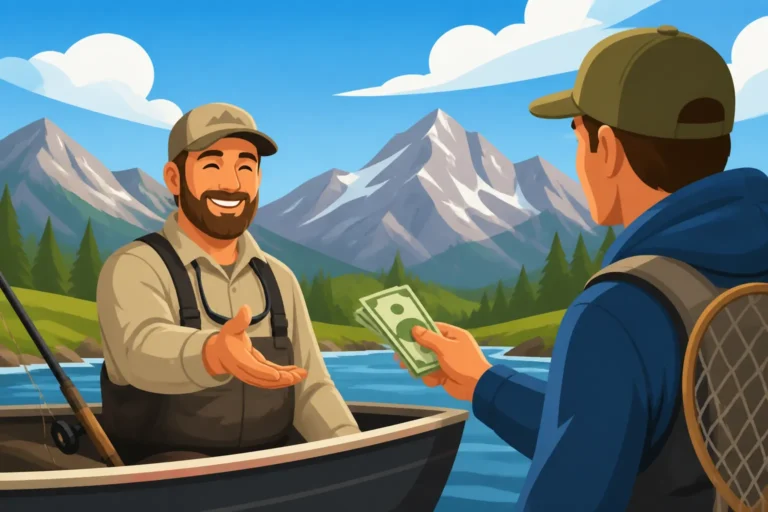
Beyond licenses, remember to budget for customary guide gratuities, which typically range from 15-20% of the trip's cost if you had a good experience. Don't forget travel expenses like fuel to get to Flaming Gorge, lodging if you're staying overnight, and meals. If you plan to keep some fish, there might be costs associated with processing and packaging your catch, especially if you want it frozen for transport. Factor in personal items like sunscreen, sunglasses, appropriate clothing for Wyoming's variable weather, and any snacks or drinks not provided by the guide.
Here's a quick breakdown of common cost components:
| Category | Description | Cost Impact |
|---|---|---|
| Base Trip Fee | Half-day vs. Full-day, Private vs. Shared | High (Primary cost) |
| Additional Anglers | Cost per person beyond standard included in base fee | Moderate (Per additional person) |
| Wyoming Fishing License | Required for all anglers (resident/nonresident) | Low (Fixed fee) |
| Wyoming Conservation Stamp | Required for most annual licenses | Low (Fixed fee) |
| Guide Gratuity | Customary tip (15-20% of trip fee) | Moderate (Variable) |
| Travel & Lodging | Fuel, hotels/campsites, rental car | Variable (Depends on distance) |
| Meals & Snacks | Food not provided by guide | Low (Personal preference) |
| Fish Processing | Cleaning, packaging, freezing fish to take home | Low (Optional) |
| Personal Gear | Sunscreen, hat, rain gear (if not already owned) | Low (Optional) |
Booking Strategies for Best Value
To get the best value for your guided lake trout trip, start planning and booking well in advance, especially if you're aiming for peak season (late spring, summer, or early fall). Popular guides and prime dates can get booked up months ahead of time. This early booking also gives you ample time to save up and finalize your budget.
Consider going during the shoulder seasons (early spring or late fall) if your schedule allows, as there might be more availability and potentially slightly lower rates from some outfitters looking to fill their calendars. Also, be clear about your expectations with the guide. Discuss what kind of experience you're looking for, the target size of fish, and any specific preferences you have. A good guide will communicate openly about what's realistic and ensure your trip aligns with what you're hoping for. Finally, always read the outfitter's cancellation policy carefully, as unforeseen circumstances can arise, and understanding their terms is crucial.
Remember, a guided lake trout trip on Flaming Gorge is an investment in an unforgettable Wyoming adventure. By understanding the cost components and planning ahead, you can ensure a smooth, productive, and truly memorable fishing experience.
Disclaimer
This article is for general informational purposes only and does not constitute professional advice. Laws, prices and regulations vary by location and change over time. Consult a qualified professional for guidance on your specific situation.