Hiring a Fishing Guide in Wyoming
You've set your sights on fishing Wyoming, and honestly, who could blame you? With its legendary trout streams, vast reservoirs, and breathtaking high-alpine lakes, it's an angler's paradise. But let's be real: staring at a map of endless blue lines and lakes, or trying to decipher dense regulations for a river you've never seen, can quickly turn excitement into overwhelm. This guide is here to cut through that confusion, showing you how hiring a fishing guide can transform a potentially frustrating trip into an unforgettable, successful adventure, even for seasoned anglers.
Why Consider a Fishing Guide in Wyoming?
The call of Wyoming's wild waters is undeniable, but actually fishing them effectively is a whole different ballgame. Many anglers, myself included, have spent countless hours scouting, driving, and even getting skunked, simply because we didn't have the insider knowledge. This is where a professional guide truly shines, offering an invaluable shortcut to success, learning, and peace of mind.
Navigating Complex Waters and Regulations
Imagine pulling up to a stunning stretch of the North Platte River, famous for its trophy trout, only to realize you have no idea where the fish are holding, what flies they're eating, or if that particular section has special barbless hook rules. Wyoming's fisheries are incredibly diverse, from the wide-open expanse of Flaming Gorge to the intimate creeks of the Wind River Range. Each one presents its own unique challenges and, often, its own specific set of regulations.
A local guide lives and breathes these waters. They know the subtle seams where browns hide, the depths where lake trout cruise, and the prime spots for walleye. More importantly, they're intimately familiar with the intricacies of the Wyoming Game and Fish Department's regulations. These rules can be a real head-scratcher, covering everything from specific bag and possession limits by species and water body to unique gear restrictions. A guide ensures you're fishing legally and ethically, preventing unintentional violations that could lead to fines or a lost license. They can help you understand nuances like Wyoming Fishing Regulations Every Angler Should Know or how to avoid common pitfalls when Reading the Wyoming Fishing Regulations Booklet. Think of them as your personal interpreter for the wild, wild west of Wyoming fishing.
Maximizing Your Time and Success
Let's face it: vacation time is precious. Nobody wants to spend their hard-earned days off driving aimlessly, struggling with unfamiliar currents, or repeatedly changing flies without a single bite. A fishing guide virtually eliminates this guesswork. Their primary goal is to put you on fish and ensure you have a productive day.
They wake up early, often scouting conditions, water levels, and hatches before you even pour your first cup of coffee. They provide all the necessary gear – high-quality rods, reels, and a vast array of flies, lures, or bait perfectly suited for the conditions and target species. This means you don't have to lug your entire tackle shop across state lines, nor do you have to worry about buying the "right" stuff once you arrive. A guide adapts in real-time to changing weather, water clarity, and fish behavior, adjusting techniques and locations to keep you engaged. You'll spend less time figuring things out and more time with a bent rod, which, after all, is the whole point of a fishing trip!
Learning and Skill Development
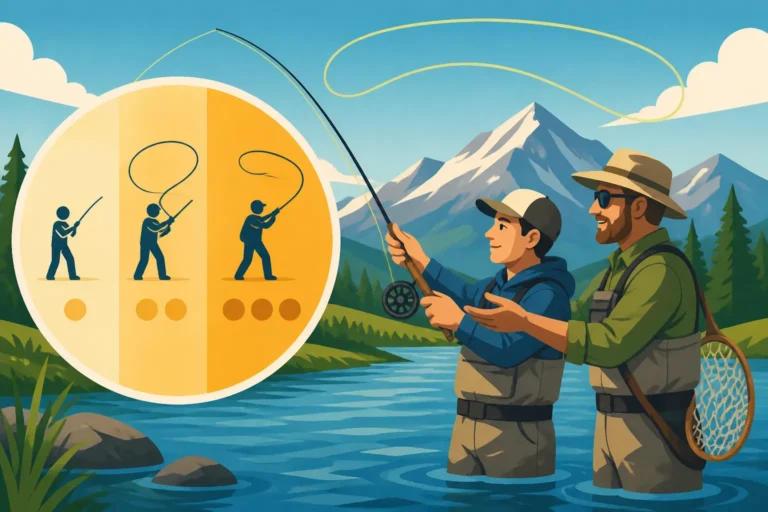
Whether you're a seasoned fly angler looking to refine your nymphing technique or a complete beginner who's never held a rod, a guide offers an invaluable educational experience. They are patient instructors, ready to share their knowledge and tips. Want to learn how to mend line more effectively? They'll show you. Curious about reading a complex riffle or identifying insect hatches? They'll point out the subtle signs.
Many anglers view a guided trip as an intensive, personalized workshop. You'll gain insights into fish biology, local ecology, and advanced casting techniques. This isn't just about catching fish on the day; it's about building skills and confidence that you can take with you on future fishing adventures, both in Wyoming and beyond. It’s an investment in your growth as an angler, turning a simple outing into a masterclass on the water.
Types of Guided Fishing Trips in Wyoming
Wyoming's diverse landscape offers an equally diverse range of guided fishing experiences. From floating renowned rivers to exploring vast reservoirs or hiking into remote high-country lakes, there's a guided trip tailored to almost every preference and skill level.
River Float Trips
When most people picture guided fishing in Wyoming, they often imagine a drift boat gently gliding down a scenic river. River float trips are incredibly popular, especially for trout fishing on iconic waterways like the North Platte, Green, or the Snake River. These trips offer a fantastic way to cover significant stretches of water, accessing prime fishing spots that might be difficult or impossible to reach on foot.
Guides typically operate specialized drift boats or rafts, providing a comfortable and stable platform for casting and fighting fish. You'll often be using fly fishing gear, though some guides accommodate spin fishing. The experience isn't just about catching fish; it's about immersing yourself in the stunning riparian environment, often spotting wildlife like eagles, deer, or moose along the banks. Float trips usually come in full-day or half-day options, with full-day trips often including lunch and more extensive exploration. If you're targeting cutthroat, rainbow, or brown trout in a picturesque setting, a float trip, especially on the legendary Float Trips on Wyoming's Snake River, might be exactly what you're looking for. It's truly one of the quintessential Wyoming angling experiences. Choosing between Half-Day vs Full-Day Float Trips on Wyoming's Snake River depends on your stamina and how much water you want to cover.
Lake and Reservoir Boat Trips
While rivers get a lot of attention, Wyoming's vast lakes and reservoirs hold their own treasures, especially for anglers seeking different species or a different style of fishing. Guided boat trips on these larger bodies of water are typically focused on trolling, jigging, or still-fishing for species like colossal lake trout (Mackinaw) in Flaming Gorge, feisty walleye in Boysen Reservoir, or shimmering kokanee salmon.
These trips often utilize larger, motorized boats equipped with advanced electronics like fish finders and downriggers, allowing guides to precisely target fish holding in deep water or along submerged structures. The techniques can be quite different from river fishing, focusing on understanding thermoclines, baitfish movements, and presentation at specific depths. A guided trip on a reservoir like Flaming Gorge, for example, can be an incredible way to chase truly giant lake trout, with guides using specialized gear and deep-water tactics to entice these elusive giants. Similarly, a trip to Boysen Reservoir with a guide can unlock some fantastic walleye action. If you're after trophy-sized fish or prefer the comfort and stability of a larger boat on expansive waters, consider a Guided Fishing on Wyoming's Flaming Gorge Reservoir or Guided Fishing on Wyoming's Boysen Reservoir trip.
Wade Trips and Backcountry Expeditions
For those who prefer a more intimate, hands-on experience, or who dream of casting to untouched fish in pristine wilderness, wade trips and backcountry expeditions offer an unparalleled adventure. Wade trips involve walking along riverbanks or directly into the stream, allowing you to thoroughly explore specific sections of water, hone your casting, and experience the river up close. They are excellent for focusing on technique and understanding the subtle currents and holding lies. This style is often favored by fly anglers who enjoy the challenge of stalking fish on foot. Wade Trips vs Float Trips in Jackson Hole, Wyoming often comes down to personal preference for mobility and the type of water you want to fish.
Backcountry expeditions take this intimacy a step further, leading you deep into Wyoming's wilderness to fish remote high-alpine lakes and streams. These trips often involve significant hiking, sometimes with pack horses or mules, and can range from single-day strenuous hikes to multi-day camping adventures. The reward? Solitude, breathtaking scenery, and the chance to catch vibrant golden trout, brook trout, or native cutthroats that rarely see a fly or lure. These guided trips require specialized knowledge of wilderness navigation, safety, and Leave No Trace principles. If the idea of a truly wild, off-the-grid fishing experience calls to you, exploring Guided Backcountry Trips to Wyoming's High Lakes with a knowledgeable guide is an extraordinary opportunity to connect with Wyoming's pristine natural beauty and its most elusive fish.
What to Look For in a Wyoming Fishing Guide
Choosing the right fishing guide is crucial for a successful and enjoyable trip. It's not just about finding someone with a boat and a rod; it's about finding a professional who matches your goals, prioritizes your safety, and enhances your overall experience. With so many options, knowing what criteria to apply can make all the difference.
Licensing, Experience, and Reputation
First and foremost, ensure your guide is legally licensed and permitted to operate in Wyoming. This isn't just a formality; it's a critical safety and ethical consideration. A licensed guide has met state requirements, which often include first aid certification, liability insurance, and passing specific exams related to boating and guiding. What Makes a Guide Legal to Operate in Wyoming covers these requirements in detail. An unlicensed guide might seem cheaper, but they operate illegally and offer no protection or accountability if something goes wrong. Always ask for proof of their current licenses and permits.
Beyond legality, consider their experience. How long have they been guiding in Wyoming, and specifically on the waters you wish to fish? Experience often translates to better judgment, adaptability to changing conditions, and a deeper understanding of fish behavior. Look into their reputation by checking online reviews, testimonials, and asking for references. Platforms like FishingBooker often include client reviews and ratings, which can provide valuable insights into a guide's professionalism, fishing expertise, and interpersonal skills. A guide with a stellar reputation is usually one who consistently delivers great experiences.
Specialization and Local Knowledge
Wyoming's fisheries are incredibly diverse, and so are its fish species. Some guides specialize in fly fishing for cutthroat trout on mountain streams, while others are experts at trolling for lake trout on large reservoirs, or jigging for walleye. It's important to find a guide whose expertise aligns with your fishing interests. If you're dreaming of a trophy brown trout on a streamer, you don't want a guide whose primary focus is bait fishing for perch.
A guide's local knowledge is perhaps their most valuable asset. This isn't just about knowing where the fish are generally; it's about knowing exactly where they are on a particular day, what they're eating, and how to present a fly or lure to entice a bite. They understand the subtle nuances of water temperature, current speed, insect hatches, and seasonal migrations. They know secret spots, alternative access points, and how specific weather patterns affect the bite. This kind of hyper-local, in-depth knowledge is honed over years on the water and is something you simply can't gain from a map or a few online searches. For instance, an expert guide for the North Platte will know which fly patterns are best for different hatches, and how they relate to the Best Wyoming Fly Patterns for Cutthroat Trout in other river systems.
Communication and Personality
You'll be spending a significant amount of time with your guide, often in close quarters, so their personality and communication style are paramount to a positive experience. A good guide isn't just a fishing expert; they're a good conversationalist, a patient teacher, and someone who genuinely wants you to have a great time, regardless of how many fish you catch.
Before booking, don't hesitate to call or email potential guides. Ask questions about their guiding philosophy, what a typical day looks like, and what they expect from their clients. Pay attention to how quickly and thoroughly they respond. Do they seem friendly, approachable, and eager to accommodate your needs? For beginners, a patient and encouraging guide is crucial. For experienced anglers, a guide who respects your skills and can offer advanced insights is key. Ultimately, you want someone with whom you feel comfortable and whose company you'll enjoy, as this connection significantly contributes to the overall pleasure of your fishing trip.
Planning Your Guided Trip: Logistics and Expectations
Once you've decided to hire a guide, the next step is to nail down the logistics and understand what to expect. Proper planning ensures a smooth, stress-free, and enjoyable experience from start to finish.
Booking and Availability
Wyoming is a popular fishing destination, especially during peak seasons like summer and fall. The best guides, those with the most experience and strongest reputations, often book up months in advance. Therefore, it's highly advisable to plan and book your guided trip as early as possible, particularly if you have specific dates or waters in mind.
When booking, be clear about your expectations: what species you hope to catch, what style of fishing you prefer (fly, spin, bait), your skill level, and the number of people in your party. Many guides offer both full-day and half-day trips, and the price structure will vary accordingly. Don't hesitate to use reputable online booking platforms like FishingBooker, which allows you to compare guides, check their availability, read reviews, and often book directly. This can save you a lot of legwork and provide confidence in your choice. Be sure to confirm cancellation policies, as weather or unforeseen circumstances can sometimes affect plans.
What's Typically Included (and What's Not)
Understanding what your guided trip fee covers is essential for budgeting and avoiding surprises. While inclusions can vary between guides and trip types, here's a general breakdown:
Typically Included:
- Guide's expertise and time: This is the core of your payment, covering their knowledge, experience, and effort.
- Boat/raft and fuel (for float/lake trips): All necessary watercraft for the trip.
- Rods, reels, and tackle: High-quality gear suited for the target species and conditions.
- Flies, lures, or bait: A generous supply of the proven patterns and presentations for the day.
- Cooler with ice and water: Often, guides provide basic hydration.
- Safety gear: Life jackets, first-aid kit, etc.
Often Not Included (and you'll need to arrange):
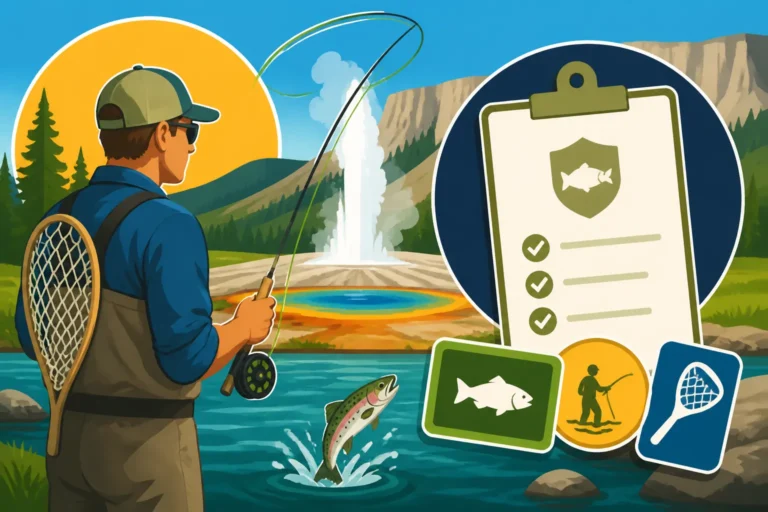
- Wyoming Fishing License and Conservation Stamp: You are responsible for purchasing these before your trip. Your guide cannot sell them to you on the water. Make sure to understand Do You Need Your Own Fishing License for a Guided Trip? and plan accordingly.
- Food and Beverages: While some full-day trips might include a basic lunch, many do not. Always confirm and plan to bring your own snacks, drinks, or a packed lunch.
- Waders and Boots: If you're doing a wade trip, some guides may have loaners, but it's often best to bring your own for comfort and fit.
- Transportation to the meeting point: You'll typically need to drive to a designated rendezvous point.
- Gratuity for the guide: Tipping is customary and expected for good service, typically 15-20% of the trip cost. You can learn more about Tipping Etiquette for Wyoming Fishing Guides.
- National Park entrance fees or special permits: If fishing within Grand Teton or Yellowstone National Parks, there may be separate park entrance fees.
Always clarify with your guide upfront exactly what is included in the price to ensure there are no misunderstandings.
Preparing for Your Trip
A little preparation on your end can significantly enhance your comfort and enjoyment on the water. What you bring will depend on the season and type of trip, but some essentials are universal:
- Layered Clothing: Wyoming weather can change rapidly. Dress in layers, avoiding cotton if possible, especially for cooler weather or wade trips. Think quick-drying synthetics, fleece, and a waterproof/windproof outer shell. Even in summer, mornings can be chilly.
- Hat and Sunglasses: A wide-brimmed hat provides sun protection, and polarized sunglasses are not just for comfort—they drastically improve your ability to see fish and structure underwater.
- Sunscreen: The Wyoming sun, especially at higher elevations, is intense. Apply liberally and reapply throughout the day.
- Camera: To capture those incredible fish and scenic moments!
- Personal Medications: Don't forget any necessary prescriptions or over-the-counter remedies.
- Fishing License and Conservation Stamp: Have these readily accessible, either printed or on your phone as legally allowed.
- Waders and Boots (if needed): If you own them and prefer to use them, bring them along, especially for wade trips.
- Snacks and Drinks: Even if lunch is provided, extra snacks and your preferred beverages are always a good idea.
- Cash for Gratuity: Plan ahead for tipping your guide.
Remember, the goal is to be comfortable and prepared so you can focus entirely on the fishing and the stunning Wyoming scenery. A detailed checklist for What to Bring on a Guided Wyoming Fishing Trip can further assist your planning.
Costs and Value: Understanding Your Investment
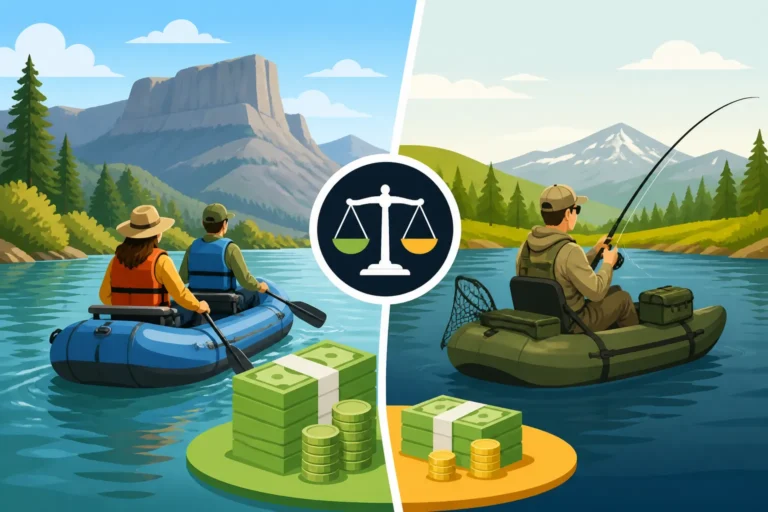
Hiring a fishing guide is an investment, and it's natural to wonder about the financial commitment involved. While it might seem like a luxury to some, understanding the true value proposition can help you see it as an essential component of a truly memorable and successful Wyoming fishing adventure.
Factors Influencing Guide Prices
The cost of a guided fishing trip in Wyoming isn't a one-size-fits-all number. Several key factors influence the overall price you'll pay:
- Trip Duration: Half-day trips are generally more affordable than full-day trips, which naturally involve more time, effort, and often include more amenities like lunch.
- Location: Guides operating in highly sought-after areas, such as the blue-ribbon stretches of the North Platte or the famous waters of Jackson Hole, may charge a premium due to demand and the quality of the fishing. Remote backcountry trips, requiring specialized logistics and potentially pack animals, will also be at the higher end.
- Number of Anglers: Most guided trips are priced for one or two anglers. Adding more people (up to the guide's capacity) usually increases the total trip cost, though the per-person cost might decrease slightly.
- Inclusions: Trips that provide all gear, flies, lunch, and perhaps even transportation from a central meeting point will naturally be more expensive than "bare-bones" trips where you supply more of your own equipment and food.
- Season: Peak fishing seasons, like prime summer months or the fall brown trout migration, often command higher rates due to increased demand. Off-season or shoulder-season trips might offer a more budget-friendly option.
- Guide's Experience and Reputation: Highly experienced, well-regarded guides with a long track record of success and excellent customer service may charge more for their expertise.
Given these variables, prices vary widely. It's always best to contact several guides or check platforms like FishingBooker to get current quotes for the specific type of trip you envision. For a general overview, consider reviewing What a Guided Wyoming Fishing Trip Costs to get a sense of typical ranges.
The Value Proposition of a Guide
While the cost of a guided trip might seem substantial, consider what you're truly paying for:
- Unrivaled Expertise: You're tapping into years, often decades, of on-the-water experience and local knowledge that would take you a lifetime to acquire. This includes knowing where the fish are, what they're biting, and how to present your offering.
- Time Efficiency: A guide eliminates wasted time. No more driving around looking for access, figuring out regulations, or experimenting with unproductive techniques. You get straight to the fishing.
- Enhanced Success: While a guide can never guarantee fish, they dramatically increase your chances of a productive and memorable day. They adapt to conditions, troubleshoot problems, and put you in the best possible position to succeed.
- Safety: Guides are trained in water safety, first aid, and navigating potentially challenging conditions. Their presence provides peace of mind, especially on unfamiliar waters or in remote areas.
- Education: A guided trip is a fantastic learning opportunity. You'll pick up new techniques, improve your casting, and gain a deeper understanding of the fishery.
- Stress-Free Experience: All the logistics, from rigging rods to navigating the river, are handled. You can simply relax, enjoy the scenery, and focus on the joy of fishing.
- Access: Guides often have permits for private access points or special areas within national forests or state parks that are otherwise difficult for the public to reach.
When you factor in the cost of travel, lodging, licenses, and potentially new gear, a guided trip ensures that the most important part—the fishing itself—is maximized, making it a valuable investment in your overall experience.
Tipping and Additional Expenses
Beyond the base price of the trip, it's customary and expected to budget for a gratuity for your guide. Tipping is a significant part of a guide's income and acknowledges their hard work, expertise, and dedication to ensuring you have a great day. The industry standard for tipping a fishing guide is typically 15-20% of the total trip cost, based on the quality of service you received. If your guide went above and beyond, a higher tip is always appreciated. Always carry cash for this purpose, as some guides may not have the ability to process electronic tips.
In addition to the tip, remember to factor in other potential expenses:
- Fishing Licenses and Conservation Stamps: These are mandatory and must be purchased before your trip. The cost can vary based on residency and duration (annual, daily, 5-day).
- National Park Fees: If your trip takes place within Grand Teton or Yellowstone National Parks, you will need to pay the park entrance fee, which is separate from your guiding fee.
- Gear Rentals: If you don't own waders or other specialized equipment and your guide doesn't provide them, you might incur rental fees from a local fly shop.
- Travel and Lodging: Don't forget the costs associated with getting to Wyoming and where you'll stay.
- Food and Beverages: Unless explicitly stated, plan for your own meals and drinks.
By accounting for these additional expenses, you can create a realistic budget and enjoy your Wyoming fishing adventure without any financial surprises.
Specific Considerations for National Parks and Tribal Waters
Wyoming is home to some truly spectacular and unique fishing destinations, including portions of two iconic national parks and tribal lands. While these areas offer incredible angling opportunities, they come with their own distinct rules and licensing requirements, particularly for guided services. Ignoring these special regulations can lead to serious legal issues, so it’s vital to be informed.
Fishing Guides in Yellowstone and Grand Teton National Parks
Fishing within the boundaries of Yellowstone National Park and Grand Teton National Park is an unforgettable experience, but it operates under a different set of rules than state-managed waters. Both parks require their own specific fishing permits, which are separate from a Wyoming state fishing license. Your state license is not valid inside these national parks.
For guides operating within these federal lands, the regulations are even stricter. Any guide or outfitter must possess special Commercial Use Authorizations (CUAs) or specific permits issued by the National Park Service in addition to their state guiding licenses. These permits are limited and come with rigorous requirements, ensuring environmental protection and adherence to park-specific guidelines. This means you cannot simply hire any Wyoming-licensed guide to take you fishing inside Yellowstone or Grand Teton. You must ensure they are specifically permitted for that park.
When planning a trip to these areas, confirm that your chosen guide holds the necessary National Park Service permits. This information should be readily available on their website or upon request. For example, if you dream of fishing the Snake River within Grand Teton, you'll need a guide specifically authorized for Guided Fishing Trips in Grand Teton National Park, Wyoming. Similarly, for the famous waters of Yellowstone, look for guides with the proper Guided Fishing Trips in Yellowstone National Park, Wyoming permits. These regulations are in place to protect these fragile ecosystems and ensure a sustainable fishing experience for all.
Tribal Waters and Unique Requirements
Wyoming is also home to sovereign tribal nations, most notably the Eastern Shoshone and Northern Arapaho tribes on the Wind River Reservation. These lands encompass pristine rivers and lakes, offering unique fishing opportunities, but they operate under tribal law, not state law. This means your Wyoming state fishing license and conservation stamp are not valid on tribal waters, including those within the Wind River Reservation.
To legally fish on the Wind River Reservation, you must purchase a separate tribal fishing permit from the Shoshone and Arapaho Fish and Game Department. These permits are mandatory for all non-tribal members, regardless of age or residency. The rules, seasons, and bag limits on tribal waters can differ significantly from state regulations, and it's your responsibility to understand and abide by them.
If you plan to hire a guide to fish on the Wind River Reservation, ensure your guide is specifically licensed and authorized by the tribal authorities to operate there. Just like with national parks, not all state-licensed guides have the necessary tribal permits. It's crucial to confirm this before booking. Engaging with guides who respect and operate under tribal sovereignty is essential for a respectful and legal fishing experience. For more detailed information on navigating these unique waters, refer to Fishing Wyoming's Tribal Waters and Wind River Reservation Rules. Always do your homework and purchase the correct permits to avoid any legal complications and to show respect for tribal sovereignty.
Beyond the Catch: The Overall Experience
While the thrill of a bent rod and the satisfaction of a good catch are undeniably powerful, a guided fishing trip in Wyoming offers so much more than just fish. It's an immersive experience that touches on nature, culture, and personal growth, creating memories that last a lifetime.
Creating Lasting Memories
Think back to your most cherished travel memories. Often, they aren't just about a destination, but about the experiences you had and the people you shared them with. A guided fishing trip in Wyoming falls squarely into this category. It’s about more than the numbers; it’s about the crisp mountain air, the stunning backdrop of the Tetons or the Wind River Range, the quiet solitude of a remote stream, or the camaraderie shared in a drift boat.
You'll have stories to tell for years to come – about the eagle that soared overhead, the deer that watched from the bank, the tricky fish that finally took your fly, or the unexpected burst of laughter with your guide. For families, it can be an incredible way to bond and introduce younger generations to the joys of the outdoors, fostering a love for nature and a sense of adventure. These are the moments that truly define a trip, etching themselves into your memory long after the fish have been released.
Supporting Local Economies and Conservation
When you choose to hire a Wyoming fishing guide, you're not just investing in your own enjoyment; you're also making a tangible contribution to the local economy and, indirectly, to conservation efforts. Guide services are typically small, locally-owned businesses that directly support families and communities throughout the state. Your payment helps sustain these businesses, providing jobs for guides, their staff, and often supporting local outfitters and fly shops that supply their operations.
Furthermore, a significant portion of the revenue generated from fishing licenses and conservation stamps goes directly to the Wyoming Game and Fish Department. This funding is crucial for managing fish populations, maintaining access points, conducting scientific research, and implementing habitat improvement projects across the state. By participating in guided trips, you often engage with guides who are passionate advocates for responsible angling practices and environmental stewardship. They often educate clients on catch-and-release techniques, ethical behavior on the water, and the importance of preserving Wyoming's natural resources. Your choice to fish with a licensed guide helps ensure these incredible fisheries remain healthy and vibrant for future generations to enjoy.
Guide Trip Comparison Table
To help you visualize the different types of guided trips available in Wyoming, here's a quick comparison:
| Trip Type | Typical Duration | Primary Target Species | Experience Level Suggested | Typical Environment | Key Advantages |
|---|---|---|---|---|---|
| River Float Trip | Half-day to Full-day | Trout (Rainbow, Brown, Cutthroat) | Beginner to Advanced | Large, flowing rivers (e.g., North Platte, Snake) | Covers lots of water, comfortable, scenic |
| Lake/Reservoir Boat | Half-day to Full-day | Lake Trout, Walleye, Kokanee Salmon | Beginner to Advanced | Large, still bodies of water (e.g., Flaming Gorge, Boysen) | Access to deep water, specific species focus, big fish potential |
| Wade Trip | Half-day to Full-day | Trout (Rainbow, Brown, Cutthroat, Brook) | Beginner to Advanced | Smaller rivers, streams, specific river sections | Intimate experience, focus on technique, stealthier |
| Backcountry Trip | Full-day to Multi-day | Golden Trout, Cutthroat, Brook Trout | Intermediate to Advanced | Remote high-alpine lakes & streams, wilderness | Solitude, pristine environment, unique species |
Disclaimer
This article is for general informational purposes only and does not constitute professional advice. Laws, prices and regulations vary by location and change over time. Consult a qualified professional for guidance on your specific situation.