Is Leigh Lake Good for Cutthroat Trout?
There’s a special magic that surrounds fishing in Wyoming, especially when you’re dreaming of chasing native cutthroat trout in the majestic Grand Teton National Park. Many anglers wonder if places like Leigh Lake live up to the hype for these iconic fish, often hesitant about the trek or the regulations. This guide is here to unravel all your questions about fishing for cutthroat in Leigh Lake, offering detailed insights to help you plan an unforgettable trip.
Unveiling Leigh Lake's Cutthroat Potential
Leigh Lake, nestled within the breathtaking Teton Range, is more than just a picturesque body of water; it’s a living ecosystem renowned for its healthy population of native trout. The very idea of casting a line in such a pristine environment, surrounded by towering peaks and untouched wilderness, is enough to get any angler’s heart racing. But is it genuinely good for cutthroat? The answer is a resounding yes, and understanding why makes the experience even richer.
A Pristine Wilderness Setting
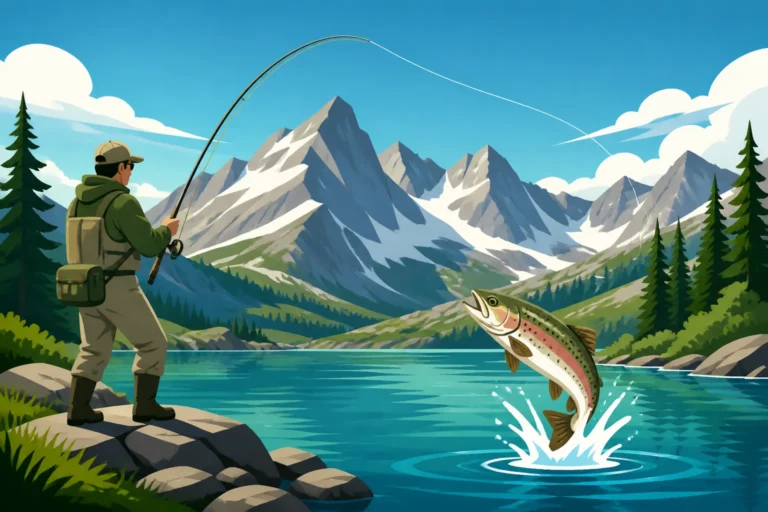
Leigh Lake is truly a gem, accessible only by a scenic hike or a paddle across String Lake, followed by a short portage. This limited access is one of its greatest assets, preserving its wild character and preventing the over-pressurization often seen in more accessible waters. The lake itself is approximately 2,000 acres, fed by glaciers and snowmelt, contributing to its crystal-clear waters and consistently cold temperatures. Imagine paddling across tranquil, turquoise water, with Mount Moran's reflection staring back at you – it’s an experience that transcends mere fishing. This wilderness setting not only offers unparalleled beauty but also creates an ideal, undisturbed habitat for its resident fish. This is one of the reasons it's often highlighted among the Fishing Spots Inside Grand Teton National Park, Wyoming.
The Native Cutthroat Stronghold
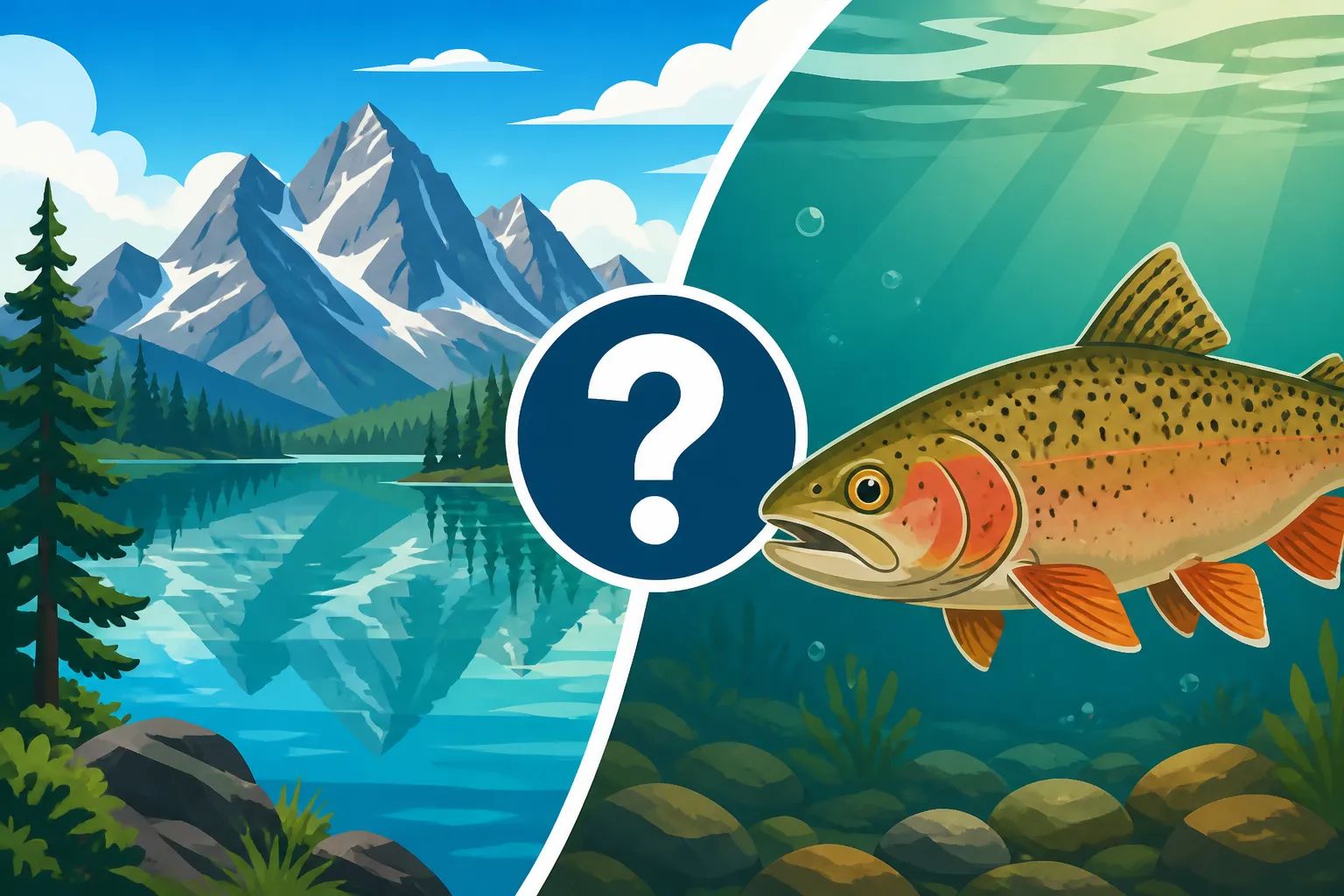
The star of Leigh Lake’s fishery is undeniably the Snake River Fine-Spotted Cutthroat Trout. This specific subspecies is native to the Snake River drainage, and Leigh Lake serves as a vital part of its natural range. Unlike some waters where non-native species compete or hybridize, Leigh Lake largely maintains a robust, genetically pure population of these beautiful fish. You’ll often hear folks talking about the importance of preserving these native fish, and places like Leigh Lake are critical strongholds. Their distinctive red slashes under the jaw, vibrant colors, and often aggressive take make them a coveted catch. While you might encounter a few other species, the cutthroat is truly the dominant and sought-after fish here. Understanding the unique characteristics of the Snake River Fine-Spotted Cutthroat Trout can truly enhance your appreciation for this fishery.
What Makes Leigh Lake Prime Cutthroat Habitat?
It's not just about the stunning scenery; there are specific ecological factors that contribute to Leigh Lake being such a fantastic place for cutthroat trout. These fish thrive in particular conditions, and Leigh Lake delivers them in spades, creating an environment where they can grow large and healthy.
Optimal Water Conditions
Cutthroat trout, especially the Snake River subspecies, prefer cold, well-oxygenated water, and Leigh Lake provides just that. Its glacial origins mean that even during the warmest summer months, the deeper sections of the lake remain consistently cool. The lake's clarity, often exceeding 20 feet of visibility, indicates excellent water quality and minimal sedimentation. This isn't just nice for spotting fish; clear water means more sunlight penetration, which supports a healthy aquatic insect base – the foundation of the trout's diet. These stable, cool temperatures are crucial, as rapid temperature fluctuations can stress trout and impact their feeding patterns.
Abundant Forage and Insect Life
A thriving trout population relies on a steady and diverse food supply, and Leigh Lake is rich in this regard. Throughout the season, various aquatic insect hatches occur, from midges and mayflies to caddisflies. These provide a consistent buffet for hungry cutthroat. During warmer months, terrestrial insects like grasshoppers, ants, and beetles often fall onto the water's surface, becoming opportunistic meals. Beyond insects, the lake also supports populations of smaller baitfish and crustaceans, offering larger cutthroat the protein boost they need to reach impressive sizes. It’s this rich food web that underpins the health and vitality of the fish here.
Structural Diversity and Cover
Think of a trout’s ideal home: it needs shelter from predators, current, and bright sunlight, but also easy access to food. Leigh Lake offers incredible structural diversity that provides exactly this. Along its expansive shoreline, you’ll find rocky drop-offs, submerged timber, and deep ledges where cutthroat can ambush prey. The numerous points and bays offer varied depths and currents, concentrating baitfish and insects, which in turn attract the trout. Deeper sections provide thermal refuge during hot spells, while shallower flats become prime feeding grounds during hatches. This mix of deep and shallow, open and protected waters ensures cutthroat have everything they need to flourish. Learning How to Read Water When Trout Fishing can really help you pinpoint these prime locations on a lake like Leigh.
Accessing Leigh Lake for Fishing
Getting to Leigh Lake is part of the adventure, and it’s important to understand the logistics before you go. It’s not a drive-up-and-fish kind of spot, which, honestly, is part of its charm and why the fishing remains so good. The journey itself becomes an integral part of the wilderness experience.
The Hike to the Shore
The most common way to access Leigh Lake is via the String Lake Trailhead. From there, you typically portage a non-motorized boat across the short, scenic String Lake, which is connected to Leigh Lake by a narrow channel. Alternatively, you can hike around String Lake on the String Lake Trail, which eventually leads to the Leigh Lake Trail. The hike is relatively flat and easy for the first couple of miles, making it accessible for many, but remember you’ll be carrying all your gear. It’s crucial to wear comfortable hiking shoes and pack light but smart. This walk-in access ensures that the lake maintains its serene and unspoiled atmosphere. For those who prefer to fish from shore, knowing these access points is vital, as explored in articles like How to Fish a Wyoming Mountain Lake From Shore.
Boating Regulations and Considerations
Once you reach Leigh Lake, boating is a popular and often necessary way to fully explore its fishing potential. However, Grand Teton National Park has specific regulations to protect the delicate ecosystem. Only non-motorized boats like canoes, kayaks, and stand-up paddleboards are permitted. This means no gas-powered engines, and even electric trolling motors are generally prohibited, though it’s always wise to check the most current park regulations before heading out.
Transporting your boat usually involves a short portage between String Lake and Leigh Lake. Many anglers bring their own canoes or kayaks, often equipped with wheels to make the portage easier. Rentals might be available at nearby lakes, but it's best to confirm in advance. The quiet hum of paddle strokes, rather than engine noise, truly enhances the feeling of being in a pristine wilderness, allowing you to stealthily approach fishing spots without spooking fish. This commitment to non-motorized access really preserves the unique character of places like String Lake and Leigh Lake Fishing in Grand Teton.
Effective Techniques for Catching Leigh Lake Cutthroat
So, you’ve made it to Leigh Lake, boat launched, and ready to fish. What’s the best way to entice those native cutthroat? Both fly fishing and spin fishing can be incredibly effective, but success often comes down to matching your technique to the conditions and the fish's behavior.
Fly Fishing Strategies
Fly fishing is incredibly popular on Leigh Lake, especially given the clear waters and abundant insect life. For surface action, dry flies mimicking common hatches like Parachute Adams, Royal Wulffs, or caddis patterns can be lethal when fish are actively rising. Pay attention to the water's surface for any signs of feeding activity.
When trout are holding deeper or not looking up, nymphing becomes a go-to strategy. Patterns like Hare's Ears, Pheasant Tails, and Prince Nymphs, fished under an indicator or with a Euro-nymphing setup, can be very effective. Focus on drop-offs, submerged structures, and the edges of weed beds.
Streamer fishing can also produce some of the largest cutthroat, especially in early mornings or late evenings, or on cloudy days. Patterns like Woolly Buggers, Sculpzillas, or small baitfish imitations, stripped actively near structure, can trigger aggressive strikes from bigger fish looking for a substantial meal. Consider matching your patterns to the prevalent forage, and check out some Best Wyoming Fly Patterns for Cutthroat Trout before you go.
Spin Fishing Approaches
For those who prefer spin fishing, Leigh Lake offers excellent opportunities. Light to medium-light action rods paired with sensitive lines (4-6 lb test) are ideal. Small spoons, such as Kastmasters or Little Cleos in silver or gold, can be incredibly effective when cast and retrieved at varying depths. Remember that retrieve speed can make all the difference – experiment to find what the fish prefer.
Small inline spinners like Mepps Aglias or Panther Martins are also highly productive, especially those with natural patterns or a touch of red. Work them along shorelines, over submerged structure, and near inlet areas. Soft plastic baits, such as grub tails or small tubes, rigged on a light jig head and worked slowly near the bottom, can also tempt reluctant cutthroat. Check local regulations on bait use; while artificial lures are often preferred or required in national parks, live bait rules can vary.
Best Times and Seasons
The fishing season on Leigh Lake typically runs from ice-out, usually in late May or early June, through October, when the lake often begins to freeze over. Early season (June) can be fantastic as hungry fish become active after the long winter, often eager to strike. This is a prime time for streamer fishing or targeting shallower bays where water warms slightly.
Summer months (July and August) offer consistent fishing, especially during morning and evening hours when surface activity can be high. During the heat of midday, trout often retreat to deeper, cooler waters, making nymphing or deeper presentations more effective. This is when understanding When Wyoming's High Lakes Become Fishable really pays off.
Fall (September and October) can be incredible, as cutthroat become more aggressive, feeding heavily in preparation for winter. Large browns and cutthroat might also begin their spawning movements, though it's critical to respect these fish and avoid targeting actively spawning individuals. Always practice Catch-and-Release Best Practices for Trout to help sustain this incredible fishery.
Important Regulations and Conservation Efforts
Fishing in Grand Teton National Park, including Leigh Lake, comes with specific rules and regulations that are vital for preserving the fishery and the park's natural resources. It’s not just about compliance; it’s about responsible stewardship.
Grand Teton National Park Specific Rules
First and foremost, you will need a Wyoming fishing license, even if you’re fishing within the National Park boundaries. Beyond that, Grand Teton National Park has its own set of specific regulations that often supersede or add to statewide rules. These typically include restrictions on bait (often artificial lures and flies only), hook types (barbless hooks are frequently required to minimize fish harm), and catch limits. For Leigh Lake, it is usually a catch-and-release fishery for cutthroat trout, but specific limits can vary year to year, so always consult the most current Grand Teton National Park fishing regulations pamphlet.
For instance, you might find that while a general statewide limit allows for keeping a certain number of trout, within the park, cutthroat trout must be immediately released unharmed. This is crucial for protecting the native populations. Be sure to understand Do You Need a Wyoming License to Fish in Grand Teton National Park? well before you arrive. The National Park Service regulations are updated annually and are readily available online or at visitor centers and ranger stations.
Protecting the Native Cutthroat Population
The strict regulations on Leigh Lake and other waters within Grand Teton National Park are largely in place to protect and enhance the native Snake River Fine-Spotted Cutthroat Trout population. These fish face threats from non-native species, habitat degradation, and overfishing in other areas. By implementing catch-and-release policies and limiting tackle, the park ensures that these precious native fish can reproduce successfully and maintain a healthy genetic lineage.
Anglers play a critical role in these conservation efforts. Practicing proper catch-and-release techniques—minimizing handling, keeping fish in the water, and using barbless hooks—significantly increases the survival rate of released fish. It's a privilege to fish in such an untouched environment, and it comes with the responsibility of being a thoughtful and ethical angler.
Planning Your Leigh Lake Fishing Adventure
Embarking on a fishing trip to Leigh Lake requires a bit more planning than a typical roadside stop. The wilderness setting means you need to be prepared for various conditions and self-sufficient.
Essential Gear and Supplies
Given the hike and the nature of the lake, packing smart is key. Here’s a quick checklist of essentials:
- Fishing License: Wyoming state license is a must.
- Rod and Reel: Pack appropriate gear for your chosen technique (fly or spin).
- Tackle: A selection of flies, lures, or artificial baits that comply with park regulations. Barbless hooks are often required.
- Waders/Boots: While you might fish from a boat, wading boots can be helpful for shoreline access or launching.
- Sun Protection: Hat, sunglasses, and sunscreen are crucial at high altitudes.
- Rain Gear: Weather in the mountains can change rapidly.
- Water & Snacks: Stay hydrated and energized, especially with the hiking involved.
- Bear Spray: You are in bear country. Carry bear spray and know how to use it.
- First-Aid Kit: For minor scrapes or emergencies.
- Map & Compass/GPS: Even on marked trails, it's wise to have navigation tools.
- Camera: You’ll want to capture the stunning views (and hopefully, your fish!).
Remember, anything you pack in, you must pack out. Leave no trace. Thinking about What to Bring on a Guided Wyoming Fishing Trip offers a good baseline for what you'll need even for a self-guided adventure.
Considering a Guided Trip
While Leigh Lake can be fished independently, hiring a local guide, especially for your first trip, can significantly enhance your experience. A guide provides invaluable local knowledge, helping you navigate the access, understand the ever-changing conditions, and pinpoint the most productive fishing spots. They can also provide appropriate gear and expertise in techniques tailored to Leigh Lake's unique environment.
Experienced outfitters and guides are often intimately familiar with Grand Teton National Park regulations and are committed to conservation. They can also offer tips on Tipping Etiquette for Wyoming Fishing Guides and ensure you have all necessary permits. If you're looking to book a guide for a trip to Grand Teton National Park or other Wyoming waters, platforms like FishingBooker can connect you with reputable local guides who specialize in cutthroat fishing in these pristine environments. They often have deep knowledge of specific lakes, including Leigh, and can make your trip much more productive and enjoyable. Whether you’re a seasoned angler or a beginner, a guide can turn a good day into an exceptional one, especially when you're targeting a specific species like the native cutthroat.
Leigh Lake Cutthroat Fishing Overview
| Feature | Description | Considerations |
|---|---|---|
| Location | Grand Teton National Park, accessible via String Lake portage or hike. | Wilderness access, plan for hike/portage. |
| Primary Species | Snake River Fine-Spotted Cutthroat Trout | Native, protected species; often catch-and-release. |
| Access | Hike (Leigh Lake Trail), non-motorized boat via String Lake. | No direct vehicle access; prepare for a walk/paddle. |
| Boating | Non-motorized boats only (canoes, kayaks, SUPs). | Respect park rules; no gas/electric motors. |
| Techniques | Fly fishing (dry flies, nymphs, streamers), spin fishing (spoons, spinners). | Match the hatch, vary retrieve, use barbless hooks. |
| Best Seasons | Ice-out (late May/early June) through Fall (September/October). | Summer midday can be slower; early/late season often best for bigger fish. |
| Regulations | Wyoming fishing license + Grand Teton National Park specific rules. | Check current park regulations for bait, hook type, and catch limits (usually C&R). |
| Conservation | Native trout stronghold, emphasis on catch-and-release. | Practice responsible angling, minimize fish handling. |
| Guided Trips | Recommended for first-timers; local guides offer expertise and gear. | Search platforms like FishingBooker for Grand Teton guides. |
Disclaimer
Please note that fishing regulations in Wyoming, and especially within National Parks like Grand Teton, can change. Always consult the most current Wyoming Game and Fish Department regulations and Grand Teton National Park specific fishing regulations before your trip. This guide is for informational purposes only and does not supersede official regulations.