Why Stream and Lake Trout Limits Differ in Wyoming
It can be incredibly confusing, can't it? You head out to fish your favorite Wyoming stream one day, carefully noting the daily trout limit, and then a few weeks later, you're planning a trip to a big reservoir, only to find the limits are completely different. It feels like you need a legal degree just to keep up with the rules! This guide is here to unravel that mystery, explaining precisely why the Wyoming Game and Fish Department sets varying trout limits for streams and lakes, helping you understand the logic and fish within the regulations with confidence.
The Fundamental Differences in Trout Habitat and Life Cycles
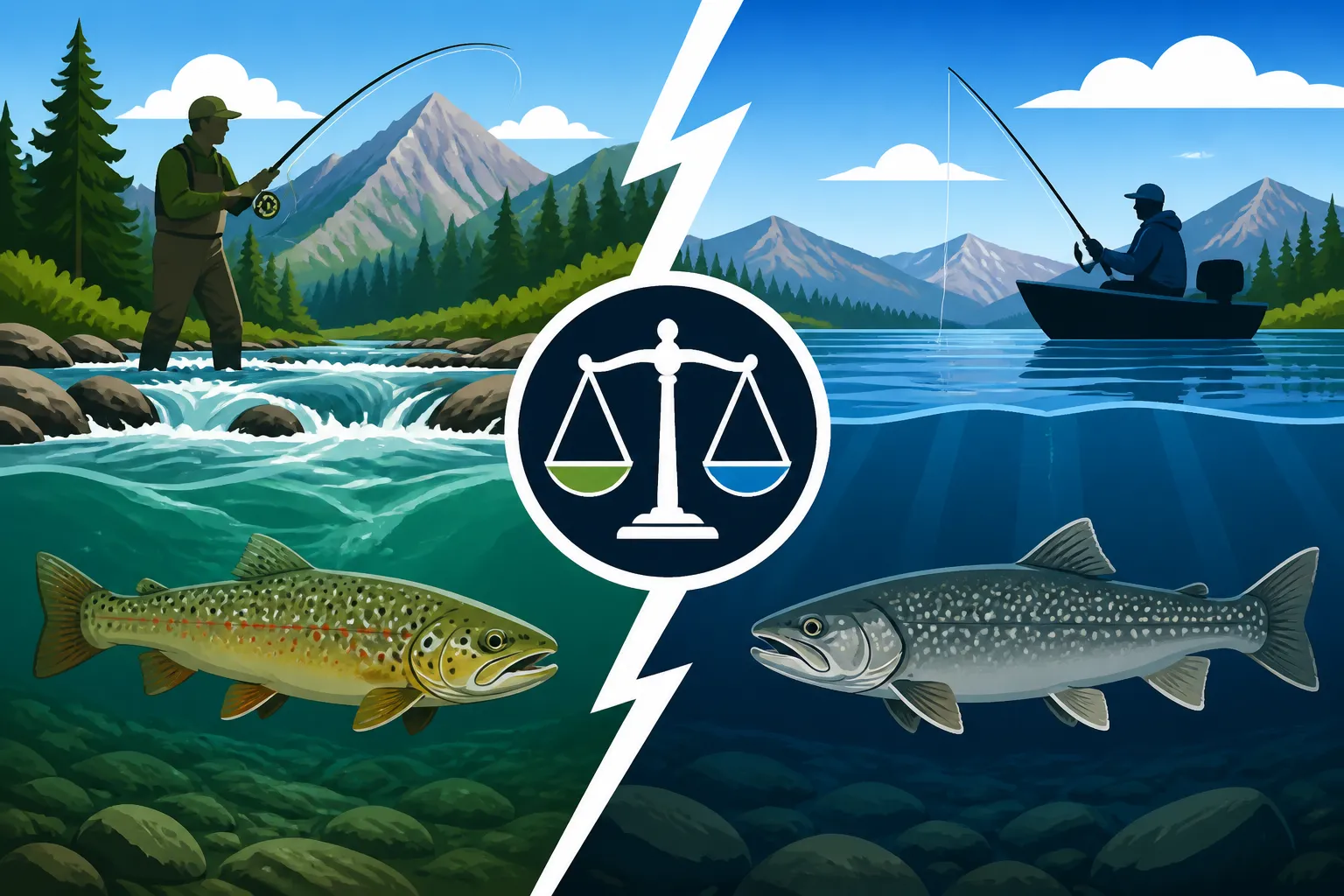
When you think about a winding river versus a vast, deep lake, it's clear they're two entirely different worlds. These ecological distinctions are the bedrock of why fishing regulations, especially for trout, need to be tailored for each type of water body. It’s not just arbitrary; it’s rooted in how fish live and thrive in these unique environments.
Stream Environments: Constant Flow and Spawning Grounds
Streams and rivers, with their flowing currents, riffles, runs, and pools, offer a dynamic habitat that trout species like cutthroat, rainbow, and brown trout have evolved to master. These environments are often characterized by gravel bottoms, crucial for trout spawning. Many of Wyoming's prized trout streams, like the North Platte River or parts of the Green River, boast robust, wild, self-sustaining trout populations. This means the fish reproduce naturally, year after year, without relying heavily on stocking efforts. The number of fish a stream can naturally support is directly linked to factors like water flow, temperature, food availability (think insect hatches!), and the amount of suitable spawning habitat. If too many fish are harvested, especially larger, more mature spawners, it can quickly deplete the natural reproductive capacity of that stream, leading to a long-term decline in fish numbers. The fast-moving water often makes individual fish harder to target consistently, but concentrated efforts can still have a significant impact on local populations.
Imagine a small, intimate stream where every deep pool and undercut bank might hold a handful of beautiful native cutthroat. If regulations allowed anglers to keep too many fish from that limited space, those pools would quickly become empty, and the natural cycle of life would be disrupted. The Wyoming Game and Fish Department (WGFD) works tirelessly to protect these delicate ecosystems, and part of that protection comes in the form of carefully managed harvest limits. Often, these limits are lower and might include length restrictions, such as The One-Over-16-Inch Rule on Wyoming Trout Streams, to ensure that trophy-sized fish and prime spawners have a chance to contribute to the next generation. It’s about balance, giving nature the best chance to do its thing while still allowing anglers to enjoy a sustainable harvest. You can dive deeper into these specifics by checking out our guide on Wyoming Trout Stream Daily Limit.
Lake Environments: Deep Waters and Food Availability
Lakes and reservoirs, on the other hand, present a vastly different set of challenges and opportunities for trout management. These large, often deep, stillwater bodies don't typically offer the same widespread spawning habitat that streams do. While some lake tributaries might support natural reproduction, many of Wyoming's most popular fishing lakes, such as Flaming Gorge Reservoir, Boysen Reservoir, or even parts of Wyoming's Yellowstone Lake Fishing Guide, rely heavily on stocking programs to maintain healthy fish populations. Here, species like lake trout (Mackinaw), kokanee salmon, and even rainbow trout often thrive due to an abundance of forage fish like cisco or perch, or ample plankton. The sheer volume of water and diverse depths mean fish can spread out and often grow to considerable sizes, providing different angling opportunities.
Because many lake populations are supplemented by hatchery-reared fish, and the environment can sustain a much larger number of individual trout, the WGFD often sets higher daily limits. For instance, you might find a general daily limit of six trout on many Wyoming lakes, whereas a stream might be restricted to just one or two fish. This isn't just about giving anglers more fish to take home; it's a strategic management tool. In some cases, like with invasive lake trout in certain waters, higher limits or even mandatory harvest are implemented to protect native species. Anglers can usually find a good selection of specialized trolling gear or deep-jigging setups for these waters on sites like Amazon, which helps target these often deep-dwelling fish. To understand these specific lake rules, check out Wyoming Trout Lake Daily Limit.
How Trout Populations Are Managed Differently
The divergence in daily limits really boils down to how the fish populations themselves are sustained and the specific objectives for each body of water. Managing a wild, self-reproducing population is a different game than managing one largely supported by hatchery efforts.
Stream Population Dynamics and Natural Reproduction
For many of Wyoming's iconic trout streams, the goal is to protect and enhance wild, self-sustaining populations. This means the WGFD closely monitors natural reproduction rates, habitat quality, and the health of the insect communities that form the base of the trout's diet. Stream populations are often more vulnerable to over-harvest because fish tend to be concentrated in smaller, more accessible areas, and their overall numbers, while robust, are limited by the physical confines of the stream itself. Each fish, especially a mature spawning adult, represents a significant investment by nature into the future of that fishery.
Because of this, regulations are often designed to protect the breeding stock and allow a healthy number of fish to reach maturity and spawn multiple times. This is why you often see lower daily bag limits, size restrictions (e.g., "no fish between 12-16 inches may be kept"), or even mandatory Catch-and-Release Rules on Wyoming Waters in certain sensitive stream sections. For example, some blue-ribbon stretches might have a limit of one fish over 16 inches, effectively encouraging anglers to release most of their catch. These conservative limits safeguard the genetic integrity and long-term viability of the wild trout. It's frustrating to catch a beautiful brown trout only to have to release it, but understanding that you're contributing to a thriving natural system makes it easier to accept. These specific, sometimes complex, rules are all detailed in the Wyoming Fishing Regulations Every Angler Should Know.
Lake Stocking Programs and Predator/Prey Balances
Lakes and reservoirs, on the other hand, often present a different management paradigm centered around stocking and maintaining a healthy predator-prey balance. Many large reservoirs simply don't have enough suitable spawning habitat to support the angling pressure they receive, or they host non-native trout species that don't reproduce effectively in that environment. The WGFD operates hatcheries that stock millions of trout into these lakes each year, effectively "topping up" the population. This allows for higher harvest rates without negatively impacting the natural reproductive capacity, as the fish are essentially a renewable resource provided by the state.
Furthermore, some lakes are managed to control populations of certain species. For instance, in Flaming Gorge Reservoir, there's a delicate balance between the prized lake trout and kokanee salmon. Anglers are often encouraged to harvest more lake trout to reduce predation pressure on the kokanee, thus ensuring a healthier kokanee population. In these scenarios, higher limits aren't just permissible; they're an active part of the management strategy. You might even find specific gear recommendations for different species on Amazon, like specialized dodgers and flashers for kokanee or heavy jigs for deepwater lake trout. The WGFD publishes detailed information about their stocking programs, and understanding these efforts helps explain why lake limits can be more generous than stream limits.
The Role of Angler Pressure and Conservation Goals
Another critical factor in setting differing trout limits is the amount and type of angler pressure each water body receives, coupled with the specific conservation goals for the fish species and their habitats. Some waters are magnets for anglers, while others see relatively few visitors.
Targeted Angling Pressure on Streams vs. Lakes
Wyoming's legendary trout streams, particularly the "blue-ribbon" fisheries like the North Platte's Miracle Mile or the Snake River, attract immense angling pressure. Anglers often target specific sections, sometimes even individual fish, and the cumulative impact of many anglers keeping even a few fish can quickly deplete these finite, self-sustaining populations. Moreover, stream fishing, especially fly fishing, often allows for more precise targeting of desirable fish sizes. If everyone kept the biggest fish, the genetics for large, healthy fish would quickly dwindle. The WGFD is keenly aware that over-harvest can quickly decimate these sensitive stream ecosystems, leading to regulations that prioritize the long-term health of the wild trout populations over immediate angler harvest.
Lakes and reservoirs, due to their sheer size and depth, can generally absorb much higher angling pressure without the same immediate threat of over-harvest for many species. While certain areas or species might experience heavy pressure (e.g., ice fishing for walleye on Boysen Reservoir or trolling for lake trout on Flaming Gorge), the fish populations are often more dispersed and, as mentioned, frequently supplemented by stocking. For these larger bodies of water, the sheer size often makes it harder for anglers to consistently target and remove a significant percentage of the total fish biomass. This allows for more liberal daily limits, providing more opportunities for anglers to take home their catch, which can be a huge draw for families and those looking for a meal. You'll often find that the gear needed for successful lake fishing, like fish finders or specialized rod holders, is readily available on platforms like Amazon.
Specific Conservation Objectives for Different Water Bodies
Beyond angler pressure, the WGFD sets limits based on very specific conservation goals that vary by water body and even by species within that water body. For streams, the primary objective is often the preservation of native trout species, like the various subspecies of cutthroat trout, and the protection of their spawning habitats. This can mean very strict limits, or even Catch-and-Release Rules on Wyoming Waters, to ensure these unique genetic strains continue to thrive. The WGFD is constantly working to restore and maintain these native fisheries, which are a vital part of Wyoming's natural heritage. Understanding these detailed guidelines is crucial, and our article on How Bag and Possession Limits Work in Wyoming provides more context.
For lakes, conservation objectives can be more diverse. While some lakes might also aim to protect native species, others focus on creating diverse fisheries with a mix of introduced species, or even on managing invasive species. For example, in Yellowstone Lake, the WGFD actively encourages the harvest of non-native lake trout to protect the native Yellowstone cutthroat trout population. This results in very generous, often unlimited, bag limits for lake trout in that particular water body. The regulations become a tool to shape the ecological balance of the lake to meet specific conservation and management objectives. These differences are clearly outlined in the annual regulations booklet, which you can usually pick up at any license vendor or browse online. For comprehensive changes, you might also want to consult Wyoming's 2026 Fishing Regulation Changes Explained.
Navigating Wyoming's Diverse Regulations with Confidence
Understanding the "why" behind differing regulations is one thing, but actually navigating the rules in the field is another. The good news is that with a little homework, you can confidently hit the water knowing you're in compliance. No one wants to accidentally break a rule and face a fine, especially after spending money on travel and gear!
Checking Water-Specific Regulations
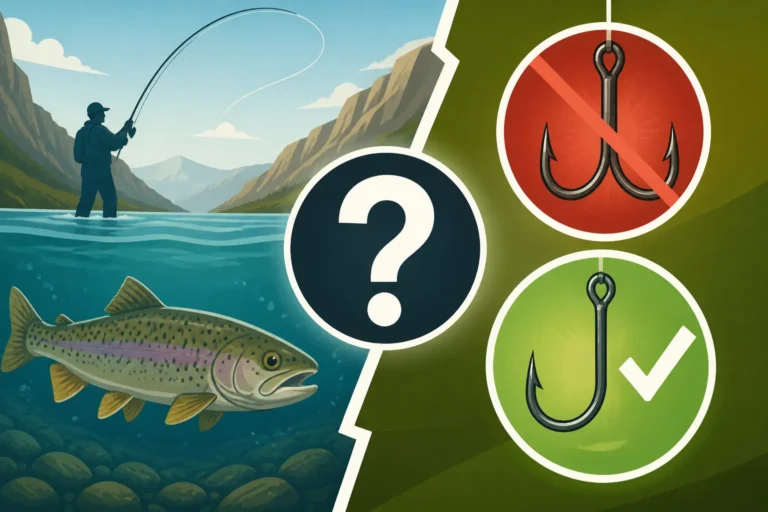
The single most important thing an angler can do in Wyoming is to check the specific regulations for the water body they plan to fish. The general statewide regulations are just a starting point. Many rivers, lakes, and even sections of rivers have unique rules that supersede the general rules. These special regulations might include different daily limits, slot limits (where fish within a certain size range must be released), bait restrictions, or even specific gear requirements (like barbless hooks).
The Wyoming Game and Fish Department's annual fishing regulations booklet is your Bible. It's usually a small, compact guide that fits perfectly in a tackle box or backpack. You can get a physical copy from any licensed vendor, and it's also available online on the WGFD website. I always make sure to have a current copy, or at least the digital version saved on my phone, before heading out. Trust me, it's worth the five minutes to double-check, especially if you're fishing a new area or haven't been out in a while. They even have an interactive map on their website that helps you zoom in on specific lakes and streams to pull up their current regulations. Learning how to effectively use this resource is covered in How to Read Wyoming's Fishing Regulations Booklet.
Table: Key Differences: Stream vs. Lake Trout Regulations
| Feature | Typical Stream (e.g., North Platte) | Typical Lake (e.g., Flaming Gorge) |
|---|---|---|
| Primary Goal | Protect wild, self-sustaining populations | Maximize diverse angling opportunity, manage stocked fish |
| Reproduction | Primarily natural spawning | Heavily reliant on stocking, some natural in tributaries |
| Daily Limit | Often lower (e.g., 1-3 trout) | Often higher (e.g., 4-6 trout or more) |
| Size Restrictions | Common (e.g., slot limits, 1 over 16 inches) | Less common, but can apply (e.g., lake trout) |
| Vulnerability | Higher vulnerability to over-harvest | Lower vulnerability due to larger area/stocking |
| Conservation Focus | Native species, habitat integrity | Species balance, angler satisfaction, invasive species control |
| Typical Gear | Fly rods, light spin gear, wading | Trolling gear, deep jigging, boat-based fishing |
Understanding Special Rules and Exceptions
Wyoming is vast, and its fisheries are incredibly diverse, leading to a myriad of special rules and exceptions. Beyond daily limits, you'll encounter possession limits, which dictate the maximum number of fish you can have in your possession at any given time, including those at home in your freezer. It’s not just about what you catch today, but your cumulative take. Our guide on Wyoming's Combined Possession Limit Explained is a fantastic resource here.
Some waters might have specific bait restrictions, prohibiting live minnows or even limiting the use of scented baits to protect wild trout from being accidentally harmed or from introducing unwanted species. Certain rivers, like designated sections of the North Platte, mandate barbless hooks to minimize harm to fish, particularly for those intended for release. National Parks like Grand Teton and Yellowstone have their own unique fishing regulations, often requiring a separate park-specific license in addition to your Wyoming state license, so if you're venturing into those iconic areas, be sure to check those rules carefully. You can find comprehensive resources on Where to Find Current Wyoming Fishing Regulations, making sure you're always prepared. Before you even head out, you can check online for a wealth of information, from specific lures and baits that work in different waters (and you might want to order a few from Amazon for delivery) to up-to-the-minute reports on hatches or water levels. Being prepared means understanding all the rules, not just the ones about how many fish you can keep.
Disclaimer
The information provided in this guide is for general informational purposes only and is not legal advice. Fishing regulations in Wyoming can change frequently. Always consult the official Wyoming Game and Fish Department (WGFD) regulations booklet or their website before heading out to fish to ensure you have the most current and accurate information. Your understanding and adherence to these regulations are your sole responsibility.