Wyoming Trout Lake Daily Limit
It can be incredibly confusing trying to keep track of all the fishing regulations in Wyoming, especially when it comes to something as seemingly straightforward as trout limits. Many anglers, even experienced ones, often wonder if the rules for catching trout in a vast lake are the same as those for a meandering river, and the answer is often a resounding "not necessarily!" This guide is here to untangle the specifics of Wyoming's daily trout limits when you're casting your line into its beautiful lakes, ensuring you can enjoy your time on the water without any worries about compliance.
Understanding Wyoming's Trout Lake Daily Limit
Wyoming is renowned for its incredible trout fisheries, from high-alpine lakes to vast reservoirs. But while the general principle of conservation applies everywhere, the specific daily limits for trout can vary significantly depending on whether you're fishing a lake or a stream. It's not a "one size fits all" situation, and understanding these nuances is key to a responsible and enjoyable fishing experience.
The Statewide General Rule for Lakes
When it comes to most of Wyoming's lakes, the statewide general rule for trout often provides a bit more generosity than you might find on many rivers. Typically, the daily creel limit for trout in lakes and reservoirs is six trout. This means you can keep up to six trout per day, regardless of species, unless specific regulations for that particular lake or species dictate otherwise.
This general limit is set by the Wyoming Game and Fish Department (WGFD) based on population assessments and management goals. For many larger lakes and reservoirs, which often have more stable populations and faster-growing fish due to ample food sources, a six-ttrout limit allows for reasonable harvest while still ensuring the fishery remains healthy and productive. There generally isn't a statewide size restriction for these six trout, allowing you to keep a variety of sizes that fit within your daily limit. However, always double-check the specific regulations for the waterbody you plan to fish, as this general rule is merely a starting point. For a broader look at how these rules are established, you might want to check out How Bag and Possession Limits Work in Wyoming.
Distinguishing Lake Limits from Stream Limits
This is where many anglers get tripped up! The difference between lake and stream limits is one of the most crucial distinctions in Wyoming's fishing regulations. While lakes often have that six-trout daily limit, many of Wyoming's blue-ribbon trout streams and rivers, particularly those managed for trophy fish, have much stricter limits.
For example, on many rivers like the North Platte or the Snake River, the daily limit for trout might be as low as one or two fish, and often with specific size restrictions, such as the famous "one over 16 inches" rule found on many popular trout streams. These lower limits on streams are usually in place to protect wild, naturally reproducing trout populations, which can be more vulnerable to overharvest, especially larger, older fish that are vital for spawning. Lakes, on the other hand, especially reservoirs, are sometimes managed with higher stocking rates or different ecological dynamics that can sustain a greater level of harvest. Understanding this fundamental difference is vital, and a detailed comparison can be found in our guide on Stream Limits vs Lake Limits for Wyoming Trout. Never assume a river's limit applies to a nearby lake, or vice-versa; always verify the regulations for the specific water you are fishing.
The Role of Species and Waterbody Specific Regulations
While the "six trout" rule is a good general guideline for lakes, it's absolutely critical to remember that it's not universal. Wyoming has a vast and diverse aquatic landscape, and with that comes a patchwork of highly specific regulations designed to manage particular fish species or unique waterbodies.
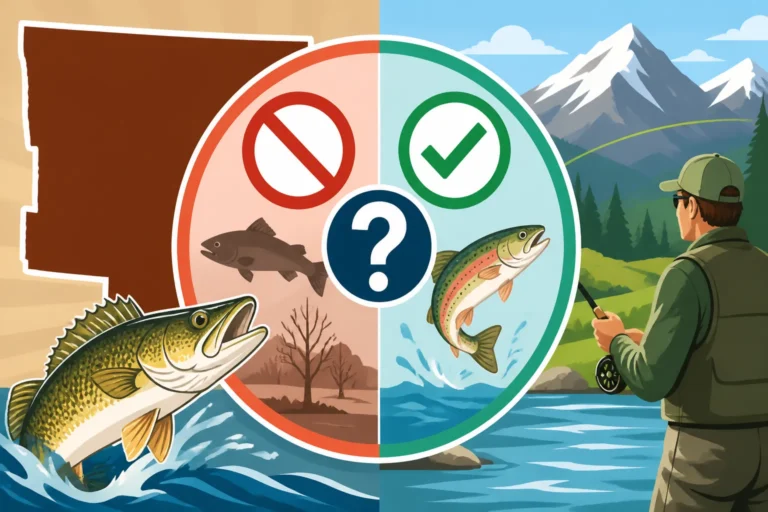
For instance, some smaller, high-alpine lakes might have reduced limits to protect delicate populations of species like Golden Trout or native Cutthroat Trout, which grow slowly and are less resilient to heavy fishing pressure. Conversely, you'll find situations where limits are significantly increased, or even removed entirely, for certain species in specific lakes. A prime example is Yellowstone Lake, where Lake Trout are an invasive species. To aid in their suppression and protect the native Yellowstone Cutthroat Trout, anglers are encouraged, and sometimes even required, to harvest all Lake Trout caught, with no daily or possession limit. This drastically different approach highlights how species and ecological concerns drive specific regulations. To stay informed about all the different scenarios you might encounter, it’s best to consult Wyoming Fishing Regulations Every Angler Should Know.
Navigating Water-Specific Regulations and Exceptions
The general rules are a great starting point, but the real challenge (and sometimes frustration) comes when you dive into the hyper-specific regulations for individual lakes and reservoirs across Wyoming. It’s like trying to navigate a detailed roadmap where every turn has its own unique speed limit.
Common Scenarios with Special Lake Limits
You'll encounter various scenarios where the standard "six trout" lake limit just doesn't apply. For instance, in some of the smaller, more remote mountain lakes, often those that are "helicopter-stocked" by the WGFD, you might find a reduced limit of three or four trout. These waters are typically more fragile and have limited carrying capacity, so a lower limit helps distribute the catch among more anglers and ensures a sustained fishery. Think about those breathtaking, crystal-clear alpine lakes in the Wind River Range; their beauty comes with specific conservation needs.
On the other end of the spectrum, some larger, more productive reservoirs might have increased limits for certain species if populations are booming or if the WGFD wants to encourage harvest for management purposes. This is less common for trout but can occur for other species. An excellent example of water-specific adjustments, even if it's a river rather than a lake, is how limits change to protect or manage populations, like the New Snake River Trout Limits Near Jackson Lake Dam which showcases how dynamic these regulations can be based on local population health and management goals. Always consider the specific water you’re on.
The Impact of Invasive Species Management
Perhaps the most dramatic departure from standard trout limits occurs when dealing with invasive species. Wyoming, like many states, grapples with non-native fish that can devastate native populations. Lake Trout (also known as Mackinaw) in Yellowstone Lake are the poster child for this issue. They prey heavily on the native Yellowstone Cutthroat Trout, and their presence has necessitated aggressive management strategies.
In Yellowstone Lake, not only is there no daily limit on Lake Trout, but anglers are actually required to kill all Lake Trout they catch and may not release them alive back into the lake. This isn't about promoting sport fishing for Lake Trout; it's a critical conservation measure to protect an iconic native species. This policy is a stark reminder that regulations aren't just about limiting your catch; sometimes, they're about encouraging harvest for ecological balance. To learn more about this particular issue, you can read about Why Lake Trout Are Considered a Problem in Yellowstone Lake. This type of regulation can be startling if you're not expecting it, but it's vital for preserving Wyoming's natural heritage.
How to Find the Most Up-to-Date Lake Regulations
Given the variability, how do you ensure you're always fishing legally? The absolute best resource is the official Wyoming Game and Fish Department (WGFD) website and their annual Fishing Regulations booklet.
Every year, the WGFD publishes a comprehensive booklet detailing all fishing regulations, including general rules, statewide limits, and, crucially, specific rules for individual waterbodies. These water-specific regulations are typically listed alphabetically by name, making it relatively easy to find the lake or reservoir you plan to fish. You can download a digital copy from their website or pick up a physical copy at any WGFD office, most sporting goods stores, and even many convenience stores throughout the state. While you can sometimes find older regulation booklets on platforms like Amazon for reference or novelty, always prioritize the current year's official publication directly from WGFD or their website for the most accurate and up-to-date information. They are the authoritative source. Understanding Reading the Wyoming Fishing Regulations Booklet can save you a lot of headaches and potential fines. Don't rely on word-of-mouth or last year's knowledge; regulations can change!
Practical Implications for Anglers
Understanding the regulations is one thing, but putting them into practice while you're out on the water, especially on a long day of fishing, requires a bit of thoughtful preparation and diligence. No one wants to accidentally find themselves over the limit.
Keeping Track of Your Catch
When you're reeling in fish after fish, especially if the bite is hot, it can be surprisingly easy to lose count. This is particularly true if you're catching and releasing some, but keeping others. To avoid any issues with the daily limit, it’s a good practice to have a clear system. Some anglers use a simple clicker counter, others make a mental note each time a fish goes into the cooler, and some even carry a small dry-erase board or notepad to jot down their tally.
If you're fishing with multiple people on a boat, make sure everyone understands the individual daily limit and how the group will collectively keep track to avoid confusion. For instance, if the limit is six trout per person, and you have two anglers, you can legally possess twelve trout. But ensure you know who caught what if that becomes relevant. It sounds simple, but in the excitement of a good fishing day, it's easy to lose track. A clear understanding of How Bag and Possession Limits Work in Wyoming is essential here, as it covers both daily and possession limits.
Understanding Combined Possession Limits
This is another area that often trips up anglers. The daily limit is how many fish you can harvest within a 24-hour period. The possession limit refers to the total number of fish you can have in your actual possession at any given time, whether on your person, in your cooler, in your vehicle, or at your camp or lodging. For trout in Wyoming, the possession limit is often the same as the daily limit, but not always, and it's absolutely critical to know the difference.
For many trout lakes, if the daily limit is six trout, the possession limit will also be six trout. This means that if you caught six trout on Monday and kept them, you cannot go out on Tuesday and catch six more and add them to your cooler if you still have Monday's fish in your possession. You would need to consume or process Monday's fish to get back under the possession limit before keeping more. However, if you are planning an extended trip and want to keep fish from multiple days, you must ensure you are adhering to the combined possession limits. This concept is thoroughly explained in Wyoming's Combined Possession Limit Explained, and it's a rule that Game and Fish wardens take very seriously.
Gear and Practices for Responsible Harvest
For the fish you decide to keep within the legal limit, responsible harvest practices are important. This means quickly and humanely dispatching the fish as soon as it's caught and getting it on ice immediately. This not only ensures the best quality meat but also prevents unnecessary suffering. A good cooler is an angler's best friend for this.
Consider investing in a high-quality cooler – many fantastic options are available from brands like Yeti or RTIC, and you can find a wide range of insulated coolers on Amazon that will keep your catch perfectly chilled. Having an adequate cooler onboard or at your campsite is crucial, especially on warm days. For those fish you intend to release, ensure you handle them gently, minimizing their time out of water and using appropriate tools like dehookers to reduce injury. Even when keeping fish, good handling practices reflect respect for the resource. Our guide on Catch-and-Release Rules on Wyoming Waters offers great tips that apply to all fish handling, whether you're keeping or releasing.
What Happens If You Exceed the Limit?
No one wants to break the law, especially when out enjoying nature. Fishing regulations are in place for a reason, and exceeding the daily limit, even accidentally, can lead to serious consequences. It's not just about getting caught; it's about respecting the resource and contributing to its sustainability.
Penalties for Violations
Fishing without a valid license, using illegal bait, or exceeding bag and possession limits are considered violations of Wyoming's game and fish laws. The penalties can be significant. Depending on the severity and nature of the offense, you could face hefty fines, confiscation of your catch and gear, and even the suspension of your fishing privileges in Wyoming for a period of time. These fines can range from a few hundred dollars to thousands, especially if multiple fish are involved or if a protected species is over-harvested.
Wyoming Game and Fish wardens patrol actively, and they are well-versed in the regulations. They educate anglers, but they also enforce the rules strictly to protect the state's wildlife resources. "I didn't know" is generally not an acceptable defense, which is why taking the time to thoroughly review the regulations for your chosen fishing spot is so important. A detailed breakdown of potential consequences can be found in Fines and Penalties for Common Fishing Violations. It's always better to err on the side of caution and ensure you are well within your limits.
Why Strict Limits Are Important
Fishing limits aren't just arbitrary numbers; they are scientifically determined tools for managing fish populations and ensuring the long-term health of Wyoming's fisheries. The WGFD conducts extensive research, including creel surveys, fish population counts, and habitat assessments, to set these limits.
By limiting the number of fish an angler can keep, the department helps prevent overfishing, especially of popular species like trout, allowing enough fish to survive and reproduce. This ensures that future generations of anglers will also have the opportunity to experience the thrill of fishing in Wyoming. These regulations protect native species, control invasive ones, and maintain the delicate balance of aquatic ecosystems. When anglers adhere to these limits, they become active participants in conservation, contributing to the health and vitality of Wyoming's natural resources. The WGFD even has mechanisms like How Wyoming Sets In-Season Emergency Closures to dynamically adjust regulations when unexpected environmental changes or population declines occur, showcasing their commitment to robust management.
Comparing Wyoming Trout Limits: Lakes vs. Streams
To help visualize the differences we've discussed, here's a general comparison. Always consult the current WGFD regulations for specific waterbodies, as these are general examples.
| Feature | Typical Lake/Reservoir Trout Limit | Typical Stream/River Trout Limit (General) | Notable Exceptions |
|---|---|---|---|
| Daily Creel Limit | 6 trout | 3 trout (often with size restrictions) | Yellowstone Lake: No limit on Lake Trout, mandatory kill. Some high-alpine lakes: 3-4 trout. |
| Size Restrictions | Generally none | Often "one over 16 inches" or similar | Specific waterbodies may have minimum/maximum size limits for certain species. |
| Possession Limit | Generally 6 trout | Generally 3 trout | Aligns with daily limit unless specified otherwise. |
| Management Focus | Sustainable harvest, put-and-take, population control | Conservation of wild/native populations, trophy management | Invasive species control, protection of vulnerable native strains. |
Disclaimer
The information provided in this guide is for general informational purposes only and is not a substitute for the official Wyoming Game and Fish Department (WGFD) regulations. Fishing regulations are subject to change, and it is the sole responsibility of each angler to consult the most current WGFD Fishing Regulations booklet or website before fishing any waters in Wyoming. Failure to comply with official regulations can result in fines and other penalties.