Wyoming’s 2026 Fishing Regulation Changes Explained
It's incredibly frustrating, isn't it? Just when you think you've got a handle on the rules, Wyoming's fishing regulations seem to shift, making it tough to stay on the right side of the law and ensure a responsible trip. Every year brings potential tweaks, and anticipating what's coming can feel like a guessing game. This guide is here to demystify how these changes happen and what kinds of updates you might encounter in Wyoming's 2026 fishing regulations, helping you prepare for your next adventure.
Why Fishing Regulations Evolve Annually in Wyoming
The wild and wonderful fisheries of Wyoming are dynamic ecosystems, constantly influenced by a myriad of factors. Because of this, the rules governing fishing can't stay static year after year. The Wyoming Game and Fish Department (WGFD) is tasked with balancing the health of fish populations with the recreational opportunities for anglers, and that's no small feat. Think of it like a delicate dance between conservation and recreation.
The Role of the Wyoming Game and Fish Department
The WGFD isn't just a regulatory body; they are deeply involved in research, management, and stocking programs across the state. Their biologists spend countless hours on the water, assessing fish health, population numbers, spawning success, and the impact of environmental changes. This scientific data forms the backbone of any regulation proposal. They also consider public input, gathered through open forums, online surveys, and direct communication from anglers and conservation groups. It's a continuous cycle of observation, analysis, public engagement, and adjustment, all designed to ensure sustainable fisheries for generations to come.
When you see a change in the regulations, it’s rarely a whimsical decision. It’s typically the result of careful consideration, scientific findings, and an attempt to address a specific issue, whether it's protecting a vulnerable species, mitigating overharvest, or improving the fishing experience overall. They strive to be proactive, but sometimes reactive measures are necessary to respond to unforeseen challenges.
Factors Influencing Regulation Updates
Several key factors drive the need for regulation changes. One of the most significant is fish population health. If a species like the native Yellowstone Cutthroat Trout in certain drainages is struggling, you might see tighter limits or even catch-and-release only rules implemented to aid recovery. Conversely, if an invasive species, such as lake trout in Yellowstone Lake, is overpopulating and threatening native fish, regulations might be loosened, encouraging anglers to keep more of them. Environmental conditions play a huge role too; prolonged drought can reduce water levels and warm temperatures, stressing fish and necessitating restrictions, while strong runoff years can impact spawning.
Angler pressure is another major consideration. As popular fishing spots become more heavily visited, the WGFD might introduce specific regulations to disperse pressure or protect high-value fisheries. For example, if a particular stretch of the North Platte River sees heavy fishing traffic, there might be a move towards more restrictive rules like mandatory barbless hooks to reduce handling mortality. Economic considerations also factor in, as the WGFD aims to support a thriving fishing tourism industry while preserving the resource. All these moving pieces mean that what worked last year might not be sustainable for the next.
Key Statewide Changes Anticipated for 2026
While specific details for 2026 won't be finalized until closer to the new year, the WGFD typically approaches statewide changes with a few common goals in mind: standardizing rules where possible, protecting general fish health, and adapting to broader trends. These often revolve around general seasons, bag limits, and gear restrictions that apply across most waters unless otherwise specified.
General Season Dates and Times
For the most part, Wyoming's general fishing season runs year-round. This is a huge benefit for anglers who enjoy ice fishing in the winter months or early spring trout opportunities. However, specific waters or species might have individual seasons or closures, and these are often what get updated. For 2026, it's always worth double-checking the general statewide regulations to see if there have been any minor shifts in opening or closing dates for particular game fish or water types. Sometimes, even seemingly small adjustments, like a change in the start date for a specific high-elevation lake, can have a big impact on your fishing plans. You'll want to review the section on Wyoming Fishing Seasons and Water-Specific Closures in the official booklet.
Often, these changes relate to spawning periods or vulnerable times for fish. For example, some stream sections might close temporarily during brown trout spawning season in the fall to protect their redds (nests). Similarly, some high mountain lakes, once only accessible in summer, might see extended seasons if studies show it doesn't harm populations. These adjustments are always published clearly in the official regulations, which you can usually find online or pick up a hard copy at most sporting goods stores or even some Walmart locations.
Statewide Bag and Possession Limit Adjustments
Bag and possession limits are some of the most frequently adjusted regulations. These limits dictate how many fish you can keep per day (bag limit) and how many you can have in your possession at any given time, including those at your campsite, vehicle, or home (possession limit). For 2026, it's possible the WGFD might adjust limits on popular species like rainbow trout or brook trout if stocking efforts have been particularly successful, or, conversely, tighten them if natural reproduction or survival rates have declined in general areas.
For example, a common statewide limit for trout might be six per day, with no more than one over 16 inches. However, these numbers are constantly reviewed. You might see a change to allow more or fewer fish, or even new slot limits imposed in certain areas to protect a particular size class of fish. It's crucial to understand the difference, as explained in How Bag and Possession Limits Work in Wyoming, because confusing them can lead to unintentional violations. Always check the general statewide limits first, and then look for any water-specific exceptions, as these almost always override the general rules.
New Gear and Bait Restrictions
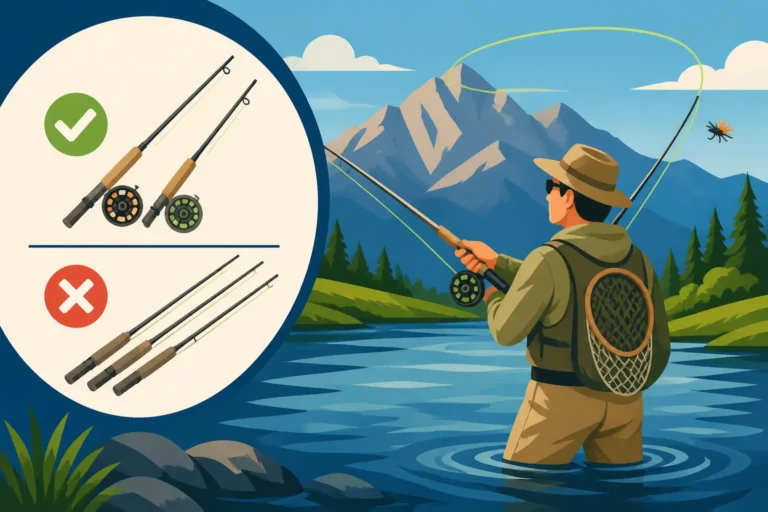
Gear and bait restrictions are another area where statewide modifications can occur. Wyoming generally allows both bait and artificial lures, but specific waters often have limitations. For 2026, there might be a push to expand the use of artificial flies and lures only in certain areas, particularly on blue-ribbon trout streams, to reduce fish mortality associated with bait fishing. Barbless hook requirements are also becoming more common in sensitive catch-and-release areas, and while often water-specific, sometimes these rules start to spread more broadly.
Consider the potential for new regulations regarding invasive species. This isn't just about boats; it can also affect live bait. There might be new restrictions on where certain live baits can be collected or used to prevent the spread of undesirable organisms. Always check the rules for specific waters, as using the wrong bait can lead to fines. You can often find a good selection of approved lures and artificial baits on Amazon if you're looking to stock up before your trip, ensuring you're compliant with any potential changes.
Significant Water-Specific Regulation Updates
Many of Wyoming's most critical regulation changes occur at the individual waterbody level. This is because each river, lake, or reservoir has its own unique ecosystem, fish populations, and angler dynamics. The WGFD tailors rules to protect these specific environments, often leading to very localized and important updates.
North Platte River Changes
The North Platte River, particularly iconic stretches like the Miracle Mile and Gray Reef, is renowned for its trophy trout fishing. Because it sees intense angler pressure, this river system is frequently subject to specific, often stricter, regulations. For 2026, there might be further refinements to existing rules, such as extending catch-and-release only sections or increasing the number of miles where Barbless Hook Requirements on the North Platte River are mandatory. These regulations are designed to protect the large, wild brown and rainbow trout that call these waters home, reducing stress and injury from angling.
Anglers accustomed to fishing certain sections might find new slot limits implemented, meaning only fish within a particular size range can be kept, or the daily creel limit could be reduced even further to ensure sustained trophy fishing opportunities. It's not uncommon to see these changes rolled out with an educational campaign, helping anglers understand the 'why' behind the new rules. Always check the most current regulations for the North Platte before heading out, as these specific rules can vary greatly from general statewide guidelines.
Snake River and Jackson Lake Modifications
The Snake River and its connected waters, like Jackson Lake, are another cornerstone of Wyoming fishing, particularly for the native Snake River Fine-Spotted Cutthroat Trout. Recent years have seen significant changes here, and 2026 could bring further adjustments. For instance, there's been discussion and action around extending the fishing season for Jackson Lake. While Why Jackson Lake Now Stays Open Through October was a major recent development, the WGFD continues to monitor fish populations and might further tweak season dates or species-specific limits.
The New Snake River Trout Limits Near Jackson Lake Dam have been a point of interest, often allowing for increased harvest of non-native lake trout (Mackinaw) to benefit the native cutthroat populations. Anglers targeting lake trout in these waters might find even more liberal limits or new methods encouraged to aid in these conservation efforts. Conversely, limits on cutthroat might become even stricter in some areas to reinforce their recovery. Always be aware of the specific boundaries, as regulations can change dramatically even between adjacent stretches of river or different sections of a large lake.
Flaming Gorge and Boysen Reservoir Adjustments
Wyoming's large reservoirs like Flaming Gorge and Boysen offer diverse fishing for species beyond trout, including walleye, smallmouth bass, and kokanee salmon. Regulations here are often adjusted based on population surveys for these specific species. For 2026, if walleye populations in Boysen Reservoir are thriving, you might see adjusted bag limits or even slot limits to manage their growth and size structure, ensuring healthy fish for years to come.
Similarly, at Flaming Gorge, where anglers target trophy lake trout and kokanee salmon, there could be changes to depth restrictions for trolling, or specific limits on kokanee salmon during their spawning runs to protect future generations. Often, these reservoir-specific rules are influenced by angler harvest data and scientific surveys. For example, if the WGFD detects an increase in illegal dumping of unwanted baitfish in a reservoir, new restrictions on bait transport or types of bait allowed might be introduced. Keeping up with these localized rules is just as important as knowing the statewide regulations.
License and Conservation Stamp Revisions
Getting your license and stamp in order is the first step to a legal fishing trip in Wyoming. While the fundamental requirement for a license typically remains, the specifics around types of licenses, residency definitions, and the associated Conservation Stamp can see periodic updates. Staying informed about these administrative changes is just as vital as knowing your bag limits.
Changes to Resident and Nonresident License Structures
Wyoming offers a variety of licenses, from annual options to daily and five-day permits, catering to both residents and nonresidents. For 2026, it's possible there could be adjustments to the pricing structure or even the introduction of new license categories. For example, there might be a reevaluation of the benefits or costs associated with Resident vs Nonresident Fishing Licenses in Wyoming. Nonresidents often pay a significantly higher fee, and these rates can be adjusted to reflect inflation or fund specific conservation projects.
It's also worth watching for any modifications to the definition of a "resident" for licensing purposes. These definitions are usually quite strict, requiring a certain period of continuous physical presence in the state. Any changes here could affect seasonal visitors who spend extended time in Wyoming and might have previously qualified for resident rates. Always buy your license from an authorized vendor, whether it's online through the WGFD website or at a physical agent, to ensure it's legitimate.
Updates to Conservation Stamp Requirements
The Wyoming Conservation Stamp is a separate, mandatory purchase for most anglers over the age of 14, in addition to their fishing license. It's a critical component that helps fund habitat improvements, wildlife management, and access programs across the state. The rules around Who Needs Wyoming's Conservation Stamp are generally consistent, but the cost can change, or there might be new exemptions or requirements for certain license types.
For 2026, keep an eye out for any adjustments to the situations When the Conservation Stamp Is Not Required in Wyoming. For instance, sometimes very short-term licenses or youth licenses have different requirements, but these are exceptions rather than the rule. It's a small investment that makes a big difference for Wyoming's wildlife and fisheries. You can often purchase the Conservation Stamp when you buy your fishing license online or at a local vendor, making it a straightforward process.
Digital vs. Physical License Rules
In an increasingly digital world, the question of how to carry and display your fishing license is important. Many states are moving towards fully digital options. While Wyoming has embraced digital licenses, allowing anglers to carry their license on a smartphone or other device, it's always wise to understand the nuances. For 2026, there might be further clarification or expansion of these rules. For instance, some areas might still prefer or even require a physical copy if cell service is unreliable, which is common in many remote parts of Wyoming.
It's essential that your digital license is easily accessible and readable if a game warden asks to see it. A dead phone battery or a screenshot that's not easily verifiable could still lead to issues. While the WGFD website and authorized apps are reliable, many anglers still prefer to print a physical copy or carry a sturdy waterproof plastic sleeve for their paper license, often purchased with their gear on Amazon, just to be safe. Always make sure your chosen method of carrying your license complies with the most current regulations to avoid any unnecessary hassle on the water.
New Special Rules and Enforcement Focus Areas
Beyond the general season and limit changes, the WGFD often implements new special rules or highlights specific enforcement focus areas. These are typically driven by emerging challenges or critical conservation needs, and they can significantly impact how and where you fish.
Invasive Species Prevention and Boat Inspection Changes
Invasive aquatic species are a massive threat to Wyoming's native fisheries and ecosystems. Organisms like zebra mussels or quagga mussels can devastate aquatic environments, clogging waterways and outcompeting native species. As such, prevention efforts are a high priority, and 2026 could see further tightening of boat inspection requirements. For example, some areas might extend inspection hours or require inspections even for non-motorized vessels like kayaks or paddleboards that are launching in certain waters.
You might also see new regulations regarding the transport of water from one body to another, even in buckets or livewells. The "Clean, Drain, Dry" mantra is crucial, and the WGFD takes this very seriously. Failure to comply with boat inspection requirements or knowingly transporting invasive species can result in hefty fines and penalties. Always plan to stop at a mandatory inspection station if you're transporting any watercraft in Wyoming, and make sure you understand the regulations for your specific type of vessel.
Catch-and-Release Protocol Updates
Catch-and-release fishing is a vital conservation tool, especially on Wyoming's trophy trout waters. However, just releasing a fish isn't enough; it's how you release it that matters. For 2026, there might be updated guidelines or even mandatory protocols for catch-and-release in certain sensitive areas. This could include requirements for using rubber or knotless nets to protect fish slime coats, minimizing air exposure, or proper handling techniques to avoid injury.
The goal is to ensure that released fish have the highest possible chance of survival. While these might seem like small details, they are critical for maintaining healthy fish populations, particularly for vulnerable species or those in high-pressure fisheries. Familiarizing yourself with these best practices, which are often detailed in the official Wyoming Fishing Regulations Every Angler Should Know, will not only make you a more responsible angler but also contribute directly to the health of Wyoming's world-class fisheries.
Emergency Closure Procedures and Communication
Sometimes, unforeseen circumstances—like severe drought, disease outbreaks, or extreme heat—necessitate rapid, in-season adjustments to fishing regulations, including emergency closures. While these are usually temporary, they can greatly impact your trip. For 2026, the WGFD might refine its protocols for announcing and implementing these emergency closures, aiming for clearer and more timely communication.
This could involve more prominent alerts on their website, automated email notifications, or even social media updates. Knowing Where to Find Current Wyoming Fishing Regulations, including emergency notices, is paramount. Always check the WGFD website or call a regional office before heading out, especially during periods of environmental stress. Nobody wants to arrive at a favorite fishing spot only to find it's temporarily closed due to an unforeseen circumstance.
How These Changes Impact Different Anglers
Regulation changes aren't just dry legal text; they have very real impacts on how anglers plan their trips, what gear they use, and even their overall fishing philosophy. Understanding these effects can help you adapt and continue to enjoy Wyoming's abundant fishing opportunities.
Implications for Fly Anglers and Bait Fishermen
For fly anglers, changes in gear restrictions, particularly around barbless hooks and artificial-lure-only sections, can be a mixed bag. If more waters move to barbless-only, it means converting existing flies or purchasing new ones, which can be easily found on Amazon. However, these rules often coincide with improved fish health and potentially more trophy opportunities, which is a win for many fly fishers. New catch-and-release protocols also reinforce the ethical practices many fly anglers already adhere to.
Bait fishermen, on the other hand, might face more significant adjustments. If specific rivers or lakes move towards artificial-only restrictions, it means changing tactics entirely. New rules on live bait sourcing or transport due to invasive species concerns could also complicate things. For those who prefer bait, it's essential to meticulously check water-specific regulations, particularly if targeting certain species like walleye or perch, where bait is often a preferred method. Being flexible and willing to learn new techniques or adjust gear is key.
Considerations for Ice Fishing Enthusiasts
Wyoming's long winters make ice fishing a popular pastime, and the WGFD carefully manages these fisheries. For 2026, ice fishing enthusiasts should be mindful of any changes to season dates (though most waters remain open year-round for ice fishing), species-specific bag limits, or new regulations concerning fishing shelters or the use of multiple lines. While the allowance for using two poles is generally widespread, it's still a good idea to confirm.
Invasive species prevention also applies to ice fishing. Anglers should still "Clean, Drain, Dry" their gear, including augers, sleds, and portable shelters, especially if moving between different bodies of water. Even small changes, like a reduction in the daily limit for perch on a particular reservoir, can impact the success of an ice fishing trip. Always double-check the regulations for your chosen ice fishing spot before drilling your first hole.
Impact on Families and Recreational Anglers
For families and those who fish more recreationally, regulation changes can sometimes feel overwhelming. The simplicity of taking kids out to catch a few fish can be complicated by new rules. However, many changes, like extended seasons on certain lakes or adjustments to stocking schedules, can actually enhance recreational opportunities. For instance, if a local pond sees increased stocking of rainbow trout, it could be a fantastic spot for kids, regardless of minor regulation shifts.
The most important thing for recreational anglers is to keep it simple: get a valid license (and a Conservation Stamp if required), know the general statewide limits, and then quickly check the specific rules for the particular lake or stream you plan to visit. Resources like the WGFD's "Kids Fishing" pages or even simplified guides can help. The goal is always to enjoy the outdoors responsibly, and a little preparation goes a long way.
Finding the Official 2026 Regulations and Staying Informed
With all these potential changes, how do you actually find the definitive, official information? Relying on hearsay or outdated information is a sure way to run into problems. The Wyoming Game and Fish Department provides several reliable resources, and knowing how to navigate them is crucial.
Navigating the Wyoming Game and Fish Website
The WGFD website is your single most important resource for current regulations. They typically publish the new regulation booklet well in advance of the season (often in the late fall or early winter preceding the new year). You can usually find a PDF version of the complete "Wyoming Fishing Regulations Booklet" that you can download and save to your phone or tablet. This digital access is incredibly convenient, allowing you to quickly look up rules even when you're out in the field.
Beyond the main booklet, the website also has dedicated sections for emergency closures, frequently asked questions, and contact information for regional offices. Bookmark the site and check it periodically for updates. It's the most accurate and up-to-date source for all official announcements and rule changes.
Where to Pick Up a Physical Booklet
For those who prefer a tangible copy or who fish in areas with unreliable cell service, a physical regulation booklet is invaluable. The WGFD distributes these free booklets widely across the state. You can typically pick one up at any WGFD regional office, most sporting goods stores (like Murdoch's Ranch & Home or even some larger retailers), bait and tackle shops, and sometimes even at gas stations or convenience stores in popular fishing areas.
Having a hard copy of Reading the Wyoming Fishing Regulations Booklet in your tackle box or glove compartment is a smart move. It provides a reliable reference, and you can easily highlight specific rules for the waters you plan to fish. Just be sure you're picking up the most current year's edition, as old booklets will contain outdated information.
Resources for Real-Time Updates and Clarifications
While the annual regulation booklet covers the official rules, real-time conditions and in-season emergency changes require other sources. The WGFD often uses its social media channels (Facebook, X/Twitter) to announce urgent closures or important updates. Subscribing to their email newsletters is another excellent way to receive direct notifications about significant changes or news that could impact your fishing plans.
Additionally, don't hesitate to call your local WGFD regional office. Their staff are incredibly knowledgeable and can provide specific clarifications on complex regulations or inform you about current conditions on local waters. It's always better to ask a question than to inadvertently violate a rule. Combining these resources ensures you're always operating with the most accurate and current information.
Summary of Key Regulation Changes (Hypothetical for 2026)
To give you a clearer picture, here's a hypothetical table summarizing the types of changes you might see implemented in Wyoming's 2026 fishing regulations, based on common WGFD concerns and recent trends:
| Waterbody/Species | Current Rule (General Example) | Potential 2026 Change | Reason for Change (Hypothetical) |
|---|---|---|---|
| North Platte River (Miracle Mile) | Single hook, artificial lure only | Barbless hooks required year-round for trout | Reduce handling mortality for trophy trout |
| Snake River (below Jackson Lake Dam) | Daily limit 3 trout, only 1 over 16" | Daily limit 6 trout, only 2 over 16" (to encourage harvest of non-natives) | Protect native cutthroat by liberalizing Mackinaw harvest |
| Jackson Lake | Closed Oct 31 – Apr 30 | Open through Nov 15 | Extend season for lake trout harvest |
| Boysen Reservoir (Walleye) | Daily limit 6, only 1 over 20" | Daily limit 4, only 1 over 20" | Manage increasing walleye population and size structure |
| High Mountain Lakes (general) | Open year-round | Seasonal closure May 1 – June 15 for some lakes | Protect sensitive spawning periods after late ice-out |
| Statewide (Live Bait) | Live minnows legal in most waters | Restrictions on transporting live minnows between drainages | Prevent spread of invasive species |
Please remember, this table presents hypothetical changes for illustrative purposes. Always refer to the official Wyoming Game and Fish Department 2026 Fishing Regulations Booklet for definitive and legally binding information.
Disclaimer
The information provided in this guide is for general informational purposes only and is not a substitute for the official Wyoming Game and Fish Department (WGFD) regulations. Fishing rules and laws can change frequently. Always consult the most current WGFD regulations booklet and website before engaging in any fishing activities in Wyoming. Failure to comply with official regulations may result in fines or penalties.