Are Live Fish Allowed as Bait in Wyoming?
It's incredibly frustrating when you're trying to do the right thing and navigate all the different fishing regulations, only to feel like you need a law degree just to understand what bait you can legally use. Many of us come from places where tossing a live minnow on a hook is a time-honored tradition, and it's easy to assume that's the norm everywhere. But when it comes to fishing in Wyoming, the rules around live fish as bait are very specific, and overlooking them can lead to serious headaches. This guide is here to clear up that confusion once and for all, so you can focus on catching fish, not fines.
The Blanket Rule Against Live Fish Bait
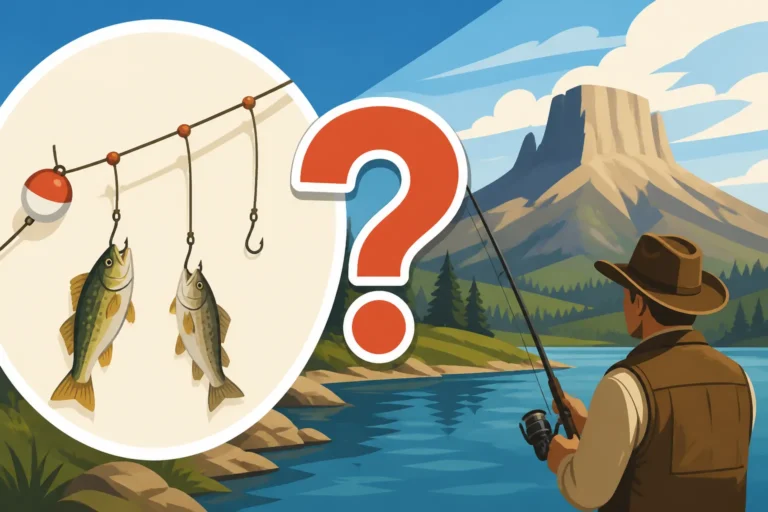
Let's get straight to the point: generally speaking, live fish are not allowed as bait in Wyoming. This isn't just a suggestion; it's a fundamental regulation enforced by the Wyoming Game and Fish Department (WGFD). While this might seem overly restrictive if you're used to fishing with live shiners or suckers in other states, there are very sound ecological reasons behind this statewide prohibition.
The primary goal is to protect Wyoming's incredible fisheries from external threats. Our waters are home to a diverse array of native species, including several cutthroat trout subspecies, and maintaining their health is paramount. Introducing any non-native live fish, even inadvertently, can have devastating and irreversible consequences on these delicate ecosystems. It's a preventive measure designed to safeguard what makes Wyoming fishing so special in the first place.
This rule applies universally across the state's waters, whether you're fishing a blue-ribbon trout stream, a vast reservoir, or a small mountain lake. It means you can't transport live fish from one waterbody to another to use as bait, nor can you purchase live baitfish from a store and deploy them in Wyoming's rivers and lakes. This strict approach ensures that anglers are aware of the potential risks and helps keep our cherished aquatic environments pristine for future generations.
Why Wyoming Restricts Live Fish Bait
The reasons behind Wyoming's strict stance on live fish bait are deeply rooted in fisheries management and conservation science. One of the most significant concerns is the potential for spreading aquatic invasive species (AIS). Imagine bringing a bucket of live baitfish, and one or two escape into a new lake. If those fish are non-native, they can quickly establish breeding populations, outcompete native species for food and habitat, or even prey on them. This disruption can lead to a complete overhaul of the ecosystem, often to the detriment of the species anglers want to catch.
Beyond direct competition, there's the very real threat of disease. Many non-native baitfish can carry pathogens that are harmless to them but deadly to Wyoming's native trout and other species. For instance, diseases like whirling disease or viral hemorrhagic septicemia (VHS) have caused significant problems in fisheries across the country. These microscopic organisms can be inadvertently introduced through infected live bait, wiping out entire fish populations in a short amount of time. The WGFD takes these threats very seriously, and the live bait ban is a crucial defense mechanism.
Consider the implications for a moment. If even a handful of non-native species or a new disease entered a renowned fishery like the North Platte River or the Snake River, the economic and ecological impact would be catastrophic. The WGFD's regulations, as detailed in the comprehensive Wyoming Fishing Regulations Every Angler Should Know guide, are designed to prevent such scenarios. They prioritize the long-term health and sustainability of our aquatic resources, ensuring that these world-class fishing opportunities remain for everyone to enjoy.
What "Live Fish" Actually Means in the Regulations
When the regulations talk about "live fish," they're referring to any finfish that is alive. This might seem obvious, but sometimes anglers try to find loopholes, thinking that certain species or sizes might be exempt. They are not. If it's a fish and it's alive, it's generally prohibited for use as bait. This includes minnows, shiners, suckers, or any other small fish species you might typically use as bait in other regions. It doesn't matter if you caught them yourself from a nearby pond or bought them from a bait shop in a neighboring state; transporting them live to use as bait in Wyoming is a no-go.
It's also important to understand that this rule isn't just about fish you consider "baitfish." Even if you were to catch a small trout or perch from one waterbody and try to use it alive as bait in another, that would still be a violation. The regulations are broad to prevent any misinterpretation or accidental introduction. The idea is to stop the movement of any live aquatic organisms that could potentially harm the ecosystem.
The WGFD's enforcement is thorough, and officers are well-versed in the various ways anglers might attempt to skirt these rules. The best practice is to assume no live fish are allowed as bait, period. This simplifies your planning and ensures you remain compliant. If you're ever in doubt about a specific situation or a particular bait, consulting the official regulations or contacting the WGFD directly is always your safest bet. Ignoring this fundamental rule could lead to significant penalties, which we'll discuss in more detail later.
Understanding Permitted Bait: What You Can Use
While the blanket ban on live fish bait might seem daunting at first, there's still a wide array of effective and legal baits you can use to successfully fish Wyoming's waters. The key is to shift your mindset from what you can't use to the many fantastic alternatives that are readily available and often incredibly productive. Wyoming has some of the best fishing in the country, and countless anglers enjoy tremendous success using perfectly legal and ecologically safe bait options.
The regulations are designed to be protective, not prohibitive of a good time. Many traditional baits, and even some modern innovations, are perfectly fine to use. The trick is to be informed and prepared, understanding that what works in one state might not be legal in another. This section will guide you through the types of bait you can use, ensuring your fishing adventures in Wyoming are both fruitful and compliant with the law.
Remember, the goal is to enjoy the natural beauty and incredible fishing opportunities Wyoming offers, and doing so responsibly means adhering to these important guidelines. With a little planning, you'll find plenty of effective strategies that don't involve live fish.
Dead Bait Fish: The Exceptions and Specific Waters
Now, this is where things get a little nuanced, so pay close attention. While live fish are generally prohibited, dead bait fish are sometimes allowed, but only under extremely strict conditions and in very specific waters. You cannot simply use any dead fish you find. The regulations usually specify that dead bait fish must either be:
- Commercially processed and packaged: These are often vacuum-sealed or preserved dead baitfish, like those you might find at tackle shops or even on Amazon. They are certified disease-free and are typically sold frozen or brined. Brands like Smelly Jelly or Pro-Cure often offer dead baits or scents that are compliant. The crucial part here is the "commercially processed" and "disease-free" aspect. These products remove the risk of disease transmission or the introduction of invasive species.
- Legally taken by angling from the same water being fished: In some designated waters, you might be allowed to use a dead fish that you caught from that very same waterbody as bait. This is incredibly rare and applies to very few waters, often larger reservoirs where specific management objectives are in place, like controlling certain populations. You absolutely cannot transport a dead fish caught from one lake to another to use as bait, even if it's dead. This prevents the spread of diseases or aquatic invasive species that might be hitchhiking on the fish's exterior or within its gut.
It is absolutely imperative to check the current Wyoming Fishing Regulations Booklet for the specific water you plan to fish. The regulations often have a section for "Water-Specific Regulations" where these rare exceptions for dead bait fish are clearly outlined. If it's not explicitly stated, assume dead fish bait is also prohibited. For instance, some of the larger reservoirs like Flaming Gorge Reservoir or Boysen Reservoir might have different allowances for dead baitfish to target species like walleye or lake trout, but this is never a statewide rule.
Other Legal Baits That Aren't Fish
Thankfully, there's a huge world of legal and effective baits that aren't fish! For many anglers, these are their go-to choices, delivering fantastic results across various species and water types. Let's break down some of the most popular and productive options:
- Worms and Nightcrawlers: These are the classics for a reason! Earthworms, red wigglers, and nightcrawlers are universally effective for nearly every freshwater species, including trout, perch, bass, and panfish. They're readily available at most bait shops, garden stores, and even online. You can get a huge container of live nightcrawlers from a local store or order supplies for raising your own worms. They're natural, scent-filled, and irresistible to many fish.
- Leeches: Yes, live leeches are generally permitted as bait in Wyoming. Unlike fish, leeches don't pose the same threat of spreading invasive fish species or specific fish diseases. They are a fantastic bait for walleye, smallmouth bass, and even some trout species, offering a natural, undulating action that can be very enticing. You can often find them at bait shops, particularly those catering to warmwater species.
- Insects: Crickets, grasshoppers, mealworms, and grubs are all excellent natural baits, especially for trout and panfish in warmer months. Collecting your own grasshoppers on a sunny day is a fun activity in itself, or you can purchase crickets and mealworms from pet stores or bait shops. These provide a realistic food source that fish are accustomed to feeding on.
- Salmon Eggs and Fish Roe: Cured salmon eggs or other fish roe are widely used for trout fishing. They're a natural food source that trout can't resist, especially in rivers and streams. You can buy them in jars, often dyed in various colors, from virtually any tackle shop or easily find them on Amazon. They offer a strong scent and appealing texture.
- Manufactured Baits (PowerBait, Dough Baits): These synthetic baits are hugely popular, especially for stocked trout. Brands like Berkley PowerBait come in a vast array of colors, scents, and forms (nuggets, dough, worms). They're designed to disperse scent and attract fish, making them incredibly effective, particularly in lakes and ponds where stocked fish are common. You can find these at nearly any sporting goods store or even a big box retailer like Walmart.
- Marshmallows and Corn: Believe it or not, these pantry staples can be surprisingly effective for trout! Marshmallows float, keeping your hook off the bottom, and corn offers a sweet scent and bright color. While generally allowed, some anglers prefer to avoid corn due to digestive concerns for fish, though this is debated. Always check water-specific regulations, but broadly, these are legal alternatives.
- Scent Attractants: Many anglers enhance their lures or baits with liquid or gel scent attractants. These mimic natural fish forage or distress signals and can significantly increase your chances of a bite. You can apply them to soft plastics, spoons, or even worms. Companies like Pro-Cure offer a wide variety of scents.
Here's a quick reference table to help visualize the general rules:
| Bait Type | Allowed as Live Bait in Wyoming? | Allowed as Dead Bait in Wyoming? (Water-Specific) | General Notes & Restrictions |
|---|---|---|---|
| Live Fish | NO (Generally) | NO (Unless commercially processed & sealed for specific waters, or legally harvested from same water – extremely rare) | Live fish as bait are almost universally prohibited to prevent disease/invasive species spread. |
| Dead Bait Fish | N/A | YES (Highly restricted; check regulations for specific waters) | Usually limited to specific commercially processed products or legally caught from same water. |
| Worms/Nightcrawlers | YES | YES | Widely accepted. Great for many species. |
| Leeches | YES | YES | Must be non-fish leeches. |
| Crickets/Grasshoppers | YES | YES | Natural baits, great for panfish and trout. |
| Salmon Eggs/Fish Roe | YES | YES | Popular for trout, available cured/uncured. Find them readily on Amazon. |
| Powerbait/Scented Baits | YES | N/A | Synthetic baits, very popular for stocked trout. |
| Corn/Marshmallows | YES (with caveats) | N/A | Generally allowed, but check specific water rules. |
When purchasing any bait, especially dead bait fish or commercially prepared products, it's always a good idea to confirm with the vendor if it's legal for use in Wyoming, or better yet, verify it against the current WGFD regulations. This vigilance ensures you're always on the right side of the law.
The Consequences of Violating Baitfish Regulations
It's easy to think of a fishing violation as a minor offense, a slap on the wrist. But in Wyoming, fishing with illegal bait, especially live fish, is taken very seriously. The state invests significant resources into protecting its natural resources, and violations that threaten those resources are met with substantial penalties. This isn't just about revenue; it's about discouraging behavior that could inflict lasting damage on the environment and the fishing opportunities that draw so many people to Wyoming each year.
The consequences extend beyond just a monetary fine; they can affect your ability to fish in the future and even carry a criminal record in some cases. It's crucial for every angler to understand that adhering to bait regulations isn't just a suggestion—it's a legal obligation with tangible repercussions if ignored. No one wants to turn a relaxing day on the water into a stressful legal ordeal.
Fines and Legal Ramifications
Fishing with illegal bait in Wyoming, particularly live fish bait, is considered a misdemeanor offense. The fines can be quite steep, often starting in the hundreds of dollars and potentially reaching into the thousands, depending on the severity of the offense and whether any actual environmental damage occurred or if it's a repeat violation. For example, if you're found to be using an illegal live baitfish and it's determined that this act could have introduced a disease or invasive species, the penalties will be much harsher than a simple equipment violation.
Beyond monetary fines, you could face other serious legal ramifications. Your fishing license could be suspended or even permanently revoked, meaning you wouldn't be able to fish in Wyoming for a set period or ever again. In some cases, your fishing gear, including rods, reels, and even boats, could be confiscated. The charges might also appear on your criminal record, which can have long-term consequences for things like employment or travel. The WGFD does not take these violations lightly, as further detailed in their "Fines and Penalties for Common Fishing Violations" section.
Consider a hypothetical scenario: you're visiting from out of state and innocently bought live minnows at a gas station bait shop just across the border, unaware of Wyoming's rules. A WGFD game warden checks your bucket, finds the live minnows, and you're suddenly looking at a hefty fine, loss of your fishing license, and potentially having your equipment seized. It’s a harsh lesson, but one designed to protect the state’s valuable fisheries. It's far better to err on the side of caution and double-check all regulations before heading out.
Ecological Damage from Illegal Bait
While the personal legal consequences are significant, the potential ecological damage caused by illegal bait is truly why these regulations exist. Introducing live, non-native fish, even inadvertently, can have a domino effect on the aquatic ecosystem. These non-native species can outcompete native fish for food and habitat, prey on native fish eggs and juveniles, or even introduce new parasites and diseases that native species have no natural immunity to.
For example, the spread of species like common carp or certain types of minnows into pristine trout waters can quickly degrade habitat quality. These fish can stir up bottom sediments, increasing turbidity and smothering spawning beds of native trout. If a disease like whirling disease, which affects trout, is introduced via illegal bait, it could decimate populations in a river that took decades of conservation effort to build. You can learn more about these issues, including How to Report an Invasive Fish Species in Wyoming, which highlights the seriousness of the threat.
Wyoming's waters are home to unique and irreplaceable native fish populations, such as various cutthroat trout subspecies. These fish are perfectly adapted to their environment. Introducing a non-native species through illegal bait could upset this delicate balance, leading to a decline in the native population and a less diverse, less resilient fishery. The "Clean, Drain, Dry" initiative, which is about preventing aquatic invasive species, also ties into this, emphasizing the importance of preventing any foreign organisms from entering Wyoming's waters. Ultimately, following bait regulations is an act of environmental stewardship, protecting the very resource we all enjoy.
How to Stay Compliant: Best Practices for Anglers
Navigating fishing regulations can feel like a minefield, but it doesn't have to be. The key to staying compliant and having a worry-free fishing experience in Wyoming is simple: be informed, be prepared, and err on the side of caution. The Wyoming Game and Fish Department provides ample resources to help anglers understand and follow the rules. It's about taking personal responsibility for your actions and understanding the bigger picture of conservation.
By adopting a few best practices, you can ensure that every trip to Wyoming's incredible waters is enjoyable, productive, and fully compliant with state law. No one wants to inadvertently break a rule that could harm a fishery or lead to an unwelcome encounter with a game warden.
Always Check the Current Regulations Booklet
This cannot be stressed enough: always consult the current official Wyoming Fishing Regulations Every Angler Should Know booklet before you head out. Regulations can change from year to year, or even in-season due to emergency closures, as detailed in How Wyoming Sets In-Season Emergency Closures. What was legal last year might not be this year, and rules can vary significantly between different lakes and rivers. This booklet is your ultimate authority.
You can find the official regulations booklet in several places:
- Online: The WGFD website offers a downloadable PDF version that you can save to your phone or print. This is often the most up-to-date version.
- WGFD Offices: All Wyoming Game and Fish Department offices will have physical copies available.
- License Vendors: Most places where you can buy a fishing license, such as sporting goods stores or even local convenience stores, will have copies. This is also where you'd go if you need to know Where and How to Buy a Wyoming Fishing License.
Pay particular attention to the "General Regulations" section for statewide rules and then meticulously check the "Water-Specific Regulations" section for the exact lake or river you plan to fish. These specific rules will override general rules if there's a conflict and often contain crucial details about bait restrictions, bag limits, and seasons. Having a physical or digital copy with you, as advised in Carrying Your Wyoming Fishing License in the Field, is not just smart, it's often legally required.
Practice Clean, Drain, Dry
While "Clean, Drain, Dry" is most often associated with boats and trailers, its principles apply to all fishing gear and are directly relevant to preventing the spread of invasive species, which is a core reason for the live fish bait ban. This practice is a critical line of defense against aquatic invasive species (AIS), which can hitchhike on anything that touches the water.
- Clean: Inspect all your gear—waders, boots, nets, anchors, lines, and even your bait buckets—for any mud, plants, or foreign organisms. Remove anything you find and dispose of it away from the water. Even a tiny fragment of aquatic vegetation can harbor invasive species or their eggs.
- Drain: Completely drain all water from your boat, livewell, bilge, and bait bucket before leaving the launch area. This prevents the transport of water that might contain microscopic invasive species or disease pathogens. Never dump your bait bucket contents into a new waterbody.
- Dry: Allow all your gear to thoroughly dry before using it in another waterbody. A complete drying period (often 5 days or more, depending on conditions) is highly effective at killing many aquatic invasive species. If you can't completely dry your gear, especially if moving between waters quickly, consider decontaminating it with hot water or a recommended cleaning solution. This is so vital that Why Wyoming Requires Boat Inspections for Invasive Species explains the robust program in place.
By adopting these habits for all your fishing equipment, you're not just following a suggestion; you're actively participating in the conservation efforts that keep Wyoming's fisheries healthy and vibrant. It shows respect for the resource and for the fellow anglers who share these waters.
When in Doubt, Ask WGFD
Let's face it, sometimes regulations can be complex, and specific situations might leave you scratching your head. If you've read the regulations booklet and still aren't 100% sure about a particular bait, a specific waterbody's rules, or any other fishing-related question, your best course of action is to contact the Wyoming Game and Fish Department directly.
Their staff are the experts, and they are there to help anglers understand and comply with the rules. You can reach them through:
- Their Website: The WGFD website has contact information, including phone numbers for their various regional offices.
- Regional Offices: Calling a regional office near your intended fishing destination can provide localized advice and clarifications.
- Social Media/Email: While phone calls are often best for immediate, specific questions, their online channels can also be helpful.
It's far better to make a quick call or send an email beforehand than to risk a violation. Game wardens appreciate anglers who make an effort to understand and follow the rules. They'd much rather answer a question than issue a citation. Don't be shy – they're a fantastic resource for any angler, from novice to seasoned pro. They can provide clarity on regulations that might be changing, like the Wyoming's 2026 Fishing Regulation Changes Explained, ensuring you're always up-to-date.
Disclaimer
The information provided in this guide is for general informational purposes only and is not a substitute for the official Wyoming Game and Fish Department fishing regulations. Anglers are solely responsible for understanding and complying with all current state and local fishing laws and regulations. Always consult the most recent official WGFD regulations booklet before fishing.