Carrying Your Wyoming Fishing License in the Field
There’s nothing quite like the feeling of waking up before dawn, the air crisp and full of anticipation, as you pack your gear for a day of fishing on Wyoming's stunning waters. You double-check your tackle box, your favorite rod is ready, and your waders are laid out. But then it hits you: that sudden, stomach-dropping thought – did I remember my fishing license? The regulations around what you need and how you carry it can feel like a maze, leaving many anglers confused and worried about getting caught off guard. This comprehensive guide will walk you through everything you need to know about legally carrying your Wyoming fishing license in the field, whether you prefer good old-fashioned paper or the convenience of your smartphone.
The Core Requirement: Always Have Your License (and Conservation Stamp!)
The most fundamental rule of fishing in Wyoming is simple yet often overlooked in the excitement of the moment: you must have a valid fishing license and, for most anglers, a conservation stamp, in your immediate possession while actively fishing. This isn't just a suggestion; it's a legal obligation that the Wyoming Game and Fish Department (WGFD) takes seriously. Imagine casting your line into the pristine waters of the North Platte River, only to have a game warden approach, and you realize your license is back at camp. It's a quick way to turn a serene day into a stressful one.
Why It's Non-Negotiable
Having your license on hand serves several critical purposes. Firstly, it's the state's way of ensuring that everyone enjoying Wyoming's incredible fisheries is contributing to their conservation and management. The funds generated from license sales directly support habitat restoration, fish stocking programs, scientific research, and law enforcement efforts that keep our waters healthy and abundant. Without your contribution, these vital programs wouldn't exist.
Secondly, it's about accountability. A game warden needs to verify that you are legally authorized to fish. They need to confirm your identity, the validity of your license, and whether you are adhering to specific regulations that might apply to your license type, such as those detailed in the Wyoming Fishing License Guide for Nonresidents or distinctions in Wyoming Resident vs Nonresident License Rules. This immediate verification protects honest anglers and helps deter those who might try to circumvent the rules, potentially harming the resource for everyone. It’s not about being punitive; it’s about preserving a shared natural treasure.
Understanding the Conservation Stamp Link
For most anglers aged 14 and older, a Wyoming Conservation Stamp is also required, and it’s intrinsically linked to your fishing license. Think of it as a companion piece. While your fishing license grants you the privilege to fish, the conservation stamp directly funds critical wildlife management and habitat protection across the state, benefiting a wide range of species beyond just fish. It’s typically printed right on your license or issued as a separate, but equally mandatory, document. You can't just have one without the other in most cases.
Many people wonder about the specifics of this stamp, especially how it's required for various license types. We delve deeper into this in The Wyoming Conservation Stamp and What It Covers. It’s easy to forget about it if you’re used to other states’ systems, but in Wyoming, it’s a crucial part of your overall authorization to be out on the water. Without both, your fishing authorization is incomplete, and you could face the same penalties as fishing without any license at all. It's truly a package deal, and forgetting either component can lead to unwelcome conversations with law enforcement.
Physical vs. Digital: What's Accepted in Wyoming
In this day and age, technology has changed how we carry everything, and fishing licenses are no exception. Wyoming has embraced digital options, but it’s crucial to understand the nuances of what is legally accepted to avoid any last-minute surprises or frustrations with a game warden. Gone are the days when a creased, damp paper license was your only choice, but it still remains a perfectly valid one.
The Classic Paper Copy
For many seasoned anglers, a printed paper license is still the preferred method. It’s tangible, doesn’t rely on battery life, and can be easily stashed in a wallet, tackle box, or fishing vest. When you purchase your license, whether online through the WGFD website or in person at a vendor, you'll receive a physical printout. This is your official document.
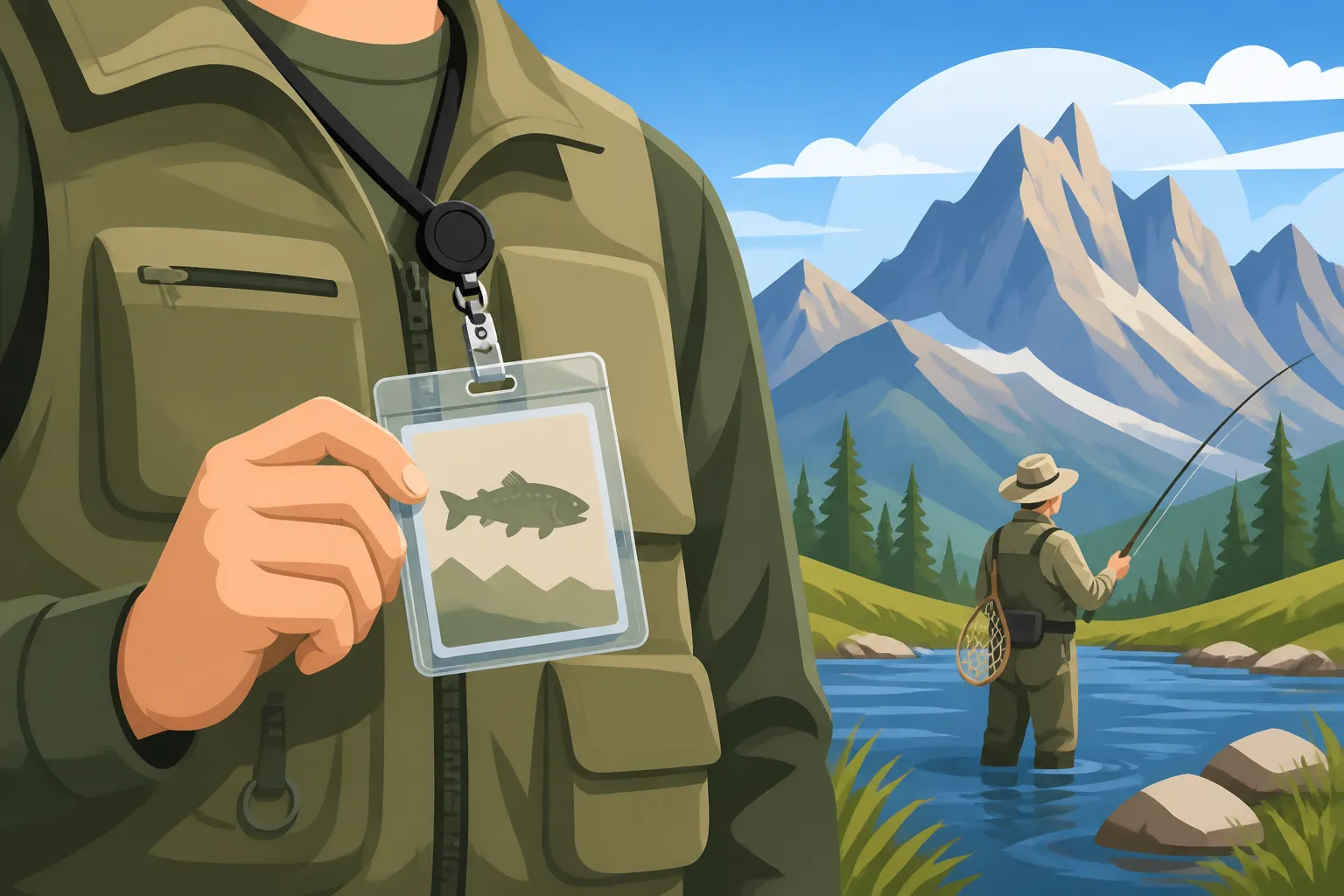
The key to carrying a paper license effectively is protection. Wyoming's weather can be unpredictable, and a license quickly rendered illegible by rain, sweat, or an accidental dunk in the river is as good as no license at all. Consider laminating your paper license yourself with a small, inexpensive laminator or placing it in a heavy-duty, clear plastic sleeve. You can find excellent waterproof wallets or lanyard systems, easily found on Amazon, to keep your physical license dry and secure. Make sure it's accessible but also well-protected from the elements you’ll undoubtedly encounter in the wild.
Embracing Digital Convenience on Your Phone
Wyoming allows anglers to carry their licenses digitally on their smartphones, which is a huge convenience for many. This means you can display an electronic copy of your license (and conservation stamp) on your mobile device to a game warden. This saves paper, ensures you always have it if you have your phone, and reduces the risk of losing a physical document. However, there are some important caveats.
First and foremost, your phone needs to be charged! A dead battery means you can't display your license, which puts you in the same predicament as having no license at all. Secondly, while the WGFD allows digital display, questions often arise about whether a simple Can You Use a Phone Screenshot as Your Wyoming Fishing License?. While an official WGFD app or a downloaded PDF directly from their website is generally preferred, a clear, easily readable screenshot that includes all the necessary information (your name, license number, dates, and conservation stamp details) is usually accepted. The critical part is that the information must be fully visible and legible. Game wardens need to be able to verify all the details quickly and clearly.
It's wise to have your digital license saved in multiple places on your phone – perhaps in your photos, in a dedicated fishing app, and as a PDF in your documents folder. And just like with paper, protecting your device is paramount. A rugged, waterproof phone case can be a lifesaver. Brands like OtterBox or LifeProof (available on Amazon) offer excellent protection against drops and moisture, ensuring your digital license is safe even if your phone takes an unexpected swim. Remember, the convenience of digital comes with the responsibility of keeping your device functional and your license accessible. While Does Wyoming Require a Physical License Card While Fishing? the answer is no, provided your digital option is compliant and accessible.
| Feature | Physical Paper License | Digital Phone License |
|---|---|---|
| Accessibility | Always available (if you remember it) | Accessible if phone is charged and working |
| Durability | Prone to damage from water/wear if not protected | Reliant on phone's durability and battery life |
| Proof of Identity | Often paired with a separate ID | Can be displayed alongside ID on phone |
| Backup Options | Easy to carry multiple copies or keep a digital backup | Can be saved in cloud, email, or as a screenshot |
| Environmental | Uses paper | Paperless, eco-friendlier |
| Cost | No additional cost beyond license itself | May require investments in waterproof cases, power banks |
| Acceptance | Universally accepted | Generally accepted, but legibility and accessibility are key |
Best Practices for Carrying Your License Safely
So, you’ve got your license, whether it's a crisp paper copy or a digital file on your phone. The next step is ensuring you carry it in a way that keeps it safe, accessible, and legal. There’s nothing worse than fumbling through pockets or a messy bag when a game warden asks to see your credentials. A little preparation goes a long way toward a stress-free fishing experience.
Protecting Your Paper License from the Elements
If you're opting for a physical license, environmental protection is your number one priority. Wyoming's weather can shift dramatically, from bright sunshine to sudden thunderstorms. A wet, torn, or faded license might be deemed invalid if the information can't be clearly read.
First, consider lamination. Many anglers will head to a local office supply store or use a personal laminator to seal their paper license in plastic, making it completely waterproof and tear-resistant. This is a one-time process that offers long-term peace of mind. Alternatively, a heavy-duty, zip-lock style waterproof pouch or a small, hard-shell waterproof case is an excellent choice. These can be clipped to a fishing vest, worn around your neck on a lanyard, or tucked into a dedicated, easily accessible pocket on your waders or fishing jacket. The key is to keep it separate from other items that might get wet or tear it, and crucially, in a spot where you can retrieve it quickly without soaking your hands or dropping other gear. For those who like to keep their gear hyper-organized, small, clear dry bags or organizational pouches from Amazon can be fantastic for storing your license along with other essentials like emergency contacts or a small first-aid kit.
Safeguarding Your Digital License
For those who rely on their smartphone for their license, the focus shifts from physical damage to device functionality. The absolute worst-case scenario is having your phone die or get damaged, leaving you without proof of your license.
Always ensure your phone is fully charged before you head out. For longer days or multi-day trips, a portable power bank is an absolute must. You can find reliable, rugged power banks easily on Amazon, which can be a literal lifesaver for your phone, and therefore, your license. Beyond power, physical protection for your device is critical. A sturdy, waterproof, and shockproof phone case will protect against accidental drops, splashes, and even brief submersions. Before your trip, test your case to ensure it’s truly watertight. Additionally, save your license file in multiple formats and locations on your phone: as a PDF, a clear photo in your camera roll, and perhaps in a cloud storage service you can access via a web browser if your primary app fails. This redundancy ensures that if one method becomes inaccessible, you have immediate alternatives. Always be prepared to quickly pull up the correct document when requested by a game warden; fumbling through apps or trying to find a screenshot can be frustrating for both parties involved.
What to Do If You Lose Your License in the Field
It happens to the best of us. Despite all your precautions, you might reach for your license and find it's simply not there. Panic can set in, but it’s crucial to remain calm and understand the steps you can take. Losing your license doesn’t necessarily mean your day is over, but it does require immediate action.
Immediate Steps to Take
If you realize your license is missing while you're out fishing, the first thing to do is stop fishing immediately. Continuing to fish without a license, even if you just lost it, can lead to much more severe penalties if you're encountered by a game warden.
Retrace your steps. Think about where you last remember having it or using it. Did you pull it out to check regulations? Did you transfer it from one pocket to another? Sometimes, it's just a momentary misplacement. If you're with others, ask them to help you look. Check your vest pockets, tackle box compartments, waders, and any bags you might have. If you were sitting, check the ground around you. If you were using a digital license, confirm your phone is still with you and that its battery isn't dead. If the phone is lost or broken, you'll need to move to the next steps.
If you cannot locate it, the best course of action is to pack up your gear and head to the nearest town or back to a place with internet access. Do not risk fishing without it. Ignorance or a forgotten license isn't a valid excuse when it comes to wildlife law enforcement.
How to Obtain a Duplicate
The good news is that replacing a lost Wyoming fishing license is relatively straightforward. You don't have to start from scratch. The Wyoming Game and Fish Department (WGFD) understands that accidents happen.
Your best bet is to go online to the WGFD website. Most anglers purchase their licenses through the online system, and this is also where you can easily request a duplicate. You'll typically need to log into your account using your customer ID, date of birth, or other identifying information. Once logged in, you should find an option to print a duplicate license. There might be a small processing fee for a duplicate, but it's a minimal cost compared to the potential fine for fishing without one. This process is generally quick, allowing you to print a new copy from any printer with internet access. We cover this in more detail in How to Get a Duplicate Wyoming Fishing License.
If you don't have internet access or a printer readily available, you can also visit a WGFD regional office or any authorized license vendor (like a sporting goods store, Walmart, or some gas stations) across the state. They can access your license information and print a duplicate for you on the spot. Just be prepared to provide identification to confirm your details. It's always a good idea to have your driver's license or state ID with you for such situations, as well as for general identification purposes while fishing.
Common Misconceptions and FAQs About License Carry
When it comes to fishing regulations, there's a lot of folklore and misunderstanding, especially for those new to Wyoming or anglers visiting from other states. Clearing up these common misconceptions can save you a lot of hassle and ensure your time on the water is spent actually fishing, not worrying.
"I Left it in the Truck" Excuse
This is perhaps the most common excuse heard by game wardens everywhere, and it simply doesn't fly in Wyoming. Your fishing license is required to be in your immediate possession while you are engaged in fishing activities. "Immediate possession" means it's on your person, readily accessible for inspection. It cannot be in your vehicle parked a mile away, back at your campsite, or in your cabin.
Think of it this way: if a game warden approaches you on the river or lake, you should be able to produce your license within a few seconds, without having to hike back to your truck or dig through a tent. This rule is in place for practical reasons – game wardens need to be able to verify compliance efficiently in the field. Relying on the "it's nearby" defense will likely result in a citation. Even a momentary lapse can lead to trouble, highlighting the importance of having it on you at all times while fishing. This is a critical point that many anglers, especially nonresidents who may be unfamiliar with Wyoming's specific rules, often misunderstand.
Proof of Residency and ID Requirements
While your fishing license itself contains your name and other identifying information, it's a good practice, and often legally necessary, to carry additional photo identification, such as a driver's license or state ID, when fishing. This is particularly important for residents to verify their residency status, especially if their physical appearance doesn't match the photo on an older license, or if any discrepancies arise. Nonresidents should also carry their state-issued ID.
For instance, if you purchased a resident license, a game warden may ask for proof that you meet Wyoming's residency criteria. This is particularly relevant given the detailed rules around What Counts as Proof of Wyoming Residency for a Fishing License. While the license transaction itself usually requires ID, having it with you in the field reaffirms your status. Moreover, if your license were to become illegible, having another form of ID can help the warden verify your information more quickly, potentially avoiding a more serious issue. In short, always have your photo ID with you, just like you would if you were driving. You might also want to consult Do You Need ID to Buy a Wyoming Fishing License? to understand the initial requirements.
Consequences of Not Having Your License on Hand
It might seem like a minor oversight, a simple forgetfulness, but fishing without a valid license in your possession can lead to significant repercussions in Wyoming. The state takes its wildlife management and conservation funding seriously, and non-compliance with licensing requirements is treated as a violation of state law. It's not just a slap on the wrist; it can impact your wallet and your future fishing privileges.
The Reality of Fines and Penalties
The most immediate consequence of fishing without a valid license on your person is a citation and a fine. The exact amount can vary depending on the circumstances, such as whether it's your first offense, if you genuinely forgot it versus never purchased one, and the discretion of the issuing game warden. However, even for a first offense of simply not having it with you, you can expect a fine that is considerably more expensive than the cost of the actual license itself. This serves as a strong deterrent and emphasizes the importance of compliance.
For instance, while the actual fine can fluctuate, the Average Fine for Fishing Without a License in Wyoming can often be several hundred dollars. This is a tough lesson to learn, turning an enjoyable day into a costly one. Beyond the monetary penalty, there’s the time commitment of dealing with the citation, potentially a court appearance if you dispute it, and the general unpleasantness of the situation. It's far easier and cheaper to simply ensure your license is always with you. For a broader understanding of various infractions, you might also want to read about Fines and Penalties for Common Fishing Violations.
Impact on Your Fishing Privileges
Beyond immediate fines, more severe or repeated offenses can lead to a suspension of your fishing privileges in Wyoming. This means you could be legally prohibited from purchasing a fishing license for a specified period, effectively banning you from participating in the sport in the state. This is a particularly harsh penalty for avid anglers who cherish their time on Wyoming’s rivers and lakes.
Furthermore, violations in one state can sometimes have reciprocal effects in other states that are part of interstate wildlife compacts. So, a suspension in Wyoming could potentially impact your ability to fish in neighboring states like Montana, Colorado, or Idaho. This consequence underscores that wildlife violations are serious matters with far-reaching implications. It's not just about a single missed step; it's about adherence to the rules that govern responsible participation in a beloved outdoor activity. The best advice, as detailed in What Happens If You Fish Without a License in Wyoming, is to avoid this scenario altogether by always keeping your valid license and conservation stamp securely with you while fishing.
Disclaimer
Please remember that fishing regulations, license requirements, and associated fees are subject to change by the Wyoming Game and Fish Department. While every effort has been made to provide accurate and up-to-date information, it is always your responsibility to consult the official Wyoming Game and Fish Department regulations manual and website for the most current rules and laws before heading out to fish. This guide is for informational purposes only and does not constitute legal advice.