How to Report an Invasive Fish Species in Wyoming
Encountering something unexpected or out of place while you're out enjoying Wyoming's incredible fishing waters can be unsettling. Whether it's a strange-looking fish you don't recognize or a species you know shouldn't be there, the thought of what it might mean for our cherished native fisheries is enough to make any angler's stomach churn. This guide is all about empowering you with the knowledge and steps to take when you suspect an invasive fish species has shown up, helping you protect Wyoming's aquatic heritage.
Why Reporting Invasive Fish is So Crucial for Wyoming's Waters
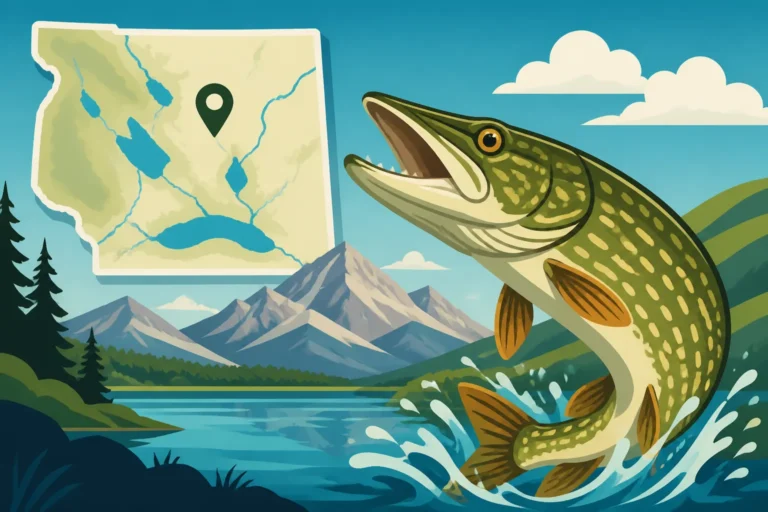
It's easy to think that one or two "odd" fish might not make a big difference, but that couldn't be further from the truth. Invasive species pose one of the most significant threats to the health and biodiversity of Wyoming's pristine lakes, rivers, and streams. Our ecosystems are delicate, and even a single non-native fish can kick off a chain reaction that harms everything from native trout populations to the insects they feed on. Your vigilance as an angler is absolutely invaluable in helping the Wyoming Game and Fish Department (WGFD) stay on top of these threats.
The Silent Threat to Native Ecosystems
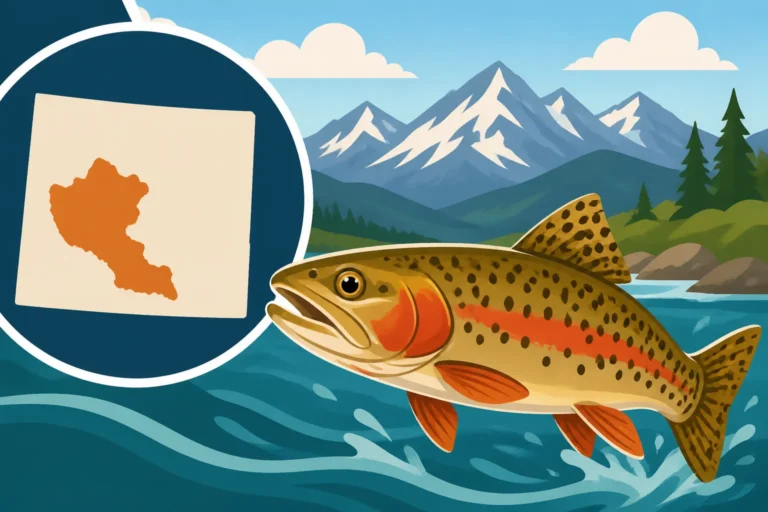
Imagine a species that outcompetes our beloved Cutthroat Trout Fishing in Wyoming for food, preys on their young, or introduces diseases they have no natural immunity to. That's the devastating potential of invasive fish. They can disrupt entire food webs, alter habitats, and even change water quality, fundamentally reshaping the very character of a fishery. We're talking about the potential loss of fishing opportunities, degradation of the natural beauty we treasure, and an irreversible impact on the unique fish species that have called Wyoming home for centuries. The fight against aquatic invasive species (AIS) is a continuous battle, and every pair of eyes on the water makes a difference. Anglers are often the first line of defense, witnessing changes long before agency biologists can.
Common Invasive Species to Watch Out For
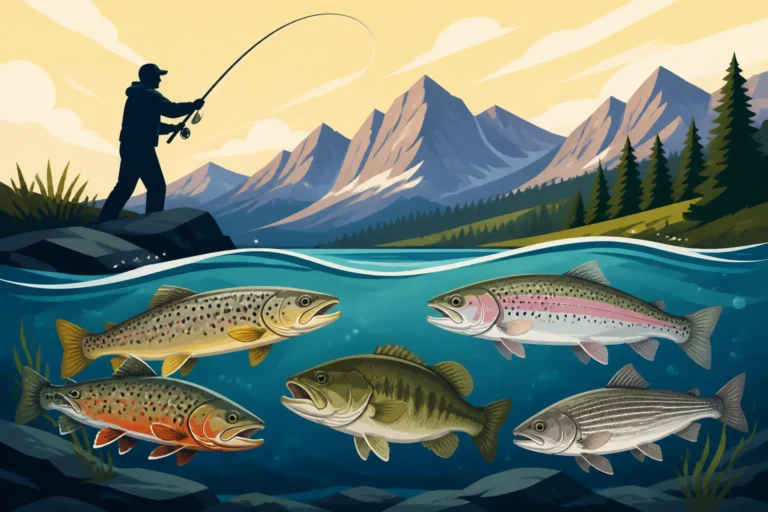
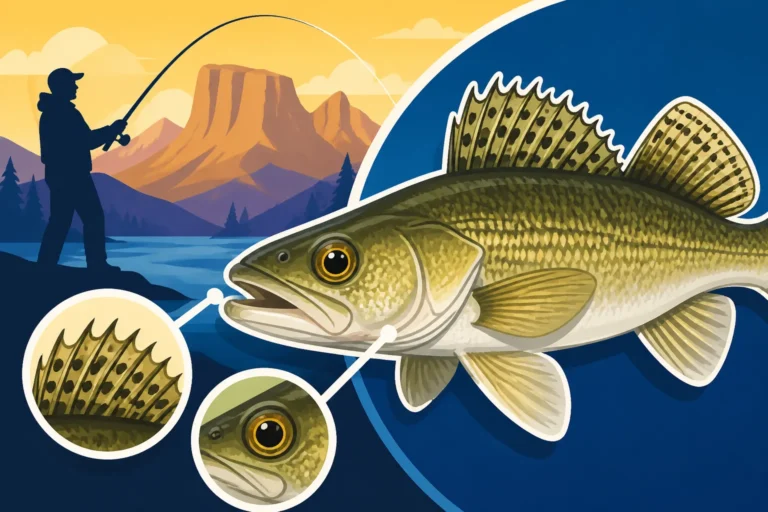
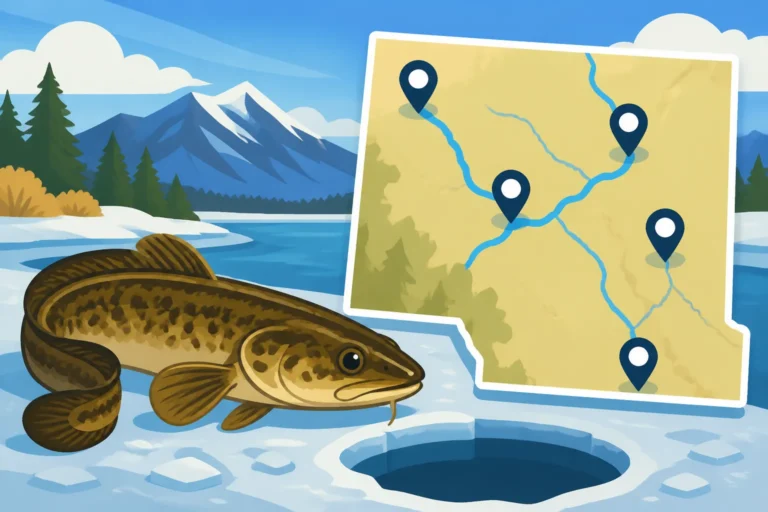
While Wyoming has many wonderful introduced species that provide fantastic fishing opportunities, "invasive" refers to those non-native species that cause harm. You might encounter a fish that simply doesn't belong in a particular waterbody. For instance, species like Walleye, while popular in some Wyoming reservoirs like Boysen, can be highly invasive if introduced into a native trout stream or a lake managed for cutthroat. They are voracious predators and can quickly decimate native populations. Similarly, species like Burbot (often called Ling), if introduced outside of their managed fisheries, can outcompete native fish for food and habitat. Even smaller baitfish, if improperly released, can become problematic by introducing disease or competing with juvenile native species. The WGFD carefully manages which species go where, and anything outside of those designated waters can become a problem. Knowing what belongs and what doesn't, even broadly, is the first step. You can learn more about differentiating native and introduced species here: Wyoming's Native Fish vs Introduced Species.
Step-by-Step: How to Report an Invasive Fish Sighting
The moment you suspect you've seen an invasive fish, your mind might race. What do I do? Who do I call? The process is actually quite straightforward, but gathering the right information efficiently is key to making your report as helpful as possible for the WGFD.
What Information to Gather Before Reporting
Before you even pick up the phone or open an email, take a moment to collect as much detail as you can. Think like a detective. The more specific information you can provide, the faster and more effectively the WGFD can respond.
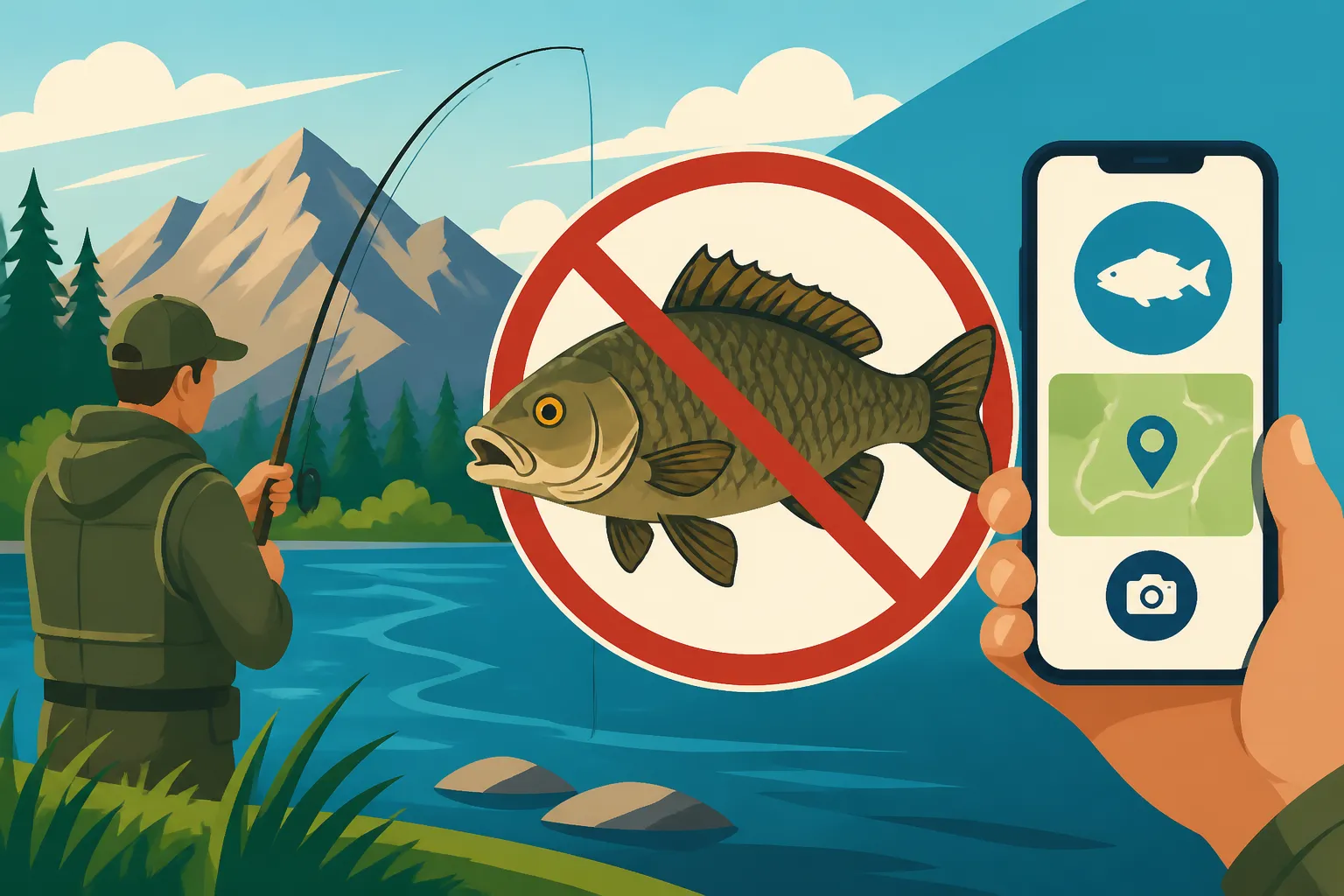
- Precise Location: This is paramount. If you have GPS coordinates from your phone or fish finder, that's ideal. If not, describe the location with clear landmarks. "North shore of such-and-such lake, about 100 yards east of the big rock" is much better than just "the lake."
- Date and Time: When did you see it? Even if it was yesterday, knowing the timeframe helps.
- Fish Description: What did it look like? What color was it? What size was it (estimate length and weight if possible)? Did it have any distinguishing features like spots, stripes, or fin shapes? If you know the species, great, but don't worry if you don't. A good description is often enough for a biologist to narrow it down.
- Behavior and Number: How many did you see? Were they alone or in a school? What were they doing? Were they actively feeding, schooling, dead, or something else?
- Photos or Video: This is incredibly helpful, if safe and possible. A clear photo of the fish can be the most crucial piece of evidence. If you catch it, photograph it before releasing (unless regulations require you to keep it, as for some invasive species in certain waters – more on that later). Be safe, though; don't put yourself or your gear at risk for a photo.
Remember, even if you can't get all this information, any details are better than none. Don't let the lack of a perfect report stop you from making the call.
Who to Contact: Wyoming Game and Fish Department
The Wyoming Game and Fish Department is the primary agency responsible for managing and protecting Wyoming's fisheries, including responding to invasive species threats. They have dedicated staff and protocols in place for these situations.
- WGFD Aquatic Invasive Species (AIS) Hotline: This is often the quickest and most direct way to report. The WGFD maintains specific contact channels for AIS concerns. While I can't provide live phone numbers, a quick search on the official WGFD website for "Wyoming Game and Fish aquatic invasive species report" will direct you to their current hotline or reporting options.
- WGFD Regional Offices: If you're in an area and know the local WGFD office, you can also contact them directly. Their staff are usually intimately familiar with the waters in their region.
- Online Reporting Forms: Many government agencies now offer online forms for reporting. Check the WGFD website for an "Report an Aquatic Invasive Species" or similar section. These forms often prompt you for all the necessary details, ensuring you don't miss anything important.
When you make contact, be ready to share the information you've gathered. Explain clearly that you suspect an invasive fish sighting and provide your details. The quicker you report, the faster WGFD can assess the situation and potentially take action, which could be critical in preventing a small problem from becoming a huge one.
What Happens After You Report an Invasive Fish
Once you've made your report, you might wonder what goes on behind the scenes. Rest assured, your information is taken seriously and helps initiate a critical process to protect Wyoming's waters. The WGFD doesn't just collect reports; they act on them.
The Investigation Process
After receiving your report, WGFD staff will first review the information you've provided. If the details are sufficient, especially with good photos or a very specific location, it can trigger a rapid response.
- Verification: Biologists or wardens may follow up with you for more details. They'll assess the credibility of the report and determine if further investigation is warranted.
- Field Investigation: For credible reports, the WGFD will often deploy field teams to the reported location. They might use various methods like electrofishing, netting, or visual surveys to confirm the presence of the suspected invasive species. This can sometimes be a lengthy process, as fish are not always easy to find, especially if numbers are low.
- Management Action: If an invasive species is confirmed, the WGFD will develop a management plan. This could range from intensified monitoring, targeted removal efforts, public education campaigns, or even specific regulation changes for that waterbody. Your detailed report directly contributes to this crucial decision-making process. The more specific and timely your report, the better their chances are of getting ahead of the issue.
Prevention: Your Role Beyond Reporting
While reporting an invasive species is vital, preventing their spread in the first place is even more critical. Anglers have a massive role to play in this ongoing effort. It's not just about what you report, but what you do every time you visit a new body of water.
- Clean, Drain, Dry: This mantra is the cornerstone of AIS prevention. Always clean your boat, waders, and fishing gear thoroughly between fishing trips, especially when moving between different waters. Drain all water from your boat, livewell, and bait buckets. And most importantly, dry everything completely before using it again. This simple practice can stop the spread of microscopic invaders and hitchhiking plant fragments that can carry invasive species. This is Why Wyoming Requires Boat Inspections for Invasive Species is so important.
- Never Release Unused Bait or Aquarium Fish: This cannot be stressed enough. That leftover minnow in your bucket, or the goldfish your child outgrew, might seem harmless, but releasing them into a local pond or river can introduce new diseases or invasive species. Always dispose of unused bait in the trash, and never release pets into the wild.
- Know the Regulations: Stay informed about Wyoming Fishing Regulations Every Angler Should Know, particularly those pertaining to bait and species transport. Some waters have specific rules regarding bait use, like whether Are Live Minnows Legal Bait in Wyoming? is allowed, or Where Bait Fishing Is Restricted in Wyoming. These rules are often in place to prevent the introduction or spread of invasive species or diseases. Always check How to Read Wyoming's Fishing Regulations Booklet before you head out. Understanding rules like What Changed in Wyoming's 2026 Fishing Regulations can also help prevent accidental violations.
Frequently Asked Questions About Invasive Fish in Wyoming
You're not alone if you have questions about invasive species. It's a complex topic with evolving regulations and ongoing challenges. Here are answers to a couple of common concerns anglers often have.
Can I Keep an Invasive Fish I Catch?
This is a critical question, and the answer often varies by species, location, and specific regulations. For some truly problematic invasive species in certain waters, the WGFD may require you to kill any you catch and not release them. For example, in certain areas, there are specific rules for species like Lake Trout (Mackinaw) which are considered invasive in some Yellowstone waters. You can learn more about specific rules for keeping certain fish in What Fish Are Illegal to Keep in Wyoming.
It is absolutely essential to consult the current Wyoming Fishing Regulations booklet for the specific waterbody you are fishing. These regulations will clearly state if an invasive species must be immediately killed or if there are special possession limits. When in doubt, it's always best to report the catch to the WGFD and await their guidance, or simply release the fish if you're uncertain about identification and current rules, unless specifically prohibited. Understanding What Happens If You Catch an Invasive Species in Wyoming is key to compliance.
What If I'm Not Sure It's Invasive?
Don't let uncertainty stop you from reporting! It is always better to err on the side of caution. The WGFD would much rather receive a report that turns out to be a native fish than miss a crucial early detection of an invasive species. If you're unsure, gather all the information you can, especially photos, and make the report. Explain that you're not certain of the species but wanted to bring it to their attention. The experts at WGFD have the knowledge and resources to identify fish accurately and determine if further action is needed. Your report, even if it leads to a false alarm, helps them build a better picture of what's out there and shows your commitment to protecting Wyoming's incredible fisheries.
Here's a quick summary of what to include in your report:
| Information Type | Key Details | Why It's Important |
|---|---|---|
| Location | GPS coordinates, specific landmarks, nearest access | Enables WGFD to pinpoint the area for investigation. |
| Date & Time | When you observed the fish | Helps establish a timeline and potential patterns. |
| Fish Description | Size, color, markings, fin shape, species (if known) | Aids in initial identification and differentiation from native species. |
| Number & Behavior | How many, what were they doing (schooling, dead, etc.) | Indicates potential population size and impact. |
| Photos/Video | Clear images of the fish, if safe to obtain | Provides undeniable visual proof for biologists to analyze. |
| Your Contact Info | Name, phone, email | Allows WGFD to follow up for clarification or additional details. |
Disclaimer
This article is for general informational purposes only and does not constitute professional advice. Laws, prices and regulations vary by location and change over time. Consult a qualified professional for guidance on your specific situation.