Wyoming’s Native Fish vs Introduced Species
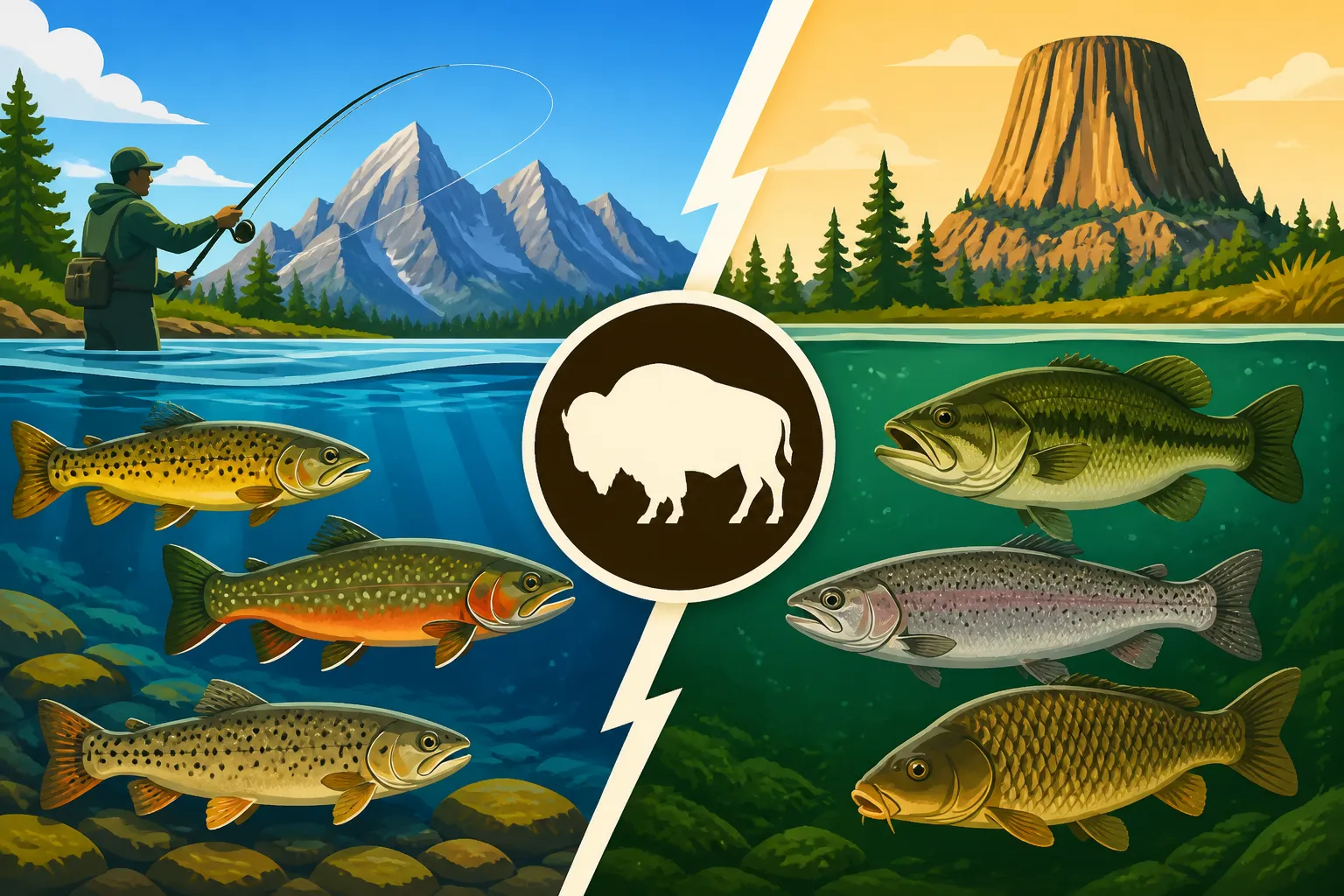
Wyoming's waters are truly a treasure, offering some of the most spectacular fishing experiences in the country. From high-mountain alpine lakes to legendary rivers, anglers flock here seeking the thrill of a tug on the line. But for those new to the Cowboy State, or even seasoned veterans, it can sometimes be confusing to understand which fish are truly native to these landscapes and which have been introduced over time. This guide will help you navigate that distinction, highlighting the unique native species that call Wyoming home and shedding light on the introduced species that now share these magnificent habitats, and why this all matters for the future of our fisheries.
The Heart of Wyoming's Waters: Understanding Native Fish Species
When we talk about native fish in Wyoming, we're talking about species that evolved in these waters, adapting over millennia to the unique conditions of our rivers, streams, and lakes. These are the fish that form the very foundation of Wyoming's aquatic ecosystems, playing crucial roles in the food web and embodying the wild spirit of the state.
The Iconic Cutthroat Trout: Wyoming's Crown Jewel
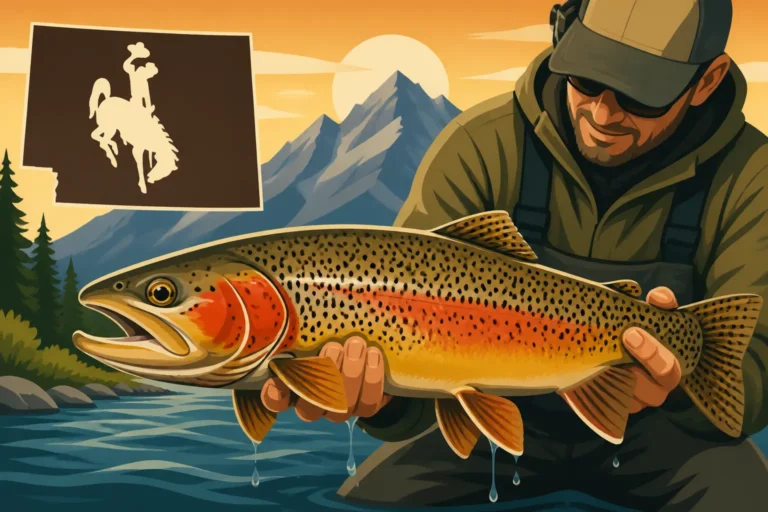
Without a doubt, the cutthroat trout stands as Wyoming's most revered native game fish. Its name comes from the distinctive red or orange slash marks under its jaw, a characteristic that makes it easily recognizable. But what many folks don't realize is that "cutthroat" isn't just one fish; it represents several unique subspecies, each with its own incredible history and habitat preferences within Wyoming.
Wyoming is proudly home to four distinct subspecies of cutthroat: the Yellowstone, the Snake River Fine-spotted, the Colorado River, and the Bonneville. The Wyoming's State Fish: The Yellowstone Cutthroat is perhaps the most famous, thriving in its namesake lake and surrounding drainages, with its larger spots and often golden hue. The Snake River Fine-spotted cutthroat, as you might guess, hails from the Snake River drainage in western Wyoming, identifiable by its numerous small, precise spots. The Colorado River cutthroat is found in the Green and Little Snake River drainages in the southwestern part of the state, typically boasting a deeper red coloration. Lastly, the Bonneville cutthroat, a more recently recognized native, is found in the Bear River drainage in the far western part of Wyoming, often characterized by fewer spots and a more silvery sheen.
These cutthroat subspecies are not just important for fishing; they are vital indicators of ecosystem health. Their presence, or lack thereof, can tell us a lot about water quality, habitat integrity, and the pressures of introduced species. Conservation efforts are ongoing to protect these genetic treasures, restoring their native ranges and ensuring their survival for generations to come. Anglers who encounter these beautiful fish are often encouraged to practice careful catch-and-release to protect their populations, especially in sensitive areas. If you're keen on knowing more about what makes a Yellowstone Cutthroat so special, you might want to read Identifying a Yellowstone Cutthroat Trout and Where Yellowstone Cutthroat Trout Are Native in Wyoming.
Other Lesser-Known Natives: Whitefish and More
While cutthroat trout often steal the spotlight, Wyoming's native aquatic community is much broader. One of the most common, yet often overlooked, native species is the Mountain Whitefish. These fish are incredibly important to the ecosystem, serving as a food source for larger trout and predatory birds, and playing a role in nutrient cycling. They often inhabit the same cool, clear rivers and streams as trout but prefer slightly different feeding patterns, often grubbing along the bottom for insects.
Mountain whitefish are characterized by their smaller, subterminal mouth, larger scales, and generally silvery appearance, lacking the vibrant colors or prominent spots of trout. They're excellent fighters on light tackle and surprisingly good to eat, though they don't always get the same angling attention as trout. Many anglers mistakenly view them as "trash fish," but they are a crucial part of the native aquatic biodiversity.
Beyond whitefish, Wyoming's native waters are also home to various species of suckers, chubs, and dace. While not typically targeted by sport anglers, these smaller fish are foundational to the food web. They graze on algae, consume detritus, and serve as an essential food source for trout, birds of prey, and mammals. For example, the Flannelmouth Sucker, Utah Chub, and Speckled Dace are all native to various Wyoming drainages, each adapted to specific niches. Understanding their presence and health is key to understanding the overall well-being of a river system. Regulations for these species often reflect their abundance or their role as forage, with liberal or even unlimited possession limits in many areas.
The Angler's Dilemma: The Rise of Introduced Species
While native species are the biological bedrock, many of Wyoming's most popular fisheries today are sustained by or dominated by introduced species. These fish were brought into the state for various reasons, primarily to enhance sport fishing opportunities, provide new food sources, or utilize waters that native fish might not have thrived in. However, their introduction has not been without significant ecological consequences.
Rainbow Trout and Brown Trout: The Mainstays
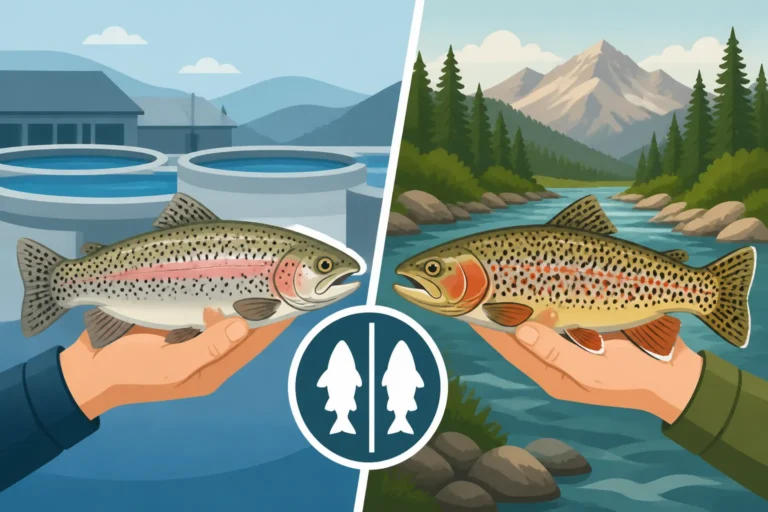
When many people picture trout fishing in Wyoming, they're often thinking of rainbow and brown trout. These two species, both introduced, are incredibly popular and have become mainstays in countless rivers and reservoirs across the state. Rainbow trout, native to the Pacific drainages of North America, were introduced widely due to their rapid growth, fighting spirit, and ability to adapt to a variety of habitats. They are frequently stocked by the Wyoming Game and Fish Department, especially in community ponds and larger reservoirs, ensuring consistent angling opportunities. You'll find them in almost every corner of Wyoming that holds fishable water.
Brown trout, native to Europe and western Asia, were introduced even earlier than rainbows and have proven to be exceptionally hardy and elusive, growing to impressive sizes in Wyoming's rivers and lakes. Their predatory nature and preference for holding structure make them a challenging and rewarding catch for many anglers. They've established wild, self-sustaining populations in many of Wyoming's blue-ribbon rivers, such as the North Platte and Green Rivers. Brown Trout Fishing in Wyoming is a prime example of their popularity. While highly sought-after, their presence also introduces competition for food and habitat with native cutthroat, and, importantly, they can hybridize with cutthroat, leading to genetic dilution. For more on these vibrant fish, check out Rainbow Trout Fishing in Wyoming.
Lake Trout (Mackinaw) and Brook Trout: A Double-Edged Sword
Beyond rainbows and browns, other introduced species present more complex management challenges. Lake Trout, often called Mackinaw in the West, are a prime example. These large, predatory char are native to colder, deeper lakes in northern North America. They were introduced into many of Wyoming's larger, deeper reservoirs and lakes, like Flaming Gorge and Jackson Lake, specifically for their potential to grow to trophy sizes. And grow they do – some of the largest fish in Wyoming are lake trout.
However, their introduction has come at a significant cost, particularly in ecosystems where native trout are vulnerable. In Yellowstone Lake, for instance, introduced lake trout have severely impacted the native Yellowstone Cutthroat populations, leading to intensive and costly suppression efforts by park and state agencies. They outcompete cutthroat for food and prey directly on them, disrupting a delicate ecosystem that has evolved over millennia. If you're interested in the ecological impact of these fascinating yet problematic fish, delve into Why Lake Trout Are Considered a Problem in Yellowstone Lake. Fishing for lake trout can be an exciting challenge, but understanding their role in the ecosystem is crucial. If you’re looking to gear up for targeting these deep-water giants, you can find specialized trolling gear and deep-jigging setups on Amazon. More on their biology and habitat can be found at Lake Trout (Mackinaw) Fishing in Wyoming.
Similarly, Brook Trout, native to eastern North America, are another introduced species that presents a management challenge. While beautiful and often eager to bite, brook trout can easily overpopulate small, high-elevation streams and lakes. When they become too numerous, they can "stunt" – meaning they don't grow very large due to intense competition for limited food resources. In these situations, they can significantly outcompete native cutthroat trout for food and habitat. Anglers are often encouraged to harvest brook trout in certain areas to help manage their populations and reduce pressure on native species. For anglers interested in these feisty fish, Brook Trout Fishing in Wyoming offers more information.
The Impact on Wyoming's Ecosystems and Angling
The distinction between native and introduced species isn't just an academic exercise; it has tangible impacts on the health of Wyoming's aquatic ecosystems and the very nature of fishing in the state. Understanding these dynamics is crucial for any responsible angler.
Competition, Hybridization, and Displacement
One of the most significant issues stemming from introduced species is direct competition for resources. Rainbow and brown trout, for example, often share the same food sources and preferred habitats as native cutthroat. More aggressive or faster-growing introduced species can outcompete natives, leading to reduced growth rates, lower survival, or even the complete displacement of native fish from their traditional ranges. Imagine a smaller, less aggressive native fish trying to thrive in a river now teeming with larger, more dominant introduced species. It's a tough fight for survival.
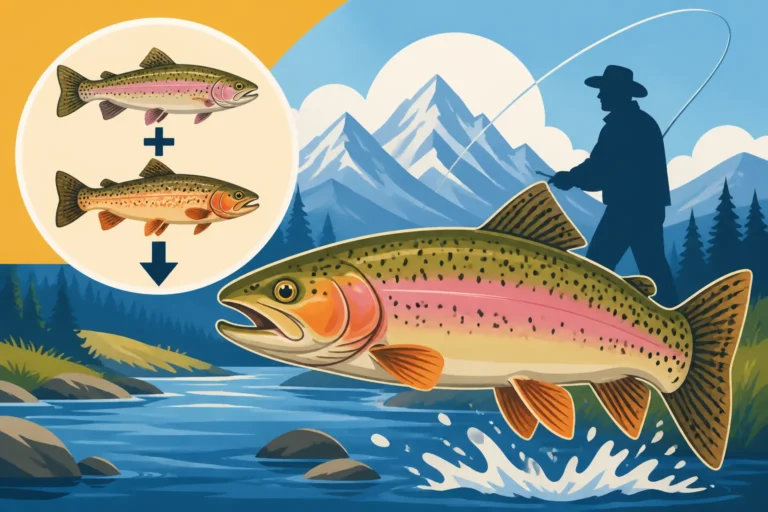
Even more insidious is the threat of hybridization. Rainbow trout and cutthroat trout can interbreed, producing "cutbows" – a hybrid offspring that combines characteristics of both species. While some anglers might find these hybrids interesting, they pose a severe threat to the genetic purity of native cutthroat populations. Over time, extensive hybridization can dilute the unique genetic makeup of a native subspecies, fundamentally altering its ability to adapt to its environment and potentially leading to a loss of distinct populations. This is a primary concern for the conservation of Wyoming's various cutthroat subspecies. For more on this, Can Cutthroat and Rainbow Trout Interbreed? is a valuable read.
This leads to displacement, where native fish are pushed out of optimal habitats into less productive areas, or their populations simply dwindle. The balance of an ecosystem, developed over thousands of years, can be rapidly disrupted by the introduction of a new species that doesn't fit into the existing ecological puzzle.
Management Strategies and Angler Responsibility
The Wyoming Game and Fish Department (WGFD) works tirelessly to manage these complex fisheries, balancing the desires of anglers for diverse fishing opportunities with the critical need to conserve native species. Their strategies are multifaceted, including stocking programs that strategically place fish where they can thrive without harming native populations, and targeted native fish restoration projects in specific drainages.
Regulations are a key tool in this management. You'll often find special rules that encourage the harvest of certain introduced species (like unlimited possession limits for brook trout in some high-alpine lakes, or mandatory kill orders for lake trout in Yellowstone Lake) or strict catch-and-release rules for native cutthroat in other areas. It’s absolutely essential for every angler to consult the current Where to Find Current Wyoming Fishing Regulations booklet before heading out, as regulations can vary significantly from one water body to another and change from year to year. Ignoring these rules isn't just illegal; it can actively undermine critical conservation efforts. A waterproof copy of the regulations, or even a digital version on your phone, kept safe in a waterproof case purchased from Amazon, can be a huge help.
As anglers, we have a profound responsibility to be part of the solution. This means understanding the rules, correctly identifying our catch, and practicing ethical angling techniques. If you're unsure about a fish, it's always best to err on the side of caution and release it carefully. Participating in efforts to prevent the spread of aquatic invasive species, like always cleaning, draining, and drying your boat and gear, is another critical step. There are many effective products for cleaning gear that can be easily sourced from Amazon to ensure you're not inadvertently transferring unwanted organisms.
Spotting the Difference: Identification Tips for Anglers
Proper fish identification is perhaps the most important skill for any angler in Wyoming, not just for following regulations but for appreciating the diversity of our fisheries. It can be tricky, especially when different trout species look similar or hybridize. But with a few key identifiers, you can usually tell them apart.
Key Features to Distinguish Trout and Char
Trout and char are closely related but have distinct characteristics. In Wyoming, the main "true trout" you'll encounter are native cutthroat, and introduced rainbow and brown trout. The "char" species are introduced lake trout (mackinaw) and brook trout. Here’s a quick guide to help you differentiate them:
| Feature | Native Cutthroat Trout | Introduced Rainbow Trout | Introduced Brown Trout | Introduced Lake Trout (Char) | Introduced Brook Trout (Char) |
|---|---|---|---|---|---|
| Jaw Slash | Distinct red/orange/pink slash marks | Typically absent | Typically absent (sometimes faint yellow) | Absent | Absent |
| Spots | Concentrated towards tail, often irregular | Uniformly distributed small black spots | Large, distinct black & red spots (often haloed) | Light spots on dark body (worm-like) | Light spots (white/yellow/red) on dark body |
| Coloration | Variable; green, gold, silver, bronze | Silvery, distinct pink/red stripe | Brown/gold, sometimes olive green | Dark grey/brown, white leading fins | Marbled green/brown/gold, white leading fins |
| Tail Shape | Slightly forked to square | Slightly forked | Square to slightly forked | Deeply forked | Square to slightly forked |
| Mouth | Upper jaw extends past eye | Upper jaw typically to eye | Upper jaw extends past eye | Large, extends well past eye | Moderately sized, to eye |
| Adipose Fin | Present (sometimes clipped if stocked) | Present (often clipped if stocked) | Present | Present | Present |
Remember, the presence of that tell-tale red or orange slash under the jaw is almost always the definitive sign of a cutthroat trout. When in doubt, especially between a cutthroat and a rainbow (which can produce "cutbow" hybrids), look for the spot pattern and the jaw slash. Rainbows tend to have very uniform spots, even on their tail, while cutthroat spots are often heavier towards the tail. If you need a field guide to keep handy, a good waterproof option can be found on Amazon. For a detailed comparison between two commonly confused species, read How to Tell a Cutthroat From a Rainbow Trout or Identifying Brook Trout vs Brown Trout.
Beyond Trout: Identifying Other Common Species
While trout and char get most of the attention, Wyoming's waters are also home to a variety of other introduced game fish. These include:
- Walleye: A highly sought-after sport fish, walleye are found in many of Wyoming's larger reservoirs, like Boysen and Glendo. They are characterized by their large, glassy eyes (hence "walleye"), elongated bodies, and sharp dorsal fins. They're typically olive-green to gold with darker mottling. If you're keen on chasing these delicious fish, Walleye Fishing in Wyoming is a must-read.
- Kokanee Salmon: These landlocked sockeye salmon are beautiful, vibrant red fish, especially during their fall spawning runs. They're common in Flaming Gorge Reservoir and Pathfinder Reservoir. Their small, toothless mouth and distinctive silver body (turning red during spawn) are key identifiers. Check out Kokanee Salmon Fishing in Wyoming for more.
- Smallmouth Bass: Known for their aggressive fight, smallmouth bass are found in warmer reservoirs like Flaming Gorge. They have a bronze-green body, vertical bars, and a mouth that doesn't extend beyond the back of the eye (unlike their largemouth cousins). Smallmouth Bass in Wyoming Reservoirs will give you the lowdown on these feisty fighters.
- Yellow Perch: A popular panfish, yellow perch are found in many of Wyoming's lakes and reservoirs. They have distinctive vertical black bars on a yellow to golden body and two separate dorsal fins, the first being spiny.
- Northern Pike: While not widespread, northern pike are found in a few Wyoming waters, like Keyhole Reservoir. These ambush predators are easily identified by their long, torpedo-shaped bodies, duck-bill snouts filled with sharp teeth, and greenish-yellow dappled patterns.
Learning to identify these fish accurately not only enhances your fishing experience but ensures you're complying with local regulations, which can sometimes have different limits or rules for native vs. introduced species.
Why It Matters: Conservation and the Future of Wyoming Fishing
The conversation around native versus introduced species isn't just about fish; it's about the health of entire ecosystems and the legacy we leave for future generations of anglers and nature enthusiasts.
Preserving Genetic Purity and Ecological Balance
Wyoming's native fish, particularly our unique cutthroat subspecies, are a precious genetic resource. Each subspecies has evolved over millennia to thrive in its specific river basin, developing adaptations that allow it to survive in local conditions. When non-native species are introduced, especially those that can interbreed, that genetic purity is threatened. The loss of distinct genetic strains means a loss of biodiversity and a diminished ability for these fish to adapt to future environmental changes, like climate shifts or new diseases. Endangered and Protected Fish in Wyoming offers more context on the fragility of some of these populations.
Beyond genetics, native fish are integral to the ecological balance of their habitats. They are part of a complex web of predator and prey, nutrient cycling, and stream health. Introduced species can disrupt this balance, leading to cascading effects throughout the ecosystem. For example, a new predator might decimate populations of smaller native fish, which in turn could impact the insect populations these smaller fish fed on. It’s a delicate dance, and even small changes can have widespread repercussions. Preserving these native populations isn't just about fishing; it's about preserving a piece of Wyoming's wild heritage and ensuring robust, resilient ecosystems.
Supporting Restoration Efforts and Ethical Angling
The good news is that many dedicated individuals and organizations, including the WGFD, are working tirelessly on native fish restoration projects. These efforts often involve removing non-native species, improving habitat, and carefully reintroducing native fish into their historical ranges. Anglers play a vital role in supporting these initiatives.
By understanding which species are native and which are introduced, and by adhering to regulations that reflect conservation goals, we become partners in this crucial work. This includes:
- Careful Catch and Release of Natives: Handling native cutthroat with wet hands, minimizing out-of-water time, and using barbless hooks can significantly increase their survival rates.
- Targeted Harvest of Problematic Introductions: In areas where introduced species are negatively impacting natives, regulations often encourage harvest. Participating in this helps management efforts.
- Preventing Invasive Species: Always practice "Clean, Drain, Dry" when moving between water bodies. This means thoroughly cleaning your boat, waders, and fishing gear of all visible aquatic plants and animals, draining all water, and allowing everything to dry completely before your next outing. This prevents the spread of microscopic invaders like whirling disease or invasive mussels, which can devastate native fisheries. Having a good brush and quick-drying towels, perhaps even a portable cleaning kit from Amazon, can make this routine much easier and more effective.
- Educating Others: Share your knowledge with fellow anglers. The more people who understand the importance of native fish, the stronger our collective conservation efforts will be.
Ultimately, the future of Wyoming's incredible fishing opportunities depends on a mindful approach to our waters. By appreciating both the thrill of catching an introduced trophy and the irreplaceable value of a vibrant native ecosystem, we can ensure that Wyoming remains a premier fishing destination for generations to come.
Disclaimer
This article is for general informational purposes only and does not constitute professional advice. Laws, prices and regulations vary by location and change over time. Consult a qualified professional for guidance on your specific situation.