What Happens If You Catch an Invasive Species in Wyoming
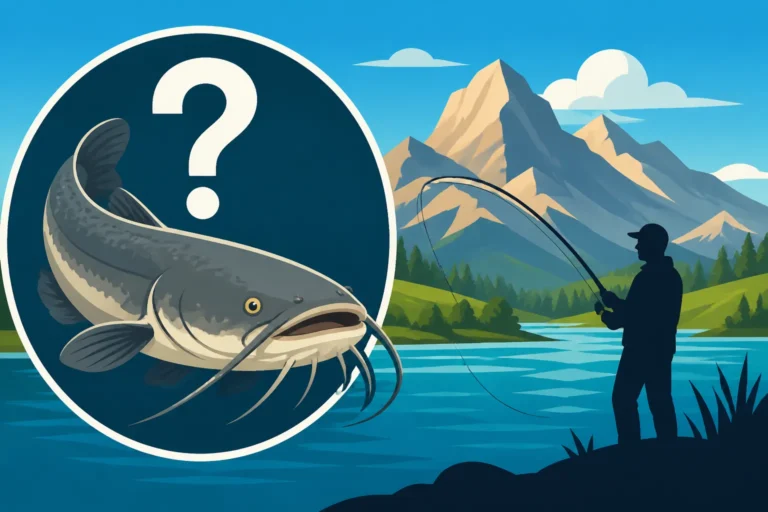
Picture this: you're out on a beautiful Wyoming lake or river, the sun is shining, and you finally hook into something substantial. You reel it in, excitement building, only to realize… this isn't quite what you were expecting. It looks a little off, maybe even strange. That feeling of confusion, and perhaps a touch of alarm, is perfectly normal when you suspect you've caught an invasive species. It's a tricky situation, and knowing what to do immediately is crucial, not just for you, but for the health of Wyoming's incredible native fisheries. This comprehensive guide will walk you through exactly what to do if you find yourself face-to-face with an unwelcome aquatic visitor, explaining your responsibilities, why it matters so much, and how we can all work together to protect our waters.
Understanding Invasive Species in Wyoming's Waters
When we talk about invasive species in Wyoming, we're not just discussing any fish that isn't native to a specific river or lake. We're talking about species that are non-native and whose introduction causes, or is likely to cause, economic or environmental harm, or harm to human health. These aren't just minor inconveniences; they pose a severe threat to the delicate balance of our ecosystems, often outcompeting native fish for food and habitat, introducing diseases, or altering the aquatic environment in detrimental ways. The Wyoming Game and Fish Department works tirelessly to monitor and manage these threats, but every angler on the water plays a vital role in being the first line of defense.
Identifying Common Aquatic Invasive Species (AIS)
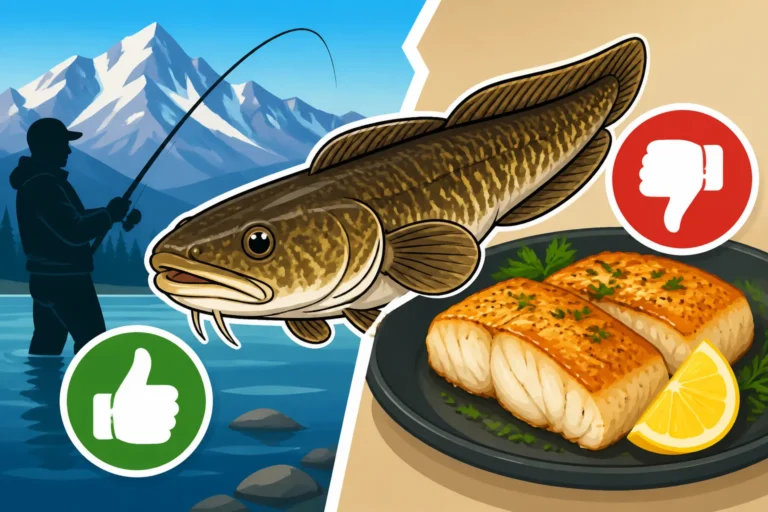
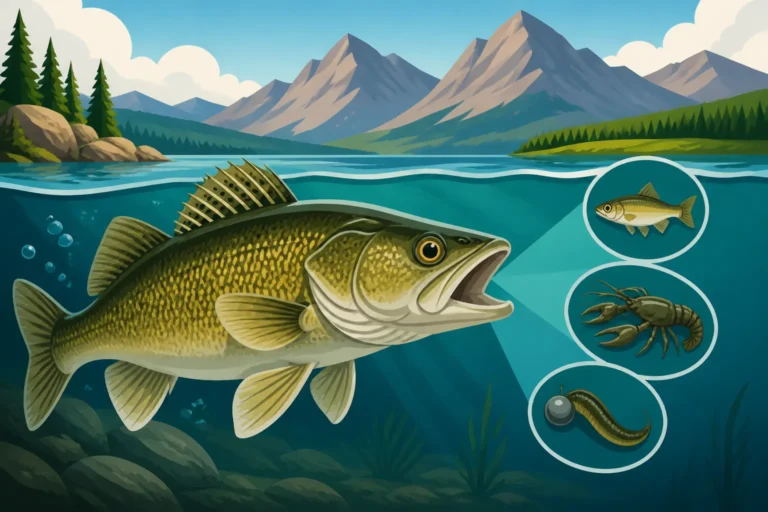
Wyoming's primary concern with Aquatic Invasive Species (AIS) often centers on invertebrates like zebra and quagga mussels, which can wreak havoc on infrastructure and food webs, but fish species can also be highly problematic. Some fish that are common concerns, even if not universally established as "invasive" in every single Wyoming water, are those that can dramatically outcompete or prey on native populations. Think of species like burbot (ling) in certain drainages where they are non-native, or even certain carp species. Anglers need to be particularly vigilant for species that are clearly listed as prohibited or highly concerning in the official regulations. For a deeper dive into specific species, you might want to read What Invasive Fish Species Threaten Wyoming Waters and Are Zebra Mussels a Threat to Wyoming Fisheries?.
It's not always easy to tell a native fish from a non-native one, especially if you're not an expert ichthyologist. Some invasive fish might look similar to native species, or they might just be unfamiliar if you're fishing a new area. This is why having a good field guide, or even a fish identification app on your phone, can be incredibly helpful. You can often find excellent, waterproof field guides on Amazon that are specific to Rocky Mountain fish species. Pay attention to fin counts, body shape, mouth structure, and coloration patterns. When in doubt, it's always better to err on the side of caution.
The Ecological Threat of AIS
The ecological threat posed by Aquatic Invasive Species is immense and far-reaching. Imagine a species like the common carp, which, while providing sport for some, can root up aquatic vegetation, making the water muddy and destroying critical habitat for native fish and invertebrates. Or consider the non-native lake trout (Mackinaw) in a place like Yellowstone Lake, where they prey heavily on the Yellowstone cutthroat trout, the state fish, disrupting an entire ecosystem that has evolved over millennia. These impacts aren't just hypothetical; they're happening right now, threatening the very fish that make Wyoming such a prized fishing destination.
The introduction of just a few invasive individuals can rapidly lead to a self-sustaining population, especially in Wyoming's diverse and interconnected waterways. Once established, eradicating an invasive species is incredibly difficult, often impossible, and hugely expensive. This is why prevention and immediate, correct action by anglers are absolutely critical. Every single fish caught and handled improperly has the potential to become a vector for wider spread, making the situation worse for everyone who cherishes Wyoming's natural beauty and fishing heritage.
Your Responsibilities When You Catch an Invasive Species
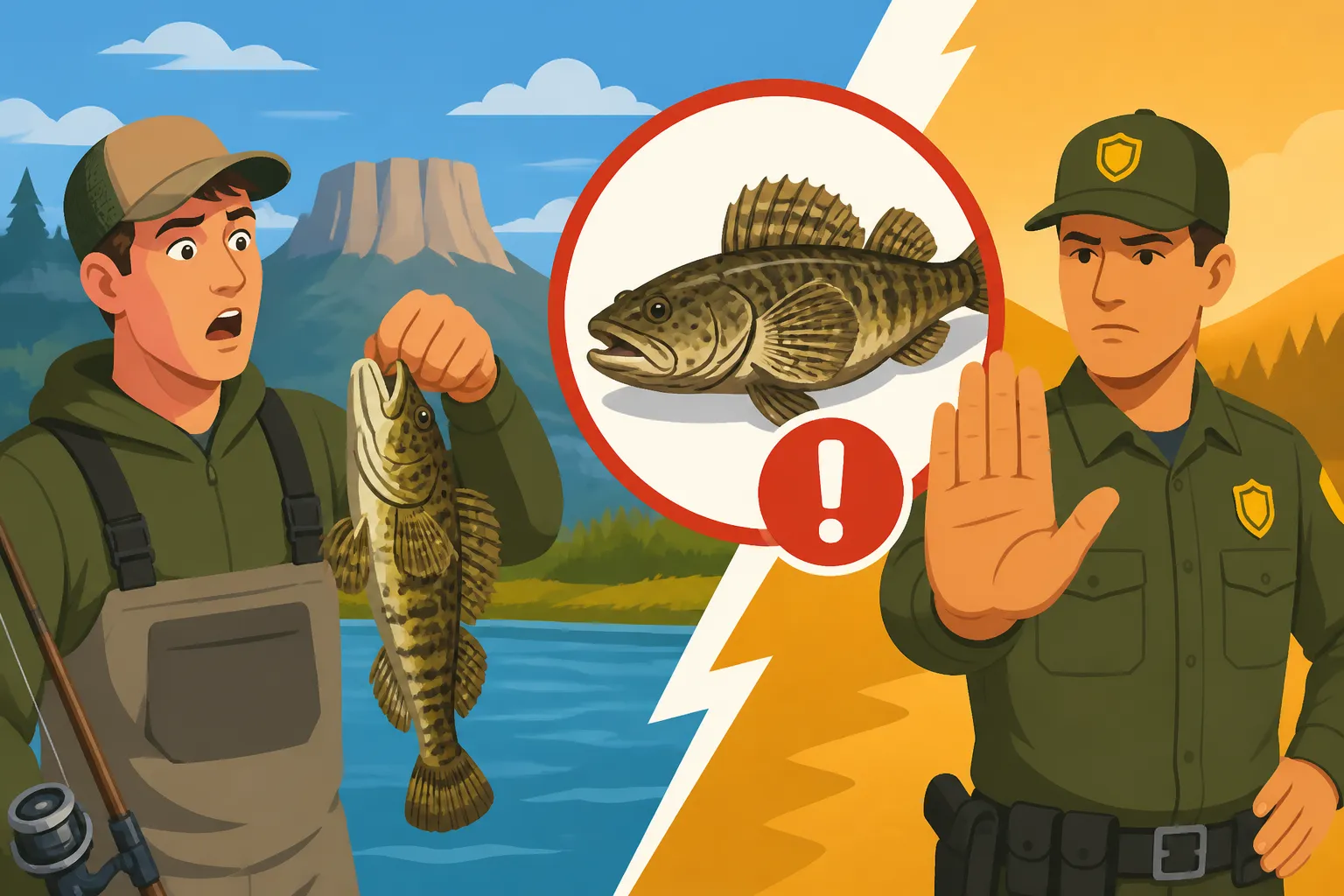
So, you've reeled in a fish, and your gut tells you it's not supposed to be there. What now? This is the most critical moment, and your actions can make a real difference. The first and foremost rule for suspected invasive species is simple: do not release it back into the water, and do not transport it live. This applies even if you're unsure. Taking the right steps ensures you comply with regulations and, more importantly, help protect our fisheries.
Immediate Actions: Don't Release, Don't Transport
This point can't be stressed enough: do not release a suspected invasive species back into the water where you caught it. The intent behind this rule is to prevent the population from growing or spreading further. Even if it's the only one you see, one fish can become many. If you're on a boat, don't just toss it over the side in a different area. The goal is containment. Furthermore, do not transport the live fish to another waterbody or even to your home live. This is a direct route for spreading the problem. The live transport of invasive species is often illegal and carries significant penalties, which we'll discuss shortly. This means no "catch and release" for these fish, and certainly no taking them home to put in an aquarium.
Instead, if you are absolutely sure it's an invasive species as listed by the Wyoming Game and Fish Department, or if you have a very strong suspicion and can't immediately confirm otherwise, you must humanely dispatch it. Keep it separate from any fish you intend to keep for consumption, especially if you plan to transport native fish. Familiarize yourself with Wyoming's regulations on specific species; for example, in Yellowstone Lake, non-native lake trout must be killed immediately upon capture and cannot be returned to the water. Knowing these specific rules is part of being a responsible angler, and you can find comprehensive information in the official Wyoming Fishing Regulations Every Angler Should Know booklet, often available as a free download or physical copy.
How to Humanely Dispatch the Fish
Dispatching a fish humanely means killing it quickly and with minimal suffering. This isn't about being cruel; it's about following the regulations to protect the ecosystem. The most common and effective method is a sharp blow to the head, often referred to as "braining" the fish. You can use a fishing priest, a heavy stick, or even the blunt end of a small hatchet or knife. Aim for directly behind the eyes. This will cause immediate brain death.
Once dispatched, if you're not planning to keep it for consumption (and you should always check regulations to ensure invasive species are even legal to consume from that waterbody), you should dispose of the carcass properly. This means not just throwing it back on the shore or into a dumpster where it could still cause issues. Ideally, it should be placed in a sealed bag and disposed of in a proper waste receptacle, or taken home for appropriate disposal, ensuring it never comes into contact with other waterbodies. Proper disposal ensures no eggs or larvae could potentially spread further.
Reporting Your Catch to Game and Fish
After you've identified and humanely dispatched a suspected invasive species, the next crucial step is to report your catch to the Wyoming Game and Fish Department. This information is invaluable to fisheries biologists and managers. Your report helps them track the spread of existing invasives, identify new introductions, and develop strategies for containment and management. This is truly where every angler becomes a citizen scientist, contributing to vital conservation efforts.
When reporting, try to provide as much detail as possible:
- Species identification: If you're confident, state the species. If not, describe it thoroughly.
- Location: Be specific. Use GPS coordinates if possible, or describe landmarks like bridges, specific bends in a river, or known access points.
- Date and time: Approximate when you caught it.
- Size/Count: How many did you catch? What was the approximate size?
- Photos: Take clear photos of the fish, especially its identifying features. This is often the most helpful piece of information.
The Wyoming Game and Fish Department has dedicated channels for reporting AIS. You can find detailed instructions on how and where to report these findings in our guide How to Report an Invasive Fish Species in Wyoming. Don't hesitate to report, even if you think someone else might have already. Redundancy in reporting is better than no report at all when it comes to containing an invasion.
The Legal and Environmental Ramifications of AIS
Dealing with invasive species isn't just about good stewardship; it also involves adherence to strict legal frameworks. Wyoming takes the threat of Aquatic Invasive Species very seriously, and the regulations are designed to protect the state's natural resources. Understanding these laws can help you avoid unintended violations and ensure you're part of the solution, not the problem.
Penalties for Illegally Transporting or Releasing AIS
The penalties for illegally transporting, possessing, or releasing aquatic invasive species in Wyoming can be quite severe. These aren't minor infractions; they are viewed as serious threats to the state's environment and economy. Fines can range from hundreds to thousands of dollars, and in some cases, can even involve jail time or the revocation of fishing privileges. Imagine losing your right to fish in Wyoming because of one careless act. This isn't just about fish, it's about protecting the future of angling in our state. Our article on Fines and Penalties for Common Fishing Violations touches on some of these, but AIS violations often carry unique and heightened penalties.
The intent isn't always to punish, but to deter behavior that could have catastrophic consequences. A single instance of transporting live baitfish from an infested waterbody to a pristine one, or carelessly releasing a non-native aquarium fish, could introduce a population that costs the state millions in control efforts and causes irreparable harm to native species. This is why vigilance and adherence to the "Clean, Drain, Dry" protocol (which we'll discuss next) are so incredibly important, even if you never intentionally interact with an invasive species.
Protecting Wyoming's Native Fisheries
Wyoming's native fisheries, like our cherished Wyoming's State Fish: The Yellowstone Cutthroat, are incredibly valuable. They represent a unique biological heritage and are integral to the state's identity and ecological health. Invasive species pose a direct threat to these native populations by:
- Competition: They compete for food, habitat, and spawning grounds.
- Predation: Some invasive species actively prey on native fish, especially eggs and juveniles.
- Disease Transmission: They can introduce new diseases or parasites to which native species have no immunity.
- Habitat Alteration: They can degrade water quality, destroy aquatic vegetation, and alter stream morphology.
- Hybridization: In some cases, non-native species can interbreed with native fish, leading to "hybrid swarms" that dilute the genetic purity of native stocks.
Consider the ongoing efforts in Yellowstone National Park to reduce lake trout populations to protect the native Yellowstone cutthroat. This monumental task costs millions of dollars annually and involves specialized techniques, all to combat an invasive species that should never have been introduced. This struggle highlights the immense cost and effort required once an invasive species takes hold. Your actions on the water, therefore, are a direct contribution to preserving these precious native fish for generations to come.
Preventing the Spread: Clean, Drain, Dry
The absolute best defense against aquatic invasive species is prevention. While knowing what to do if you catch one is vital, making sure you never contribute to their spread in the first place is paramount. This is where the mantra "Clean, Drain, Dry" comes into play – a simple, yet incredibly effective protocol that every angler and boater in Wyoming needs to adopt as standard practice. This isn't just a suggestion; it's a critical component of state regulations, which you can read more about in Why Wyoming Requires Boat Inspections for Invasive Species.
Best Practices for Anglers
Even if you're not operating a boat, your fishing gear can harbor invasive hitchhikers. This applies to waders, boots, fishing nets, buckets, and even your fishing line. Here are some essential best practices:
- Inspect Your Gear Thoroughly: Before leaving any waterbody, meticulously inspect all your gear. Look for any plant fragments, mud, or small aquatic organisms clinging to waders, boots, and nets. Even tiny, seemingly insignificant pieces can carry eggs or larvae.
- Clean Everything: Remove all visible mud, plants, fish, or animals from your gear. Use a stiff brush, or even just your hands, to scrub off anything attached. For nets, especially, ensure there are no small fish or plant pieces caught in the mesh. A small brush you can get on Amazon for scrubbing boots can be a lifesaver.
- Rinse with High Pressure/Hot Water: If possible, rinse your gear with high-pressure water, ideally hot water (140°F/60°C). This can kill microscopic invaders that you can't see. Many car washes offer high-pressure sprayers, which can be useful for gear that can withstand it.
- Dry Completely: This is often the most effective step. Allow all your gear to dry completely for an extended period before using it in another waterbody. A minimum of five days of hot, dry weather is often recommended for waders and boots. If it's cold or humid, it might take even longer. If you have multiple sets of gear, you can rotate them to ensure adequate drying time.
- Proper Bait Disposal: Never release unused bait into the water. Dispose of it in a trash receptacle. Live bait from one waterbody should never be used in another, and certainly never released.
Boat and Gear Decontamination
For boaters, the "Clean, Drain, Dry" protocol is even more critical due to the larger potential for spreading AIS. Wyoming has mandatory boat inspections for a reason – they are the frontline defense against things like zebra mussels entering our pristine waters.
- Clean: Before leaving the launch area, remove all visible mud, plants, and aquatic organisms from your boat, trailer, and any equipment (e.g., anchor, ropes). Pay special attention to crevices, transom, and propeller.
- Drain: Completely drain all water from your boat's bilge, live wells, ballast tanks, motor, and any other water-retaining compartments. Pull drain plugs and leave them out while traveling. This prevents the transport of contaminated water. Many species, like microscopic mussel larvae, are invisible to the naked eye but can survive in residual water.
- Dry: Allow your boat and trailer to dry thoroughly before launching into another waterbody. The longer the drying time, the better. This includes ropes, fenders, and safety equipment.
- Mandatory Inspections: Always stop at mandatory Aquatic Invasive Species check stations. They are staffed by knowledgeable personnel who can provide inspections and decontamination if needed. Ignoring these stations can lead to significant fines and is a direct threat to Wyoming's waters. Carry your Wyoming Fishing License Guide for Nonresidents or resident license readily available.
| Step | Action | Why It's Important |
|---|---|---|
| Clean | Remove all visible mud, plants, fish, and organisms from all gear/boat. | Eliminates macroscopic invaders and reduces overall biological material. |
| Drain | Completely drain all water from boat, livewells, bilge, and equipment. | Prevents transport of microscopic larvae, eggs, and water-borne pathogens. |
| Dry | Allow all equipment, including boats, to dry completely. | Dehydrates and kills most remaining aquatic invasive species and their propagules. |
| Report | Contact Wyoming Game and Fish if you find a suspected invasive species. | Critical for monitoring spread, initiating rapid response, and protecting fisheries. |
| Dispatch | Humanely kill any confirmed invasive fish; do not release or transport. | Prevents further spread and establishment of invasive populations. |
Remember, the vastness of Wyoming's wilderness and the interconnectedness of its waters mean that one contaminated boat or set of waders can rapidly spread invasive species far and wide. By embracing "Clean, Drain, Dry" and knowing how to respond to an invasive catch, you're doing your part to keep Wyoming the incredible fishing paradise it is. Every angler has a role to play in protecting the Cowboy State's natural treasures.
Disclaimer
This article is for general informational purposes only and does not constitute professional advice. Laws, prices and regulations vary by location and change over time. Consult a qualified professional for guidance on your specific situation.