Guided Backcountry Trips to Wyoming’s High Lakes
For many of us, the dream of fishing in Wyoming conjures images of pristine, remote high-alpine lakes, shimmering with untouched beauty and harboring wild, eager trout. But the reality of getting there, navigating the rugged wilderness, and knowing where to even cast a line can feel utterly overwhelming. The sheer logistics—from wilderness permits to bear country safety, not to mention figuring out how to carry all your gear—can make that dream seem out of reach. This guide is here to shed light on how guided backcountry trips can transform that daunting challenge into an unforgettable angling adventure, making those hidden gems accessible to every angler.
The Allure of Wyoming's High-Alpine Lakes for Anglers
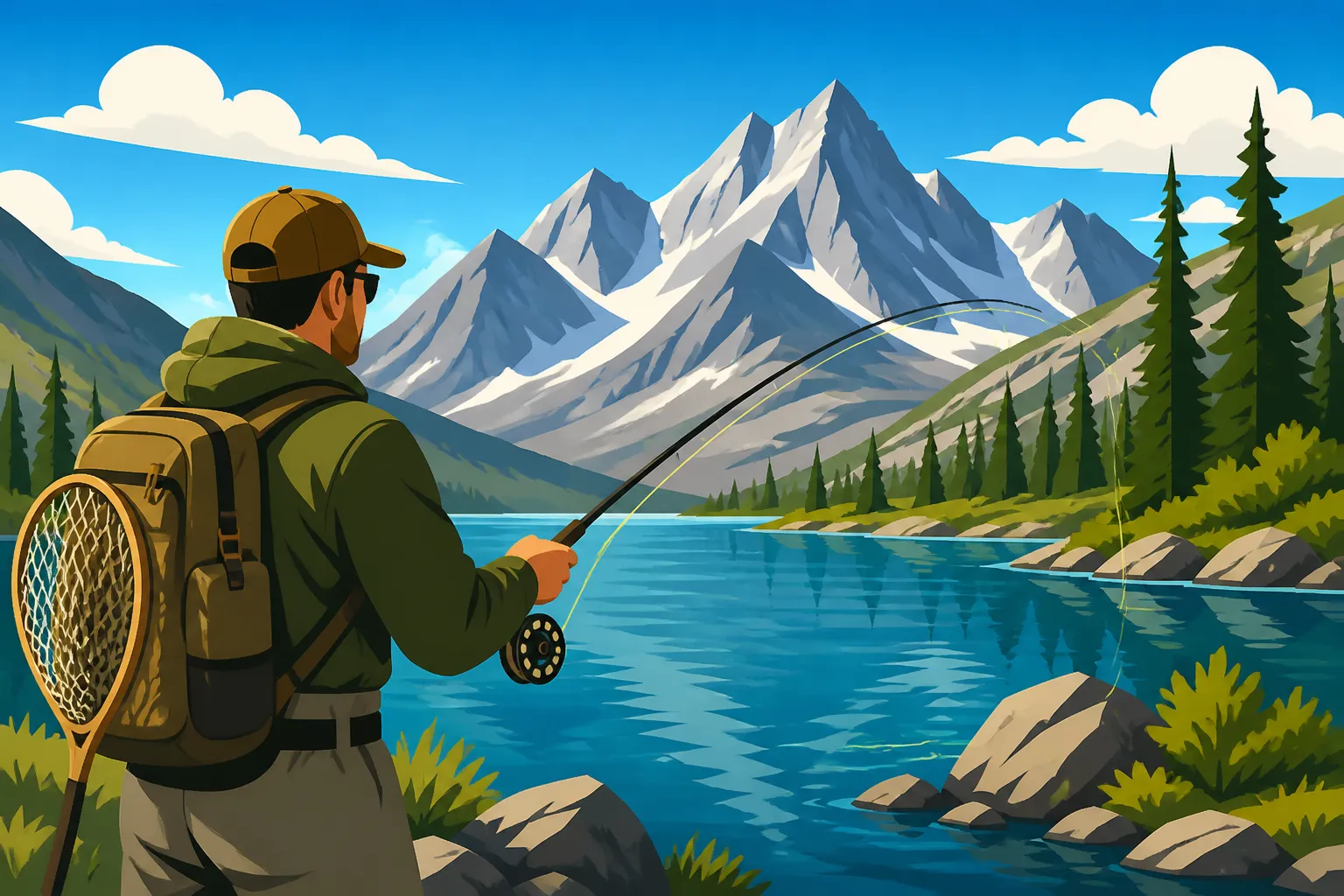
There’s something truly magical about fishing in a lake tucked away in Wyoming's high country, far from the nearest road or even a well-traveled trail. These aren't your typical roadside ponds or easily accessible reservoirs. We're talking about bodies of water often nestled above 9,000 feet, surrounded by towering peaks, ancient forests, and meadows bursting with wildflowers. The air is thinner, the silence is profound, and the sense of accomplishment from reaching such a remote spot is unparalleled.
Unspoiled Wilderness and Solitude
One of the biggest draws of these high-alpine lakes is the profound sense of solitude they offer. In a world that often feels overcrowded, finding a place where your only companions are marmots, pikas, and perhaps a soaring eagle is a true luxury. You won't find bustling boat ramps, crowded shorelines, or the constant hum of traffic. Instead, you'll experience nature in its purest form, often with reflections of jagged peaks dancing on the water's surface. This isolation contributes to a unique fishing experience where the fish are often less pressured and more eager to bite, making for truly memorable encounters. It's an escape that rejuvenates the soul as much as it excites the angler.
Unique Trout Species and Pristine Waters
The fish in Wyoming's high lakes are often a special breed themselves. While you might find stocked fish in some more accessible waters, many of these remote lakes hold wild, self-sustaining populations of trout, frequently native species or those specifically chosen for their resilience in high-altitude environments. You could be targeting vibrant Golden Trout Fishing in Wyoming with their striking colors, feisty Brook Trout Fishing in Wyoming, or the iconic Cutthroat Trout Fishing in Wyoming, Wyoming's state fish. The cold, clear, oxygen-rich waters of these lakes provide an ideal habitat, and the fish, though sometimes smaller in size due to limited food sources, are often incredibly strong and beautiful. Catching a native cutthroat from a lake that few people ever reach is a badge of honor for many anglers.
Why a Guided Backcountry Trip is a Game Changer
You might be thinking, "Can't I just hike in myself?" And yes, for experienced backpackers with strong navigation skills and wilderness savvy, a self-guided trip is certainly an option. However, for many, the challenges are significant. This is where a guided backcountry trip truly shines, transforming what could be a stressful ordeal into a smooth, safe, and immensely rewarding adventure.
Navigating the Wilderness Safely and Efficiently
Wyoming's backcountry is breathtakingly beautiful, but it can also be unforgiving. Trails can be faint, weather can change in an instant, and getting lost or injured miles from civilization is a serious concern. A professional guide brings invaluable expertise in navigation, even without a clear trail, and carries essential safety gear like satellite communicators. They understand local weather patterns, recognize potential hazards like lightning or sudden snowstorms, and know how to react in an emergency. This peace of mind allows you to fully immerse yourself in the experience rather than constantly worrying about your route or safety. They also often manage permits and logistics, which can be a complex process for unfamiliar visitors.
Accessing Remote Waters and Carrying Gear
The best high-alpine lakes are often those that are hardest to reach. A multi-mile hike with significant elevation gain, carrying a heavy backpack filled with camping gear, fishing tackle, food, and water, is beyond many people's physical capabilities. This is where guides, and often their trusty pack animals like horses or llamas, become invaluable. Pack animals can shoulder the heavy load, allowing you to hike with just a daypack and enjoy the journey without feeling completely exhausted. This opens up an incredible array of possibilities, allowing access to truly remote, untouched waters that would otherwise be inaccessible. Think about having fresh meals, comfortable sleeping arrangements, and all the fishing gear you could want without breaking your back.
| Trip Type | Difficulty Level | Gear Carried (Angler) | Primary Transportation | Typical Duration | Benefits |
|---|---|---|---|---|---|
| Day Hike | Moderate-Strenuous | Light daypack | Walking, hiking | 8-12 hours | Quicker, less commitment, focused fishing |
| Overnight Backpack | Strenuous | Full backpack | Walking, hiking | 2-3 days | More time at the lake, deeper immersion |
| Pack Trip (Horses/Llamas) | Moderate | Light daypack | Horseback, walking | 3-7 days | Access to further lakes, comfort, less physical strain |
| Helicopter-Assisted | Easy | Light daypack | Helicopter, walking | 1-5 days | Fastest access to extreme remoteness, unique experience |
Local Expertise and Enhanced Fishing Success
Even if you make it to a high lake, do you know where the fish are? What flies or lures are working? What time of day is best? Guides spend countless hours on these waters and possess an intimate knowledge of the local fisheries. They know the subtle nuances of each lake, the seasonal movements of the fish, and the specific techniques that yield results. They can teach you how to read the water in a high-alpine environment, suggest the right fly patterns for a particular hatch, or help you understand the best depths for How to Fish Deep Structure for Lake Trout. This local expertise dramatically increases your chances of a successful and rewarding fishing experience, ensuring you're not just hiking, but actually catching fish. They're also skilled at identifying various species, like knowing How to Identify a Golden Trout versus a different char species.
Planning Your Wyoming High Lake Adventure
Embarking on a guided backcountry fishing trip isn't something you decide on a whim. It requires careful planning and preparation to ensure you have the best possible experience. From choosing the right outfitter to getting yourself physically ready, a little foresight goes a long way.
Choosing the Right Outfitter and Trip Style
This is perhaps the most critical step. Not all outfitters are created equal, and finding one that specializes in high-alpine fishing and aligns with your expectations is key. Look for licensed outfitters with extensive experience in the specific wilderness area you're interested in, whether it's the Wind River Range, the Absarokas, or another stunning locale. Consider their safety record, the quality of their gear, and their approach to conservation and Leave No Trace principles. Platforms like FishingBooker can be a great starting point to explore different guides and read reviews from other anglers who have experienced these trips. They often list guides who have specific permits to operate in wilderness areas.
Think about the "style" of trip that suits you. Do you want a challenging hike-in experience where you carry your own pack (with the guide leading the way), or would you prefer a more comfortable pack trip with horses or llamas carrying the bulk of the gear? Are you looking for a single overnight stay or a multi-day expedition deep into the wilderness? Your physical fitness level, comfort with camping, and overall budget will influence these choices. Some outfitters even offer Helicopter-Stocked Backcountry Lakes Near Dubois for those seeking truly remote waters with minimal hiking.
Best Seasons and Booking Considerations
The window for high-alpine fishing in Wyoming is relatively short due to snowpack and ice. Generally, the prime season runs from mid-July through early September. Before July, many high lakes are still frozen or inaccessible due to snow-blocked trails. By mid-September, the weather can become highly unpredictable, with early snowfalls and freezing temperatures. However, early season (July) can mean incredible solitude and hungry fish right after ice-out, while late season (August/early September) often brings more stable weather and vibrant fall colors.
Because of this short window and the limited number of licensed outfitters operating in these areas, booking your trip well in advance is absolutely essential. Many reputable guides are booked up months, sometimes even a year, ahead of time. Start your research in the late fall or early winter for the following summer. When you're talking to potential guides, be sure to ask about their cancellation policies, what's included in the price (gear, food, permits), and what you'll need to provide. Don't forget to inquire about any specific Wyoming Fishing Seasons and Water-Specific Closures that might apply to your chosen area.
Physical Preparation and Essential Gear
While pack animals can alleviate the burden of carrying gear, a backcountry trip, even a guided one, still requires a reasonable level of physical fitness. You'll be hiking at high altitudes, often on uneven terrain, and sometimes covering significant distances. Start a walking or hiking regimen several months before your trip, ideally incorporating inclines or stairs to build endurance. The thinner air at elevation can be challenging, so being in good cardiovascular shape will make a huge difference in your enjoyment.
Your outfitter will provide a detailed packing list, but generally, you'll need sturdy hiking boots (broken in!), layers of clothing for varying weather conditions, quality rain gear, a hat, sunglasses, sunscreen, and personal toiletries. Don't forget your fishing license and Who Needs Wyoming's Conservation Stamp! While the guide will typically provide the heavy camp gear and often some specialized fishing tackle, you might want to bring your favorite lightweight rod, reel, and a selection of flies or lures. Always consult your guide about what they provide and what you're expected to bring. They'll have insights into the Best Wyoming Fly Patterns for Cutthroat Trout specific to the region.
What to Expect on a Guided High Lake Trip
The journey itself is often as memorable as the fishing. A guided backcountry trip is an immersive experience, blending the ruggedness of the wilderness with the comfort of having expert support. It's a chance to truly disconnect and appreciate the wild.
The Journey In: Hiking or Horseback
Your trip will likely begin at a trailhead, often deep within a national forest or wilderness area. If you're hiking in, expect a steady climb through various ecosystems – from dense pine forests to open meadows, eventually breaking out into the treeline where vast mountain vistas unfold. The pace will be comfortable, with plenty of stops for water and to soak in the views. Your guide will point out wildlife tracks, identify plants, and share stories of the region.
If you're on a horse or llama pack trip, the experience is different but equally rewarding. You'll ride through stunning landscapes, sometimes traversing rocky passes or splashing through stream crossings, all while your gear is safely stowed on pack animals. This allows for a much more relaxed journey, conserving your energy for fishing. Regardless of the mode of transport, the approach to these high lakes is always dramatic, culminating in that first breathtaking view of your destination.
Camp Life and Meals in the Wild
Upon arrival, your guide will establish a comfortable backcountry camp, adhering strictly to Leave No Trace principles. This usually involves setting up tents, preparing a cooking area, and ensuring bear-safe food storage. Camp life is a fundamental part of the adventure. Imagine waking up to the crisp mountain air, the smell of fresh coffee, and the sight of mist rising off the lake. Evenings are spent around a campfire (where permitted and safe), sharing stories, planning the next day's fishing, and stargazing under an impossibly dark sky.
One of the great luxuries of a guided trip is the quality of the food. Far from bland dehydrated meals, many outfitters pride themselves on serving delicious, hearty backcountry cuisine. Expect hot breakfasts, trail lunches, and satisfying dinners often cooked over an open fire or on a portable stove. Dietary restrictions can usually be accommodated with advance notice. It’s truly remarkable what gourmet meals can be prepared miles from any grocery store, thanks to careful planning and the efforts of your guide.
The Fishing Experience: Focus and Flexibility
Once camp is set, the real magic begins: fishing those incredible high-alpine waters. Your guide will lead you to the most promising spots, whether it's a rocky point, a secluded cove, or the inlet of a feeder stream. They'll advise on techniques, help with fly selection, and provide instruction for beginners. Depending on the lake and the target species, you might be casting small spinners, delicate dry flies, or jigging with lightweight tackle. The beauty of these trips is the flexibility – if one spot isn't producing, you can easily move to another.
The fishing itself is often characterized by eager, strong-fighting trout. While they might not be trophy-sized monsters, the sheer numbers and the pristine environment make every catch special. You'll learn to read the subtle signs of a rising trout, how to present your fly in challenging conditions, and the best practices for Catch-and-Release Rules on Wyoming Waters to ensure these delicate ecosystems remain healthy. The goal isn't just to catch fish, but to fully experience the joy of angling in an unparalleled natural setting.
Choosing the Right Guide and Outfitter
Finding the perfect partner for your backcountry adventure is crucial. This person or company will be responsible for your safety, comfort, and ultimately, the success of your trip. Don't rush this decision.
Credentials, Experience, and Local Knowledge
First and foremost, ensure any guide or outfitter you consider is fully licensed and permitted to operate in Wyoming and in the specific wilderness areas you plan to visit. This isn't just a formality; it ensures they meet safety standards, carry insurance, and adhere to regulations designed to protect both clients and the environment. Don't hesitate to ask for proof of their licenses and certifications.
Experience is paramount, especially for backcountry trips. Look for guides who have spent years exploring and guiding in the high-alpine lakes. They should possess deep local knowledge of the terrain, weather patterns, wildlife, and, of course, the fishing. An experienced guide can make quick decisions in changing conditions, navigate complex landscapes, and still put you on fish. A quick search on platforms like FishingBooker often allows you to filter guides by their specialization and read detailed bios highlighting their experience. This helps confirm What Makes a Guide Legal to Operate in Wyoming.
Communication and Personality Match
Before booking, have a thorough conversation with your potential guide. Ask lots of questions, and pay attention to how they communicate. Are they responsive, clear, and patient in their answers? A good guide will be eager to discuss your expectations, physical abilities, and fishing preferences. This conversation is also a chance to assess if your personalities align. You'll be spending several days in close quarters in the wilderness, so a good rapport with your guide is essential for an enjoyable trip.
Consider their guiding style. Are they hands-on, offering constant instruction, or do they prefer to let you figure things out with gentle suggestions? Do they prioritize fishing above all else, or do they also focus on the broader wilderness experience, including wildlife viewing and natural history? Clarifying these points beforehand helps ensure you both have similar expectations for the trip.
What to Look for in Reviews and References
Online reviews, particularly on platforms like FishingBooker or dedicated outfitter websites, can provide valuable insights. Look beyond just the star ratings; read the actual comments. Do people consistently praise the guide's safety consciousness, fishing expertise, or camp cooking? Are there any recurring complaints about communication, organization, or hidden costs? A pattern of positive feedback over several years is a strong indicator of a reliable outfitter.
It's also a good idea to ask the outfitter for references – past clients you can speak with directly. This allows you to ask specific questions about their experience, what they liked and disliked, and if the trip met their expectations. This due diligence ensures you're investing in a quality experience and a guide you can trust with your backcountry adventure. You want to make sure the guide knows the Best Wyoming Fishing Months for Trophy Trout if that's your goal.
Targeting Specific Species and Techniques
While the general experience of a guided high-alpine trip is consistent, the specific fishing strategies will vary depending on the target species and the unique characteristics of each lake.
Golden Trout: High-Altitude Gems
Often found in the highest, most remote lakes, Golden Trout Fishing in Wyoming is a bucket-list experience for many anglers. These stunning fish, characterized by their brilliant golden flanks and red lateral stripe, thrive in pristine, nutrient-poor waters. They are not typically large, but their beauty and the effort required to reach them make every catch feel like a treasure.
Techniques: Golden trout often respond well to small, subtle presentations. Fly fishing with small dry flies (like ants, beetles, or tiny caddis patterns) in the mornings and evenings can be incredibly effective when they're rising. During the day, small nymphs or streamers fished slowly can entice bites. For spin fishing, tiny Kastmasters, Panther Martin spinners, or small marabou jigs are often successful. The key is a delicate approach, as these fish can be spooky in the clear water. Your guide will know the specific patterns and retrieve methods that work best for the particular lake you're fishing.
Brook Trout: Abundant and Eager
Brook Trout Fishing in Wyoming is a common and often incredibly fun experience in high-alpine environments. These colorful char, with their distinctive worm-like markings (vermiculations) and white-edged fins, are often very abundant and aggressive, especially in smaller, shallower lakes. While they typically don't grow to large sizes in these cold, high-elevation waters, their willingness to strike makes for consistent action, which is perfect for beginners or those seeking steady catches.
Techniques: Brook trout are less finicky than some other species. They'll readily hit a wide variety of flies, including attractor dry flies (like Royal Wulffs or Adams), small nymphs, and tiny streamers. For spin fishing, almost any small spinner (Rooster Tail, Mepps Aglia) or lightweight spoon will work. Ultralight tackle makes fighting even smaller brook trout a blast. Many guides will encourage younger anglers or those new to fishing to target brook trout first, as their aggressive nature ensures a memorable experience.
Cutthroat Trout: Wyoming's Native Icons
Wyoming is home to several subspecies of cutthroat trout, including the native Yellowstone Cutthroat and the Snake River Fine-Spotted Cutthroat. In many high-alpine lakes, you might find self-sustaining populations of these incredible fish, offering a chance to connect with Wyoming's wild heritage. Identifying a Yellowstone Cutthroat Trout involves looking for the tell-tale red or orange slashes under their jaw, along with typically larger, more prominent spots concentrated towards the tail.
Techniques: Cutthroat trout can be a bit more selective than brook trout, especially in heavily fished areas (though high lakes are rarely heavily fished). They respond well to dry flies that mimic local hatches, as well as various nymph patterns. Streamers can also be effective, particularly for larger cutthroats that might be preying on smaller fish. Spin fishing with small spoons or soft plastics can also yield results. Your guide will be invaluable in "matching the hatch" or suggesting the best presentations based on the conditions and the specific cutthroat population in the lake. Catching a pure strain cutthroat in its native high-country habitat is a truly special moment. Best Wyoming Fly Patterns for Cutthroat Trout will be on your guide's list.
Other Potential Species
While trout dominate the high-alpine scene, some lower-elevation "high lakes" might surprise you. In specific instances, you might encounter other species like splake (a brook trout/lake trout hybrid) or even small lake trout (mackinaw) in deeper basins. Your guide will have precise knowledge of what fish are present in each specific waterbody. No matter the species, the clear water and wild setting make every fish caught a trophy in its own right.
Disclaimer
This article is for general informational purposes only and does not constitute professional advice. Laws, prices and regulations vary by location and change over time. Consult a qualified professional for guidance on your specific situation.