What Makes a Guide Legal to Operate in Wyoming
Choosing a fishing guide in Wyoming can feel a bit like navigating a winding river without a map, especially when you're trying to figure out who's legitimate and who's just a "local expert." It's not always obvious what kind of licenses, permits, and certifications someone needs to legally take you out on our beautiful waters. This guide is here to clarify those complexities, helping you understand the essential qualifications that make a fishing guide legal and trustworthy in the Cowboy State.
The Foundation: Wyoming Game and Fish Department Licensing
When you're looking to book a guided fishing trip in Wyoming, the first and most fundamental piece of the puzzle is the state-issued license. This isn't just a suggestion; it's a legal requirement designed to protect both you and our incredible natural resources.
The Outfitter/Guide License Explained
For anyone leading fishing excursions for compensation on state-owned land or waters in Wyoming, holding an official Wyoming Game and Fish Department (WGFD) Outfitter or Guide License is absolutely essential. This isn't merely a piece of paper; it's a testament to the fact that the individual has met specific, rigorous requirements. These often include passing comprehensive exams that test their knowledge of Wyoming's intricate fishing regulations, species identification, and critical first aid protocols. It’s the state's official seal of approval, signifying that they are qualified, knowledgeable, and committed to operating safely and ethically.
So, who exactly needs this license? In short, if you're exchanging money for someone's service to take you fishing in Wyoming, they almost certainly fall under this requirement. This rule applies across the board, whether you're embarking on a serene drift boat trip down the iconic North Platte River or planning an adventurous pack-in trip to a remote, high mountain lake. Even if a person presents themselves as a "fishing consultant," a "local expert," or a "friend of a friend who knows the spots," if there's any form of paid service involved, this state license is a non-negotiable legal prerequisite. Adherence to this standard helps to maintain the high integrity of Wyoming's outdoor recreation industry, providing a layer of protection for clients and ensuring the responsible stewardship of our precious fisheries and lands.
Application Process and Vetting
The journey to becoming a legally licensed fishing guide in Wyoming is far from a simple formality; it's a comprehensive process designed to ensure only qualified individuals lead trips. Prospective guides and outfitters must navigate an application that often demands meticulous records of their experience, a thorough background check to address any public safety concerns, and in some cases, personal interviews. This isn't just about demonstrating an angler's skill with a rod and reel; it's equally about proving an in-depth understanding of Wyoming's often complex and dynamic Wyoming Fishing Regulations Every Angler Should Know. This exhaustive vetting mechanism serves as a crucial gatekeeper, ensuring that only reputable and well-prepared individuals are granted the privilege and responsibility of guiding on Wyoming's waters.
Furthermore, receiving a license isn't a "one-and-done" achievement. Legal guides and outfitters are bound by obligations for ongoing compliance, which includes adhering to continuing education mandates, ensuring their licenses are renewed regularly, and consistently upholding a stringent standard of professional conduct. Any failure to meet these ongoing requirements can lead to severe repercussions, including the suspension or outright revocation of their license, which can critically impact their livelihood. This system of continuous oversight is a fundamental reason why selecting a legally licensed guide is so paramount, as it offers a sustained assurance of quality and accountability throughout their guiding career.
Navigating Federal Waters: Permits for National Parks and Forests
While the WGFD license covers state lands and waters, many of Wyoming's most sought-after fishing destinations lie within federal jurisdictions, such as National Forests and National Parks. Operating in these areas requires additional, specific federal permits.
Special Use Permits for National Forests
Many of Wyoming's prime fishing opportunities are found within lands managed by the U.S. Forest Service, encompassing vast and wild areas like the Shoshone National Forest or the Bridger-Teton National Forest. To operate any commercial activity, including guided fishing trips, on these federal lands, outfitters and guides are required to secure a "Special Use Permit." This isn't merely an extension of a general fishing license; rather, it represents a distinct and specific authorization to conduct commercial business, designed to ensure that guided operations are both environmentally responsible and harmoniously integrated with other recreational uses of these public spaces.
These Special Use Permits are often highly regulated, with their numbers and operational scope frequently limited for particular areas, such as designated stretches of the Green River or the upper tributaries of the Snake River. This controlled allocation serves several critical purposes: it helps to manage the overall human impact, minimizes disturbance to sensitive ecosystems, and works to preserve the quality of the wilderness experience for everyone. A guide who possesses such a federal permit unequivocally demonstrates their commitment to operating within strict governmental guidelines and actively contributes to the responsible and sustainable management of these invaluable public lands.
National Park Service Commercial Authorizations
Fishing within the awe-inspiring boundaries of national parks, such as navigating the waters under Fishing Rules Inside Yellowstone National Park or exploring the pristine lakes of Fishing Rules Inside Grand Teton National Park, introduces yet another layer of regulatory complexity. Guides who operate commercially in these protected areas must obtain specific commercial use authorizations issued directly by the National Park Service. These permits are notably stringent, often demanding that outfitters possess significant historical operating experience, adhere to a meticulous set of park-specific regulations, and even undergo specialized training focused on the park's unique natural and cultural resources.
The National Parks impose this heightened level of scrutiny because their core mission is preservation. Therefore, commercial activities are rigorously controlled to ensure they do not adversely impact wildlife, disturb fragile ecosystems, or detract from the overall visitor experience. A guide who holds these national park credentials has demonstrated an exceptional commitment to conservation and a proven capability to operate responsibly within some of America's most treasured natural landscapes. For instance, guiding on waters like Wyoming's Yellowstone Lake Fishing Guide necessitates an in-depth understanding of ongoing conservation efforts, such as the critical lake trout removal initiatives, reinforcing the guide's role in protecting these vital ecosystems.
Professional Standards: Insurance, Safety, and Vessel Certification
Beyond the foundational state and federal licenses, a truly legal and reputable fishing guide in Wyoming will also meet crucial professional standards related to safety, insurance, and proper vessel certification. These elements are non-negotiable for client protection and professional credibility.
The Critical Role of Commercial Insurance
Consider a hypothetical scenario during your guided fishing adventure: an unexpected slip on a wet rock, a hook injury, or perhaps an unforeseen mechanical issue with the boat. Without adequate commercial liability insurance, you, the client, could potentially face significant financial burdens from medical expenses or other damages. Legally operating guides in Wyoming carry robust commercial insurance policies specifically designed to protect both themselves and their clients from such unforeseen circumstances and liabilities. This isn't merely a suggested best practice; it's frequently a mandatory prerequisite for obtaining and maintaining their state and federal guiding permits. When you're in the process of booking a trip, never hesitate to openly inquire about your prospective guide's insurance coverage; it's a vital part of your due diligence.
Knowing that your guide is fully insured provides an invaluable layer of peace of mind. It signifies that they've made a substantial investment in their business and take their professional responsibilities with the utmost seriousness. A reputable and legally compliant guide will never shy away from providing proof of their insurance coverage. Furthermore, many established booking platforms, such as FishingBooker, often undertake the verification of this critical information as part of their listing process. This extra step of verification offers you an additional layer of confidence and assurance when you're searching for "licensed guides in Wyoming," ensuring that your outdoor adventure is not only memorable but also secure.
Boating Safety and First Aid Proficiency
Many of Wyoming's premier fishing experiences inherently involve the use of watercraft, ranging from the classic drift boats skillfully navigated on the Snake River to the powerful motorboats used on expansive reservoirs like Flaming Gorge. For guides who operate motorized vessels, especially on federally designated navigable waters, acquiring U.S. Coast Guard (USCG) certification may be a mandatory requirement. This certification confirms that the guide has successfully passed rigorous examinations covering essential aspects such as navigation rules, critical safety protocols, and effective emergency procedures, ensuring a high standard of maritime competence. Beyond any specific USCG mandates, it is a professional expectation that all reputable guides maintain current certifications in First Aid and Cardiopulmonary Resuscitation (CPR), ready to respond to any medical incident.
However, a truly professional and legal guide's expertise extends far beyond merely knowing where the fish are biting. They possess a deep understanding of complex water dynamics, can accurately interpret rapidly changing weather patterns, and are adept at handling a wide spectrum of emergencies—from treating minor cuts and abrasions to managing more severe medical situations with calm and efficiency. This unwavering commitment to client safety underscores the entire guided experience; it's about far more than just the catch of the day, it’s fundamentally about ensuring that every client returns to shore safely and securely after their adventure.
Protecting Your Investment: Why a Licensed Guide is Non-Negotiable
Choosing a licensed guide isn't just about following the rules; it's about safeguarding your experience, your safety, and your peace of mind. The investment you make in a guided trip deserves the protection that only a legitimate operation can provide.
Ensuring Compliance with Wyoming's Regulations
Wyoming's fishing regulations are a meticulously detailed and often evolving set of rules. From the specific bag and possession limits for various species to the mandatory use of barbless hooks on certain prized river sections, keeping abreast of all the nuances can be a full-time job. An unlicensed guide, lacking the professional obligation and training, might inadvertently lead you into violating these rules. Such an oversight could result in significant Fines and Penalties for Common Fishing Violations for both you and the guide, turning a dream trip into a legal nightmare. In stark contrast, a licensed guide is professionally trained and legally bound to know and strictly adhere to all applicable regulations, thereby shielding you from potential legal troubles. They can expertly clarify complex rules, such as The One-Over-16-Inch Rule on Wyoming Trout Streams, ensuring every aspect of your angling is fully compliant.
Furthermore, legal guides serve as crucial stewards of Wyoming's invaluable natural resources. They are educated in and committed to practicing responsible angling techniques, including the precise execution of Catch-and-Release Rules on Wyoming Waters and actively striving to minimize any environmental footprint. By consciously choosing a licensed guide, you are not only securing a lawful and protected fishing experience for yourself but also directly supporting sustainable tourism and vital conservation efforts. These efforts are fundamental to preserving the health and vibrancy of Wyoming's incredible fisheries for current and future generations of anglers, guaranteeing that these pristine environments remain viable for years to come.
Accountability, Professionalism, and Consumer Protection
A significant advantage of engaging a licensed fishing guide is the built-in system of accountability and consumer protection. Should any issues or concerns arise during your trip, or if you feel the services provided were not as advertised, you have clear and official avenues for recourse. You can lodge formal complaints through the Wyoming Game and Fish Department or the specific federal agency (like the National Park Service or Forest Service) that issued the guide's permit. A licensed guide's professional standing and, indeed, their very livelihood, are intrinsically linked to maintaining a good reputation and adhering to these regulatory standards. Conversely, with an unlicensed individual, you are left with virtually no consumer protection, no formal complaint process, and typically no official way to address grievances, potentially leaving you with a substandard or ruined trip and no means of satisfactory resolution.
This commitment extends to the overall professional experience you receive. Consider the significant investment of time, money, and effort a licensed guide has poured into their profession. This dedication often translates into providing a superior quality experience, encompassing everything from the state-of-the-art gear they supply to their intimate knowledge of local fishing spots and advanced angling techniques. When you are weighing your options for Hiring a Fishing Guide in Wyoming, it is crucial to remember that their license is far more than just a permit; it is a powerful benchmark for professionalism, ethical conduct, and unwavering dedication to their craft, ensuring you receive the best possible guided adventure.
Your Role: How to Verify and Book with Confidence
Understanding what makes a guide legal is only half the battle. The other half is knowing how to effectively verify those credentials and confidently book a trip that meets all the legal and safety standards.
Key Questions to Ask Before You Book
When you're considering booking a guided fishing trip, it's absolutely crucial not to be shy about asking direct, pointed questions. Before you finalize any commitment, always inquire about their official Wyoming Game and Fish Outfitter/Guide license number. Furthermore, if your planned adventure will take you into a national park or national forest, explicitly ask about their specific federal permits for those areas. A reputable and legal guide will take pride in their compliance and readily provide this information, often without you even having to ask. It's also wise to ask about their commercial insurance coverage and what specific safety precautions they implement on their trips. Any guide who seems hesitant, vague, or outright unwilling to provide these essential details should immediately raise a significant red flag.
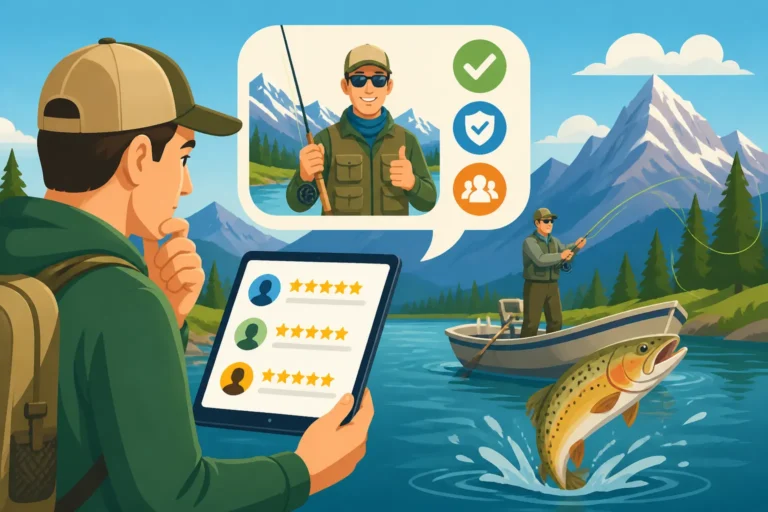
Beyond official documents, it's also highly advisable to seek out independent reviews and testimonials. Platforms like FishingBooker are excellent resources, often featuring client ratings and detailed feedback that can offer invaluable insights into a guide's professionalism, the quality of their service, and their commitment to client satisfaction. Combining this real-world feedback with the verification of official documents provides you with the most comprehensive approach to confidently selecting a guide for a successful and safe outdoor adventure.
Where to Find and Confirm Licensing Information
The primary and most reliable resource for verifying state outfitter and guide licenses in Wyoming is the Wyoming Game and Fish Department's official website. They typically maintain searchable databases where you can look up license numbers and confirm a guide's legal status. For federal permits, such as those required for operating within National Parks or National Forests, you'll need to consult the specific National Park Service or Forest Service office responsible for the geographic area you intend to fish. It's important to remember that when you are actively out on the water, your guide is legally obligated to be able to present their credentials if requested by a game warden or other authorized enforcement officer. Just as it's vital for anglers to be Carrying Your Wyoming Fishing License in the Field, guides have similar, if not more stringent, requirements for their professional documentation, ensuring transparency and legal compliance at all times.
Common Pitfalls and What to Avoid
Even with the best intentions, it's easy to fall prey to common misconceptions or seemingly convenient "shortcuts" when trying to find a guide. Knowing what to avoid is just as important as knowing what to look for.
Unlicensed "Friends" or "Locals" Offering Services
It might seem tempting to hire a "local friend" or an experienced individual who claims to know all the secret spots but doesn't hold a formal license. While their intentions might be good, this route carries significant risks. The most immediate concern is the complete absence of commercial insurance, meaning if an accident or injury occurs, you and your group could be left with no financial protection. Furthermore, these individuals often operate outside the system, which means they are not held accountable by any governing body. This lack of oversight can lead to inconsistencies in service quality and, more dangerously, a potential ignorance of Wyoming's complex and strict fishing regulations.
An unlicensed guide may not be up-to-date on specific seasonal closures, nuanced bag limits, or critical gear restrictions, potentially putting both you and them in legal jeopardy. They might unknowingly lead you to fish in restricted areas or keep fish that are outside the legal limits, resulting in hefty fines for both parties. Without the formal training and ongoing education required of licensed professionals, they may also lack proper safety certifications, first aid knowledge, or critical emergency response skills. Ultimately, while the offer might come with a friendly face or a lower price tag, the risks associated with hiring an unlicensed "local" far outweigh any perceived benefits, jeopardizing your safety, your legal standing, and the quality of your overall fishing experience.
Misleading Advertising and Promises
Unfortunately, some individuals or operations, particularly those that are not fully licensed or regulated, might resort to misleading advertising or make exaggerated promises to attract clients. This can manifest in various ways: claiming to guarantee trophy fish, promising access to exclusive waters they don't legally have permits for, or being intentionally vague about what's actually included in the trip price. Such deceptive practices can lead to significant disappointment and a feeling of being ripped off when the reality of the trip doesn't live up to the hype. It's not uncommon for an unlicensed operation to have hidden fees, use substandard equipment, or provide a bare-bones experience that leaves clients unsatisfied.
To protect yourself, always look for clear and transparent communication regarding the trip's details. Reputable guides will clearly outline What a Guided Wyoming Fishing Trip Costs, what services and equipment are included (e.g., tackle, flies, lunch, beverages), and any additional expenses you might incur. Pay close attention to reviews and testimonials, as past client experiences often shed light on the truth behind advertising claims. A guide who is open, honest, and provides detailed information upfront about their services, costs, and compliance with regulations is a much safer bet. This transparency ensures that you know exactly what to expect, allowing you to make an informed decision and avoid any unpleasant surprises on your Wyoming fishing adventure.
Disclaimer
This article is for general informational purposes only and does not constitute professional advice. Laws, prices and regulations vary by location and change over time. Consult a qualified professional for guidance on your specific situation.