Guided Ice Fishing Trips in Wyoming
Stepping out onto the vast, frozen expanse of a Wyoming lake with a fishing rod in hand might sound like something out of a movie, but for many, it's a thrilling reality. However, for those who haven't grown up with ice fishing as a winter ritual, the thought of heading out on the ice can feel daunting, if not downright dangerous. Between navigating unfamiliar regulations, understanding ice safety, and knowing what gear you actually need, it's easy to feel overwhelmed. This guide is here to walk you through everything you need to know about booking and experiencing guided ice fishing trips in Wyoming, helping you turn those winter worries into exhilarating adventures on the ice.
Why Consider a Guided Ice Fishing Trip in Wyoming?
Venturing out onto the ice in Wyoming, especially for the first time or if you're not a local, comes with a unique set of challenges. It's not just about finding fish; it's about staying safe, warm, and compliant with all the local rules. A guided trip can transform what could be a stressful experience into a memorable, educational, and fun day on the hard water.
Navigating Safety and Local Knowledge
One of the biggest anxieties about ice fishing is undoubtedly safety. How thick does the ice need to be? What about slush? Where are the pressure ridges? These aren't just minor concerns; they're critical questions that can impact your well-being. Guides are seasoned professionals who live and breathe this environment. They possess intimate knowledge of local ice conditions, often scouting locations daily to ensure safety. They know where the ice is stable, where currents might thin it out, and how to read the subtle signs of danger that an inexperienced eye would miss. This isn't just about avoiding a cold dunking; it's about understanding the specific characteristics of Wyoming's diverse frozen waters. Imagine trying to decipher the nuances of ice thickness on a massive reservoir like Boysen or Flaming Gorge without prior experience; it’s a lot to take on.
Beyond safety, local guides bring invaluable fishing knowledge. They know the species that thrive in specific lakes, the best spots where those fish tend to congregate, and the most effective tactics for getting them to bite in winter conditions. They understand that a deep trench might hold trophy lake trout in one lake, while a shallow weed bed could be teeming with perch in another. Without this insight, you might spend hours drilling holes and moving around, never quite figuring out the puzzle. They've spent countless hours learning these secrets, and they're ready to share them with you, making your trip far more productive and enjoyable.
Eliminating Gear Headaches
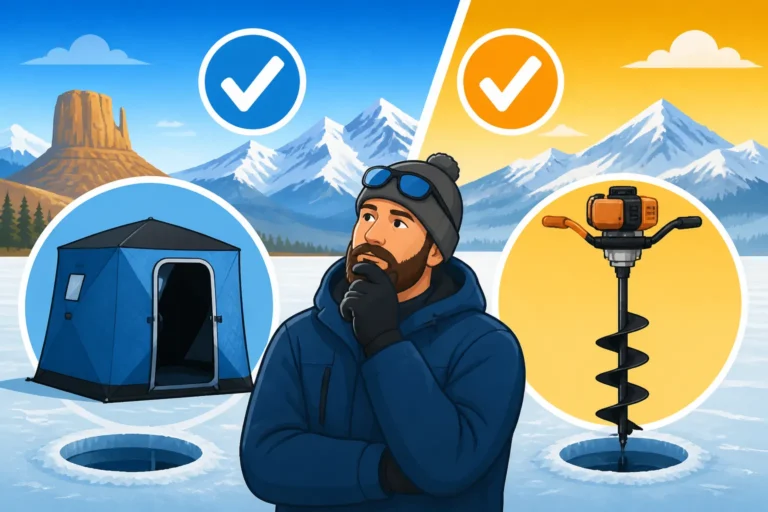
Let's be honest, ice fishing requires a significant amount of specialized gear. From insulated shelters and powerful augers to fish finders (flashers/graphs), heaters, and a variety of specialized rods and lures, the upfront investment can be substantial. For someone looking to try ice fishing for the first time, or for an out-of-state visitor who can't easily transport all this equipment, it's a huge barrier. This is where a guided trip truly shines.
A reputable guide service will provide virtually everything you need. This means you don't have to worry about buying an expensive power auger, transporting a heavy ice shanty, or investing in a portable sonar unit. They'll have top-notch equipment that's well-maintained and suited for the specific conditions you'll encounter. Not only does this save you money, but it also saves you the hassle of lugging heavy, bulky gear onto the ice. You can simply show up with your warm layers and personal essentials, and the guide handles the rest. They'll have a range of specialized ice rods, reels, and tackle tailored to the fish you're targeting, saving you from guessing which tiny jig or spoon might entice a finicky winter walleye. Having access to quality gear that's already set up and ready to go allows you to focus purely on the fishing experience. You can even learn the ins and outs of using various pieces of equipment from an expert, which is a fantastic bonus.
Maximizing Your Catch and Experience
Let's face it: one of the main reasons we fish is to catch fish! Guided trips significantly increase your chances of success. Guides aren't just putting you on fish; they're often actively monitoring conditions, setting up multiple lines, and even demonstrating techniques. They know the subtle bites of winter fish and can teach you how to detect them, which is often much harder than in open water. They understand that on some days, jigging vigorously works, while on others, a subtle deadstick presentation is key.
Moreover, guided trips are about more than just fish counts. They offer an immersive experience into Wyoming's winter landscape. You'll learn about the unique ecology of frozen lakes, perhaps spot some local wildlife, and simply enjoy the tranquility of a snow-covered wilderness. Many guides are also fantastic storytellers, sharing local lore, fishing tales, and insights into the area's history and environment. This makes the day not just a fishing trip, but a deeper connection to the place itself. It’s a chance to truly unplug and appreciate the quiet beauty of a Wyoming winter, often with a warm cup of coffee or hot chocolate provided right on the ice.
What to Expect on a Guided Ice Fishing Trip
When you book a guided ice fishing trip in Wyoming, you're not just paying for access to a hole in the ice. You're signing up for a comprehensive experience tailored to help you succeed and stay comfortable in the cold. Understanding what’s typically included and how the day unfolds can help manage your expectations and ensure you make the most of your adventure.
Typical Trip Inclusions
Most reputable Wyoming ice fishing guides strive to make your trip as hassle-free and comfortable as possible. This means providing the essentials that would otherwise be costly or cumbersome for you to bring. Generally, you can expect the following:
- Heated Shelters: This is a big one. Unless you specifically request a minimalist, walk-and-gun style trip, most guides will provide a portable, heated ice fishing shelter. These can range from smaller pop-up shanties perfect for one or two anglers to larger hub-style shelters that can accommodate small groups. The warmth they provide is crucial for comfort and extending your time on the ice, especially during a typical Wyoming winter day where temperatures can plummet.
- All Necessary Fishing Gear: This includes quality ice fishing rods and reels, line, and a wide array of terminal tackle (jigs, spoons, soft plastics, tip-ups, bait). Guides often carry a diverse selection to adapt to changing conditions and target species.
- Ice Augers: Whether it's a gas, propane, or electric auger, the guide will have the tools to drill all the holes you need. Drilling holes through thick ice is hard work, and having a powerful auger makes quick, efficient work of it.
- Fish Finders (Sonar/Flasher Units): These electronic devices are invaluable for ice fishing, helping you locate fish beneath the ice and observe their reactions to your lure. Your guide will likely have several units and can teach you how to interpret what you see on the screen.
- Bait: Live bait (like minnows or worms, where legal) or artificial baits are typically provided. The guide will know what's effective for the target species on that particular body of water.
- Safety Equipment: Essential safety gear, such as ice picks, floatation devices, and first-aid kits, will always be on hand. Your guide is trained to recognize and mitigate risks associated with ice travel.
- Some Refreshments: Many guides will offer hot beverages like coffee or cocoa, and sometimes snacks or even a simple lunch. Always confirm this when booking, especially for longer trips.
While most guides provide the core fishing experience, remember that personal items like appropriate winter clothing, sunglasses, and your Wyoming Fishing License Guide for Nonresidents (or resident equivalent) are always your responsibility.
Common Ice Fishing Techniques
Wyoming’s diverse fisheries offer opportunities to use several effective ice fishing techniques, and your guide will choose the best ones for your target species and conditions.
- Jigging: This is perhaps the most common and versatile technique. Anglers use short ice fishing rods to impart action to small jigs or spoons, enticing fish to strike. The guide will show you how to vary your jigging motion, from subtle lifts and drops to more aggressive snaps, to find what the fish prefer. This is especially effective for species like rainbow trout, perch, and even kokanee salmon.
- Deadsticking/Tip-Ups: Often used in conjunction with jigging, deadsticking involves setting up a stationary rod with bait, perhaps on a stand, or using a "tip-up" which signals a bite by flagging a small indicator. This allows you to cover more area and often appeals to less active fish. It's particularly popular for walleye and lake trout, which might prefer a more passive presentation. Learning How to Rig a Tip-Up for Lake Trout is a skill your guide can easily teach.
- Sight Fishing: In clear water and shallower depths, some anglers enjoy sight fishing, where they can literally watch fish approach and react to their lures through the ice hole. This is an incredibly engaging way to fish, offering immediate feedback on your technique. Your guide might even have a dark-bottomed bucket or a small underwater camera to enhance this experience.
- Trolling (for Lake Trout in some areas): While not typical ice fishing, on very large bodies of water, some guides might incorporate aspects of slow "trolling" by slowly moving large jigs or spoons under the ice, often targeting deeper-holding lake trout. This is more niche but effective in certain situations.
Your guide will explain each technique and provide hands-on instruction, helping you understand not just how to do it, but why it works. This interactive learning is a significant benefit of a guided trip.
Target Species During Winter
Wyoming's frozen lakes and reservoirs are home to a fantastic variety of fish that remain active through the winter. The species you'll target often depends on the chosen lake and the guide's expertise.
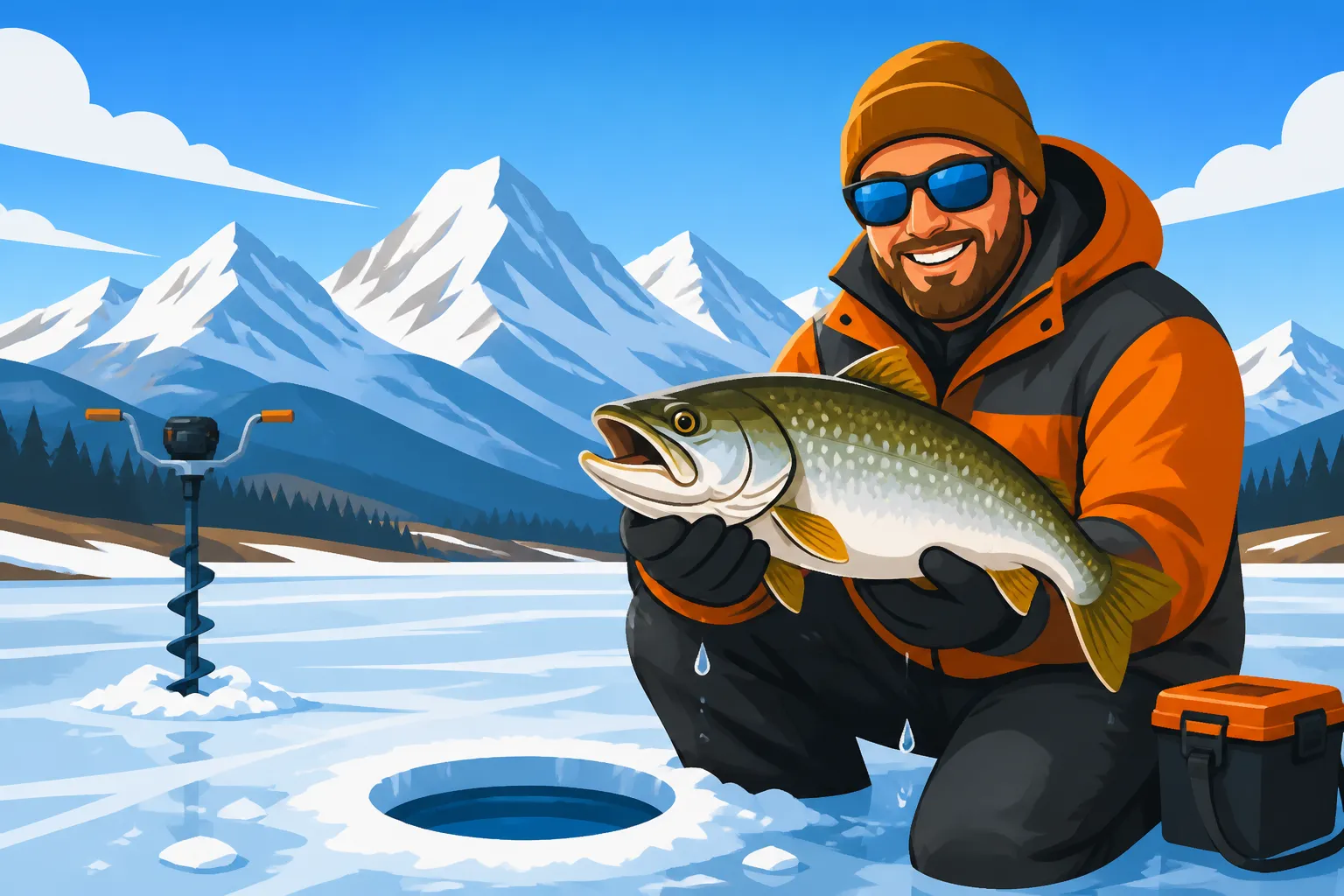
- Lake Trout (Mackinaw): These are kings of the deep and a major draw for ice anglers, especially in vast waters like Flaming Gorge Reservoir and Jackson Lake. They grow to impressive sizes, offering a serious fight. Where to Find Mackinaw (Lake Trout) in Wyoming is often a guide's secret.
- Walleye: Known for their delicious fillets, walleye are a popular target in reservoirs like Boysen Reservoir and Keyhole Reservoir. They can be finicky in winter but offer a rewarding challenge.
- Rainbow Trout: Stocked widely and thriving in many lakes, rainbow trout are a consistent catch for ice anglers and are excellent table fare. They often respond well to jigging techniques.
- Brown Trout: While often associated with rivers, brown trout can be caught through the ice in some lakes, especially in late fall and early winter as they complete their spawn.
- Perch: Smaller but plentiful, yellow perch provide fast-paced action and are excellent for beginners and families. They are abundant in many Wyoming waters and often found in large schools.
- Kokanee Salmon: These landlocked sockeye salmon offer a unique challenge, often requiring specialized techniques to entice their soft bites. Flaming Gorge and Pathfinder Reservoir are known for their kokanee populations.
- Brook Trout: Found in smaller mountain lakes and ponds, brook trout are beautiful, aggressive, and eager to bite.
Your guide will help you understand the behavior of these fish in cold water, increasing your chances of a successful and diverse catch.
Top Wyoming Lakes for Guided Ice Fishing
Wyoming is blessed with an abundance of waters, and many of them offer incredible ice fishing opportunities. While local conditions always dictate the best choice, several lakes consistently stand out as prime destinations for guided winter angling.
Flaming Gorge Reservoir
This massive reservoir, straddling the Wyoming-Utah border, is legendary for its trophy lake trout (Mackinaw) and robust kokanee salmon population. When the ice forms, typically from mid-December through March, it becomes a mecca for serious ice anglers.
Guides on Flaming Gorge often focus on deep-water tactics, using heavy jigs, specialized spoons, and often large minnows or cut bait to target the big Mackinaw that cruise the depths. These fish can be elusive, but a guide knows the underwater structure—like submerged points, humps, and ledges—where these giants often patrol. The reservoir's vastness can be intimidating, but a guide with a snowmobile or ATV can quickly transport you to productive areas that might be miles from shore. Kokanee salmon are another prized catch here, requiring more delicate approaches with small jigs tipped with corn or maggots. The sheer size of Flaming Gorge means there are countless spots, and guides have spent years learning its secrets. For example, Best Depth for Trolling Lake Trout at Flaming Gorge in open water translates to specific deep structures under the ice. Always check current ice conditions, as the size of the reservoir means different areas may freeze at different rates.
Boysen Reservoir
Located in central Wyoming, Boysen Reservoir is a jewel for those seeking walleye, but it also boasts excellent fishing for ling (burbot), sauger, and perch through the ice. It's often one of the first large reservoirs to freeze over and offers a longer ice fishing season.
A guided trip on Boysen will often center around targeting walleye, which can be caught using a variety of jigging spoons, blade baits, and live bait rigs. Guides here are experts at finding the subtle changes in bottom contour that walleye use as ambush points. They'll help you dial in the retrieve and presentation that cold-water walleye prefer. When ice fishing for ling, which are active nocturnal feeders, guides might set up tip-ups with cut bait, often staying out into the evening or early morning hours. What Size Boysen Reservoir Walleye Are Running can give you an idea of the quality of fish to expect. The reservoir's varied structure, from rocky points to sandy flats, provides diverse habitats, and a guide's local knowledge is crucial for finding the most productive zones.
Alcova and Pathfinder Reservoirs
Near Casper, Alcova and Pathfinder Reservoirs are popular choices for ice fishing, known for their strong populations of rainbow and brown trout, as well as some quality walleye and perch. These reservoirs provide excellent, often accessible, ice fishing.
Guides on Alcova and Pathfinder will often set up heated shelters in areas known for actively feeding trout. Jigging spoons, small soft plastics, and power bait are all effective. For walleye, similar tactics to Boysen are employed. Is Pathfinder Reservoir Good for Walleye? Yes, it certainly can be, especially with a guide who knows the specific submerged points and flats that hold them. These waters can offer consistent action, making them great for families and those looking for a high-volume day. The accessibility of these reservoirs, often with good plowing to launch areas, makes them convenient for guided trips.
High-Alpine Lakes
For a truly unique and often more remote experience, some guides specialize in Fishing Wyoming's High-Alpine Lakes during winter, targeting brook trout, cutthroat trout, and golden trout. These trips are typically more strenuous and require a higher level of fitness and specialized equipment, often involving snowshoes or snowmobiles to access.
While not for every angler, the reward is often solitude and pristine beauty, with eager, hard-fighting trout. Guides for these trips are highly experienced in backcountry travel and winter survival, ensuring your safety in potentially challenging conditions. They know which lakes freeze reliably, which ones hold the biggest fish, and the specific light tackle presentations that work best for these high-elevation gems. The fish in these lakes are often aggressive and less pressured, providing consistent action. It's a fantastic option if you're looking for an adventurous twist on traditional ice fishing.
Choosing the Right Ice Fishing Guide
Deciding to hire a guide is a smart move, but choosing the right guide can make all the difference between a mediocre day and an unforgettable adventure. There are several factors to consider and questions to ask before you book your trip.
Licensing and Insurance
First and foremost, always ensure your guide is properly licensed and insured. In Wyoming, fishing guides are required to hold specific permits and operate under regulations set by the Wyoming Game and Fish Department and, if applicable, federal land agencies like the Forest Service or National Park Service (for areas within national parks). A licensed guide not only operates legally but also demonstrates a commitment to professionalism and safety. They are accountable for adhering to regulations, including daily bag and possession limits, and ensuring you do too.
Don't hesitate to ask about their licensing and insurance. A reputable guide will be happy to provide this information. This isn't about being nosey; it's about protecting yourself and ensuring you're with a professional who takes their responsibilities seriously. You can often find lists of licensed outfitters and guides through the Wyoming Game and Fish Department website or via reputable booking platforms. For example, when searching on a platform like FishingBooker, you can often see guide credentials listed, giving you peace of mind before you even reach out.
Experience and Specialization
Look for a guide whose experience aligns with your fishing goals. Do you want to target trophy lake trout on Flaming Gorge, or are you hoping for a family-friendly perch fest on Alcova? Not all guides specialize in every species or every body of water. Some guides are renowned for their walleye expertise, while others might be backcountry specialists.
Consider these points:
- Years of Experience: How long have they been guiding specifically for ice fishing in Wyoming? Experience often translates to deeper knowledge of fish behavior, local patterns, and problem-solving on the ice.
- Target Species Expertise: If you have a specific fish in mind (e.g., Best Month for Lake Trout at Flaming Gorge), ask if that's their primary focus during winter. A guide who intimately understands the habits of one or two species will likely be more successful than one who tries to do a little bit of everything.
- Water Body Knowledge: Does the guide primarily operate on the lake you're interested in? Intimate knowledge of a specific lake's contours, depths, and seasonal fish movements is invaluable. For example, a guide who primarily works the North Platte River in summer might not be the best choice for ice fishing a reservoir unless they have extensive winter experience there too.
Reviews and testimonials from previous clients can also offer great insight into a guide's specialization and overall performance.
Communication and Personality
A successful guided trip often comes down to communication and a good personality fit. You'll be spending several hours, sometimes in close quarters, with your guide.
- Responsiveness: How quickly and thoroughly do they respond to your inquiries? Good communication before the trip is a sign of a well-organized professional.
- Teaching Style: If you're a beginner, do they sound patient and willing to teach? Some anglers prefer a "do it yourself" approach with minimal guidance, while others want detailed instructions. Clarify your expectations.
- Flexibility: While guides have a plan, sometimes conditions change. Are they adaptable? Do they offer alternatives if the weather turns or the fish aren't biting where they expected?
- Attitude: A friendly, enthusiastic, and positive attitude can make the day, even if the fish are finicky. Remember, it's about the experience as much as the catch.
When you're browsing for options, say on a platform like FishingBooker, pay attention to the guide's profile and any introductory messages they send. It can give you a feel for their approach. Don't be afraid to have a phone conversation to gauge their personality and ask any lingering questions you might have. It's a personal service, and you want to ensure you're comfortable with the person leading your adventure.
Preparing for Your Guided Ice Fishing Adventure
Once you've booked your guided ice fishing trip, the excitement really starts to build! However, being adequately prepared is key to ensuring you have a comfortable, safe, and enjoyable experience on Wyoming's frozen waters. The right clothing and a clear understanding of your responsibilities will make a world of difference.
Dressing for Wyoming Winter Conditions
This is perhaps the single most critical aspect of preparing for an ice fishing trip. Wyoming winters are notoriously cold, windy, and can change rapidly. Even with a heated shelter, you'll be exposed to the elements during travel and while moving between holes. Layering is not just a suggestion; it's an absolute necessity.
Here’s a breakdown of how to dress effectively:
- Base Layers (Next to Skin): Start with moisture-wicking synthetic or merino wool base layers. Avoid cotton at all costs, as it absorbs sweat and loses its insulating properties when wet, making you feel much colder. These layers help manage perspiration and keep you dry.
- Mid-Layers (Insulation): Add fleece pants and jackets, down vests, or synthetic insulated layers. These provide the bulk of your warmth. You might want multiple mid-layers so you can adjust as your activity level or the temperature changes.
- Outer Layers (Shell): Your outermost layer needs to be windproof and waterproof (or at least highly water-resistant). A good quality insulated ice fishing suit or a separate insulated jacket and bibs are ideal. These are designed to keep out the biting wind and any slush or snow you might encounter. Look for features like reinforced knees and plenty of pockets.
- Headwear: A warm hat that covers your ears is essential. Consider a balaclava or neck gaiter for extra protection against wind and cold, especially during travel on snowmobiles or ATVs.
- Hands: Wear thin liner gloves for dexterity, and then large, insulated, waterproof mittens or gloves over top. You'll appreciate the ability to remove the outer layer for tying knots or handling fish while still having some protection.
- Feet: Warm, waterproof boots are non-negotiable. Look for boots rated for extreme cold (e.g., -40°F/-40°C) with thick soles. Wear heavy wool or synthetic socks, and bring an extra pair in case your feet get damp. Chemical hand and foot warmers can be a game-changer on bitter cold days.
Remember, it's always better to overdress and shed layers than to be caught unprepared and shivering. Your guide will appreciate you showing up ready for the cold.
Essential Personal Items to Bring
While your guide provides most of the fishing gear, there are a few personal items you’ll want to have on hand to make your day more comfortable and enjoyable:
- Wyoming Fishing License: This is non-negotiable. Every angler, unless exempt (e.g., very young children, specific free fishing days), needs a valid Wyoming fishing license and a Wyoming Conservation Stamp if applicable. Your guide cannot provide this for you, so make sure you purchase it in advance, either online or from a local vendor. You can often buy them for specific durations, like a Wyoming Daily Fishing License Cost or a Wyoming 5-Day Nonresident Fishing License Cost, depending on your trip length.
- Sunglasses: Even on cloudy days, glare off the snow and ice can be intense. Polarized sunglasses will protect your eyes and help you see more clearly.
- Sunscreen and Lip Balm: Don’t let the cold fool you; you can still get a serious sunburn on the ice, especially with sun reflecting off the snow. Protect your skin and lips.
- Snacks and Drinks: While some guides provide basic refreshments, bringing your favorite snacks and a thermos of hot coffee, tea, or cocoa is always a good idea. Staying hydrated and fueled is important in the cold.
- Camera: Capture those memories! A phone or camera (ensure it's protected from the cold and moisture) is great for documenting your catches and the beautiful winter scenery.
- Small Backpack or Dry Bag: To keep your personal items organized and protected from snow or moisture.
- A "Thank You" Attitude: Remember your guide is working hard to ensure your success and safety. A positive attitude, even if the fish are slow, goes a long way.
Leave valuables at home or secured in your vehicle. Also, make sure to ask your guide if there’s anything specific they recommend bringing or leaving behind for your particular trip.
Understanding the Day's Flow and Your Role
A guided trip is a collaborative effort. While the guide is the expert and leader, your participation and understanding of the day's flow will enhance everyone's experience.
- Meeting Point and Time: Confirm the exact meeting location and time. Punctuality is appreciated, as guides often have a tight schedule, especially if they have other bookings.
- Transportation: Ask how you'll get to the fishing spot on the ice. Will it be via snowmobile, ATV, or walking? If you have any mobility concerns, discuss these beforehand.
- Setting Up: Be prepared to help, within your capabilities, with setting up shelters, drilling holes (if you want to try!), and deploying gear. This isn't usually mandatory, but it's a courteous gesture and can be part of the fun.
- Listen and Learn: Pay attention to your guide's instructions on techniques, safety, and regulations. They are there to teach and protect you. Don't be afraid to ask questions!
- Fish Handling: Understand Catch-and-Release Rules on Wyoming Waters and how to properly handle fish you intend to keep or release. Your guide will demonstrate best practices.
- Clean Up: At the end of the day, be ready to help pack up the gear and leave the area cleaner than you found it. "Leave No Trace" principles are vital, especially in Wyoming's pristine wilderness.
- Patience: Ice fishing can sometimes be a waiting game. Embrace the slower pace, enjoy the scenery, and trust your guide's judgment. Even on slow days, the experience itself is often the true reward.
By being well-prepared and engaged, you'll contribute to a smooth, enjoyable, and successful guided ice fishing trip in the heart of Wyoming.
Understanding the Costs and What's Included
When considering a guided ice fishing trip in Wyoming, understanding the financial aspects is just as important as knowing what to wear or what fish you might catch. It's an investment in an experience, and knowing what to expect in terms of pricing and inclusions will help you budget effectively.
Breakdown of Typical Costs
The cost of a guided ice fishing trip in Wyoming can vary significantly based on several factors:
- Duration: A half-day trip will naturally be less expensive than a full-day trip. Some specialty trips, like those targeting nocturnal ling, might also have unique pricing.
- Number of Anglers: Many guides price their trips per person, with potential discounts for larger groups. Sometimes, there's a base rate for the first one or two anglers, and then an additional fee per extra person.
- Location: More remote locations or those requiring specialized access (e.g., snowmobile transport into high country) may command a higher price due to increased logistics and fuel costs.
- Guide's Experience and Reputation: Highly sought-after guides with years of proven success and a strong reputation may charge more for their expertise.
- Inclusions: The more a guide includes (e.g., gourmet lunch, top-of-the-line brand-new gear, specific target species like trophy lake trout), the higher the price might be.
As a general guideline, a half-day guided ice fishing trip might start at a certain price point per person, while a full-day trip will be proportionally higher. Private trips (just your group) will often have a higher minimum cost than joining an open group trip. When you are looking for options, perhaps through a platform like FishingBooker, you'll see a range of prices that reflect these variables. Always check the specifics for each guide you are considering. For instance, you can research Guided Ice Fishing Cost in Wyoming to get a current idea of what various providers are charging.
What's Typically Included in the Price
While we covered inclusions generally, let's look at it from a cost perspective. When you pay for a guided trip, you're primarily covering:
- Guide's Expertise and Time: This is the core value. You're paying for their years of experience, local knowledge, and ability to put you on fish safely and effectively.
- Access to Specialized Equipment: As mentioned earlier, this includes heated shelters, augers, fish finders, and a full complement of rods, reels, and tackle. This saves you thousands in personal investment.
- Bait: Live bait, if used, can be expensive, and your guide will have it ready.
- Safety Gear: All necessary safety equipment is part of the package.
- Transportation on the Ice: If accessing remote areas via snowmobile or ATV is required, this is factored into the cost.
- Basic Refreshments: Often, hot drinks, water, and perhaps some snacks are provided.
It's crucial to clarify what is and isn't included when you book. For example, some guides include lunch on full-day trips, while others may expect you to bring your own. The same goes for specialized gear like waders or insulated boots if you don't have them. A quick chat or review of the guide's booking page (like those on FishingBooker) should clarify these details.
Understanding Tipping Etiquette
Just like with any service industry, tipping your fishing guide is customary and highly appreciated, especially if they've provided an excellent experience. Think of it as a way to acknowledge their hard work, dedication, and the effort they put into making your day successful and enjoyable.
- Standard Percentage: A common guideline for tipping fishing guides is 15-20% of the trip's total cost. If the guide went above and beyond, provided exceptional instruction, or overcame challenging conditions to make your day, consider tipping towards the higher end of that range.
- Consider the Effort: Even on slower fishing days, a good guide is working tirelessly. They might have spent hours scouting, preparing gear, and working hard to find fish. Their effort and attitude are often more important than the final fish count.
- When to Tip More: Did your guide go out of their way to teach you new techniques? Were they incredibly patient with children or beginners? Did they provide extra amenities or insights into the local area? These are all reasons to consider a more generous tip.
- Cash is King: While some guides might accept other forms of payment, cash is generally preferred for tips, as it’s immediate and easy for them.
Many guides rely significantly on tips as part of their income. It’s an important way to show your gratitude for their hard work and dedication. Knowing How Much to Tip a Wyoming Fishing Guide ensures you're prepared and can properly thank your guide for an unforgettable day on the ice.
| Consideration | DIY Ice Fishing | Guided Ice Fishing Trip |
|---|---|---|
| Gear Investment | High (auger, shelter, electronics, rods, tackle) | Low (all gear provided) |
| Safety Knowledge | Requires extensive self-education & experience | Expert guide ensures safety & monitors conditions |
| Local Fishing Info | Trial and error, online research, limited | Intimate knowledge of hot spots, fish behavior, techniques |
| Comfort on Ice | Dependent on personal gear quality, often basic | Heated shelters, expert setup for comfort |
| Fish Catch Success | Variable, can be frustrating for beginners | Significantly higher chance of success with guide's help |
| Learning Curve | Steep, slow progress | Direct, hands-on instruction from a pro |
| Logistics/Effort | High (transporting heavy gear, drilling holes) | Low (guide handles setup, breakdown, and heavy lifting) |
| Cost | High initial outlay, low per-trip variable cost | Upfront trip cost, no major gear investment required |
| Experience Level | Best for experienced anglers or well-prepared locals | Ideal for beginners, visitors, or those seeking specific expertise |
Disclaimer
This article is for general informational purposes only and does not constitute professional advice. Laws, prices and regulations vary by location and change over time. Consult a qualified professional for guidance on your specific situation.