Guided Ice Fishing Cost in Wyoming
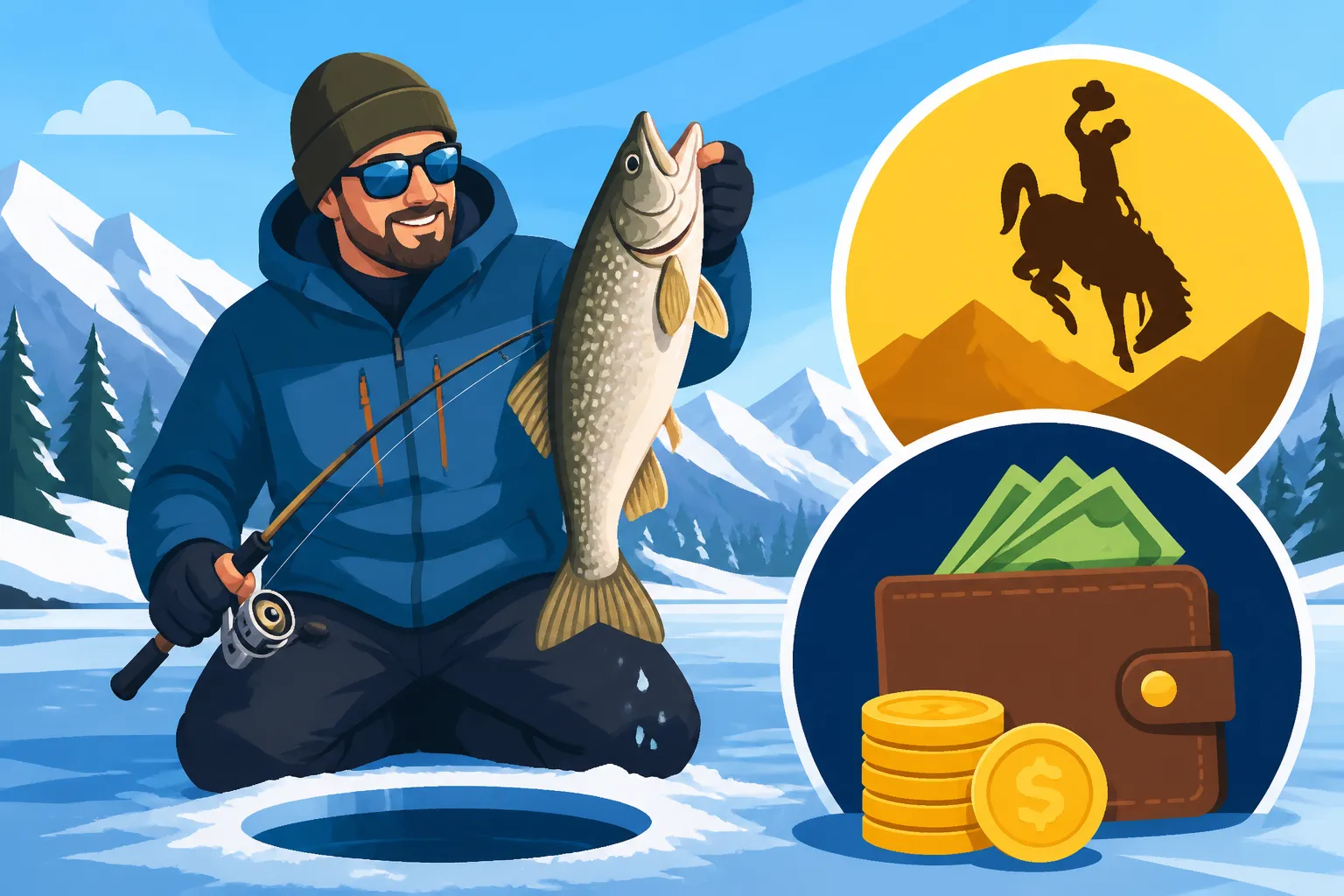
There’s nothing quite like the crisp air, pristine snow, and the anticipation of a bite when you're out ice fishing in Wyoming. But for many, the thought of gathering all the specialized gear, knowing where the safe ice is, and finding the fish can be daunting, leading to the question of whether to hire a guide. This guide is going to break down the ins and outs of guided ice fishing costs in Wyoming, so you can budget appropriately and make the most of your frosty adventure.
Understanding the Investment in a Wyoming Guided Ice Fishing Trip
Ice fishing can seem like a simple enough endeavor: drill a hole, drop a line, wait. But anyone who has tried to tackle Wyoming's vast, often unpredictable frozen landscapes knows it's a whole different ballgame. The challenge isn't just the cold; it's about safety, proper gear, and, most importantly, actually finding those elusive fish under a blanket of ice.
Why Guided Ice Fishing is Worth the Cost for Many Anglers
Let's be real, DIY ice fishing in Wyoming presents some unique hurdles. You need an ice auger, a shelter to escape the biting winds, a heater, specialized rods, and often a high-tech fish finder just to get started. Beyond the gear, there's the critical knowledge of ice safety – where it's thick enough, where currents might thin it, and how to navigate changing conditions. And then, there's the fish. Wyoming's lakes and reservoirs are huge, and finding productive spots can take years of trial and error. For many, especially those new to the sport or visiting from out of state, the sheer effort and upfront investment in equipment can be prohibitive.
That's where a guided trip truly shines. Imagine showing up to a pre-drilled hole, a heated shelter already set up, and a seasoned pro telling you exactly what bait to use and what depth to fish. Guides bring unparalleled local knowledge, ensuring your safety, maximizing your comfort, and dramatically increasing your chances of success. They know the subtle nuances of each lake, the seasonal movements of fish, and the specific techniques that work best. It's not just about catching fish; it's about an educational and comfortable experience, letting you focus on the joy of fishing rather than the logistics and cold hands. Plus, they usually have all the gear, often top-of-the-line, which saves you a hefty investment.
What Factors Play into the Overall Price Tag
When you look at the price of a guided ice fishing trip, it's easy to wonder why it costs what it does. But think about everything that goes into it for the guide. First off, there's the guide's experience and reputation. A guide with decades of experience on a specific lake, who consistently puts clients on trophy fish, will naturally command a higher rate. Then there's the duration of the trip – a half-day outing will always be less expensive than a full-day excursion.
The number of anglers in your party is another major factor. Most guides have a base rate for one or two people, and then an additional charge for each extra person. This is because they're managing more gear, more lines, and ensuring everyone gets a fair shot at the action. Location also plays a role; easily accessible lakes might be slightly cheaper than remote high-country destinations that require extensive travel or specialized equipment to reach. Finally, the included amenities, such as a hot lunch, premium bait, or advanced electronics, all add to the overall value and, consequently, the price. Guides also have significant overhead, including insurance, maintaining specialized vehicles and equipment like snowmobiles or tracked UTVs, and their own state and federal permits, not to mention their personal fishing licenses. It's a business, and those costs are reflected in the rates.
A Closer Look at the Cost Components
Breaking down the price of a guided ice fishing trip helps you understand where your money is going and what to expect. It's never just a simple hourly rate; there are always different packages and inclusions that shape the final figure.
Trip Duration: Half-Day vs. Full-Day Options
The most fundamental distinction in guided trip pricing comes down to how long you'll be out on the ice. A half-day trip typically runs for 4-5 hours, offering a good taste of the experience without committing to a full day in the cold. These are often perfect for families with younger kids or those who aren't sure how much they'll enjoy the chill. You might get to one or two productive spots, learn some basic techniques, and hopefully catch some fish.
Full-day trips, usually lasting 8-10 hours, naturally come with a higher price tag but often offer more value per hour. With a full day, your guide has more time to move between spots, adapt to changing conditions, and truly dial in on where the fish are biting. This extended time allows for deeper exploration, more learning, and usually results in more fish caught. If your goal is to truly immerse yourself, target specific species, or have the best chance at a trophy, a full-day trip is usually the way to go. Consider if a longer trip is worth it for you, similar to the considerations for How Long a Full-Day Snake River Float Takes when planning a different kind of Wyoming fishing adventure.
Group Size and Per-Person Pricing
Most Wyoming ice fishing guides structure their pricing with a base rate that covers one or two anglers. This base rate accounts for the guide's time, the primary setup of the shelter, augers, electronics, and initial gear. If you add more people to your party, there's typically an additional per-person fee. This fee covers extra rods, more bait, additional seating in the shelter, and the increased effort for the guide to assist multiple clients simultaneously.
The beauty of this model is that it often makes guided trips more economical for larger groups. For instance, if a trip costs X for two people and Y for each additional person, a group of four will pay less per person than a solo angler or a duo. It's always worth checking a guide's maximum group size, as there are limits to how many can comfortably fit in an ice shelter or be managed safely on the ice. This concept is similar to understanding the Maximum Group Size for a Wyoming Guided Float where efficiency increases with more anglers sharing the base cost. So, rallying a few friends or family members can make a guided trip more accessible for everyone.
Inclusions: What Your Fee Typically Covers
One of the biggest advantages of a guided ice fishing trip is how much gear is typically included, saving you thousands in initial equipment investment. Here’s a breakdown of what you can usually expect your fee to cover:
- Essential Gear: This is a big one. Expect the guide to provide everything from specialized ice fishing rods and reels to a wide array of tackle, including jigs, spoons, and tip-ups. They'll also have the heavy-duty equipment like power augers for drilling holes, insulated ice shelters to keep you warm, and often heaters to make the experience truly comfortable. Many guides also bring high-end fish finders and underwater cameras, giving you an edge in locating fish. To learn more about this, check out Do Ice Fishing Guides Provide Shelters and Augers?.
- Bait: Live bait, often shiners or worms (where legal), along with a variety of artificial baits, will be provided and prepped.
- Guide's Expertise: This is arguably the most valuable inclusion. You're paying for their years of experience, knowledge of the local waterways, understanding of fish behavior, and their ability to put you on fish safely.
- Comfort & Convenience: Depending on the guide and package, hot coffee, cocoa, water, and sometimes even a hearty lunch or snacks might be included.
- Safety Equipment: Guides will always have appropriate safety gear, like ice picks, flotation devices, and first-aid kits, and they'll know how to use them.
What's typically not included, and something you'll need to budget for separately, are your personal Wyoming fishing licenses and any applicable stamps like the Conservation Stamp. Tipping your guide is also customary and a crucial part of the total cost, as is bringing your own appropriate winter clothing. For a more detailed breakdown of typical inclusions, you can refer to What's Included in a Guided Ice Fishing Trip.
Navigating Locations and Booking to Manage Costs
Wyoming is a vast state, and the opportunities for ice fishing are spread across numerous lakes and reservoirs. Understanding how location and booking strategies can influence your guided trip cost is key to planning an affordable adventure.
Regional Price Variations Across Wyoming
Just like real estate, the cost of a guided ice fishing trip can vary based on location. Popular destinations with established guide services, such as Flaming Gorge Reservoir in the southwest for massive Lake Trout, or Boysen Reservoir in central Wyoming known for its Walleye, might have slightly different pricing structures due to demand, accessibility, and the target species. Some remote high-country lakes, though stunning, might entail a higher cost if they require snowmobile access or more specialized gear to reach.
For instance, guides operating on Flaming Gorge, targeting those immense "Mackinaw," might charge a premium due to the specialized equipment needed for deep-water ice fishing and the sheer size of the fish involved. Conversely, a guide focusing on smaller, more accessible reservoirs for Rainbow Trout or Perch might offer a more budget-friendly option. It's always a good idea to research the specific areas you're interested in and compare guide services there. Sites like FishingBooker can be incredibly useful for exploring guides across different Wyoming regions, allowing you to compare their offerings and stated prices side-by-side to find a fit for your budget and target species. For ideas on where to go, check out Best Ice Fishing Lakes in Wyoming.
The Importance of Booking in Advance and Off-Season Savings
When it comes to guided ice fishing in Wyoming, planning ahead can really pay off, both in terms of availability and potentially cost. The peak ice fishing season, usually from mid-January through late February, sees the highest demand for guides. During this time, guides are often fully booked, especially on weekends and holidays. Booking several weeks, or even months, in advance ensures you secure your preferred date and guide, preventing last-minute stress.
While specific discounts can vary, you might find some opportunities for savings during the "off-season" or shoulder seasons – early ice (December/early January) or late ice (March). During these times, conditions can be more variable, but guides might offer slightly reduced rates to fill their calendars. It's not a guarantee, but it's worth inquiring. Always be aware of the ice conditions during these times, as safety is paramount. You can typically find more comprehensive information on this topic in articles like Booking a Guide During Wyoming's Peak Season or by looking for tips on Are Guided Trips Cheaper in the Off-Season?. Using platforms like FishingBooker early in your planning process also allows you to see guide availability across different dates and seasons, giving you a clearer picture of potential cost variations.
Understanding Additional Costs: Licenses, Tips, and Personal Gear
While a guided trip covers a lot, there are a few essential expenses you'll still need to account for, separate from the guide's fee.
First and foremost, you absolutely need a valid Wyoming fishing license. Guides cannot provide these on the spot, and fishing without one will lead to a hefty fine. For a nonresident, options include an annual license, a daily license, or a 5-consecutive-day license, each with different costs. You'll also likely need a Wyoming Conservation Stamp. It's crucial to understand these requirements, which are detailed in resources like Wyoming Fishing Regulations Every Angler Should Know and specifically for costs in Wyoming Conservation Stamp Cost and Wyoming Daily Fishing License Cost. Do You Need Your Own Fishing License for a Guided Trip? is a good resource for this.
Second, tipping your guide is customary and expected. Guides work incredibly hard, often in challenging conditions, to ensure you have a safe, enjoyable, and successful trip. A typical tip ranges from 15-20% of the trip's total cost, provided you were satisfied with the service. This is an important part of a guide's income, so factor it into your budget. For more details on this practice, see Tipping Etiquette for Wyoming Fishing Guides.
Lastly, while guides provide fishing gear, you are responsible for your personal cold-weather clothing. This includes warm layers, a waterproof and windproof outer shell, insulated boots, hats, gloves, and sunglasses. Investing in quality cold-weather gear is essential for your comfort and safety, and it's a cost you'll incur regardless of whether you hire a guide or go DIY. For advice on what to pack, refer to What to Wear Ice Fishing in Wyoming.
Here’s a quick overview of typical inclusions and exclusions:
| Feature | Usually Included by Guide | Usually Not Included by Guide |
|---|---|---|
| Fishing Gear | Rods, reels, tackle, bait, augers, shelters, heaters, electronics | Special personal lucky lures/flies, specific requests not standard |
| Guide Service | Expertise, local knowledge, safety protocols, fish finding | N/A |
| Comfort Items | Hot drinks, some snacks (check package) | Full meals, specialized dietary needs (unless arranged), alcohol |
| Permits & Licenses | Guide's operational permits | Your personal Wyoming fishing license, Conservation Stamp |
| Transportation | From meeting point to fishing spot (often by snowmobile/UTV) | Travel to meeting point, lodging |
| Gratuities | N/A | Tipping the guide (15-20% customary) |
| Personal Items | N/A | Appropriate winter clothing, sunscreen, personal medications |
Maximizing Value from Your Ice Fishing Investment
A guided ice fishing trip in Wyoming is an investment in an experience, and there are definite ways to ensure you get the absolute most out of every dollar spent. It's not just about finding the cheapest option, but about securing the best value for your specific fishing goals.
Researching and Choosing the Right Guide
Don't just pick the first guide you find. Take your time to research and choose a guide whose expertise aligns with your expectations. Are you hoping to catch a trophy Lake Trout from Flaming Gorge? Or perhaps you're interested in a more relaxed day catching Perch and Walleye at Boysen Reservoir? Different guides specialize in different waters, techniques, or target species. Look for guides with strong reputations, excellent communication, and clear explanations of what their trips entail. Reading reviews from past clients can give you a real sense of their style and success rate. Ask questions about their approach, what safety measures they employ, and what specific fish you'll be targeting. A good guide will be happy to answer all your queries and ensure you feel comfortable and informed before you book. Platforms like FishingBooker are invaluable here, as they allow you to filter by location, target species, and read verified reviews, helping you find a reputable guide that fits your needs. More tips can be found in How to Choose a Wyoming Fishing Guide.
Preparing for Your Trip to Get the Most Out of It
Once you've booked your trip, proper preparation is key to maximizing your enjoyment and value. First and foremost, dress in layers! Wyoming winters are no joke, and while a heated shelter is wonderful, you'll be moving in and out. Start with a moisture-wicking base layer, add insulating mid-layers like fleece or down, and top it off with a waterproof and windproof outer shell. Insulated, waterproof boots are non-negotiable, as are warm hats, gloves, and even hand warmers. Don't forget sunglasses – the glare off the snow and ice can be intense. Sunscreen and lip balm are also surprisingly important, as winter sun exposure is real.
Beyond clothing, mentally prepare to be an active participant. Listen to your guide, ask questions, and be open to trying new techniques. The more engaged you are, the more you'll learn and the more successful your day will likely be. Stay hydrated and bring any personal snacks you prefer, even if some are provided. The better prepared you are for the elements, the more you can focus on the fishing and the less on being cold or uncomfortable. For a comprehensive list of what to bring, check out What to Wear Ice Fishing in Wyoming.
Comparing Services and Making an Informed Decision
Ultimately, the "cost" of a guided ice fishing trip isn't just the dollar amount; it's the value you receive for that investment. The cheapest trip might save you a few bucks upfront, but if it means a less experienced guide, subpar equipment, or an uncomfortable experience, it might not be the best value. Conversely, the most expensive trip isn't always necessary if your needs are simpler.
Take the time to compare various guide services. Look beyond the sticker price and consider the full package: the guide's reputation, their communication style, what gear and amenities are included, the length of the trip, and their specific expertise in the waters you want to fish. Reading reviews on platforms like FishingBooker can offer invaluable insights into what other anglers experienced. Think about what's most important to you: a high catch rate, learning new techniques, maximum comfort, or simply enjoying the serene beauty of a Wyoming winter day. By weighing all these factors against the price, you can make an informed decision that ensures your guided ice fishing adventure in Wyoming is not just memorable, but truly worth every penny.
Disclaimer
This article is for general informational purposes only and does not constitute professional advice. Laws, prices and regulations vary by location and change over time. Consult a qualified professional for guidance on your specific situation.