Guided Lake Trout Trips at Wyoming’s Flaming Gorge
Fishing for big lake trout (Mackinaw) at Wyoming's Flaming Gorge Reservoir can be an incredibly rewarding experience, but let's be honest, it can also feel utterly overwhelming. This vast, deep body of water holds some truly monumental fish, yet finding them consistently, especially if you're not familiar with the nuances of this unique fishery, can feel like searching for a needle in a haystack. This guide is here to walk you through everything you need to know about hiring a guided trip for lake trout at Flaming Gorge, helping you transform that frustration into a fantastic, successful outing.
Why Hire a Guide for Lake Trout at Flaming Gorge?
When you look out over the immense expanse of Flaming Gorge Reservoir, stretching for miles across the Wyoming and Utah border, it's easy to feel a thrill mixed with a little bit of intimidation. This isn't your average farm pond. It's a massive, complex system, and for targeting its legendary lake trout, having a seasoned professional by your side can make all the difference between a memorable trip and a frustrating day of just motoring around.
Navigating the Vastness and Complexity of Flaming Gorge
Flaming Gorge is truly immense, with over 370 miles of shoreline and depths that plunge hundreds of feet. If you’ve ever tried to fish a large lake on your own without prior knowledge, you know the feeling of spending more time driving the boat than actually fishing. Lake trout in particular are notorious for moving throughout the water column and often relate to specific, subtle underwater structures that are impossible to find without advanced sonar and years of experience. A guide lives and breathes this water; they know the contours, the drop-offs, the submerged islands, and the baitfish concentrations that are invisible to the casual angler. They can put you directly on productive water, saving you countless hours of trial and error. Navigating these deep, often windy waters also requires a boat set up for big water and big fish, which most recreational anglers simply don't have.
Mastering Specialized Lake Trout Techniques
Lake trout fishing at Flaming Gorge isn't just about dropping a line in the water and hoping for the best. It often involves highly specialized techniques, especially for targeting those bigger "Mackinaw." Trolling with downriggers, using planer boards, jigging heavy spoons or tube jigs in deep water, or even sophisticated live bait setups are common tactics. Many of these methods require specific gear, a deep understanding of boat speed, lure presentation, and fish behavior that takes years to develop. For instance, knowing the right speed to troll with a specific lure at a particular depth to imitate injured baitfish – that's an art form. Your guide isn't just driving the boat; they're your on-the-water mentor, teaching you the intricacies of Trolling Techniques for Wyoming Reservoirs or how to properly work a tube jig in 80 feet of water. They'll have all the high-end rods, reels, and electronics specifically tuned for lake trout, taking the guesswork and expense out of your hands.
Accessing the Best Spots and Local Knowledge
Imagine spending a full day on the water and only seeing one other boat, despite being on a world-class fishery. Guides have spent countless hours exploring every nook and cranny of Flaming Gorge. They know which coves hold baitfish at what time of year, where the thermocline sets up, and where the big lake trout are likely to be lurking based on current conditions, weather patterns, and even recent reports. This isn't just about secret spots – it’s about understanding the entire ecosystem. They can interpret what the fish are doing based on water temperature, barometric pressure, and even subtle changes in the wind. This kind of nuanced, on-the-ground knowledge is invaluable and something you can't get from a map or a generic fishing report. They also often know key access points, launching sites, and where the fishing pressure might be less, giving you a more peaceful and productive day.
How to Choose the Right Flaming Gorge Lake Trout Guide
So, you're convinced that a guide is the way to go. Excellent! Now comes the crucial step: choosing the right guide for your trip. Just like any profession, there's a wide range of experience and expertise out there. Taking the time to research and pick wisely will significantly impact your overall experience and success.
Essential Qualities and Certifications to Look For
First and foremost, you want a guide who is fully licensed and insured. This isn't just a formality; it ensures they meet safety standards and are operating legally. In Wyoming, this means having the necessary outfitter and guide licenses. Don't be shy about asking to see their credentials. Beyond the paperwork, look for someone with extensive experience specifically targeting lake trout on Flaming Gorge. While a guide might be great at catching trout on a river, lake trout in a vast reservoir present a completely different challenge. You want a guide who primarily focuses on or has a proven track record with this specific fishery and species.
Consider their communication style. Do they answer your questions thoroughly? Are they patient and willing to teach, or do they seem more interested in just getting through the day? A good guide should be a teacher, an entertainer, and a safety officer all rolled into one. Punctuality, professionalism, and a clean, well-maintained boat are also non-negotiable. It's often helpful to look up guides on platforms like FishingBooker, which often include details about their boat, gear, and licensing, making it easier to compare.
Understanding Different Guide Offerings and Specializations
Not all guided trips are created equal. Some guides might specialize in ultra-deep trolling for trophy fish, while others might focus on jigging for more aggressive, smaller to mid-sized lake trout, which can be great for action. Some might offer combination trips targeting other species like Kokanee Salmon at Flaming Gorge Reservoir or even smallmouth bass if lake trout are slow.
Consider these factors when comparing offerings:
- Target Species: Clearly state that you're interested in lake trout.
- Trip Duration: Do they offer half-day, full-day, or even multi-day trips? A full day often gives you more flexibility to find fish.
- Number of Anglers: What's their maximum capacity? If you're a larger group or a family, this is critical.
- Inclusions: What exactly is covered? Most will provide rods, reels, tackle, and bait. Some might include lunch, snacks, and drinks. Confirm this beforehand to avoid surprises.
- Focus: Are they purely about catching fish, or do they also focus on teaching techniques and enjoying the scenery? A blend of both usually makes for the best experience.
Reading Reviews and Booking Your Trip
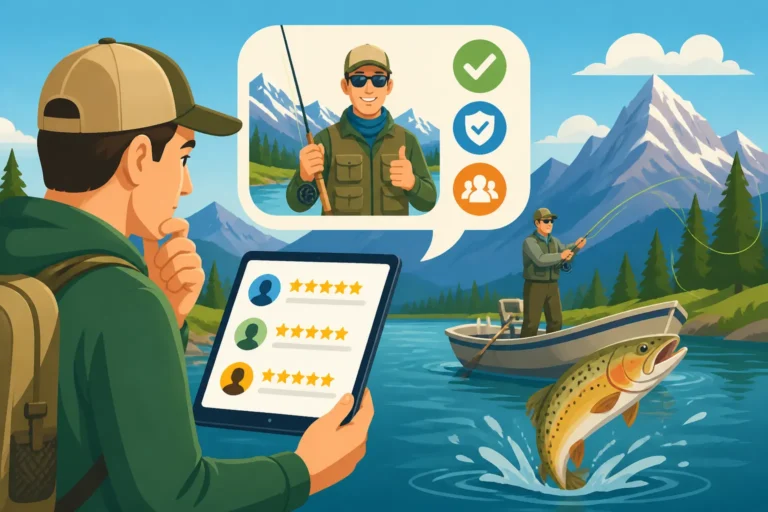
One of the best ways to gauge a guide's reputation is by reading reviews from past clients. Websites and platforms dedicated to booking fishing guides, like FishingBooker, are excellent resources for this. Pay attention to common themes in the reviews:
- Were clients successful in catching fish?
- Was the guide knowledgeable and friendly?
- Was the boat well-maintained and safe?
- Did the guide go the extra mile?
- What was their approach to teaching or helping beginners?
Once you've narrowed down your choices, reach out to a couple of guides directly. Ask about their availability, pricing, what they recommend for the time of year you're planning to visit, and any specific questions you have about their operation. Booking in advance, especially for peak seasons, is highly recommended. Many guides get booked up months ahead of time, particularly if you're aiming for prime Best Month for Lake Trout at Flaming Gorge. A direct conversation can also give you a better feel for their personality and whether they'll be a good fit for you and your group.
What to Expect on Your Guided Lake Trout Adventure
So you've booked your trip, the date is set, and you're eagerly anticipating your day on Flaming Gorge. Knowing what to expect can help you prepare and get the most out of your guided lake trout adventure. It's not just about showing up; it's about being ready to learn and engage.
Typical Trip Itinerary and Duration
Most guided lake trout trips on Flaming Gorge are either half-day (4-5 hours) or full-day (8+ hours) excursions. For targeting large, deep-dwelling lake trout, a full-day trip is almost always recommended. It allows the guide ample time to travel to productive areas, try different techniques, and adjust to changing conditions.
A typical full-day itinerary might look something like this:
- Early Morning Meet-Up: You'll usually meet your guide at a pre-arranged marina or boat ramp (e.g., Buckboard Crossing, Lucerne Valley) shortly after sunrise, or even before, as early mornings are often prime time for lake trout activity.
- Boat Ride to Fishing Grounds: After a quick safety briefing and getting comfortable, you'll head out to the guide's chosen fishing spots. This could be a 15-minute ride or an hour-long journey, depending on where the fish are holding.
- Setting Up: The guide will explain the techniques they plan to use, whether it's setting up downriggers for trolling, preparing jigging rods, or deploying bait. They'll show you how the gear works and how to handle it.
- Fishing Action: This is where the magic happens! You'll spend hours actively fishing, with the guide constantly monitoring sonar, adjusting trolling speeds, changing lures, and coaching you on technique. Don't be surprised if you cover a lot of water.
- Breaks and Lunch: On a full-day trip, there will likely be breaks for snacks, drinks, and lunch. Some guides pack a meal, others ask you to bring your own.
- Afternoon Fishing: As the day progresses, the guide will adapt to conditions, possibly moving to new spots or switching techniques.
- Return to Dock: You'll head back to the ramp, typically in the late afternoon.
- Fish Cleaning (Optional): If you've kept fish, many guides offer to clean and bag your catch for you.
Remember, fishing is never guaranteed. Be prepared for a day on the water, whether the fish are biting or not, and enjoy the stunning scenery and the learning experience.
Gear, Bait, and Boat Setup Provided by Guides
This is one of the biggest benefits of hiring a guide: they provide all the specialized gear. You won't need to invest in expensive downriggers, heavy-duty trolling rods, or a boat equipped with advanced fish finders.
What you can expect the guide to provide:
- Boat: A comfortable, stable, and safe boat, usually 20-24 feet in length, specifically designed for reservoir fishing. It will be equipped with powerful motors, a T-top or bimini for shade, and plenty of space.
- Electronics: Top-of-the-line fish finders, GPS, and possibly side-scan or 360-degree sonar to locate fish and structure.
- Rods and Reels: Heavy-action rods with appropriate reels spooled with strong braided or monofilament line, set up for trolling, jigging, or bait fishing. These are specifically chosen to handle the powerful runs of Flaming Gorge lake trout.
- Tackle: A vast array of lures, spoons, tube jigs, and specialized terminal tackle like leaders, swivels, and weights.
- Bait: Often live bait like chubs or dead bait like Ciscoes (also known as lake herring) are used for lake trout, depending on local regulations and the guide's preference. They'll have it fresh and ready.
- Safety Gear: Life jackets, first-aid kit, fire extinguisher, and all other Coast Guard-required safety equipment.
While the guide provides the main fishing gear, you might still bring your own preferred spinning rod for casting if permitted, but it's usually best to stick with the guide's specialized equipment for the best chance at lake trout.
The Role of Catch and Release vs. Keeping Your Catch
Wyoming's fishing regulations can be quite specific, especially concerning larger, older fish. On Flaming Gorge, there are often length limits and slot limits designed to protect certain sizes of lake trout while encouraging harvest of others. For example, How Big Lake Trout Get in Flaming Gorge is impressive, but regulations might encourage releasing the largest trophy fish.
Before your trip, discuss with your guide:
- Regulations: Your guide will be intimately familiar with the current Wyoming Fishing Regulations Every Angler Should Know for Flaming Gorge, including daily limits and any size restrictions.
- Personal Preference: Do you want to keep some fish for dinner, or are you strictly interested in catch-and-release, especially for larger trophy fish? Be clear about your goals. Many anglers choose to release the biggest fish to help maintain the trophy fishery, while keeping a few smaller ones (within limits) for a delicious meal.
- Conservation: Good guides are often passionate about conservation. They will demonstrate proper catch-and-release techniques to ensure fish health if you choose to let them go. This includes minimizing handling time, using wet hands, and supporting the fish properly in the water for recovery.
Your guide will handle fish safely and legally, whether you're keeping them or releasing them, and will explain the rationale behind any specific regulations or practices for Flaming Gorge.
Planning Your Guided Flaming Gorge Lake Trout Trip
Getting ready for your guided trip involves more than just showing up. A little pre-planning regarding costs, what to bring, and knowing the best times to go can enhance your overall experience significantly.
Understanding Costs and Tipping Etiquette
Guided fishing trips, especially on large, well-equipped boats, represent a significant investment, but they also offer incredible value in terms of experience, knowledge, and increased chances of success. Prices can vary widely based on the guide's experience, the trip duration (half-day vs. full-day), the number of anglers, and what's included. Always confirm the total cost upfront.
General Cost Considerations (remember to check current rates directly with guides):
- Base Rate: This covers the boat, guide's time, fuel, gear, and tackle.
- Add-ons: Some guides might charge extra for live bait, fish cleaning, or specific requests.
- Licenses: You will need a valid Wyoming fishing license and a Wyoming Conservation Stamp. Your guide cannot typically provide these on the spot, so ensure you purchase them in advance. Wyoming Fishing License Guide for Nonresidents or Total Cost of a Wyoming Resident Annual License and Stamp are good places to start looking into costs.
- Tipping: Tipping your guide is customary and highly recommended, much like tipping in a restaurant. A standard tip for a fishing guide typically ranges from 15-20% of the trip's total cost, especially if they worked hard, provided a great experience, and put you on fish. If they went above and beyond, consider a bit more. Always tip in cash if possible.
| Trip Duration | Typical Guide Cost (Per Boat/Group) | Tipping Guideline (15-20%) |
|---|---|---|
| Half-Day | Check with individual guides | Check with individual guides |
| Full-Day | Check with individual guides | Check with individual guides |
| Multi-Day | Check with individual guides | Check with individual guides |
(Note: Specific pricing is not provided as it changes. Always check with individual guides for current rates.)
Essential Personal Gear and What to Pack
While your guide provides the essential fishing gear, you are responsible for your personal comfort and safety. Flaming Gorge can experience dramatic weather shifts, even in summer.
Here's a checklist of what to bring:
- Wyoming Fishing License & Conservation Stamp: Absolutely mandatory. Make sure it's valid for your trip dates.
- Appropriate Clothing: Dress in layers! Even on a warm day, early mornings on the water can be chilly, and wind can pick up. Include a rain jacket (even if the forecast is clear), a warm fleece, and quick-drying pants or shorts.
- Sun Protection: Sunglasses (polarized are highly recommended for seeing into the water), a wide-brimmed hat, and high SPF sunscreen are crucial. The sun reflects off the water intensely.
- Food and Drink: While some guides include lunch, always confirm. Bring plenty of water, snacks, and any specific beverages you prefer.
- Cooler: If you plan to keep fish, bring a cooler in your vehicle to transport your cleaned catch home.
- Camera: To capture those epic moments and trophy fish!
- Small Backpack/Dry Bag: To keep your personal items organized and dry.
- Motion Sickness Medication: If you're prone to seasickness, take medication before you get on the boat.
- Hand Sanitizer: Good for before snacks or after handling fish.
Leave valuables at home or secured in your vehicle. The goal is to be comfortable and focused on the fishing.
Best Seasons and Times for Trophy Lake Trout
Flaming Gorge offers lake trout fishing year-round, but certain seasons shine for specific types of experiences, especially if you're chasing a true trophy. Best Month for Lake Trout at Flaming Gorge can vary for individual guides but here’s a general breakdown:
- Spring (April – June): As the ice recedes, lake trout become more active and can often be found in shallower waters than later in the summer, making them more accessible. This is a fantastic time for jigging and trolling, with good chances for both numbers and size.
- Summer (July – August): Lake trout move deeper to find cooler water as the surface warms. This is prime time for deep trolling with downriggers and jigging ledges and humps. While the fish are deep, they are often concentrated, offering great opportunities for experienced anglers. Remember, How Water Temperature Affects Trout Feeding is a major factor.
- Fall (September – November): This is often considered the peak season for trophy lake trout. As water temperatures cool, the big fish become more aggressive and move to shallower depths for spawning, sometimes even within casting range. The scenery with changing leaves is also spectacular. This is when guides are often booked solid for those bucket-list fish.
- Winter (December – March): Ice fishing for lake trout on Flaming Gorge is a unique and thrilling experience. While not a guided boat trip, some guides offer Guided Ice Fishing Trips in Wyoming. The lake trout are still active under the ice, and you can catch some monsters.
Always consult with your chosen guide about the best time to book based on current conditions and what kind of lake trout fishing experience you're hoping for. Their up-to-the-minute knowledge is invaluable.
Maximizing Your Experience and Enjoying the Gorge
A guided trip is more than just trying to catch fish; it's an opportunity to learn, explore, and immerse yourself in the incredible environment of Flaming Gorge. By being prepared and having the right mindset, you can truly make the most of your adventure.
Preparing for Wyoming Weather and Conditions
Wyoming weather is famously unpredictable. A calm, sunny morning can quickly turn into a windy, stormy afternoon. On a vast reservoir like Flaming Gorge, conditions can change even more rapidly, with significant wave action making the water choppy.
- Layering is Key: We've mentioned it, but it bears repeating. Start with a moisture-wicking base layer, add an insulating mid-layer (fleece or down), and top it with a waterproof and windproof outer shell. You can always shed layers if it gets warm.
- Check the Forecast (But Don't Rely Solely On It): Look at the forecast for the specific area of Flaming Gorge you'll be fishing, but understand that mountain weather can deviate. Your guide will have the most up-to-date local knowledge.
- Expect the Unexpected: Be mentally prepared for anything from bright sunshine to cold rain or even snow, depending on the season. A positive attitude, regardless of the weather, will ensure a better experience.
- Wind: Wind can be a major factor on Flaming Gorge, impacting comfort and fishing conditions. Guides are experts at finding sheltered coves or knowing when to head in if conditions become unsafe.
Remember, your guide's primary concern is your safety. If they decide to alter the trip due to weather, respect their judgment.
Learning from Your Guide and Refining Your Skills
One of the greatest benefits of a guided trip is the educational aspect. A good guide isn't just there to drive the boat; they are an open book of knowledge about Lake Trout (Mackinaw) Fishing in Wyoming, the ecosystem, and fishing techniques.
- Ask Questions: Don't be afraid to ask about lure choices, trolling speeds, why they're fishing a particular depth, how to read the sonar, or about the history and ecology of Flaming Gorge. Most guides love sharing their expertise.
- Observe and Learn: Pay attention to how the guide sets up the rods, handles the boat, interprets the fish finder, and manages the retrieve when a fish strikes. These are invaluable lessons that you can apply to your own fishing in the future.
- Practice: When the guide gives you instructions on how to jig, set a hook, or play a fish, listen carefully and try to execute. The more you engage, the more you'll learn and potentially catch.
- Consider a Multi-Day Trip: If you're truly serious about improving your lake trout skills, consider booking multiple days with the same guide. This allows for deeper learning and more time to experiment with different techniques and conditions. You can often find guides and availability through platforms like FishingBooker for multi-day bookings.
Think of it as an intensive fishing workshop in one of Wyoming's most beautiful settings.
Respecting the Environment and Regulations
Flaming Gorge is a precious natural resource, and respecting it ensures that future generations can enjoy the same incredible fishing opportunities. Your guide will embody this respect, and it's important for you to do the same.
- Follow Regulations: Adhere strictly to all Wyoming Game and Fish Department regulations regarding bag limits, size limits, and allowed fishing methods. Your guide will enforce these. How Bag and Possession Limits Work in Wyoming outlines important rules.
- Handle Fish Responsibly: If you are practicing catch and release, handle fish gently with wet hands, minimize their time out of the water, and ensure they are revived properly before release. Your guide will demonstrate best practices.
- Leave No Trace: Pack out everything you pack in, including all trash, food wrappers, and fishing line. Leave the boat and the environment as clean, or cleaner, than you found it.
- Be Mindful of Wildlife: Flaming Gorge is home to diverse wildlife, including eagles, deer, bighorn sheep, and various bird species. Enjoy observing them from a respectful distance.
- Be a Good Steward: Contribute to the conservation efforts by following your guide's advice on responsible angling and reporting any observed violations to the proper authorities.
By taking a guided lake trout trip at Flaming Gorge, you're not just buying a fishing outing; you're investing in an experience, gaining invaluable knowledge, and supporting passionate local professionals who are dedicated to this incredible fishery. Enjoy your adventure, and tight lines!
Disclaimer
This article is for general informational purposes only and does not constitute professional advice. Laws, prices and regulations vary by location and change over time. Consult a qualified professional for guidance on your specific situation.