Guided Trips for Kokanee Salmon at Flaming Gorge, Wyoming
Finding the elusive Kokanee salmon at Wyoming's vast Flaming Gorge Reservoir can feel like searching for a needle in a haystack, especially if you're unfamiliar with this immense body of water or the specialized techniques these finicky fish require. Many anglers arrive eager to fill a cooler with these delicious, brightly colored salmon, only to find themselves endlessly trolling without a single strike. That's precisely why a guided trip can be an absolute game-changer, turning frustration into a fantastic day on the water and a successful harvest. This guide will walk you through everything you need to know about booking and experiencing a guided trip for Kokanee salmon at Flaming Gorge, ensuring you're well-prepared for an unforgettable adventure.
Why Kokanee Salmon at Flaming Gorge?
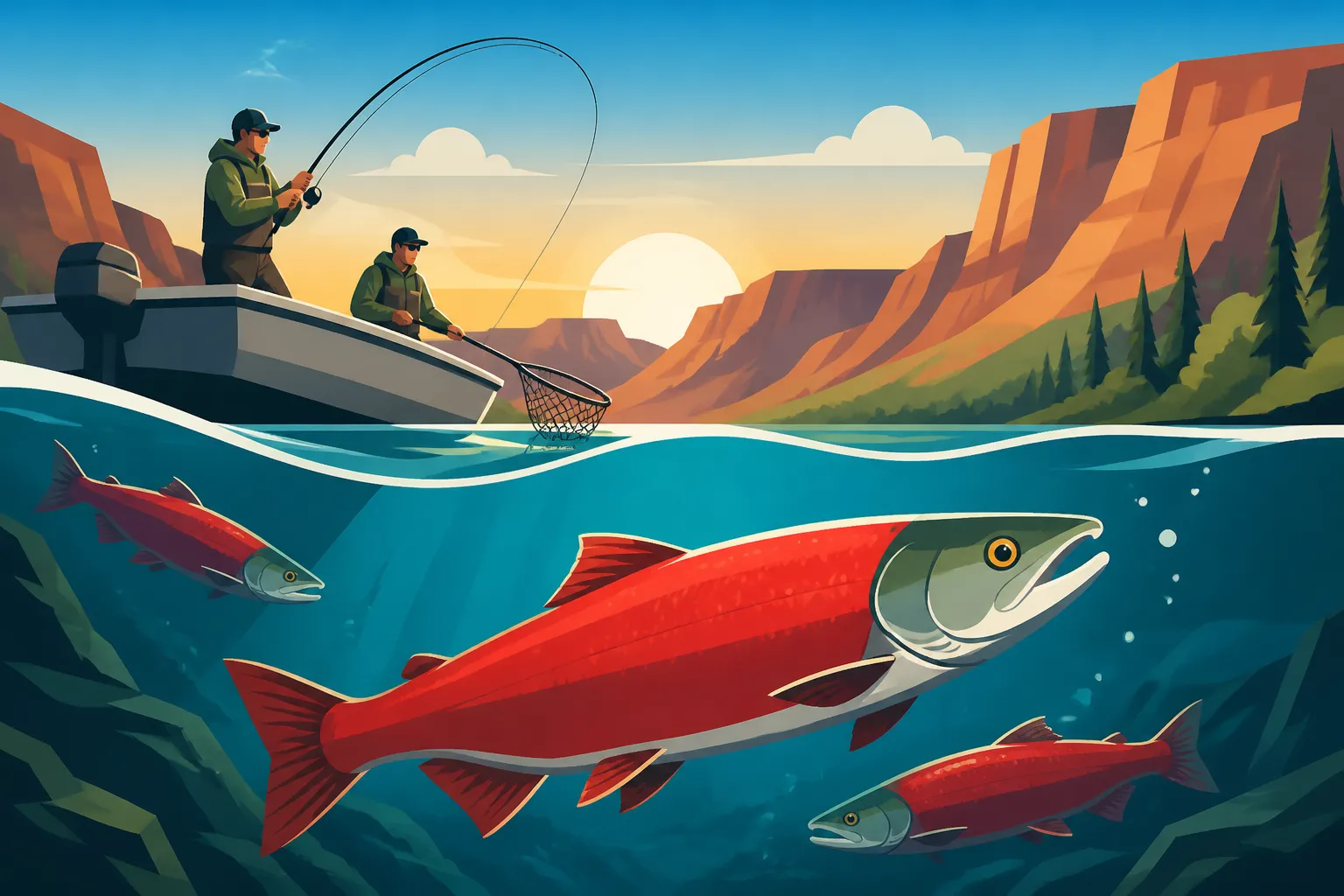
There's something truly special about Kokanee salmon, and when you combine that with the stunning backdrop of Flaming Gorge, you've got a fishing experience that's hard to beat. These landlocked sockeye salmon are not only beautiful to look at, with their iridescent silver bodies turning brilliant red during spawning, but they're also fantastic table fare.
The Allure of Kokanee Salmon
Kokanee salmon are a unique species in Wyoming, offering a different challenge and reward compared to the ubiquitous trout. They tend to school up, and when you find a school, the action can be fast and furious. Their fight, while not as powerful as a large lake trout, is spirited and acrobatic, making them a joy to reel in. Plus, their distinctive orange-red meat is a culinary delight, perfect for grilling, smoking, or baking. Many anglers specifically target Kokanee for their flavor and the sheer fun of catching them in numbers.
What makes them so appealing often lies in their schooling behavior. You might go for a while without a bite, then suddenly, your rod is bent double as you cruise through a dense school. This feast-or-famine nature adds to the excitement, and when the bite is on, it's truly a memorable experience. Targeting these fish often means using specialized light tackle and precise trolling presentations, which can be an art form in itself.
Flaming Gorge as a Kokanee Haven
Flaming Gorge Reservoir is not just a beautiful place; it's a thriving ecosystem that supports a robust Kokanee salmon population. Nestled between Wyoming and Utah, this massive reservoir provides the deep, cold, oxygenated water that Kokanee need to thrive. Its immense size means there's plenty of forage for the salmon, leading to healthy, plump fish. The reservoir's diverse underwater structure, from sheer canyon walls to submerged islands and expansive flats, provides ample habitat for these salmon at different times of the year.
While the "Gorge" is also famous for its trophy lake trout, the Kokanee population offers a fantastic alternative for anglers seeking consistent action and delicious fish. The Wyoming side of the reservoir, especially areas like the Buckboard Crossing, Lucerne, and Squaw Hollow, are popular staging grounds for these salmon. These areas offer both scenic beauty and prime fishing opportunities, making it a favorite destination for those seeking Kokanee Salmon at Flaming Gorge Reservoir. The sheer scale of the reservoir, combined with the efforts of wildlife management agencies, ensures a healthy and sustainable fishery year after year.
Kokanee Seasons and Behavior
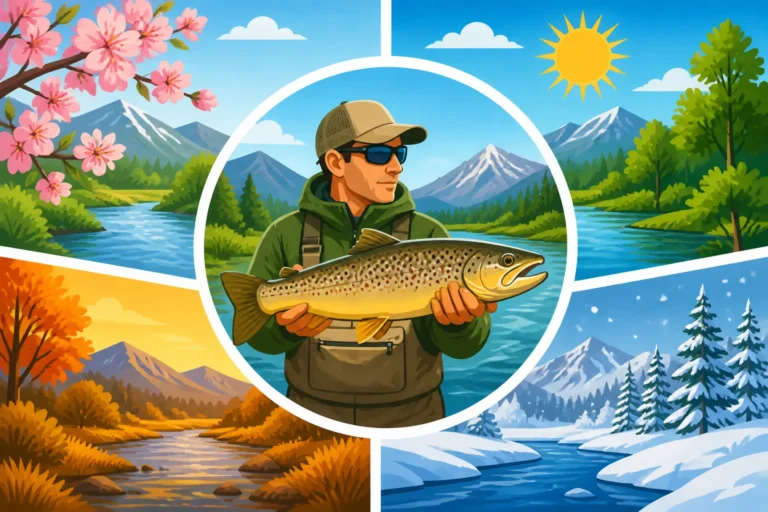
Understanding the seasonal behavior of Kokanee is crucial for success, and this is where a guide's local knowledge truly shines. While you can catch Kokanee year-round, their movements and preferred depths change dramatically with the seasons.
- Spring (Ice-out through May): As the ice recedes, Kokanee start to become more active and can often be found in shallower to mid-depths, often following the plankton blooms. This can be a great time for consistent action before the summer heat drives them deeper.
- Summer (June-August): This is often considered peak season. Kokanee will move to deeper, cooler water, typically suspending over structure or in open water. They'll follow the thermocline, and this is when precise trolling at specific depths becomes absolutely critical. Guides use sophisticated electronics to pinpoint these schools.
- Fall (September-October): The spawning run begins. Kokanee turn brilliant shades of red and migrate towards tributary streams or specific spawning grounds within the reservoir. While they might be more aggressive, they're also focused on reproduction, and catching them can be tougher. Many anglers avoid targeting them heavily during this sensitive period.
- Winter (Ice Fishing): For the hardy ice angler, Kokanee can be targeted through the ice in specific areas of the reservoir. They'll still be deep, but jigging techniques can be effective.
A guide intimately knows these patterns, often having years of data and personal experience to draw upon. They understand that Best Trolling Speed for Kokanee Salmon can change day-to-day, and they'll know exactly which depths to target based on current conditions, water temperature, and recent reports.
What to Expect from a Guided Kokanee Trip
Booking a guided trip for Kokanee salmon at Flaming Gorge isn't just about catching fish; it's about learning, experiencing, and maximizing your time on the water with an expert. It's an investment in your enjoyment and success.
Targeting Kokanee: Techniques and Gear
One of the biggest advantages of a guided trip is access to specialized gear and the knowledge of how to use it. Kokanee fishing is primarily a trolling game, but it's not as simple as just dragging a lure behind the boat.
- Downriggers and Dipsy Divers: Guides typically employ downriggers to precisely present lures at specific depths, which is crucial when Kokanee are suspended in the water column. They'll also use planer boards or dipsy divers to spread lines out, covering a wider area.
- Specialized Lures: Kokanee have a fondness for certain small hootchies, spoons, and dodgers in specific colors and sizes. Your guide will have a tackle box brimming with proven Kokanee getters, often custom-tied or modified based on what's working that day. They might even have custom scent applications that give them an edge.
- Electronics Expertise: Modern boats are equipped with advanced fish finders, sonar, and GPS. Guides are masters at interpreting these screens, identifying bait balls, marking individual fish, and understanding the contours of the reservoir. They can tell you why a fish reacted (or didn't) to a specific presentation, helping you understand How to Troll for Lake Trout in Deep Water – and Kokanee – effectively.
- Light Tackle: Kokanee are often caught on lighter action rods and reels, making their fight feel even more exhilarating. Guides will have these setups ready, perfectly spooled with appropriate line and leaders.
Instead of spending hundreds on gear you might only use once or twice, and then still learning how to use it effectively, a guided trip provides all of this instantly, allowing you to focus purely on the fishing.
A Typical Day on the Water
While every guide and every day is a bit different, a guided Kokanee trip usually follows a similar flow. You'll typically meet your guide early in the morning, often at a specific boat ramp like Buckboard Crossing or Lucerne Marina, to maximize the prime fishing hours.
- Preparation and Briefing: After introductions, your guide will brief you on the day's plan, review safety procedures, and check that everyone has their Wyoming Fishing License Guide for Nonresidents and conservation stamps. They'll make sure everyone is comfortable and understands what to expect.
- Getting to the Spot: You'll motor out to an area the guide knows is currently holding Kokanee. This might be a popular spot or a lesser-known gem the guide has scouted recently.
- Setting Lines: This is where the magic happens. The guide will set up the downriggers, attach the dodgers and lures, and explain the depth and speed they're targeting. You'll learn the nuances of letting out line, attaching clips, and monitoring rod tips.
- The Wait and The Strike: Once lines are set, it's a waiting game. You'll cruise along, watching the sonar, enjoying the scenery, and chatting with your guide. When a Kokanee hits, it's often a sudden, aggressive strike that sends the rod tip violently downward or causes the downrigger release to pop, signaling a fish on!
- Reeling Them In: Your guide will instruct you on how to retrieve the fish, often guiding you to the net. It's common to catch multiple fish from a school once you find them.
- Repeat and Relocate: You'll continue to troll, and if the bite slows, the guide will adjust depths, change lures, or move to a new area. Flexibility and adaptability are key.
- Packing Up: Towards the end of the trip, the guide will help clean and package your catch, ensuring it's properly cared for until you get home. They might also share tips for cooking your fresh Kokanee.
Many guided trips are either half-day or full-day excursions. A half-day is perfect for a taste of the action or if you have other plans, while a full-day gives you more time to explore different spots and adapt to changing conditions. You'll find options for Guided Trips for Kokanee Salmon at Flaming Gorge, Wyoming that cater to both preferences.
Guide Expertise and Local Knowledge
The value of a professional fishing guide, especially on a large and complex fishery like Flaming Gorge, cannot be overstated. They are more than just boat drivers; they are passionate educators, skilled anglers, and seasoned navigators of the local waters.
- Real-time Scouting: Guides are often on the water multiple days a week, constantly monitoring fish movements, water temperatures, and bait concentrations. They know which lures and colors are performing best on a given day, often down to the specific brand or custom modification.
- Safety First: Beyond fishing, guides prioritize safety. They know the weather patterns, potential hazards, and how to operate their vessel safely in varying conditions. This peace of mind allows you to relax and enjoy the experience.
- Instruction and Education: A good guide isn't just there to put you on fish; they're there to teach you. They'll explain why they're doing what they're doing, offering insights into Kokanee behavior, optimal trolling techniques, and how to read your electronics. This makes the trip not just a fishing outing but a valuable learning experience.
- Access to Prime Locations: Many guides have access to private launches or know the best public access points, saving you time and hassle. They navigate the reservoir with ease, taking you directly to the productive grounds without guesswork.
The intimate knowledge a guide possesses, refined over years of experience, is something you simply can't replicate with a few online searches or a quick glance at a map. They've seen it all and can quickly adapt to changing conditions, a skill that's priceless on a body of water like Flaming Gorge.
Choosing the Right Guide
With so many options, picking the perfect guide can feel a bit daunting. However, a little research and knowing what questions to ask will help you find the best fit for your Kokanee adventure.
Finding Reputable Guides
The best way to find a reputable guide for Kokanee salmon at Flaming Gorge is through a combination of online research, reviews, and word-of-mouth.
- Online Booking Platforms: Websites like FishingBooker are excellent resources. They list numerous licensed guides, often with customer reviews, detailed trip descriptions, and photos. You can easily compare options, check availability, and read testimonials from previous clients who specifically targeted Kokanee. This makes searching for "guided Kokanee salmon trip Flaming Gorge" much more efficient. Many guides rely heavily on these platforms for their bookings and reputations.
- Local Tackle Shops and Marinas: Don't underestimate the power of local knowledge. Staff at marinas like Lucerne or Buckboard Crossing, or tackle shops in nearby towns like Green River or Rock Springs, often have firsthand recommendations for guides who specialize in Kokanee.
- Referrals: Ask fellow anglers who have fished Flaming Gorge if they've had a positive experience with a particular guide. Personal referrals are often the most trustworthy.
- Guide Websites/Social Media: Many guides have their own websites or active social media pages where they share recent catches, trip reports, and booking information. This can give you a good sense of their personality and guiding style.
Remember, a guide's license is paramount. Ensure any guide you consider is fully licensed and insured to operate on Flaming Gorge and within Wyoming regulations. This provides peace of mind and ensures they adhere to professional standards.
Questions to Ask Before Booking
Before you commit, have a list of questions ready. This helps ensure the trip aligns with your expectations and helps you assess the guide's expertise.
- "Do you specialize in Kokanee salmon?" Some guides might primarily target lake trout or smallmouth bass. You want someone whose passion and expertise lie with Kokanee.
- "What kind of boat and equipment do you use for Kokanee?" Look for guides with well-maintained boats, reliable electronics, and dedicated Kokanee trolling gear (downriggers, specific lures, light tackle).
- "What's your typical approach to finding Kokanee at this time of year?" This question can reveal their depth of knowledge and flexibility. They should be able to articulate how they adapt to seasonal changes.
- "What's included in the trip price?" Clarify if tackle, bait, snacks, drinks, and fish cleaning are included. It's important to know What to Bring on a Guided Wyoming Fishing Trip beyond personal items.
- "What are the payment and cancellation policies?" Understand deposits, final payments, and what happens if weather forces a cancellation or rescheduling.
- "What do I need to bring, specifically regarding licenses?" Confirm what licenses and stamps are required. You might need a Wyoming Fishing Regulations Every Angler Should Know and a Wyoming Conservation Stamp Cost. Your guide can advise on specific requirements.
- "What are your catch and release practices, or are we keeping fish?" If you have a preference, discuss it upfront. Most Kokanee trips are geared towards keeping fish, but it's good to confirm.
- "How many people can you accommodate?" If you're planning a group trip, ensure the guide's boat can comfortably fit everyone.
Don't be shy about asking these questions. A professional guide will appreciate your thoroughness and be happy to provide clear answers. This due diligence helps avoid misunderstandings and sets the stage for a positive experience.
Understanding Trip Packages and Costs
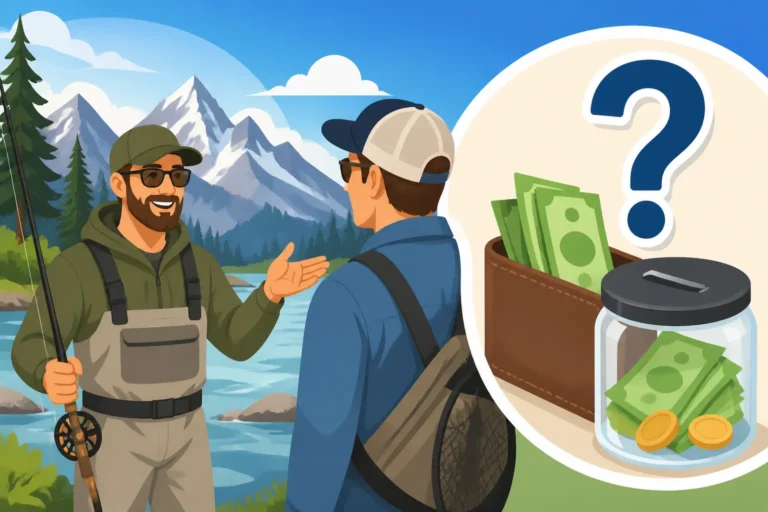
Guided trip prices can vary based on duration (half-day vs. full-day), the number of anglers, and the guide's experience and reputation. While I can't provide specific costs, here's what to generally expect:
- Half-Day vs. Full-Day: Half-day trips are typically shorter (4-5 hours) and less expensive, offering a concentrated fishing experience. Full-day trips (7-9 hours) provide more time on the water, allowing the guide to explore more areas and adapt to changing conditions, often leading to more fish or a better chance at a "hot bite." For Guided Kokanee Salmon Trip Cost, you'll see a clear difference between these options.
- Inclusions: Many guides include all necessary fishing gear, tackle, and lures. Some might also provide bottled water, light snacks, or even a packed lunch on full-day trips. Fish cleaning and bagging are almost always included.
- Exclusions: What's not typically included are your fishing licenses and conservation stamps, gratuities for the guide (which are customary and appreciated), and any personal items like sunscreen, sunglasses, hats, or rain gear.
- Group Pricing: Prices are usually quoted for a certain number of anglers (e.g., 1-2 people), with an additional charge per extra person up to the boat's capacity. This is common for How Many People Fit in a Guide's Drift Boat or larger trolling boats.
When comparing options on sites like FishingBooker, pay attention to the details of each package. Some guides might offer "no fish, no pay" guarantees (though rare for Kokanee), while others focus on the overall experience. Don't always choose the cheapest option; sometimes, paying a bit more for an experienced guide with excellent reviews can make all the difference in your success and enjoyment.
Here's a general comparison table to illustrate typical trip types:
| Feature | Half-Day Trip (4-5 hours) | Full-Day Trip (7-9 hours) |
|---|---|---|
| Duration | Shorter, more focused | Longer, more comprehensive |
| Cost | Generally lower | Generally higher |
| Time on Water | Limited exploration, quicker to prime spots | More time to explore, adjust, and find active fish |
| Fish Caught Potential | Good chance, especially if fish are active early | Higher potential for numbers and quality, more adaptable |
| Learning Opportunity | Good introduction to techniques | More in-depth learning and hands-on experience |
| Best For | Beginners, families with young children, tight schedules | Experienced anglers, those wanting maximum fishing time |
| Meals/Snacks | Often water/light snacks | Often water/snacks, sometimes a packed lunch |
Preparing for Your Adventure
A successful guided Kokanee trip starts long before you step onto the boat. Proper preparation ensures you're comfortable, compliant with regulations, and ready to make the most of your time.
Essential Gear and Clothing
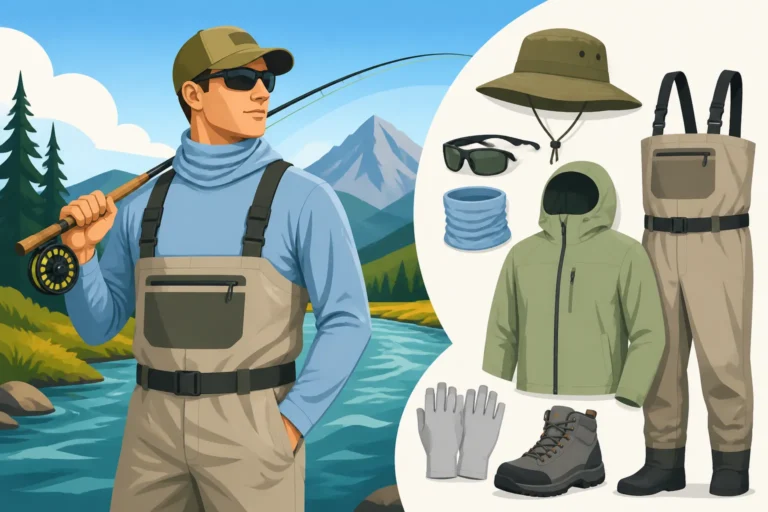
Even though your guide provides the fishing gear, there are crucial personal items you'll need to bring to ensure a comfortable and safe trip on Flaming Gorge. The weather in Wyoming can change quickly, so layering is key.
- Layered Clothing: Start with a base layer, add a fleece or warm insulating layer, and top it with a waterproof and windproof outer shell. Even in summer, mornings can be chilly, and afternoon thunderstorms are possible. What to Wear on a Wyoming Guided Fishing Trip really emphasizes adaptability.
- Sun Protection: The high altitude and open water at Flaming Gorge mean intense sun exposure. Bring a wide-brimmed hat, polarized sunglasses (essential for spotting fish and structure), and high-SPF sunscreen.
- Footwear: Wear comfortable, non-slip shoes that can get wet. Deck shoes or waterproof hiking shoes are ideal.
- Snacks and Drinks: While some guides provide light refreshments, always bring extra water and any preferred snacks, especially for a full-day trip.
- Cooler (for your catch): Bring a cooler in your vehicle to transport your cleaned fish home. Your guide will likely have one on the boat for the day's catch, but you'll need one for the drive.
- Camera: To capture those beautiful Kokanee and the stunning scenery of Flaming Gorge!
- Small Backpack/Dry Bag: To keep your personal items organized and protected from spray.
Don't forget any personal medications you might need. Being prepared for varying conditions will allow you to focus entirely on the fishing.
Licensing and Conservation Stamps
This is non-negotiable: you absolutely need the correct licenses before you step foot on the boat. A reputable guide will remind you, but it's your responsibility to have them.
- Wyoming Fishing License: You'll need a valid Wyoming fishing license. Options include annual, daily, or five-consecutive-day licenses. For non-residents, a Wyoming Nonresident Fishing License Cost can be an important consideration, as can the convenience of a Wyoming Daily Fishing License Cost if you're only visiting for a short period. You can purchase these online, at Wyoming Game and Fish Department offices, or through authorized vendors like tackle shops or even many general stores. It's often easiest to buy it online before your trip.
- Wyoming Conservation Stamp: In addition to your fishing license, most anglers (ages 14 and over) need a Wyoming Conservation Stamp. This stamp contributes directly to wildlife management and conservation efforts across the state. It's a separate purchase from your license, and you'll often see questions like Do You Need a Conservation Stamp for a One-Day License in Wyoming?. The answer is typically yes, unless you're under 14 or fall into specific exemption categories.
- Carrying Your License: Make sure you carry your license and stamp with you while fishing. A physical copy or a digital copy on your phone (if allowed and easily accessible) is usually acceptable. Game wardens can and do check.
It's critical to check the current regulations on the Wyoming Game and Fish Department website before your trip to ensure you have the correct licenses for the specific dates you'll be fishing. Your guide will verify this at the start of the trip, but it's best to have everything squared away beforehand.
Physical Preparation and Expectations
While Kokanee fishing from a boat isn't overly strenuous, being physically prepared and having realistic expectations can greatly enhance your experience.
- Boating Experience: If you're prone to motion sickness, consider taking preventative measures before the trip. Flaming Gorge can get choppy, especially on windy days.
- Patience is Key: Trolling for Kokanee can involve long periods of waiting between bites. Be prepared to enjoy the scenery and conversation. It's not always non-stop action, but when a school is found, it can be incredibly exciting.
- Listen to Your Guide: Your guide is the expert. Pay attention to their instructions on how to handle rods, set the hook, and retrieve fish. They're there to help you succeed.
- Embrace the Journey: A guided trip is an opportunity to learn about the reservoir, the fish, and the art of angling. Even if the fishing is slow, the experience of being on the water in such a magnificent setting is invaluable.
Understanding that fishing is inherently unpredictable helps manage expectations. Some days are banner days, others are a bit slower. The goal is to learn, enjoy, and hopefully, bring home some delicious Kokanee.
Beyond the Trip: Post-Fishing Tips and Regulations
Your guided trip might end when the boat returns to the dock, but the experience continues. Proper handling of your catch and understanding regulations are still important.
Handling and Care of Your Catch
One of the best parts of catching Kokanee is enjoying them at the dinner table. Your guide will typically clean and fillet your fish for you, but knowing a few tips helps maintain their quality.
- Immediate Cooling: Kokanee salmon, like all fish meant for consumption, should be put on ice immediately after being caught. Your guide will have a cooler with ice on board for this purpose. Rapid cooling preserves the flavor and texture of the meat.
- Professional Cleaning: Most guides are highly skilled at cleaning fish quickly and efficiently, providing you with beautiful fillets ready for cooking or freezing.
- Transportation Home: Once the guide has cleaned and bagged your fish, transfer them to your personal cooler, ensuring they remain on plenty of ice for the journey home. If you have a long drive, consider bringing extra ice.
- Cooking and Freezing: Fresh Kokanee is excellent grilled, baked, or smoked. If you plan to freeze them, vacuum sealing is the best method to prevent freezer burn and maintain quality for several months.
Treating your catch with respect ensures that the delicious rewards of your guided trip are enjoyed to their fullest.
Understanding Bag and Possession Limits
Even on a guided trip, you are responsible for adhering to all How Bag and Possession Limits Work in Wyoming for Kokanee salmon. Your guide will ensure you stay within the legal limits while on the boat, but it's good to be aware yourself.
- Daily Bag Limit: This is the maximum number of fish you can legally keep in one calendar day. For Kokanee at Flaming Gorge, this limit can sometimes be quite generous, reflecting the healthy population.
- Possession Limit: This refers to the total number of fish you can have in your possession at any given time, including those at home, in your cooler, or at your lodging. It's often two or three times the daily bag limit. If you're on a multi-day trip, this becomes especially important.
- Species-Specific Limits: Always double-check that you're aware of the specific limits for Kokanee salmon, as they can differ from trout or other species.
- Special Regulations: Occasionally, specific areas or times of year might have unique regulations. Your guide will be up-to-date on any current changes, but you can always consult the Where to Find Current Wyoming Fishing Regulations booklet for the most official information.
Adhering to these limits is crucial for sustainable fishing practices and avoiding legal penalties. A good guide will always operate within these rules, ensuring a responsible and enjoyable fishing experience for everyone.
Making the Most of Your Experience
A guided trip for Kokanee salmon at Flaming Gorge is more than just a fishing expedition; it's an immersive experience in one of Wyoming's most stunning natural landscapes.
- Engage with Your Guide: Ask questions, share your stories, and soak up their knowledge. The best guides are excellent conversationalists and educators. This interaction is part of the value of hiring a professional.
- Appreciate the Scenery: Take moments to look up from your rod and appreciate the dramatic red rock canyons, the vast blue water, and the abundant wildlife around Flaming Gorge. It's truly a spectacular place, home to How Many Fish Species Live in Wyoming Overall and a myriad of other creatures.
- Document Your Adventure: Photos and videos are fantastic ways to preserve your memories. Capture those moments of anticipation, the excitement of a fish on the line, and the pride of holding your catch.
- Plan Your Return: Once you've experienced the thrill of Kokanee fishing at Flaming Gorge, you'll likely want to come back! Many anglers make these guided trips an annual tradition. Whether you use the same guide or try a new one found through FishingBooker, the experience often sparks a lifelong love for this unique fishery.
By combining the thrill of catching delicious Kokanee salmon with the breathtaking beauty of Flaming Gorge and the invaluable expertise of a local guide, you're setting yourself up for an unforgettable Wyoming adventure. Tight lines!
Disclaimer
This article is for general informational purposes only and does not constitute professional advice. Laws, prices and regulations vary by location and change over time. Consult a qualified professional for guidance on your specific situation.