Do North Platte Guides Provide Waders?
One of the biggest questions I get from folks planning a guided fishing trip to Wyoming's incredible North Platte River is often about what gear they need to bring. It’s a completely fair concern! You're investing in an experience, and the last thing you want is to show up unprepared or lugging gear you didn't need. Specifically, the question of whether North Platte guides provide waders comes up time and time again, and it's not always a straightforward "yes" or "no." This guide is here to clear up the confusion, helping you understand the ins and outs of wader provision for your next guided adventure on one of Wyoming's most fabled trout rivers.
The Essential Gear Question: Why Waders Are a Big Deal on the North Platte
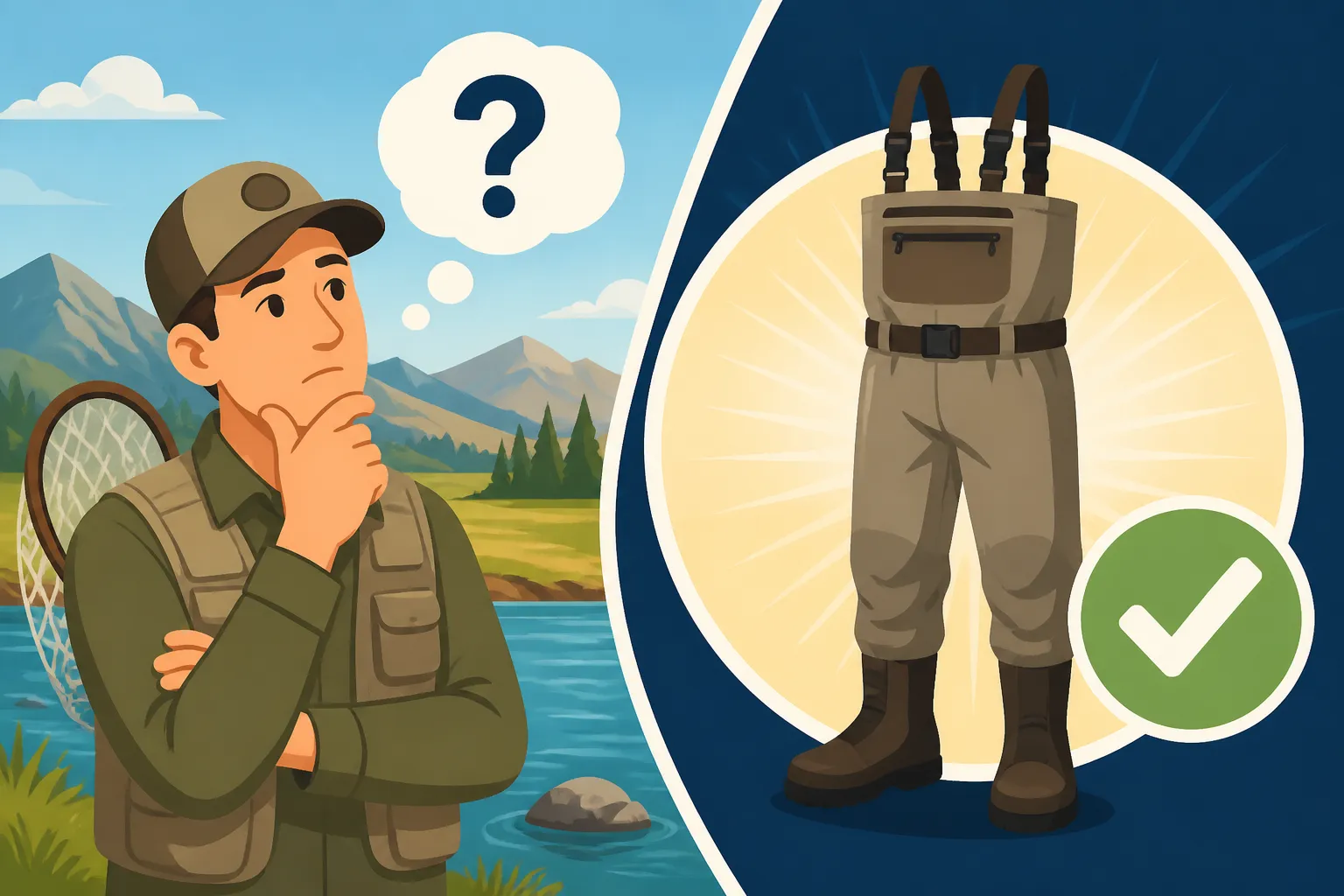
Imagine standing in the crisp, clear water of the North Platte, surrounded by stunning Wyoming scenery, casting to a rising trout. Now imagine doing that with wet, cold feet. Not quite the dream, right? That’s why waders are such a fundamental piece of gear for anyone looking to truly experience the river.
Understanding the North Platte's Unique Challenges
The North Platte River, particularly the famous tailwater sections like the "Miracle Mile" and "Gray Reef," is renowned for its prolific trout populations and challenging yet rewarding fishing. But these waters come with their own set of characteristics that make proper attire, especially waders, absolutely essential for comfort and success.
First off, the water here is consistently cold, even on the warmest summer days. This isn't your average swimming hole. The North Platte is fed by reservoirs like Seminoe and Pathfinder, with water released from deep below the surface, meaning it maintains a chilly temperature year-round. While exhilarating, prolonged exposure to this cold water without adequate protection can quickly become uncomfortable, or even unsafe.
Secondly, the depth of the river can be incredibly variable. You might be standing in ankle-deep water one moment, only to find yourself in thigh-deep currents just a few steps later as you navigate the riverbed. Many of the prime fishing spots, whether you're wading from the bank or exiting a drift boat, require you to be in the water. Without waders, you'd be soaked through within minutes, cutting your fishing day short and potentially putting a damper on the entire experience.
Finally, the riverbed itself is often a mix of gravel, cobblestones, and sometimes slippery rocks. This means you need sturdy, cleated, or felt-soled wading boots to maintain your footing. Just as important as keeping dry, good traction is paramount for safety while moving through the current. Waders, paired with the right boots, provide that crucial foundation for a comfortable and stable day on the river.
How Waders Enhance Your Fishing Experience
Beyond just keeping you dry, waders fundamentally change how you interact with the North Platte. They don't just protect you from the elements; they unlock new possibilities and elevate your entire angling adventure. For a deeper dive into one of Wyoming's most iconic rivers, check out our Wyoming's North Platte River Fishing Guide.
Staying comfortable and warm is, of course, the primary benefit. There's nothing worse than shivering through a potentially incredible fishing day. With breathable, well-fitting waders, you can focus entirely on your cast, your drift, and that exciting moment when a trout decides to strike. This allows you to extend your time on the water, exploring more of what the river has to offer without the distraction of cold, wet clothing.
More importantly, waders grant you unparalleled mobility and access. Imagine seeing a perfect seam or an undercut bank where you know a trophy brown trout is holding, but it's just out of casting range from the shore or boat. With waders, you can often simply step into the river, carefully wade into position, and present your fly or lure exactly where it needs to be. This access to otherwise unreachable pockets, riffles, and runs can be the difference between a good day and an unforgettable one. Our article on Nymphing Techniques for Wyoming Tailwaters often assumes you'll be wading to get to the best spots.
Beyond convenience, waders contribute significantly to your safety. They provide a protective layer against the cold, reducing the risk of hypothermia. They also offer a barrier against scrapes and minor impacts from submerged rocks or debris, and when paired with proper wading boots, they give you the confidence and stability to move through currents more securely. Remember, safety always comes first when venturing into moving water, especially in a wild environment like the North Platte.
Ultimately, wearing waders allows for a deeper immersion into the river environment. It's more than just standing on the bank; it's about becoming part of the current, feeling the flow, and getting up close and personal with the aquatic world. This connection to the river, unhampered by discomfort, enhances the spiritual and meditative aspects of fly fishing, making your North Platte adventure truly holistic and memorable.
Do North Platte Guides Typically Provide Waders? The Nuances of What's "Included"
This is where the direct answer gets a little squishy, because it really depends on the individual guide service. While many outfitters can provide waders, it's crucial to understand the distinction between "provided as part of the package" and "available for rent as an add-on."
The Common Practice: Availability vs. Automatic Inclusion
In my experience, most reputable North Platte guide services will have waders available, either for their clients to use if needed, or as a rental item. However, it's less common for them to be automatically "included" in the base price of a full-day or half-day trip, particularly for standard float trips. Often, items like rods, reels, and flies are part of the core offering, but personal gear like waders and wading boots fall into a different category due to sizing, personal preference, and hygiene.
Think of it like this: your guide will almost certainly provide the boat, the expert knowledge, and the hot flies that are working that day. They want you to catch fish, so they'll equip you with the best tools. But waders are a very personal piece of equipment, much like a hiking boot. While they might have a range of sizes, guaranteeing a perfect, comfortable fit for every client who walks through the door, for free, can be a logistical and financial challenge for many operations. This leads to the model where they are readily available, but often at an additional, nominal cost.
This distinction often creates a bit of an expectation gap for anglers. Many assume that if they are going on a guided trip, all necessary gear will simply be part of the deal. While many guides strive to make the experience as seamless as possible, "all necessary gear" can be interpreted differently. Always clarify this point upfront to avoid any surprises on the morning of your trip. Don't leave it to chance!
The reason for this system often boils down to several factors: cost, maintenance, and the sheer variety of sizes needed. Maintaining a fleet of high-quality waders and boots in every conceivable size, ensuring they are clean, dry, and in good repair for every client, is a significant undertaking. This investment often necessitates a separate rental fee to cover the upkeep and replacement costs. It's not about nickel-and-diming; it's about providing quality gear sustainably. For a broader look at guided trip inclusions, you might find Does a Guided Trip Include Gear and Waders? helpful.
Factors Influencing Guide Wader Provision
Several elements can influence whether your North Platte guide will provide waders, either included or as a rental. Understanding these can help set your expectations before you even start looking for an outfitter.
Larger guide services or established outfitters with a physical shop are more likely to have a dedicated rental fleet. They have the infrastructure, staff, and space to store, clean, and manage an inventory of waders and boots. Smaller, independent guides, especially those who operate as sole proprietors without a brick-and-mortar storefront, might have a more limited selection, or might prefer clients bring their own for simplicity. When looking for a guide, platforms like FishingBooker often list what gear is included or available for rent, which can be a great starting point for comparison.
The type of trip you book also plays a role. If you're specifically booking a "wade trip," where the primary mode of fishing will be on foot in the river, then the provision of waders (either included or for rent) becomes almost a certainty. The guide understands they are absolutely critical for that experience. For a "float trip," where you'll spend most of your time in a drift boat, waders might be less of a necessity but still highly recommended for when the guide pulls over to wade a promising riffle or you need to exit the boat for a bathroom break. Our article on Guided Trips on Wyoming's North Platte Miracle Mile details the kind of trips common on these stretches.
From a guide's perspective, the logistical nightmare of managing dozens of pairs of waders and boots – ensuring they are dry, clean, and correctly sized for each client – is considerable. Waders can tear, zippers can break, and boots wear out. The cost of replacing and repairing this gear is substantial. This is why a separate rental fee is often implemented, allowing guides to offset these operational expenses while still providing a valuable service.
Lastly, and this is a big one for many anglers, hygiene is a significant consideration. While guides are meticulous about cleaning and sanitizing rental gear, some anglers simply prefer the comfort and peace of mind that comes with wearing their own, personal waders. This preference often drives the decision to bring their own, even if rentals are available.
Confirming Wader Availability: Your Pre-Trip Checklist
The worst feeling is showing up for an epic day on the water only to realize you're missing a critical piece of gear. When it comes to waders for your North Platte trip, clear communication and a little bit of proactive research can prevent any unpleasant surprises.
Scrutinizing Guide Service Websites and Trip Details
Before you even pick up the phone, a guide service's website is often your first point of information. Look specifically for sections like "What to Bring," "Included in Your Trip," "Rates," or an FAQ. These pages should clearly outline what gear is provided and what you're expected to supply. Pay close attention to keywords. If it explicitly states "rods, reels, and flies provided," but makes no mention of waders, it's generally safe to assume they are not included as part of the base price.
Sometimes, guide services will list wader rentals under an "Optional Extras" or "Add-ons" section, along with any associated costs. Be sure to scroll through all the details. Don't just skim the enticing photos of big fish; dig into the practicalities of the trip. If the information isn't immediately obvious, that's a red flag that requires further investigation. Never assume.
A good practice is to read reviews or testimonials, though these rarely focus on specific gear provision. However, if multiple people mention how well-equipped the guide was, or conversely, complain about unexpected costs, it can provide some indirect clues. Ultimately, a lack of clear mention on the website about wader provision usually means they are either a rental item or not provided at all.
For example, if you're looking at a guided trip on the famous "Gray Reef," the website might detail the fly patterns they use and the type of boat, but if waders aren't explicitly in the "Included" list, put it on your list of questions to ask. Knowing what to wear on the river is just as important as knowing what tackle to use, and our article What to Wear on a Wyoming Guided Fishing Trip covers this in detail.
The Power of Direct Communication
This is, without a doubt, the most reliable way to confirm wader availability and any associated costs. Don't be shy! Guides and outfitters are used to these questions and appreciate clients who are proactive and prepared. A quick phone call or a detailed email can save you a lot of hassle.
When you contact your guide or outfitter, be specific. Ask: "Are waders and wading boots provided as part of the trip cost, or are they available for rent? If so, what is the rental fee?" If they are available for rent, inquire about the sizes they typically stock. You'll want to provide your shoe size, and potentially your height and weight, so they can ensure they have something that will fit you comfortably. Remember, a poor-fitting wader can ruin a day just as quickly as no waders at all.
This direct interaction is also an excellent opportunity to establish rapport with your guide and get a clearer picture of what the day will entail. They can offer insights into current river conditions, whether extensive wading will be necessary, and any other gear recommendations specific to your trip date. Setting these expectations early contributes significantly to a smooth and enjoyable fishing experience.
Ultimately, leaving this question unanswered is a recipe for potential disappointment. Your guide wants you to have a fantastic time, and ensuring you have the right gear is a big part of that. A simple conversation can clear up all doubts and let you focus on the excitement of the upcoming adventure.
Utilizing Online Booking Platforms for Clarity
In today's digital age, many anglers use online booking platforms like FishingBooker to find and reserve guided trips. These platforms can be incredibly useful for quickly comparing different guide services and seeing what's offered.
When browsing on platforms like FishingBooker, look for the "What's Included" or "Amenities" sections in the trip description. Reputable guides typically list out whether rods, reels, tackle, and other essential gear are provided. If wader rentals are an option, they are often listed as a separate line item or under "Optional Extras" with a corresponding fee. This allows for quick side-by-side comparison of different guides and their offerings, which can really streamline your planning process.
While these platforms offer a great overview, I always recommend a follow-up direct communication with the guide, especially for something as personal and important as waders. Even the most detailed online listing might not cover every nuance, and speaking directly with your guide allows you to confirm current stock, specific sizes, and any last-minute changes. Think of FishingBooker as your starting point for discovery, and direct contact as your final confirmation. This two-pronged approach ensures you're fully informed and ready for your North Platte adventure.
To Bring or to Rent: Making the Wader Decision
Once you know whether your North Platte guide provides waders, you're faced with a choice: bring your own or rent theirs? Both options have their merits and drawbacks, and the best decision for you will depend on a few key factors.
Weighing the Benefits and Drawbacks of Bringing Your Own
There's a lot to be said for bringing your own waders and wading boots. The most significant benefit is the perfect fit and familiarity. You know your gear, you know how it feels, and you've likely broken it in already. Comfort is king on a long day of fishing, and ill-fitting or unfamiliar waders can quickly lead to discomfort and distraction. When your waders fit well, you can move freely and confidently, focusing on the fishing rather than your gear.
If you already own a good pair of waders, bringing them is also generally more cost-effective than paying a rental fee. This can add up, especially if you're planning multiple guided trips or fishing over several days. The initial investment in your own waders pays off over time, allowing you to save on rental fees for future outings.
However, bringing your own gear, especially if you're traveling a significant distance, comes with its own set of challenges. Waders and wading boots are bulky and can add considerable weight to your luggage, particularly if you're flying. This can lead to extra baggage fees or a more cumbersome travel experience. Space in your vehicle can also be a consideration if you're driving.
There's also the risk of damage. Your personal, often expensive, waders could get snagged, torn, or otherwise damaged during the trip. While accidents happen with any gear, it's often more frustrating when it's your own cherished equipment. You might also want to ensure your waders are clean and inspected for invasive species before traveling, as per local regulations, to avoid inadvertently spreading anything unwelcome to the North Platte.
Evaluating the Convenience and Considerations of Renting Waders from Your Guide
Renting waders from your North Platte guide offers unparalleled convenience. The biggest advantage is that you don't have to pack anything extra. This is a huge relief for travelers, especially those flying in who are already trying to minimize luggage. You simply show up, and the gear is there, ready for you to use.
Another excellent benefit is that the rental gear is often specifically chosen by the guide to be appropriate for the local conditions of the North Platte. Guides know what works best in terms of warmth, durability, and traction for their home waters. They also handle all the cleaning, drying, and maintenance, ensuring the gear is ready for your use without any effort on your part.
Of course, convenience often comes at a price. Renting waders will incur an additional fee, which can vary depending on the outfitter. While usually not exorbitant, it's an extra cost to factor into your trip budget. Our article on How Much a Guided Fishing Trip Costs in Jackson Hole gives a general idea of guided trip expenses, and wader rentals would be an add-on.
The main drawbacks for many anglers when renting involve fit and hygiene. While guides do their best to provide a range of sizes and keep their gear immaculate, you might not get a "perfect" fit. Too loose or too tight waders can compromise comfort and mobility. And despite rigorous cleaning, some individuals simply prefer not to wear used gear for personal hygiene reasons. It's a valid preference that often sways the decision towards bringing one's own. For more on what to consider, check out Do You Need Your Own Waders for a Float Trip?.
Situational Factors to Consider
Beyond the basic pros and cons, several situational factors can help you make the right choice for your trip.
Consider the length of your trip. If you're planning a multi-day fishing adventure on the North Platte, investing in your own waders might be more worthwhile, especially if you anticipate future trips. For a single-day excursion, the convenience of renting might outweigh the desire to pack your own.
Think about the type of fishing you'll be doing. If your trip is primarily a float trip where you anticipate minimal wading from the boat, renting might be an easy choice. However, if you've booked a dedicated wade trip or plan to spend significant time outside the boat exploring prime runs and riffles, a comfortable, well-fitting pair of your own waders could significantly enhance your experience. Understanding How Water Temperature Changes Wyoming Trout Behavior can also influence your need for quality thermal protection.
Finally, your personal comfort level with used gear is a big one. If the thought of wearing someone else's waders, no matter how clean, makes you squeamish, then bringing your own is the clear choice. If you're not bothered by it, then renting could be a stress-free option.
Beyond Waders: Essential Gear for Your North Platte Angling Adventure
While waders are a crucial piece of the puzzle, they're just one component of a successful and enjoyable guided North Platte fishing trip. Your guide will handle a lot, but there are always personal items you'll need to bring to ensure maximum comfort and readiness for whatever Wyoming's weather throws your way.
Standard Gear Your Guide Might Provide or Rent
Generally, North Platte guides equip you with high-quality fishing rods and reels appropriate for the specific conditions and target species (primarily trout). They often have a selection of different weight rods, depending on whether you're nymphing, dry fly fishing, or throwing streamers. These rods are usually well-maintained and chosen for performance on the North Platte. For insights into rod selection, our article Best Fly Rod Weight for Wyoming Trout Streams could be useful.
Flies and terminal tackle are almost always included in your guided trip cost. This is where your guide's local expertise truly shines. They know exactly what flies are "hatching" or what subsurface patterns are enticing trout on any given day. They'll rig your leader, tie on the correct fly, and make adjustments throughout the day. You don't need to bring your own fly box unless you have some personal favorites you'd like to try (always ask your guide first!).
Your guide will also likely have a proper landing net. These are often larger, rubberized nets designed to safely land and release fish without damaging their delicate fins or slime coat. You won't need to carry one yourself. Things like forceps, nippers, and other small tools are usually on hand with your guide as well.
Crucial Personal Items You Must Bring
Even with a fully equipped guide, there are some personal essentials that you absolutely need to bring to ensure your comfort and safety. Wyoming weather, particularly in mountainous regions and river valleys, can be incredibly unpredictable. Layered clothing is paramount. Start with a good moisture-wicking base layer, add insulating layers (fleece or down are great), and top it with a waterproof and windproof outer shell. Even if the forecast looks warm, mornings can be chilly, and weather can change rapidly.
Sun protection is non-negotiable. The high altitude and clear skies mean the sun's rays are intense. Bring a wide-brimmed hat, polarized sunglasses (essential for seeing fish and protecting your eyes from hooks), and high-SPF sunscreen. Even on cloudy days, UV exposure is significant.
Finally, while many guides provide lunch and drinks on a full-day trip, it's always a good idea to confirm this beforehand. Regardless, packing some extra snacks and a reusable water bottle is highly recommended. You'll be expending energy, and staying hydrated and fueled will keep your spirits high. For a comprehensive list, check out What to Pack for a Full-Day Float Trip. Remember, being prepared means you can focus entirely on the thrilling experience of fishing the North Platte.
Conclusion
Navigating the details of a guided fishing trip to Wyoming's North Platte River, like whether your guide provides waders, can feel a bit overwhelming. But hopefully, this deep dive has shed some light on what to expect. While many North Platte guides will have waders available, it's often as a rental rather than an automatic inclusion in your trip cost. The key takeaway here is communication: always reach out to your specific guide or outfitter, whether directly or by checking their detailed listings on platforms like FishingBooker, to confirm their wader policy, availability, and any associated fees. This proactive step ensures you're perfectly prepared, comfortable, and ready to fully immerse yourself in the incredible fishing experience that awaits you on the North Platte.
Disclaimer
This article is for general informational purposes only and does not constitute professional advice. Laws, prices and regulations vary by location and change over time. Consult a qualified professional for guidance on your specific situation.