Kid-Friendly Fishing Guides in Jackson Hole
Bringing the whole family fishing in a place as iconic as Jackson Hole, Wyoming, sounds like a dream, but if you're like most parents, the idea of keeping the kids entertained, safe, and actually catching fish can feel like a daunting challenge. Between navigating unfamiliar waters, untangling lines, and trying to teach proper casting, it's easy for a fun family outing to turn into a stressful exercise in patience. That's why considering a kid-friendly fishing guide in Jackson Hole can be an absolute game-changer, transforming potential frustration into unforgettable memories. This guide will walk you through everything you need to know to find the perfect expert to introduce your little ones to the magic of angling in one of America's most beautiful natural playgrounds.
Why a Guided Trip is Great for Kids in Jackson Hole
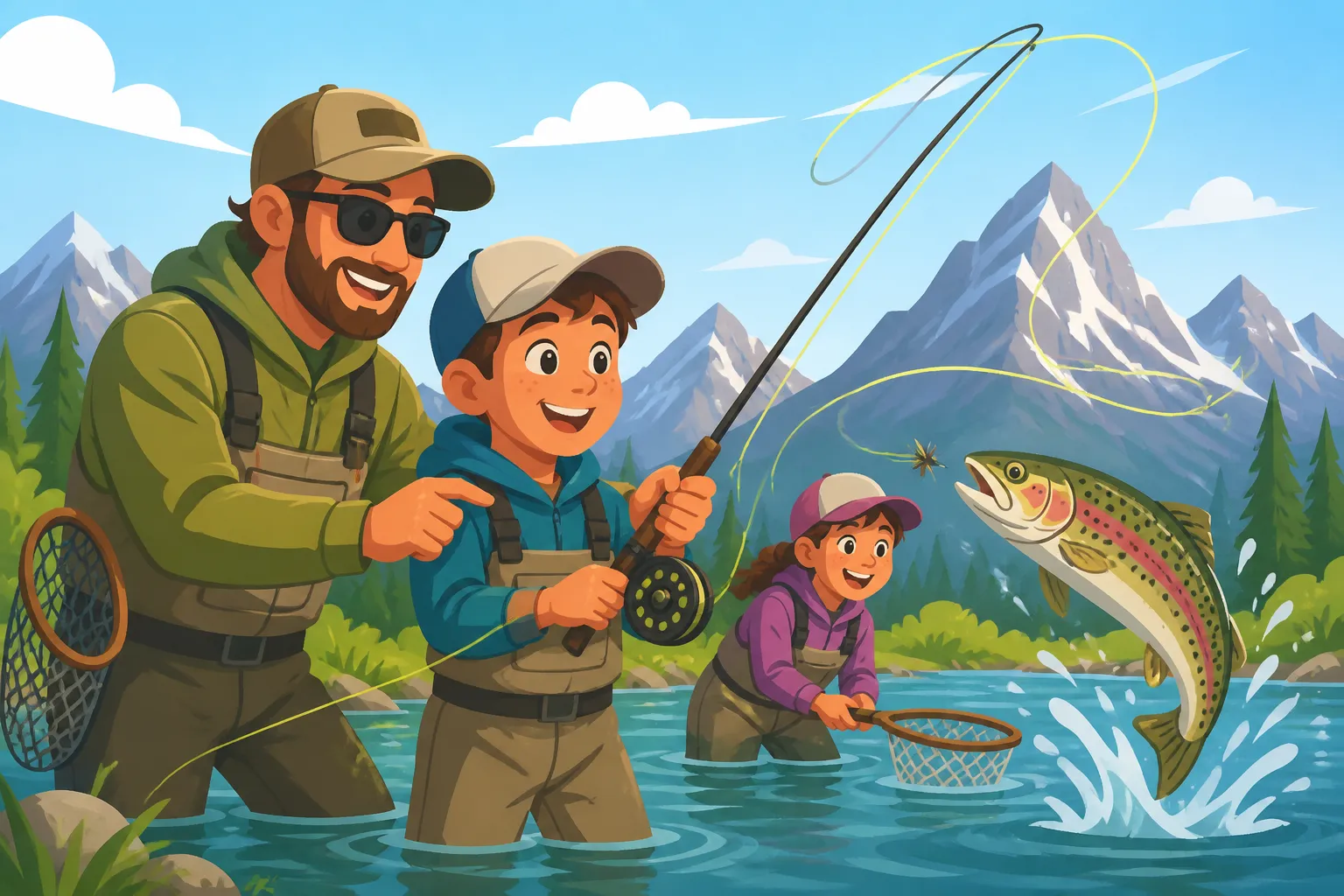
I've heard it countless times from parents who've tried to go it alone: the kids get bored, the gear tangles, and someone usually ends up with a hook in their finger (or worse, their shirt). A guided trip, especially one tailored for families with children, removes so much of that stress and truly lets everyone enjoy the experience. It's not just about catching fish; it's about fostering a love for the outdoors, learning new skills, and making memories that will last a lifetime.
Expert Knowledge and Safety First
One of the biggest advantages of hiring a professional guide is their deep understanding of the local waters and fish behavior. They know where the fish are biting, what they're biting on, and the best techniques to use at any given time. For kids, this translates directly to more action, which, let's be honest, is key to keeping their attention. There’s nothing more deflating for a young angler than staring at a still line for hours. A good guide maximizes the chances of a hook-up, keeping spirits high and the "are we there yet?" questions at bay.
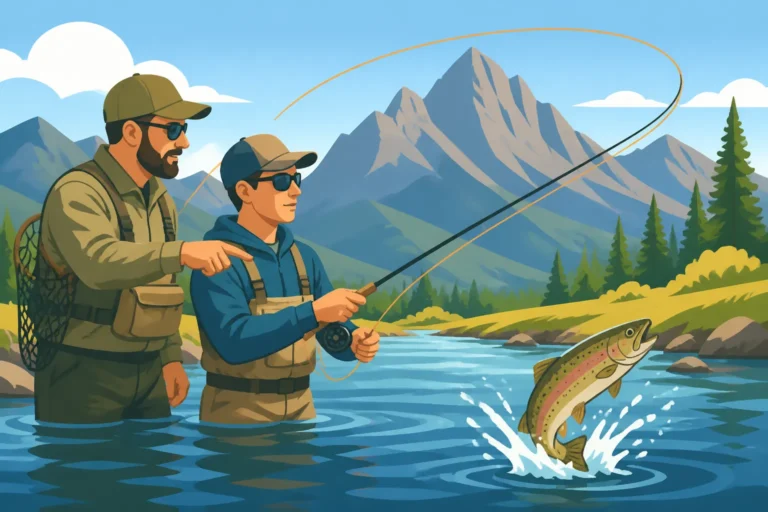
Beyond just finding fish, guides are rigorously trained in safety protocols. This is paramount when you're on a boat, near moving water, or handling sharp hooks and squirming fish. They'll teach your children how to properly hold a rod, cast safely, and handle a fish with care—both for the fish's well-being and their own. They're also equipped with first-aid knowledge and can quickly address minor mishaps, giving you, the parent, peace of mind to actually relax and enjoy the scenery. Think of it as having a dedicated fishing instructor, camp counselor, and safety officer all rolled into one, allowing you to simply be a cheering parent.
Patience and Engagement Tailored for Young Anglers
Let's face it, kids have a different attention span and learning curve than adults. A truly kid-friendly guide understands this deeply. They aren't going to rush through instructions or get frustrated if a cast goes awry for the tenth time. Instead, they’ll break down concepts into bite-sized, digestible pieces, often using games or relatable analogies to explain things like how to spot a fish or set the hook. They know how to celebrate even the smallest successes—a perfect cast, a solid bite, or just observing a cool bug on the water.
These guides often have a knack for engaging children beyond just the act of fishing. They might point out local wildlife, explain the ecosystem, or share fascinating stories about the area. This holistic approach turns the trip into an educational adventure, not just a fishing expedition. They might switch tactics if the kids are losing interest, maybe take a snack break, or simply move to a new spot for a change of scenery. Their goal is to make the entire experience positive and fun, ensuring that fishing becomes a cherished activity rather than a chore. This patient, flexible approach is invaluable for fostering a lifelong love of the outdoors in your children.
What to Look For in a Kid-Friendly Guide
Finding the right guide for your family is crucial. Just because someone is a fantastic angler doesn't automatically mean they're great with kids. You need to look for specific qualities and experiences that cater to the unique dynamics of a family trip, especially with younger children. Doing a little research upfront can make all the difference between a so-so trip and an absolutely phenomenal one.
Experience with Youth and Family Groups
When you're looking for a guide, don't be shy about asking if they have specific experience leading trips with children. A guide who regularly works with families will have a different approach than one who typically caters to seasoned adult anglers. They’ll likely have a roster of proven "kid spots" on the river or lake where success is more probable and the conditions are safer and less challenging. They also understand the varying ages and abilities within a family, and can often juggle teaching multiple kids different skills at once.
Consider how they talk about their experience. Do they light up when discussing past family trips? Do they have stories of kids catching their first fish? That enthusiasm is a great sign. Websites like FishingBooker often allow you to filter guides by their family-friendly offerings or read reviews specifically mentioning experiences with children, which can be incredibly helpful. You want someone who sees a child's first fish as a victory on par with an adult's trophy catch.
Guide's Approach and Equipment
A good kid-friendly guide will come prepared with equipment that's suitable for smaller hands and varying skill levels. This means lighter rods, easier-to-cast reels, and simple rigs that reduce tangles and frustration. They might even have brightly colored bobbers or lures that appeal to a child's imagination. You don't want your child struggling with heavy gear designed for adults; it quickly saps their enthusiasm.
Beyond gear, consider the guide's demeanor. You want someone calm, patient, and with a good sense of humor. Someone who can turn a missed fish into a funny story rather than a disappointment. Ask about their typical itinerary for a kid's trip. Do they incorporate breaks? Are they flexible if a child needs a change of pace? A guide who understands that success isn't always measured by the number of fish caught, but by the smiles and excitement, is exactly what you need. They should prioritize the experience over the statistics.
The Right Water and Species for Kids
Not all fishing spots or fish species are created equal when it comes to kids. Fast-moving, challenging rivers with wary trout might be exhilarating for an experienced fly-fisher, but they can be a recipe for frustration for a seven-year-old. A truly kid-friendly guide will steer you towards waters that offer the best chance for consistent action and are relatively easy to fish. These might include slower sections of the Snake River, smaller streams, or even local stocked ponds where fish are more abundant and less particular about what they bite.
They'll also know which fish species are more likely to cooperate. Often, panfish, smaller trout, or even bass in certain areas are fantastic targets for kids because they tend to bite more readily. While catching a trophy trout is always exciting, consistent smaller catches can be far more engaging for a child. A guide familiar with Best Kids' Fishing Ponds in Wyoming or specific gentle river sections will ensure that your kids spend more time reeling and less time waiting, which is key to a successful outing.
Popular Waters and Fish Species for Kids in Jackson Hole
Jackson Hole is surrounded by incredible fishing opportunities, but for a kid-friendly trip, some spots and species truly stand out. The key is often finding waters that are accessible, less intimidating, and hold fish that are eager to bite. Your guide will be invaluable in navigating these choices and putting you on the best possible water for your family.
Gentle Waters of the Snake River and Tributaries
While the Snake River can be a formidable waterway in parts, especially during certain seasons, there are numerous gentle sections and smaller tributaries that are absolutely perfect for introducing kids to river fishing. A guided float trip on one of these calmer stretches allows children to experience the beauty of the river from a safe, comfortable boat, without the constant need for wading or navigating tricky currents. Guides know these spots intimately, often tucked away from the main currents, where fish tend to hold in more accessible waters.
These areas are generally teeming with cutthroat trout—specifically the Snake River Fine-Spotted Cutthroat Trout, which is a gorgeous native species and a lot of fun to catch. They're often less selective than other trout species, especially when you're using simple bait or spin-fishing setups, making them an ideal target for beginners. The guide can teach kids how to cast from the boat, read the water, and identify prime fish habitat, all while drifting through breathtaking scenery. It's an immersive experience that combines fishing with a scenic wildlife tour, which is always a hit with kids. For more in-depth information on what to expect, consider checking out What's Included in a Wyoming Snake River Guided Float Trip.
Local Ponds and Lakes for Easy Access
Sometimes, the best fishing for kids isn't on a grand river, but in a quiet, accessible pond or small lake. The Jackson Hole area has several smaller bodies of water that are regularly stocked and offer fantastic bank fishing opportunities. These spots eliminate the need for a boat, making them ideal for very young children or those who prefer solid ground under their feet. The calm, clear waters make it easier to see what's going on, which can be very exciting for kids learning to fish.
These smaller fisheries often hold a mix of rainbow trout, brook trout, and sometimes even panfish like perch. These species are generally quite cooperative and can be caught using simple spin-fishing techniques or even a bobber and bait. A guide familiar with these local gems can set up multiple rods, bait hooks, and help kids cast directly from the shore, providing immediate feedback and maximizing their chances of a catch. It's a low-pressure environment where the focus can truly be on the joy of discovery and the thrill of a tug on the line. These spots are fantastic for a half-day adventure, as kids can burn off energy on shore when the fishing slows, or simply take a break when needed.
Targeting Trout Species for Fast Action
In Wyoming, trout are the main event, and for kids, targeting these spirited fish can provide just the right amount of challenge and reward. While a trophy brown trout might require advanced techniques, many of Wyoming's waters are abundant with smaller, feisty cutthroat and rainbow trout that are perfect for younger anglers. The key is for the guide to focus on areas where these fish are plentiful and relatively easy to entice.
The thrill of seeing a trout leap from the water or fight vigorously on the line is infectious, and it’s often what hooks kids on fishing for life. Guides will often opt for methods that lead to more consistent action, such as using powerbait, worms, or small spinners, especially on spin-fishing trips. For kids who are keen to try fly fishing, a guide can simplify the technique, focusing on short, accurate casts to eager fish in less demanding water. The goal is to provide enough successful encounters to keep their enthusiasm high, without making it so easy that it loses its charm. Remember, for information on how many fish they can keep, it's good to understand Wyoming Trout Stream Daily Limit or Wyoming Trout Lake Daily Limit, depending on where you are.
Planning Your Family's Guided Fishing Adventure
Once you've decided to embark on a guided fishing trip in Jackson Hole, a little planning goes a long way to ensure everything runs smoothly. From understanding what gear you need to choosing the best time of year, being prepared will help maximize the fun for everyone, especially the little ones.
Essential Gear and What Guides Provide
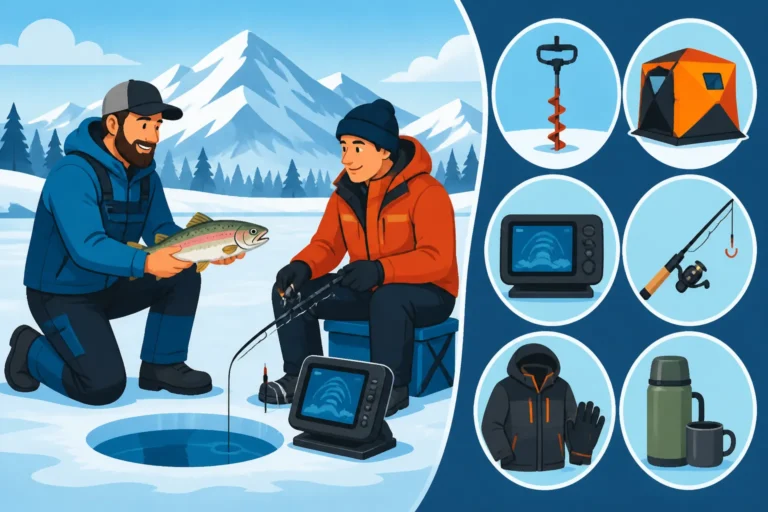
One of the biggest benefits of hiring a guide is that they typically provide all the necessary fishing gear. This means you don't have to worry about buying or renting rods, reels, tackle, or even bait. For a family, this is a huge relief, especially if you’re traveling and don't want to haul a bunch of equipment. They'll have kid-sized rods that are easier for smaller hands to manage and lighter to cast, reducing fatigue and frustration.
However, there are a few things you'll definitely want to bring yourself to ensure comfort and safety:
- Layers of clothing: Wyoming weather can change rapidly. Even in summer, mornings can be cool, and afternoons can be hot. Dressing in layers allows for easy adjustments. Consider What to Wear on a Wyoming Guided Fishing Trip.
- Sun protection: Hats, sunglasses (polarized are a bonus for spotting fish!), and sunscreen are non-negotiable. The sun in the mountains is intense.
- Snacks and drinks: While some full-day trips might include lunch, always pack extra snacks and water, especially for kids. Fishing makes everyone hungry!
- Rain gear: A lightweight rain jacket or poncho is always a good idea, just in case.
- Camera: To capture those precious "first fish" moments!
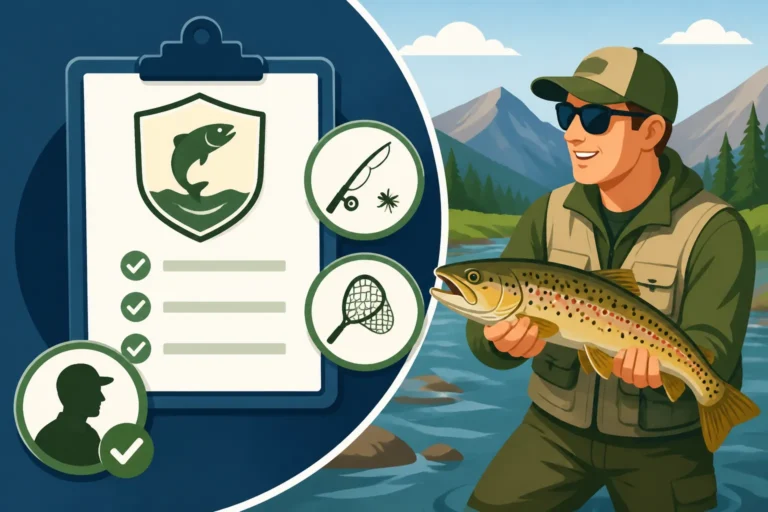
- Fishing license: Everyone over the age of 14 will need a Wyoming fishing license. Guides cannot usually sell these on the water, so purchase them in advance. You can easily do this online through the Wyoming Game and Fish Department website. Make sure you understand Do Kids Need a Fishing License in Wyoming? and the Wyoming Youth Fishing License Cost if applicable.
Confirm with your guide exactly what they provide and what you should bring. This avoids any surprises on the day of your trip.
Timing Your Trip for Optimal Success
The best time to plan a kid-friendly fishing trip in Jackson Hole generally aligns with the warmer months, typically late spring through early fall.
- Late Spring (May-June): As runoff subsides and rivers begin to clear, fishing can be excellent. The weather is often pleasant, and fish are actively feeding. This can be a great time for spin-fishing in smaller streams or lakes.
- Summer (July-August): This is prime family vacation time, and the fishing is usually very consistent. All waters are typically accessible, and the weather is warm. Early mornings or late afternoons can be particularly productive as fish seek cooler water.
- Early Fall (September-October): While the air gets crisper, the fishing can be superb, especially for brown trout moving into rivers. The crowds thin out, and the scenery is spectacular. However, younger kids might find the cooler temperatures less comfortable.
Your guide will be the best resource for advising on current conditions and the most productive times based on the specific species and waters you wish to target. They can also advise on Wyoming Fishing Seasons Month by Month and how various factors might impact your family's experience.
Booking Your Guide: Where to Start
Booking a reputable, kid-friendly guide is a critical first step. Start by looking for guides or outfitters who specifically mention family trips or kid-focused adventures on their websites or profiles. Reading reviews from other families is immensely helpful, as they often highlight a guide's patience and ability to engage children. Online platforms like FishingBooker are excellent resources for finding guides in the Jackson Hole area. You can often view guide profiles, see their rates, read reviews, and even communicate directly with them before booking to discuss your family's needs and interests.
When contacting potential guides, don't hesitate to ask questions:
- What is their experience level with children?
- What ages do they typically accommodate?
- What kind of fish can we expect to catch?
- What fishing methods will we use?
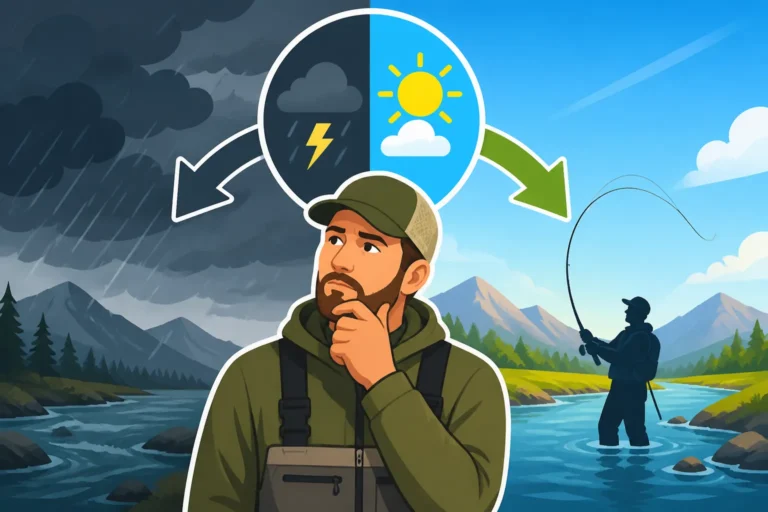
- What happens if the weather is bad?
- What's their policy on How Much to Tip a Wyoming Fishing Guide?
Booking in advance, especially for summer trips, is highly recommended as popular guides fill up quickly. Many guides offer half-day trips, which are often ideal for families with younger children, as they provide plenty of fishing action without overextending attention spans. Compare Snake River Full-Day Float Trip Cost versus Snake River Half-Day Float Trip Cost if considering a float. A shorter trip ensures that the experience remains fun and leaves everyone wanting more, rather than feeling tired and ready to quit.
Making the Most of the Experience
A guided fishing trip with kids isn't just about catching fish; it's about creating an experience that resonates long after the lines are reeled in. With a little intentionality, you can ensure your family gets the absolute most out of their time on the water.
Managing Expectations and Embracing the Outdoors
It’s important to set realistic expectations for a kid's fishing trip. While a good guide will do their best to put you on fish, fishing is still fishing, and some days are slower than others. Emphasize to your children that the goal isn't just to catch the biggest fish, or even a fish at all, but to enjoy being outdoors, learn new things, and spend quality time together. Encourage them to appreciate the stunning natural beauty of Jackson Hole, watch for wildlife like eagles or elk along the riverbanks, and simply breathe in the fresh mountain air.
If the fish aren't biting, a great guide will often pivot to other engaging activities, like identifying birds, skipping stones, or exploring a sandbar. These unexpected moments can often become the most cherished memories of the trip. Remind your kids that patience is a virtue in fishing, and that sometimes the quiet moments are just as rewarding as the thrilling ones. The true catch isn't always something that fits in a cooler; it's the shared laughter and the feeling of connection to nature.
Learning Opportunities Beyond Just Catching Fish
A guided fishing trip offers a fantastic outdoor classroom. Beyond the mechanics of casting and reeling, children can learn so much from an experienced guide. They might learn about the local ecosystem, the life cycle of the fish they're targeting, or the importance of conservation and Catch-and-Release Best Practices for Trout. Many guides are passionate about educating the next generation of anglers and can share fascinating facts about the geology of the area or the history of the Snake River.
Encourage your children to ask questions, observe their surroundings, and engage with the guide. This curiosity turns a simple fishing trip into a deeper educational experience. They might learn about different types of insects that fish eat (matching the hatch!), how water temperature affects fish behavior, or why certain regulations exist to protect fish populations. These lessons instill a greater appreciation for the natural world and responsible outdoor recreation. The guide can also teach them how to identify different fish species, like distinguishing a Cutthroat vs Rainbow Trout: Telling Them Apart. It's more than just a day of fishing; it's an investment in their understanding and respect for nature, all while having a blast.
Disclaimer
This article is for general informational purposes only and does not constitute professional advice. Laws, prices and regulations vary by location and change over time. Consult a qualified professional for guidance on your specific situation.