Best Fly Rod Weight for Wyoming Trout Streams
Choosing the right fly rod weight can feel like navigating a maze, especially when you're dreaming of Wyoming's incredible and varied trout waters. You want to feel every subtle take but also have enough backbone to handle a strong fish in current, and getting it wrong can lead to frustrating casts or lost fish. This guide is here to demystify fly rod weights, helping you understand what each number means and how to select the perfect rod for your next angling adventure on Wyoming's trout streams and rivers.
Understanding Fly Rod Weight Basics
Before we dive into specific recommendations for Wyoming, it's really helpful to understand what those numbers on a fly rod actually mean. It's not just a random digit; it's a critical component of a balanced fishing system. Think of it as the foundational piece that dictates how your entire setup will perform.
What Do Fly Rod Numbers Mean?
In the world of fly fishing, the "weight" of a rod refers to the American Fishing Tackle Manufacturers Association (AFTMA) fly line rating system. Essentially, it corresponds to the weight of the first 30 feet of fly line, excluding the leveling tip. So, a "5-weight" rod is designed to cast a 5-weight fly line effectively. These weights typically range from 0-weight (super light for tiny fish) all the way up to 14-weight or more (for saltwater giants).
For trout fishing, you'll generally be looking at rods in the 3-weight to 8-weight range. The lower the number, the lighter the line and the more delicate the presentation. This means smaller flies, softer landings, and often, more feel for smaller fish. Conversely, a higher number indicates a heavier line, which provides more power for casting larger, heavier flies, punching through wind, and fighting bigger fish. Understanding this fundamental concept is the first step to making an informed choice, rather than just grabbing whatever looks good off the rack at your local fly shop or on an online marketplace like Amazon.
Why Matching Rod and Line is Critical
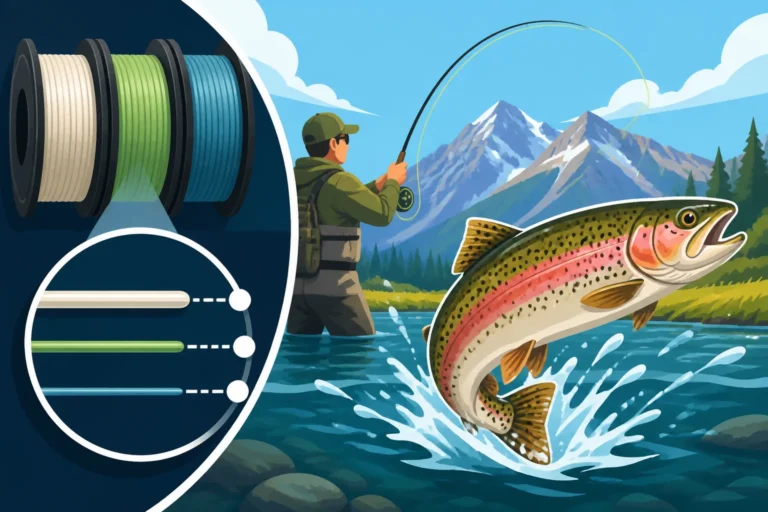
You might hear experienced anglers talk about "matching your line to your rod," and there's a very good reason for this: it directly impacts casting efficiency and how the rod "feels" in your hand. A fly rod is designed to load, or bend, with a specific range of line weights. When the rod loads properly, it stores energy that's then released during the cast, propelling your fly line forward.
If your line is too light for your rod, the rod won't load enough, making it difficult to feel the cast and achieve good distance or accuracy. It'll feel stiff and unresponsive. On the flip side, if your line is too heavy, the rod will overload, feeling sluggish and spongy, and again, you'll struggle with control and precision. A properly matched rod and line work together in harmony, creating that smooth, effortless casting stroke that every fly angler dreams of. It allows for delicate presentations where needed, but also gives you the power to reach those distant risers or present a heavy streamer.
The Trade-Offs of Heavier vs. Lighter Rods
Every fly rod weight comes with its own set of advantages and disadvantages, and choosing one often involves balancing these trade-offs based on your specific fishing situation. Lighter rods, say a 2-weight or 3-weight, offer unparalleled finesse. They make even small trout feel like giants, provide incredibly delicate presentations for wary fish sipping tiny dry flies, and are a joy to cast in close quarters on smaller streams. However, they struggle with wind, can't throw large or heavy flies effectively, and lack the power to quickly subdue larger trout, which can stress the fish.
Heavier rods, like a 6-weight or 7-weight, are powerhouses. They excel at casting big, wind-resistant streamers, nymph rigs with multiple weights, and indicators. They offer the muscle needed to turn and land larger fish more quickly, reducing fight time and stress, which is crucial for practicing responsible catch-and-release. The downside is that they can be overkill for smaller fish, making them feel like dead weight on the line, and their heavier line can create a "splashier" presentation that might spook finicky trout. It's a classic case of power versus precision, and the best choice often lies somewhere in the middle for most anglers tackling Wyoming's diverse fisheries.
Ideal Rod Weights for Common Wyoming Scenarios
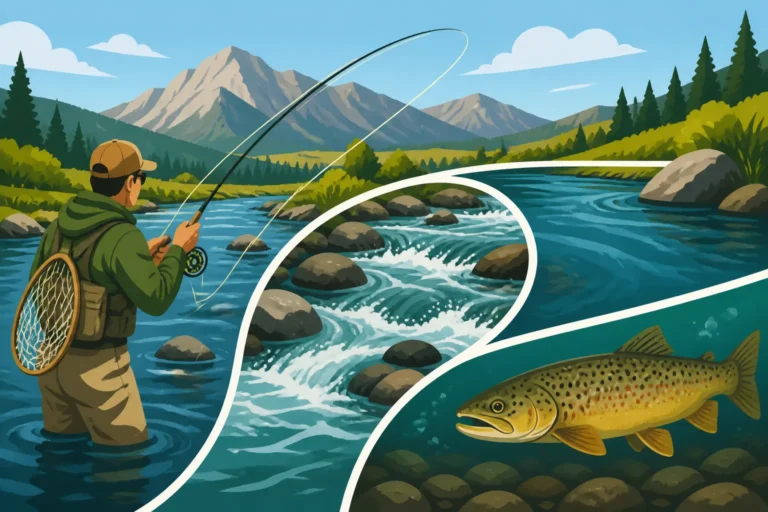
Wyoming is a vast state, offering everything from tiny, crystalline high-alpine creeks to broad, powerful rivers, and each type of water demands a slightly different approach – and often, a different fly rod. Let's break down the optimal rod weights for the scenarios you're most likely to encounter here.
Small Streams and High-Alpine Lakes
For those idyllic small streams, often nestled in the mountains, or the pristine high-alpine lakes that require a good hike to reach, a lighter rod is almost always the answer. Think 2-weight to 4-weight rods. These waters are typically characterized by smaller, often wild, trout that are extremely sensitive to heavy presentations. You'll likely be making short, accurate casts to specific pockets, under overhanging branches, or along undercut banks.
A 3-weight rod is often considered the sweet spot for these environments. It provides enough finesse for delicate dry fly presentations—perfect for chasing native cutthroat trout that might be rising to tiny midges or mayflies—while still having enough backbone to handle a surprise 14-inch fish. The lighter line lands softly, disturbing the water minimally, which is paramount when fish have very little cover and are easily spooked. On a stream like Slate Creek in the Wind River Range or any of the smaller tributaries flowing into the Snake River, a delicate touch from a 3-weight or even a 2-weight will grant you far more success than trying to muscle a larger rod into tight spaces. Plus, the fight from even an 8-inch brook trout on a light rod is just pure joy!
Medium Rivers and Versatile Trout Fishing
This category covers the vast majority of Wyoming's accessible and popular trout fisheries, like sections of the Green River or the Laramie River. Here, versatility is key, and a 4-weight or 5-weight rod truly shines. These rods strike an excellent balance between delicate presentation and the power needed to handle larger fish, heavier nymph rigs, or moderate wind.
A 5-weight rod is often hailed as the most versatile fly rod weight and is an excellent choice for a "one-rod-does-it-all" angler in Wyoming. It can cast dry flies with reasonable delicacy, handle a single nymph or small streamer effectively, and has enough power to fight most average-sized rainbow or brown trout you'll encounter on rivers like the middle North Platte. If you're planning on doing a mix of dry fly fishing, nymphing, and even throwing a small streamer now and then, a 5-weight will serve you incredibly well. It’s powerful enough for most situations without feeling like overkill, and on a slightly windy day, you'll appreciate the extra authority it provides over a lighter 3-weight. This is the rod you'll find yourself reaching for the most on those classic Wyoming trout days.
Large Rivers and Trophy Waters
When you're targeting big fish on significant water, like the famed North Platte River through the Miracle Mile or the lower Snake River, or if you're battling persistent Wyoming winds on a broad river, you need more power. This is where 6-weight, 7-weight, or even 8-weight rods come into their own. These heavier rods are built to cast larger flies, often multiple weighted nymphs with a large indicator, or heavy streamers designed to entice trophy brown trout.
A 6-weight rod is a fantastic option for these scenarios, particularly if you're consistently throwing larger flies or fishing in windy conditions. It offers substantial power for fighting bigger fish—think brown trout exceeding 20 inches—and can handle the heavier lines and larger tippets often required. If you're planning on serious streamer fishing for migratory browns in the fall, or if you know you'll be dealing with consistent gusts on the Gray Reef section, a 7-weight rod might be even better. These heavier rods significantly reduce the fight time for large fish, which is not only beneficial for getting the fish to hand quicker but also for the fish's survival post-release, as it minimizes exhaustion. Don't underestimate the Wyoming wind; it can turn a pleasant casting day into a chore with an underpowered rod.
| Wyoming Fishing Scenario | Recommended Rod Weight | Primary Advantages | Considerations |
|---|---|---|---|
| Small Streams / Alpine Lakes | 2-4 weight | Delicate presentation, maximize fight with smaller fish, good for tight spaces. | Struggles with wind, cannot cast large flies, less power for bigger fish. |
| Medium Rivers / Versatile | 4-5 weight | Excellent all-around performance, handles diverse techniques and fish sizes. | May struggle in heavy wind or with very large/heavy flies, less finesse than lighter rods. |
| Large Rivers / Trophy Waters | 6-8 weight | Power for big fish, handles wind, casts heavy nymph rigs and large streamers. | Less delicate presentation, overkill for small fish, heavier to cast all day. |
Considering Your Fishing Style and Target Species
Your personal approach to fly fishing, the specific flies you prefer to throw, and the size and species of trout you're hoping to encounter are all crucial factors in selecting the right fly rod weight. It’s not just about the water; it’s about how you plan to fish it.
Fly Size and Type
The size and type of flies you intend to use are perhaps one of the biggest determinants of appropriate rod weight. If you're a devout dry fly angler, meticulously matching tiny midges or small parachute Adams patterns to rising fish on clear, calm water, then a lighter rod (3- or 4-weight) will give you the precise, delicate presentation you need. These rods excel at laying a small fly down softly without much splash, which is critical for wary trout. The lighter line allows the fly to float naturally, minimizing drag and maximizing your chances of a take. You'll find many specific patterns for these scenarios in guides like Best Wyoming Fly Patterns for Cutthroat Trout.
Conversely, if your arsenal consists of heavy streamer patterns, large stonefly nymphs, or multi-fly nymph rigs with split shot and a big indicator, then a heavier rod (6- or 7-weight) is almost a necessity. Trying to cast a heavily weighted clouser minnow or a large articulated streamer with a 3-weight rod is a recipe for frustration, not to mention a potential hazard to your face. The heavier rod and line provide the momentum needed to turn over these larger, often wind-resistant flies, allowing them to punch through the air and reach the fish-holding lies effectively. So, before you even consider buying a rod, take a mental inventory of your fly box. Are you a minimalist dry fly purist, or do you prefer to "chuck and duck" with big meaty flies?
Fighting Fish and Protecting the Resource
While it's tempting to always go for the lightest rod possible for maximum fun, there's an ethical consideration to be made, especially when targeting larger trout. A properly matched rod weight allows you to land fish efficiently, minimizing the time they spend fighting and consequently, the stress on their system. Fighting a large, strong trout on an overly light rod for an extended period can exhaust the fish to the point where its chances of survival after release are significantly diminished. This is particularly important for species like brown trout or lake trout, which can grow quite large in Wyoming.
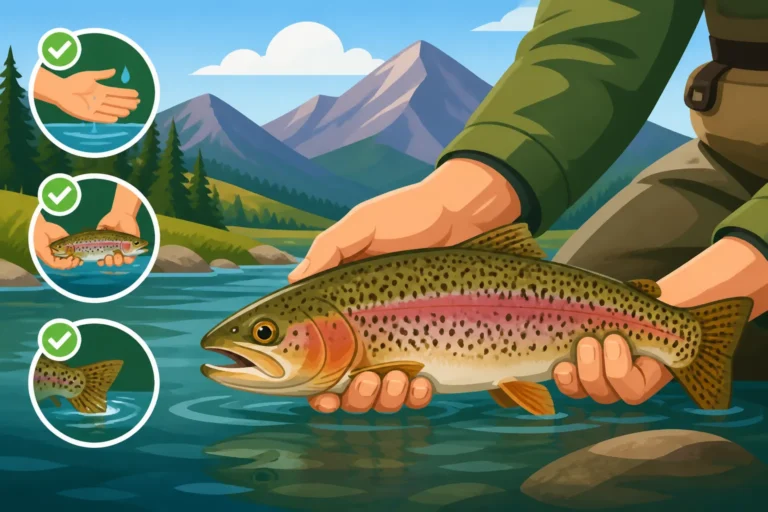
A 5-weight rod is generally considered a good balance for most trout up to 18-20 inches, allowing you to bring them to hand relatively quickly. For anything larger, especially in strong currents like the Snake River Below Jackson Lake Dam or Miracle Mile, a 6-weight or 7-weight provides the necessary leverage to turn the fish and guide it into your net swiftly. Remember, the goal is to enjoy the fight but also ensure the fish swims away strong. Learning catch and release best practices is just as important as your gear choice. When in doubt, lean slightly towards a heavier rod if trophy potential is high, especially if you're practicing catch and release.
Local Conditions: Wind, Water Flow, and Cover
Wyoming is famous for its wind, and anyone who's spent a day on the North Platte or Flaming Gorge knows how quickly a calm morning can turn into a gale. Wind is a fly caster's nemesis, and it significantly impacts your rod choice. A lighter rod, while delightful on a still day, becomes a noodle in a stiff breeze, making accurate casting nearly impossible. Heavier line weights, like those associated with 6- or 7-weight rods, cut through the wind much more effectively, giving you the power and control needed to keep your fly on target. If you know you'll often be fishing exposed areas or during traditionally windy seasons, factoring this into your rod choice is critical.
Water flow also plays a role. Fast, powerful rivers require more robust gear. A heavier line can help turn over larger nymph rigs and streamers more effectively in strong currents, allowing your flies to sink quickly into the strike zone. Additionally, the extra backbone of a heavier rod helps you control and land fish that are using the current to their advantage. Conversely, small, brushy creeks with lots of overhanging cover are often better fished with shorter, lighter rods that allow for delicate roll casts or bow-and-arrow casts, which are nearly impossible with a long, heavy rod. Thinking about these environmental factors, often found in discussions about reading water, before you hit the stream will undoubtedly improve your fishing experience.
Making Your Final Fly Rod Weight Decision
So, you've considered the basics, thought about the types of water you'll be fishing, and pondered your preferred techniques. Now, how do you make that final decision, especially when there are so many options available online and in local shops?
Trying Before You Buy
While researching online, checking reviews on Amazon, or reading guides like this one is incredibly helpful, nothing beats actually holding and casting a fly rod before you commit. Fly rods, even within the same weight class, can have vastly different actions (how much they bend and where). Some are "fast action," meaning they bend mostly in the tip, offering power and distance but requiring precise timing. Others are "medium action," bending through the middle, offering a good balance of power and feel. "Slow action" rods bend deep into the blank, providing a delicate touch but requiring a slower casting stroke.
Visit a local fly shop and ask to cast a few different rod weights and actions. Most reputable shops will have a casting pond or a lawn where you can try out rods. Pay attention to how the rod feels in your hand, how easily it loads with the recommended line, and how it performs at the typical distances you'll be fishing. Does it feel balanced? Is it comfortable? Can you easily make the type of casts you anticipate needing on your favorite Wyoming waters? This hands-on experience is invaluable and will give you a much better sense of what feels right for you.
Having Multiple Rods
The harsh reality for many passionate fly anglers is that no single rod weight is truly perfect for every situation in Wyoming. The ideal rod for delicate dry fly presentations on a small mountain creek is simply not the ideal rod for slinging heavy streamers on a windy day on the North Platte. This is why many experienced anglers eventually acquire a quiver of rods, each suited to different conditions and techniques.
If you're just starting out or working with a budget, a 5-weight rod is still the best recommendation for an all-around workhorse in Wyoming. It's the ultimate compromise. However, as you delve deeper into specific techniques or explore different waters, you might find yourself wanting a lighter 3- or 4-weight for those pristine high-country excursions or a heavier 6- or 7-weight for when you're seriously targeting trophy fish or battling the elements. Many brands, which you can often find competitive pricing on at Amazon or specialty retailers, offer excellent rods across all weights. Think of it as building a toolkit; you wouldn't use a hammer for every single carpentry task, right? The same goes for fly fishing. Gradually building your rod collection allows you to optimize your setup for whatever incredible fishing opportunity Wyoming throws your way. You might eventually find yourself with a 5-weight for general river fishing, and a dedicated 7-weight for trophy fish in reservoirs or aggressive streamer fishing.
Disclaimer
Please note that fishing regulations and conditions in Wyoming can change. Always consult the latest official Wyoming Game and Fish Department regulations booklet or their website before heading out. This guide is for informational purposes only and does not supersede state laws or official advisories.