Best Guides Near Yellowstone’s West Entrance
For anglers traveling to Yellowstone National Park, the area surrounding the West Entrance, particularly West Yellowstone, Montana, presents both incredible opportunities and unique challenges. It can be overwhelming trying to navigate the complex fishing regulations of two states (Montana and Wyoming) and a national park, all while trying to figure out where to find the best water and, crucially, how to get on it. This guide is here to cut through that confusion, helping you understand why a local guide is often your best bet and what to look for when planning a memorable fishing trip near Yellowstone's bustling western gateway.
Why a Guide is Essential for Yellowstone's West Entrance Area
Venturing into the waters around Yellowstone's West Entrance without a guide can feel a lot like trying to navigate a dense forest without a map or compass. While the scenery is undoubtedly breathtaking, the fishing itself can be incredibly nuanced and, frankly, frustrating if you're not familiar with the local intricacies. This isn't just about catching fish; it's about understanding a fragile ecosystem and adhering to strict rules designed to protect it.
Navigating Complex Regulations
One of the biggest headaches for any angler coming to the Yellowstone area is the sheer complexity of the fishing regulations. You're potentially dealing with Montana state regulations, Wyoming state regulations (if you venture south), and the very specific rules of Yellowstone National Park itself. Each set of rules can dictate everything from specific seasons and bag limits for different species to allowed tackle, bait restrictions, and even whether you can use a boat. Missteps can lead to fines or worse, and nobody wants their dream fishing vacation to turn into a legal quagmire. A good guide lives and breathes these regulations, ensuring you stay compliant and focus on the joy of fishing, not the worry of a violation.
Consider, for example, the rules regarding native cutthroat trout within Yellowstone National Park. There are often catch-and-release requirements, specific lure restrictions, or even bans on certain bait types to prevent the spread of aquatic invasive species or to protect sensitive populations. Outside the park, on a river like the Henry's Fork, you might encounter different catch-and-release sections or length limits depending on the stretch of water. A guide not only knows these rules but can explain the rationale behind them, enhancing your understanding and appreciation for conservation. They're essentially your on-the-water legal expert, keeping you out of trouble and informed.
Maximizing Your Catch in Diverse Waters
The waters around the West Entrance are incredibly diverse, ranging from large, meandering rivers like the Madison to smaller, intimate spring creeks, and even high-mountain lakes. Each body of water, and even different sections of the same river, often requires distinct techniques, flies, or lures, and a deep understanding of fish behavior. What works brilliantly on the Madison River on a sunny afternoon might be completely ineffective on a Yellowstone National Park stream during a morning hatch. It takes years of experience to truly "read" these waters.
A local guide has that intimate knowledge. They know where the fish are holding based on water levels, temperature, time of year, and even recent insect hatches. They can identify the subtle seams, riffles, and pools where trout are most likely to feed or shelter. Beyond that, they carry the right gear for the conditions, whether it's a box full of specific dry flies, nymphs, or streamers, or the right spin casting setup for a particular reservoir. This expertise drastically increases your chances of a successful and rewarding day on the water, turning a hopeful cast into a memorable catch. You'll learn more in a single guided day than you might in weeks of trial-and-error on your own.
Accessing Prime, Less-Pressured Spots
One of the less obvious but significant advantages of hiring a guide, especially near a popular destination like Yellowstone, is their access to prime fishing locations that might be difficult or impossible for the average angler to find. Many guides have developed relationships with private landowners or hold special permits that grant them access to secluded stretches of river. This can make all the difference, particularly during peak season when public access points can become crowded.
Imagine pulling up to a public access point on a blue-ribbon trout stream like the Madison, only to find half a dozen other cars already there. That's a common scenario. A guide, however, might have a designated put-in point for their drift boat that allows you to float through miles of pristine, less-pressured water, or they might know a secret trail to a productive spring creek that sees minimal foot traffic. This exclusive access, combined with their knowledge of when and where to go to avoid crowds, means you're more likely to have a peaceful, productive, and truly wild fishing experience. It's about finding that serenity and quality fishing that so many seek in Wyoming, away from the hustle and bustle. Best Places to Fish in Wyoming often require insider knowledge for the best spots.
Key Areas and Waters Near the West Entrance Where Guides Operate
The Yellowstone West Entrance is a gateway not just to the national park, but to some truly legendary fishing opportunities in the surrounding region. Whether you're dreaming of classic dry fly fishing on a world-renowned river or exploring the diverse fisheries within the park itself, guides operating out of West Yellowstone have the local knowledge to take you there.
The Iconic Madison River
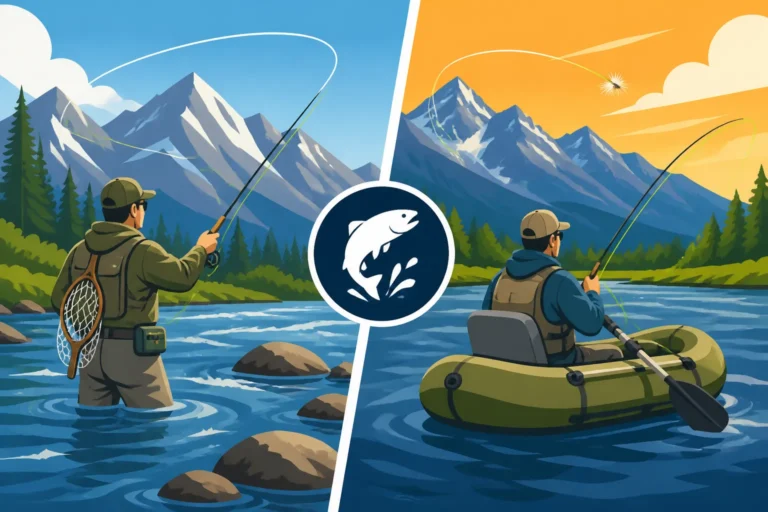
Just a stone's throw from the West Entrance, the Madison River is a name that resonates with fly anglers worldwide. Known for its consistent hatches, prolific trout populations (primarily browns and rainbows), and stunning scenery, it's a destination in itself. Many guides operating from West Yellowstone specialize in float trips or wade trips on the Madison, taking advantage of its various sections that offer different challenges and rewards. From the '50 Mile Riffle' above Ennis Lake to the narrower stretches further upstream, a guide can help you navigate the river's complexities.
Fishing the Madison often involves nymphing, streamer fishing, or matching prolific dry fly hatches like caddis and mayflies. A guide will know exactly which patterns are working on any given day, tying on the appropriate flies and teaching you the techniques needed to present them effectively in this often-challenging, fast-moving water. They'll also be intimately familiar with the public access points and boat launches, as well as those private easements they might have access to, ensuring you spend less time scouting and more time casting. Finding a good guide through platforms like FishingBooker can give you access to highly experienced Madison River specialists.
Exploring Waters Beyond the Park Boundary
While Yellowstone National Park might be the main draw, the areas just outside the West Entrance, particularly in Montana and eastern Idaho, boast exceptional fisheries that many guides regularly target. The Henry's Fork of the Snake River in Idaho, for instance, is another world-renowned trout stream, famous for its selective trout and technical dry fly fishing, especially on the "Ranch" section. Guides know the seasonal nuances of these rivers, understanding when different hatches occur and where to find the most active fish.
Other nearby options include Hebgen Lake and Quake Lake, which offer fantastic stillwater fishing for larger trout, particularly if you're interested in trolling or targeting fish with streamers from a boat. These lakes can be a great alternative if river conditions are tough, or if you simply prefer a different style of fishing. A guide can provide all the necessary gear, from boats to specialized rods, and navigate these larger bodies of water efficiently, targeting depths and structures where fish are most likely to congregate. Remember, Wyoming Fishing Seasons and Water-Specific Closures can impact which waters are open or productive at certain times.
Fishing Inside Yellowstone's Western Waters
Yellowstone National Park itself offers incredible and unique fishing experiences, and many guides licensed to operate within the park base themselves out of West Yellowstone. The western side of the park provides access to iconic waters such as the Madison River (within the park boundary), the Gibbon River, the Firehole River, and parts of the Yellowstone River system, as well as numerous smaller creeks and lakes. Fishing in Yellowstone is almost always catch-and-release for native species and comes with very specific regulations, often aimed at protecting native cutthroat trout from invasive lake trout.
A Yellowstone-licensed guide is crucial here, not just for their fishing expertise but for their deep understanding of the park's unique rules and conservation efforts. They can guide you to productive spots while ensuring you adhere to the park's strict ethical angling guidelines, such as using barbless hooks and minimizing handling time. They also know the specific access points and can help you navigate the park's sometimes-crowded roads and trails, ensuring your focus remains on the stunning natural beauty and the fish. It's important to understand Fishing Rules Inside Yellowstone National Park before you go.
What to Look for in a Quality Yellowstone West Entrance Fishing Guide
Choosing the right fishing guide is paramount to having a successful and enjoyable experience, especially in an area as special and complex as Yellowstone's West Entrance. It's more than just finding someone with a boat and a fishing rod; it's about finding a professional who matches your goals and provides a safe, educational, and memorable day on the water.
Licensing and Expertise: Non-Negotiables
First and foremost, verify that your guide is properly licensed and insured to operate in the specific areas you plan to fish. Guides operating in Yellowstone National Park require special permits issued by the National Park Service, in addition to state guides licenses from Montana or Wyoming, depending on where they are primarily based. An unlicensed guide is a massive red flag, not only for legal reasons but also because it often indicates a lack of professionalism and commitment to safety. Always ask about their credentials upfront. A reputable guide will be proud to share this information.
Beyond licensing, consider their specific expertise. Do they specialize in fly fishing or spin fishing? Are they experts on the Madison River, or do they focus more on the lakes? Some guides are renowned for their dry fly skills, while others excel at streamer fishing for big browns. Look for guides with years of experience in the specific waters you're interested in, as this local knowledge is invaluable. Reviews on platforms like FishingBooker can often highlight a guide's particular strengths and areas of expertise, helping you narrow down your choices. This due diligence is part of How to Choose a Wyoming Fishing Guide.
Tailoring the Trip to Your Skills and Desires
A great guide understands that every angler is different. Whether you're a seasoned fly-fisher looking for a trophy brown trout or a family with young children hoping to catch their first rainbow, the guide should be able to tailor the trip to your skill level, interests, and physical capabilities. Don't be afraid to communicate your expectations when booking. Are you hoping for a full-day float trip, or a shorter wade trip focusing on casting instruction? Do you want to try different techniques, or stick to what you know?
Discussing these details beforehand ensures that the guide can plan the best possible outing for you. For instance, if you're a beginner, they might choose a more forgiving stretch of river with easier wading or focus on basic casting techniques and indicator nymphing. If you're advanced, they might take you to more challenging, technical water or target specific hatches. The best guides are excellent instructors and patient mentors, eager to share their knowledge and help you improve, regardless of your starting point. You might even find guides who specialize in Best Guides for Teaching Beginners to Fly Fish.
Equipment and Logistics Provided
A significant advantage of hiring a guide is that they typically provide much, if not all, of the necessary equipment. This often includes rods, reels, lines, leaders, and a wide array of flies or lures. For float trips, the boat itself, along with all safety gear, is obviously provided. This saves you the hassle and expense of transporting your own gear, or purchasing specialized equipment you might only use once. Always confirm what is included in the price when booking.
Beyond the fishing gear, good guides also handle the logistics of the day. This might mean providing lunch, snacks, and drinks, arranging transportation to and from the river, and ensuring all necessary permits are covered. Some even provide waders and wading boots. This comprehensive service allows you to simply show up, relax, and immerse yourself in the fishing experience. When considering What a Guided Wyoming Fishing Trip Costs, remember to factor in the value of all the included gear and logistical support.
| Feature/Service | What to Expect from a Quality Guide | Why It Matters |
|---|---|---|
| Licensing & Permits | Valid state & NPS permits (if applicable), insurance | Ensures legality, safety, and adherence to regulations |
| Local Expertise | Deep knowledge of local waters, fish, hatches, conditions | Maximizes your chances of finding fish and learning local nuances |
| Trip Customization | Ability to tailor to skill level, interests (fly, spin, etc.) | Guarantees an enjoyable experience aligned with your goals, from beginner to expert |
| Equipment Provided | Quality rods, reels, lines, flies/lures, safety gear | Convenience, cost-saving, access to specialized gear for specific waters |
| Instruction | Patient teaching of casting, techniques, fish handling | Enhances your skills, understanding, and enjoyment of the sport |
| Logistics (Often) | Transportation, lunch, snacks, drinks | Reduces planning burden, allows you to focus solely on fishing |
| Conservation Ethic | Emphasis on catch-and-release, minimizing impact | Promotes responsible angling and protects the fragile ecosystem |
Planning Your Guided Trip from the West Entrance
So, you've decided a guided trip from the West Entrance is the way to go – fantastic choice! Now comes the exciting part: putting the pieces together to ensure a smooth, enjoyable, and successful adventure. A little planning goes a long way in making sure your time on the water is everything you hoped for.
Booking Ahead: Especially During Peak Season
Yellowstone National Park and the surrounding areas are incredibly popular, especially during the summer months (June through August) and the early fall (September and October) when brown trout runs can be spectacular. This means that quality fishing guides, particularly those operating on prime rivers like the Madison or within Yellowstone, book up quickly. It's not uncommon for the best guides to be fully booked months, or even a year, in advance, especially for weekend dates or prime weeks.
To avoid disappointment, start your search and book your guide as far in advance as possible. Utilize resources like FishingBooker to browse available guides, read reviews, and check their calendars. Many guides require a deposit to secure your date. If your travel dates are flexible, consider booking during the shoulder seasons (late spring or late fall) when there might be more availability and potentially fewer crowds. Even if you're coming in the off-season, booking ahead is always a good idea. Best Month to Book a Guided Trip in Jackson Hole gives some regional insight into booking cycles.
Understanding Costs and Tipping Etiquette
The cost of a guided fishing trip can vary significantly based on duration (half-day vs. full-day), the number of anglers, the specific waters being fished, and what's included (e.g., lunch, gear). While specific prices are best obtained directly from the guide or outfitter, expect to pay a fair rate for the expertise, equipment, and logistical support provided. It's a premium experience for a reason, offering unparalleled access and knowledge. Don't be shy about asking for a clear breakdown of costs and what's covered before you commit.
Tipping your guide is standard practice and greatly appreciated, as guiding is a service industry. A general guideline is to tip 15-20% of the total trip cost, assuming you had a good experience. If your guide went above and beyond – perhaps putting you on fish during tough conditions, providing exceptional instruction, or being particularly helpful – consider tipping more. Present the tip directly to your guide at the end of the day. This is a common practice across the region; you can learn more about Tipping Etiquette for Wyoming Fishing Guides to prepare.
What to Bring and Prepare
Even though guides provide much of the essential gear, there are a few items you'll always want to bring yourself to ensure comfort and readiness for a day on the water. Layered clothing is crucial in this region, as weather conditions can change dramatically throughout the day, even in summer. Think moisture-wicking base layers, a fleece or insulated mid-layer, and a waterproof and windproof outer shell. Comfortable, quick-drying pants are also a must.
Don't forget sun protection: a wide-brimmed hat, polarized sunglasses (essential for seeing fish and protecting your eyes from errant hooks), and plenty of high-SPF sunscreen. Bring any personal medications you might need. And, of course, your valid Montana and/or Yellowstone National Park fishing licenses are absolutely mandatory – purchase these before your trip begins, as guides cannot sell them to you. A great overview can be found in What to Bring on a Guided Wyoming Fishing Trip. Having your licenses ready will save valuable fishing time and ensure a smooth start to your adventure.
Disclaimer
This article is for general informational purposes only and does not constitute professional advice. Laws, prices and regulations vary by location and change over time. Consult a qualified professional for guidance on your specific situation.