Do Any Wyoming Guides Offer Adaptive Fishing Equipment?
For many anglers, the dream of fishing Wyoming's pristine rivers and vast reservoirs is powerful, but for those facing physical limitations, that dream often comes with a heavy dose of uncertainty. The thought of navigating rocky riverbanks, wading swift currents, or even just getting into a boat can feel daunting, leading to frustration and the belief that these experiences are out of reach. This guide is here to tell you that while challenges exist, many Wyoming fishing guides are increasingly open to, and sometimes specifically equipped for, providing adaptive fishing experiences, and we’ll explore how to find them and what to expect.
Understanding Adaptive Fishing Needs in Wyoming
Wyoming is a state of rugged beauty, which, unfortunately, often translates into rugged terrain. While this is part of its allure for many, it presents significant hurdles for anglers with disabilities. Adaptive fishing isn't just about one piece of equipment; it's a holistic approach to making the entire fishing experience accessible and enjoyable for everyone, regardless of their physical challenges.
Common Barriers for Anglers with Disabilities
Imagine trying to navigate a steep, uneven trail to reach a prime fishing spot if you use a wheelchair or have limited mobility. Or perhaps casting a fly rod repeatedly for hours if you have reduced hand strength or coordination. These are just a few of the very real barriers that can turn a potential day of relaxation and sport into a frustrating ordeal. Think about boat access: are there ramps, or do you have to step over a high gunwale? What about facilities at access points—are restrooms accessible? Even something as simple as holding a fishing rod for extended periods can be a challenge requiring specialized support.
Furthermore, the sheer unpredictability of natural environments, like varying water levels, muddy banks after a rain, or unexpected obstacles, adds another layer of complexity. These aren't just minor inconveniences; they can be absolute deal-breakers for someone who relies on specific conditions or assistance to participate safely and comfortably. It's a valid concern, and it's why finding guides who understand these nuances is so critical.
The Importance of Accessible Infrastructure
While adaptive fishing guides can make a huge difference, the broader infrastructure plays a vital role too. Wyoming, with its vast wilderness and emphasis on preserving natural landscapes, hasn't always prioritized ADA-compliant access at every fishing spot. You might find some fishing piers designed for accessibility, particularly in popular state parks or urban areas, but many of the "blue-ribbon" trout streams and remote high-alpine lakes are simply not built for easy access.
This isn't to say accessible spots don't exist; they do! But they can be few and far between, and often require diligent research. The challenge is often finding that perfect combination of a great fishing spot and the necessary infrastructure, which can feel like searching for a needle in a haystack. This is where a knowledgeable guide who understands both the fishing and the accessibility requirements can become an invaluable resource, helping to bridge that gap between desire and opportunity. For more on general fishing access, you might find our guide to Public Fishing Access on the Snake River Near Jackson helpful, though specific accessibility will still need to be verified.
What "Adaptive Equipment" Really Means in Fishing
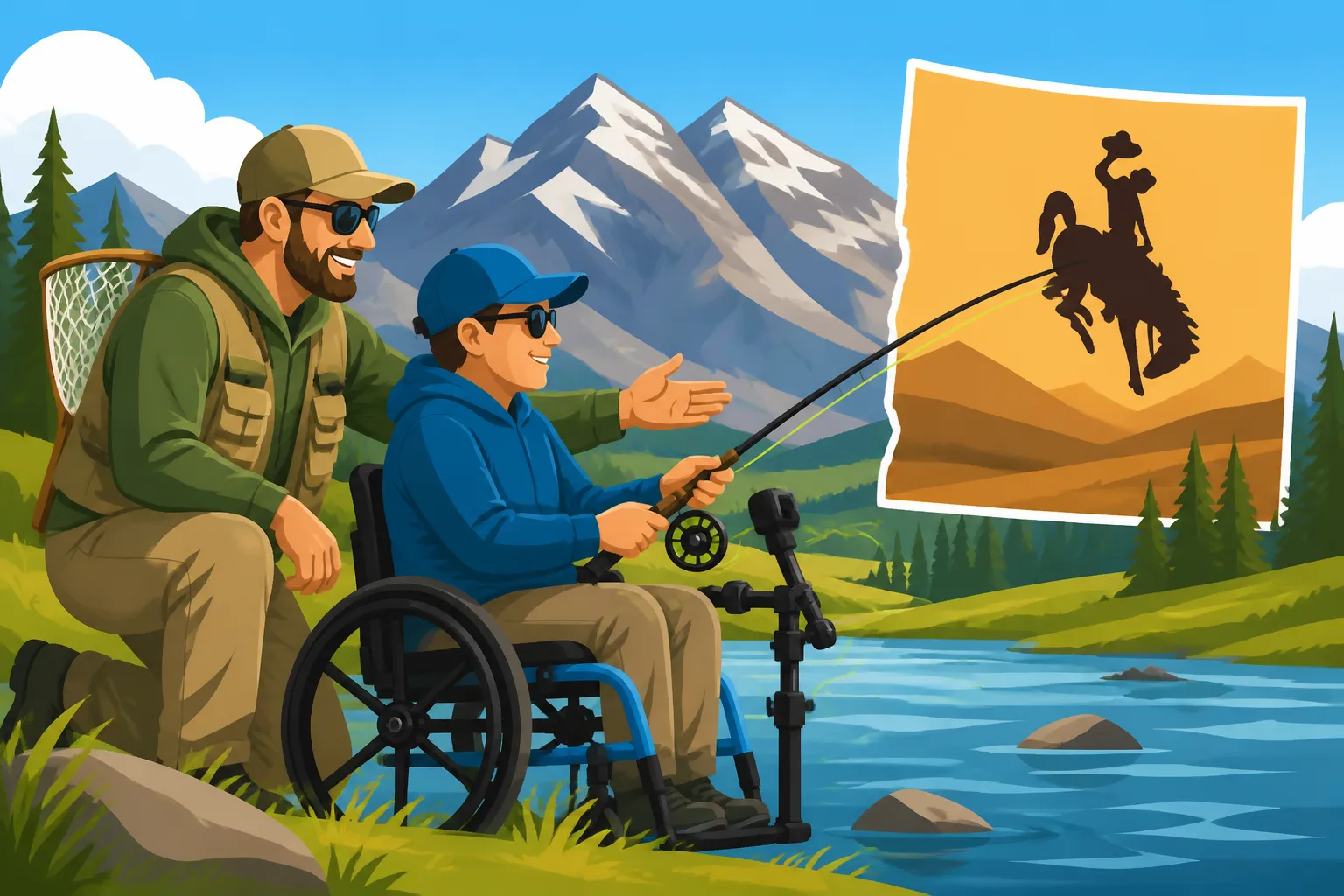
When we talk about adaptive fishing equipment, it's not a single item, but a range of tools and modifications designed to empower anglers. This could include specialized rod holders that attach to wheelchairs or vests, allowing hands-free support. It might involve casting aids that assist with launching a lure or fly, or even electric reels for those with limited arm strength. Adaptive seating might be crucial for comfort and stability in a boat or on a bank.
Beyond the gear itself, "adaptive" also extends to the techniques a guide uses. A guide might employ specific netting techniques to bring fish closer, or choose fishing spots where casts aren't long or complex. They might use specialized boats with wider entry points or stability features. It’s about tailoring the experience, not just handing over a different piece of gear. The goal is always to maximize participation and enjoyment, breaking down any physical barriers that might prevent someone from experiencing the thrill of a catch.
How Wyoming Guides Are Responding to Adaptive Needs
The good news is that the fishing community, including many guides in Wyoming, is becoming increasingly aware of the need for inclusive access. While not every guide advertises specific adaptive services, a growing number are willing to accommodate, and some are even specializing in this area. It often comes down to communication and finding the right fit.
Proactive Guides and Their Offerings
Some guides are truly going above and beyond. They might invest in specially adapted drift boats or pontoons that offer easier entry and more stable platforms. Some carry a range of specialized rod holders, casting aids, or even custom-built seating arrangements. These are the guides who often have personal experience with disability, or a deep passion for ensuring everyone can enjoy the sport they love. They might not explicitly list "adaptive equipment" on their website, but a direct conversation often reveals a wealth of willingness and innovative solutions.
For instance, a guide might have a boat that allows a wheelchair to roll directly on, or they might know specific sections of the North Platte River Fishing Guide that have firm, flat banks suitable for bank fishing with assistance. They understand that it's not just about the fishing; it's about the entire outdoor experience, from comfortable transportation to and from the water to appropriate breaks and easy access to facilities.
The Role of Customization and Communication
This is perhaps the most critical aspect of adaptive fishing in Wyoming. Because every angler's needs are unique, a cookie-cutter approach simply won't work. Successful adaptive trips are built on open, honest communication between the angler and the guide before the trip even begins. You, as the angler, are the expert on your own needs and limitations. The guide, on the other hand, is the expert on the water, the fish, and what's logistically possible.
When you're reaching out to potential guides (perhaps through a platform like FishingBooker, which allows you to filter and ask specific questions), be prepared to discuss:
- Your specific mobility needs: Do you use a wheelchair, crutches, or have limited walking endurance?
- Any physical limitations affecting casting, holding a rod, or sitting: Do you need assistance with fine motor skills or prolonged grip?
- Preferred fishing environment: Do you prefer bank fishing, a boat, or a pier?
- Any specific equipment you use or might need: Do you bring your own adaptive gear, or are you hoping the guide can provide some?
This upfront conversation ensures that both parties have realistic expectations and that the guide can properly prepare or inform you if they can't meet your needs. It's about collaboratively designing an experience that is both safe and immensely rewarding.
Finding Guides with Specific Adaptive Gear or Expertise
While it can take some digging, finding guides equipped for adaptive fishing is getting easier. Online platforms are great starting points. When you're browsing for a guide, for example on a site like FishingBooker, don't just look at the fish they target or the rivers they float. Look for sections on "amenities" or "special services." More importantly, don't hesitate to use their contact features to directly ask about accessibility and adaptive equipment. Some guides might not use the specific term "adaptive fishing," but they might describe their boat as "wheelchair-friendly" or mention "assistance for guests with mobility challenges."
It's also a good idea to seek out recommendations from disability advocacy groups or specialized outdoor recreation organizations. They often have networks of guides who have demonstrated a commitment to inclusive angling. Remember, sometimes the "adaptive equipment" is simply a guide's innovative mindset and willingness to go the extra mile to customize the experience. When considering How to Choose a Wyoming Fishing Guide, prioritizing their willingness to communicate about your specific needs is paramount.
| Aspect of Adaptive Need | Key Questions to Ask a Potential Guide | Why It Matters |
|---|---|---|
| Mobility/Access | "What kind of boat do you use? Is it easy to get in and out of? Do you have ramps or specialized entry points?" | Determines if you can physically get into the vessel or reach the fishing platform. |
| "Can you access bank fishing spots with firm, level ground or a paved path? Are there any accessible fishing piers you frequent?" | Many prime spots require navigating uneven terrain; knowing accessible alternatives is crucial. | |
| "How far is the walk from parking to the water? Is it on a paved, gravel, or dirt path?" | Helps assess energy expenditure and feasibility for those with limited walking endurance or using mobility aids. | |
| Casting/Rod Control | "Do you have any rod holders that can attach to a chair or a vest? Do you have electric reels or casting aids?" | Essential for anglers with limited hand strength, grip issues, or who require hands-free support. |
| "Are you experienced in assisting with casting or baiting hooks for anglers with dexterity challenges?" | Direct assistance can make the difference between participation and frustration. | |
| Comfort/Duration | "Do you have stable, comfortable seating options in your boat or at your preferred bank spots? Can seating be customized?" | Long hours on the water or bank require proper support to prevent pain or fatigue. |
| "What is your approach to breaks, bathroom stops, and adjusting the trip pace to individual needs?" | Flexibility and understanding are vital for managing energy levels and personal care throughout the day. | |
| Guide Experience | "Have you guided anglers with similar physical needs before? What was their experience like?" | Past experience often indicates a guide's comfort level, problem-solving skills, and empathy. |
| "Are you familiar with any local organizations or resources that support adaptive outdoor recreation?" | Demonstrates a broader understanding and commitment to inclusive practices. |
Beyond Equipment: Comprehensive Accessibility for Anglers
Adaptive fishing is truly more than just a piece of gear; it’s about the entire journey. From getting to the water to the guide’s attitude, every element contributes to a truly accessible and enjoyable experience. This broader view of accessibility is what truly sets exceptional adaptive guides apart.
Accessible Water Access and Transportation
Even the best adaptive equipment is useless if you can't get to the water. This is where a guide's knowledge of accessible locations becomes invaluable. Some guides have customized vehicles that can transport wheelchairs or provide easier transfers. Others might exclusively fish waters with paved access points or accessible fishing piers. The Best Fishing Spots With Wheelchair-Accessible Piers in Wyoming list might highlight public areas, but a guide can pinpoint exact spots and provide the necessary transportation logistics.
Consider a situation where a guide knows of a particular boat launch that features a very gradual slope and a stable surface, making it easier for someone using a walker to get into a boat. Or maybe they know a reservoir shore that is naturally flat and grassy, allowing a portable chair to be set up right at the water's edge, avoiding rocky scrambles. These are the kinds of details that turn a theoretical "accessible" trip into a practical, joyful reality. It often involves more than just pulling up to a general access point; it's about scouting and knowing the exact conditions.
Guide Training and Empathy
A guide might have all the right equipment, but without empathy and understanding, the experience can still fall short. A truly adaptive guide is not just skilled at fishing; they are patient, observant, and respectful. They understand that some days might require more breaks, different approaches, or just a slower pace. They are proactive in asking about needs, rather than waiting for problems to arise.
This often comes down to experience and personal disposition. A guide who has worked with diverse populations, or perhaps has a family member with a disability, might naturally possess a greater degree of understanding and compassion. They know how to communicate effectively, how to offer help without being condescending, and how to empower the angler to do as much as they are comfortable doing. When you're talking to potential guides, listen for their tone, their willingness to engage in a detailed conversation, and any indications of their experience with different client needs. It’s part of Hiring a Fishing Guide in Wyoming to find someone who aligns with your personal needs and fishing style.
Organizations Supporting Adaptive Fishing in Wyoming
While individual guides are a fantastic resource, there are also dedicated organizations that focus on adaptive outdoor recreation, sometimes specifically including fishing. These groups often work to:
- Provide adaptive equipment: They may have gear available for loan or rent that individuals or even guides can utilize.
- Organize adaptive fishing events: These events bring together experienced volunteers and guides to facilitate group fishing excursions.
- Offer training: Some organizations provide training to guides and volunteers on best practices for adaptive outdoor activities.
- Advocate for accessible infrastructure: They work with state agencies to improve access at public fishing locations.
Looking into groups like Project Healing Waters Fly Fishing, which supports disabled veterans, or local chapters of national adaptive recreation organizations, can connect you with a community and resources that extend beyond a single guide service. These networks are invaluable for finding both information and opportunities.
Planning Your Adaptive Fishing Trip to Wyoming
Planning an adaptive fishing trip to Wyoming requires a bit more forethought than a typical outing, but the rewards are absolutely worth it. With careful preparation and open communication, you can create a memorable experience on the water.
Key Questions to Ask Potential Guides
Beyond asking about specific equipment, there are other crucial questions to put to any guide you're considering. This helps paint a complete picture of what your day on the water will look like. Don't be shy; your comfort and safety depend on it!
- "What's your typical itinerary for a full-day trip, and how flexible are you with that?" Knowing their usual pace can help you gauge if it matches your needs.
- "What kind of facilities are available at the access points you use – restrooms, shaded areas, places to rest?" This is often overlooked but critical for comfort throughout the day.
- "What is your plan in case of an emergency, and are you trained in first aid or specific assistance techniques?" Safety is paramount.
- "Can I bring my own adaptive equipment, and if so, can you accommodate it in your boat or vehicle?" Sometimes your personal gear is the most comfortable and effective.
- "Do you provide lunch, and can you accommodate dietary restrictions or specific needs for eating/drinking?" Another practical consideration for a full day out.
- "What is the cost of a trip, and are there any additional fees for adaptive equipment or extra assistance?" Be clear about all financial aspects upfront.
Asking these types of questions upfront, whether through direct calls or by messaging guides on platforms like FishingBooker, will help you manage expectations and ensure a smooth, enjoyable trip. You'll also want to understand What to Bring on a Guided Wyoming Fishing Trip and discuss how your needs might affect that packing list.
Researching Accessible Fishing Spots
While a guide can certainly point you to the best accessible waters, doing a bit of your own research beforehand can empower you and broaden your options. The Wyoming Game and Fish Department website is an excellent starting point, as they often list accessible fishing piers or specific lake access points that are ADA-compliant. Look for state parks, county parks, and even some city parks that may have developed accessible features.
For example, places like Glendo State Park or Boysen State Park often have developed facilities that include accessible fishing opportunities. These might not be the remote wilderness experiences you dream of, but they can offer fantastic fishing in a comfortable setting. If you're looking into specific areas, research fishing reports for Fishing Spots Near Casper or Fishing Spots Near Laramie, Wyoming and then cross-reference those with accessibility information. Sometimes, simply knowing the general topography of a lake shore or river section can give you clues about potential ease of access.
Setting Realistic Expectations and Enjoying the Experience
Finally, it’s important to set realistic expectations. Wyoming is wild and beautiful, and while many guides are incredibly accommodating, some limitations are simply part of the natural environment. You might not be able to access every single remote hole on a river, but a good adaptive guide will help you find incredible opportunities within your comfort and safety parameters.
The goal isn't necessarily to conquer the most challenging water, but to connect with nature, enjoy the peace of the outdoors, and experience the joy of catching fish. Focus on the adventure, the learning, and the incredible feeling of being out on Wyoming's waters. With the right guide and a positive attitude, your adaptive fishing trip can be an unforgettable journey, proving that the call of the wild is truly for everyone.
Disclaimer
This article is for general informational purposes only and does not constitute professional advice. Laws, prices and regulations vary by location and change over time. Consult a qualified professional for guidance on your specific situation.