Tipping Etiquette for Wyoming Fishing Guides
You've booked your dream fishing trip to Wyoming, maybe a float down the North Platte or a wade through a high mountain stream, and you're all set with your gear and license. But as the trip winds down, a familiar question often pops into mind, causing a subtle ripple of anxiety: "How much should I tip my fishing guide?" It's a common, unspoken dilemma, and frankly, it can feel a bit awkward. This guide is here to clear the waters, offering realistic, empathetic advice on tipping etiquette for Wyoming fishing guides, ensuring both you and your guide feel respected and appreciated.
Why Tipping Your Wyoming Fishing Guide Is So Important
Let's be real, the idea of tipping can sometimes feel like an extra, unexpected expense after you’ve already paid for a trip that wasn't exactly cheap. But for professional fishing guides in Wyoming, especially those working the long seasons on the Snake River or guiding intrepid anglers to Wyoming's High-Alpine Lakes Worth the Hike, tips are much more than just a bonus; they are a substantial, often vital, part of their livelihood. Understanding this fundamental truth can change your perspective on tipping from an obligation to a genuine act of appreciation.
The Guide's Investment in Your Experience
Think about everything that goes into your guided fishing trip, long before you even cast your first line. Your guide isn't just showing up at the boat ramp five minutes before you do. They’ve likely spent hours, if not days, scouting water conditions, checking bug hatches, monitoring weather patterns, and maintaining their boat, vehicle, and all the gear needed for a successful outing. This could mean tying dozens of flies the night before, repairing a broken reel, or even making sure they have the right snacks and drinks to keep you comfortable.
Beyond the physical preparation, a good guide invests their vast knowledge and experience into every trip. They know the subtle nuances of Reading Riffles and Runs on Wyoming Trout Streams, where the fish are holding during different flows, and how to adapt on the fly when conditions change unexpectedly, which, let's face it, happens all the time in Wyoming's unpredictable weather. Their ability to consistently put you on fish, or at least in the best possible position to catch them, is a skill honed over years of dedication. It’s their passion, yes, but it’s also their profession, and their income depends significantly on satisfied clients recognizing that expertise and effort.
Beyond the Paycheck: Guides Rely on Tips
While outfitters set the base rates for trips, those rates often cover operating costs, insurance, permits, and a modest wage for the guide. The "profit" for the guide, the part that allows them to make a decent living, save for off-season, and continually upgrade their equipment, largely comes from gratuities. Imagine working a long, physically demanding day, often in challenging conditions, where your focus is entirely on someone else's enjoyment and success. You're teaching, entertaining, rowing, netting fish, untangling lines, and perhaps even playing amateur therapist when the bites are slow.
Without tips, many guides would struggle to make ends meet, especially given the seasonal nature of the work. This isn't just about charity; it's about acknowledging the value of a specialized service and the intense labor involved. A guide who feels genuinely appreciated is a guide who will continue to provide exceptional experiences, fostering a positive cycle that benefits everyone involved in the Wyoming fishing community.
General Guidelines for Tipping Your Fishing Guide
Now that we've established why tipping is crucial, let's get into the practical aspect: how much. This is where many anglers feel a bit lost, and understandably so. There isn't a universally agreed-upon, hard-and-fast rule, but there are definitely industry standards and best practices that can help you navigate this comfortably. Generally, a tip ranging from 15% to 25% of the trip's total cost is considered appropriate for a guided fishing trip in Wyoming.
The Standard Percentage Breakdown
For most guided trips, whether you're fly fishing the Miracle Mile or trolling for lake trout on Flaming Gorge, a 15-20% tip is a solid starting point for good service. If your guide went above and beyond, provided an absolutely unforgettable experience, or simply amazed you with their knowledge and effort, pushing that tip towards 25% or even a bit more is a wonderful gesture that will truly be appreciated.
Consider a hypothetical full-day float trip on the Green River. If the trip cost around what you might expect for a full day, say in the upper hundreds, a 15% tip would be a solid amount for a competent guide. If that guide not only put you on fish but also tied on flies constantly, provided fascinating insights into the local ecology, and made you feel like an old friend, that's where you'd lean into the 20-25% range. On the other hand, if the service was merely adequate, perhaps due to a lack of effort or enthusiasm, a 10-15% tip might be more fitting. It's rare to tip less than 10% unless the service was genuinely poor or unsafe, and in such cases, it's often better to address your concerns directly with the outfitter.
Table of Example Tipping Amounts
To give you a clearer picture, here's a simple table demonstrating typical tip ranges based on different trip costs. Remember, these are just examples, and your personal experience should always be the ultimate determining factor.
| Trip Cost (Example) | 15% Tip (Standard) | 20% Tip (Great Service) | 25% Tip (Exceptional Service) |
|---|---|---|---|
| $400 (Half-day) | $60 | $80 | $100 |
| $600 (Full-day) | $90 | $120 | $150 |
| $800 (Full-day, specialty) | $120 | $160 | $200 |
| $1200 (Multi-angler full-day) | $180 | $240 | $300 |
This table provides a tangible framework, but it's important to keep the human element in mind. Every guide and every trip is unique. This financial gesture is a way to say "thank you" for the effort, knowledge, and experience shared.
Factors That Influence Your Tip Amount
Deciding on the exact amount can still feel like an art form, especially when you're trying to weigh various elements of your trip. Beyond the general percentages, several specific factors should play into your final decision. These aren't just about catching fish, but about the overall quality of your experience.
Guide's Performance and Professionalism
This is often the biggest factor in most people's minds. Did your guide work hard for you? Were they knowledgeable about the local waters, the fish species, and the techniques needed? For instance, if you were Fly Fishing Techniques for Wyoming Trout Streams, did they patiently teach you new casting methods or help you Match the Hatch on Wyoming Rivers? A guide who is enthusiastic, patient, and genuinely passionate about sharing their knowledge deserves to be recognized. Even on a slow fishing day, a guide who keeps spirits high, offers encouragement, and constantly tries different spots or techniques is demonstrating exceptional effort.
Professionalism also extends to safety, punctuality, and communication. Did they arrive on time? Was their boat and equipment well-maintained and safe? Did they clearly communicate expectations and safety protocols? A truly professional guide will prioritize your safety and enjoyment above all else, ensuring you have a seamless experience from start to finish. Think about the guides you might find through platforms like FishingBooker – the best ones consistently get high ratings not just for catching fish, but for their outstanding service and professionalism.
Trip Type, Duration, and Inclusions
The nature of your trip can also influence your tipping decision. A Half-Day vs Full-Day Float Trips on Wyoming's Snake River will naturally have different cost bases and therefore different tip ranges. A full-day trip usually involves more gear, more planning, and more hours of the guide's time. If you're on a multi-day trip, such as an Overnight Pack Trips for Backcountry Fishing, the cumulative effort from your guide is significantly higher, often warranting a higher overall gratuity.
Consider what was included in your trip package. Did the guide provide all the necessary fishing gear, waders, flies, and bait? Did they prepare a delicious streamside lunch, complete with drinks and snacks? While these are often factored into the trip's base cost, a guide who goes above and beyond with these inclusions, or provides particularly high-quality items, is adding extra value that you might consider rewarding. For example, some guided trips explicitly state that Does a Guided Trip Include Gear and Waders? or Does a Snake River Float Trip Include Lunch?, so knowing this beforehand helps you appreciate the extent of their service.
Fishing Conditions and Efforts
It's tempting to base your tip solely on the number of fish you caught, but this can be unfair. Fishing, by its very nature, is unpredictable. A great guide can't control the weather, the water levels during Fishing Wyoming During Spring Runoff, or whether the fish decide to bite on a particular day. What they can control is their effort and adaptability.
If your guide worked tirelessly, moving to different spots, trying various lures or fly patterns, and maintaining a positive attitude even when the bite was slow, that effort is absolutely tip-worthy. Conversely, if you had an incredibly successful day with lots of fish, it's often a testament to your guide's knowledge and skill in putting you in the right place at the right time. Acknowledging their effort, regardless of the ultimate outcome, is a mark of a thoughtful angler. Remember, you're tipping for the experience and the guide's performance, not just the fish in the net.
When and How to Present Your Tip
You've had a fantastic day, the lines are reeled in, and you're back on solid ground. Now comes the moment of truth: handing over the tip. Doing this gracefully and appropriately is just as important as the amount itself.
The Best Time and Place
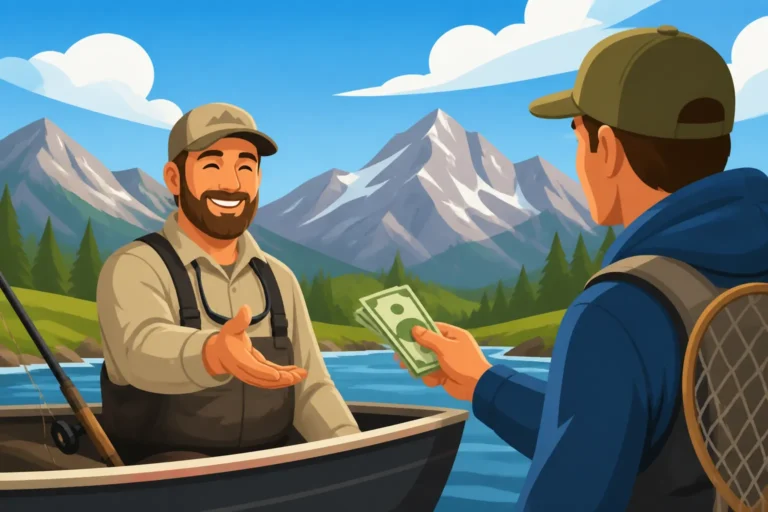
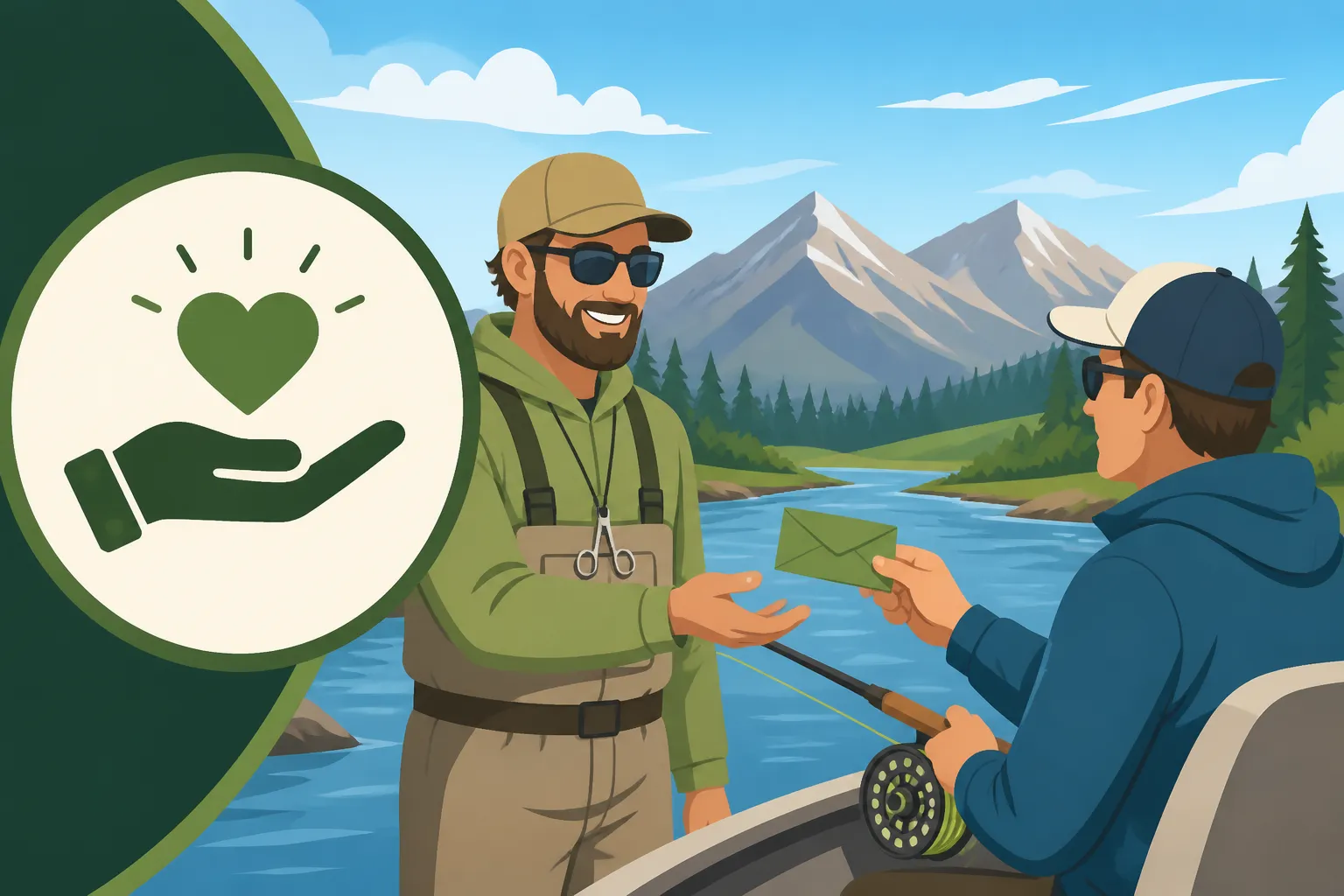
The ideal time to present your tip is at the very end of the trip, after all the gear has been stowed, you've said your goodbyes, and before you part ways. This usually happens at the boat ramp, the outfitter's shop, or wherever your guide drops you off. It's a private moment, a final exchange where you can express your gratitude directly.
Try to make the exchange discreet. While there's no need to hide it entirely, drawing a lot of attention to the transaction can sometimes make others uncomfortable, especially if you're with a group who may have different tipping plans. A simple "Thank you so much, I really appreciate your hard work" as you hand over the envelope or folded cash is perfect. It's a personal gesture between you and your guide, acknowledging their individual effort.
Cash Is King (and Why)
In almost all cases, cash is the preferred method for tipping. There are a few key reasons for this:
- Immediacy: Guides often rely on tips for their daily expenses or for taking home immediately after a long trip. Cash provides this instant access.
- No Fees: If you tip via credit card through an outfitter, the guide might not receive the full amount due to processing fees, or there might be a delay in them getting their portion.
- Simplicity: It’s straightforward and avoids any potential accounting headaches for the outfitter or the guide.
It’s always a good idea to bring enough cash for your tip, even if you paid for the trip with a card. Before your trip, if you're booking through an online service like FishingBooker or directly with an outfitter, you might see advice on preferred payment methods for tips. If you absolutely cannot provide cash, ask the outfitter if there's a way to add a tip to a credit card payment that ensures the guide receives the full amount promptly. Some outfitters have systems for this, but many do not.
Tipping for Multi-Angler Trips
If you're on a trip with multiple anglers (say, two or three friends in a drift boat), it's common practice to pool your tips. Decide beforehand on a collective amount that reflects everyone's satisfaction with the guide's service. One person can then present the total tip to the guide, making it a single, clear gesture from the group. This avoids awkward individual transactions and ensures a consistent message of appreciation.
Beyond the Cash: Other Ways to Show Appreciation
While cash tips are essential and always welcome, there are other meaningful ways you can show your appreciation to a great Wyoming fishing guide. These gestures can significantly boost a guide's reputation and business, often having a lasting positive impact.
Online Reviews and Testimonials
In today's digital age, online reviews are gold for guides and outfitters. Taking a few minutes to write a thoughtful, detailed review on platforms like Google, the outfitter's website, or even dedicated fishing sites like FishingBooker can make a huge difference. Mention specific positive aspects of your trip: the guide's patience, their knowledge of Where Browns Move Into the Miracle Mile in Fall, their ability to handle tough conditions, or how they went above and beyond.
A glowing review not only helps other anglers choose a reliable guide (like finding Best Guides for Teaching Beginners to Fly Fish), but it also serves as a public thank you that can lead to more bookings for your guide. This is especially true for independent guides who rely heavily on word-of-mouth and online reputation to sustain their business. It costs you nothing but a few minutes of your time, and it’s a powerful endorsement.
Referrals and Repeat Business
One of the highest compliments you can pay a guide is to refer them to your friends and family or to rebook a trip with them yourself. A personal referral is incredibly valuable, as it comes with an implicit trust factor. If you had a fantastic experience, don't keep it a secret! Share your guide's contact information or the outfitter's details with anyone you know who might be planning a fishing trip to Wyoming.
Booking another trip with the same guide sends a clear message that you value their service and want to continue that relationship. Many guides cherish repeat clients, as it builds a rapport and allows them to tailor future trips even more closely to your preferences and skill level. This long-term relationship is a testament to the guide's exceptional service and a stable source of income for them.
Small Gestures and Thoughtful Gifts
Sometimes, a small, non-monetary gesture can also leave a lasting impression. This could be as simple as offering to help clean the boat, helping with the shuttle if you've done a float, or sharing a fantastic photo you took of your guide helping you land a trophy fish.
Other thoughtful gifts might include:
- Coffee or Snacks: A thermos of good coffee on a chilly morning, or a bag of specialty snacks to share, can be a welcome treat.
- Fishing Gear: If you notice your guide admiring a new fly pattern you used, or expressing a need for a specific piece of gear, a small gift like a new fly box, a particular lure, or a useful tool can be a very personal and appreciated gesture. Of course, this requires knowing your guide's preferences, so it's best for repeat clients or if you've gotten to know them well.
- A Handwritten Thank You Note: In an increasingly digital world, a handwritten note expressing your appreciation can be incredibly impactful and memorable.
These gestures, combined with a generous cash tip, demonstrate a comprehensive appreciation for your guide's hard work and dedication, truly setting you apart as a thoughtful and respectful client.
Common Tipping Misconceptions and What to Avoid
Navigating the world of tipping can be tricky, and there are a few common misunderstandings that can inadvertently lead to an awkward situation or, worse, leave your guide feeling undervalued. Let's clarify some of these to ensure your Wyoming fishing trip concludes on the best possible note.
The "No Fish, No Tip" Mentality
This is perhaps the most common misconception and one that can be particularly disheartening for guides. As we discussed, fishing success is highly dependent on factors beyond a guide's control – weather, water conditions, fish activity, and even your own casting accuracy! A great guide will still work tirelessly, adapting strategies, changing locations, and providing an enjoyable experience, even on days when the fish are simply not cooperating.
Tipping should primarily reflect the guide's effort, professionalism, and the overall quality of the experience they provided, not just the quantity of fish caught. If your guide was knowledgeable, patient, and worked hard to try and find fish, they absolutely deserve a tip, even if the fish weren't biting. To penalize a guide for Mother Nature's mood swings is unfair and misunderstands the fundamental role of a professional fishing guide. It's about the journey, not just the destination (or the fish in the net!).
Assuming Outfitters Pay Guides Generously
While some high-end lodges and outfitters might pay their guides a decent base wage, it's a mistake to assume this is always the case. Many guides, especially those working for smaller operations or as independent contractors, rely heavily on tips to supplement their income and make a living. The fees you pay for your trip primarily cover the outfitter's operational costs, permits, insurance, and overhead. The portion that goes directly to the guide for their time and expertise is often modest.
This is why the tipping culture exists in the guiding industry. It's a direct way for clients to acknowledge the guide's personal contribution to their experience. Never assume that your guide is already well-compensated enough that a tip isn't necessary. It almost always is. If you're curious about a guide's compensation structure, a reputable outfitter will often be transparent about how tips are handled and their importance to their guides.
Forgetting or Not Having Cash Readily Available
This is a simple oversight that can cause significant awkwardness. As mentioned, cash is preferred for tipping. Arriving at the end of a long day only to realize you don't have enough cash, or worse, none at all, puts both you and your guide in an uncomfortable position. It can feel like an afterthought, or that you didn't value their service enough to prepare.
Plan ahead. Before your trip, make a stop at an ATM or bank to get the cash you anticipate needing for your tip. Keep it separate from your main wallet so it's easy to access at the end of the day. If you're splitting the cost and tip with friends, confirm who is bringing the cash. Being prepared shows respect and ensures a smooth, positive conclusion to your adventure. Guides often appreciate seeing the effort in your preparation, just as they put effort into theirs. What to Bring on a Guided Wyoming Fishing Trip should definitely include cash for a tip!
Disclaimer
This article is for general informational purposes only and does not constitute professional advice. Laws, prices and regulations vary by location and change over time. Consult a qualified professional for guidance on your specific situation.