Best Guides for Teaching Beginners to Fly Fish
Embarking on your first fly fishing adventure in Wyoming can feel like trying to learn to juggle while riding a unicycle. The majestic rivers and pristine lakes are calling, but the sheer volume of specialized gear, intricate casting techniques, and local nuances can quickly become overwhelming, turning a dream trip into a daunting task. This guide is here to untangle that line, offering a comprehensive look at how to find and make the most of the best guides for teaching beginners to fly fish in the Cowboy State, ensuring your introduction to this incredible sport is enjoyable and successful.
Why a Guide is Essential for First-Time Fly Fishers in Wyoming
Imagine standing on the bank of the North Platte, rod in hand, surrounded by the stunning Wyoming landscape. It's exhilarating, but also a bit humbling. You might have watched a dozen YouTube videos, but there’s nothing quite like having a seasoned expert by your side to translate the theory into practice. For beginners, a guide isn't just a luxury; it's often the key to unlocking the magic of fly fishing without getting tangled in frustration.
Navigating Complex Wyoming Waters
Wyoming's rivers and lakes are legendary for good reason. They hold incredible fish, but they also present unique challenges. A beginner might look at a stretch of river and see nothing but moving water, wondering where to even start. That's where a guide truly shines. They've spent countless hours on these waters and understand their personality, from the subtle currents to the hidden holding lies where fish stack up.
They know which seams are most likely to produce a strike, where an undercut bank might be sheltering a trophy brown trout, or which riffle is safe to wade. This local knowledge is invaluable. Instead of spending your precious fishing time blindly casting into unproductive water, a guide will put you in the best position to succeed, maximizing your chances of hooking up while also teaching you how to "read the water" yourself for future solo adventures. It's like having a cheat sheet for the river, giving you a head start you simply can't get from a map or a book.
Mastering the Fundamentals Without Frustration
Fly fishing involves a set of specific skills that take time and practice to develop. Casting, mending line, choosing the right fly, and setting the hook all require coordination and a nuanced understanding that can be difficult to grasp on your own. Trying to learn from scratch can lead to a lot of tangled lines, missed opportunities, and ultimately, discouragement. A good guide breaks down these complex actions into manageable steps.
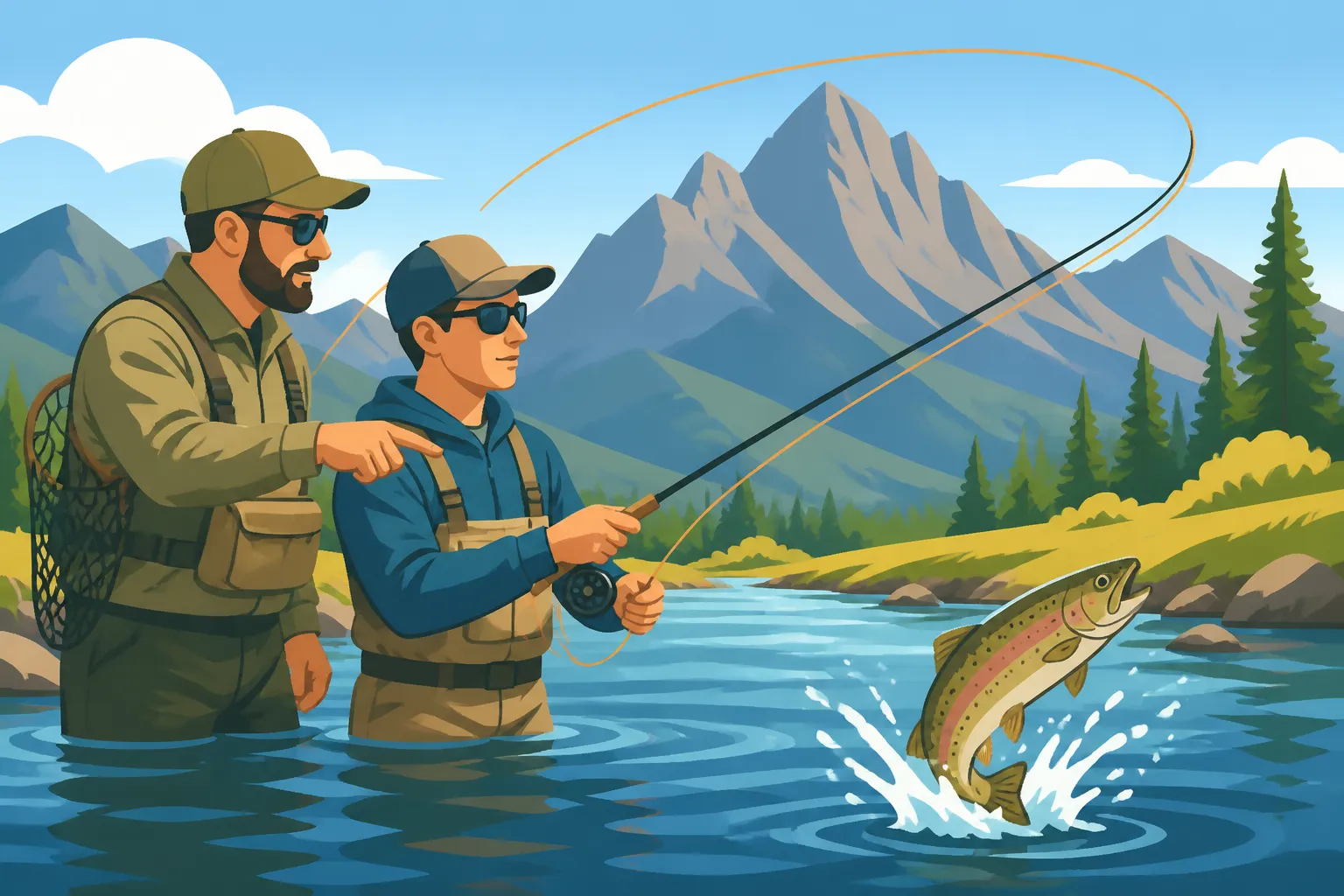
They'll work with you on your casting stroke, adjusting your grip, timing, and power until the line rolls out smoothly. They'll show you how to tie essential knots, explain the difference between a dry fly and a nymph, and teach you how to detect a subtle take that you might otherwise miss. This personalized, hands-on instruction is crucial. They can diagnose your specific challenges in real-time, offering immediate feedback and corrections that accelerate your learning curve exponentially. Without a guide, many beginners struggle for years to develop good habits, but with one, you can build a solid foundation in just a day or two.
Understanding Wyoming's Unique Regulations and Ethics
Beyond the casting and the fish, fly fishing in Wyoming comes with its own set of rules and unwritten ethics. Bag and possession limits vary dramatically by water body and species, and specific regulations like mandatory barbless hooks or catch-and-release only sections are common. It's easy for a newcomer to inadvertently violate a rule, leading to potential fines or harm to the fishery.
A guide ensures you're fishing legally and responsibly. They're up-to-date on all the current Wyoming Fishing Regulations Every Angler Should Know, including nuances like Barbless Hook Requirements on the North Platte River or specific trout limits on certain streams. More importantly, they teach proper angling etiquette, emphasizing Catch-and-Release Best Practices for Trout to protect Wyoming's precious fish populations. This includes how to properly handle a fish for a quick release, minimizing stress and injury. Learning these ethical considerations from day one fosters a deeper respect for the environment and the sport, making you a more responsible and conscientious angler in the long run.
What to Look for in a Beginner-Friendly Fly Fishing Guide
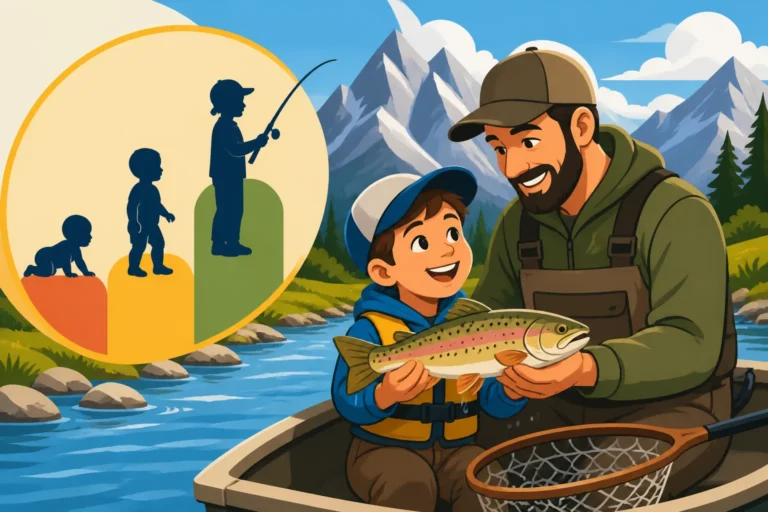
Not all guides are created equal, especially when it comes to teaching beginners. Some guides specialize in chasing trophy fish with experienced anglers, while others truly excel at introducing newcomers to the sport. When you're just starting, you need someone who understands your needs, can communicate clearly, and is patient enough to walk you through every step.
Patience and Teaching Style
The single most important quality for a beginner fly fishing guide is patience. Learning to cast, tie knots, and read water takes time, and there will inevitably be moments of frustration. A great beginner guide won't get exasperated when your line tangles for the tenth time or you miss a strike. Instead, they'll offer calm encouragement, break down the problem, and provide clear, constructive feedback.
Look for a guide whose teaching style is adaptive and encouraging. Do they explain concepts in multiple ways until it clicks? Are they good at demonstrating techniques slowly and clearly? You want someone who genuinely enjoys teaching and seeing their clients have those "aha!" moments, rather than just hurrying to the next fish. Reading reviews and asking about a guide's experience with novice anglers can give you a good sense of their temperament and instructional approach. A good instructor will build your confidence, not break it down.
Expertise in Local Beginner Waters
While Wyoming has countless incredible fishing spots, not all of them are ideal for a first-timer. Fast, technical rivers with heavy currents or waters known for incredibly spooky fish can be overwhelming. A guide specializing in beginners should know specific local waters that offer a better learning environment. These might include slower-moving sections of rivers, smaller creeks, or even designated "kids' fishing ponds" that are regularly stocked and have easier access.
These beginner-friendly spots typically have a higher density of fish, making it more likely you'll get some action and practice setting the hook. They might also feature more open areas for casting practice, reducing the chances of getting hung up in trees. A guide who targets these types of waters understands that the goal for a beginner isn't necessarily to land the biggest fish on the toughest water, but to gain confidence, learn fundamental skills, and most importantly, have fun. You might find guides near places like Best Fishing Spots Near Casper or Fishing Lakes Near Lander, Wyoming that cater well to this.
Gear and Instruction Provided
One of the biggest hurdles for new fly fishers is the initial investment in gear. Rods, reels, lines, waders, boots, flies – it adds up quickly. A beginner-friendly guide should absolutely provide all the necessary fishing equipment for the day. This typically includes a high-quality fly rod and reel outfit appropriate for Wyoming's trout, waders and boots in your size, and a selection of local flies.
Beyond just handing you the gear, they should also instruct you on its proper use and care. They'll explain why they've chosen a particular fly pattern for the conditions, how to safely wade, and how to properly handle the rod and reel. This means you don't have to buy expensive equipment before you even know if you'll love the sport, and you get to learn on gear that's well-maintained and suitable for the conditions. When booking, always confirm what gear is included in the trip price, as this can vary between outfits. For example, some guides might include Best Fly Rod Weight for Wyoming Trout Streams specific to the target fish.
| Feature | Beginner-Friendly Guide | Experienced Angler Guide |
|---|---|---|
| Primary Focus | Teaching fundamentals, building confidence, fun | Chasing trophy fish, advanced techniques, specific species |
| Patience Level | Very high, encouraging, breaks down complex skills | Moderate, expects some existing skill, less fundamental instruction |
| Water Choice | Easier access, less technical, higher fish density | Challenging water, specific hatches, remote locations |
| Gear Provided | Full setup (rod, reel, waders, flies) included | May provide flies/leader, expects client to have own gear |
| Instruction | Hands-on, step-by-step, real-time correction | Advanced tips, strategic advice, less basic instruction |
| Expectation | Learning, enjoying the process, catching a few fish | Landing specific species, large fish, mastering new areas |
Preparing for Your First Guided Fly Fishing Trip
You've found your guide, you're excited, and maybe a little nervous. That's totally normal! A little preparation can go a long way in ensuring your first guided fly fishing trip in Wyoming is a positive and memorable experience. It's about setting yourself up for success both mentally and practically.
Mental Preparation and Realistic Expectations
The most important thing to bring on your first fly fishing trip is an open mind and a willingness to learn. Fly fishing has a learning curve, and you won't be a master by the end of your first day. Expect to make mistakes – tangles, missed casts, lost fish are all part of the process, even for seasoned anglers. Your guide is there to help you through these moments, not judge them.
Focus on absorbing the information, practicing the techniques, and enjoying the beautiful surroundings. Don't put immense pressure on yourself to catch a trophy fish, or even a specific number of fish. While catching is certainly fun, the true joy of fly fishing often lies in the connection to nature, the challenge of the cast, and the serene experience of being on the water. If you go in with the mindset that it's a learning adventure, you'll come away with much more than just fish stories. Your guide's primary goal for you will be to teach you Best Beginner Technique for Catching Your First Trout, not necessarily to break records.
What to Bring (Beyond What the Guide Provides)
While your guide will supply the core fishing gear, there are several essential items you should bring to ensure your comfort and safety on the water. Think in layers, as Wyoming weather can change rapidly. Start with moisture-wicking base layers, add a fleece or wool mid-layer, and top it with a waterproof and windproof jacket. Even on sunny days, sunglasses are crucial for eye protection (from stray hooks and UV rays) and for seeing fish in the water. A wide-brimmed hat offers sun protection for your face and neck.
Don't forget high-SPF sunscreen and lip balm, as reflection off the water intensifies the sun's rays. Bring plenty of water to stay hydrated, and pack some snacks to keep your energy up throughout the day. A small backpack or dry bag is useful for carrying these items. Crucially, make sure you have your valid Wyoming Fishing License Guide for Nonresidents (or resident license) and a Wyoming Conservation Stamp Cost in your possession. Many guides will also appreciate you carrying cash for a tip at the end of the day if you had a great experience. For more detail, check out What to Wear on a Wyoming Guided Fishing Trip.
Asking the Right Questions Before You Book
Before you commit to a guide, take the time to ask specific questions. This helps manage expectations and ensures you're booking with someone who aligns with your learning goals. A simple phone call can clarify a lot. You might ask:
- "How much experience do you have teaching complete beginners?"
- "What kind of waters do you typically take first-time fly fishers to?"
- "What exactly is included in the price? (e.g., all gear, flies, lunch, beverages)"
- "What is your teaching philosophy for new anglers?"
- "What's the maximum number of people per guide, and what's the typical ratio for beginners?"
- "Can you accommodate specific physical needs or preferences?"
Many guides and outfitters are listed on platforms like FishingBooker, which often allows you to see their specialties, read reviews from other clients, and get a sense of their style before reaching out directly. Don't hesitate to mention you're a beginner when booking through FishingBooker or directly with the outfitter. Being upfront about your skill level ensures the guide comes prepared to teach you effectively. Knowing these details ahead of time, as outlined in Questions to Ask Before Booking a Wyoming Fishing Guide, will set you up for a smoother, more enjoyable day on the water.
Common Beginner Mistakes a Guide Can Help You Avoid
Every fly fisher, regardless of their skill level, has made their share of mistakes. It's part of the journey! But for beginners, these common pitfalls can be particularly frustrating and lead to a quicker loss of interest. A good guide anticipates these challenges and provides immediate solutions and corrections, turning potential frustration into valuable learning moments.
The Over-Casting Syndrome
It's a common misconception among new fly fishers that casting a long line equals more fish. In reality, beginners often try to cast too far, too hard, and too quickly. This usually results in a messy pile of line, a tangled leader, and a frustrated angler. The "over-casting syndrome" prevents proper line presentation, scares fish, and makes accurate casting nearly impossible.
A guide will help you understand that accuracy and delicate presentation often trump distance, especially on Wyoming's trout streams. They'll teach you to focus on getting just enough line out to reach the target, emphasizing a smooth, controlled stroke rather than brute force. They'll demonstrate how to form tight loops, which are essential for presenting a fly gently and accurately. This fundamental shift in approach, from trying to "hurl" the line to "painting" it onto the water, is a game-changer for new fly fishers, dramatically improving their effectiveness and enjoyment. It's about Fly Fishing Techniques for Wyoming Trout Streams being more finesse than power.
Poor Fly Selection and Presentation
Imagine a trout looking for a meal. It's keyed into specific insects or baitfish that are present in the water. If you throw a fly that looks completely alien or drifts unnaturally, that fish is likely to ignore it. Beginners often struggle with choosing the right fly from a vast array of options and then presenting it in a way that looks realistic. This can lead to hours of casting without a single bite, which is incredibly disheartening.
Your guide will demystify fly selection, explaining the basics of "matching the hatch" – choosing a fly that imitates the insects currently available to the fish. They'll show you how to identify common aquatic insects and terrestrial bugs, and which fly patterns best mimic them. More importantly, they'll teach you how to present that fly so it drifts naturally, without any drag from the fly line. This "drag-free drift" is paramount in tricking wary trout. With a guide's expertise, you'll learn to make subtle mends and adjustments, ensuring your fly looks like a real meal, not a fly tied to a string. This skill is critical, and a guide is the best way to grasp it.
Missing the Subtle Bites
Trout don't always hit a fly like a freight train. Especially in clear, cold Wyoming waters, strikes can be incredibly subtle – a slight hesitation in the drift, a barely perceptible twitch of the indicator, or just a momentary flash of color under the water. Beginners often miss these delicate takes, thinking their fly just snagged on the bottom or the current changed. This means countless missed fish and a feeling of frustration.
A guide has an experienced eye for these nuances. They'll teach you how to set up your strike indicator correctly, how to watch your line for any unnatural movement, and even how to feel for a subtle take through the rod. They'll patiently explain when and how to set the hook with a gentle upward motion, rather than a hard, sweeping pull that often results in breaking off the fish or pulling the fly out of its mouth. Learning to "read" the water and detect these subtle bites is one of the most rewarding skills in fly fishing, and having an expert point them out in real-time is the fastest way to develop this crucial instinct.
Disclaimer
This article is for general informational purposes only and does not constitute professional advice. Laws, prices and regulations vary by location and change over time. Consult a qualified professional for guidance on your specific situation.