Where Bait Fishing Is Restricted in Wyoming
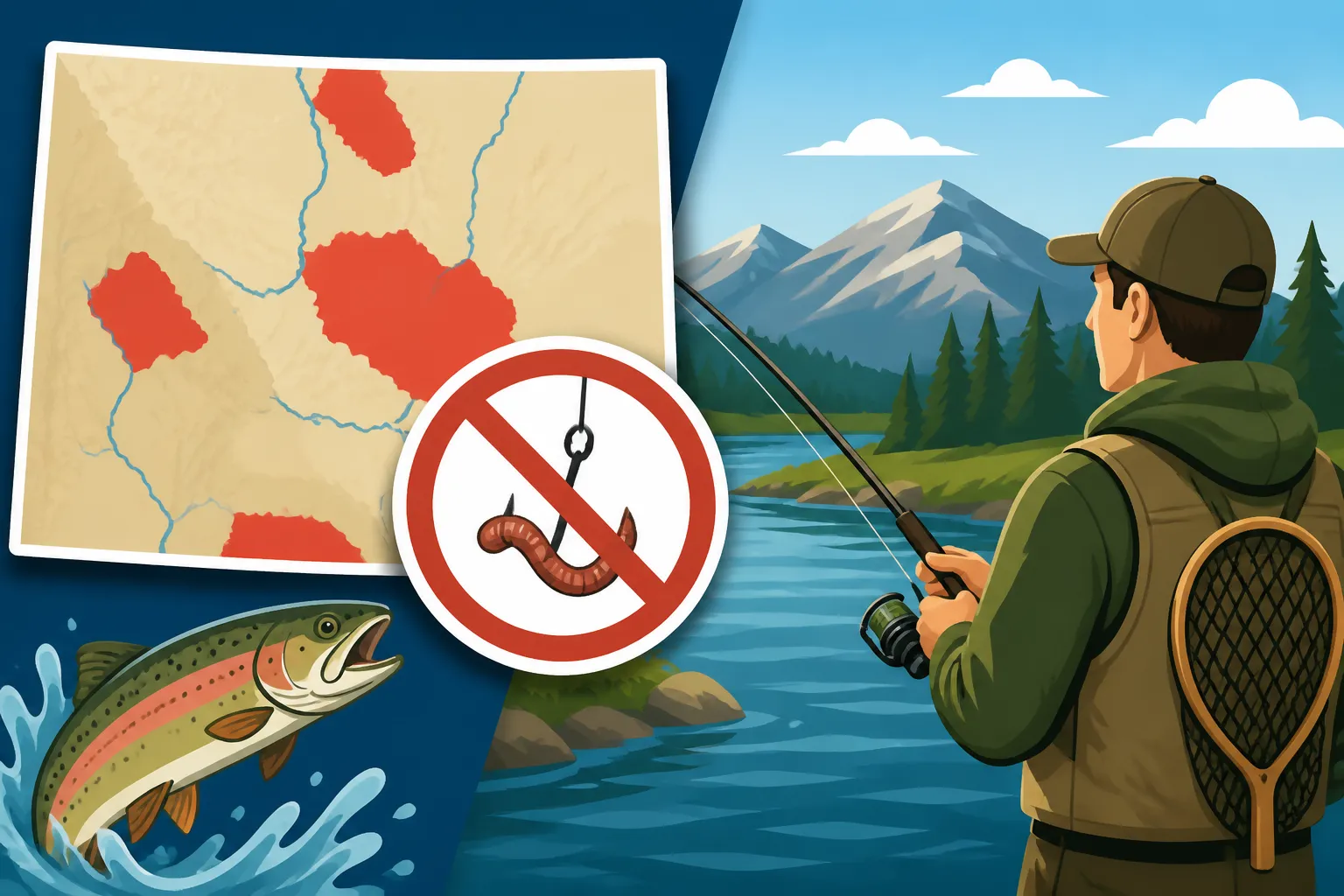
Few things are more frustrating for an angler than arriving at a beautiful Wyoming fishing spot, only to discover the bait you painstakingly prepared, or even just your trusty worms, are completely illegal for that particular stretch of water. It's a common scenario, especially for those who've fished in other states with more lenient regulations. Wyoming prides itself on its diverse and often delicate fisheries, and that means rules, particularly around bait, can vary wildly from one river bend to the next. This comprehensive guide is here to untangle the complexities, showing you exactly where bait fishing is restricted in Wyoming and, more importantly, why.
The General Rules of Engagement and Where Things Get Tricky
Wyoming's vast landscapes offer an incredible array of fishing opportunities, from massive reservoirs to tiny, secluded mountain streams. When it comes to bait, the initial thought might be that anything goes, but that's far from the truth. While many waters permit the use of various baits, there are significant and critical exceptions designed to protect the state's precious aquatic resources.
Statewide Allowance vs. Specific Restrictions
Generally speaking, if a body of water doesn't have a specific regulation listed against bait, you're usually in the clear to use common baits like worms, PowerBait, or even dead minnows (though live minnows have their own host of issues we'll get into). This "default" allowance is what often lulls anglers into a false sense of security. The challenge, and where most people run into trouble, lies in the specific restrictions that apply to individual rivers, lakes, or even sections of a larger body of water. These aren't always immediately obvious and require a bit of homework before you cast your line.
It's crucial to remember that what might be perfectly legal on one side of a bridge could be strictly prohibited on the other. This hyper-local approach to regulations is a cornerstone of Wyoming's fishery management, aiming to tailor rules to the unique needs of each specific ecosystem and fish population. It's less about making things complicated and more about targeted conservation.
Why Bait Restrictions Exist
These restrictions aren't put in place just to annoy anglers; they serve several vital purposes aimed at preserving Wyoming's fisheries for generations to come. One of the primary reasons is the protection of native species, particularly various subspecies of cutthroat trout. These fish are often susceptible to competition or hybridization with introduced species, and regulating bait helps manage their delicate habitats.
Another significant factor is the prevention of Aquatic Invasive Species (AIS). Live bait, especially live minnows or other fish, can inadvertently introduce non-native species or diseases into pristine waters, leading to devastating impacts on native fish populations and aquatic ecosystems. The state takes AIS prevention very seriously, and bait regulations are a key component of that effort.
Finally, some restrictions are about maintaining high-quality fisheries in popular areas, especially those known for trophy trout. Waters designated as "fly-fishing only" or "artificial lures only" often aim to reduce mortality rates from deep-hooking, promote catch-and-release practices, and provide a more challenging, rewarding experience for anglers seeking specific types of fishing. It's about balancing recreational opportunity with ecological responsibility.
Specific Waters Where Bait Fishing is Prohibited or Limited
Now let's get down to the nitty-gritty: where exactly are you likely to encounter bait fishing restrictions in Wyoming? The truth is, these can pop up anywhere, but certain types of waters and specific, well-known areas are prime candidates for such regulations. Always consult the official Wyoming Fishing Regulations Every Angler Should Know before heading out.
Catch-and-Release Only and Artificial Lure/Fly Waters
Some of Wyoming's most famous and productive trout streams have strict artificial lure and fly-only regulations, often paired with mandatory catch-and-release rules. These areas are managed for their exceptional trophy potential and delicate ecosystems. A prime example is significant stretches of the North Platte River, particularly the renowned Miracle Mile and Gray Reef sections near Casper. Here, you'll find regulations dictating not only no bait but also often barbless hook requirements. Using anything other than artificial flies or lures in these areas can result in substantial fines and a ruined fishing trip. The idea is to minimize harm to the fish, ensuring that released fish have the best chance of survival.
Similarly, parts of the Snake River in western Wyoming, especially some popular sections below Jackson Lake Dam, might have similar restrictions to protect the native Snake River Fine-Spotted Cutthroat Trout. Many smaller, blue-ribbon tributary streams across the state also fall under these kinds of rules to preserve their wild trout populations. These regulations are meticulously detailed in the current year's Reading the Wyoming Fishing Regulations Booklet.
Waters Managed to Protect Native Species
Beyond the popular trophy streams, many areas have bait restrictions specifically to protect native fish. High-alpine lakes, particularly those in designated wilderness areas like the Wind River Range or the Absaroka Mountains, are often managed for native cutthroat trout, golden trout, or brook trout. Introducing bait, especially live bait, could easily lead to the introduction of non-native species or pathogens that could decimate these fragile, isolated populations.
You'll find that in many of these remote, pristine environments, the emphasis is on maintaining the ecological integrity. This means no live bait, and sometimes even a preference for artificial lures to reduce the chances of accidental contamination. Always double-check regulations for backcountry lakes, as they are often among the most strictly managed. This is particularly true in areas striving to recover or sustain specific subspecies, like the Yellowstone Cutthroat in its native range.
Special Regulation Waters
It's not just rivers and high-alpine lakes that get special rules. Some of Wyoming's larger reservoirs and lakes also have unique bait regulations, often tied to specific fishery management goals. For instance, some lakes might have restrictions on specific bait types to protect a certain forage base or to reduce pressure on a particular species. While many reservoirs are more liberal with bait, you can't assume.
Consider the ongoing efforts to manage certain species like lake trout in some waters. While lake trout are often targeted with bait in places like Flaming Gorge Reservoir, there might be specific areas or times where certain practices are modified. It’s less common for an entire reservoir to prohibit bait, but specific inlets, coves, or even depths could have nuances. These regulations might also dictate specific gear, like the use of downriggers or certain trolling setups, but the bait itself will be clearly outlined.
Understanding What Constitutes "Bait" in Wyoming
The term "bait" might seem straightforward, but in the context of Wyoming's fishing regulations, it has specific definitions and implications that every angler needs to understand. It's not just about live worms; it encompasses a broader range of offerings.
Live Bait Considerations
This is where many anglers, especially those from outside the state, get into trouble. Wyoming has very stringent rules regarding live bait fish and amphibians. It's generally illegal to possess or use live fish as bait in most waters across the state, with very few, highly specific exceptions. This is overwhelmingly driven by the threat of Aquatic Invasive Species (AIS). A small, seemingly harmless minnow from a bait shop could carry diseases or parasites, or even be an invasive species itself, capable of wiping out native fish populations if introduced to a new body of water.
This is why, if you plan to use any form of live bait, such as nightcrawlers or mealworms, you should be absolutely certain they are purchased from a reputable local bait shop that sources them properly, and never introduce any foreign live organisms into Wyoming waters. Transporting live fish from one watershed to another is a massive no-no. It's a key point in preventing irreversible damage to the environment. For detailed information, you can always check out the article on Are Live Minnows Legal Bait in Wyoming?.
Natural vs. Artificial Bait
Wyoming's regulations often distinguish between various forms of bait.
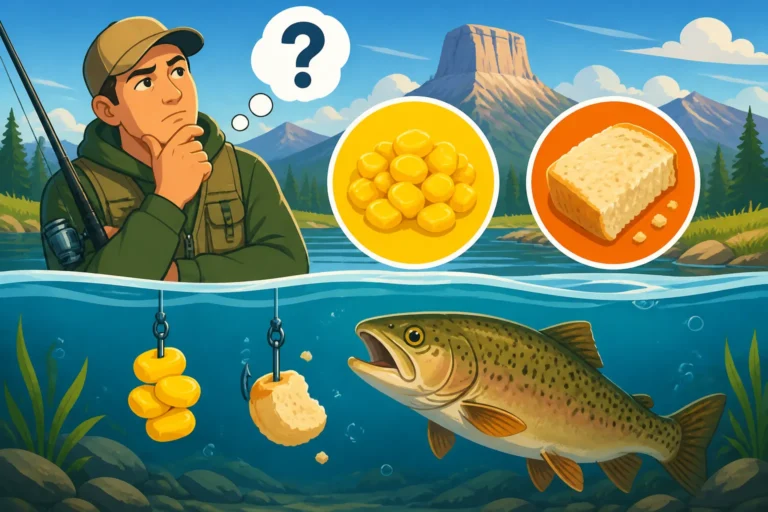
- Natural Bait: This typically refers to organic materials like worms, salmon eggs, cut bait (from legally caught game fish or non-game fish if permitted), corn, or even dough baits. These are generally allowed unless explicitly prohibited for a specific water. Many anglers find success with these traditional options, which are widely available at local tackle shops or even on platforms like Amazon if you're looking for packaged options like PowerBait or Berkley Gulp.
- Artificial Lures: These are man-made devices designed to imitate natural prey, such as spinners, spoons, jigs, and soft plastics. Most artificial lures are generally allowed everywhere, except in waters designated as "fly-fishing only," where only flies are permitted.
- Flies: These are specialized artificial lures typically made from feathers, fur, and thread, designed to be cast with a fly rod. Waters designated "fly-fishing only" strictly limit you to these.
The key distinction lies in the potential for harm or introduction of foreign elements. A worm dug from your garden is less likely to carry AIS than a bucket of live minnows purchased across state lines. Understanding these nuances is crucial for responsible angling.
Prohibited Baits
Beyond the general ban on live bait fish in most waters, there are other types of bait or methods that are almost universally prohibited:
- Game Fish: You cannot use any species of game fish (like trout, bass, walleye) or parts of game fish as bait, unless explicitly allowed for certain situations (e.g., using cut bait from legally harvested non-game fish).
- Amphibians/Reptiles: Using live or dead amphibians (frogs, salamanders) or reptiles as bait is generally illegal due to both conservation concerns and AIS risks.
- Illegally Harvested Fish: Any fish caught in violation of size, bag, or possession limits, or through illegal methods, cannot be used as bait.
When in doubt, err on the side of caution. It's far better to ask a local tackle shop or consult the regulations than to risk a citation and harm to the fishery.
How to Stay Informed and Avoid Violations
The sheer variety of regulations, from statewide rules to hyper-local restrictions, can feel overwhelming. However, staying informed is not just a suggestion; it's a responsibility for every angler. Avoiding fines and protecting Wyoming's fish starts with knowing the rules. The penalties for common fishing violations, including using illegal bait, can be substantial, making it truly worth your time to do your homework.
The Importance of the Regulations Booklet
This cannot be stressed enough: the official Wyoming Game and Fish Department Fishing Regulations booklet is your bible. This document, updated annually, is the definitive source for all rules, limits, and restrictions. You can pick up a physical copy at any license vendor or Wyoming Game and Fish office, or download a digital version from their website. Before you plan any fishing trip, especially to a new-to-you spot, sit down with the booklet and read the sections relevant to your target waters.
It's common for anglers to skim, or just assume rules are the same as last year, but regulations can and do change. For instance, new sections of rivers might be designated as catch-and-release only, or specific bait restrictions might be added to protect a recovering fish population. There might be updated rules on Stream Limits vs Lake Limits for Wyoming Trout or even how The One-Over-16-Inch Rule on Wyoming Trout Streams applies to bait-restricted waters. Ignorance of the law is never an excuse.
Checking Specific Water Sections
The booklet is organized to make checking specific waters as easy as possible. You'll find sections dedicated to individual drainage areas and then lists of specific lakes, reservoirs, and river sections with their unique rules. Look for headings that indicate "Special Regulations" or sections that list "Artificial Flies/Lures Only" or "No Live Bait."
For example, if you're heading to the North Platte River, you would navigate to the "North Platte River Drainage" section and then find entries for specific segments like the "Miracle Mile" or "Gray Reef" where you'd clearly see restrictions on bait and often a mandate for barbless hooks. This detailed approach is critical. You might even find specific regulations about Catch-and-Release Rules on Wyoming Waters in these sections.
Digital Resources and Apps
In addition to the physical booklet, the Wyoming Game and Fish Department website is an excellent, up-to-date resource. They often have interactive maps and searchable databases where you can input a specific water body and pull up its current regulations. Some third-party fishing apps also integrate this data, making it convenient to check on the go, though always cross-reference with the official source if there's any doubt.
It's wise to bookmark the Game and Fish website page for regulations on your phone or tablet, so you have instant access. Many anglers will even print out the specific page for the water they are fishing and keep it with their license. Speaking of licenses, always make sure you have your Wyoming Fishing License Guide for Nonresidents or resident license on you when fishing, and it's a good habit to keep those regulations handy too.
Here's a quick overview of common bait types and their general legality in Wyoming:
| Bait Type | General Legality (Statewide) | Common Restrictions & Notes |
|---|---|---|
| Live Minnows/Fish | Generally Illegal (possession/use) | Prohibited in most waters due to AIS risk. Very few, specific exceptions for certain non-game fish in designated waters. Never transport live fish from one watershed to another. |
| Worms/Nightcrawlers | Generally Allowed | Prohibited in "Artificial Flies/Lures Only" waters. Always ensure they are from a clean source to avoid introducing foreign organisms. |
| PowerBait/Dough Baits | Generally Allowed | Prohibited in "Artificial Flies/Lures Only" waters. Often effective for stocked trout. Can be purchased widely, including on Amazon. |
| Salmon Eggs | Generally Allowed | Prohibited in "Artificial Flies/Lures Only" waters. Popular for trout. |
| Cut Bait (from game fish) | Illegal | Game fish or parts of game fish cannot be used as bait. |
| Cut Bait (from non-game fish) | Generally Allowed (if legally harvested) | Prohibited in "Artificial Flies/Lures Only" waters. Check regulations carefully for specific non-game species. |
| Live Amphibians (frogs, salamanders) | Illegal | Prohibited due to conservation and AIS concerns. |
| Artificial Lures (spinners, spoons, jigs) | Generally Allowed | Prohibited in "Fly-Fishing Only" waters. Some waters may have hook restrictions (e.g., single, barbless). |
| Flies (artificial) | Always Allowed (unless a method is prohibited entirely) | The only legal option in "Fly-Fishing Only" waters. |
| Corn/Other Grains | Generally Allowed (as bait, not chum) | Prohibited in "Artificial Flies/Lures Only" waters. Not to be used as chumming, which is generally illegal. |
Navigating Wyoming's Bait Regulations
The nuances of bait fishing restrictions in Wyoming reflect a deeply committed approach to conservation and maintaining high-quality fisheries. While it might seem complex at first, the effort to understand and adhere to these rules is a small price to pay for the incredible angling experiences Wyoming offers.
Before you ever hit the road or float the river, make it a habit to check the current regulations for your chosen fishing spot. A quick look at the Wyoming Game and Fish Department's online resources or a flip through the annual booklet can save you from a costly mistake and ensure you're fishing responsibly. Whether you're planning to use a classic worm or a specially designed artificial lure you found on Amazon, knowing where and when your chosen approach is legal is paramount.
Enjoy the waters, respect the rules, and cast your line with confidence, knowing you're contributing to the preservation of Wyoming's remarkable fishing heritage.
Disclaimer
Please remember that fishing regulations can change. While every effort has been made to provide accurate and up-to-date information in this guide, it is your responsibility to consult the current official Wyoming Game and Fish Department Fishing Regulations before engaging in any fishing activity. This article is for informational purposes only and should not be considered a substitute for the official regulations.