Are There Closed Seasons for Any Wyoming Fish Species?
It's incredibly frustrating when you're planning a fishing trip to Wyoming, brimming with excitement, only to start wondering if the waters you're dreaming of will even be open. The thought of getting everything ready, only to find out there’s a closed season for your target species or chosen stream, can really deflate your enthusiasm. This guide is here to untangle the complexities of Wyoming's fishing seasons, helping you understand where and when you can legally cast your line, and what specific rules might be in play for different fish species and water bodies.
Understanding Wyoming's General Fishing Seasons
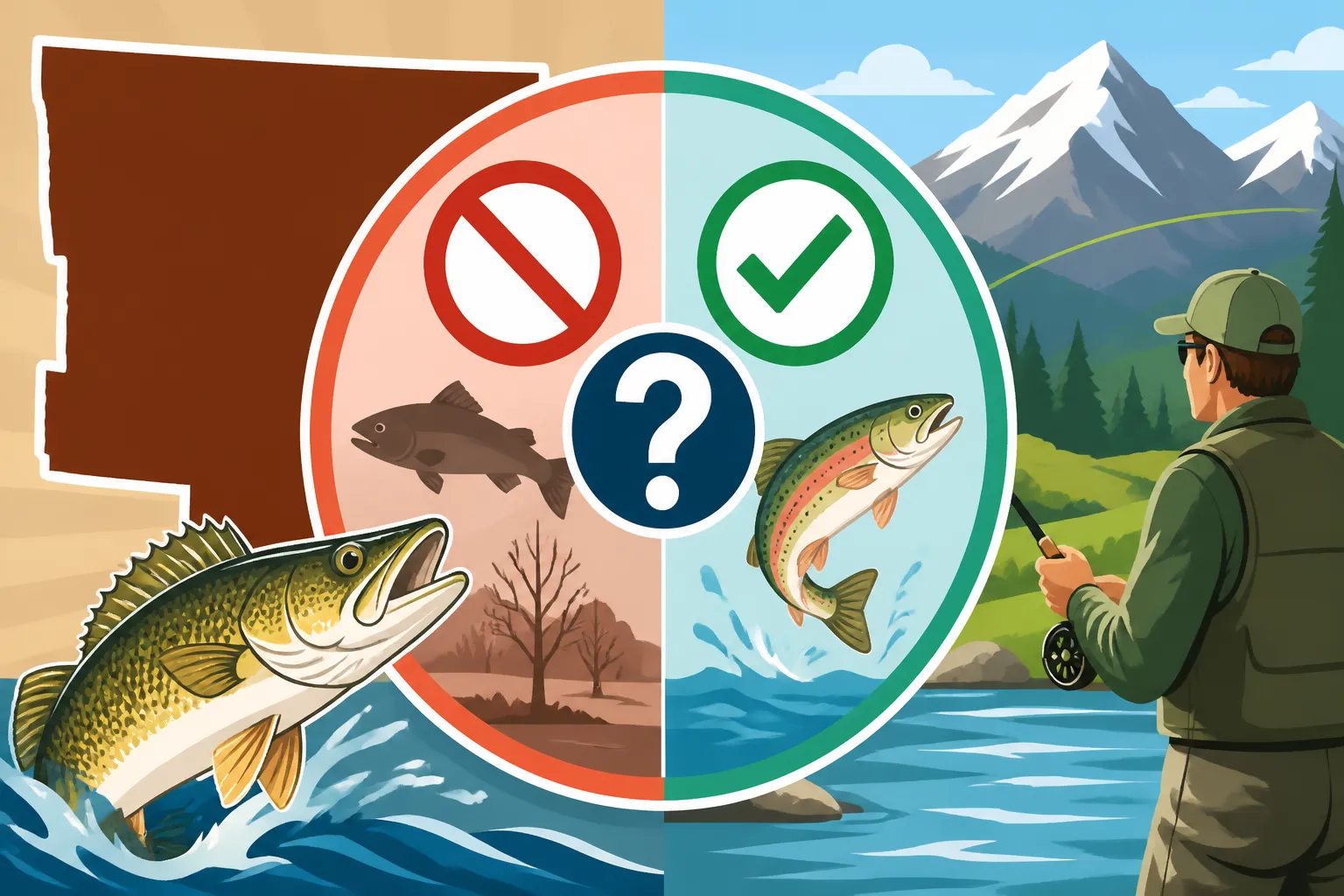
Let's get one thing straight right off the bat: the idea of a blanket "closed season" for specific fish species across all of Wyoming is largely a misconception. Unlike some states that might have, say, a strict "trout season" that runs only from spring to fall, Wyoming operates a little differently. Most of our magnificent waters are actually open to fishing year-round for many common game species. However, that doesn't mean it's a free-for-all. The nuances lie in where you're fishing and what species you're targeting in that specific location, especially during sensitive times like spawning.
Year-Round Opportunities for Anglers
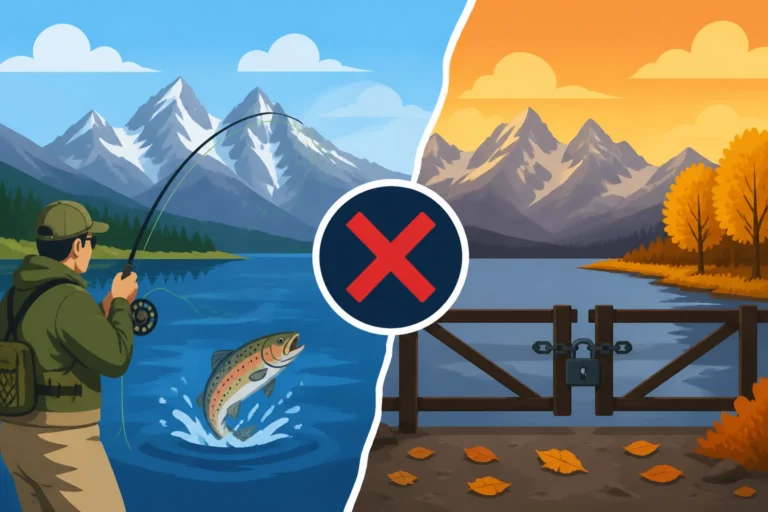
For the majority of popular game fish species in Wyoming, including various trout, bass, and perch, you'll often find that the general fishing season runs from January 1st through December 31st. This is fantastic news for dedicated anglers who love to ice fish in the winter or chase lunker browns well into the late fall. The Wyoming Game and Fish Department (WGFD) aims to provide as much opportunity as possible while still protecting the health of the fisheries. This flexibility means you can plan trips almost any time of year, from chasing rainbows on the Miracle Mile in February to pursuing cutthroat in high-mountain lakes during August. Just remember, while the season might be open, access can be a whole different story when winter snows make roads impassable to those remote spots.
Why Specific Closures Exist in Wyoming
So, if most waters are technically open year-round, why does the confusion persist? It's because the WGFD implements very specific, highly localized closures or special regulations to protect vulnerable fish populations, primarily during their spawning periods. These aren't broad, statewide species bans, but rather surgical strikes on particular stretches of river or parts of lakes when fish are most susceptible to harm. For instance, a specific section of a blue-ribbon trout stream might have a "catch-and-release only" rule during the fall brown trout spawn, or even a full closure to prevent disturbance. These targeted regulations are crucial for ensuring healthy populations for future generations of anglers. Knowing these specific closures is key, which is why familiarizing yourself with Wyoming Fishing Regulations Every Angler Should Know is so important.
Species-Specific Restrictions and Spawning Closures
While Wyoming doesn't typically have a blanket "closed season" for an entire species across the state, certain species do have periods when specific waters might be closed or have highly restrictive regulations to protect them. These are almost always tied to their spawning cycles, a time when fish are concentrated and more vulnerable.
Trout Spawning Closures and Regulations
Trout are a prime example of where you'll see localized restrictions. Different trout species spawn at different times of the year, leading to various protective measures:
- Brown Trout: These aggressive fighters typically spawn in the fall, from late September through November. During this time, you'll often find specific sections of rivers, particularly popular trophy waters like the North Platte River, under special regulations. These might include "artificial flies and lures only," "catch-and-release only," or even temporary full closures on specific spawning beds or tributaries. The goal is to let these magnificent fish complete their spawning ritual undisturbed.
- Rainbow and Cutthroat Trout: Spring spawners, generally from March through May. While fewer waters are completely closed for their spawn, you might encounter similar restrictions, especially on smaller tributaries where they migrate to reproduce. It's common to see a shift to single, barbless hooks or specific tackle restrictions during these sensitive times. Knowing Wyoming Fishing Seasons and Water-Specific Closures can help you navigate these periods.
These rules aren't meant to make your life harder; they're designed to maintain the incredible wild trout fisheries Wyoming is known for. Always double-check the current regulations for the specific water you plan to fish, as these can change annually or even in-season.
Kokanee Salmon Spawning Restrictions
Kokanee salmon are another species that experiences very distinct spawning patterns that lead to regulations. These landlocked sockeye salmon have a unique life cycle: they migrate up rivers and streams from their lake homes in the fall to spawn, and then they die. Because of this, certain waters are often completely closed to Kokanee fishing during their spawning run, or there are very strict harvest limits. This allows a healthy number of fish to complete their lifecycle and ensure future generations. Areas like Flaming Gorge Reservoir and some sections of the North Platte River are prime examples where Kokanee behavior dictates specific seasonal rules.
Other Species and Localized Rules
Beyond trout and Kokanee, other species generally have open seasons, but always be aware of localized nuances. Walleye in Boysen Reservoir or Flaming Gorge Reservoir, for example, typically have extended open seasons, but daily creel and possession limits are carefully managed. Similarly, for species like bass or perch, you'll rarely find a "closed season" but might encounter length limits or reduced bag limits in specific lakes or reservoirs to protect trophy potential or overall population health. Sometimes, even emergency closures can pop up due to environmental factors like low water or disease, reinforcing the need to check current conditions regularly.
Water-Specific Regulations vs. General Rules
This is perhaps the most crucial distinction when talking about "closed seasons" in Wyoming. You see, the general statewide fishing seasons (which, as we discussed, are often year-round) are just the starting point. The real complexity, and where you'll find most of your "closed" periods or specific restrictions, comes into play at the water-specific level. This means that a river might be open for rainbow trout fishing in one county, but a specific section of that same river a few miles upstream could have entirely different rules, or even be closed, during certain months.
Tailwaters and High-Use Areas
Wyoming is famous for its productive tailwater fisheries, especially below dams. Rivers like the North Platte below Pathfinder, Alcova, and Gray Reef dams, or the Green River below Fontenelle Dam, are classic examples. These areas are often incredibly fertile and hold high densities of trophy-sized fish, making them magnets for anglers. Because of their popularity and the importance of these fisheries, they frequently have the most detailed and restrictive regulations.
For instance, a particular section of the North Platte might be designated "catch-and-release only" with "artificial flies and lures only" and "single, barbless hooks" throughout the entire year, effectively creating a kind of perpetual "closed season" for keeping fish. Other areas might close entirely during peak brown trout spawning in the fall to protect spawning redds. These aren't just suggestions; they are legally enforced rules, and a violation can lead to significant fines. Always assume that if you're fishing a renowned blue-ribbon fishery in Wyoming, you must check the detailed, water-specific regulations. Getting a physical copy of the WGFD regulations booklet, or having it handy on your phone, is like carrying a fishing bible for navigating these nuances. Many people find it helpful to laminate a small cheat sheet of local rules for their tackle box, or check the latest updates on their smartphone, perhaps even looking for relevant gear on Amazon before heading out.
Emergency Closures and In-Season Adjustments
Beyond planned seasonal closures, Wyoming Game and Fish also has the authority to implement emergency closures or modify regulations in-season. These often happen due to unforeseen circumstances that threaten fish populations or public safety. Examples include:
- Low Water Conditions: During drought years or periods of extremely low stream flows, certain rivers or sections might be closed to fishing to reduce stress on fish that are already struggling with warm water temperatures and reduced habitat.
- Disease Outbreaks: If a fish disease is detected, specific waters might be closed temporarily to prevent its spread or to protect a vulnerable population.
- Wildfires: Sometimes, areas are closed to public access due to active wildfires or post-fire hazards, which naturally closes off fishing access.
- Habitat Restoration: Occasionally, specific stream sections might be temporarily closed for restoration projects, allowing habitat to recover without fishing pressure.
These emergency closures are announced by the WGFD and are usually well-publicized. It's critical to know How Wyoming Sets In-Season Emergency Closures and to check the WGFD website or local offices before heading out, especially during times of environmental stress. A quick search for "Wyoming fishing conditions" or checking the WGFD news releases can save you a wasted trip.
How to Stay Informed and Avoid Violations
The sheer volume of specific regulations can feel overwhelming, but staying informed is your best defense against inadvertently breaking the rules. Trust me, wardens patrol these waters diligently, and ignorance of the law is no excuse.
Consulting the Official Regulations
The absolute, undeniable, non-negotiable best source for current fishing seasons and regulations in Wyoming is the official Wyoming Game and Fish Department (WGFD) Fishing Regulations booklet. You can get a physical copy at any WGFD office, many license vendors, or even sometimes at local sporting goods stores. Even better, you can download a digital version directly from their website, which is incredibly handy to have on your phone or tablet when you're out in the field.
This booklet isn't light reading, but it's vital. It starts with general statewide rules, then dives into region-specific and often water-specific regulations that list exact river sections, lakes, and reservoirs with special rules. Pay close attention to the maps and detailed descriptions. Understanding Reading the Wyoming Fishing Regulations Booklet is a skill every Wyoming angler needs to master. Don't just skim it; really dig into the section for the specific water body you plan to visit.
Utilizing Online Resources and Local Shops
Beyond the main regulation booklet, the WGFD website is a treasure trove of real-time information. They often post news releases about emergency closures, updated conditions, and other critical alerts. Subscribing to their email newsletters or following their social media accounts can keep you in the loop.
Local bait and tackle shops are also invaluable resources. The folks who work there are usually avid anglers themselves and often have the most up-to-date, on-the-ground knowledge of local conditions, recent closures, and what's biting where. Don't be shy about asking questions when you pick up your bait or grab a new lure. They might even clue you into a hidden gem or warn you about a recently closed access point. You can purchase your license online, which is often the most convenient way, as detailed in Where to Buy a Wyoming Fishing License Online. While you can sometimes grab a license at places like Walmart, as explored in Can You Buy a Wyoming Fishing License at Walmart?, the WGFD site is always the most direct source. And remember, having the right gear is also part of being prepared; checking for specialized items like specific waders or tackle on Amazon before your trip can be a good idea.
Here’s a quick overview of how most Wyoming fishing regulations are structured:
| Category | General Rule (Most Waters) | Common Exceptions/Reasons for Closure/Restrictions |
|---|---|---|
| Season Duration | Year-round (Jan 1 – Dec 31) | Specific river sections, spawning areas, emergency closures, national park rules. |
| Trout | Open year-round | Fall (Brown Trout spawn), Spring (Rainbow/Cutthroat spawn) – leads to C&R, artificial lure, or temporary closures on specific waters. |
| Kokanee Salmon | Open when not spawning | Fall spawning runs often lead to closures or harvest restrictions on specific lakes/rivers (e.g., Flaming Gorge tributaries). |
| Walleye/Bass/Perch | Generally open year-round | Bag/length limits are the most common restrictions, rarely full seasonal closures. |
| Bait Use | Generally allowed | Many trophy trout streams (e.g., North Platte, Snake River) are "artificial flies and lures only." |
| Two-Pole Fishing | Requires a Two-Pole Stamp | Some specific waters prohibit two-pole fishing even with a stamp. |
Remember, this table is a simplification. The devil is truly in the details when it comes to Wyoming fishing regulations and the absence or presence of "closed seasons" for specific fish species. Always, always refer to the official WGFD regulations booklet for the most accurate and current information before you wet a line.
Disclaimer
The information provided in this guide is for general informational purposes only and is subject to change. Always consult the official Wyoming Game and Fish Department regulations for the most current and accurate rules and seasons before engaging in any fishing activities.