Transporting Your Catch Across State Lines Legally
Bringing home your hard-won catch from Wyoming can feel like a victory, but the excitement can quickly turn to anxiety when you start thinking about the journey, especially if you're crossing state lines. The patchwork of fishing regulations across different states, combined with Wyoming's own rules, often leaves anglers scratching their heads, wondering if their cooler full of fillets will make it home legally. It's a valid frustration, and frankly, it's easy to get confused. This guide is here to clear the waters, providing you with a comprehensive understanding of how to legally transport your catch across state lines, ensuring your delicious fish arrives without any unexpected detours or legal hassles.
The Maze of Regulations: Why Transporting Your Catch is So Complicated
It's natural to assume that once you've legally caught a fish in Wyoming, you're free to take it wherever you please. Unfortunately, that's not always the case, and this is where a lot of anglers get tripped up. The reality is that transporting fish, especially across state lines, is governed by a complex web of rules designed to protect fisheries and prevent illegal activities.
Understanding the "Why" Behind the Rules
When you're out on the water, focused on the thrill of the catch, the last thing on your mind might be the intricacies of fish transportation laws. You might wonder why there are so many rules that seem to make life difficult. The core reason boils down to resource management and conservation. Wildlife agencies, like the Wyoming Game and Fish Department, have a critical mission: to manage fish populations sustainably. This involves setting bag limits, possession limits, and size restrictions to ensure healthy fisheries for future generations. If anglers could transport unlimited or unidentifiable fish, it would create loopholes for illegal harvesting and make enforcement nearly impossible.
Beyond local management, there's the looming threat of aquatic invasive species (AIS). Transporting fish, even legally caught ones, carries the risk of inadvertently spreading AIS like zebra mussels or whirling disease from one body of water to another. Many states have stringent inspection programs and regulations specifically designed to prevent this ecological disaster. So, while it might feel like an inconvenience, these rules are in place for some very good reasons, protecting the natural resources we all cherish.
Common Misconceptions About Transporting Fish
One of the biggest misconceptions anglers hold is that "if I caught it legally, it can't be illegal to take it home." While true within the state of Wyoming as long as you adhere to local possession limits and identification rules, this often breaks down the moment you cross into another state. Your destination state might have entirely different rules about how fish must be prepared for transport. For example, Wyoming might allow you to fillet your fish with a patch of skin attached, but the neighboring state might demand fish be transported whole. This difference alone can turn a legal catch into a violation the moment you cross the border.
Another common assumption is, "as long as it's frozen solid, it's fine." While freezing is excellent for preservation, it doesn't exempt you from identification requirements. A frozen block of filleted fish, without any identifying features, can still be problematic for a game warden trying to verify species, length, or count. Many anglers also misunderstand the difference between a daily bag limit and a possession limit. You might catch your daily limit for several days, thinking you can accumulate them, but the possession limit dictates the maximum number of fish you can have in your possession at any one time, whether in your cooler, freezer, or at home. This distinction is crucial and often overlooked when planning multi-day trips.
Wyoming's Initial Rules for Transporting Your Catch Within State Lines
Before you even consider crossing state lines, it's paramount to understand Wyoming's specific regulations regarding the transport of your catch. These rules are the foundation upon which any interstate transport considerations are built, and failing to adhere to them can lead to significant penalties, even before you leave the Cowboy State.
Identifying Your Fish: The Golden Rule
In Wyoming, the ability to identify your fish is absolutely non-negotiable, especially for game species. The general rule is that fish must be readily identifiable by species and, if applicable, by length until they are being prepared for immediate consumption at a campsite or residence, or are being processed at a commercial establishment. This means that if a Game and Fish warden stops you and your fish are so butchered that they can't determine the species or measure its length, you could be in serious trouble.
For many species, particularly trout with specific size or slot limits, maintaining a way to verify length is critical. If you choose to fillet your fish at the lake or stream, you must leave a piece of skin with scales attached on each fillet. This "patch of skin" allows the species to be identified. Additionally, it's often wise to retain the head and tail of the largest fish of each species until you reach your final destination if specific size limits apply. This ensures that a warden can easily confirm you haven't exceeded any length restrictions. For a deeper dive into these rules, it's always a good idea to review How Bag and Possession Limits Work in Wyoming directly from the source.
Possession Limits and Their Impact on Transport
Understanding Wyoming's possession limits is just as important as knowing the daily bag limits. The daily bag limit refers to the maximum number of fish you can catch and keep in a single day. The possession limit, however, is the total number of fish you can have in your possession at any given time, regardless of when or where they were caught. This includes fish in your cooler, in your vehicle, at your camp, or in your freezer back home. This distinction can trip up even experienced anglers planning extended trips.
For example, if the daily bag limit for trout is six, and the possession limit is twelve, you can catch and keep six trout on Monday and another six on Tuesday. However, you cannot then catch another six on Wednesday if you still have the previous twelve in your possession. You'd need to consume or process some of your catch to get back under the twelve-fish possession limit before keeping more. This is a crucial concept, and understanding Wyoming's Combined Possession Limit Explained is vital before you start packing your cooler for the drive home. Any fish you transport, whether within Wyoming or across state lines, must not exceed these established possession limits.
Navigating Interstate Waters: Federal and State Transport Laws
Once you decide to leave Wyoming with your catch, you enter a new level of regulatory complexity. It's not just about Wyoming's rules anymore; federal laws and the laws of any state you pass through, plus your final destination state, come into play. Ignoring these additional layers of regulation can turn a successful fishing trip into a legal nightmare.
The Lacey Act and Federal Oversight
The Lacey Act is a cornerstone of federal wildlife protection in the United States, and it applies directly to the transport of fish. In simple terms, the Lacey Act makes it a federal crime to transport, import, export, sell, acquire, or purchase fish (or wildlife) that have been taken, possessed, transported, or sold in violation of any state, federal, or Indian tribal law, treaty, or regulation. What this means for you, the angler, is that if you violate Wyoming's fishing regulations – say, by possessing an over-limit of fish or fish that cannot be identified – and then you cross a state line with that illegally possessed catch, you are no longer just facing a state fine. You are now in violation of a federal law, which carries much more severe penalties, including hefty fines and even imprisonment.
This elevates the importance of knowing and following all state regulations to an entirely new level. It's not just about avoiding a Wyoming Game and Fish ticket; it's about avoiding federal prosecution. Therefore, a thorough understanding of Wyoming Fishing Regulations Every Angler Should Know isn't just a suggestion; it's a necessity for anyone planning to take their catch beyond state borders. Even an accidental violation that originates in Wyoming can become a federal offense once you hit that state line.
State-Specific Requirements of Your Destination State
This is arguably the trickiest part of transporting fish across state lines. While Wyoming has its rules, your destination state, and any states you drive through, will have their own. And these rules can vary dramatically. Some states are very strict, requiring fish to be transported entirely whole, meaning no filleting whatsoever until you reach your home kitchen. Other states might be more lenient, accepting properly filleted fish with a skin patch, similar to Wyoming's guidelines.
The critical takeaway here is that you must research the regulations of every single state you intend to travel through. A legal catch in Wyoming could become an illegal possession in Nebraska if their transport laws are stricter. For instance, some states have specific rules about how many fillets count as "one fish" or if the head and tail must be kept with the fillets for identification. You can't assume reciprocity; state laws often differ widely. Before you leave, dedicate time to checking the current fishing regulations for your home state and any states along your travel route. A quick search on the respective state's game and fish department website for "fish transport laws" or "fishing regulations" should provide the necessary information. It's a proactive step that can save you immense grief.
Practical Steps for Legally Transporting Your Wyoming Catch
Knowing the rules is one thing, but actually implementing them effectively is another. To ensure a smooth, legal journey home with your catch, there are several practical steps you should always follow, focusing on proper identification and preservation.
Keep Fish Identifiable: The Cardinal Rule for Cross-State Travel
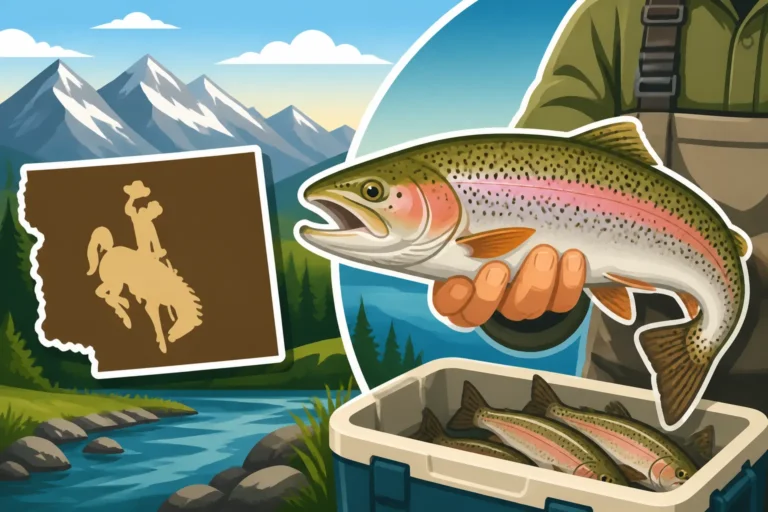
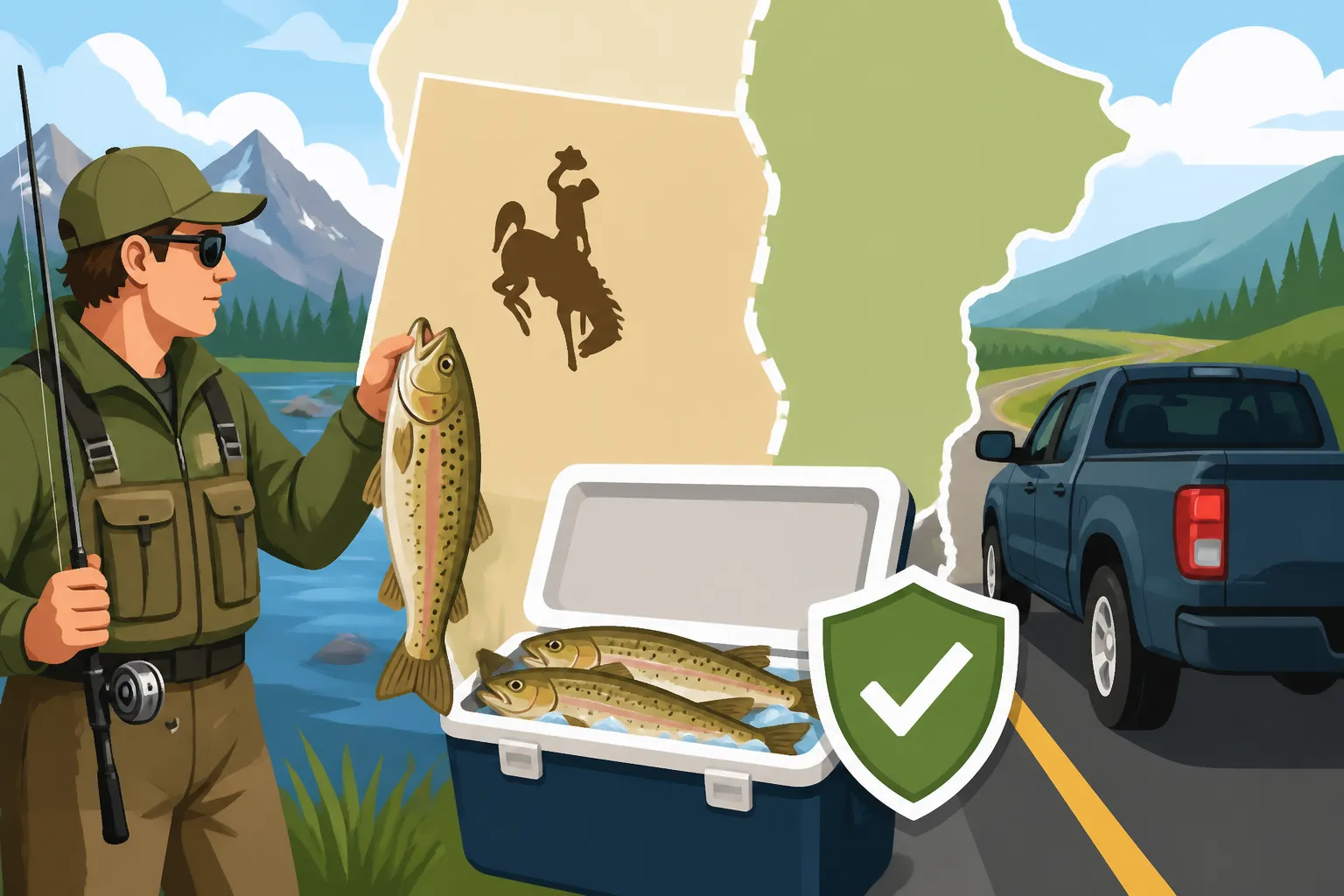
When in doubt, and especially when planning to cross state lines, the safest and most universally accepted method for transporting your fish is to keep them whole. This means no filleting, gutting, or otherwise altering the fish in a way that would hinder a game warden's ability to identify the species and measure its length. A whole fish leaves no ambiguity and simplifies any potential inspection. While this takes up more space in your cooler and might be less convenient, it offers the greatest peace of mind.
If keeping fish whole isn't practical for your trip, or if your destination state specifically allows it, and you've confirmed this with their regulations, then follow Wyoming's "patch of skin" rule for fillets. Ensure each fillet has a significant portion of skin and scales attached. Furthermore, for species with length limits, it's a good practice to retain the head and tail of the largest fish you caught until you are safely home. This allows verification of the original length if needed. Some states require that fillets be accompanied by the entire carcass if the fish was subject to a length limit. It's truly better to be over-prepared than to face a citation because an officer couldn't verify your catch.
Proper Storage and Preservation for the Journey
Beyond legal identification, ensuring your fish remain fresh and safe for consumption is paramount. This requires excellent storage and preservation techniques, especially for long drives. Your first line of defense is a high-quality cooler. Investing in a rotomolded cooler from brands like Yeti or RTIC, which are often highly rated on platforms like Amazon, can make a world of difference. These coolers are designed for superior insulation, keeping ice solid for days, which is crucial for multi-day trips. Even a reliable, well-insulated cooler like a Coleman Xtreme can serve you well if packed correctly.
When packing your cooler, don't skimp on the ice. Layer fish with plenty of ice, ensuring they are fully surrounded. Pre-chilling your cooler with ice the day before your trip can also significantly extend ice retention. For very long journeys, consider using dry ice. Dry ice provides colder temperatures and lasts longer, effectively freezing your fish solid. However, remember to handle dry ice with gloves and ensure proper ventilation in your vehicle, as it releases carbon dioxide. Once you're ready to store your fish long-term, consider vacuum sealing them. A basic [FoodSaver] vacuum sealer, readily available on Amazon, will remove air from the packaging, preventing freezer burn and maintaining the quality of your fish for months. Labeling each package with the species and date caught is also a smart habit.
Avoiding Common Pitfalls and Ensuring a Smooth Journey Home
Even with the best intentions, it's easy to make mistakes when navigating complex regulations. Awareness of common pitfalls and a proactive approach can save you a lot of trouble when transporting your hard-earned Wyoming fish.
Double-Checking All Relevant Regulations
The single most common mistake anglers make is failing to check all relevant regulations. It's easy to focus solely on Wyoming's rules, but as we've discussed, federal law and the laws of your destination state (and any states you drive through) also apply. Assuming that rules are consistent across borders is a recipe for trouble. Before every trip that involves transporting fish across state lines, dedicate time to reviewing the most current fishing regulations for Wyoming and all relevant states.
Regulations can change year to year, or even mid-season if emergency closures or new rules are enacted. Never rely on outdated information or what you think the rules are. The official state game and fish department websites are your best resource. Many offer downloadable PDFs of their current regulation booklets, which you can save to your phone for easy access. Having a digital copy of Reading the Wyoming Fishing Regulations Booklet alongside the regulations of your home state will serve as an invaluable resource if you are ever stopped and questioned.
Documentation and Being Prepared for Inspection
Being prepared for a potential inspection can make all the difference in having a stress-free journey. Always carry your valid Wyoming fishing license with you, ideally both a physical copy and a digital one on your phone. This demonstrates that you are a legal and responsible angler from the outset, as detailed in advice on Carrying Your Wyoming Fishing License in the Field.
If a game warden or law enforcement officer stops you, remain calm, polite, and cooperative. They are simply doing their job to protect wildlife resources. Be transparent about your catch and where you caught it. If asked to show your fish, do so willingly. Don't try to hide anything, as this will only raise suspicion and complicate matters. Having your fish stored in a manner that allows for easy inspection (e.g., in clear bags, easily accessible in the cooler) can also expedite the process. Understanding Fines and Penalties for Common Fishing Violations can underscore the importance of being fully compliant. While no one wants to be inspected, being prepared and compliant ensures that it's a quick and uneventful interaction, allowing you to continue your journey home with your prized catch. Remember, if you fish without a license in Wyoming, the consequences can be significant, so always ensure your paperwork is in order.
Essential Gear for Responsible Fish Transport
Having the right gear isn't just about comfort; it's about compliance and ensuring your catch remains in prime condition from the moment it leaves the water until it reaches your table. Investing in quality equipment for fish transport is a smart move for any angler planning to take their fish home.
Quality Coolers and Ice Management
Your cooler is the most critical piece of equipment for fish transport. As mentioned earlier, high-performance coolers are worth the investment for anglers who regularly bring fish home from distant waters. Brands like Yeti, RTIC, and Orca are known for their exceptional insulation and durability, capable of holding ice for several days. These are often reviewed and available on Amazon, making research and purchase convenient. For shorter trips, a well-regarded conventional cooler like a marine-grade Igloo or Coleman Xtreme can also suffice, provided it's used effectively.
The key to any cooler's performance is not just the cooler itself, but how you manage the ice. Always pre-chill your cooler by filling it with ice hours before you plan to load your fish. This brings the cooler's internal temperature down, preventing your fresh ice from melting immediately. When packing fish, layer them generously with ice, ensuring that ice is not just on top but also underneath and between the fish. For very long drives, especially in warmer weather, consider supplementing regular ice with dry ice. Dry ice will super-freeze your fish, preventing any spoilage. Just be sure to place cardboard or a towel between the dry ice and your fish to prevent freezer burn, and ensure adequate ventilation in your vehicle for safety.
Vacuum Sealers and Packaging Materials
Once you've processed your fish, proper packaging is crucial for long-term storage and maintaining quality. Vacuum sealers are game-changers in this regard. These devices remove all the air from a plastic bag before sealing it, which prevents freezer burn, maintains flavor, and extends the shelf life of your fish significantly. A reliable vacuum sealer, such as those from the FoodSaver brand, can be found for a reasonable price on Amazon and quickly pays for itself by preserving your valuable catch.
When using a vacuum sealer, ensure your fillets are dry before sealing to get the best results. Label each vacuum-sealed package clearly with the species of fish and the date it was caught. This isn't just for your own organization; in the unlikely event of an inspection, clearly labeled packages can help demonstrate your diligence and compliance. Having a stock of high-quality freezer bags, even if not vacuum-sealable, is also wise for quick storage or when you don't have access to your vacuum sealer. Proper packaging ensures that when you finally cook your Wyoming fish, it tastes as fresh as the day you caught it.
Legal Fish Transport Checklist
| Item | Requirement | Notes |
|---|---|---|
| Wyoming Fishing License | Must be valid and on your person. | Physical and digital copy recommended. Essential for verifying legal catch. |
| Wyoming Regulations | Understand bag/possession limits & identification rules. | Keep a digital copy on your phone. Review Wyoming Fishing Regulations Every Angler Should Know. |
| Destination State Regulations | Research and understand fish transport rules. | Crucial for states you drive through and your home state. These may differ from Wyoming's. |
| Fish Identification | Keep fish whole or filleted with a skin patch. | Safest: whole fish. If filleted: skin patch (minimum 1 sq inch), and retain heads/tails of largest fish if size limits apply. |
| Possession Limits | Do not exceed combined possession limits. | Applies to all fish in your possession (cooler, freezer, home). Review Wyoming's Combined Possession Limit Explained. |
| Cooler/Storage | High-quality, well-insulated cooler(s). | Pre-chill cooler. Use ample ice; consider dry ice for long trips. |
| Packaging | Vacuum sealers recommended for fillets. | Label packages with species and date. Prevents freezer burn and aids identification. |
| Preparedness | Be cooperative and transparent if stopped by authorities. | Have all documentation ready. Honesty and politeness go a long way. |
Disclaimer
The information provided in this article is intended for general guidance only and should not be considered legal advice. Fishing regulations, including those pertaining to transport, are subject to change and can vary significantly by state and even by specific waterbody. It is the angler's sole responsibility to consult and adhere to the most current regulations published by the Wyoming Game and Fish Department and the relevant wildlife agencies of any state through which they plan to travel. Failure to do so may result in fines or penalties.