Fishing Spots Inside Grand Teton National Park, Wyoming
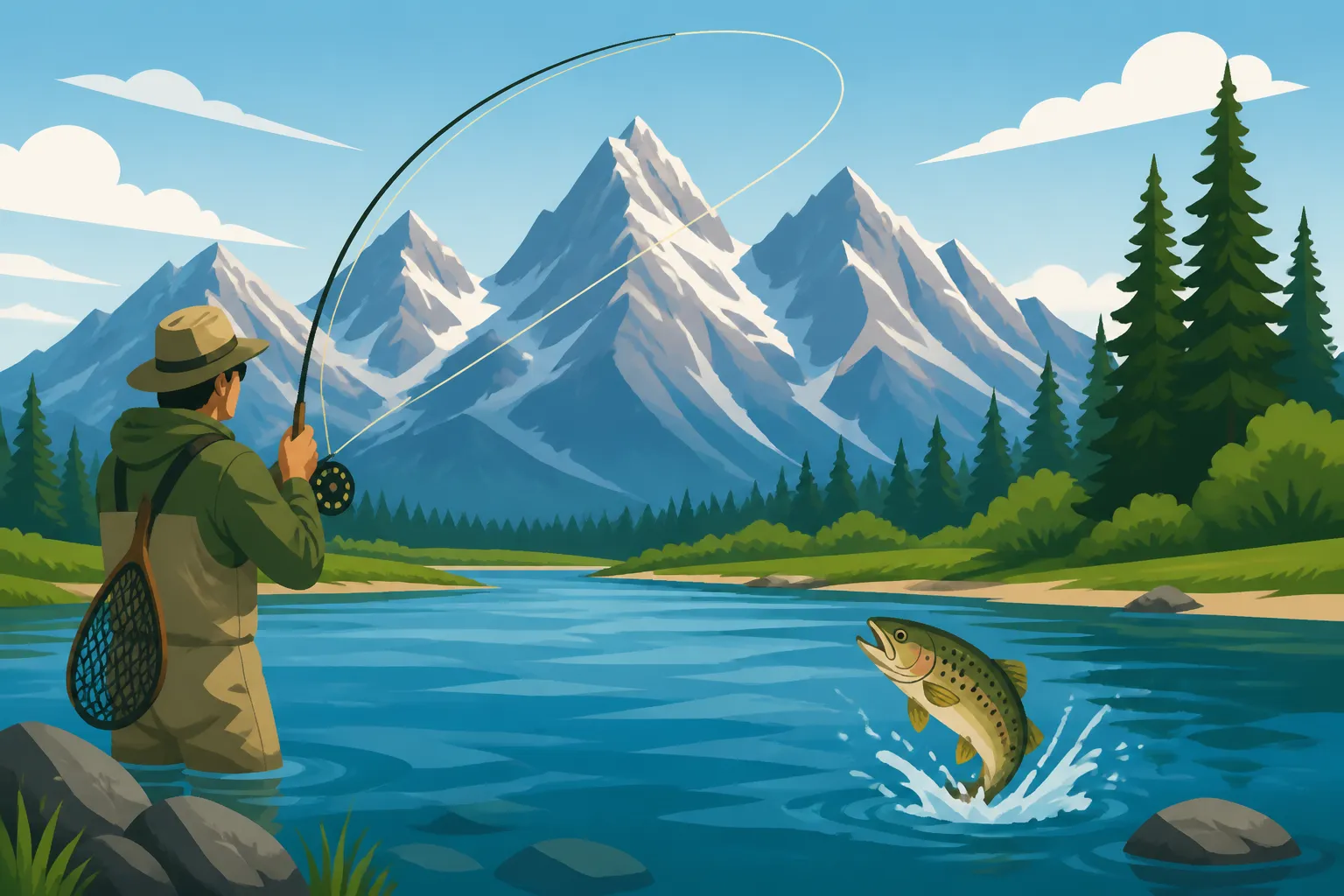
Heading to Grand Teton National Park with your fishing rod in tow sounds like a dream, doesn't it? The majestic Teton Range, crystal-clear waters, and the promise of wild trout are incredibly appealing. But let's be honest, figuring out where you can actually cast a line, what licenses you need, and which rules apply can feel like navigating a legal labyrinth. This comprehensive guide is designed to cut through that confusion, giving you the insider scoop on the best fishing spots within Grand Teton National Park, from the vast expanse of Jackson Lake to serene alpine ponds.
Navigating Grand Teton National Park Fishing Regulations
One of the biggest hurdles for anglers visiting Grand Teton National Park is understanding the unique blend of state and federal regulations that govern its waters. It's not as simple as just having a Wyoming fishing license; the National Park Service has its own set of rules designed to protect the park's ecosystems and native fish populations. Getting this right is crucial, not only to avoid fines but also to ensure you're contributing to responsible angling in this spectacular setting.
Understanding State vs. Park Rules
Here's where it gets a little tricky: while you absolutely need a valid Wyoming fishing license to fish anywhere within Grand Teton National Park, the park itself also enforces specific regulations that can sometimes supersede or add to the state's rules. This dual layer of authority can be confusing, as what might be perfectly legal on a stream just outside the park boundary could be prohibited inside. The National Park Service (NPS) often has stricter rules regarding bait, tackle, and even where certain species can be fished, particularly when it comes to protecting native Yellowstone cutthroat trout. Their primary goal is preservation, so expect rules to reflect that ethos.
Always make sure you have the most current information. The Wyoming Game & Fish Department provides the statewide regulations, which are your baseline, but then you must cross-reference with the specific Grand Teton National Park fishing regulations. You can usually find these detailed rules on the NPS website or pick up a copy at any visitor center within the park. Failing to do so could lead to a disheartening encounter with a park ranger, and nobody wants that on their fishing vacation.
License Requirements for Grand Teton Waters
As mentioned, your first step is securing a valid Wyoming fishing license. This isn't optional; every angler aged 14 and older needs one. For residents, there are annual options, while non-residents have more flexibility with annual, daily, or five-consecutive-day licenses. Additionally, most adult anglers will also need to purchase the Wyoming Conservation Stamp. This stamp is vital as it funds critical wildlife conservation efforts across the state. However, there are some specific scenarios where the stamp isn't required, such as if you're only purchasing a one-day license. If you're wondering, "Do Kids Under 14 Need a Fishing License in Wyoming?", the good news is no, they don't, but they are still subject to all other park and state regulations.
It's really important to distinguish that even if you have a Wyoming license, it doesn't automatically grant you permission to fish anywhere in the park without adhering to NPS-specific rules. Think of it like a driver's license: you need it to drive, but you still have to follow the speed limits and signs specific to a particular road. Make sure to understand the nuances of Do You Need a Wyoming License to Fish in Grand Teton National Park? before you head out.
General Regulations and Special Provisions
Grand Teton National Park implements several key regulations designed to protect its aquatic resources. For instance, catch-and-release is often encouraged or even required in certain areas, particularly for native trout species. Bait restrictions are also common, with many waters designated as artificial flies and lures only, or even barbless hook-only sections to minimize harm to released fish. It's not just about the fish; it's about the entire ecosystem. Additionally, specific water bodies may have unique restrictions on motorboats, inflatables, or even access points to preserve their pristine nature.
For example, while some lakes might allow bait, many of the park's blue-ribbon trout streams will strictly forbid it. Bag and possession limits can also vary from statewide norms, often being more restrictive within the park boundaries. Always consult the official park regulations booklet or website for the most current information. This vigilance ensures you're a responsible angler and helps preserve the exceptional fishing opportunities within Grand Teton National Park for generations to come.
Iconic Waters: Fishing Jackson Lake
When most people think of fishing in Grand Teton National Park, their minds often turn to the magnificent Jackson Lake. This vast, shimmering body of water at the base of the Teton Range offers some truly epic fishing opportunities, particularly for those targeting larger game fish. Its sheer size and depth mean it holds a diverse array of species, but also presents its own set of challenges and unique fishing experiences.
Species to Target and Best Techniques
Jackson Lake is most renowned for its formidable lake trout, often affectionately called "mackinaw" in these parts. These deep-water predators can grow to impressive sizes, making them a thrilling catch for any angler. Beyond the lakers, you'll also find respectable populations of cutthroat trout, especially in the shallower bays and near stream inlets, and rainbow trout. Each species requires a slightly different approach. For lake trout, deep trolling with downriggers and large spoons or tube jigs is a highly effective method. You'll be searching for structure and schools of baitfish in depths that can easily exceed 50-100 feet.
Cutthroat and rainbow trout, on the other hand, are often found closer to the surface or in shallower areas, especially during cooler parts of the day or early season. Casting spinners, spoons, or even fly fishing with streamers and nymph patterns near shorelines or submerged features can yield excellent results. Understanding What Fish Live in Jackson Lake will give you a leg up in planning your strategy, ensuring you're rigged for success.
Access Points and Shoreline Fishing Opportunities
Despite its vastness, Jackson Lake offers several excellent access points for both boat and shoreline anglers. Areas like Colter Bay, Signal Mountain, and Leeks Marina provide launch ramps, docks, and nearby amenities. For those who prefer to keep their feet on solid ground, there are numerous spots where you can cast from the shore. The trick is often finding areas where the bank drops off relatively quickly into deeper water, or where stream inlets provide a current that attracts baitfish and, consequently, trout.
Consider exploring the shorelines around Lizard Creek Campground or the areas accessible via the scenic Inner Park Loop Road for more secluded spots. Early mornings and late evenings are often the most productive times for shore fishing, as trout move into shallower waters to feed. Always be mindful of park regulations regarding access and any potential closures for wildlife nesting or other ecological reasons. For even more specific advice, check out Jackson Lake's Best Shoreline Fishing Spots in Wyoming.
Boat Fishing and Launch Considerations
Boat fishing on Jackson Lake truly opens up a world of possibilities, allowing you to cover vast amounts of water and reach productive areas that are inaccessible from shore. There are multiple public boat ramps available, including those at Colter Bay Marina, Signal Mountain Lodge, and Leeks Marina. If you plan to bring your own boat, be aware that you'll need to pass an aquatic invasive species inspection, which is mandatory for all motorized and non-motorized vessels entering Wyoming waters. This is a crucial step in protecting our precious fisheries from destructive invaders.
For those without their own vessel, renting a boat at one of the marinas or hiring a local guide can be a fantastic option. A guided trip can provide invaluable insights into the lake's hot spots and the most effective techniques, especially if you're new to fishing such a large body of water. If you're looking for an experienced hand to navigate this magnificent lake, checking out guides listed on platforms like FishingBooker can connect you with local experts who know Jackson Lake intimately.
Serene Streams: Fishing the Snake River in Grand Teton
The Snake River, a legendary waterway, meanders through the heart of Grand Teton National Park, offering a completely different fishing experience than the large, open waters of Jackson Lake. Known for its stunning scenery and prolific trout populations, particularly the native fine-spotted cutthroat, the Snake River is a fly fishing paradise. Its diverse flows, from gentle meanders to swift riffles, provide ample opportunities for anglers to test their skills in a truly wild setting.
Prime Stretches and Target Species
Within Grand Teton National Park, the Snake River offers numerous productive stretches. The section flowing through the park, from its origin in Yellowstone to Jackson Lake, and then again below the lake, is particularly cherished. Anglers primarily target the Snake River Fine-Spotted Cutthroat Trout, a subspecies native to this drainage and revered for its beauty and fighting spirit. You'll also encounter rainbow trout and, occasionally, brown trout in some sections. The key to success often lies in "reading the water"—understanding where fish hold based on current, structure, and depth. Look for deeper pools, undercut banks, and the seams where faster water meets slower eddies.
Popular access points within the park include the areas near Pacific Creek, Oxbow Bend, and Schwabacher Landing, each offering unique characteristics and opportunities. Downstream from Jackson Lake Dam is another popular stretch where fish move out of the lake and into the river. For detailed information on specific sections, consider exploring Fishing the Snake River Inside Grand Teton.
Fly Fishing vs. Spin Fishing on the Snake
While the Snake River within Grand Teton is primarily celebrated as a fly fishing destination, spin anglers can also find success, provided they adhere to the park's specific regulations. For fly fishing, matching the hatch is often key, whether it's an emergence of caddis, mayflies, or stoneflies. Nymphing under an indicator is a consistently productive method, especially in deeper runs and pools. Dry fly fishing can be spectacular during a strong hatch, offering the visual thrill of a trout rising to your imitation. Streamers are also effective, particularly for targeting larger brown trout or aggressive cutthroat.
Spin anglers will often find success with small spinners, spoons, or soft plastics fished to imitate baitfish or aquatic insects. However, many sections of the Snake River within the park are restricted to artificial flies and lures only, and some may even require barbless hooks. Always double-check the current Grand Teton National Park regulations booklet for the specific section you plan to fish, as rules can vary even along different stretches of the same river. This ensures you're fishing legally and responsibly.
Access and Wading Safety
Accessing the Snake River within Grand Teton National Park can range from easy roadside pull-offs to more adventurous hikes. Several designated access points with parking areas allow for relatively straightforward entry to the river. However, for a truly immersive experience, many anglers choose to wade the river. Wading can be challenging, as the Snake River can have strong currents and a slippery, uneven bottom. Sturdy wading boots with good ankle support and a wading staff are highly recommended for safety. Always assess the water conditions before entering, and never wade alone if possible.
Beyond wading, float trips are incredibly popular on the Snake River, offering an excellent way to cover long stretches of water and access otherwise unreachable fishing holes. Many licensed outfitters offer guided float trips, providing both an unforgettable fishing experience and a safe way to navigate the river. When considering a float trip, ensure your guide holds the necessary National Park Service Permits for Fishing Guides, as special permits are required to operate within the park.
Hidden Gems: String Lake and Leigh Lake
While Jackson Lake and the Snake River are undoubtedly the headliners for fishing in Grand Teton National Park, the park also boasts a collection of smaller, equally stunning lakes that offer unique and often more tranquil fishing experiences. Among these, String Lake and Leigh Lake stand out as particularly beautiful and rewarding destinations, providing a serene escape from the crowds and a chance to connect with nature on a deeper level.
Unveiling the Unique Charms of String Lake
String Lake is often described as one of Grand Teton's most accessible and picturesque lakes. Its shallow, clear waters and stunning backdrop of the Teton Range make it a favorite for families and casual anglers alike. Because it's generally shallow, it warms up earlier in the season, making it a great spot for early summer fishing. You'll primarily find cutthroat and brook trout in String Lake. Due to its shallow nature, fly fishing with dry flies or small nymphs can be particularly effective, especially during insect hatches. Spin anglers can do well with small spinners or spoons, casting towards submerged logs or weed beds.
The ease of access and the option for non-motorized boating (canoes, kayaks, paddleboards) add to its charm. There's a popular walking trail that circumnavigates the lake, offering multiple points for shore access. It's an excellent choice for a leisurely day of fishing, combining easy casting with breathtaking scenery. Just be prepared for it to be a bit more crowded than some of the more remote spots, especially on weekends.
Exploring Leigh Lake's Tranquil Waters
Leigh Lake, situated just beyond String Lake, offers a slightly more secluded experience due to its limited access. To reach Leigh Lake, most visitors hike or paddle across String Lake, making the journey part of the adventure. The effort is well worth it, as Leigh Lake rewards anglers with deeper, cooler waters and the chance to target larger trout, including cutthroat, brook, and occasionally lake trout. Its pristine, calm waters reflect the towering peaks, creating an almost spiritual fishing environment.
Here, float tubes, kayaks, or canoes are excellent choices for exploring the lake's coves and deeper sections. Trolling small flies or lures can be effective, as can casting towards rocky points and drop-offs. The deeper water often means fish are less spooky, allowing for a more relaxed approach. For more specifics on these adjacent lakes, definitely check out String Lake and Leigh Lake Fishing in Grand Teton.
Permits, Gear, and Best Practices for These Lakes
While String Lake and Leigh Lake are part of Grand Teton National Park, the general park fishing regulations apply. This includes needing a valid Wyoming fishing license and adhering to any specific tackle or bait restrictions. For those planning to use a boat (even a paddleboard), remember that all vessels need to pass the mandatory aquatic invasive species inspection before launching. This is a non-negotiable step to protect the park's delicate aquatic ecosystems.
When it comes to gear, a lightweight spinning rod or a 4-6 weight fly rod is generally sufficient for the trout found in these lakes. Pack plenty of insect repellent, especially during summer evenings, and always carry out everything you pack in. Practicing catch-and-release, especially for native cutthroat, helps ensure these beautiful fish continue to thrive. These lakes offer a chance to truly unwind and experience the meditative side of fishing in one of America's most beautiful national parks.
Beyond the Mainstay: Smaller Lakes and Ponds
Grand Teton National Park is more than just its big, famous waters. Tucked away in various corners of the park are numerous smaller lakes and ponds, each offering its own unique character and fishing opportunities. From challenging high-altitude treks to accessible, family-friendly spots, these less-traveled waters can provide some of the most memorable and rewarding fishing experiences in the park.
High-Altitude Lakes and Backcountry Fishing
For the adventurous angler, Grand Teton National Park boasts several stunning high-altitude lakes, often requiring a significant hike to reach. Lakes like Phelps Lake, Taggart Lake, Bradley Lake, and Jenny Lake offer incredible fishing amidst unparalleled mountain scenery. These lakes are typically cooler, holding good populations of cutthroat, brook, and sometimes golden trout. The journey itself is a key part of the experience, immersing you in the wilderness of the Tetons.
Fishing these backcountry lakes often means lighter crowds and wilder fish. Techniques generally lean towards fly fishing with terrestrial patterns, small nymphs, or streamers, or spin fishing with compact lures that can be easily cast from shore. Remember to pack light, carry bear spray, and be prepared for rapidly changing weather conditions. For those willing to put in the effort, the reward of catching a wild trout in a remote mountain lake is truly priceless. You might even find inspiration in How to Fish Wyoming's High-Alpine Lakes.
Family-Friendly Ponds and Easy Access Spots
Not every fishing trip needs to be a backcountry epic. Grand Teton National Park also offers several easily accessible ponds and calmer sections of streams that are perfect for families and beginners. Areas like Leigh Lake (accessible via String Lake) or the shallower portions of Jackson Lake near Colter Bay provide relatively safe and productive environments for kids to learn and enjoy fishing. These spots often have clearer, calmer water, making it easier for younger anglers to spot fish or simply enjoy the process of casting.
Stocked waters (though rare directly within the national park, more common in surrounding areas by Wyoming Game & Fish) can offer a higher chance of success for novice anglers. The key here is patience, simple bait rigs (where allowed), and focusing on the experience rather than just the catch count. These areas are fantastic for creating lasting memories, introducing the next generation to the joys of fishing, and enjoying a peaceful day surrounded by nature's beauty. If you're bringing the kids, be sure to review Best Gear for Kids Fishing in Wyoming.
Embracing the Challenge of Less-Fished Waters
Venturing off the beaten path to explore the park's less-fished waters can be incredibly rewarding. These often smaller, unnamed lakes or remote stretches of creeks require more research and effort to find and access, but they offer the promise of solitude and potentially untouched fisheries. These are the places where you truly feel like you've discovered a secret spot. The fish in these waters tend to be wilder, more opportunistic, and less pressured, offering an exciting challenge.
Success in these areas often comes from keen observation, stealthy approaches, and a willingness to adapt your techniques. Sometimes it means bushwhacking a bit, or carefully navigating difficult terrain. Always check the park map for designated trails and wilderness regulations, and remember to practice Leave No Trace principles rigorously. These experiences aren't just about catching fish; they're about the adventure of discovery and the profound connection to the wild heart of Grand Teton.
Planning Your Grand Teton Fishing Adventure
A successful fishing trip in Grand Teton National Park requires more than just knowing where to cast your line; it demands thoughtful planning, especially given the park's unique environment and regulations. From understanding the best times to visit to knowing when to seek professional guidance, a little foresight can greatly enhance your experience.
Best Seasons and Times to Visit
Grand Teton National Park's fishing seasons are heavily influenced by weather, snowmelt, and fish spawning cycles. Generally, the prime fishing season runs from late spring through early fall.
- Spring (May-June): As the ice recedes from the lakes and rivers begin to drop after peak runoff, fishing can be excellent. Early season often means fewer crowds and hungry fish. Lake trout in Jackson Lake become more active in shallower waters as temperatures rise, and cutthroat in the Snake River begin to feed eagerly. However, runoff can make river fishing challenging in early spring.
- Summer (July-August): This is peak tourist season, and also peak fishing season for many waters. All lakes and rivers are typically accessible. Dry fly fishing on the Snake River can be superb during hatches, and the high-alpine lakes become fully fishable. Mornings and evenings are usually the most productive times, as midday sun can push fish into deeper, cooler water.
- Fall (September-October): Many consider fall the best time to fish in Grand Teton. The crowds thin out, the aspen trees turn golden, and the trout become aggressive as they prepare for winter. Brown trout in the Snake River, in particular, begin their annual spawning run, making them a prime target (though often catch-and-release is strongly encouraged or required for spawners). Ice-out and ice-up dates vary annually, so always check local conditions for Best Time of Year to Fish Grand Teton's Lakes.
Hiring a Guide for a Grand Teton Experience
While independent exploration is certainly rewarding, hiring a professional fishing guide can transform your Grand Teton fishing trip, especially if you're new to the area or targeting specific species. A local guide brings invaluable expertise, knowing the nuances of the park's waters, the subtle shifts in fish behavior, and the most effective techniques for the day's conditions. They also handle all the logistics, from providing gear to navigating park regulations.
Guides are particularly beneficial on large waters like Jackson Lake or for float trips on the Snake River. They can put you on fish faster, teach you local techniques, and ensure you're compliant with all park rules. When choosing a guide, make sure they are licensed to operate within Grand Teton National Park, as this requires special permits. You can find reputable guides through local fly shops or by browsing platforms like FishingBooker, which lists many experienced outfitters in the Jackson Hole area who specialize in park waters. This not only supports local businesses but also gives you access to a seasoned expert.
Essential Gear and Conservation Practices
Beyond your fishing rod and reel, a few key pieces of gear will make your Grand Teton adventure more comfortable and productive. Waders are almost a necessity for river fishing, even if you only plan on wading to reach better casting positions. Layered clothing is crucial due to variable mountain weather, and always pack rain gear. Polarized sunglasses will help you spot fish and submerged structure in clear waters. A good map and compass (or GPS device) are essential for navigating, especially in backcountry areas. Don't forget bear spray, as you are in prime bear country.
Most importantly, commit to responsible angling and conservation. Practice catch-and-release, especially for native cutthroat trout, handling fish gently and releasing them quickly. Always properly dispose of all trash, including discarded fishing line and leaders. Never introduce live bait from outside the area, which can spread diseases or invasive species. Adhere to all aquatic invasive species regulations by cleaning, draining, and drying your boat and gear. By following these practices, you help protect the pristine waters and incredible fisheries of Grand Teton National Park for everyone to enjoy for years to come.
Disclaimer
Please remember that fishing regulations, seasons, and access points can change. While we strive to provide the most current and accurate information, it is always your responsibility to verify all rules and requirements with the Wyoming Game & Fish Department and Grand Teton National Park directly before you plan your trip. Always prioritize safety and environmental stewardship.