String Lake and Leigh Lake Fishing in Grand Teton
Heading out to fish in Grand Teton National Park is an unforgettable experience, but trying to navigate the unique regulations and figure out the best spots can feel like a riddle, especially when you're dreaming of casting a line in two of its most serene and stunning waters: String Lake and Leigh Lake. This guide aims to demystify fishing these beautiful, interconnected lakes, offering practical advice and insider tips to ensure your angling adventure in Grand Teton is both rewarding and respectful of this incredible ecosystem.
The Unique Charm of String Lake and Leigh Lake
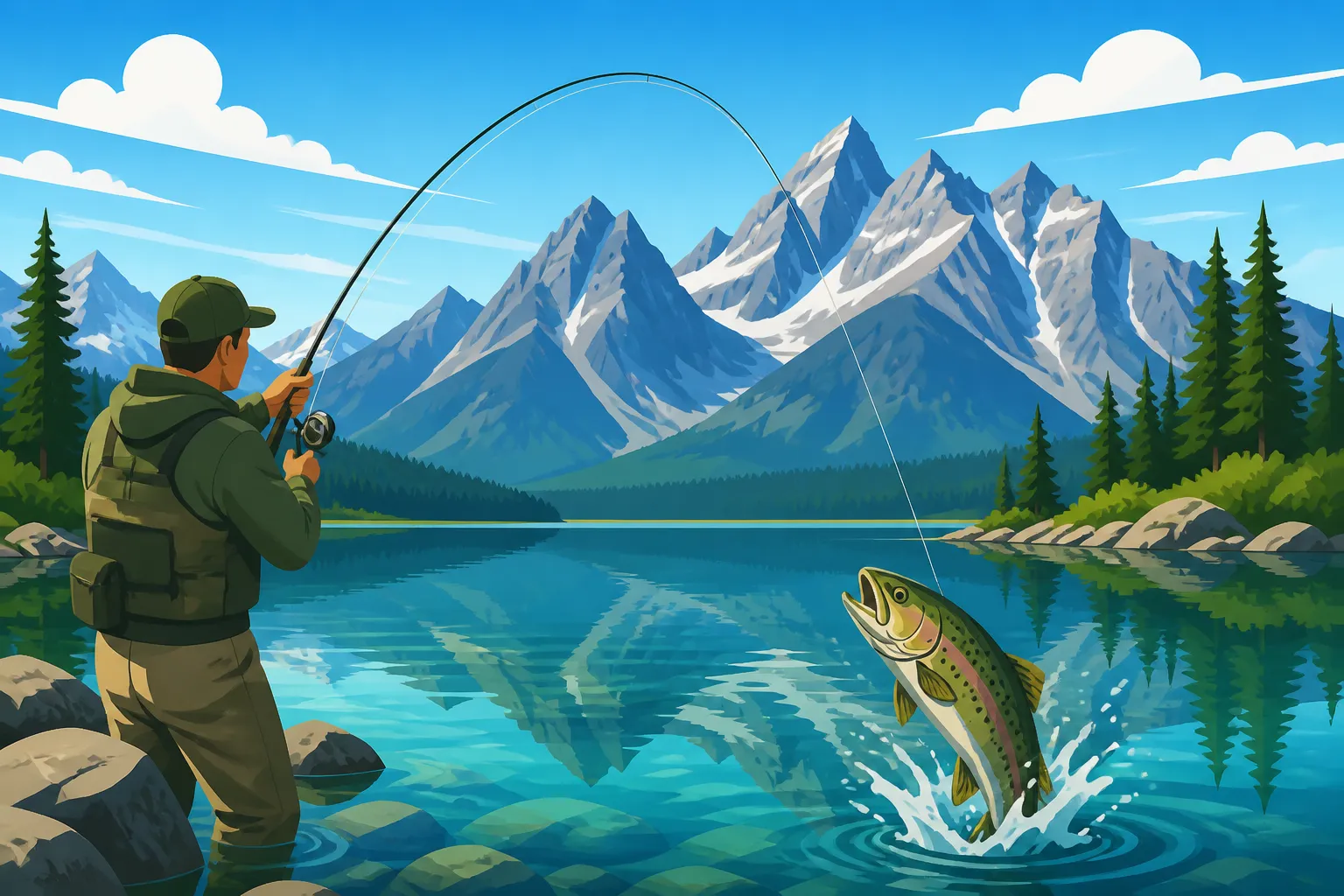
String Lake and Leigh Lake are jewels nestled within Grand Teton National Park, offering breathtaking views and a truly tranquil fishing experience. These two lakes are linked by a narrow, shallow channel, creating a unique aquatic environment that contrasts sharply with some of Wyoming's larger, more boisterous fishing destinations. Their pristine, glacier-fed waters reflect the towering peaks of the Tetons, making every cast a moment of awe.
A Scenic Gateway to Grand Teton's Waters
String Lake, often considered the more accessible and family-friendly of the two, acts as a natural gateway. Its shallow, clear waters are perfect for kayaking, canoeing, and paddleboarding, and it's a popular spot for picnicking and wading. For anglers, its easy access makes it a prime location for a relaxed day on the water, whether you're bank fishing or launching a small craft. The trail around String Lake also provides numerous spots to find a quiet corner away from the crowds, even during peak season. It’s an ideal place to introduce new anglers, especially kids, to the joy of fishing, given its gentle slopes and calm waters. You'll often see families enjoying the shores, making it a great blend of recreation and natural beauty.
What makes String Lake particularly special is its user-friendly nature. You can easily rent a canoe or kayak from nearby outfitters, or bring your own smaller, non-motorized vessel. The clear water allows you to sight-fish for trout on calmer days, adding an exciting visual element to the angling experience. The lake itself isn't incredibly deep, which means fish are often more accessible to those fishing from shore or using lighter tackle. However, don't let its gentle demeanor fool you; String Lake holds some feisty trout that can offer a thrilling fight, particularly if you know where to look in its slightly deeper channels and pockets.
Different Personalities, Shared Beauty
Leigh Lake, while connected to String Lake, offers a distinctly different, more remote feel. It's larger and deeper, and its shores are only accessible by hiking a short trail from String Lake, or by paddling across String Lake and portaging. This extra effort deters many casual visitors, preserving Leigh Lake's more serene and wild character. For anglers seeking solitude and a true wilderness experience, Leigh Lake is often the preferred choice. The effort required to reach its waters also means that the fishing pressure is generally lower, potentially leading to a more productive outing for those willing to make the trek.
The connection between String Lake and Leigh Lake through a small, often navigable channel is one of the charming features. While shallow, this channel allows fish to move between the two bodies of water, and it can be a productive spot for anglers, especially during certain times of the year when fish are actively migrating or seeking different water temperatures. Paddling from String Lake directly into Leigh Lake truly feels like entering a different realm, transitioning from the bustling, easily accessible waters to a more isolated, grander alpine lake surrounded by dramatic peaks. It's a journey that emphasizes the raw, untamed beauty of Grand Teton. The fishing here also takes on a different character, often requiring longer casts or deeper presentations compared to its shallower counterpart.
Understanding Regulations and Access for String Lake and Leigh Lake
Fishing in a National Park like Grand Teton comes with its own set of rules, which are often more stringent and specific than general state regulations. It's absolutely crucial to understand these nuances before you even think about wetting a line. The goal is always to protect the park's delicate ecosystem and ensure sustainable fishing for generations to come. Skipping this step could lead to fines or, worse, harm to the very environment you've come to enjoy.
Grand Teton National Park Fishing Permits and Licenses
First and foremost, you need a valid Wyoming fishing license. This is non-negotiable for anyone over the age of 14, whether you're a resident or a nonresident. You can purchase these online through the Wyoming Game and Fish Department website, or at various vendors throughout the state, including in towns around the park. It's important to differentiate between the state license and any park-specific regulations. While a Wyoming license covers you for fishing in Wyoming, Grand Teton National Park, like Fishing Rules Inside Grand Teton National Park, has its own additional rules that supersede or complement state regulations within park boundaries. You won't need a separate "permit" from the park itself, but you must adhere to their specific rules regarding tackle, bait, and catch limits.
For instance, certain waters within Grand Teton may have different daily creel limits or specific tackle restrictions (like fly-fishing only, or barbless hook requirements) that are not uniform across the state. Always consult the most current Grand Teton National Park Fishing Regulations, which are available on the park's official website or at visitor centers. These rules are updated regularly and often include maps detailing specific area restrictions or closures. Remember that a simple Wyoming Fishing Regulations Every Angler Should Know isn't enough; you need to cross-reference with park-specific information. Knowing Do You Need a Wyoming License to Fish in Grand Teton National Park? is the first step, but understanding the park's specific rules is the next crucial one.
Navigating Access Points and Prohibitions
Access to String Lake is quite straightforward, with a paved parking lot located right off the Teton Park Road. From here, you can walk directly to the shoreline, launch non-motorized boats from the designated ramp, or access the hiking trail that circumnavigates the lake. Leigh Lake is a different story. To reach Leigh Lake, you typically have two options: a roughly one-mile hike from the String Lake parking lot, or by paddling across String Lake and then portaging your boat over a short, flat section of land to Leigh Lake. Motorized boats are strictly prohibited on both String and Leigh Lakes, so you’ll need to rely on human power or simply fish from shore.
It’s vital to be aware of any specific closures or prohibitions that might be in effect. For example, certain areas might be temporarily closed to protect wildlife, such as spawning fish or nesting birds, or due to safety concerns. Always check with park rangers or at visitor centers for the most up-to-date information before heading out. Fishing is generally permitted along the entire shoreline of both lakes, provided you are not impacting wildlife or disrupting other visitors. However, if you plan on bringing your own boat, remember that all watercraft entering Grand Teton National Park waters must undergo an aquatic invasive species inspection. This is a crucial step to protect the park's pristine waters from harmful non-native species.
What Fish Call String and Leigh Lakes Home
The aquatic ecosystems of String and Leigh Lakes are relatively simple, primarily supporting trout species. While not known for huge trophy fish, these lakes offer consistent action for beautiful, wild trout in a stunning setting. Understanding what fish you're likely to encounter, and their natural behaviors, will significantly improve your chances of a successful outing.
Native Cutthroat and Other Species
The primary residents of String and Leigh Lakes are Yellowstone Cutthroat Trout. These beautiful fish are native to the region and are easily identifiable by the distinctive red or orange "cutthroat" markings under their jaw. They are incredibly important to the ecosystem, and the park works hard to protect their populations. While they don't typically grow to massive sizes in these lakes, you can expect to catch fish in the 10-16 inch range, with occasional larger specimens. Their wild nature makes them a rewarding catch, often striking aggressively, especially on flies. Beyond the cutthroat, you might also encounter a rainbow trout or brook trout, though the populations of these non-native species are generally lower in these specific lakes compared to other waters in Wyoming.
The presence of native Yellowstone Cutthroat Trout makes fishing in these lakes particularly special. These fish are a true symbol of the American West, and their health is a good indicator of the overall ecological well-being of the region. Anglers targeting them should always practice careful catch-and-release, especially for larger breeding fish, to help ensure their populations thrive. Learning about Cutthroat Trout Fishing in Wyoming will certainly enhance your experience here, as many techniques for targeting cutthroat apply directly to these waters. It's a privilege to fish for a species that has called these mountains home for millennia, and respecting them is part of the angling etiquette.
Managing the Fishery
Grand Teton National Park actively manages its fisheries, with a strong emphasis on conserving native species and minimizing the impact of non-native fish. Unlike some state-managed waters, stocking is generally not a primary management tool for String and Leigh Lakes; instead, the focus is on natural reproduction and habitat protection. There may be ongoing efforts to manage or suppress non-native species that compete with or predate on native cutthroat populations. This often involves specific regulations to encourage the harvest of certain non-native fish if they are present.
For anglers, this management approach means that you are fishing for a truly wild resource. It also means bag limits might be conservative for native species, and there could be specific rules for harvesting non-native species. Always check the current park regulations booklet for String Lake and Leigh Lake to understand the specific catch and possession limits for each species. For example, some regulations might stipulate that all cutthroat trout must be released immediately, or that non-native fish like brook trout, if caught, must be kept and not returned to the water. This is why paying close attention to the details in the regulation booklet is paramount, as the rules are designed to maintain the delicate balance of this stunning natural fishery.
Best Techniques and Strategies for These Lakes
Success on String and Leigh Lakes, like any fishing spot, often comes down to adapting your techniques to the specific environment and the behavior of the fish. These clear, relatively shallow waters demand a thoughtful approach, particularly given the wild nature of the trout that inhabit them. Whether you prefer the elegance of fly fishing or the versatility of spin fishing, there are effective strategies to employ.
Fly Fishing Considerations
Fly fishing is an incredibly popular and effective method on both String and Leigh Lakes, especially given the clear waters and the presence of native cutthroat. For String Lake, dry fly fishing can be productive, particularly during hatches in the late spring and summer. Smaller attractor patterns like Parachute Adams, Royal Wulffs, and Elk Hair Caddis in sizes 14-18 can elicit strikes. Because String Lake is relatively shallow, nymphing under an indicator or even stripping small streamers can also be very successful, especially in the slightly deeper channels or near submerged structure. Look for areas where the wind creates a ripple on the surface, which can help mask your presence from spooky fish.
On Leigh Lake, given its larger size and deeper sections, you might need to adjust your approach. While dry flies still work during active hatches, don't be afraid to go deeper. Nymph rigs, using patterns like Prince Nymphs, Hare's Ears, and Pheasant Tails, fished with a strike indicator or on a Euro Nymphing setup, can be deadly. Streamer fishing is also very effective, particularly for targeting larger cutthroat that may be cruising deeper waters or holding near drop-offs. Patterns like Woolly Buggers, Sculpzillas, or small leech patterns, retrieved with erratic strips, can trigger aggressive takes. The larger expanse of Leigh Lake also provides more opportunities for drifting with a float tube or kayak, allowing you to cover more water and explore different depths. Understanding Fly Fishing Techniques for Wyoming Trout Streams can provide a great foundation, though remember to adapt for stillwater conditions.
Spin Fishing and Bait Fishing Tips
For those who prefer spin fishing, both lakes offer excellent opportunities. Due to the clear water, lighter line (4-6 lb test) and a stealthy approach are often best. Small inline spinners, such as Mepps or Panther Martins in silver, gold, or black, are consistently effective for trout. Tiny spoons, like a Kastmaster or Daredevil, can also work well, especially when cast towards deeper water or structure. Soft plastics, such as small trout worms or PowerBait, fished under a bobber or slowly retrieved along the bottom, can also tempt strikes, particularly for recently stocked or less pressured fish.
When it comes to bait fishing, it's crucial to consult the current park regulations. While many Wyoming waters allow various baits, some National Park waters may have restrictions on what you can use. Live minnows, for example, are typically prohibited to prevent the introduction of invasive species. If bait fishing is permitted, common options include worms (nightcrawlers, red wigglers), salmon eggs, or commercially prepared trout dough baits. Using minimal weight and allowing your bait to drift naturally can be very effective. Remember to check Bait Fishing Techniques for Beginners for more foundational knowledge, but always prioritize park regulations when selecting your bait. Fishing these lakes with a small boat or float tube allows you to present these lures and baits to areas inaccessible from shore, often yielding better results.
Seasonal Approaches and Weather Factors
The fishing experience on String and Leigh Lakes changes significantly throughout the year, primarily influenced by ice-out, water temperatures, and weather patterns.
- Spring (Ice-out to early June): This is often a fantastic time to fish. As the ice melts (usually late April to mid-May), the water is cold, and trout are often actively feeding closer to the surface after a long winter. Emerger patterns, small nymphs, and brightly colored spinners can be very effective. However, spring weather in Grand Teton can be highly unpredictable, with sudden snowstorms or high winds possible. Dressing in layers and checking the forecast is essential. Early season often offers fewer crowds and a raw, beautiful solitude.
- Summer (June to August): This is peak season for visitors, but fishing can still be excellent, especially in early morning or late evening. Warmer water temperatures can push fish deeper during the day, so adjusting your depth with nymphs, streamers, or spoons is key. Dry fly fishing can be superb during evening hatches. Afternoon thunderstorms are common, so be prepared to get off the water quickly. While busy, the sheer beauty of the surroundings makes summer fishing incredibly enjoyable.
- Fall (September to October/November): Many consider fall to be the prime fishing season. Crowds thin out, the weather is crisp, and the changing aspens create a stunning backdrop. Trout, particularly cutthroat, become more aggressive as they prepare for winter and, for some, their spawning runs. Streamers and larger nymphs are often very productive. This is an excellent time for targeting a larger, more active fish. The lakes will eventually freeze over, typically by late November, marking the end of the open-water season. For a general overview of the year, checking Wyoming Fishing Seasons Month by Month can give you a broader context.
Wind is another significant factor. Strong winds can make casting difficult, especially for fly anglers, and can make boating or paddling challenging and dangerous. On the other hand, a light chop on the water can break up the surface, making fish less spooky and potentially increasing your chances. Always pay attention to changing weather conditions, especially when venturing out onto Leigh Lake, which, due to its size, can develop significant waves quickly.
Essential Gear and Safety for Your Trip
A successful and enjoyable fishing trip to String and Leigh Lakes requires more than just fishing gear; it demands proper preparation for the high-altitude, wild environment of Grand Teton National Park. Safety and comfort should always be your top priorities.
What to Pack for a Day on the Water
Given the variability of mountain weather, layering your clothing is critical. Even on a warm summer day, temperatures can drop rapidly, or a sudden rain shower can move in. Start with a moisture-wicking base layer, add an insulating mid-layer (fleece or down), and top it with a waterproof and windproof outer shell. Quick-drying pants are always a good idea, and sturdy, comfortable hiking shoes or wading boots are essential, especially if you plan to access Leigh Lake. Don't forget a hat for sun protection, polarized sunglasses to cut glare and spot fish, and plenty of sunscreen.
Beyond clothing, a small backpack should carry your essentials:
- Water: Stay hydrated, as the high elevation and dry air can quickly lead to dehydration.
- Snacks: Energy bars, trail mix, or a packed lunch will keep you fueled.
- First-Aid Kit: Small cuts, blisters, or insect bites are common.
- Navigation: A map and compass (and knowing how to use them) or a reliable GPS device, especially if you plan to explore beyond the main trails.
- Bear Spray: Absolutely essential in Grand Teton. Know how to carry it and how to use it.
- Trash Bag: Pack out everything you pack in, and possibly more.
- Fishing Gear: Appropriate rods, reels, line, tackle box with a variety of flies, lures, or bait, and a net for handling fish gently. If you're planning a full day out, looking at What to Bring on a Guided Wyoming Fishing Trip can offer additional insights, even for a self-guided excursion.
For boaters, a personal flotation device (PFD) is required for each person on board, and wear it! Even on calm waters, accidents can happen quickly, and the water in these lakes is consistently very cold.
Wildlife Encounters and Backcountry Preparedness
Grand Teton National Park is home to an abundance of wildlife, including black bears and grizzly bears. While encounters are usually harmless if you follow safety guidelines, preparedness is key. Always carry bear spray and know how to use it. Store food and scented items in bear-resistant containers or hung from a tree when not in immediate use, especially if you're venturing into backcountry areas or planning to stay out for extended periods. Make noise while hiking to avoid surprising a bear, and be aware of your surroundings. Never approach wildlife, and always maintain a safe distance.
Weather preparedness extends beyond just dressing appropriately. Sudden thunderstorms can bring lightning, hail, and high winds, making exposed areas and the open water dangerous. Pay attention to the sky and be ready to seek shelter or get off the water if conditions deteriorate. Tell someone your plans – where you're going, your estimated return time – especially if you're heading to Leigh Lake or beyond. Cellular service can be spotty or nonexistent in many parts of the park, so don't rely on your phone for emergencies. String Lake and Leigh Lake offer a true wilderness experience, and respecting that wildness, while being prepared for its challenges, is paramount.
Making the Most of Your Grand Teton Fishing Experience
Fishing String Lake and Leigh Lake isn't just about catching fish; it's about immersing yourself in one of the most magnificent landscapes on Earth. These lakes offer a unique opportunity to combine your passion for angling with the broader outdoor adventure that Grand Teton National Park provides.
Combining Fishing with Other Park Activities
The beauty of these lakes is that they are intertwined with many other activities available in the park. You can easily spend a morning fishing, then switch gears for an afternoon hike. The String Lake Loop Trail is a relatively easy and incredibly scenic walk, offering different perspectives of the lake and opportunities for wildlife viewing. The portage trail between String Lake and Leigh Lake is also a pleasant hike in itself, providing access to more secluded areas. For the more adventurous, trails continue from Leigh Lake deeper into the backcountry, offering multi-day backpacking and fishing opportunities to higher-alpine lakes, although these require even more preparation and permits.
For those who enjoy paddling, kayaking or canoeing on String and Leigh Lakes is an absolute must. The mirror-like reflections of the Tetons on calm mornings are truly breathtaking, and paddling silently across the water adds another dimension to your fishing experience. You can cast as you paddle, or find a serene cove to anchor and fish. You might also consider exploring other nearby waters. While String and Leigh offer their unique charm, remember that Grand Teton has a variety of fishing spots. If you're seeking a broader experience within the park, consider checking out Fishing Spots Inside Grand Teton National Park, Wyoming for more ideas.
Considering a Guided Trip for a Deeper Dive
While String Lake and Leigh Lake are accessible for self-guided trips, hiring a local fishing guide can profoundly enhance your experience, especially if it's your first time in the area or if you want to maximize your chances of success. A good guide knows the local waters intimately – where the fish are holding, what flies or lures they're hitting, and how to navigate the specific conditions of the day. They can also provide all the necessary gear, teach you new techniques, and share invaluable insights into the park's history, ecology, and wildlife. This can be particularly beneficial if you're new to fly fishing or want to learn specific techniques for stillwater trout.
Many reputable outfitters operate in and around Jackson Hole and Grand Teton National Park. You can often find guides specializing in float trips on other rivers like the Snake River, or wade trips for targeting specific trout species. Websites like FishingBooker can be a great resource for finding and comparing local guides who are licensed to operate in the park area. They list various services, from half-day wade trips on String Lake to full-day excursions that might include the paddle and portage to Leigh Lake. Utilizing FishingBooker allows you to read reviews, compare prices, and find a guide whose expertise matches your fishing goals. Whether you’re looking for a leisurely day or a more intensive learning experience, booking through platforms like FishingBooker provides peace of mind and access to vetted professionals who are passionate about sharing their knowledge. A guided trip can be particularly valuable for families or beginners, providing a safe and educational introduction to fishing in this spectacular landscape. For more general advice, you can also refer to Hiring a Fishing Guide in Wyoming.
String Lake vs. Leigh Lake: A Quick Comparison for Anglers
To help you decide which lake might be best for your next adventure, here's a quick comparison:
| Feature | String Lake | Leigh Lake |
|---|---|---|
| Accessibility | Easy access from paved parking, short walk. | Requires hike or paddle/portage from String Lake. |
| Size | Smaller, shallower, more intimate. | Larger, deeper, more expansive. |
| Crowds | More popular, especially for families/paddlers. | Less crowded, offers more solitude. |
| Boating | Non-motorized allowed, easy launch. | Non-motorized allowed, requires more effort to launch. |
| Primary Fish | Yellowstone Cutthroat Trout, some Rainbow/Brook. | Yellowstone Cutthroat Trout. |
| Best Methods | Dry flies, small nymphs, spinners, bait (check regulations). | Streamers, nymphs, dry flies (during hatches), spoons. |
| Experience | Family-friendly, relaxed, scenic. | Wilderness feel, rewarding for solitude seekers. |
Disclaimer
The information provided in this guide is for general informational purposes only and is subject to change. Fishing regulations, access points, and conditions in Grand Teton National Park can vary seasonally and may be updated by the National Park Service and Wyoming Game and Fish Department without prior notice. Always consult the most current official regulations and park advisories before planning your fishing trip. Safety in the backcountry and around wildlife is paramount.