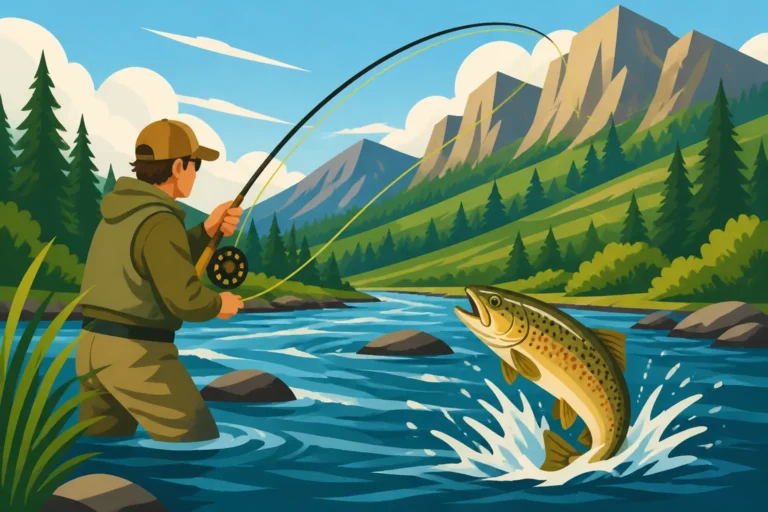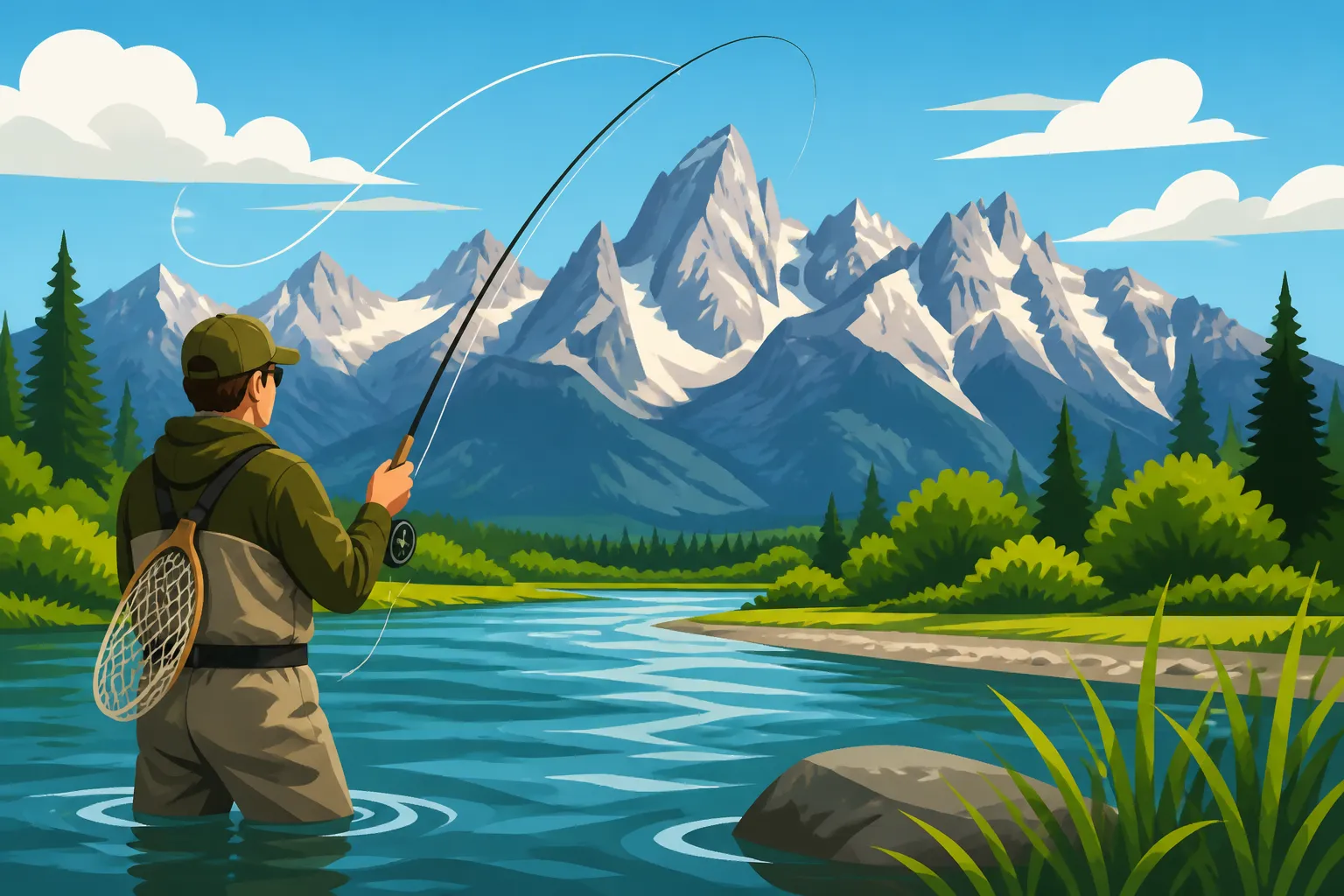
Fishing the Snake River Inside Grand Teton
Oh, the allure of fishing the Snake River within Grand Teton National Park! It's a dream for so many anglers, a chance to cast a line in one of the most breathtakingly beautiful and wild places on earth. But let's be real, the thought of navigating national park regulations, understanding specific closures, and knowing where to even begin can feel utterly overwhelming, turning that dream into a stressful planning headache. This comprehensive guide is here to untangle all that complexity, offering practical, on-the-ground advice for everything you need to know to enjoy a truly rewarding and compliant fishing experience on the majestic Snake River inside Grand Teton.
Understanding the Unique Regulations for Fishing the Snake River in Grand Teton
When you think about fishing in a national park like Grand Teton, it's easy to assume things are just… different. And you're absolutely right! While Wyoming offers fantastic fishing statewide, dipping your line into the Snake River within the park boundaries comes with its own set of rules and a heightened sense of responsibility. It's not just about what you catch; it's about protecting the pristine environment and the native species that call it home. Ignoring these specifics isn't just a minor oversight; it can lead to hefty fines and, frankly, a tarnished experience in a place meant to inspire awe.
Navigating National Park Licensing and Stamps
First things first: you absolutely need a valid Wyoming fishing license to fish any waters within Grand Teton National Park, including the Snake River. There isn't a separate "park fishing license" you buy; your standard state license covers it. This often surprises folks who expect an additional layer of park bureaucracy, but it simplifies things a bit on the licensing front.
Beyond the license itself, most anglers 14 years or older, whether resident or nonresident, will also need a Wyoming Conservation Stamp. This stamp is vital; it directly supports wildlife conservation and habitat management efforts across the state. Think of it as your contribution to keeping Wyoming wild and ensuring these incredible resources are around for generations to come. You can learn more about The Wyoming Conservation Stamp and What It Covers if you want to dive deeper into its purpose and how it benefits the fisheries you're enjoying.
It's crucial to purchase both your license and stamp before you hit the water. You can do this conveniently online through the Wyoming Game and Fish Department website, or at many sporting goods stores, tackle shops, and even some general stores throughout Wyoming. Don't rely on being able to buy one at the park entrance or visitor center, as that's often not an option. Having your license and stamp readily accessible, whether a physical copy or a digital one on your phone, is non-negotiable, as park rangers and game wardens do patrol these waters. If you're wondering about the specifics, our guide on Do You Need a Wyoming License to Fish in Grand Teton National Park? can clear up any remaining questions.
Specific Fishing Rules Within Grand Teton National Park
The Snake River in Grand Teton is primarily managed for its native populations, especially the iconic Snake River Fine-Spotted Cutthroat Trout. This means regulations are often stricter than in other parts of the state, all designed to protect and preserve this unique fishery. Expect a strong emphasis on catch-and-release, especially for native species, and the mandatory use of certain gear.
For example, on many stretches of the Snake River within the park, only artificial flies or lures with a single, barbless hook are permitted. This isn't just a suggestion; it's a hard and fast rule. Barbless hooks minimize damage to the fish, making their release much safer and increasing their survival rate. If your hooks have barbs, you can easily crimp them down with a pair of pliers. Live bait, dead bait, or any scented artificial baits are typically prohibited. Always double-check the current year's Grand Teton National Park Fishing Regulations pamphlet, available on the National Park Service website or at park visitor centers, as rules can occasionally change. It's truly your bible for fishing these waters. Understanding Catch-and-Release Rules on Wyoming Waters is also incredibly important here, as proper handling is key to the health of the fish.
Seasonal closures and specific length limits can also apply, often varying by water body or river segment within the park. For instance, some areas might have a slot limit, meaning you can only keep fish within a certain size range, or a complete catch-and-release mandate for all trout. These regulations are meticulously crafted to ensure the long-term health of the fish populations, and anglers are expected to know and follow them to the letter. Don't rely on hearsay; always refer to the official Fishing Rules Inside Grand Teton National Park for the most accurate information.
Protecting Native Species and Preventing Invasive Threats
Fishing in Grand Teton National Park isn't just a leisure activity; it's an active partnership in conservation. The primary goal of the park's fisheries management is to protect and restore the native aquatic ecosystem, with a special focus on the native Snake River Fine-Spotted Cutthroat Trout. These fish are a keystone species here, and every regulation, every guideline, is designed to ensure their survival and thriving populations.
This commitment extends to preventing the introduction and spread of aquatic invasive species. Invasive species like New Zealand mudsnails or whirling disease can devastate native fish populations and alter entire ecosystems, and they're incredibly difficult, if not impossible, to eradicate once established. Because of this, the "Clean, Drain, Dry" protocol is absolutely critical. Before you launch any watercraft or even step into the river with waders, make sure all your gear – boats, trailers, waders, boots, nets, and fishing equipment – is thoroughly cleaned, drained of all water, and completely dry. This simple act is one of the most powerful tools we have to protect these precious waters.
You might even encounter situations where you're asked to report any non-native fish you catch, or in some areas, actively remove and not return certain invasive species to the water. This is particularly true for Lake Trout in other parts of the region (like Yellowstone Lake), though not as common for the Snake River itself within GTNP. It’s a serious issue, and staying informed about Invasive Fish Species Wyoming Anglers Should Report is an important part of being a responsible angler in Wyoming. Your vigilance directly contributes to safeguarding this incredible fishery for generations of anglers and wildlife enthusiasts.
Prime Access Points and Productive Waters on the Snake River
The Snake River meanders through Grand Teton National Park, offering a diverse array of fishing experiences, from wide, braided channels to intimate runs. Knowing where to access the river and what to expect in different stretches can significantly enhance your fishing success and overall enjoyment. The beauty of it all is that you're surrounded by some of the most iconic peaks in the world, making every cast a postcard-worthy moment.
Popular River Stretches and Boat Launches
For many anglers looking to float the Snake River, several well-known access points offer opportunities for drift boat or raft launches. These spots are popular for a reason: they provide access to miles of productive water, often teeming with cutthroat. Places like Oxbow Bend offer incredibly scenic fishing, where the river slows and reflects Mount Moran, creating stunning photographic opportunities alongside good fishing. Further south, Deadman's Bar is another popular launch site, providing access to classic Snake River riffles, runs, and eddy lines that hold plenty of fish.
Pacific Creek and Cattleman's Bridge are also key access points, each with its own character and opportunities. While floating allows you to cover a lot of water and reach spots inaccessible to wade anglers, remember that a permit is required for all vessels on the Snake River within the park. These permits are typically issued by the National Park Service. It’s a good idea to research these in advance, especially during peak season, as spots can be limited. If you’re considering a guided trip, outfitters often handle these logistics, ensuring you have the necessary permits. Online platforms like FishingBooker are excellent resources for finding guides who specialize in float trips on the Snake and are intimately familiar with these park access points. For a broader overview, check out Fishing Spots Inside Grand Teton National Park, Wyoming which details these and other locations.
Wade Fishing Opportunities and Shoreline Access
While the Snake River is famous for its float trips, there are also ample opportunities for wade fishing, especially during lower water flows later in the summer and into the fall. Many of the same access points used by boaters, such as those near Moose Junction or pull-offs along the Inner Park Road, can also provide entry points for anglers willing to walk a bit and wade the shallower sections.
Wade fishing offers a more intimate experience, allowing you to slow down, meticulously work a piece of water, and truly immerse yourself in the surroundings. Look for river bends, seams, and bankside cover where trout might be holding. Always be mindful of currents, especially during higher flows, and use a wading staff for stability. The Snake can be deceptively powerful. Additionally, remember that you're in prime bear country, so carry bear spray and know how to use it. When you’re considering fishing from the bank versus a boat, our guide on Fishing From Boats vs Banks: Different Rules might offer some helpful insights into different approaches.
Finding good wade access often involves a bit of exploring, but patience usually pays off with solitude and excellent fishing. Some of the smaller braids and channels that break off the main river can be particularly productive and less crowded. Just be sure to always stay on designated trails or within areas open to public access, respecting the park's regulations and private land boundaries where applicable.
Exploring Tributaries and Nearby Lakes within the Park
While the Snake River is undoubtedly the star, Grand Teton National Park is home to numerous other stunning waters that offer fantastic fishing, and understanding them provides context to the main river itself. Many of the Snake's tributaries, like Pacific Creek or Buffalo Fork, also hold cutthroat and are subject to similar, often stringent, regulations. These smaller waters can provide excellent sight-fishing opportunities in a more secluded setting, but always verify specific regulations for each stream, as they can differ from the mainstem Snake.
Within the park, you also have beautiful lakes like Leigh Lake and String Lake, which are fed by glacial melt and offer different fishing experiences. These lakes often hold cutthroat as well, and sometimes brook trout. However, the rules for lake fishing can vary significantly from river fishing within the park. For instance, some lakes may have different bait restrictions or specific limits. Our detailed guide on String Lake and Leigh Lake Fishing in Grand Teton can provide you with all the essential information for those particular destinations.
It’s easy to get caught up in the grandeur of the Snake, but don't overlook these other gems. They offer a chance to diversify your fishing experience, target different species or sizes of fish, and enjoy even more of the breathtaking Grand Teton landscape. Just remember: every body of water, no matter how small, is part of a delicate ecosystem, and knowing the specific rules for each is paramount to responsible angling.
Essential Techniques and Gear for Snake River Success
Fishing the Snake River in Grand Teton is a quintessential Western experience, and while the scenery is always a trophy, landing a beautiful cutthroat requires a thoughtful approach. The river's character, combined with the primary focus on native species, means certain techniques and gear choices will yield far better results than others. Forget just throwing anything; precision and understanding the fish's habits are key here.
Fly Fishing Strategies for Cutthroat Trout
The Snake River in Grand Teton is, without a doubt, a world-renowned fly-fishing destination. The relatively shallow, clear waters and abundant insect life make it ideal for presenting flies to eager cutthroat. For many, a 5 or 6-weight fly rod is the workhorse, offering enough backbone to handle larger fish but sensitive enough for delicate presentations. If you're pondering your setup, our guide on Best Fly Rod Weight for Wyoming Trout Streams can offer some specific recommendations.
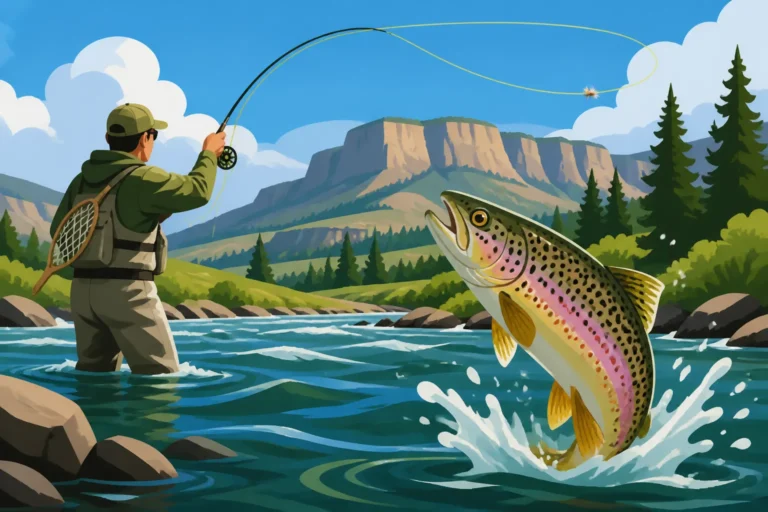
Dry fly fishing is arguably the most exciting method here, especially during summer hatches. The Snake River Fine-Spotted Cutthroat are often very surface-oriented, and watching a beautiful fish rise to your carefully presented fly is pure magic. Think about classic attractor patterns like Stimulators, Chubby Chernobyls, and Royal Wulffs, or more specific patterns like Parachute Adams or Caddis imitations when a hatch is on. Knowing the local insect life and "matching the hatch" will dramatically increase your success. Our guide to Best Wyoming Fly Patterns for Cutthroat Trout is an invaluable resource for this.
When fish aren't rising, nymphing is often the most productive strategy. Tungsten-beaded nymphs like Pheasant Tails, Hare's Ears, and Prince Nymphs, drifted naturally along the bottom, can entice strikes from fish holding in deeper runs and riffles. Streamer fishing can also be incredibly effective, especially for targeting larger, more aggressive cutthroat. Patterns like Woolly Buggers or articulated streamers stripped through deeper pools and undercut banks can trigger a predatory response. Remember, single, barbless hooks are mandatory, so ensure all your flies conform to this rule.
Spin Fishing Approaches for the Snake River
While fly fishing tends to get all the glory on the Snake River, spin fishing can also be highly effective and a fantastic way to enjoy the park's waters, especially for those new to trout fishing or who prefer conventional gear. The same principle of single, barbless hooks applies here, so you'll need to adapt your lure selection or modify your hooks accordingly.
Light to ultralight spinning gear with 4-6 pound test line is ideal. You'll want a rod that offers good sensitivity for detecting subtle strikes and a reel with a smooth drag system. As for lures, small inline spinners like Mepps or Panther Martins in sizes #0 to #2 are often very productive. Colors like silver, gold, or brass with a touch of red or black can imitate baitfish or insects. Small spoons, such as Kastmasters or Daredevils, are also excellent choices, especially when cast into deeper pools or faster currents. The key is to choose lures that mimic the natural food sources of the cutthroat and provide good action in the current. If you're just starting out, our Spin Fishing Techniques for Beginners article provides a great foundation.
Soft plastics, particularly small trout worms or tube jigs, can also be used effectively, again, ensuring they are fished on single, barbless hooks and are scent-free if that's a park regulation. The important thing is to cast upstream and allow your lure to drift naturally downstream, retrieving just fast enough to impart action without pulling it unnaturally against the current. This "drift fishing" technique often works wonders on trout streams. Always respect fellow anglers, especially fly fishers, by giving them ample space, as river etiquette is highly valued on these waters.
Seasonal Considerations and Reading the Water
The Snake River, like all rivers, changes character throughout the year, and understanding these seasonal shifts is crucial for success. Spring (after snowmelt runoff subsides, typically late May to mid-June) can be excellent, with hungry fish eager to feed after a long winter. The water might still be a bit high and off-color, making nymphing and streamer fishing effective. As you plan your trip, consider checking Wyoming Fishing Seasons Month by Month for a general overview.
Summer (July and August) is prime time, with consistent insect hatches and warmer, clearer water. This is when dry fly fishing shines, but you'll also find success with nymphs and small streamers. However, daytime temperatures can get hot, so early mornings and late evenings are often the most productive. Fall (September and October) offers some of the most spectacular fishing, especially as brown trout begin their spawning migrations and cutthroat feed heavily before winter. The crowds thin out, the weather is crisp, and larger fish are often more active. This is a favorite time for many seasoned anglers.
Regardless of the season, knowing how to "read the water" is an indispensable skill. Look for seams where fast water meets slow water, current breaks behind large rocks or logs, deep pools, and undercut banks. These are the classic holding lies where trout conserve energy and ambush prey. Learning to interpret these subtle cues will tell you where fish are likely to be hiding. If you're keen to improve this skill, our article on How to Read Water When Trout Fishing offers some excellent pointers.
To give you a clearer picture, here's a brief overview of what to expect on the Snake River during different seasons:
| Season | Typical Conditions | Primary Techniques | Target Fish Behavior | Notes for Anglers |
|---|---|---|---|---|
| Spring (Late May – Mid-June) | Runoff subsiding, water clearing; can still be high/cold. | Nymphing, Streamers | Actively feeding after winter, but can be sluggish. | Monitor flows carefully; focus on slower seams. |
| Summer (July – August) | Clear, moderate flows; prolific insect hatches. | Dry Flies, Nymphs | Actively rising to insects; holding in riffles/runs. | Early mornings/late evenings best; be aware of crowds. |
| Fall (Sept. – Oct.) | Low, clear flows; cooler temps; less angling pressure. | Streamers, Dry Flies, Nymphs | Aggressively feeding; brown trout migrating. | Excellent for larger fish; prepare for variable weather. |
Planning Your Grand Teton Fishing Adventure
A successful fishing trip to the Snake River in Grand Teton National Park isn't just about knowing the rules and techniques; it's about preparation, respect for the environment, and prioritizing safety. This is wild country, and while stunningly beautiful, it demands a certain level of awareness and preparedness from anyone venturing into its heart.
Hiring a Local Guide for an Enhanced Experience
For many, especially first-time visitors or those less familiar with Western river fishing, hiring a local guide is an absolute game-changer. These experienced professionals aren't just boat drivers; they are experts on the river, its specific regulations, current conditions, and fish behavior. They'll provide all the necessary gear (often including flies and lures that meet park regulations), teach you effective techniques, and put you on the most productive water, maximizing your chances of success.
Guides also handle all the logistics, from required park boat permits to access points, allowing you to simply relax and focus on the fishing and the incredible scenery. They're invaluable for teaching you the nuances of fly presentation for cutthroat or how to effectively drift a spinner. Many anglers use services like FishingBooker to find and book reputable local guides. It’s a great way to read reviews, compare options, and ensure you're getting an experienced outfitter who is licensed and permitted to operate within Grand Teton National Park. Our article on Hiring a Fishing Guide in Wyoming provides even more reasons why this investment can be worthwhile.
When booking a guided trip, make sure to confirm what's included (e.g., lunch, drinks, gear) and if your fishing license and conservation stamp are your responsibility (they almost always are). Guided trips on the Snake River within Grand Teton are incredibly popular, so booking well in advance, especially for peak summer and fall dates, is highly recommended. For more specific information, check out Guided Fishing Trips in Grand Teton National Park, Wyoming.
Respecting Wildlife and Practicing Leave No Trace
Grand Teton National Park is home to an incredible array of wildlife, from elk and moose to grizzly and black bears. When you're fishing the Snake River, you are in their habitat, and respectful coexistence is paramount. Always maintain a safe distance from wildlife, never approach or feed animals, and be especially vigilant in areas with dense vegetation or along river bends where visibility is limited. Carrying bear spray and knowing how to use it is not just a recommendation; it's a critical safety measure when fishing anywhere in the park.
Beyond wildlife, practicing "Leave No Trace" principles is fundamental to preserving the pristine nature of Grand Teton. This means packing out everything you pack in, including all trash, leftover fishing line, and any food scraps. Avoid disturbing vegetation, stay on designated trails when accessing the river, and never build new fire rings or leave behind any evidence of your visit. Even seemingly small acts, like proper disposal of fish entrails, contribute to maintaining the ecological balance and aesthetic beauty of the park. Your actions directly impact the health of the environment and the experience of future visitors.
Important Safety Tips for River Anglers
The beauty of the Snake River can sometimes mask its inherent dangers. Safety should always be your top priority. If you're wading, be aware that river bottoms can be uneven, slippery, and currents can be strong, especially during higher flows. A wading staff provides crucial stability. Always know the limits of your wading abilities and wear appropriate footwear that offers good grip and ankle support.
Weather in the mountains can change rapidly. A sunny morning can quickly turn into an afternoon thunderstorm with lightning, heavy rain, or even hail. Dress in layers, carry rain gear, and keep an eye on the sky. If you hear thunder, get off the water immediately and seek shelter. Always inform someone of your fishing plans, including your intended access point and estimated return time, especially if you're venturing out solo. Cell service can be spotty to non-existent in many parts of the park, so don't rely on it for emergency communication.
Finally, consider the effects of elevation. Grand Teton National Park is at a high altitude, which can exacerbate dehydration and sunburn. Drink plenty of water throughout the day, even if you don't feel thirsty, and apply sunscreen frequently. Wearing a wide-brimmed hat and polarized sunglasses will protect you from the sun's glare and help you spot fish more easily. By being prepared and exercising caution, you ensure your Snake River fishing adventure is not only productive but also safe and enjoyable.
Disclaimer
Please remember that fishing regulations and conditions can change. Always consult the most current Wyoming Game and Fish Department regulations and Grand Teton National Park's specific fishing guidelines before heading out. This article is for informational purposes only and should not be considered a substitute for official regulations.