What Fish Live in Jackson Lake
Planning a fishing trip to Jackson Lake in Grand Teton National Park is an absolute dream for many, but often, anglers wonder what kind of fish they'll actually encounter beneath those stunning mountain reflections. It can be frustrating to plan a whole trip without knowing if your target species even lives there. This guide will dive deep into the diverse aquatic life of Jackson Lake, helping you understand exactly what fish call this iconic Wyoming water home and what to expect when you cast your line.
The Kings of Jackson Lake: Lake Trout and Cutthroat
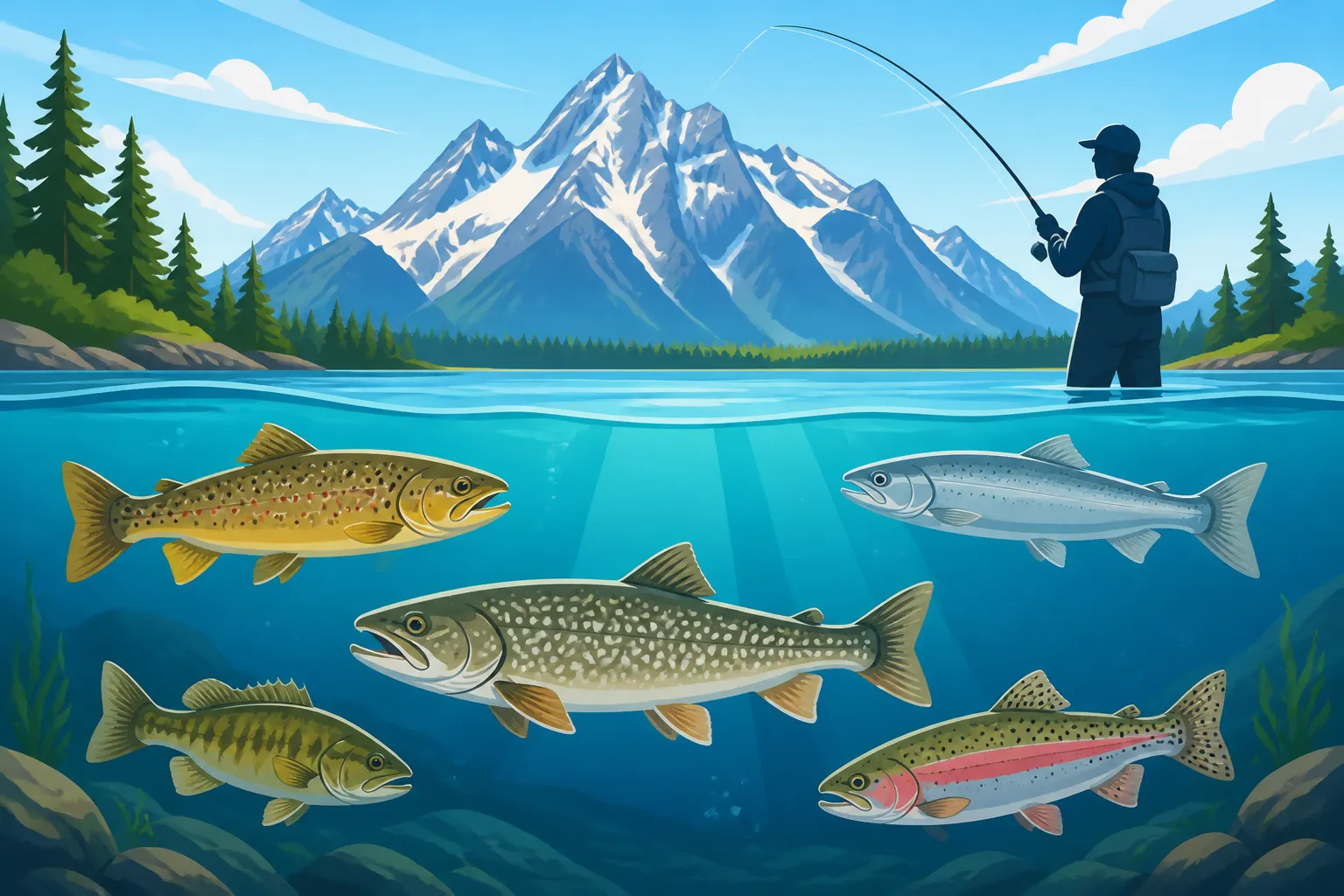
Jackson Lake, nestled against the dramatic backdrop of the Teton Range, is a truly special fishery. It's renowned for two primary game fish species that offer distinct challenges and rewards to anglers: the large, predatory Lake Trout and the vibrant, native Snake River Fine-Spotted Cutthroat Trout. Understanding their habits and habitats is key to a successful trip here.
The Mighty Mackinaw Lake Trout
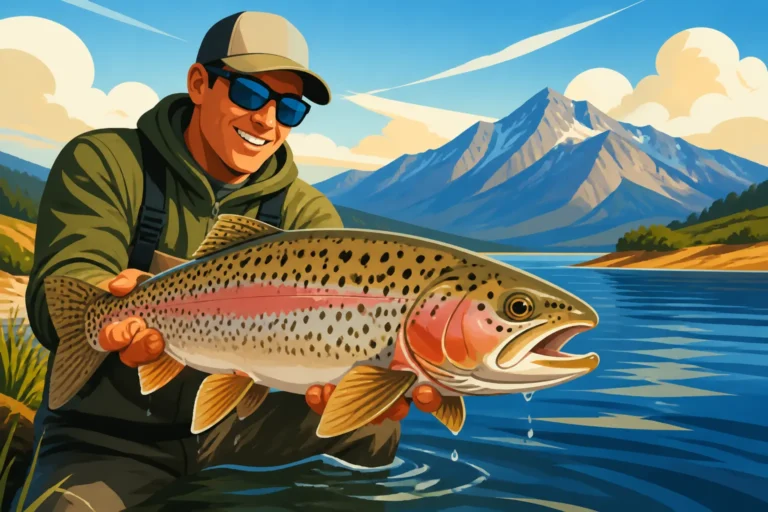
When most folks talk about fishing Jackson Lake, the conversation often quickly turns to the formidable Lake Trout, affectionately known as Mackinaw. These aren't your average pan-sized fish; Jackson Lake is known for producing some truly massive specimens, making it a bucket-list destination for many trophy hunters. They thrive in the lake's deep, cold waters, often found lurking near structure or suspended in the water column, patiently waiting for their next meal.
Lake Trout are powerful fighters, and hooking into one, especially a big one, is an experience you won't soon forget. They're typically found in deeper water, particularly during the warmer summer months when they retreat to cooler temperatures below 50 feet, sometimes even over 100 feet deep. In spring and fall, they might venture into shallower waters to spawn or feed, making them more accessible to shore anglers or those without specialized deep-water gear. Trolling with downriggers or jigging heavy spoons and tube jigs are popular and effective methods for targeting these deep-dwelling giants.
The sheer size these fish can attain is a major draw. While most catches might be in the 2-5 pound range, fish exceeding 15 or 20 pounds are not uncommon, and Jackson Lake has a history of yielding some truly monstrous Mackinaw. For an idea of the potential, you might be interested in knowing Where Jackson Lake's Record Lake Trout Was Caught. These impressive catches are a testament to the lake's rich ecosystem and the abundant forage available to these apex predators.
The Native Beauty: Snake River Fine-Spotted Cutthroat Trout
Alongside the introduced Lake Trout, Jackson Lake is also home to a significant population of the native Snake River Fine-Spotted Cutthroat Trout. These beautiful fish are a true symbol of the region's natural heritage, easily identified by their distinctive red or orange "cutthroat" markings under their jaw and the fine, abundant spots covering their bodies. Unlike the deep-water dwelling Mackinaw, cutthroat typically prefer shallower, oxygen-rich areas, especially near stream inlets, along rocky shorelines, or around submerged structure where they can find insects and smaller baitfish.
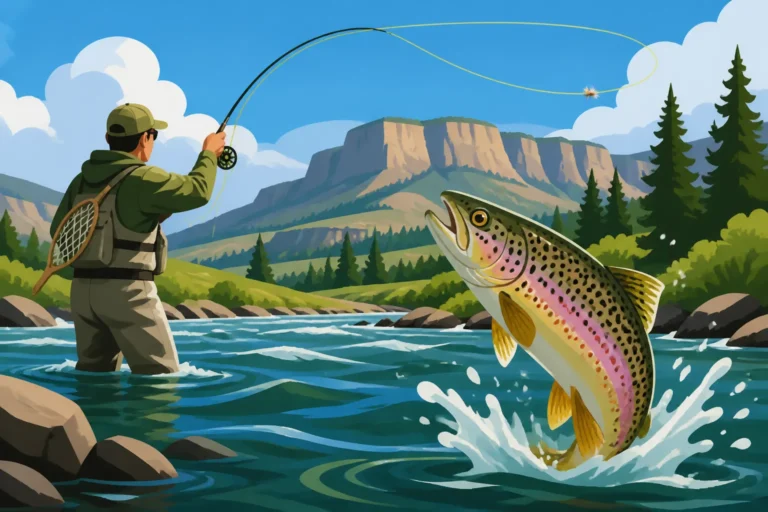
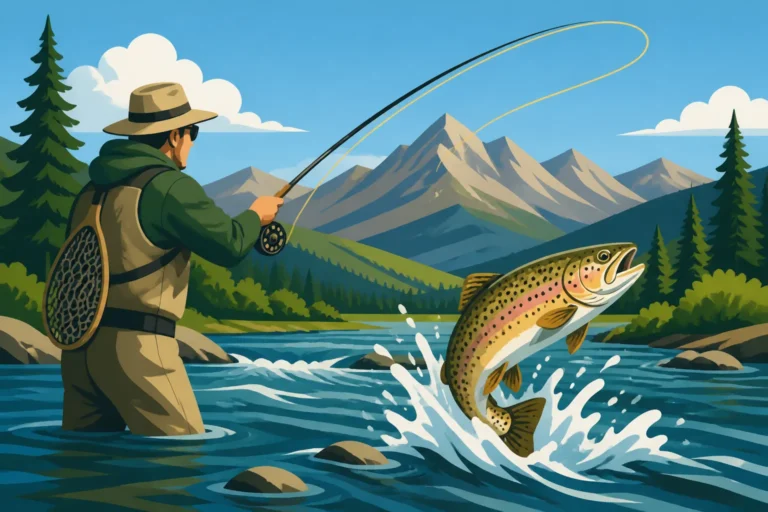
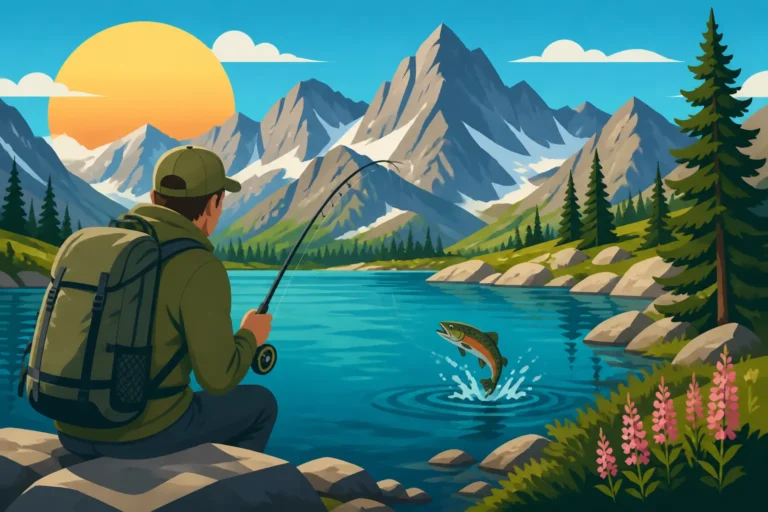
Fishing for cutthroat trout in Jackson Lake offers a classic mountain lake experience. They are often more aggressive and willing to strike at a variety of presentations, from dry flies during a hatch to small spinners, spoons, or bait. Anglers wading the shallows or fishing from a small boat or kayak often have great success targeting these spirited fighters. During peak insect hatches, the surface of the lake can come alive with rising cutthroat, providing thrilling dry fly opportunities that are hard to beat anywhere.
Conservation efforts for the native cutthroat are extremely important, particularly in areas like Grand Teton National Park. While you can keep some cutthroat, specific regulations are often in place to protect the breeding populations. Always check the current Wyoming Fishing Regulations Every Angler Should Know for Jackson Lake before you head out, as these rules can change to ensure the long-term health of the fishery. Catching and releasing these native beauties respectfully is a practice many anglers embrace to help preserve their populations for future generations.
Other Aquatic Inhabitants: Browns, Brookies, and Beyond
While Lake Trout and Cutthroat are the headliners, Jackson Lake's ecosystem is more diverse than you might initially think. Anglers venturing into different parts of the lake, especially near inflows and outflows, might encounter other species that add variety and excitement to their fishing endeavors.
The Elusive Brown Trout
Brown Trout are another non-native species that have found a foothold in Jackson Lake. While not as numerous or as famously large as the Lake Trout in this particular water, brown trout can offer a thrilling challenge, especially for those who appreciate their wily nature. They typically prefer cooler, moving water but can be found in the lake, particularly near the mouths of tributary streams like the Snake River inlet or other smaller creeks flowing into Jackson Lake. These areas provide current, structure, and a consistent food supply.
Brown trout in Jackson Lake tend to be more solitary and elusive than cutthroat, often hiding in submerged logs, rock piles, or undercut banks. They are opportunistic feeders, preying on insects, smaller fish, and even mice or small rodents that fall into the water. Anglers targeting browns often use larger streamer patterns, crankbaits, or baitfish imitations, especially around dawn or dusk when these predatory fish are most active. While trophy browns are less common than in some of Wyoming's famous rivers, catching a stout 18-20 inch Jackson Lake brown is a significant achievement that many anglers cherish.
If you're specifically hoping to tangle with some impressive brown trout, you might want to consider fishing the lower stretches of the Snake River, particularly below Jackson Lake Dam, which is known for its excellent brown trout fishing. However, don't rule out the lake itself, especially near the river's influence. Many fishing guides, some of whom can be found on platforms like FishingBooker, can offer local insights into where these elusive fish might be lurking within the lake or its immediate tributaries.
Small but Spirited: Brook Trout and Other Species
Beyond the big three trout species, Jackson Lake also hosts a population of Brook Trout. These charming, colorful fish are generally smaller than their cutthroat or brown counterparts, but what they lack in size, they make up for in beauty and willingness to bite. Brook trout, too, are non-native to this specific drainage but have been established for a long time. They typically inhabit colder, shallower waters, often in the very upper reaches of tributary streams that feed into Jackson Lake or in small, spring-fed pockets around the lake's perimeter.
Brook trout are a delight to catch on light tackle, and they're particularly popular with families or new anglers due to their aggressive feeding habits. Small spinners, worms, or simple wet flies often work wonders. While you won't find them in the deep, open waters of the lake, exploring the quieter coves or the lower sections of feeder creeks might yield a pleasant surprise.
In addition to these, anglers might occasionally encounter other less prominent species, though they are not typically targeted game fish. These could include suckers, which are native bottom-feeders and play an important role in the lake's ecosystem, or possibly sculpins, small bottom-dwelling fish that are often a food source for larger trout. While not what most anglers come for, these species are a testament to the lake's rich and complex aquatic food web. The true draw, however, remains the opportunity to battle the large Mackinaw or responsibly catch a beautiful native cutthroat.
Navigating Regulations and Conservation in Jackson Lake
Fishing in a pristine environment like Jackson Lake within Grand Teton National Park comes with a responsibility to understand and adhere to specific regulations. These rules are not arbitrary; they are carefully crafted by wildlife managers to protect the delicate balance of the ecosystem, particularly the native fish populations. Ignoring them could not only lead to fines but also inadvertently harm the very resource we cherish.
Protecting the Natives: Special Cutthroat Regulations
The native Snake River Fine-Spotted Cutthroat Trout are a cornerstone of Jackson Lake's natural heritage. Due to their native status and ecological importance, they often have specific, protective regulations in place to ensure their continued survival and propagation. These rules can vary significantly from general statewide regulations, sometimes imposing stricter limits or mandating catch-and-release in certain areas or during specific times of the year.
For example, on many stretches of the Snake River and its associated lakes, there might be a "one over 16 inches" rule for trout or even full catch-and-release requirements for cutthroat trout, especially if biologists are working to boost their numbers. The intent behind these regulations is to allow a healthy number of fish to reach spawning age and contribute to the population. It's crucial to consult the most current Reading the Wyoming Fishing Regulations Booklet from the Wyoming Game and Fish Department (WGFD) before your trip. This booklet outlines all the nuances, including special area restrictions, tackle limitations, and daily creel and possession limits.
Understanding these rules is part of being a responsible angler. When catch-and-release is required or recommended, knowing proper handling techniques to minimize stress and injury to the fish is vital. Keeping the fish in the water as much as possible, using barbless hooks, and avoiding excessive handling can significantly increase a released fish's survival chances. This mindful approach ensures that these beautiful native trout continue to thrive in Jackson Lake for generations to come.
Managing Lake Trout: An Ongoing Challenge
The presence of Lake Trout in Jackson Lake presents a fascinating and somewhat complex management scenario. While they are a prized game fish, Lake Trout are not native to the Snake River drainage, and their introduction has had ecological impacts, particularly on the native cutthroat populations. Like the well-documented Wyoming's Lake Trout Removal Efforts in Yellowstone Lake, there's a delicate balance to strike between providing angling opportunities for large Mackinaw and mitigating their predatory pressure on native species.
Because of this ecological dynamic, regulations surrounding Lake Trout are often designed to encourage harvest, especially for smaller to medium-sized fish. You might find very generous daily bag and possession limits for Lake Trout on Jackson Lake, sometimes with no size restrictions, which is quite different from the protective limits placed on native species. The idea is to reduce the overall Lake Trout population, thereby lessening their competition and predation on the more vulnerable native cutthroat. For instance, in Jackson Lake, anglers can currently keep six Lake Trout per day, with no size limit. This allows for a good harvest of these tasty fish while supporting conservation goals.
Anglers often contribute to conservation efforts simply by following these regulations and, if they choose, by harvesting Lake Trout within the legal limits. Many guides, particularly those found on platforms like FishingBooker, are excellent resources for understanding the latest regulations and the underlying conservation objectives. They can help anglers target Lake Trout effectively while adhering to responsible fishing practices that support the overall health of the Jackson Lake fishery. Always remember to check the current rules, as regulations can be updated to respond to changing biological conditions.
Optimizing Your Jackson Lake Fishing Experience
Jackson Lake is a big, wild place, and successfully fishing it often comes down to timing, understanding fish behavior through the seasons, and having the right gear. Being prepared for the unique challenges and opportunities this stunning lake presents will undoubtedly lead to a more rewarding experience.
Seasonal Movements and Best Fishing Times
The behavior of fish in Jackson Lake is heavily influenced by the changing seasons, primarily due to water temperature and spawning cycles. Understanding these patterns can dramatically improve your chances of success.
- Spring (Ice-off through June): As the ice melts (typically late April to mid-May), the lake's water temperatures are cold but begin to warm up, especially in the shallower areas. Lake Trout might be found cruising shallower depths as they recover from winter and forage for food before retreating to deeper water. Cutthroat will also be active in the shallows and near stream inlets, often feeding heavily. This is a fantastic time for both species before the summer crowds and deep-water patterns set in. The lake's opening can be a bit variable, so check for current conditions.
- Summer (July to August): This is peak tourist season, and the weather is generally warm and stable. The cutthroat fishing in the shallows can still be good, especially early and late in the day or during insect hatches. However, the large Lake Trout will move to their deep, cold-water haunts. This means anglers targeting Mackinaw will need boats equipped for deep-water trolling or jigging. Understanding How Water Temperature Changes Wyoming Trout Behavior is crucial during these warmer months.
- Fall (September to October): Many consider fall to be the prime time for trophy fishing on Jackson Lake. The water temperatures begin to cool, and Lake Trout become more active, moving shallower to feed aggressively and eventually to spawn. Brown trout also become more active, especially as they begin their fall spawning migrations into tributary streams. Crucially, Why Jackson Lake Now Stays Open Through October offers extended opportunities to target these larger fish. The cooler weather and vibrant fall colors only add to the magic of the experience.
Table: Seasonal Fishing Focus in Jackson Lake
| Season | Primary Target Species | Typical Location / Depth | Recommended Techniques |
|---|---|---|---|
| Spring | Lake Trout, Cutthroat Trout | Shallows (0-40 ft), Stream Inlets | Trolling, Casting Spinners/Spoons, Fly Fishing |
| Summer | Cutthroat Trout, Deep Lake Trout | Shallows (AM/PM), Deep Water (50-150 ft) | Fly Fishing (AM/PM), Deep Trolling, Jigging |
| Fall | Lake Trout, Brown Trout, Cutthroat Trout | Mid-depths (20-80 ft), Shorelines | Trolling, Jigging, Streamer Fishing, Casting Spoons |
| Winter | Lake Trout (Ice Fishing) | Various Depths (often >30 ft) | Jigging through ice, Tip-ups |
Gear Up: Tackle and Techniques for Jackson Lake Species
Having the right gear is paramount for a successful fishing trip to Jackson Lake, given the varied species and fishing conditions.
For the mighty Lake Trout, especially the larger ones, a stout rod and reel combo is a must. A medium-heavy to heavy action rod (7-9 feet) paired with a sturdy baitcasting reel spooled with 20-30 lb braided line is ideal for deep-water jigging or trolling. You'll need an assortment of heavy jigs (1-4 oz), tube jigs, and spoons (like Dardevles or Kastmasters) in silver, white, or glow patterns. If trolling, downriggers are incredibly effective for getting lures down to the fish. When looking for a guide to help navigate these waters and specialized equipment, many experienced outfitters in the Jackson Hole area are available, and you can often explore their offerings on platforms like FishingBooker.
For Snake River Fine-Spotted Cutthroat Trout, lighter tackle is generally more appropriate and enjoyable. A medium-light to medium action spinning rod (6-7 feet) with a reel spooled with 4-8 lb monofilament or fluorocarbon line is perfect. A variety of small spinners (Mepps, Panther Martin), spoons, and even Rapala-style crankbaits will work well. Fly anglers will want a 5 or 6-weight rod with a floating line for dry flies and a sinking tip or full sinking line for streamers and nymphs. Popular fly patterns include Parachute Adams, Elk Hair Caddis, Woolly Buggers, and various stonefly nymphs. Don't forget your waders if you plan to explore the extensive shallow areas or walk the shoreline in Fishing Spots Inside Grand Teton National Park, Wyoming.
If you're specifically targeting Brown Trout in the lake, you might lean towards slightly heavier spinning gear than for cutthroat, opting for 6-10 lb line. Larger streamers, Rapalas, or even larger spoons can entice these more cautious predators. Early mornings and late evenings around points, rocky structures, or the mouths of feeder streams are often the best times to find them. Remember that fishing regulations can differ based on species and location within the park, so always confirm before you cast.
Disclaimer
Fishing regulations and conditions in Wyoming, including Jackson Lake, can change. Always consult the most current Wyoming Game and Fish Department regulations before heading out on your fishing trip. This guide is for informational purposes only and should not be considered a substitute for official regulations.