Jackson Lake’s Best Shoreline Fishing Spots in Wyoming
Trying to figure out the best places to cast a line from the shore on a massive lake like Jackson Lake can feel like searching for a needle in a haystack, especially when you're not sure about access points or what fish bite where. This comprehensive guide is here to cut through that confusion, giving you the insider scoop on Jackson Lake's most productive and accessible shoreline fishing spots, so you can spend less time guessing and more time reeling in your next big catch.
The Unique Allure of Jackson Lake Shoreline Fishing
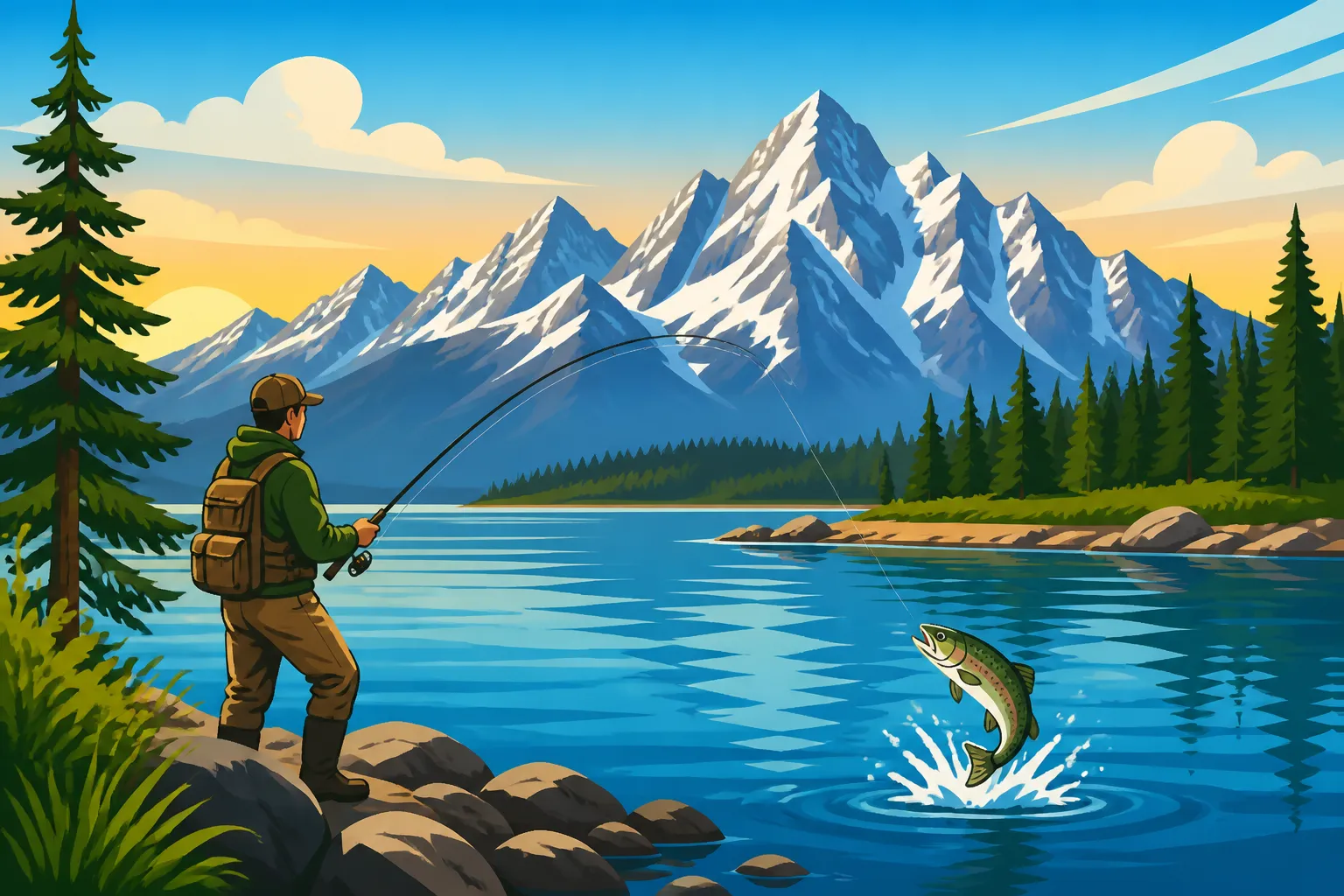
Jackson Lake, nestled in the heart of Grand Teton National Park, isn't just a stunning backdrop for photos; it's a world-class fishery. While many anglers opt for boats, the sheer size and diverse shoreline offer incredible opportunities for those who prefer to fish from solid ground. There’s a distinct satisfaction that comes from exploring the rugged edges of this glacial lake, finding a secluded spot, and connecting with nature while waiting for a bite.
Why Jackson Lake Stands Out for Bank Anglers
Unlike smaller, more uniform lakes, Jackson Lake presents a constantly changing shoreline influenced by water levels, rocky outcrops, submerged timber, and varying depths right off the bank. This incredible diversity means that with a little exploration, you can find everything from shallow, vegetated coves perfect for smaller trout to deep drop-offs just a stone's throw from the sand. The towering Teton Range provides an unmatched scenic experience, making every cast feel like a postcard moment. Plus, the ease of access at several developed areas within Grand Teton National Park means you don't always need a high-clearance vehicle or a long hike to reach prime spots. It's a fantastic place for both seasoned bank anglers looking for a challenge and families hoping to introduce their kids to the joys of fishing.
One of the biggest advantages is the chance to experience the true wildness of Wyoming fishing without needing specialized boat gear. You can walk, wade (carefully!), or simply set up a camp chair and enjoy the expansive views. The peace and quiet, especially during off-peak hours or in less-traveled areas, are truly unparalleled.
Species You'll Encounter from Shore
Jackson Lake is primarily known for its formidable lake trout (often called Mackinaw), but don't let that fool you into thinking it's the only game in town. While trophy Mackinaw often hold in deeper waters, smaller ones are certainly catchable from the shore, especially early and late in the season. The lake also holds healthy populations of native cutthroat trout, particularly the Snake River fine-spotted cutthroat, along with some rainbow trout and brook trout, often in areas where feeder streams enter the lake.
Knowing what fish live in Jackson Lake and understanding their feeding habits can greatly improve your shoreline success. Cutthroat trout, for instance, are often found cruising the shallower flats and near points where insects are abundant, making them excellent targets for fly fishing or light spin gear. Rainbow trout, often stocked, are less common in the main lake but can be found. Brook trout tend to prefer cooler, clearer waters, sometimes near spring creeks or deeper rocky structures. Targeting these various species from the bank requires a bit of adaptability in your techniques, but the reward of a diverse catch makes it all the more exciting.
Navigating Jackson Lake's Public Access Shorelines
Jackson Lake is almost entirely within Grand Teton National Park, which means a few extra layers of planning and awareness are required. This isn't your average state park; wildlife is abundant, and regulations are strictly enforced to protect the natural environment. Understanding these nuances before you go will ensure a smooth and enjoyable fishing trip.
Grand Teton National Park Regulations and Access
First and foremost, you absolutely need a valid Wyoming fishing license to fish in Grand Teton National Park. While you might be visiting the park, the fishing regulations are governed by the Wyoming Game and Fish Department, not the National Park Service, so make sure you're properly licensed for Wyoming. You can easily purchase one online or at many local vendors. If you're a nonresident, consider checking out options like Wyoming's Annual, Daily and Five-Day License Options to see what best fits your trip duration. Always carry your license with you, as park rangers and game wardens do check.
Beyond the license, it’s crucial to be aware of specific park rules. For instance, some areas might have seasonal closures for wildlife, and others might have restrictions on bait or hook types. While Jackson Lake now stays open through October, offering extended fishing opportunities, it's always wise to consult the latest regulations booklet. Boating regulations also apply, but for shoreline anglers, the key is respecting private property boundaries, adhering to "Leave No Trace" principles, and being mindful of wildlife, especially bears. Keep your food secured and carry bear spray. Do you need a Wyoming license to fish in Grand Teton National Park? Absolutely, yes, and always check for any park-specific amendments or emergency closures.
Understanding Lake Levels and Shoreline Changes
Jackson Lake is a dammed reservoir, which means its water levels can fluctuate significantly throughout the year. These fluctuations are critical for shoreline anglers. In early spring, during runoff season, the lake level often rises, submerging many of the prime fishing structures and making access challenging. Conversely, later in the summer and into the fall, water levels can drop, exposing vast stretches of beach and rocky points that were previously underwater.
This ever-changing landscape means that a spot that was fantastic in July might be completely different in September. It's a good idea to check local conditions or recent angler reports if possible before heading out. When water levels are low, new structures like old stumps, rock piles, or channels might become accessible, creating new fishing opportunities. Higher water levels, while sometimes limiting access, can push fish closer to the remaining shoreline cover. This dynamic environment requires a flexible approach but also offers exciting new discoveries with each visit. For more general information on how water levels can impact fishing, you might find articles on Fishing Wyoming During a Heat Wave or Fishing Wyoming During Spring Runoff helpful, as the principles often apply to reservoirs like Jackson Lake.
| Shoreline Spot | Primary Species | Key Features for Anglers | Best Time of Year | Accessibility |
|---|---|---|---|---|
| Colter Bay | Cutthroat, Brook | Docks, shallow coves, rocky points, visitor services | Spring, Early Summer | Easy |
| Signal Mountain | Lake Trout, Cutthroat | Deep drop-offs near marina, rocky shore, boat ramp access | Early Summer, Fall | Easy |
| Leek's Marina | Cutthroat, Lake Trout | Rocky shorelines, nearby creek inlets, boat traffic | Summer, Fall | Moderate |
| Spalding Bay | Cutthroat | Protected bay, shallow flats, creek mouths | Spring, Early Summer | Moderate |
| Lizard Creek | Cutthroat, Brook | Remote, quiet, creek mouth, varied depth | Summer, Early Fall | Moderate/Hard |
Top Shoreline Spots Around Jackson Lake
Jackson Lake offers a variety of shoreline environments, each with its own charm and fishing potential. From bustling hubs with amenities to secluded bays requiring a bit more effort, there's a spot for every type of angler. Knowing where to go and what to expect will dramatically improve your chances of success.
Colter Bay Area: Family-Friendly and Productive
Colter Bay is often the first stop for many visitors to Jackson Lake, and for good reason. It’s a full-service area with a marina, campgrounds, cabins, and a visitor center. For shoreline anglers, this means easy access and amenities. The docks at Colter Bay Marina can be surprisingly productive, especially for smaller cutthroat and brook trout that congregate around the structure. Just be mindful of boat traffic and other park visitors.
Beyond the docks, the shoreline stretching north and south from Colter Bay Village offers numerous rocky points and small, shallow coves. These areas are excellent for wading, particularly in the mornings or evenings when the fish are more active in the shallows. Kids often have a blast here with simple bait fishing setups, targeting the abundant cutthroat trout that cruise the edges. Using power bait, worms, or small spinners can yield consistent action. It’s a perfect spot for a relaxed day of fishing with the family, combining convenience with beautiful views and a good chance of catching fish. If you're looking for gear, the general store often has basic fishing supplies, making it easy to grab forgotten items.
Signal Mountain Lodge & Marina: Deep Water Access
On the southern end of Jackson Lake, Signal Mountain Lodge and Marina offers another excellent access point with a different kind of shoreline experience. What makes Signal Mountain unique is the proximity to deeper water right off the bank. The lake bottom drops off quickly in this area, providing access to larger lake trout that typically hold in cooler, deeper environments. Anglers here often use heavier gear, casting spoons or jigs far out into the main lake, hoping to entice a Mackinaw.
The rocky shoreline around Signal Mountain also provides excellent structure for cutthroat trout, especially where the rocks extend into the water. This spot can be particularly good during the cooler months of early summer and fall. Remember, the area can get busy, especially around the marina, so consider fishing during off-peak hours for a more solitary experience. The lodge also has a restaurant, which is a nice bonus after a long morning of fishing. For those interested in Lake Trout (Mackinaw) Fishing in Wyoming, Signal Mountain provides one of the best shore-based opportunities to tangle with these powerful fish.
Leek's Marina & Surroundings: Rocky Points and Structure
Just a short drive north of Colter Bay, Leek's Marina is another fantastic spot, particularly if you're keen on exploring more rugged, natural shoreline. While it has a small marina, the real draw here is the extensive rocky shoreline that extends in both directions. These areas are characterized by large boulders, submerged rocks, and varying depths, providing excellent habitat for cutthroat and smaller lake trout.
The numerous points and small inlets offer ample opportunities to find active fish. You can often see trout cruising the clear waters, making sight fishing a possibility on calm days. Fly anglers frequently find success here, casting streamers or nymphs towards the structure. Spin fishers will do well with small spoons, spinners, or soft plastics rigged to imitate baitfish. Leek's is a bit less developed than Colter Bay, offering a slightly wilder feel, but still relatively easy to access. If you're planning a trip and want to explore different options, you could even check out FishingBooker to see if any local guides offer wade trips or advice for these specific shorelines – they often have invaluable insights into current conditions and hot spots.
Spalding Bay and Lizard Creek: Secluded Trout Havens
For those willing to venture a little further, Spalding Bay and the mouth of Lizard Creek offer more secluded and often highly rewarding shoreline fishing. Spalding Bay, located on the eastern side of the lake, is a relatively shallow, protected bay. This makes it an ideal location for early season cutthroat trout, especially as the water warms up faster here. The creek mouths entering the bay bring in nutrients and insects, attracting hungry trout.
Access to Spalding Bay might involve a bit more walking or a short paddle, depending on water levels, adding to its appeal for anglers seeking solitude. Fly fishing can be exceptional in these areas, particularly with dry flies during an insect hatch. Spin anglers will find success with small Panther Martin or Mepps spinners. Lizard Creek, further north, is even more remote, often requiring a hike along the shoreline or access via kayak. The reward is a pristine fishing experience with excellent chances for cutthroat and brook trout, especially near the creek's inlet. These spots truly embody the essence of Fishing Wyoming's Wilderness and Backcountry Lakes, offering a tranquil escape and a chance to truly connect with the untamed beauty of the Tetons.
Essential Gear and Techniques for Shoreline Success
Fishing from the shoreline on Jackson Lake requires a thoughtful approach to gear and technique. The expansive nature of the lake and the diverse species means you'll want to be prepared for various scenarios. Having the right tools and knowing how to use them effectively will make all the difference between a frustrating day and a memorable one.
Rods, Reels, and Line Choices for Lake Angling
When you’re fishing a big lake like Jackson from the bank, versatility is key. A medium-light to medium action spinning rod, around 6 to 7 feet in length, is a fantastic all-around choice. This setup provides enough backbone to cast heavier lures for lake trout but is sensitive enough to feel the subtle bites of cutthroat. Paired with a 2500 or 3000 size spinning reel, spooled with 8-10 pound monofilament or fluorocarbon line, you’ll be ready for most situations. Some anglers prefer braided line for its casting distance and sensitivity, often pairing it with a fluorocarbon leader for stealth.
For those specifically targeting larger lake trout, a slightly heavier setup, perhaps a 7-8 foot medium-heavy rod with a 4000 series reel and 12-15 pound line, might be advantageous for casting larger spoons or heavy jigs. On the flip side, if your focus is solely on the smaller, more abundant cutthroat in shallow areas, a lighter, more sensitive ultra-light rod can be a blast, allowing for delicate presentations and enhancing the fight of even modest fish. Don't forget a landing net, especially if you're planning on Catch-and-Release Rules on Wyoming Waters, as it significantly reduces stress on the fish.
Best Baits and Lures for Jackson Lake's Trout and Salmon
The beauty of Jackson Lake's diverse fishery is that many baits and lures will work, depending on the species you're targeting and the time of year. For cutthroat and brook trout in shallower areas, small inline spinners (like Mepps or Panther Martin), Kastmaster spoons, and small Rapala-style crankbaits are highly effective. PowerBait, salmon eggs, or worms fished on the bottom with a simple weight-and-leader setup are also classic and effective choices, particularly for rainbow trout or recently stocked fish.
When targeting the elusive lake trout from shore, you'll want to go a bit heavier. Large spoons (such as Daredevls or Johnson Silver Minnows), heavy tube jigs, or large swimbaits rigged on jig heads can be cast out and slowly retrieved along the bottom, mimicking the lake trout's preferred forage. During specific times, like when kokanee salmon are present, imitations of these baitfish can be very productive. Always consider the water clarity; in clear water, natural colors and presentations are best, while in slightly stained water, brighter colors can grab attention. Knowing What Fish Live in Jackson Lake helps inform your lure selection.
Reading the Water: Finding Fish from the Bank
Successfully fishing from shore often boils down to your ability to "read the water" – identifying likely holding spots for fish. Look for structure: rocky points, submerged boulders, drop-offs, and fallen timber. These provide cover from predators, ambush points for feeding, and breaks from strong currents. Areas where small streams or creeks flow into the lake are also prime spots, as they bring in nutrients, insects, and cooler, oxygenated water.
Pay attention to subtle changes in water color or current, which might indicate depth changes or underwater features. Wind can also play a significant role; a steady breeze pushing across the lake can create a "current" along the shoreline, concentrating baitfish and, consequently, predator fish. Early mornings and late evenings are often the best times, as fish move into shallower water to feed under lower light conditions. If you're struggling to find fish, consider moving to different spots along the shoreline, paying attention to what the successful anglers around you are doing. Utilizing resources like How to Read Water When Trout Fishing can significantly enhance your understanding of these crucial environmental cues.
Planning Your Jackson Lake Shoreline Adventure
A successful fishing trip to Jackson Lake, especially from the shore, involves more than just bringing the right gear. Thoughtful planning regarding timing, safety, and local expertise can elevate your experience from good to unforgettable. You're not just fishing; you're immersing yourself in one of the most magnificent landscapes in North America.
Best Times of Day and Year to Fish from Shore
Jackson Lake's fishing can be fantastic, but timing is everything. Generally, the cooler parts of the day – early morning just after sunrise and late evening leading up to sunset – are most productive for trout fishing from shore. During these times, the light is lower, and the water temperatures are often more comfortable for fish, prompting them to move into shallower feeding areas. Midday, especially during the peak summer heat, can be slower, with fish retreating to deeper, cooler water.
Seasonally, late spring (after runoff subsides) and early summer offer excellent opportunities as fish become more active following the long winter. Fall, particularly September and October, can be exceptional, especially for aggressive lake trout and migratory cutthroat that may be preparing for their spawning runs or feeding heavily before winter. This is especially true now that Why Jackson Lake Now Stays Open Through October has extended the season. Winter offers ice fishing, but that's a different game than shoreline angling. Always check the weather forecast; clear, calm days are beautiful, but sometimes a bit of cloud cover or a light chop on the water can actually improve fishing by breaking up the light and offering fish more cover.
Safety Considerations and Wildlife Encounters
Fishing in Grand Teton National Park means you're in prime wildlife country. Bear safety is paramount. Always carry bear spray, know how to use it, and keep it accessible. Store all food and scented items in bear-resistant containers or in your vehicle. Make noise when hiking to avoid surprising animals. You might encounter moose, elk, deer, and various birds, which adds to the wilderness experience, but always maintain a safe distance and never approach wildlife.
Beyond bears, be mindful of changing weather conditions. Mountain weather can be unpredictable, with sudden thunderstorms, hail, or rapid temperature drops. Dress in layers, bring rain gear, and keep an eye on the sky. If you're wading, be cautious of slick rocks and swift currents, especially near creek mouths. Tell someone your plans, including where you're going and when you expect to return. Cellular service can be spotty in the park, so don't rely on your phone for emergencies. For a comprehensive overview of general safety, always refer to park regulations and common backcountry safety practices.
Hiring a Local Guide for Enhanced Experience
Even for shoreline fishing, hiring a local guide can be an invaluable investment, especially if it's your first time to Jackson Lake or if you have limited time. A guide brings local knowledge, understanding the subtle nuances of the lake, current fish movements, and the most productive spots given the day's conditions. They can also provide insights into specific techniques, local regulations, and even share some fascinating stories about the area.
A guide can save you precious fishing time by eliminating guesswork. They'll know which baits and lures are working, where the fish are holding, and how to approach certain spots without spooking fish. For those who want to learn more about the ecosystem or improve their angling skills, a guide offers personalized instruction. Plus, many guides are experienced in navigating park regulations and ensuring a safe and compliant trip. When considering a guide, you can look up options on platforms like FishingBooker, where you can often find guides specializing in shore-based or wade fishing trips in the Jackson Lake area, ensuring you get tailored advice and the best possible experience. Their expertise can truly transform your trip, turning a good day into an unforgettable adventure.
Disclaimer
Please remember that fishing conditions, regulations, and access points can change. Always consult the most current Wyoming Game and Fish Department regulations and Grand Teton National Park guidelines before heading out. Safety in the backcountry and around wildlife is your responsibility.