Fishing Spots Inside Yellowstone National Park
There's nothing quite like the dream of casting a line in Yellowstone National Park, one of America's most iconic wilderness areas. However, many anglers arrive with a mix of excitement and confusion, wondering if a standard Wyoming fishing license applies, what the rules are for different waters, and where they can even begin to explore. This guide aims to clear up all that uncertainty, providing a deep dive into the unique regulations, prime fishing spots, and essential considerations for planning an unforgettable angling adventure within Yellowstone's boundaries.
Understanding Yellowstone's Unique Fishing Regulations
Fishing in Yellowstone National Park isn't just about catching fish; it's deeply intertwined with the park's mission of conservation and preserving its unique ecosystem. Unlike fishing in the rest of Wyoming, Yellowstone operates under its own distinct set of regulations, and understanding these is paramount before you even think about wetting a line. It's not uncommon for folks to assume a regular state license covers them, but that's a common misconception that could lead to fines.
The Park Fishing Permit and Special Endorsements
First and foremost, a standard Wyoming fishing license is not valid within Yellowstone National Park. Instead, you need a specific Yellowstone National Park fishing permit. These permits are readily available for purchase online through the National Park Service website, at all park visitor centers, and at various general stores throughout the park. They come in several durations: a 3-day, 7-day, or annual option. Choosing the right one depends entirely on the length of your stay and how much time you plan to dedicate to fishing. It's a small price to pay for access to some of the most pristine waters in the world, and the funds go directly towards managing and protecting the park's aquatic resources. Always carry your permit with you, as park rangers do check.
Beyond the general permit, some specific activities or areas might require additional endorsements or careful adherence to rules that feel different from what you might be used to. For instance, any boats or float tubes used on park waters must be inspected for aquatic invasive species by a park ranger before launch. This isn't just a suggestion; it's a mandatory step to protect Yellowstone's waters from harmful non-native organisms. Always clean, drain, and dry your equipment thoroughly before arriving at the park to make the inspection process quicker and smoother. The effort is minimal compared to the potential damage invasive species could cause.
The "Catch-and-Release Only" Ethos and Barbless Hooks
Yellowstone's fishing philosophy leans heavily towards conservation, which means many waters are designated as "catch-and-release only." This isn't just a suggestion; it's a strict rule designed to protect native fish populations, particularly the Yellowstone Cutthroat Trout. If you're fishing in a catch-and-release area, you must immediately release any fish you catch, unharmed. This practice ensures that these vital populations can continue to thrive for future generations of anglers and for the health of the ecosystem. It's a stark contrast to some areas where you might enjoy a fish fry after a successful day, but the reasoning is sound and critical for the park.
To further minimize harm to fish, barbless hooks are mandatory on all Yellowstone Park waters. This is a non-negotiable rule. A barbed hook can cause significant damage to a fish's mouth, making it harder for them to feed or survive after release. Removing the barb (you can easily crimp them down with pliers) makes it much easier to unhook a fish quickly and cleanly, increasing its chances of survival. Carrying a pair of needle-nose pliers or a hemostat is essential for quick and careful release. If you’re used to fishing with barbed hooks, it’s a habit you’ll need to break before entering the park, but it’s a small adjustment for a healthier fishery. Remember, even outside the park, considering Catch-and-Release Rules on Wyoming Waters is always a good practice.
Invasive Species Management and Lake Trout in Yellowstone Lake
One of the most critical aspects of Yellowstone's fishing regulations revolves around the fight against invasive species, particularly the non-native Lake Trout in Yellowstone Lake. The introduction of Lake Trout, also known as Mackinaw, has had a devastating impact on the native Yellowstone Cutthroat Trout, which are a cornerstone of the park's ecosystem and a vital food source for grizzly bears and other wildlife. Because of this, very specific and often aggressive rules apply to Lake Trout.
If you catch a Lake Trout in Yellowstone Lake or its tributaries, you are required to kill it immediately and report your catch to a park ranger. This is not optional; it's part of the park's ongoing efforts to protect the native cutthroat population. While it might feel counterintuitive to kill a fish you've caught, it's a crucial part of the conservation strategy. There are no bag or possession limits on Lake Trout in Yellowstone Lake, and anglers are encouraged to keep every one they catch. This proactive management highlights the park's commitment to restoring ecological balance. For a deeper understanding of this complex issue, you might want to read about Why Lake Trout Are Considered a Problem in Yellowstone Lake and Wyoming's Lake Trout Removal Efforts in Yellowstone Lake.
Exploring Yellowstone Lake: A High-Altitude Gem
Yellowstone Lake is a crown jewel of the park, not just for its stunning beauty but also for its unique fishing opportunities. As the largest high-elevation lake in North America, it offers an expansive and diverse environment for anglers. However, fishing here comes with its own set of considerations, from navigating its sheer size to understanding the nuances of its regulations.
West Thumb and Its Geothermal Features
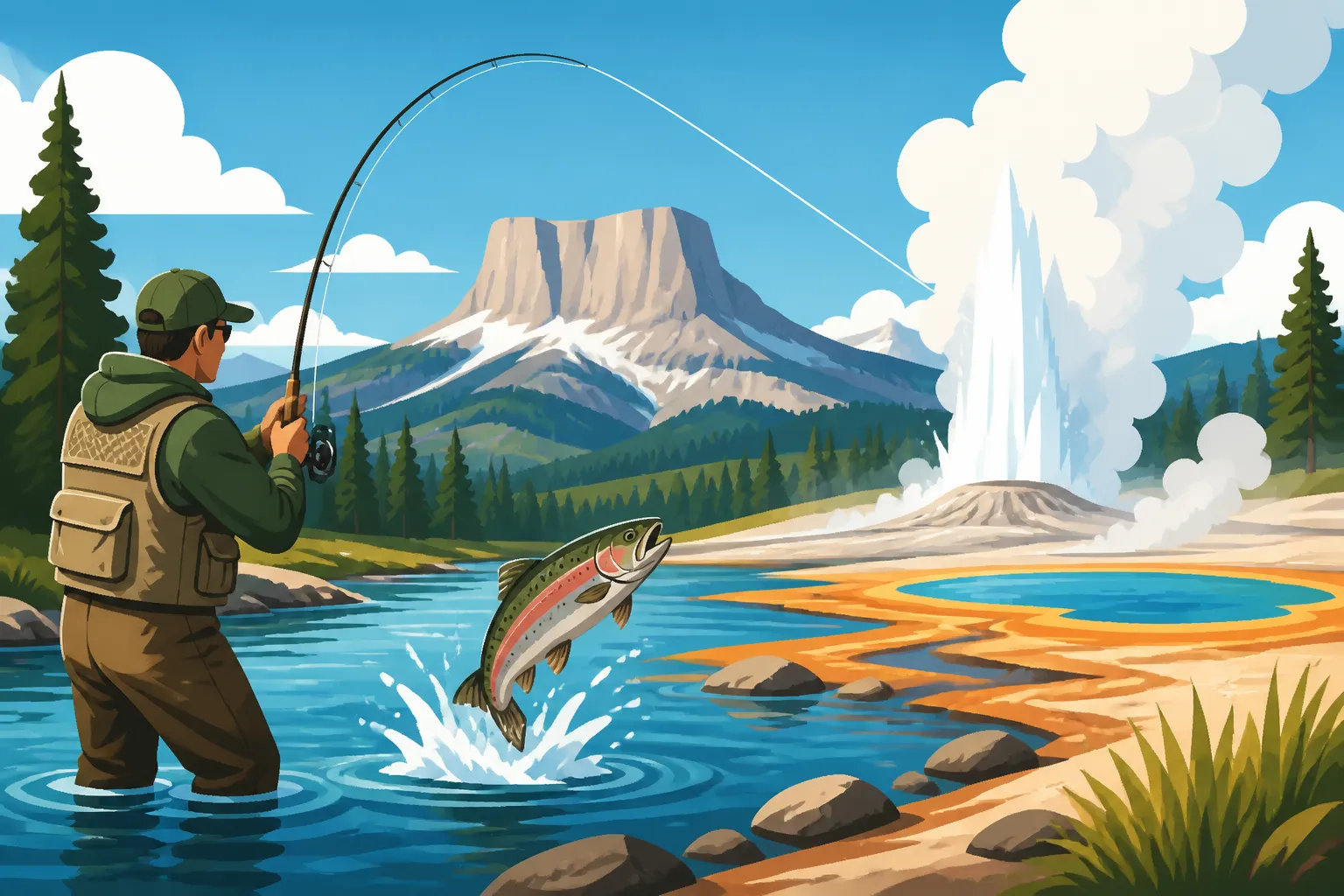
One of the most accessible and visually spectacular areas of Yellowstone Lake for fishing is the West Thumb region. Here, you'll find a captivating blend of geothermal activity meeting the vast blue waters. Steam vents and hot springs bubble along the shoreline and even beneath the lake's surface, creating a truly unique backdrop for your angling pursuits. While the geothermal features themselves aren't prime fishing grounds, the surrounding bays and points can be very productive.
Many anglers enjoy fishing from shore or with small non-motorized boats launched from designated areas around West Thumb. The water here, especially closer to the geysers, can be slightly warmer, which might attract baitfish and subsequently, hungry trout. It’s also a fantastic spot for photography, so even if the fish aren’t biting, the scenery alone makes the trip worthwhile. Access is relatively easy, with well-maintained roads and parking, making it a good starting point for those new to fishing Yellowstone Lake. Just remember to always stay on marked trails and boardwalks near thermal features for your safety and to protect the delicate ecosystem.
Fishing the Lake's Expansive Bays and Inlets
Beyond West Thumb, Yellowstone Lake opens up into a massive expanse with numerous bays, points, and inlets that offer diverse fishing experiences. The lake is generally very deep, often exceeding 300 feet in places, so understanding fish behavior in such a large body of water is key. The primary target here is the Yellowstone Cutthroat Trout, though as mentioned, you’ll also encounter (and be required to dispatch) Lake Trout. Early morning and late evening are often the most productive times, especially during the warmer summer months when trout tend to move into shallower waters to feed.
Popular areas include the channels and bays near the Lake Village and Fishing Bridge areas, which can be easily accessed from shore or by launching a boat. Fly fishing can be excellent in the shallower areas and along the edges of weed beds, where cutthroat cruise for insects. For those targeting Lake Trout, deeper water trolling with downriggers and large spoons or tube jigs is often effective. However, remember that any Lake Trout caught must be kept. Exploring the different arms of the lake, like the Southeast Arm or the Promontory, can also yield excellent results, often with fewer crowds. To truly understand the potential, it helps to know What Fish Are in Yellowstone Lake.
Access Points and Boat Regulations
Accessing Yellowstone Lake is generally straightforward, with several developed areas providing boat ramps and shoreline access. The main boat launch facilities are located at Bridge Bay Marina and Grant Village Marina. However, launching any vessel, even a float tube or kayak, requires a park boat permit and a mandatory aquatic invasive species inspection. These inspections are crucial and must be completed at a designated inspection station before you can launch. Without a valid inspection sticker, you won't be allowed on the water, and attempting to launch without one can result in significant penalties.
Motorized boating is permitted on Yellowstone Lake, but there are strict regulations regarding speed limits, no-wake zones, and areas closed to all boating. Always consult the most current park boating regulations map and brochure, available at visitor centers and marinas, before heading out. For non-motorized craft like canoes, kayaks, and float tubes, the rules are generally more lenient regarding where you can go, but the inspection and permit requirements still apply. Keep in mind that Yellowstone Lake is massive and can experience sudden, severe weather changes. High winds can quickly turn calm waters into treacherous waves, so always check the weather forecast and be prepared for rapidly changing conditions. Planning your trip around the lake's seasonal opening is also crucial; for instance, knowing When Yellowstone Lake Ice Out Usually Happens.
Iconic River Fisheries: The Yellowstone and Beyond
While Yellowstone Lake gets a lot of attention, the park's rivers and streams offer some of the most classic and rewarding fly fishing experiences in the world. These waters are renowned for their stunning scenery, abundant insect hatches, and the opportunity to catch native Yellowstone Cutthroat Trout in their natural habitat. Each river has its own character and unique challenges, promising an adventure for every type of angler.
The Yellowstone River: Above and Below the Falls
The Yellowstone River, the longest undammed river in the lower 48 states, flows directly through the heart of the park, offering distinct fishing opportunities both above and below its magnificent falls. The upper section of the Yellowstone River, which flows out of Yellowstone Lake and meanders through Hayden Valley, is a truly special place. This slow-moving, meandering section is teeming with Yellowstone Cutthroat Trout and is often considered one of the best dry fly fisheries in the park. Here, you'll encounter prolific hatches of caddis, mayflies, and grasshoppers throughout the summer, making for exciting surface action.
Access to this upper section is primarily by wading or from the bank, as boating is restricted in many areas. The open meadows of Hayden Valley provide ample space for casting, but it's also prime habitat for grizzly bears, so always carry bear spray, make noise, and be aware of your surroundings. Below the Upper and Lower Falls, the character of the river changes dramatically. It plunges through the Grand Canyon of the Yellowstone, with roaring rapids and sheer cliffs, making fishing here virtually impossible and definitely not recommended due to extreme hazards. Once the river exits the park's northern boundary near Gardiner, Montana, it opens up again to some fantastic fishing, but those regulations fall under Montana's jurisdiction, not Yellowstone's.
Slough Creek and Soda Butte Creek: Blue Ribbon Tributaries
For many seasoned Yellowstone anglers, the names Slough Creek and Soda Butte Creek evoke images of pristine water, eager cutthroats, and truly unforgettable days on the water. These two tributaries, located in the Lamar Valley area of the park, are arguably some of the most famous and beloved fly fishing destinations within Yellowstone. Both are classic meadow streams, characterized by their meandering courses, deep undercut banks, and abundant insect life.
Slough Creek, in particular, is legendary. It flows through three distinct meadows before joining the Lamar River. Access often requires a bit of a hike, especially to reach the upper meadows, but the reward is usually worth the effort. The cutthroat here are often large and feisty, and their willingness to rise to a well-presented dry fly is legendary. Soda Butte Creek, while perhaps slightly less famous than Slough Creek, offers equally superb fishing, often with slightly fewer crowds. Both creeks demand a stealthy approach and accurate casting, especially when targeting the larger, more wary fish. A trip to these waters is not just about fishing; it's an immersion in a truly wild and stunning landscape.
The Gallatin, Madison, and Snake Rivers in Yellowstone
Yellowstone National Park is the headwaters for several other major river systems, each offering its own unique fishing opportunities within the park's boundaries. The Gallatin River flows out of the park's northwest corner, offering classic freestone trout fishing. Its crystal-clear waters hold a mix of Rainbow Trout, Brown Trout, and Cutthroat, particularly in its upper reaches. Access points are often found along U.S. Highway 191, which skirts the park boundary, making it relatively easy to reach.
The Madison River originates from the confluence of the Gibbon and Firehole rivers within the park. This section, particularly in the lower Gibbon and Firehole, is known for its prolific hatches and strong populations of Rainbow and Brown Trout. However, sections of the Madison, Gibbon, and Firehole rivers within the park often have very specific seasonal regulations or closures to protect spawning fish or sensitive thermal areas. Always check the current regulations booklet.
Finally, the Snake River system, primarily flowing through Grand Teton National Park and into Wyoming, has its headwaters in the southern part of Yellowstone. Fishing the Snake River in Yellowstone generally means targeting its smaller tributaries and headwater lakes in the southern backcountry. These areas often require significant hiking or even horseback pack trips to access, providing a true wilderness fishing experience for the adventurous angler. For those interested in fishing the Snake as it leaves the park, consider learning more about Fishing Wyoming's Snake River Below Jackson Lake Dam.
Hidden Gems: Backcountry Lakes and Streams
For the angler seeking true solitude, a challenge, and the possibility of discovering untouched waters, Yellowstone's backcountry offers an unparalleled experience. Beyond the well-known rivers and lakes, hundreds of smaller, often unnamed, lakes and streams dot the park's vast wilderness. These hidden gems hold native trout populations that see far less pressure, but reaching them requires preparation, endurance, and a spirit of adventure.
Lakes of the Thorofare and Bechler Regions
Two of the most remote and celebrated backcountry regions for fishing in Yellowstone are the Thorofare and Bechler areas. The Thorofare, located in the southeast corner of the park, is one of the most remote wilderness areas in the lower 48 states. It's a land of pristine rivers like the Yellowstone, Atlantic Creek, and numerous high-alpine lakes that hold healthy populations of Yellowstone Cutthroat Trout, often of impressive size. Accessing the Thorofare typically involves a multi-day horseback pack trip or an arduous multi-day hike, making it an expedition rather than a day trip. The rewards, however, are immeasurable: truly wild fish, breathtaking scenery, and an unparalleled sense of wilderness.
The Bechler Region, in the park's southwest corner, is often called "Cascade Corner" due to its abundance of waterfalls. Here, anglers can find serene meadows and smaller streams that hold native trout. It's also known for its geothermal features that create unique aquatic environments. While still remote, some areas of the Bechler can be accessed with a long day hike, though overnight stays require a backcountry permit. Fishing in these areas is a test of skill and patience, often requiring precise casts in tight quarters, but the pristine nature of the environment and the strong, wild fish make every effort worthwhile.
The Challenge and Reward of Remote Access
The primary challenge of fishing Yellowstone's backcountry is, without a doubt, access. Many of these waters are miles from the nearest road, requiring significant hiking, often over rough terrain and at high elevations. This isn't a casual stroll; it's a strenuous physical undertaking that demands proper physical conditioning, navigation skills, and a willingness to carry all your gear. A backcountry permit is required for all overnight stays in Yellowstone's wilderness, and these permits are highly sought after, especially during peak season. Planning well in advance and being flexible with your dates and destinations is crucial.
However, the rewards of venturing into these remote areas are immense. You'll experience a level of solitude and wilderness rarely found elsewhere. The fish in these waters, having seen far fewer flies or lures, are often less wary and more aggressive, making for exciting angling. Beyond the fishing, the sheer beauty of the untouched landscapes, the abundant wildlife (including elk, moose, and bears), and the profound sense of peace are what truly make these trips unforgettable. It’s an opportunity to connect with nature on a deeply personal level.
Essential Gear for Backcountry Expeditions
Embarking on a backcountry fishing trip in Yellowstone requires careful planning and the right gear. Beyond your standard fishing tackle, you'll need to consider everything required for survival and comfort in a wilderness setting. A sturdy backpack capable of carrying several days' worth of supplies is essential. Lightweight and durable camping gear, including a tent, sleeping bag, and cooking stove, are paramount. Don't forget a water filter or purification tablets, as reliable water sources are not always guaranteed, and staying hydrated is critical.
Regarding fishing gear, pack light but effectively. A multi-piece fly rod that can be easily stowed in a backpack is ideal. A selection of versatile fly patterns that imitate common Yellowstone insects (caddis, mayflies, stoneflies, terrestrial patterns like ants and hoppers) will serve you well. Waders might be too bulky for long hikes; quick-drying wading pants or shorts with sturdy wading boots are often preferred. Always carry a comprehensive first-aid kit, a map and compass (and know how to use them), and bear spray, keeping it readily accessible. You might even consider booking a guided trip, and a platform like FishingBooker can help you find experienced local guides who specialize in these challenging, multi-day expeditions, ensuring you have the right gear and expertise for a safe and successful trip.
Targeting Yellowstone's Native and Introduced Species
Yellowstone National Park is a haven for trout anglers, but the specific species you target and how you approach them are largely dictated by whether they are native or introduced, and the conservation status surrounding them. Understanding the different fish species you might encounter will significantly enhance your fishing experience and ensure you adhere to park regulations.
The Elusive Yellowstone Cutthroat Trout
The Yellowstone Cutthroat Trout ( Oncorhynchus clarkii bouvieri) is the undisputed star of Yellowstone's fisheries. As the park's only native salmonid, it holds immense ecological and cultural significance. These beautiful trout are distinguished by their vibrant colors, often with olive-green backs fading to golden-yellow sides and a distinctive red or orange slash under their jaw (hence "cutthroat"). They are primarily insectivores, making them excellent targets for fly anglers, especially with dry flies during prolific hatches.
You'll find Yellowstone Cutthroat Trout throughout the park's native waters, including Yellowstone Lake, the Yellowstone River above the falls, Slough Creek, Soda Butte Creek, and numerous high-country lakes and streams. However, their populations have faced significant threats, most notably from the invasive Lake Trout in Yellowstone Lake and hybridization with Rainbow Trout. Because of their conservation status, regulations for cutthroat are often catch-and-release only, reinforcing the park's commitment to their recovery. Catching one of these native beauties in their wild, pristine habitat is a truly rewarding experience, symbolizing a successful day and a healthy ecosystem. Learning how to identify Identifying a Yellowstone Cutthroat Trout can be a great way to appreciate these unique fish.
Brook Trout and Rainbow Trout Opportunities
While the focus in Yellowstone is heavily on native cutthroat, you'll also find opportunities to catch non-native species like Brook Trout and Rainbow Trout. Brook Trout (Salvelinus fontinalis), another char, are an introduced species often found in smaller, colder streams and high-elevation lakes. They are beautiful fish, with a distinctive worm-like pattern on their backs and vibrant red spots, often smaller in size but incredibly eager to take a fly. In some areas, Brook Trout are actively managed to control their populations, as they can outcompete native species.
Rainbow Trout (Oncorhynchus mykiss) have also been introduced to various waters within the park. While they provide exciting fishing opportunities and are known for their strong fights, their presence also poses a threat to native cutthroat through hybridization, leading to "cutbows." Because of this, many areas within Yellowstone have specific regulations regarding Rainbow Trout, sometimes encouraging their harvest to reduce their impact on cutthroat populations. Anglers should always consult the current regulations booklet to understand the specific rules for rainbow and brook trout in the particular waters they plan to fish, as these can vary significantly based on conservation goals.
The Battle Against Lake Trout
The ongoing battle against Lake Trout (Salvelinus namaycush) in Yellowstone Lake is one of the park's most critical conservation challenges. These large, predatory char were illegally introduced into Yellowstone Lake and have since devastated the native Yellowstone Cutthroat Trout population, which serves as a crucial food source for grizzlies and bald eagles. The park has implemented an aggressive Lake Trout removal program, including commercial netting and encouraging angler harvest.
As an angler, your role in this conservation effort is clear: any Lake Trout caught in Yellowstone Lake or its tributaries must be killed immediately. There are no size or possession limits, and you are encouraged to remove as many as possible. This might feel unusual if you're accustomed to releasing fish, but in this unique context, it's a vital contribution to ecosystem restoration. If you're interested in specifically targeting Lake Trout to aid in their removal, consider hiring a guide through platforms like FishingBooker who can provide specialized gear and knowledge for deep-water trolling, increasing your chances of success and contribution to the park’s efforts.
Planning Your Yellowstone Fishing Adventure
A fishing trip to Yellowstone National Park is more than just throwing a line in the water; it's an immersive experience in one of the world's natural wonders. Careful planning ensures you make the most of your time, navigate regulations smoothly, and truly appreciate the unique environment.
Best Times to Visit and Avoid Crowds
Yellowstone's fishing season generally runs from late May or early June (depending on ice-out and snowmelt) through early November. However, the "best" time to visit depends heavily on your priorities. The peak summer months of July and August offer the most consistent weather and the widest array of open waters, including high-country lakes that only become accessible later in the season. These months also coincide with peak tourist season, meaning popular spots can be crowded, and accommodation books up far in advance.
For those looking to avoid crowds and potentially target larger fish, the shoulder seasons can be excellent. Late May and early June, just after waters open, often see hungry fish that haven't seen much pressure. This is a fantastic time for nymphing and streamer fishing. Likewise, September and October offer crisp fall weather, vibrant foliage, and often fewer people. Brown Trout (where present outside of native cutthroat waters) begin their spawning runs, and the cutthroat remain active. However, fall weather can be unpredictable, with early snows a real possibility, so pack layers. Keep an eye on Wyoming Fishing Seasons and Water-Specific Closures, though remember Yellowstone has its own specific opening/closing dates for many waters.
Gear Essentials and Local Services
Regardless of when you visit, packing appropriate gear is critical. For fly fishing, a 9-foot, 5 or 6-weight rod is a versatile choice for most of Yellowstone's rivers and lakes. Bring a selection of leaders and tippet in various strengths (3X to 5X). Your fly box should be stocked with a diverse range of patterns:
- Dry Flies: Elk Hair Caddis, Adams, Parachute Adams, Royal Wulff, Stimulator, hoppers, ants, beetles.
- Nymphs: Pheasant Tail, Hare's Ear, Prince Nymph, Copper John, San Juan Worm.
- Streamers: Woolly Bugger (olive, black, brown), Clouser Minnow.
Remember, barbless hooks are mandatory!
Beyond fishing gear, pack layers of clothing, including waterproof outerwear, sturdy hiking boots, sunglasses, a hat, and plenty of sunscreen. Bear spray is an absolute must for anyone venturing into the backcountry or even just hiking along riverbanks, and knowing how to use it is just as important as carrying it.
While Yellowstone is a wild place, there are services available to make your trip more comfortable. General stores throughout the park sell basic tackle, fishing permits, and often have up-to-date information on local conditions. For those new to fly fishing or wanting to maximize their chances, hiring a guide is an excellent option. Local outfitters and guides operating under a National Park Service permit can provide all necessary gear, expertise, and transportation, taking the guesswork out of your trip. Many can be found through platforms like FishingBooker, specializing in various waters and techniques, from dry fly fishing on Slough Creek to targeting Lake Trout on Yellowstone Lake. Consider looking into Guided Fishing Trips in Yellowstone National Park, Wyoming for more information.
Respecting Wildlife and Park Rules
Fishing in Yellowstone means sharing the landscape with an incredible array of wildlife, including bison, elk, moose, and bears. Always maintain a safe and respectful distance from all animals, especially mothers with young. The rule of thumb is at least 25 yards from most wildlife and 100 yards from bears and wolves. Never feed wildlife, and store all food and scented items in bear-resistant containers or vehicles when camping or leaving them unattended. Wildlife encounters are part of the Yellowstone experience, but your safety and their well-being depend on responsible behavior.
Beyond wildlife, always adhere to all park rules and regulations. This includes staying on marked trails, respecting closures (especially those designed to protect thermal features or wildlife), and practicing Leave No Trace principles. Pack out everything you pack in, and leave no trace of your visit. Fishing in Yellowstone is a privilege, and by following these guidelines, you help preserve this extraordinary place for future generations of anglers and nature lovers. Remember that park regulations can change, so always pick up a copy of the current "Yellowstone Fishing Regulations" booklet at any visitor center upon arrival, as it contains the most up-to-date and site-specific information.
Disclaimer
The information provided in this guide is for general informational purposes only and is subject to change. Yellowstone National Park fishing regulations can be complex and are updated annually. Always consult the official Yellowstone National Park website or obtain a current copy of the park's fishing regulations booklet from a visitor center before engaging in any fishing activities. Adherence to all park rules and regulations is the sole responsibility of the angler.