Wyoming’s Lake Trout Removal Efforts in Yellowstone Lake
It's incredibly frustrating to witness an iconic ecosystem, like the one in Yellowstone Lake, face a significant threat from an invasive species. Many of us who cherish Wyoming's natural beauty and its native fish populations have watched with concern as lake trout began to decimate the Yellowstone cutthroat trout. This comprehensive guide dives deep into the diligent and often challenging efforts undertaken to suppress these unwelcome invaders and protect the lake's precious native fish.
The Invasion: How Lake Trout Became a Problem in Yellowstone Lake
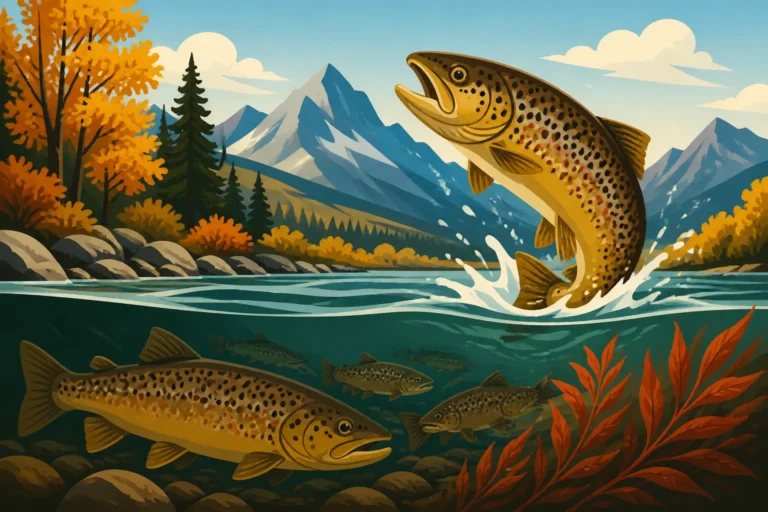
For generations, Yellowstone Lake was a pristine sanctuary for the native Yellowstone cutthroat trout. These fish are not just a pretty sight; they're a keystone species, vital to the health of the entire Yellowstone ecosystem, providing a crucial food source for everything from grizzly bears and ospreys to eagles and otters. Their abundance was a testament to the lake's ecological balance.
An Unwanted Introduction
The story of how lake trout, or Salvelinus namaycush, arrived in Yellowstone Lake is a tale of unintended consequences. Sometime in the 1980s, these non-native fish were illegally introduced into the lake. It's believed they were either inadvertently transferred from another water body or deliberately planted. Regardless of the exact method, their presence went undetected for quite some time. Lake trout are long-lived, can grow to immense sizes, and prefer deep, cold waters, which makes them incredibly elusive, especially in a lake as vast and deep as Yellowstone. Their discovery in 1994, through routine monitoring, sent ripples of alarm through the scientific community and among those dedicated to preserving the park's natural state. It's a stark reminder that even the most protected wilderness areas are vulnerable to human impact. Where Lake Trout Are Considered a Problem in Yellowstone Lake highlights just how serious this issue is.
Rapid Proliferation and Ecological Impact
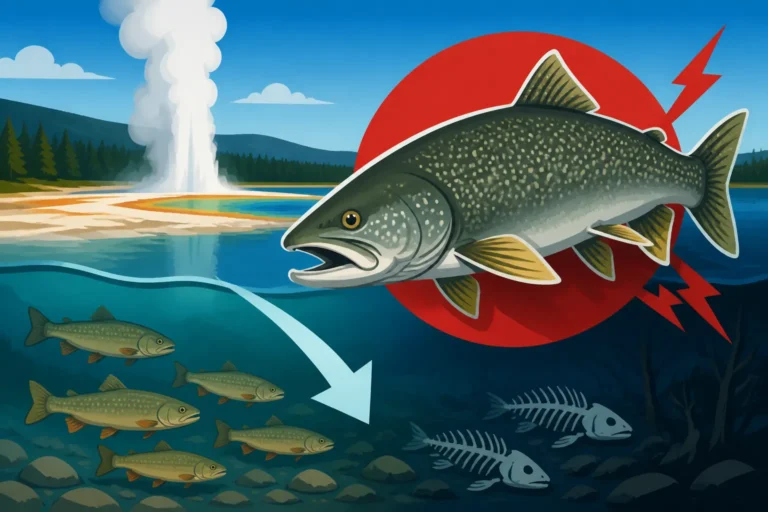
Once established, lake trout wasted no time in making themselves at home and multiplying at an alarming rate. Yellowstone Lake provided them with ideal habitat – deep, cold water and an abundant food supply in the form of the unsuspecting native cutthroat trout. Unlike the cutthroat, which evolved to graze on insects and smaller prey, lake trout are voracious predators, perfectly adapted to hunting other fish. Their reproductive success in Yellowstone Lake was phenomenal, leading to a rapid population explosion. This uncontrolled growth meant more mouths to feed, and the primary item on their menu was, unfortunately, the lake's native inhabitants. The sheer volume of lake trout quickly overwhelmed the cutthroat population, which simply wasn't equipped to deal with such a dominant and efficient predator in their home waters.
Why Lake Trout Are So Damaging to Yellowstone's Ecosystem
The problem with lake trout isn't just that they're "different"; it's that they are a direct and severe threat to the very foundation of the Yellowstone Lake ecosystem. Their impact extends far beyond just eating other fish.
Predation on Native Cutthroat
The most immediate and devastating impact of lake trout is their predation on the native Yellowstone cutthroat trout. Cutthroat are primarily surface feeders, or they feed in shallower waters, making them accessible to a wide array of predators, as they always have been. However, they never evolved defenses against a deep-water, fish-eating specialist like the lake trout. Lake trout, with their large mouths and aggressive hunting style, target cutthroat of all sizes, from juveniles to spawning adults. As the lake trout population soared, the cutthroat numbers plummeted dramatically, sometimes by as much as 90% in certain areas. This drastic reduction in cutthroat means less food for the iconic wildlife of Yellowstone, like the grizzlies emerging from hibernation, ospreys diving from the sky, and bald eagles circling overhead. Losing the cutthroat would fundamentally alter the park's food web and cascade into severe consequences for many other species. What Yellowstone Cutthroat Trout Eat really drives home their role in the food chain.
Disruption of the Ecosystem
The ecological disruption caused by lake trout goes beyond just eating cutthroat. Every part of the food web is interconnected, and removing a keystone species creates massive ripples. With fewer cutthroat, the entire flow of energy within the lake shifts. Bears and birds that once relied heavily on cutthroat spawns are forced to seek alternative, often less reliable, food sources. This can lead to increased competition for food, changes in migration patterns, and even decreased reproductive success for these animals. Moreover, lake trout occupy a different niche than cutthroat; they consume more fish and their waste products contribute differently to the nutrient cycle. While the cutthroat were part of a balanced system, the lake trout introduction has created an imbalance, potentially altering water quality, benthic communities, and even the aquatic insect populations. It’s a complete restructuring of an ancient and delicate system, all because of one invasive species. Identifying a Yellowstone Cutthroat Trout helps understand the specific native fish being impacted.
The Methods of Lake Trout Suppression
When facing such a profound ecological threat, the response needs to be equally profound and sustained. Yellowstone National Park, in conjunction with various partners, has implemented a multi-faceted approach to suppress the lake trout population, aiming to restore the native cutthroat trout. This isn't a simple task; it's a long-term battle requiring diverse strategies and significant resources.
Gill Netting Operations
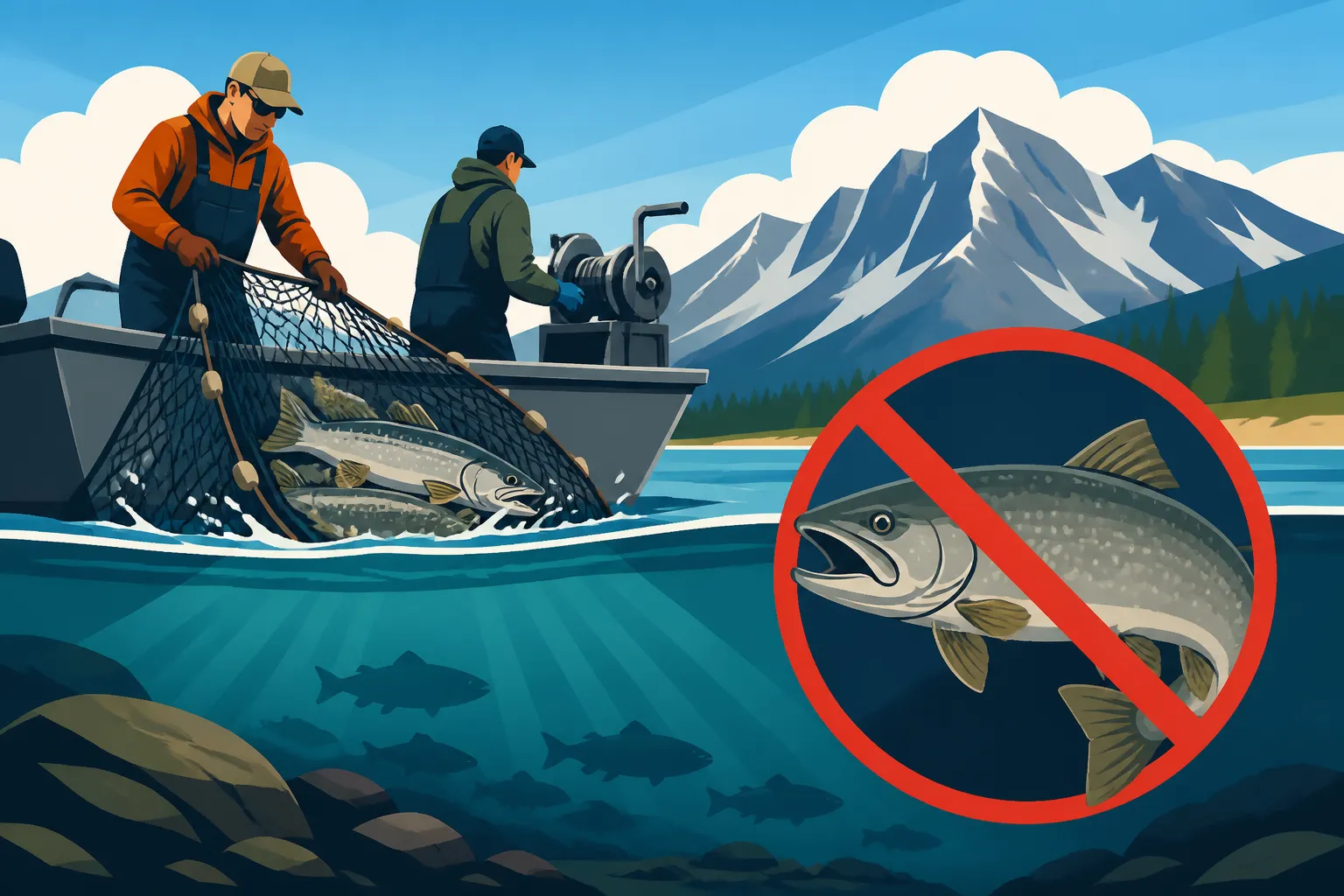
The primary and most effective method for suppressing lake trout in Yellowstone Lake has been extensive gill netting. Gill nets are fishing nets that hang vertically in the water, designed to entangle fish by their gills as they try to swim through. Because lake trout prefer deeper, colder waters, specialized gill nets are deployed at various depths and locations throughout the lake, targeting their preferred habitats. This is an incredibly labor-intensive operation, requiring specialized boats, sonar technology to locate schools of lake trout, and skilled crews to set, retrieve, and empty the nets. The netting is conducted systematically, often focusing on areas where lake trout are known to aggregate, such as spawning grounds or feeding areas. Crews work tirelessly, often in challenging weather conditions, removing thousands upon thousands of lake trout each season. Do You Have to Kill Lake Trout Caught in Yellowstone Lake? directly addresses the policy around these fish, emphasizing the critical nature of their removal.
The scale of these netting efforts is truly impressive. It's not just about setting a few nets; it involves a coordinated strategy over the entire 136 square miles of the lake. Park staff and contractors use specially designed vessels to drag thousands of feet of gill net across the lakebed, sometimes over vast distances. The nets are meticulously monitored and retrieved, with every lake trout counted and removed. This data is crucial for understanding population trends and adapting future strategies. The goal is not necessarily complete eradication, which is often impossible with established invasive species in such a large body of water, but rather suppression to a level that allows the native cutthroat trout to recover and thrive once more. It's a continuous, year-round effort that ramps up particularly during key lake trout spawning periods, when they are more concentrated and vulnerable to netting.
Hydroacoustic Surveys and Emerging Technologies
While gill netting is the workhorse of the suppression program, science and technology play a crucial supporting role. Hydroacoustic surveys, essentially underwater sonar mapping, are employed to estimate lake trout population densities and distribution. These surveys use sound waves to detect fish in the water column, providing valuable data on where the fish are concentrated, their numbers, and their movements. This information helps direct netting efforts to the most effective locations, making the overall operation more efficient and targeted. It's like having an advanced scout that tells the fishing crews exactly where to cast their nets, saving precious time and resources.
Beyond hydroacoustics, researchers are constantly exploring and testing other emerging technologies and techniques. This could include things like localized electrofishing in specific areas to stun and remove fish, or even experimental methods that might disrupt lake trout reproduction. The challenge lies in finding methods that are effective, scalable, and environmentally sound within a national park setting. For those looking to understand the mechanics, a simple search on Amazon for "sonar fish finder" can show you the kind of technology used in more advanced surveys, even if the scale is vastly different. The park is always looking for innovative ways to gain an edge in this ongoing battle, from sophisticated mapping software to improved net designs.
Public Involvement and Angler Contribution
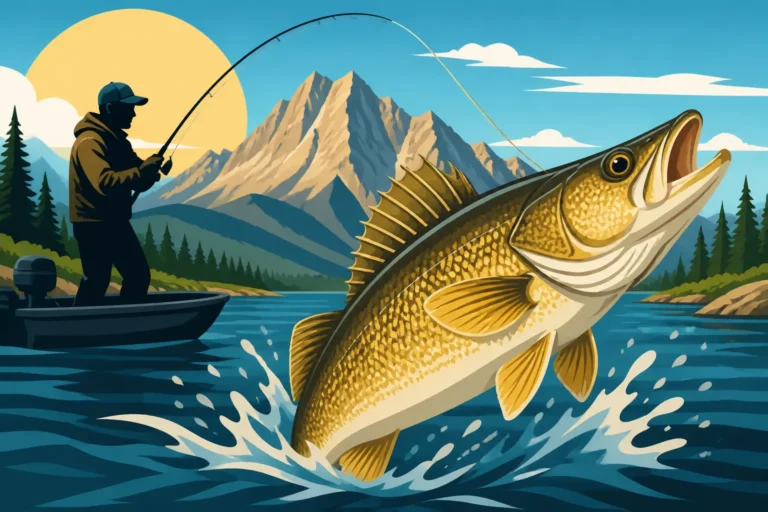
While the large-scale netting operations are carried out by professionals, the public also plays a role in lake trout suppression. Yellowstone National Park encourages anglers to target and harvest lake trout, and there are no possession or size limits on lake trout in Yellowstone Lake. In fact, if you catch a lake trout, you are legally required to kill it and not release it back into the water. This policy is a clear indicator of the severity of the threat these fish pose. Fishing Yellowstone Lake's West Thumb in Wyoming provides context on where anglers might target fish.
Many anglers participate enthusiastically, seeing it as an opportunity to directly contribute to conservation. While individual anglers won't remove thousands of fish like the netting crews, every lake trout removed helps. It also raises public awareness about the issue. Some local outfitters and guides even offer specialized "lake trout removal trips," turning a conservation effort into a unique fishing experience. If you're planning a trip and want to contribute, ensure you have the right gear; heavy-duty trolling rods and deep-diving lures suitable for large fish are often key, and you can easily research options and read reviews on Amazon to get prepared. It's a way for visitors to engage hands-on with the park's conservation mission, reinforcing the message that collective action is vital for protecting these wild places. Best Guides for Yellowstone Lake Trout Removal Trips even showcases dedicated services for this.
Here’s a summary of the main lake trout suppression methods:
| Method | Description | Primary Goal | Advantages | Challenges |
|---|---|---|---|---|
| Gill Netting | Deploying large nets in deep water to entangle lake trout. | Mass removal and population reduction. | Highly effective for large-scale removal; targets deep areas. | Labor-intensive; bycatch (though carefully minimized); high cost. |
| Hydroacoustic Surveys | Using sonar to map fish populations and distribution. | Inform netting efforts; estimate population. | Non-invasive; provides broad overview; data-driven. | Requires specialized equipment and expertise; indirect removal. |
| Angler Harvest | Encouraging recreational anglers to catch and keep lake trout. | Supplementary removal; public engagement. | Cost-effective; builds public awareness; direct contribution. | Limited impact compared to netting; dependent on angler effort. |
| Emerging Technologies | Exploring new methods like localized electrofishing or reproductive disruption. | Improve efficiency; long-term solutions. | Potential for more targeted or efficient removal. | Often experimental; regulatory hurdles; unpredictable results. |
Challenges and Hurdles in the Removal Efforts
Even with dedicated effort and advanced technology, suppressing an invasive species in a dynamic, wild environment like Yellowstone Lake is fraught with challenges. It's a testament to the commitment of the park staff and their partners that these efforts have seen measurable success despite significant obstacles.
The Sheer Scale of the Lake
Yellowstone Lake is the largest high-elevation lake in North America, covering 136 square miles with depths reaching over 400 feet. This immense size presents an enormous logistical challenge for any suppression effort. Imagine trying to find and remove a hidden threat from a body of water the size of a small inland sea! Deploying and retrieving thousands of feet of gill net daily across such a vast expanse requires a massive fleet of boats, extensive fuel consumption, and highly trained crews operating around the clock. The lake's remote nature in many areas also complicates access, especially during inclement weather or early and late seasons. Weather can turn fierce quickly on the lake, with sudden storms and high winds making operations dangerous or impossible. It's a constant battle against the elements and the vastness of nature, where every square mile needs to be considered in the overall strategy. What Fish Are in Yellowstone Lake offers a sense of the lake's diverse ecosystem.
Financial and Logistical Constraints
Running a program of this magnitude is incredibly expensive. The cost of specialized boats, fishing gear, fuel, and the salaries of dedicated personnel adds up quickly. Funding for such long-term conservation projects often relies on a combination of federal appropriations, grants, and private donations. Securing consistent and sufficient funding year after year is a continuous challenge, especially for a program that isn't always in the public eye. Beyond the financial aspect, the logistics are immense. It involves coordinating dozens of staff, maintaining a fleet of specialized vessels, processing thousands of fish, and managing data collection. Equipment breaks down, personnel need training, and all operations must adhere to strict environmental regulations within a national park. Even seemingly small details, like ensuring a continuous supply of heavy-duty fishing line or specialized net repair kits, require meticulous planning, often requiring procurement from sources like Amazon for niche items, underscoring the operational complexity. How Wyoming's Snowpack Affects Summer Fishing might impact lake levels and thus access for some of these logistical operations.
Balancing Conservation with Tourism
Yellowstone National Park is not just a conservation area; it's also a major tourist destination that welcomes millions of visitors annually. The lake trout removal efforts, while critical, must be conducted in a way that minimizes impact on visitor experience and other park operations. This means careful scheduling of netting operations to avoid peak visitor areas or times, ensuring boating lanes remain clear, and communicating clearly with the public about the purpose and importance of the work. There's a delicate balance to strike between the urgent need for ecological restoration and the public's right to experience the park's beauty. Education is key here, explaining why these efforts are necessary helps foster understanding and support from visitors who might otherwise be confused by seeing netting boats on the lake. It's a continuous act of diplomacy and strategic planning.
The Future of Yellowstone Lake's Fishery
Despite the challenges, the outlook for Yellowstone Lake's native cutthroat trout is showing promising signs of recovery, thanks to the relentless efforts to suppress lake trout. It's a long road, but the dedication is paying off.
Signs of Recovery for Cutthroat
After years of intensive lake trout suppression, scientists are observing encouraging signs that the native Yellowstone cutthroat trout population is beginning to rebound. Monitoring data shows an increase in cutthroat numbers, particularly in areas where netting efforts have been most successful. We're seeing more young cutthroat surviving and growing, and their distribution within the lake is expanding. This is fantastic news, indicating that the pressure on the cutthroat from lake trout predation is lessening. The recovery is slow, as ecosystems take time to heal, but it's a testament to the effectiveness of the targeted removal program. Seeing those vibrant cutthroat, with their distinctive red slash under the jaw, making a comeback is a huge morale booster for everyone involved in the conservation efforts. This positive trend also bodes well for the wildlife that depends on them, such as the grizzly bears feasting on spawning cutthroat in the tributaries.
Ongoing Monitoring and Adaptive Management
The fight against lake trout is not a "one and done" situation; it requires continuous vigilance. The park and its partners remain committed to long-term monitoring of both lake trout and cutthroat populations. This involves ongoing hydroacoustic surveys, regular gill netting to assess lake trout numbers, and thorough surveys of cutthroat spawning streams. This constant data collection is crucial for an adaptive management approach, meaning strategies are continually reviewed and adjusted based on the latest scientific findings. If lake trout numbers begin to creep up in a particular area, netting efforts can be intensified there. If cutthroat are struggling in another, specific interventions might be considered. The program is flexible and responsive, ensuring that resources are deployed most effectively. For anyone curious about the science, many research papers are published, often accessible through academic databases or even general searches, with summaries sometimes available on platforms like Amazon. This ongoing commitment to science-based management is what will ensure the long-term health of the fishery.
The Long-Term Vision
The ultimate vision for Yellowstone Lake is a thriving, self-sustaining population of native Yellowstone cutthroat trout, fulfilling their ecological role without the pervasive threat of invasive lake trout. While complete eradication of lake trout may not be feasible given the lake's size and complexity, the goal is to keep their numbers suppressed to a level that allows the cutthroat to dominate once more. This means the suppression efforts will likely need to continue indefinitely, adapting as conditions change and new technologies emerge. It's an investment in the ecological integrity of one of America's most treasured national parks. The success of this endeavor isn't just about fish; it's about preserving a holistic ecosystem, a natural legacy for future generations to cherish and explore. Is Helping Remove Lake Trout From Yellowstone Lake a Guided Trip Option? shows how people can even play a part in this long-term vision.
Disclaimer
This article is for general informational purposes only and does not constitute professional advice. Laws, prices and regulations vary by location and change over time. Consult a qualified professional for guidance on your specific situation.